

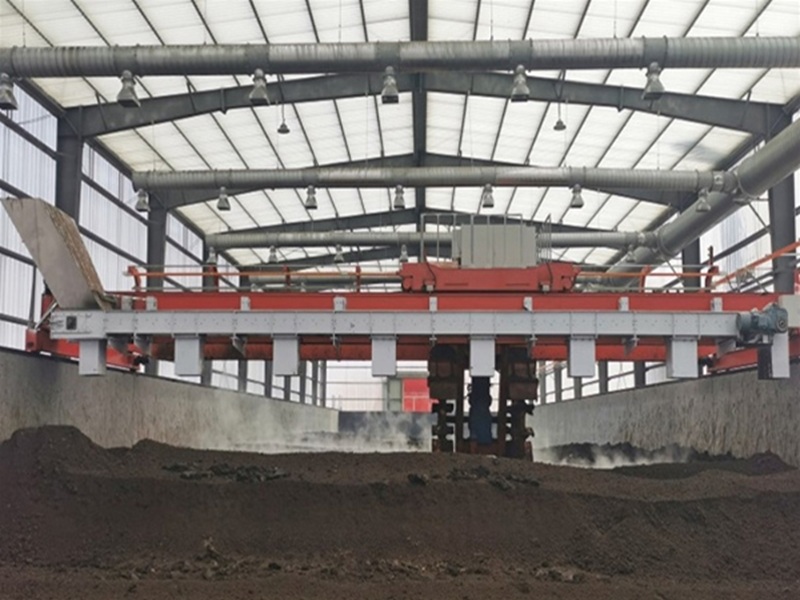
Automatic poultry house equipment Offers Better Health Control for Chickens
Introduction
The poultry industry has undergone significant technological advancements in recent years, with automation playing a crucial role in improving efficiency, productivity, and animal welfare. One of the most notable developments is the integration of automatic poultry house equipment, which enhances health control for chickens by ensuring optimal environmental conditions, precise feeding, and effective disease prevention.
Automation in poultry farming reduces human error, minimizes labor costs, and provides real-time monitoring, allowing farmers to make data-driven decisions. This article explores how automatic poultry house equipment contributes to better health control for chickens, covering key aspects such as climate control, feeding systems, water management, waste handling, and biosecurity measures.
1. Climate Control for Optimal Health
Maintaining the right environmental conditions is essential for chicken health, growth, and productivity. Automatic climate control systems regulate temperature, humidity, ventilation, and lighting to create an ideal living environment.
1.1 Temperature Regulation
Chickens are highly sensitive to temperature fluctuations. Excessive heat can cause heat stress, while cold temperatures may lead to respiratory issues. Automated heating and cooling systems, such as thermostatically controlled heaters and evaporative cooling pads, ensure a stable temperature.
- Heating Systems: Infrared heaters or forced-air furnaces provide consistent warmth, especially for chicks in brooding stages.
- Cooling Systems: Fans, misters, and tunnel ventilation help lower temperatures during hot weather.
1.2 Humidity Control
High humidity can promote bacterial and fungal growth, while low humidity may cause dehydration. Automated humidity sensors adjust ventilation rates to maintain optimal moisture levels (typically between 50-70%).
1.3 Ventilation Management
Proper airflow prevents the buildup of harmful gases like ammonia and carbon dioxide. Automated ventilation systems use exhaust fans, air inlets, and controllers to ensure fresh air circulation.
1.4 Lighting Automation
Light influences chicken behavior, growth, and egg production. Automated lighting systems simulate natural daylight cycles, adjusting intensity and duration to promote healthy development.
2. Automated Feeding Systems for Consistent Nutrition
Proper nutrition is vital for chicken health, growth, and egg production. Automated feeding systems ensure precise and consistent feed distribution, reducing waste and labor costs.
2.1 Chain and Pan Feeding Systems
- Chain Feeders: Move feed along a trough, ensuring all chickens have access.
- Pan Feeders: Dispense feed in circular pans, minimizing spillage.
2.2 Automated Feed Dispensers
Programmable feeders release measured amounts of feed at scheduled times, preventing overfeeding or underfeeding.
2.3 Smart Feed Monitoring
Sensors track feed consumption, alerting farmers to irregularities that may indicate health issues.
3. Water Management for Hydration and Hygiene
Clean, fresh water is essential for chicken health. Automated water systems ensure continuous supply while minimizing contamination risks.
3.1 Nipple Drinkers
- Reduce water spillage and contamination.
- Encourage natural drinking behavior.
3.2 Automated Water Sanitization
UV filters and chlorination systems maintain water cleanliness, preventing disease spread.
3.3 Water Consumption Monitoring
Sensors detect changes in water intake, which can signal illness or stress.
4. Waste Management for Disease Prevention
Proper waste handling is crucial to prevent infections and maintain hygiene. Automated waste removal systems reduce labor and improve sanitation.
4.1 Conveyor Belt Manure Removal
- Continuously transports waste out of the poultry house.
- Reduces ammonia buildup and fly infestations.
4.2 Composting and Recycling Systems
Automated composting converts waste into fertilizer, promoting sustainability.
5. Biosecurity and Disease Control
Automation enhances biosecurity by minimizing human contact and preventing pathogen entry.
5.1 Automated Disinfection Systems
- Foggers and sprayers disinfect poultry houses between flocks.
- Footbath systems prevent contamination from outside sources.
5.2 Remote Health Monitoring
- Cameras and sensors detect abnormal behavior (e.g., lethargy, reduced movement).
- AI-driven analytics identify early signs of disease.
6. Benefits of Automatic Poultry House Equipment
- Improved Chicken Health: Stable conditions reduce stress and disease risks.
- Higher Productivity: Optimized feeding and environment enhance growth and egg production.
- Cost Efficiency: Reduces labor and feed waste.
- Sustainability: Efficient resource use and waste management.
Conclusion
Automatic poultry house equipment revolutionizes chicken farming by ensuring better health control through precise environmental regulation, efficient feeding, clean water supply, waste management, and biosecurity measures. As technology advances, further innovations will continue to enhance poultry welfare and farm profitability. Farmers who adopt these automated systems can expect healthier flocks, higher productivity, and sustainable operations.
By leveraging automation, the poultry industry can meet growing global demand while maintaining high standards of animal welfare and food safety.
---
(Note: This article provides an overview of automated poultry farming without mentioning specific companies. If you need further details on any section, feel free to ask!)
Бул веб-сайт биздин веб-сайтта эң жакшы тажрыйбаны алуу үчүн кукилерди колдонот.
 English
 Pусский
 Français
 العربية
 Indonesia
 қазақ
қазақ o'zbek
 тоҷикӣ
 Türkmenler
 Catalogue



 Whatsapp
 Телефон
Комментарий
(0)