

Commercial Chicken Farming Equipment Upgrades Drive Higher Profitability
Industry Background and Market Demand
The global poultry industry continues to expand, driven by rising demand for affordable protein and efficient food production. Commercial chicken farming has evolved from traditional manual operations to highly automated systems, where equipment upgrades play a pivotal role in improving productivity, reducing labor costs, and ensuring bird welfare.
Modern farms face pressure to optimize output while complying with stricter animal welfare and environmental regulations. As a result, producers increasingly invest in advanced poultry farming equipment to enhance efficiency, biosecurity, and profitability. Key market drivers include:
- Labor shortages pushing automation adoption
- Energy efficiency requirements lowering operational costs
- Disease prevention demands improving biosecurity measures
- Consumer expectations for ethical and sustainable farming
Core Concepts and Key Technologies
Commercial chicken farming equipment encompasses several critical systems:
1. Automated Feeding Systems
- Precision feed dispensers reduce waste by delivering optimized rations.
- Advanced sensors monitor consumption patterns, adjusting portions in real time.
2. Climate Control and Ventilation
- Smart HVAC systems regulate temperature, humidity, and air quality.
- Energy recovery ventilators (ERVs) minimize heat loss in colder climates.
3. Egg Collection and Handling
- Conveyor-based systems automate egg sorting, reducing breakage and contamination.
4. Manure Management Solutions
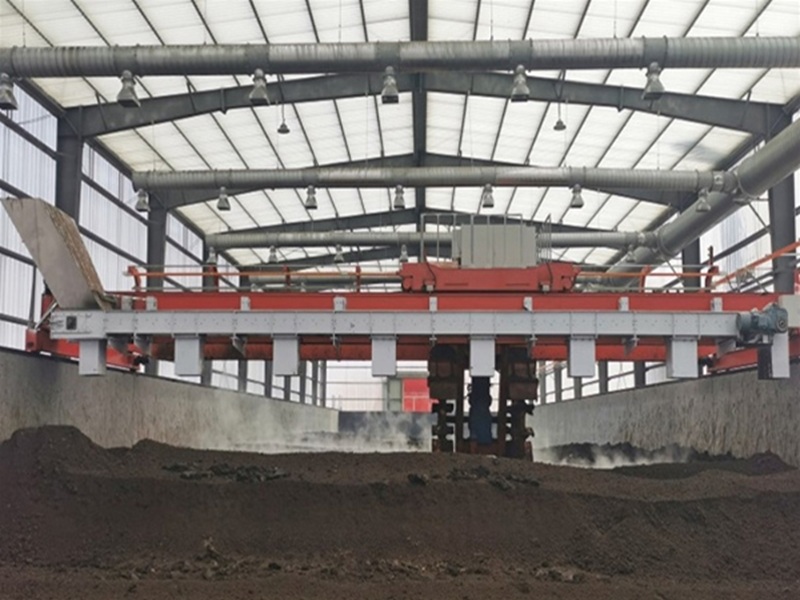
- Belt systems and composting technologies improve waste handling efficiency.
5. Robotic Monitoring and AI-Assisted Analytics
- IoT-enabled cameras track bird health, detecting early signs of disease.
Equipment Structure, Performance, and Manufacturing Standards
High-performance poultry farming equipment must meet durability, efficiency, and safety benchmarks. Key considerations include:
- Materials: Stainless steel and food-grade polymers ensure corrosion resistance and hygiene.
- Modular Design: Scalable systems allow farms to expand operations without full replacements.
- Energy Efficiency: Variable-speed motors and solar-assisted systems reduce power consumption.
- Ease of Maintenance: Quick-disconnect components minimize downtime during servicing.
Leading manufacturers employ precision engineering and rigorous testing to meet industry certifications (e.g., ISO 9001, CE marking).
Critical Factors Affecting Performance and Quality
1. Durability Under Harsh Conditions
- Equipment must withstand ammonia exposure, moisture, and constant use.
2. Integration Capabilities
- Compatibility with farm management software ensures seamless data flow.
3. Biosecurity Features
- Antimicrobial coatings and closed-system designs prevent pathogen spread.
4. Supplier Support and Training
- Reliable after-sales service ensures minimal operational disruptions.
Supply Chain and Vendor Selection Criteria
Choosing the right supplier is crucial for long-term ROI. Key evaluation factors include:
- Technical Expertise: Proven experience in poultry farming solutions.
- Customization Options: Ability to tailor systems to farm-specific needs.
- Lead Times and Logistics: Efficient delivery and installation support.
- Regulatory Compliance: Adherence to local and international standards.
Common Challenges and Industry Pain Points
1. High Upfront Costs
- Initial investments in automation deter small-scale farmers despite long-term savings.
2. Technology Adoption Barriers
- Older farms struggle with integrating smart systems into legacy infrastructure.
3. Maintenance Complexity
- Improper servicing leads to premature equipment failure.
4. Energy Dependency
- Power outages can disrupt automated systems, requiring backup solutions.
Application Scenarios and Case Studies
Case Study: Midwest Poultry Farm (USA)
A 50,000-bird layer farm upgraded to automated feeding and climate control, achieving:
- 15% feed cost reduction via precision dispensing.
- 20% lower mortality rates due to improved environmental conditions.
Case Study: European Broiler Producer
By implementing robotic health monitoring, the farm reduced antibiotic use by 30%, aligning with EU regulatory trends.
Current Trends and Future Outlook
1. AI-Driven Predictive Maintenance
- Machine learning models forecast equipment failures before they occur.
2. Renewable Energy Integration
- Solar-powered systems reduce reliance on grid electricity.
3. Blockchain for Traceability
- Transparent supply chain tracking enhances food safety compliance.
4. Modular and Mobile Solutions
- Containerized poultry units enable flexible farm expansion.
FAQ
Q: How do automated feeding systems improve profitability?
A: They minimize feed waste, optimize nutrition, and reduce labor costs.
Q: What is the ROI period for modern poultry equipment?
A: Typically 2–5 years, depending on scale and operational efficiency gains.
Q: Are there financing options for small farms?
A: Many manufacturers offer leasing or government-subsidized programs.
Conclusion
Commercial chicken farming equipment upgrades are no longer optional but a necessity for competitive operations. By investing in automation, energy efficiency, and smart monitoring, producers can achieve higher yields, lower costs, and compliance with evolving industry standards. As technology advances, farms that adopt these innovations will lead in both sustainability and profitability.
Бул веб-сайт биздин веб-сайтта эң жакшы тажрыйбаны алуу үчүн кукилерди колдонот.
 English
 Pусский
 Français
 العربية
 Indonesia
 қазақ
қазақ o'zbek
 тоҷикӣ
 Türkmenler
 Catalogue



 Whatsapp
 Телефон
Комментарий
(0)