

1. Introduction to Broiler Chicken Coop
The broiler chicken coop is a fundamental component of modern poultry farming, providing a controlled environment for raising broiler chickens efficiently and safely. Broiler coops are designed to accommodate the rapid growth of meat-type chickens, ensuring their comfort, health, and productivity while optimizing space and resources for the farmer.
Broiler chickens grow quickly, requiring specialized housing that supports their physical needs, protects them from predators and adverse weather, and facilitates management tasks such as feeding, watering, and cleaning. The coop design significantly impacts bird welfare, mortality rates, feed conversion efficiency, and overall farm profitability.
This article provides a detailed overview of broiler chicken coops, including technical parameters, structural features, benefits, practical applications, operational guidance, common challenges, and frequently asked questions.
2. Parameters of Broiler Chicken Coop
Selecting or designing an effective broiler chicken coop requires understanding key parameters that influence bird welfare and farm efficiency.
2.1 Dimensions and Capacity
Size per bird: Typically 0.06 to 0.1 square meters (approximately 0.65 to 1.1 square feet) per broiler for optimal growth
Total coop size: Varies depending on flock size; common sizes range from small backyard coops for 50–200 birds to commercial houses accommodating thousands
Ceiling height: Minimum 1.8 meters (6 feet) to allow adequate ventilation and movement
2.2 Structural Materials
Frame: Usually wood, steel, or aluminum
Walls: Insulated panels, plywood, or wire mesh with weatherproofing
Roof: Metal sheets or shingles with proper drainage
Flooring: Dirt, concrete, or slatted floors with bedding material such as wood shavings
2.3 Environmental Controls
Ventilation: Natural or mechanical ventilation with fans or windows
Lighting: Artificial lighting systems, often LED, to regulate growth and behavior
Heating: Supplemental heating for chicks or cold climates using heaters or brooders
2.4 Feeding and Watering Systems
Feeders: Manual or automated feeders designed for easy access and minimal wastage
Drinkers: Nipple drinkers, bell drinkers, or cups positioned to meet bird height and number
3. Features of Broiler Chicken Coop
3.1 Protection and Security
The coop is designed to safeguard broilers from predators, pests, and harsh weather conditions, using sturdy materials and secure doors/windows.
3.2 Adequate Space and Comfort
Proper space allocation prevents overcrowding, reduces stress, and promotes uniform growth. The coop layout includes designated feeding, drinking, and resting areas.
3.3 Ventilation and Air Quality
Ventilation systems ensure fresh air circulation, controlling humidity, temperature, and harmful gas buildup, which is essential for respiratory health.
3.4 Ease of Cleaning and Maintenance
Coops are built for easy cleaning with removable litter trays or slatted floors, smooth surfaces, and accessible doors to reduce labor.
3.5 Efficient Feeding and Watering Integration
Feeders and drinkers are strategically placed to maximize accessibility and reduce wastage, supporting bird hydration and nutrition.
3.6 Temperature Regulation
Insulation and heating elements maintain optimal temperature, especially for young chicks requiring warm brooding environments.
4. Advantages of Broiler Chicken Coop
4.1 Improved Bird Health and Welfare
The controlled environment minimizes disease risks, reduces mortality, and enhances bird comfort, contributing to better growth performance.
4.2 Increased Productivity
Optimized space, nutrition, and environmental controls lead to higher feed conversion ratios and faster growth rates.
4.3 Enhanced Biosecurity
Limited exposure to outside contaminants and pests reduces infections and supports flock health management.
4.4 Labor Efficiency
Simplified management tasks like feeding, watering, and cleaning save labor and time, increasing operational efficiency.
4.5 Environmental Sustainability
Proper waste management within the coop reduces odor and environmental pollution, promoting sustainable farming.
4.6 Scalability and Flexibility
Coop designs range from small backyard units to large commercial houses, allowing flexible farm expansion.
5. Application Scenarios
5.1 Backyard Poultry Farming
Small-scale farmers and hobbyists use broiler chicken coops to raise chickens for personal consumption or local sales.
5.2 Commercial Broiler Production
Large poultry enterprises employ industrial-sized coops with automated systems for mass production and efficient management.
5.3 Organic and Free-Range Farming
Coops designed for organic or free-range systems provide shelter while allowing outdoor access and natural behaviors.
5.4 Research and Educational Facilities
Institutions use broiler coops to study poultry health, nutrition, and behavior under controlled conditions.
5.5 Emergency and Disaster Relief
Temporary coops can be deployed in disaster zones or emergencies to quickly establish poultry production.
6. Usage Instructions for Broiler Chicken Coop
6.1 Construction and Setup
Select site with good drainage and accessibility
Build or install coop with weather-resistant materials
Ensure adequate ventilation, lighting, and temperature control
Install feeders and drinkers at proper heights and spacing
6.2 Pre-Stocking Preparation
Clean and disinfect the coop thoroughly
Prepare bedding material evenly across the floor
Check and test feeding, watering, and environmental control systems
6.3 Bird Placement and Management
Introduce chicks gently, ensuring even distribution
Monitor temperature closely, especially during brooding
Maintain consistent feeding and watering schedules
Observe bird behavior and health daily
6.4 Routine Maintenance
Regularly remove soiled bedding and replace with fresh material
Clean feeders and drinkers frequently
Inspect coop structure and repair damages promptly
Manage waste to prevent odor and disease buildup
7. Common Problems and Solutions in Broiler Chicken Coops
7.1 Poor Ventilation and Heat Stress
Cause: Inadequate airflow or excessive heat
Solution: Increase ventilation, install fans, or provide shade and cooling
7.2 Disease Outbreaks
Cause: Poor hygiene, overcrowding, or contaminated feed/water
Solution: Strict sanitation, proper stocking density, and vaccination programs
7.3 Predator Attacks
Cause: Weak coop structure or unsecured openings
Solution: Reinforce coop, install secure doors and windows, and use fencing
7.4 Feed and Water Wastage
Cause: Poorly placed feeders/drinkers or damaged equipment
Solution: Adjust feeder/drinker height and repair or replace equipment
7.5 Poor Growth Performance
Cause: Environmental stress, inadequate nutrition, or disease
Solution: Optimize environmental conditions, feed quality, and health monitoring
8. Frequently Asked Questions (FAQs)
Q1: What is the recommended space per broiler in a coop?
Typically, 0.06 to 0.1 square meters per bird is advised for healthy growth.
Q2: How often should broiler coops be cleaned?
Daily removal of wet bedding and thorough cleaning after each production cycle is recommended.
Q3: Can broiler chicken coops be used year-round?
Yes, with proper insulation, ventilation, and heating adjustments, coops can support year-round production.
Q4: What materials are best for coop construction?
Durable, weather-resistant materials like galvanized steel, treated wood, and insulated panels are preferred.
Q5: How to control ammonia buildup in the coop?
Regular manure removal, good ventilation, and dry bedding help minimize ammonia levels.
Q6: What type of feeders and drinkers are best for broilers?
Nipple drinkers and automated feeders reduce wastage and improve hygiene.
Q7: How do I prevent predator intrusion?
Secure coop openings, use strong fencing, and consider electric deterrents.
Q8: What temperature is ideal for broiler chicks?
Around 32–35°C during the first week, gradually decreasing as chicks grow.
9. Conclusion
A well-designed Broiler Chicken Coop is vital for successful poultry farming. It ensures optimal bird health, productivity, and operational efficiency by providing a safe, comfortable, and manageable environment. Whether for backyard farming or commercial production, investing in quality coop design and maintenance significantly contributes to the sustainability and profitability of broiler operations.
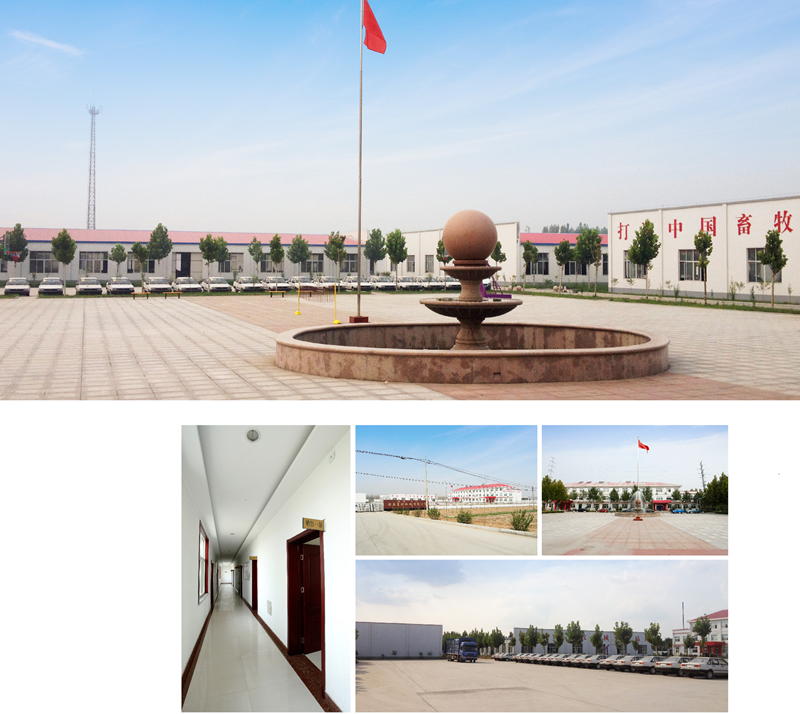
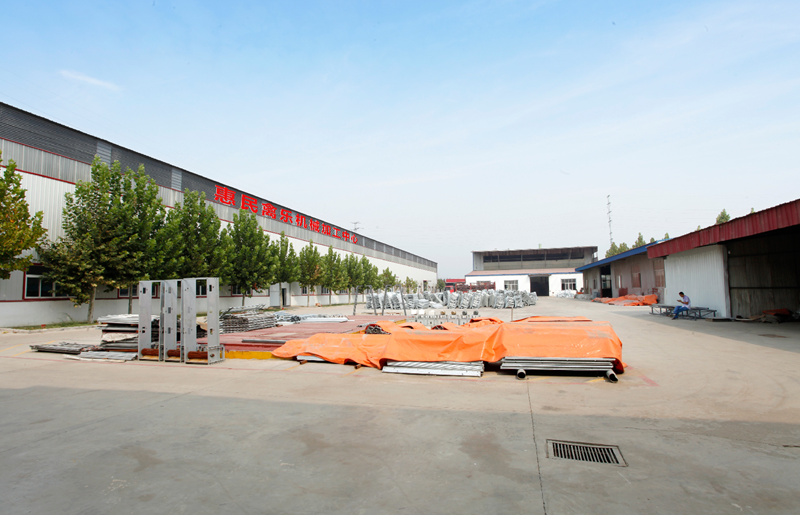
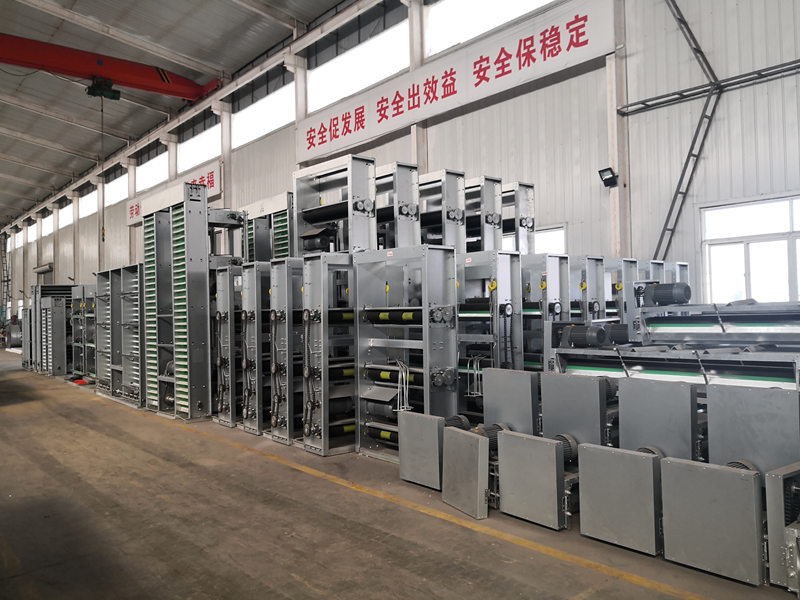
Shandong Huimin Qinle Livestock Machinery Co., Ltd. (formerly Shandong Huimin Qinle Livestock Machinery Factory) is a professional poultry equipment manufacturer with over 20 years of experience. We offer a comprehensive service package, from design (land and chicken coops), production (equipment and prefabricated steel coops), installation, commissioning, customer training, and after-sales service.
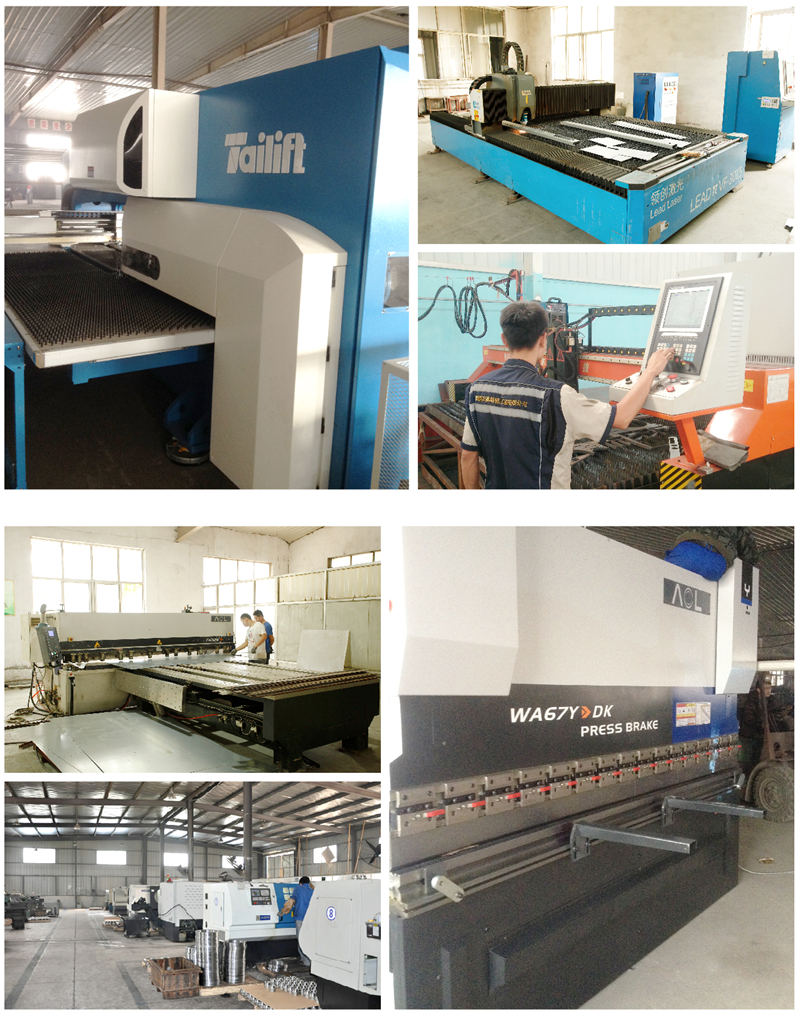
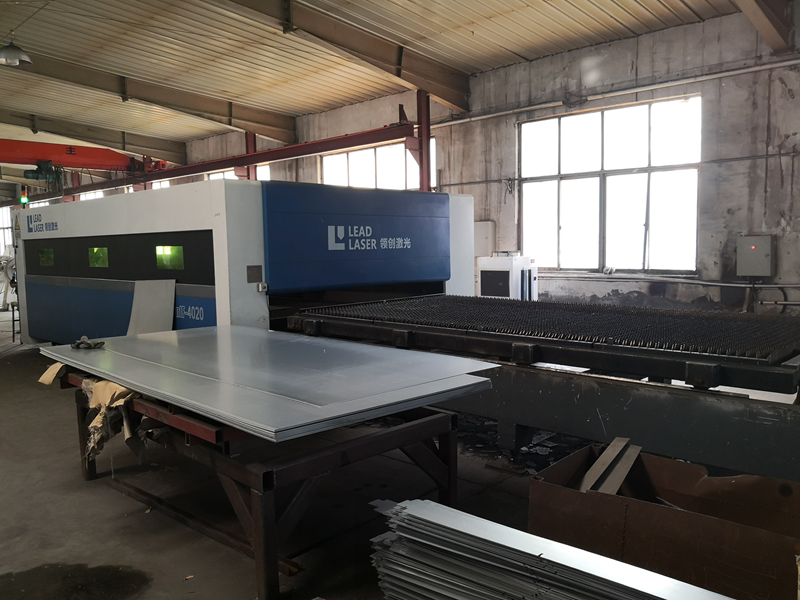
Located in Huimin County, Binzhou City, Shandong Province, China, the company has extensive experience in mechanical processing and manufacturing, as well as livestock machinery production and operation. With fixed assets of RMB 15 million, the company employs 160 people, including 30 R&D staff, and occupies a 40,000-square-meter factory. Equipped with over 110 pieces of advanced precision production equipment, including CNC machining centers and laser cutting machines, the company boasts a production capacity of RMB 50 million.
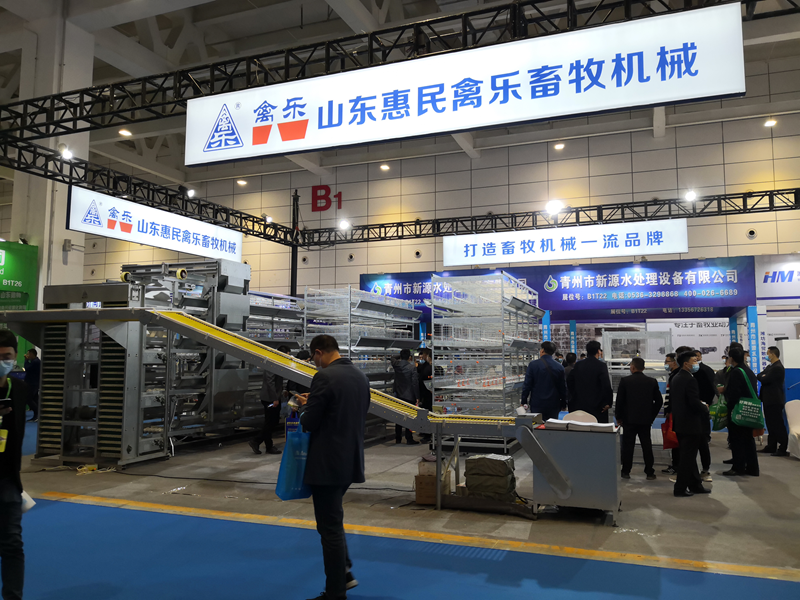

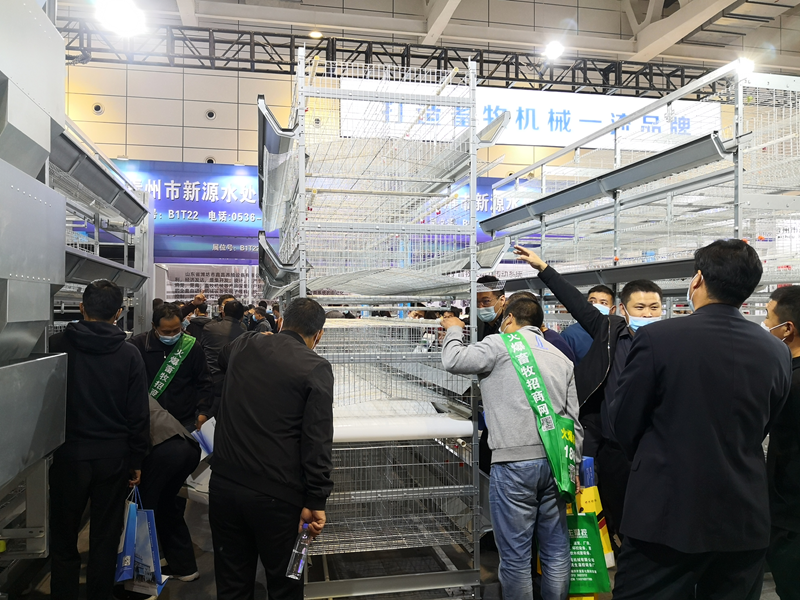
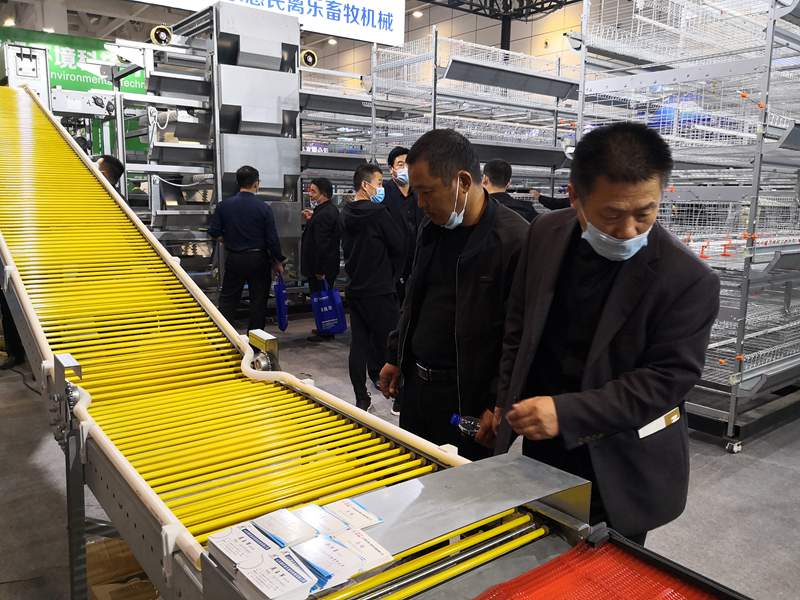
Chicken Farming Equipment Mesh Production Workshop

Machining Workshop
Turret-type CNC Punch Press, Laser Cutting and Other Machining Equipment

Fully Automated Roll Forming Production Line

Hot-dip Galvanizing Production Line

Electroplating Production Line
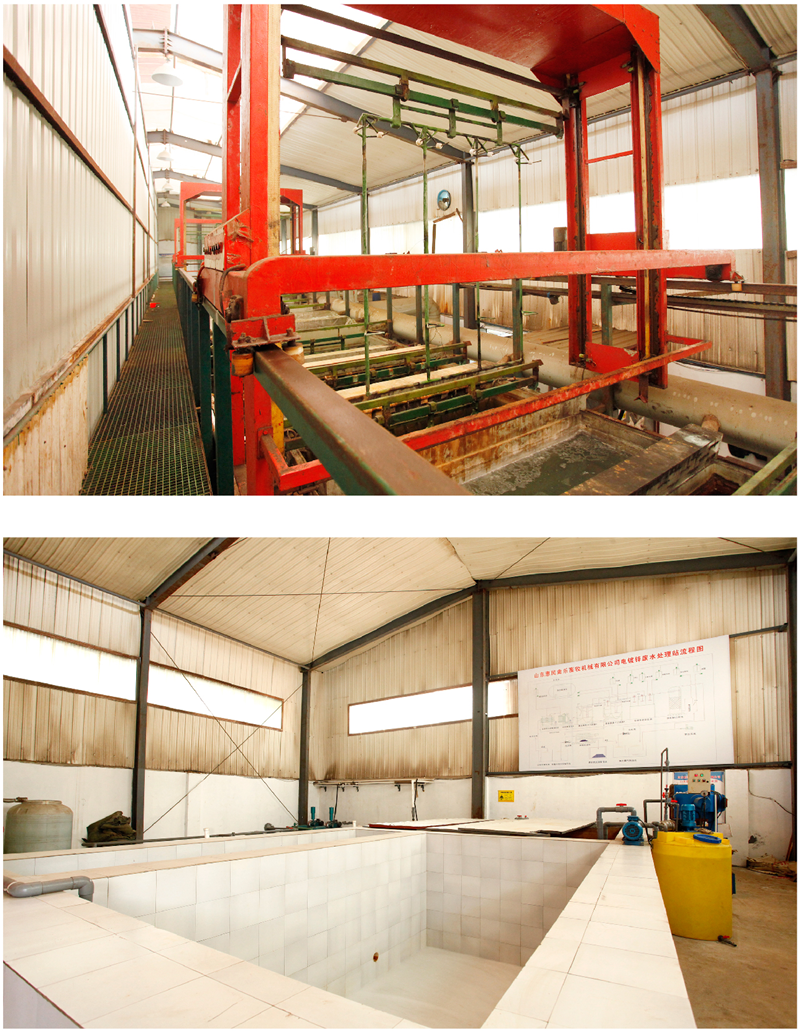
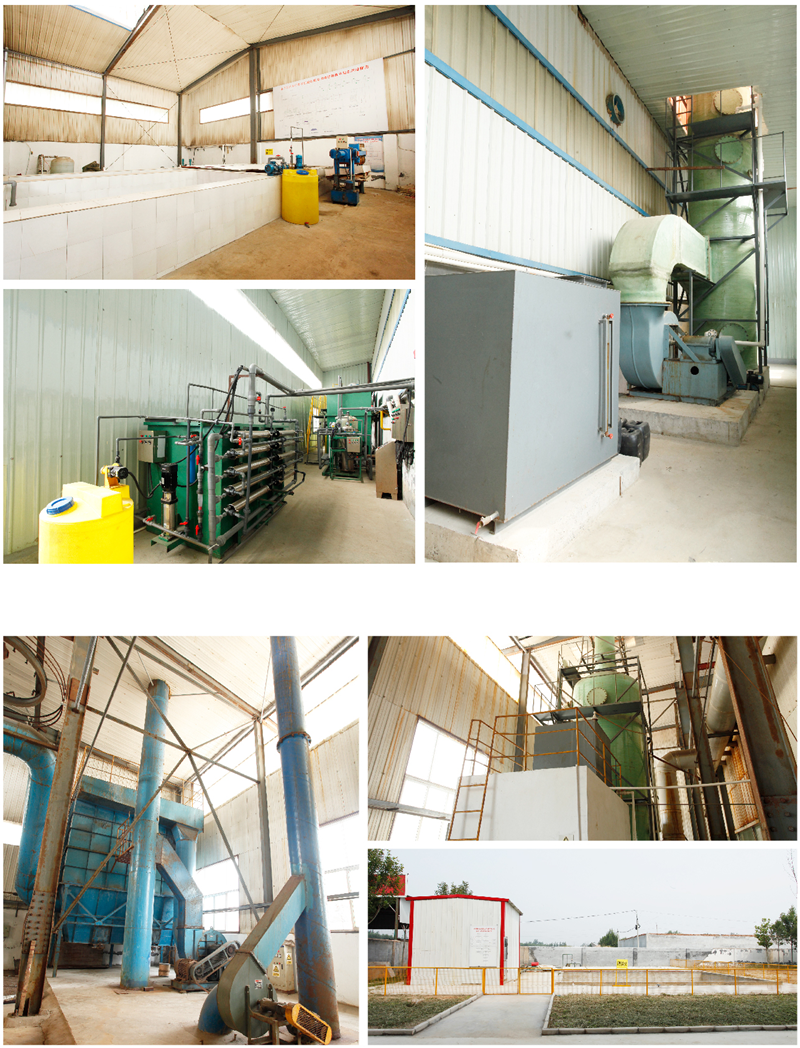
Environmental Protection Equipment
Chicken Farming Equipment Product Series
Egg-laying Hen Farming Equipment
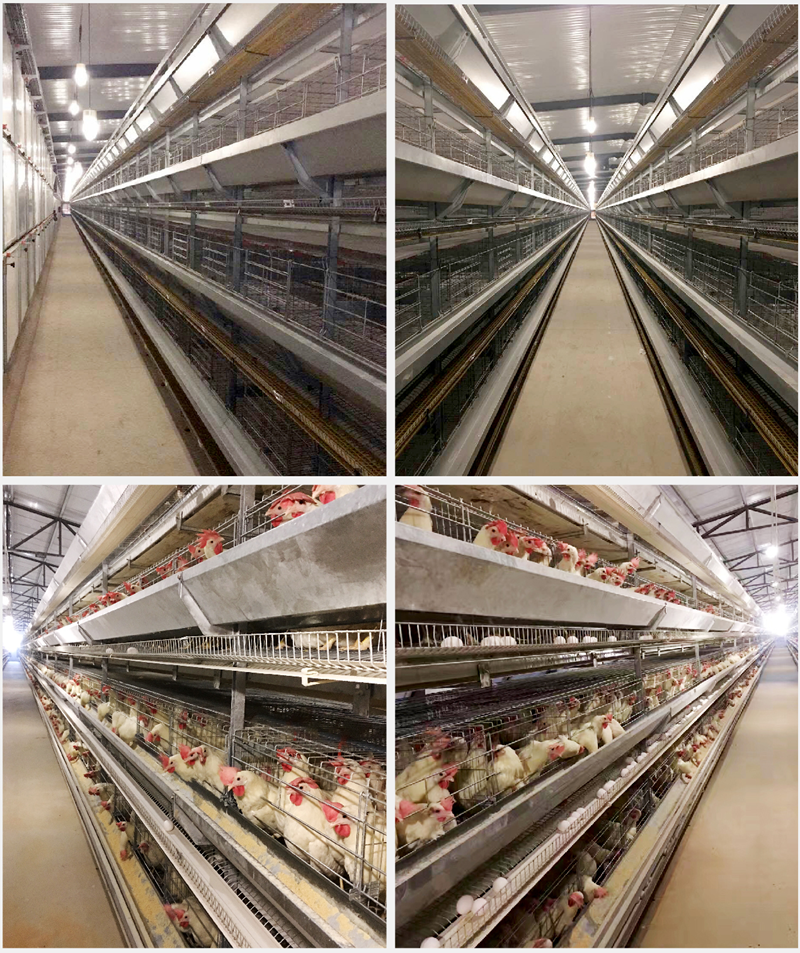
Stacked Brooding Cage Equipment

Stacked Broiler Cage Equipment
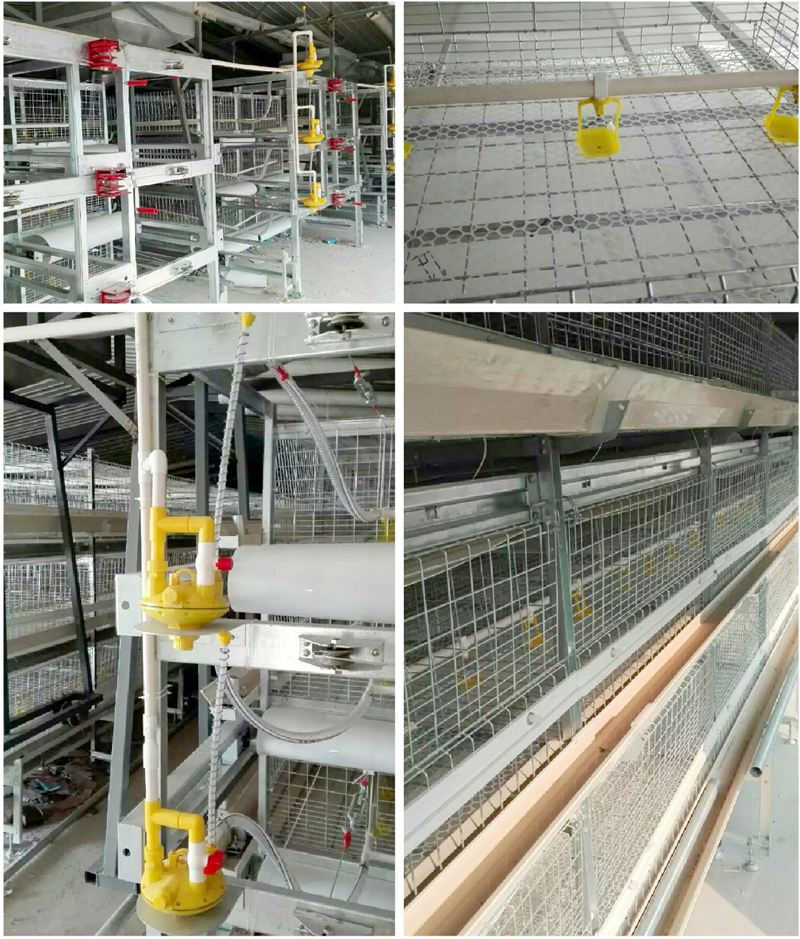
Stepped Layer Hen Cage Rearing Equipment
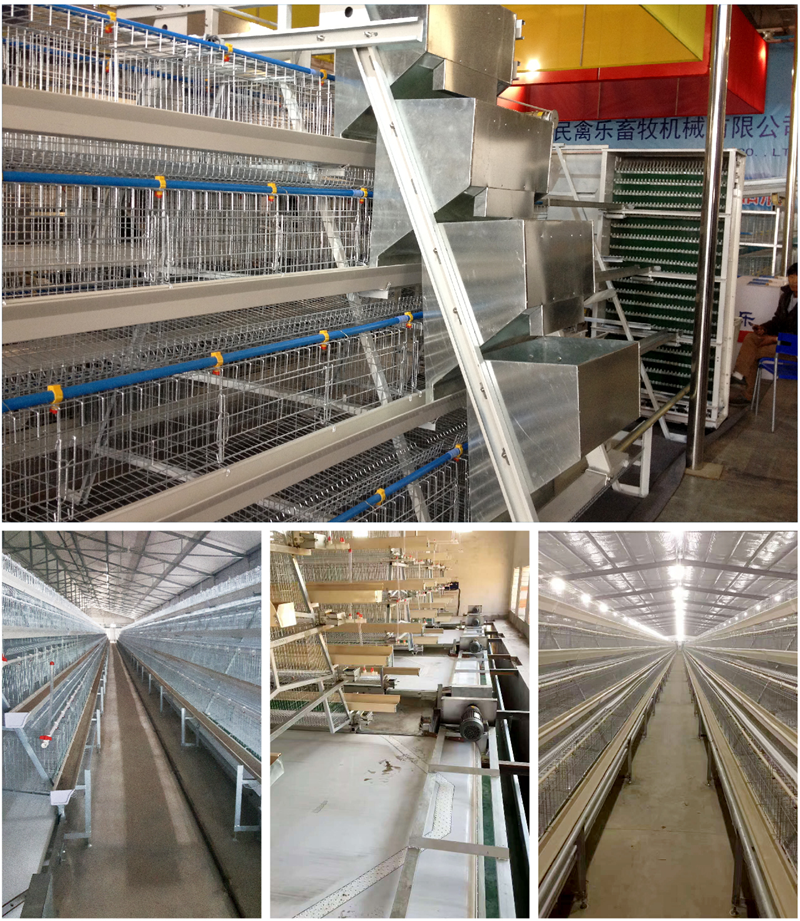
Automatic Egg Collection System
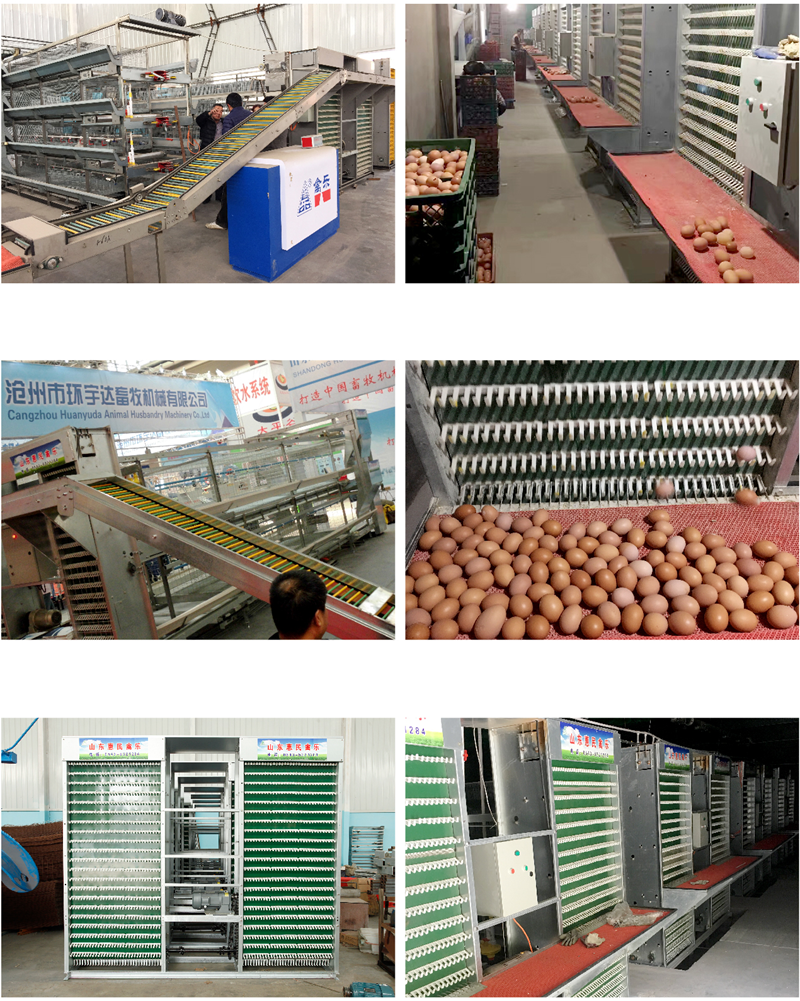
H-type Cage Feeding Machine
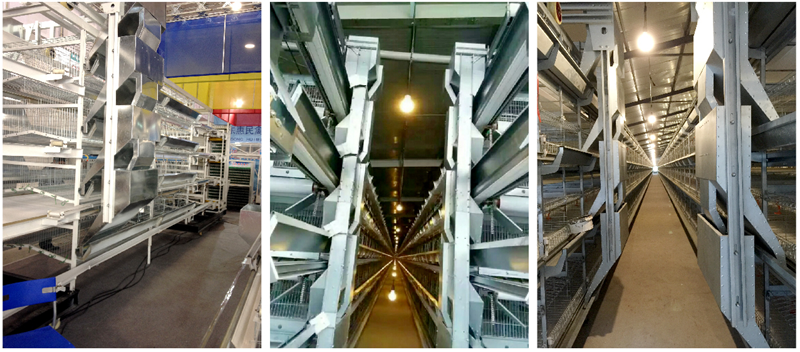
Stepped Cage Straddle Feeder
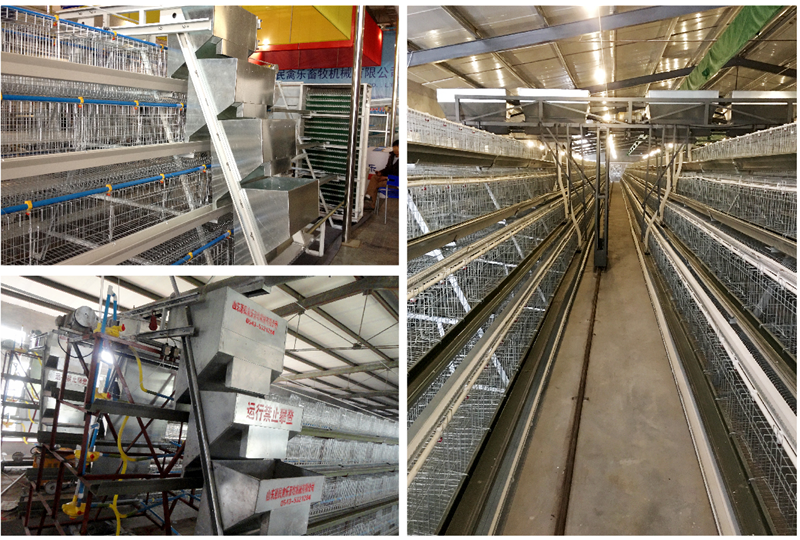
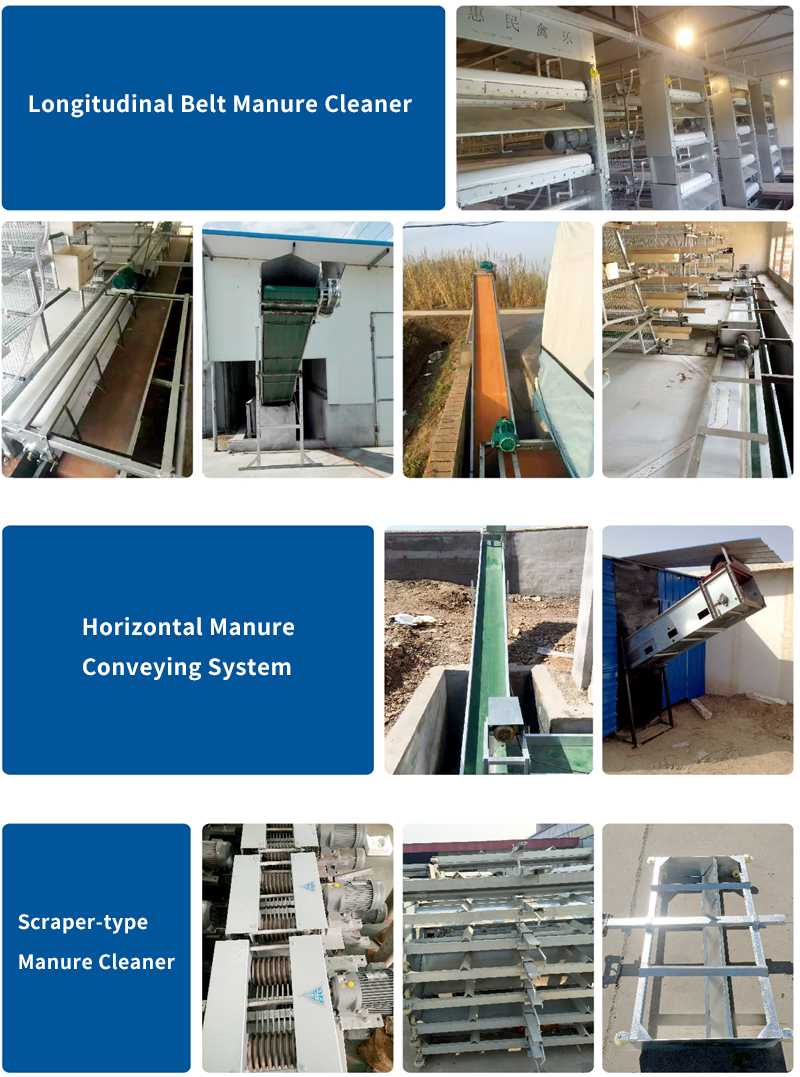
Manure Removal Machine
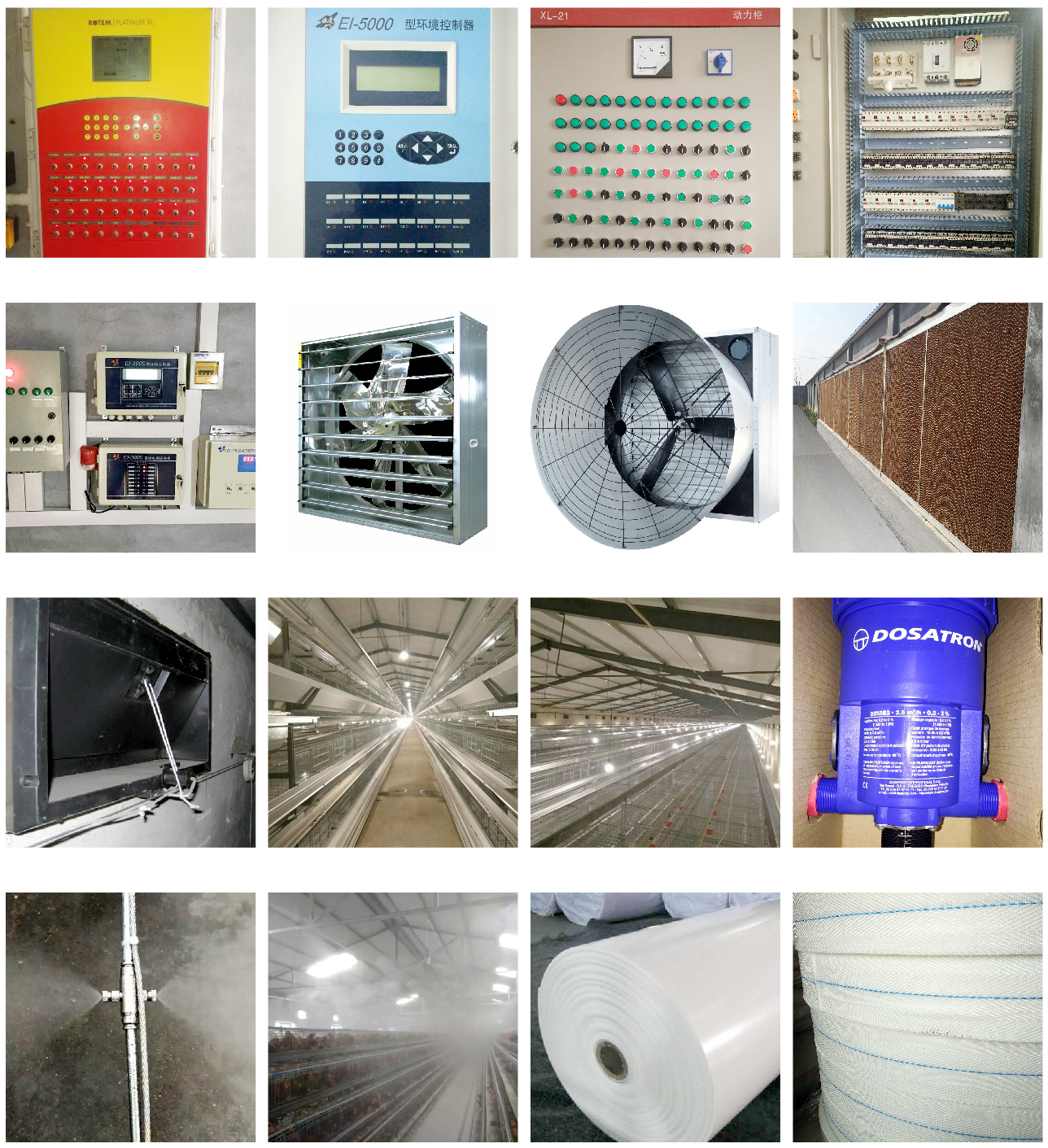
Fans, Heated Curtains, Environmental Control Systems, and Lighting Equipment
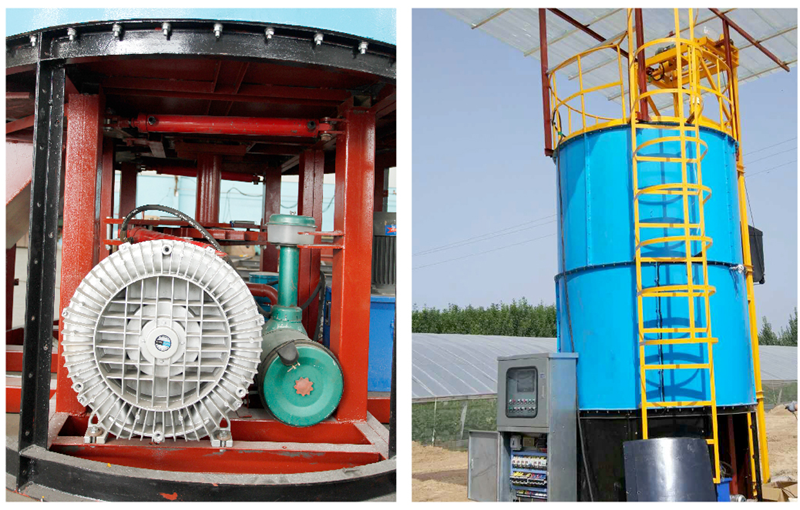
Complete Set of Equipment for Organic Fermentation Treatment of Manure
 RELATED
Бул веб-сайт биздин веб-сайтта эң жакшы тажрыйбаны алуу үчүн кукилерди колдонот.
 English
 Pусский
 Français
 العربية
 Indonesia
 қазақ
қазақ o'zbek
 тоҷикӣ
 Türkmenler
 Catalogue



 Whatsapp
 Телефон