

Introduction
Layer Pullet Housing refers to the specialized facilities and systems designed for raising pullets — young female chickens that have not yet reached laying age — in an environment optimized for health, growth, and welfare. Proper housing is a critical component in the lifecycle of pullets, as it directly influences their development into healthy, productive laying hens.
Layer pullet housing aims to provide a controlled, safe, and comfortable environment that balances space, ventilation, lighting, feeding, and sanitation requirements. With the rapid evolution of poultry farming, modern layer pullet housing systems incorporate advanced design features that promote biosecurity, operational efficiency, and sustainability.
This comprehensive guide covers all key aspects of layer pullet housing, including technical parameters, design features, benefits, application scenarios, operational instructions, and frequently asked questions, helping poultry farmers and industry professionals make informed decisions for optimal pullet rearing.
Key Parameters of Layer Pullet Housing
Housing Type | Cage, aviary, floor or combined system | Cage and aviary common for pullets |
Space Allowance | Space per pullet | 250–350 cm² per bird (depending on regulations) |
Ventilation Rate | Air exchange to maintain air quality | 5–10 air changes per hour |
Temperature Range | Ideal temperature for pullet comfort | 18–24°C (64–75°F) |
Lighting Intensity | Light levels for behavior and growth | 10–15 lux during day, darkness at night |
Humidity Level | Optimal relative humidity | 50–70% |
Flooring Type | Surface material and design | Wire mesh, slats, or litter |
Feeding and Drinking Facilities | Location and type | Trough feeders, nipple drinkers |
Biosecurity Measures | Design features to prevent disease spread | Controlled access, disinfection zones |
Manure Management | Waste removal and disposal methods | Sloped floors, manure belts or trays |
Bird Density | Number of pullets per square meter | 10–15 birds/m² (depending on system) |
Lighting Schedule | Duration and timing of light exposure | 16 hours light, 8 hours dark typical |
Noise Levels | Ambient noise to reduce stress | Below 70 dB recommended |
Types of Layer Pullet Housing
Layer pullet housing systems vary based on design, management, and production goals. Common types include:
1. Cage Systems
Pullets are housed in cages, often multi-tiered, facilitating easy feeding, watering, and manure removal. These systems provide efficient space use and are common in commercial farms.
2. Aviary Systems
Pullets can move freely within a large enclosed space with perches, nesting areas, and feeding stations. Aviaries promote natural behaviors but require more space and management.
3. Floor or Deep Litter Systems
Pullets are raised on litter-covered floors with access to feed and water. This system offers more freedom but demands rigorous litter management to maintain hygiene.
4. Combination Systems
These integrate cages with aviary or floor areas to balance welfare and productivity.
Features of Layer Pullet Housing
Modern layer pullet housing incorporates several important features to ensure bird welfare and farm efficiency:
Adequate Space and Comfort: Ensures freedom of movement and natural behavior.
Good Ventilation: Maintains air quality by controlling temperature, humidity, and ammonia levels.
Optimal Lighting: Supports growth, circadian rhythms, and reduces stress.
Efficient Feeding and Watering: Designed to minimize waste and provide easy access.
Sanitation and Manure Management: Systems to quickly and safely remove waste, reducing disease risk.
Biosecurity Measures: Controls to limit pathogen entry and spread within the facility.
Structural Durability: Use of corrosion-resistant materials and robust construction for longevity.
Noise Control: Design considerations to minimize loud noises that stress birds.
Environmental Control Systems: Automated or manual controls for temperature, humidity, and lighting.
Easy Access for Management: Doors and pathways designed for routine inspection and care.
Advantages of Layer Pullet Housing
1. Improved Bird Health and Welfare
Proper housing reduces stress, prevents injury, and lowers disease incidence, leading to healthier pullets.
2. Enhanced Growth and Productivity
Controlled environmental conditions and adequate nutrition contribute to uniform and optimal growth.
3. Labor Efficiency
Modern housing designs streamline feeding, watering, cleaning, and monitoring, reducing labor needs.
4. Space Utilization
Multi-tier and aviary systems maximize use of available space, increasing the number of pullets reared per unit area.
5. Biosecurity and Disease Control
Housing systems incorporate features that reduce pathogen exposure and simplify hygiene management.
6. Environmental Sustainability
Efficient manure management and controlled environmental systems reduce pollution and resource consumption.
7. Adaptability
Housing systems can be customized to suit farm size, climate conditions, and management practices.
Application Scenarios of Layer Pullet Housing
1. Commercial Pullets Farms
Designed for large-scale pullet production with an emphasis on uniformity and biosecurity.
2. Breeding Operations
Used to rear high-quality replacement pullets for parent stock or layer flocks.
3. Small and Medium Enterprises
Affordable and scalable housing solutions for family farms or niche producers.
4. Organic and Free-Range Farms
Floor and aviary systems that promote natural behaviors and meet certification standards.
5. Research and Educational Facilities
Controlled environments for studying pullet nutrition, health, and behavior.
Usage Instructions
Site Selection and Preparation
Choose well-drained land with access to utilities and proper zoning.
Prepare foundations that ensure level and stable housing structures.
Installation
Assemble housing components following manufacturer guidelines.
Install feeding, watering, ventilation, and manure removal systems carefully.
Stocking and Bird Management
Introduce pullets gradually to reduce stress.
Provide continuous access to clean water and appropriate feed.
Maintain recommended space and lighting schedules.
Cleaning and Sanitation
Regularly clean feeding and watering equipment.
Remove manure frequently to prevent buildup and odors.
Disinfect housing and equipment during downtime between flocks.
Monitoring and Maintenance
Observe birds daily for signs of illness or distress.
Maintain equipment and structural components.
Control pests and predators effectively.
Common Problems and Solutions
Poor Ventilation | Inadequate airflow or clogged vents | Increase ventilation capacity; clean vents |
Overcrowding | Too many birds in limited space | Reduce stocking density; expand housing |
High Ammonia Levels | Infrequent manure removal | Increase cleaning frequency; improve manure handling |
Uneven Lighting | Improper lighting design or failure | Adjust light placement and repair fixtures |
Disease Outbreak | Poor biosecurity or hygiene | Enhance cleaning protocols; implement quarantine |
Feed and Water Wastage | Faulty feeders or drinkers | Repair or replace equipment; train staff |
Structural Damage | Poor construction or maintenance | Inspect regularly; repair damages promptly |
Bird Stress and Aggression | Overcrowding or environmental stressors | Provide adequate space and environmental control |
Frequently Asked Questions (FAQs)
Q1: What is the ideal space allowance per pullet?
A: Generally, 250 to 350 cm² per pullet depending on housing type and welfare regulations.
Q2: How important is ventilation in pullet housing?
A: Very important; good ventilation prevents respiratory issues and maintains comfort.
Q3: Can pullets be housed in cages and aviaries simultaneously?
A: Yes, some farms use combination systems to balance welfare and space efficiency.
Q4: How often should manure be removed?
A: Daily or at least every two days to maintain hygiene and air quality.
Q5: What temperature is optimal for pullet housing?
A: Between 18 and 24°C (64–75°F), with gradual adjustment as pullets mature.
Q6: Are automated systems beneficial in pullet housing?
A: Yes, automation improves efficiency and consistency in feeding, watering, and climate control.
Q7: How can I prevent disease spread in pullet housing?
A: Implement strict biosecurity measures, regular cleaning, and health monitoring.
Q8: What flooring is best for pullet comfort and hygiene?
A: Wire mesh or slatted floors with proper manure management are commonly used.
Q9: How does lighting affect pullet growth?
A: Proper lighting supports normal development, feeding behavior, and circadian rhythms.
Q10: What are common signs of stress in pullets?
A: Feather pecking, reduced feed intake, lethargy, and increased vocalization.
Conclusion
Layer pullet housing is a cornerstone of successful poultry production, providing the environment necessary for raising healthy, productive pullets. By understanding key parameters, features, and management practices outlined in this guide, poultry producers can optimize growth performance, bird welfare, and operational efficiency.
Investing in well-designed housing systems tailored to the specific needs of pullets ensures a smooth transition to the laying phase and contributes to the overall profitability and sustainability of poultry farms.
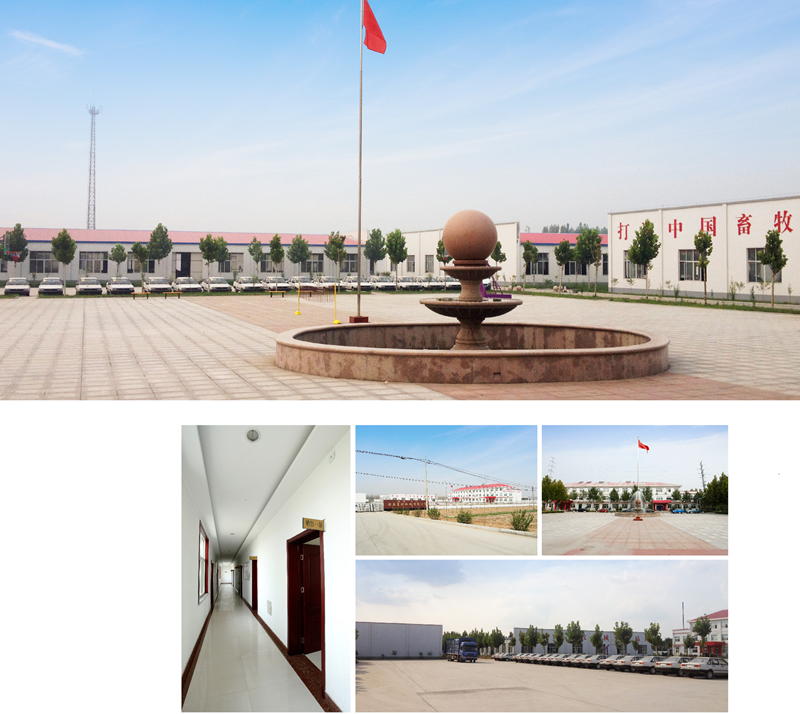
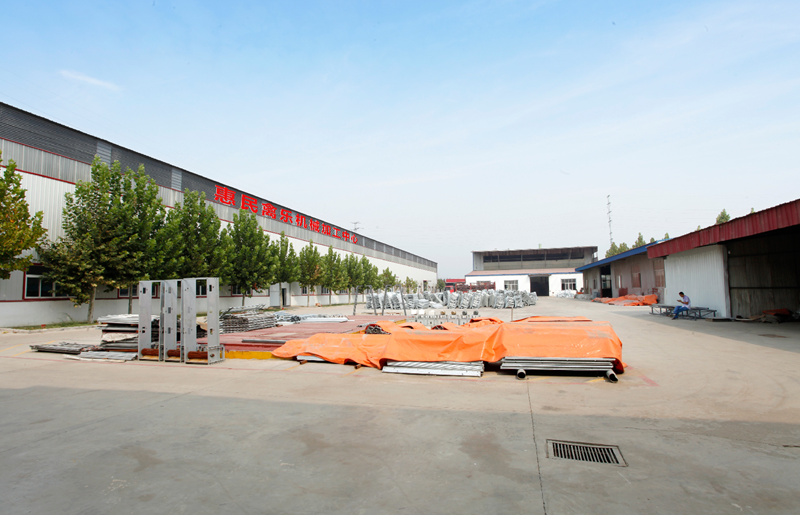
Shandong Huimin Qinle Livestock Machinery Co., Ltd. (formerly Shandong Huimin Qinle Livestock Machinery Factory) is a professional poultry equipment manufacturer with over 20 years of experience. We offer a comprehensive service package, from design (land and chicken coops), production (equipment and prefabricated steel coops), installation, commissioning, customer training, and after-sales service.
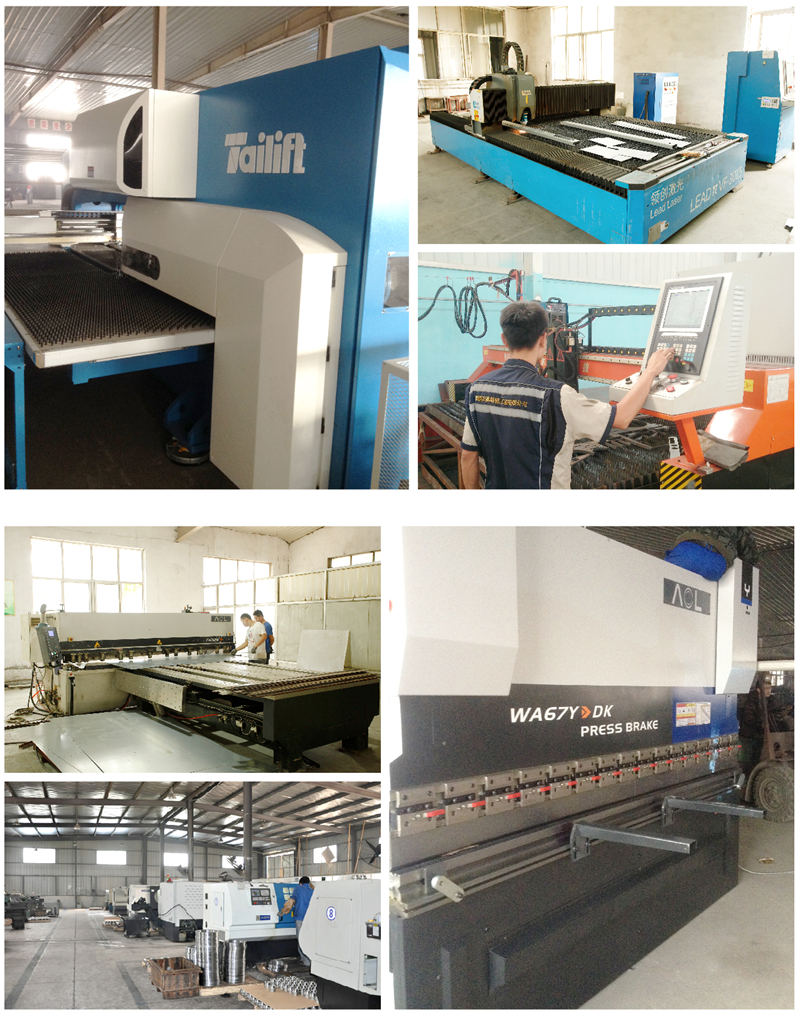
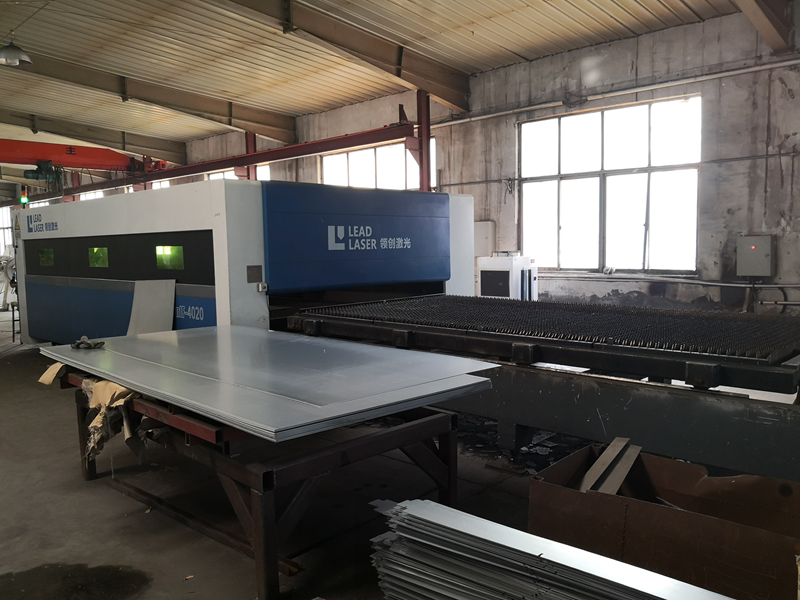
Located in Huimin County, Binzhou City, Shandong Province, China, the company has extensive experience in mechanical processing and manufacturing, as well as livestock machinery production and operation. With fixed assets of RMB 15 million, the company employs 160 people, including 30 R&D staff, and occupies a 40,000-square-meter factory. Equipped with over 110 pieces of advanced precision production equipment, including CNC machining centers and laser cutting machines, the company boasts a production capacity of RMB 50 million.
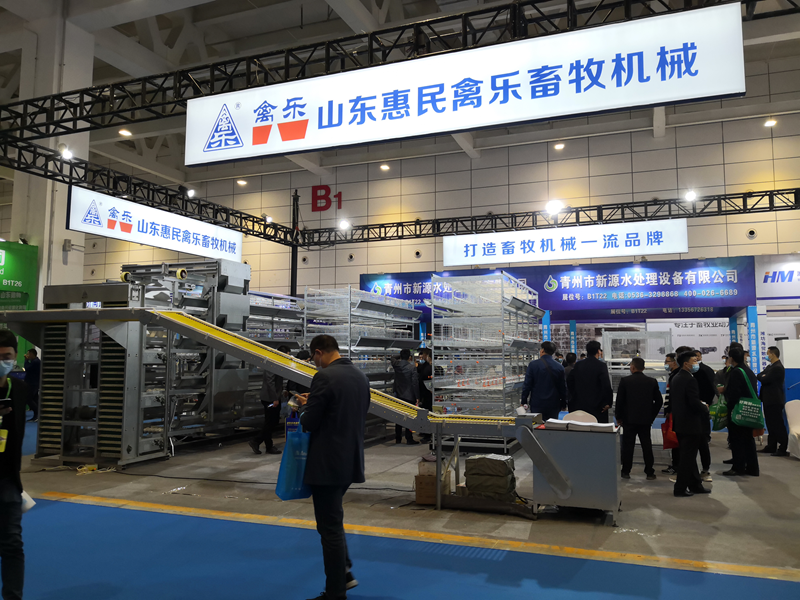
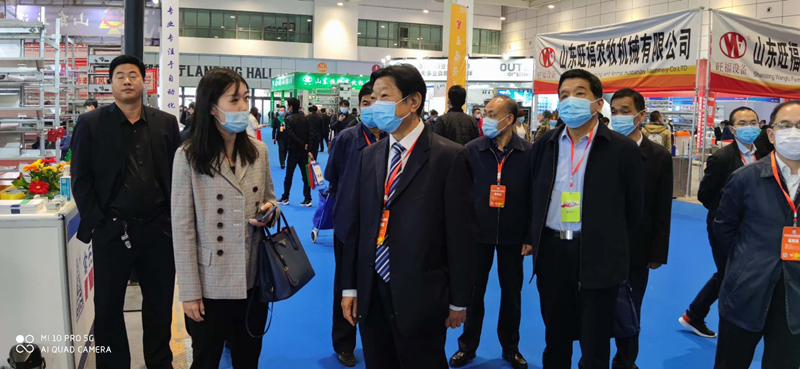
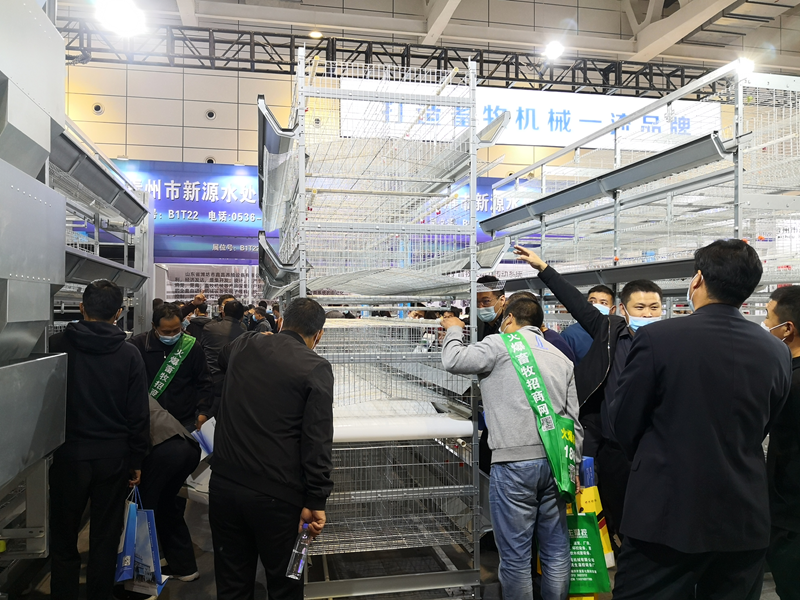
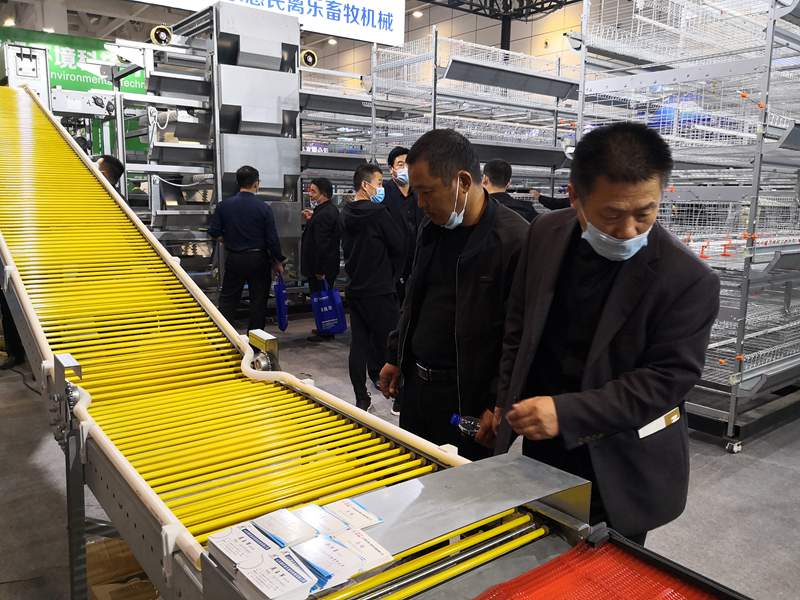
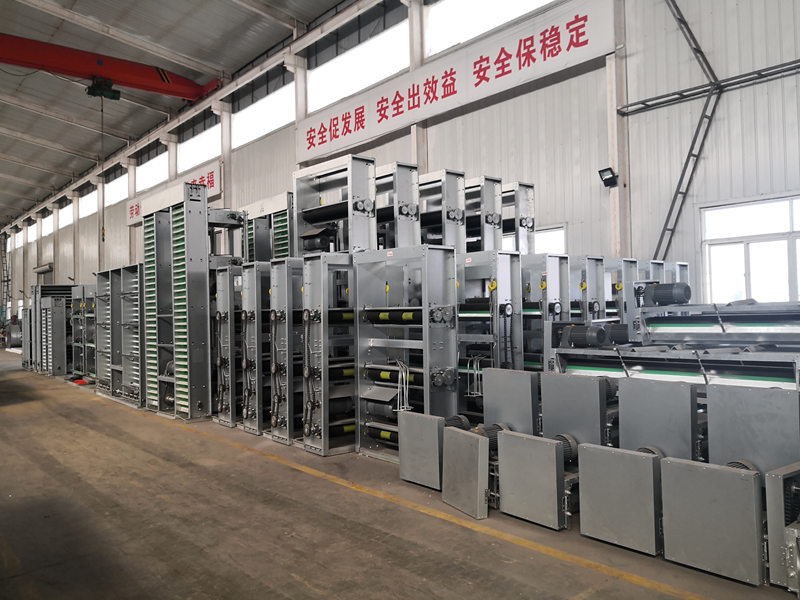
Chicken Farming Equipment Mesh Production Workshop

Machining Workshop
Turret-type CNC Punch Press, Laser Cutting and Other Machining Equipment

Fully Automated Roll Forming Production Line

Hot-dip Galvanizing Production Line

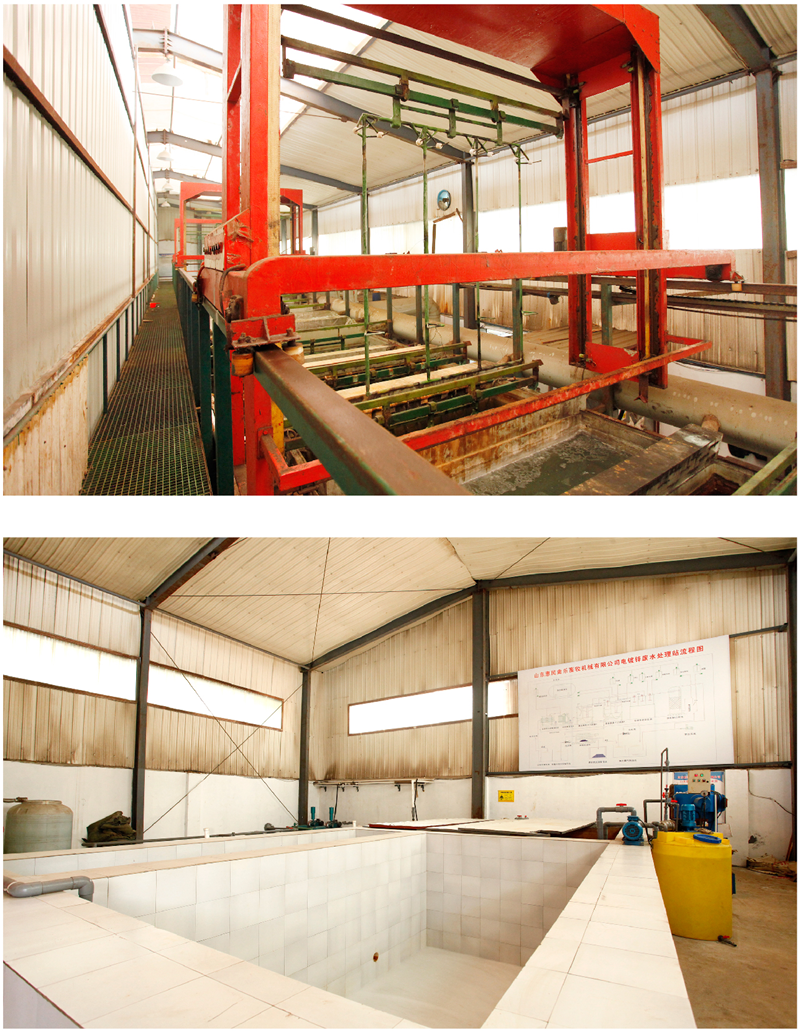
Electroplating Production Line
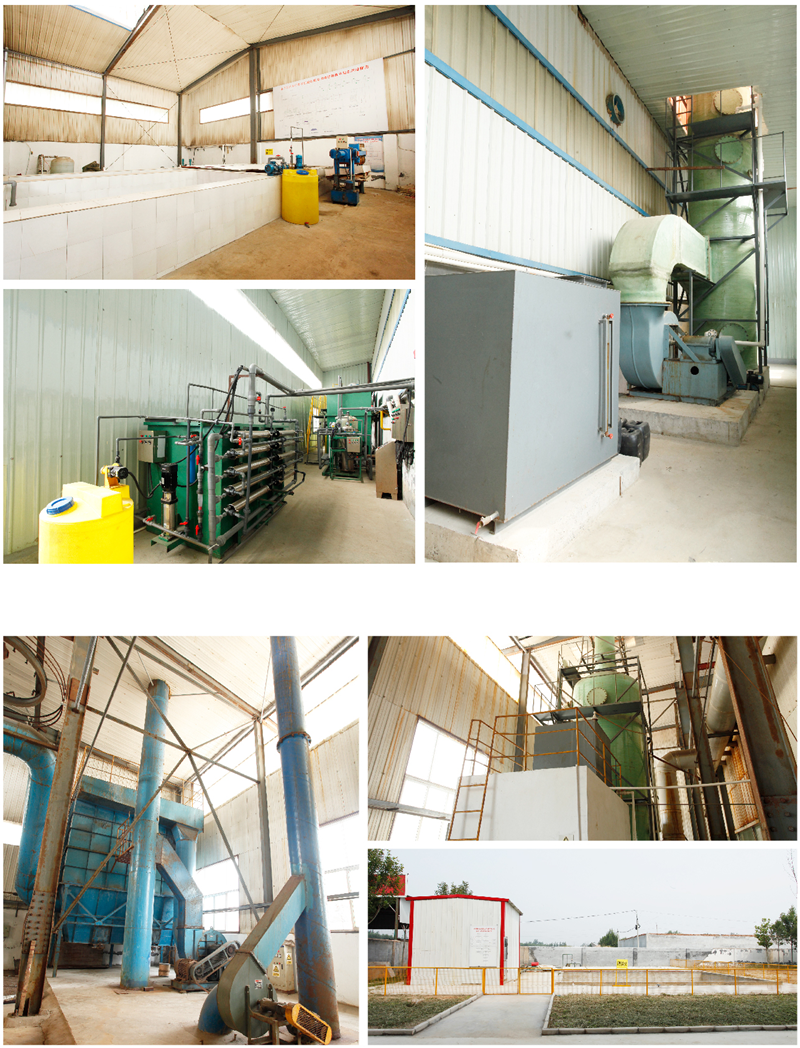
Environmental Protection Equipment
Chicken Farming Equipment Product Series
Egg-laying Hen Farming Equipment
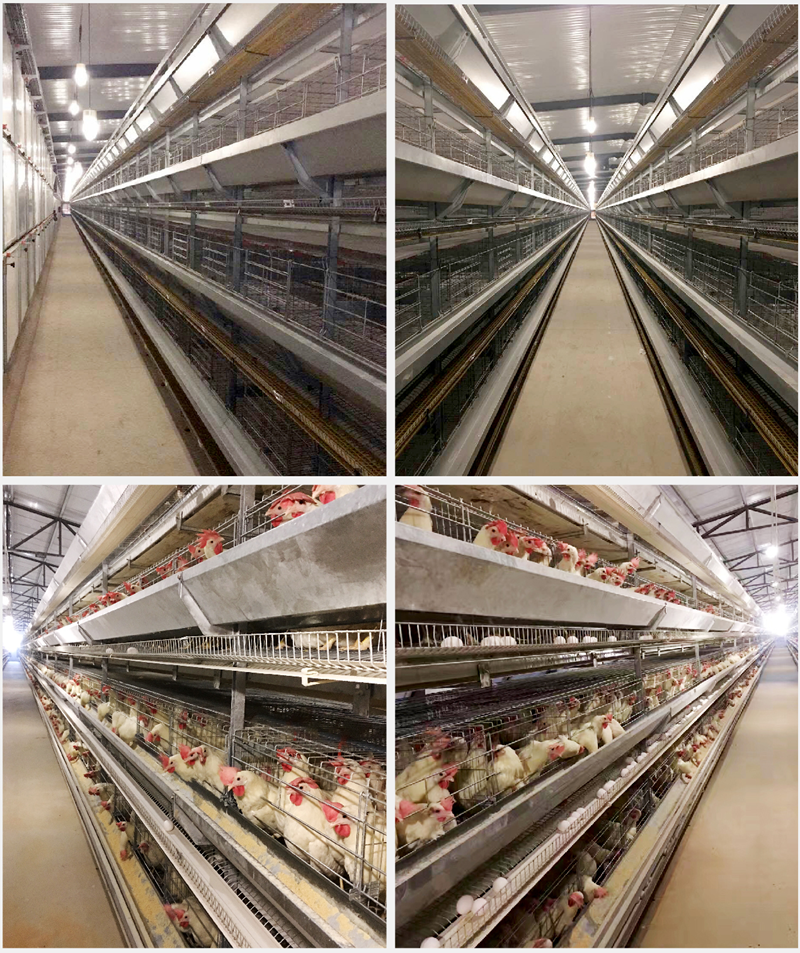
Stacked Brooding Cage Equipment

Stacked Broiler Cage Equipment
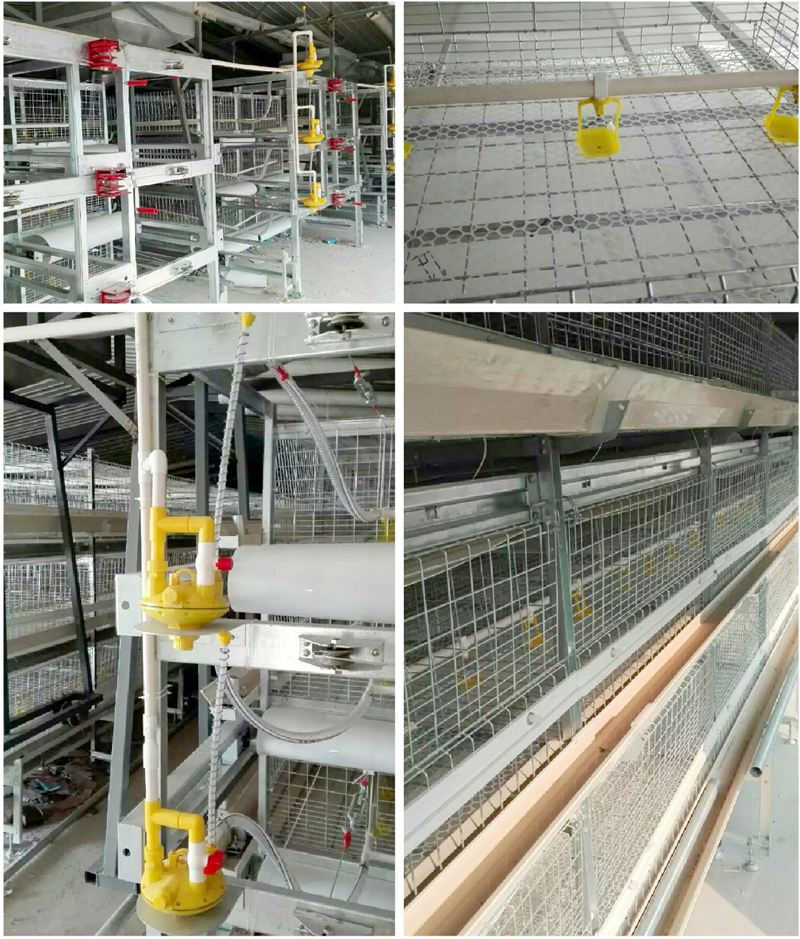
Stepped Layer Hen Cage Rearing Equipment
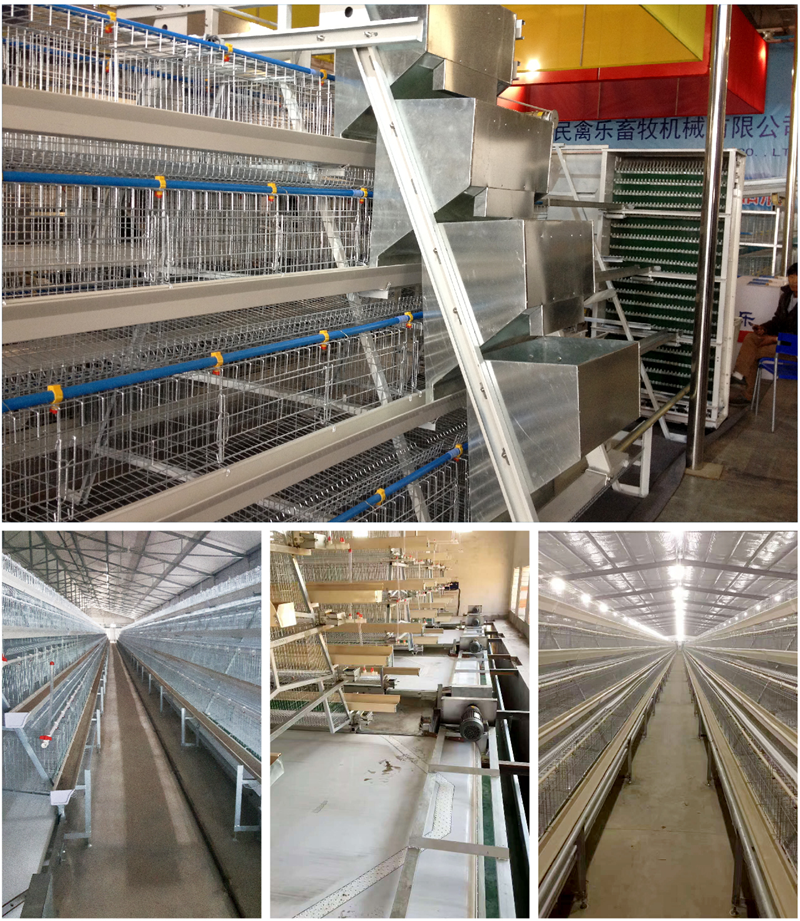
Automatic Egg Collection System
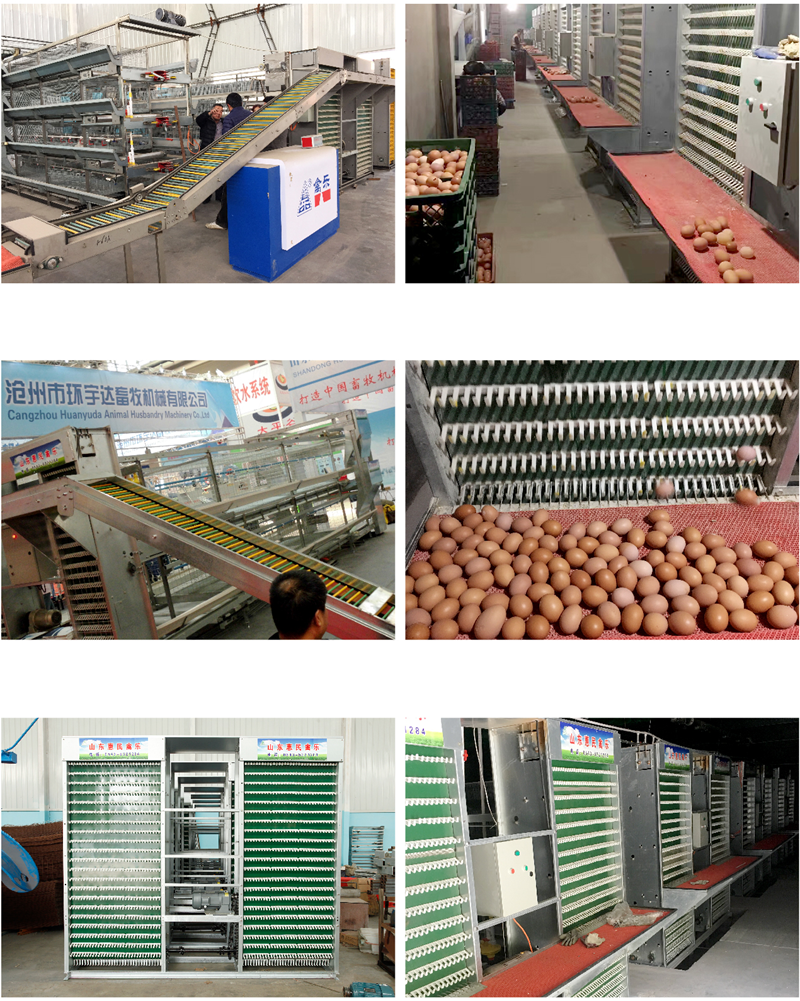
H-type Cage Feeding Machine
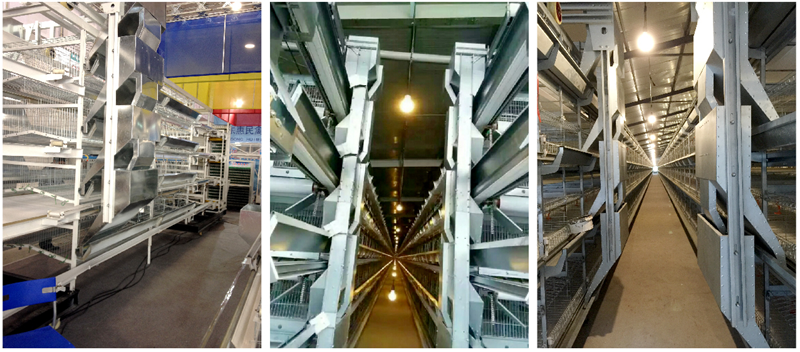
Stepped Cage Straddle Feeder
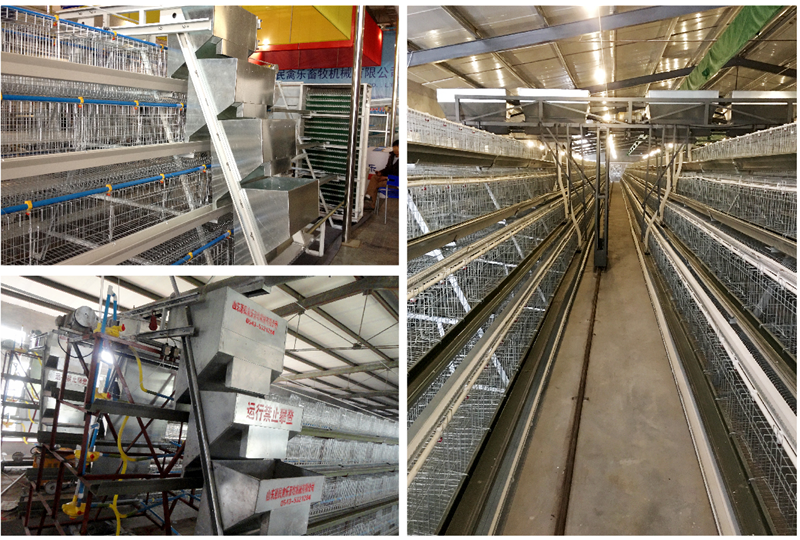
Manure Removal Machine
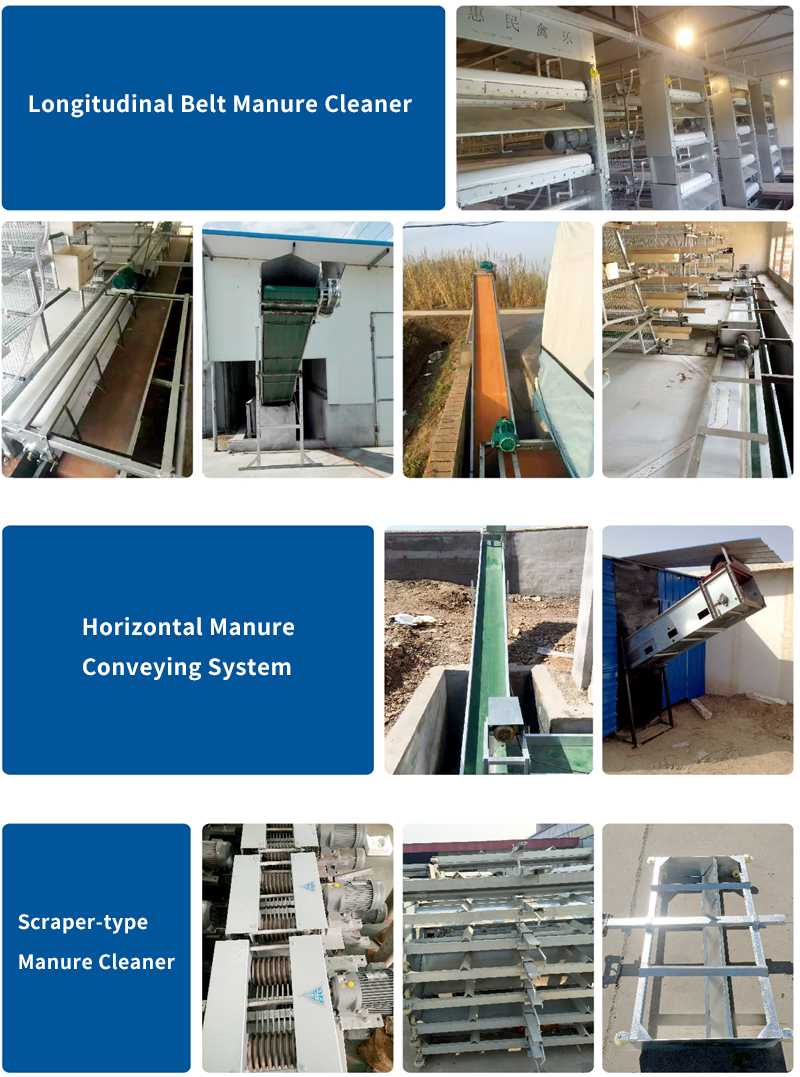
Fans, Heated Curtains, Environmental Control Systems, and Lighting Equipment
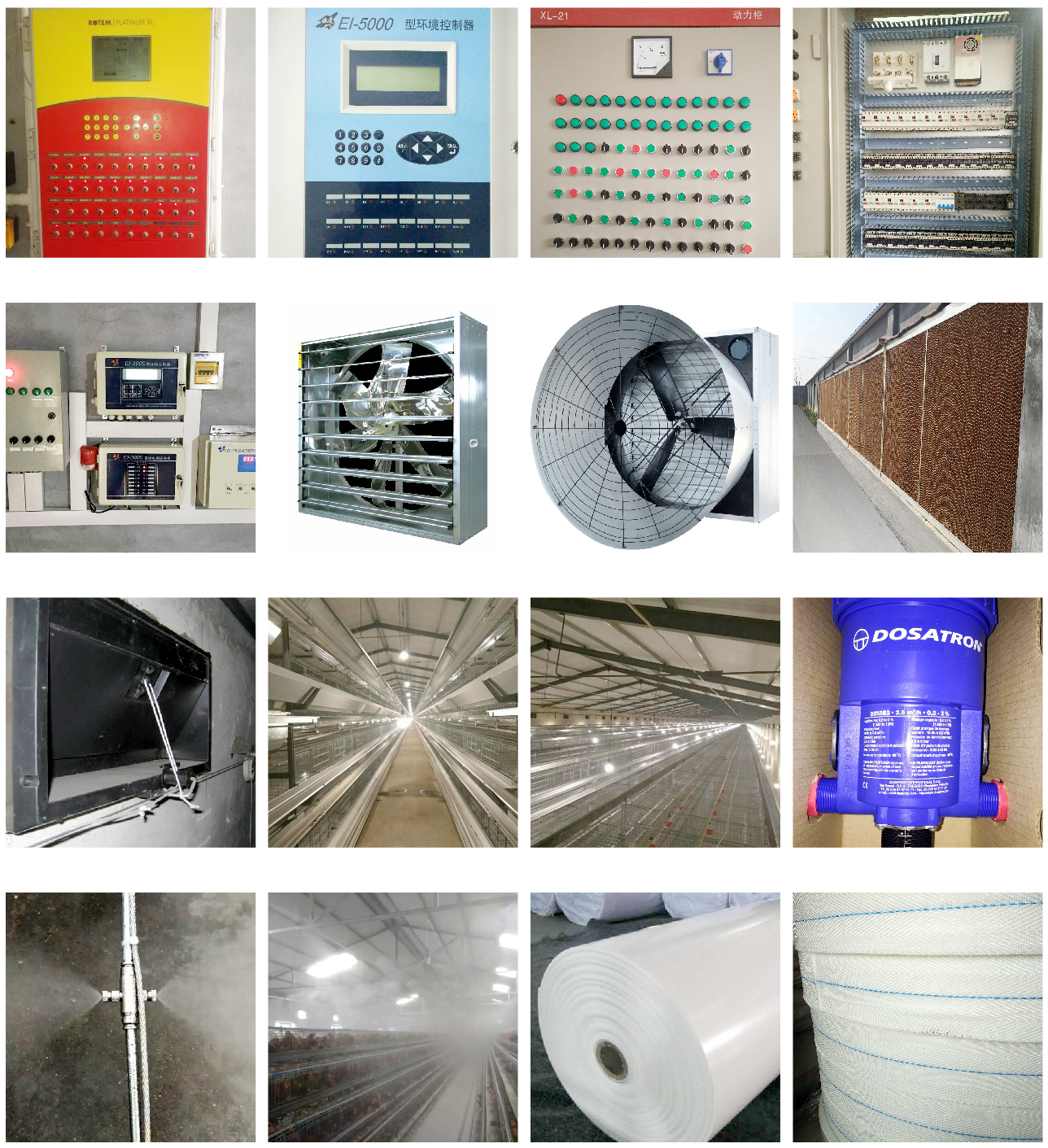
Complete Set of Equipment for Organic Fermentation Treatment of Manure
 RELATED
Бул веб-сайт биздин веб-сайтта эң жакшы тажрыйбаны алуу үчүн кукилерди колдонот.
 English
 Pусский
 Français
 العربية
 Indonesia
 қазақ
қазақ o'zbek
 тоҷикӣ
 Türkmenler
 Catalogue



 Whatsapp
 Телефон