

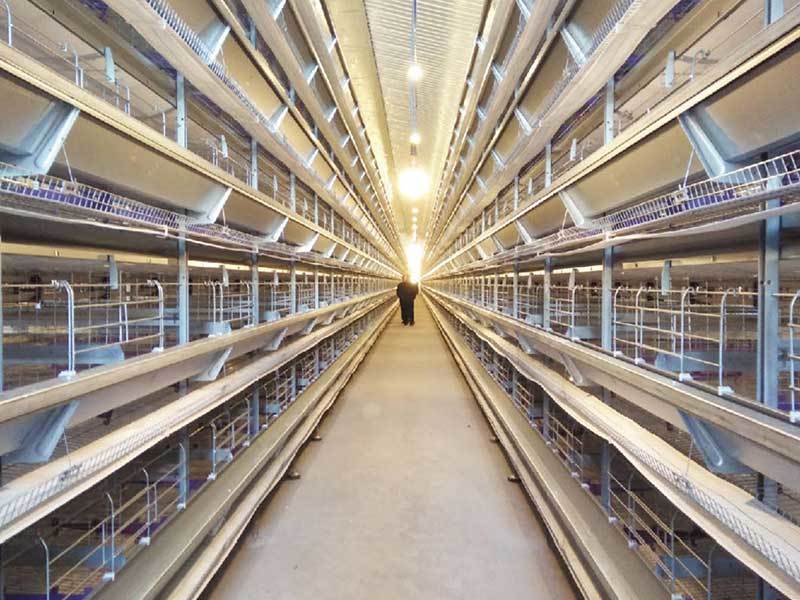
Advanced Automatic Chicken Equipment Strengthens Farm Competitiveness
Introduction
The poultry industry has undergone significant transformations in recent decades, with technological advancements playing a pivotal role in enhancing productivity, efficiency, and animal welfare. Among these advancements, automatic chicken equipment has emerged as a game-changer for modern poultry farms, offering substantial competitive advantages to operations of all sizes. This comprehensive exploration examines how advanced automation systems strengthen farm competitiveness through improved efficiency, enhanced biosecurity, better animal welfare, data-driven decision making, and sustainable practices.
The Evolution of Poultry Farming Technology
Traditional poultry farming methods relied heavily on manual labor for feeding, watering, egg collection, and environmental control. These labor-intensive processes limited production scale and created inconsistencies in management practices. The introduction of basic automation in the mid-20th century marked the first significant shift, with simple mechanical feeders and waterers reducing some manual tasks.
Today's advanced automatic chicken equipment represents the culmination of decades of innovation, incorporating cutting-edge technologies like IoT sensors, artificial intelligence, robotics, and precision control systems. These systems have transformed poultry houses into highly efficient production environments where nearly all critical processes can be automated and monitored remotely.
Key Components of Modern Automatic Chicken Equipment
1. Automated Feeding Systems
Modern automated feeding systems utilize precision-controlled mechanisms to deliver the exact amount of feed at optimal times. These systems typically include:
- Centralized feed storage silos that maintain feed quality and prevent contamination
- Computer-controlled distribution systems that move feed through the house via augers or chains
- Adjustable feeding pans or lines that accommodate birds of different ages and sizes
- Real-time monitoring of feed consumption patterns
Advanced systems can adjust feed formulations automatically based on the birds' growth stage, health status, or environmental conditions, optimizing feed conversion ratios—a critical factor in profitability.
2. Intelligent Watering Systems
Automated watering systems have evolved beyond simple nipple drinkers to incorporate:
- Flow rate monitoring to ensure adequate water availability
- Water quality sensors that detect pH, temperature, and contamination
- Dosing systems for precise administration of vaccines or medications through water
- Consumption tracking that serves as an early health indicator
These systems reduce water waste while ensuring birds have constant access to clean water, directly impacting flock health and performance.
3. Climate Control Automation
Precision environmental control systems maintain optimal conditions through:
- Multi-zone temperature regulation using sensors placed throughout the house
- Automated ventilation that adjusts based on air quality sensors (ammonia, CO2, humidity)
- Intelligent heating and cooling systems that respond to external weather forecasts
- Lighting programs that simulate natural patterns to support bird health and productivity
By maintaining ideal environmental parameters, these systems reduce stress on birds and improve feed efficiency.
4. Egg Collection and Handling Systems
For layer operations, automated egg collection offers:
- Gentle conveyor systems that minimize egg damage
- Automatic grading and sorting by size and quality
- Direct packaging systems that reduce handling
- Real-time production tracking for each section of the house
These systems dramatically improve egg quality while reducing labor requirements and breakage rates.
5. Manure Management Systems
Automated manure handling includes:
- Belt removal systems that regularly clear manure from the house
- Drying systems that reduce moisture and ammonia levels
- Composting automation for value-added byproduct creation
- Odor control technologies that minimize environmental impact
Proper manure management improves bird health and creates potential additional revenue streams.
Competitive Advantages of Automatic Chicken Equipment
1. Enhanced Operational Efficiency
Automation delivers significant efficiency gains across multiple dimensions:
Labor Optimization:
Automated systems reduce the need for manual labor by 50-70% compared to conventional operations. This is particularly valuable in regions with labor shortages or rising wage costs. Staff can be redeployed to higher-value tasks like monitoring bird health or managing data systems rather than performing repetitive physical tasks.
Precision Resource Use:
Smart systems precisely control feed, water, and energy use, minimizing waste. For example, automated feeders can reduce feed waste by 3-5%, which directly impacts feed costs—typically 60-70% of production expenses. Similarly, climate control systems optimize energy use by adjusting ventilation and heating based on real-time needs rather than operating on fixed schedules.
Continuous Operation:
Automated equipment operates 24/7 without breaks, maintaining consistent conditions that support optimal bird growth and production. This consistency is difficult to achieve with manual operations that may have gaps in monitoring or response times.
2. Improved Biosecurity and Disease Prevention
Automatic systems enhance biosecurity through:
Reduced Human Traffic:
With fewer staff entering poultry houses, the risk of introducing pathogens decreases significantly. Many automated systems allow for remote monitoring and adjustment, further limiting unnecessary access.
Sanitation Advantages:
Automated equipment often incorporates designs that are easier to clean and disinfect between flocks. Closed feeding and watering systems prevent contamination from external sources.
Early Disease Detection:
Integrated sensors can identify subtle changes in water consumption, feed intake, or bird activity that may indicate health issues before visible symptoms appear. This allows for earlier intervention, reducing treatment costs and mortality rates.
3. Superior Animal Welfare and Performance
Modern automation supports better welfare outcomes that translate to improved productivity:
Consistent Environment:
Precision controls maintain optimal temperature, humidity, and air quality levels that minimize stress on birds. Reduced stress leads to better feed conversion, lower mortality, and improved product quality.
Behavioral Support:
Automated systems can be programmed to create lighting patterns and feeding schedules that align with birds' natural rhythms. Some advanced systems even incorporate enrichment elements that promote natural behaviors.
Individualized Care:
Computer vision systems in development can monitor individual birds within flocks, identifying those needing special attention—a level of care impossible in manual systems with large flock sizes.
4. Data-Driven Decision Making
Automation systems generate vast amounts of operational data that enable:
Performance Benchmarking:
Farmers can compare current flock performance against historical data or industry standards to identify areas for improvement.
Predictive Analytics:
Advanced systems can predict outcomes like final weights or egg production based on early growth patterns, allowing for proactive adjustments.
Supply Chain Integration:
Production data can be shared automatically with processors or buyers, improving supply chain coordination and traceability.
Remote Monitoring:
Farm managers can oversee multiple facilities from centralized locations, receiving alerts for any parameters that fall outside preset ranges.
5. Sustainability and Environmental Benefits
Automatic systems contribute to more sustainable operations through:
Resource Conservation:
Precise control of inputs reduces waste of feed, water, and energy. For example, smart ventilation systems can reduce energy use by 20-30% compared to traditional systems.
Emissions Reduction:
Improved manure management and environmental controls decrease ammonia and greenhouse gas emissions from poultry houses.
Land Use Efficiency:
Higher productivity per square foot allows for reduced land requirements or increased production on existing footprints.
Byproduct Utilization:
Automated manure handling systems facilitate more effective collection and processing of manure for use as fertilizer or energy production.
Implementation Considerations
While the benefits are substantial, successful implementation requires careful planning:
Capital Investment:
Automatic systems represent significant upfront costs that must be evaluated against long-term savings and productivity gains. Many operations find the payback period to be 3-5 years through labor savings and improved performance.
Technical Training:
Staff need proper training to operate and maintain sophisticated equipment. This includes both hardware maintenance and software/interface management.
System Integration:
Equipment from different manufacturers must be compatible, or farms may need to select comprehensive solutions from single providers.
Backup Systems:
Power backups and manual override capabilities are essential to prevent catastrophic failures during outages.
Data Management:
Farms must establish protocols for collecting, analyzing, and acting on the data generated by automated systems.
The Future of Automatic Chicken Equipment
Emerging technologies promise to further enhance automation capabilities:
Artificial Intelligence:
AI systems will enable more sophisticated analysis of flock data for predictive health management and optimized feeding strategies.
Robotics:
Mobile robots may perform tasks like bird health checks or floor egg collection in aviary systems.
Blockchain Integration:
Automated data recording could support full traceability from farm to consumer.
Alternative Energy Integration:
Solar-powered systems and energy recovery technologies will reduce operational costs and environmental impact.
Precision Nutrition Systems:
Real-time adjustment of feed formulations based on immediate flock needs may become possible.
Conclusion
Advanced automatic chicken equipment has become a cornerstone of competitive poultry farming, offering transformative improvements in efficiency, animal welfare, biosecurity, and sustainability. While the initial investment can be substantial, the long-term benefits in reduced operating costs, improved productivity, and enhanced product quality create compelling economic advantages. As technology continues to advance, automated systems will play an increasingly vital role in helping poultry producers meet growing global demand while addressing challenges around labor availability, disease pressure, and environmental sustainability. Farms that strategically adopt and effectively integrate these technologies position themselves for long-term success in an increasingly competitive industry. The future of poultry production belongs to those who can harness automation not just to replace manual labor, but to create smarter, more responsive, and more sustainable production systems.
Бул веб-сайт биздин веб-сайтта эң жакшы тажрыйбаны алуу үчүн кукилерди колдонот.
 English
 Pусский
 Français
 العربية
 Indonesia
 қазақ
қазақ o'zbek
 тоҷикӣ
 Türkmenler
 Catalogue



 Whatsapp
 Телефон
Комментарий
(0)