

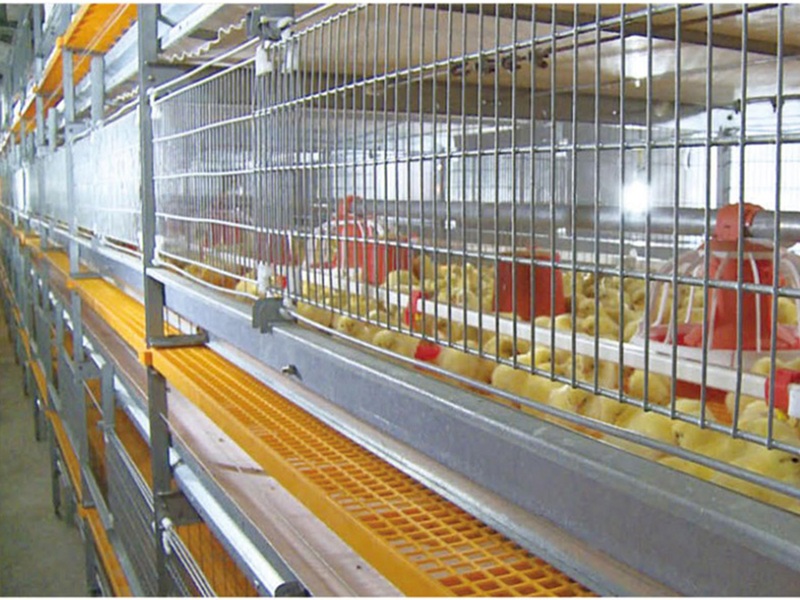
Modern Chicken Feeding Equipment Helps Maintain Accurate Feeding Schedules
Introduction
The poultry industry has undergone significant transformations over the past few decades, with advancements in technology playing a crucial role in improving efficiency and productivity. One of the most critical aspects of poultry farming is feeding management, as it directly impacts the health, growth, and overall performance of chickens. Modern chicken feeding equipment has revolutionized the way farmers manage feeding schedules, ensuring accuracy, consistency, and optimal nutrition delivery.
This article explores the various types of modern chicken feeding equipment available today, their benefits, and how they contribute to maintaining precise feeding schedules. Additionally, we will discuss the role of automation in feeding systems, the importance of proper nutrition, and future trends in Poultry Feeding Technology.
Types of Modern Chicken Feeding Equipment
1. Automatic Feeders
Automatic feeders are among the most widely used feeding systems in modern poultry farming. These devices are designed to dispense feed at predetermined intervals, ensuring that chickens receive the right amount of food without human intervention. There are several types of automatic feeders, including:
- Chain Feeders: These systems use a chain mechanism to transport feed from a central hopper to feeding troughs along the length of the poultry house. They are highly efficient for large-scale operations.
- Pan Feeders: These consist of circular pans that are filled with feed from an overhead auger system. They are commonly used in broiler and layer houses.
- Trough Feeders: These are long, narrow containers that distribute feed evenly, often used in free-range or cage-free systems.
2. Auger Feeding Systems
Auger systems use a rotating screw mechanism to transport feed from storage bins to feeding stations. They are highly efficient and minimize feed wastage. These systems can be programmed to deliver feed at specific times, ensuring consistent feeding schedules.
3. Electronic Feeding Systems
Advanced electronic feeding systems incorporate sensors and programmable controls to monitor feed levels and adjust dispensing rates based on the chickens' consumption patterns. Some systems even integrate with farm management software to track feed usage and optimize schedules.
4. Free-Choice Feeding Systems
Free-choice feeders allow chickens to access feed whenever they desire, reducing stress and promoting natural feeding behaviors. These systems are particularly useful in organic or free-range poultry farming.
5. Hydroponic Fodder Systems
Hydroponic systems grow fresh fodder in a controlled environment, providing chickens with nutrient-rich greens. These systems can supplement traditional feed and improve overall nutrition.
Benefits of Modern Feeding Equipment
1. Improved Feed Efficiency
Modern feeding equipment ensures that feed is distributed evenly and accurately, reducing waste and optimizing feed conversion ratios (FCR). This leads to cost savings and better growth performance.
2. Consistent Feeding Schedules
Automated systems eliminate human error and ensure that chickens receive feed at the same time every day. Consistency is crucial for maintaining metabolic health and maximizing growth rates.
3. Labor Savings
Automated feeding systems reduce the need for manual labor, allowing farmers to focus on other critical aspects of poultry management. This is especially beneficial for large-scale operations.
4. Enhanced Bird Health
Precise feeding schedules prevent overfeeding or underfeeding, reducing the risk of obesity, malnutrition, and related health issues. Additionally, some systems can be adjusted to provide different feed formulations at various growth stages.
5. Data-Driven Management
Many modern feeding systems integrate with farm management software, providing real-time data on feed consumption, growth rates, and flock health. This enables farmers to make informed decisions and adjust feeding strategies as needed.
The Role of Automation in Feeding Systems
Automation has become a cornerstone of modern poultry farming, offering numerous advantages in feed management. Key features of automated feeding systems include:
- Programmable Timers: Allow farmers to set specific feeding times and durations.
- Remote Monitoring: Some systems can be controlled via smartphone apps, enabling farmers to adjust feeding schedules from anywhere.
- Alerts and Notifications: Automated systems can send alerts when feed levels are low or if a malfunction occurs.
- Integration with Other Systems: Many feeding systems can be linked to lighting, ventilation, and water systems for comprehensive farm management.
Importance of Proper Nutrition in Poultry Farming
Feeding schedules are only effective if the feed itself meets the nutritional requirements of the chickens. Key considerations include:
- Balanced Diet: Chickens require a mix of proteins, carbohydrates, fats, vitamins, and minerals for optimal growth.
- Growth-Stage Specific Formulations: Starter, grower, and finisher feeds are tailored to meet the needs of chickens at different life stages.
- Feed Additives: Probiotics, prebiotics, and enzymes can enhance digestion and immune function.
Future Trends in Poultry Feeding Technology
The future of chicken feeding equipment is likely to see further advancements, including:
- AI-Powered Feeding Systems: Machine learning algorithms could analyze flock behavior and adjust feeding schedules dynamically.
- Precision Nutrition: Customized feed formulations based on individual bird requirements may become possible.
- Sustainable Feed Solutions: Innovations in insect-based or lab-grown protein could reduce reliance on traditional feed sources.
Conclusion
Modern chicken feeding equipment has transformed poultry farming by ensuring accurate, consistent, and efficient feeding schedules. From automatic feeders to advanced electronic systems, these technologies offer numerous benefits, including improved feed efficiency, labor savings, and enhanced bird health. As automation and data-driven management continue to evolve, the future of poultry feeding looks promising, with even greater precision and sustainability on the horizon.
By adopting these technologies, poultry farmers can optimize their operations, reduce costs, and ensure the well-being of their flocks, ultimately leading to higher productivity and profitability.
Бул веб-сайт биздин веб-сайтта эң жакшы тажрыйбаны алуу үчүн кукилерди колдонот.
 English
 Pусский
 Français
 العربية
 Indonesia
 қазақ
қазақ o'zbek
 тоҷикӣ
 Türkmenler
 Catalogue



 Whatsapp
 Телефон
Комментарий
(0)