

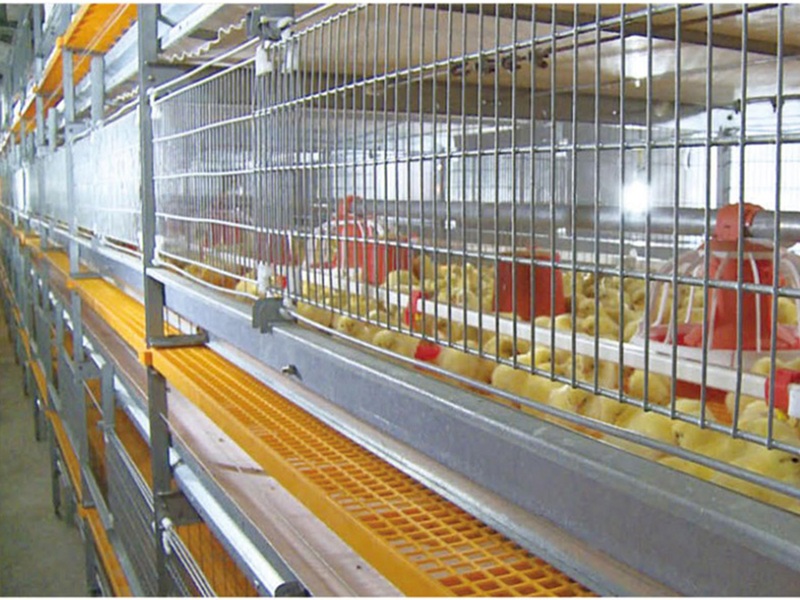
High-efficiency chicken farming equipment Raises Overall Farm Productivity
Introduction
The poultry industry has undergone significant transformations in recent decades, with technological advancements playing a pivotal role in enhancing productivity and efficiency. High-efficiency chicken farming equipment has emerged as a game-changer in modern poultry operations, enabling farmers to maximize output while minimizing resource consumption and labor requirements. This comprehensive exploration examines how advanced poultry equipment contributes to overall farm productivity through improved environmental control, automated feeding and watering systems, enhanced waste management, and data-driven decision making.
The Evolution of Chicken Farming Equipment
Traditional chicken farming methods relied heavily on manual labor and basic infrastructure, limiting both scale and efficiency. The transition to modern poultry equipment began in the mid-20th century and has accelerated dramatically with technological innovations. Today's high-efficiency equipment represents a quantum leap from conventional systems, incorporating automation, precision engineering, and smart technology to optimize every aspect of poultry production.
Contemporary chicken farming equipment addresses multiple challenges simultaneously: maintaining optimal living conditions for birds, ensuring consistent feed and water supply, managing waste effectively, and monitoring flock health. These systems work synergistically to create an environment where chickens can thrive while allowing farmers to operate at unprecedented levels of efficiency and productivity.
Environmental Control Systems
Climate Control Technology
Modern poultry houses employ sophisticated environmental control systems that maintain ideal temperature, humidity, and ventilation conditions year-round. These systems typically include:
- Automated ventilation systems with variable-speed fans that adjust based on real-time environmental data
- Precision heating systems that maintain consistent temperatures during brooding and cold weather
- Cooling systems such as evaporative cooling pads or misting systems for hot climates
- Advanced insulation materials that reduce energy consumption
These climate control technologies create optimal growing conditions that promote faster growth rates, improved feed conversion ratios, and better overall bird health. By maintaining consistent environmental parameters, farmers can achieve more uniform flocks and reduce mortality rates.
Lighting Systems
LED lighting systems with programmable dimming capabilities allow precise control over light intensity and duration, which significantly impacts chicken behavior and productivity. Modern lighting solutions offer:
- Energy-efficient LED fixtures that reduce electricity costs by up to 80% compared to traditional lighting
- Automated lighting schedules that mimic natural day/night cycles or implement specific growth protocols
- Adjustable color temperatures that can influence bird behavior and growth patterns
- Remote monitoring and control capabilities
Proper lighting management has been shown to improve feed conversion ratios, enhance immune function, and regulate reproductive cycles in breeding flocks.
Automated Feeding Systems
Precision Feed Delivery
Modern automated feeding systems have revolutionized poultry nutrition management by ensuring accurate, consistent feed distribution. These systems typically feature:
- Computer-controlled feed lines that deliver precise amounts at scheduled intervals
- Adjustable feed pan designs that minimize waste while ensuring all birds have access
- Real-time monitoring of feed consumption patterns
- Integration with inventory management systems for automated reordering
These feeding systems optimize growth performance by providing the right amount of feed at the right times, reducing competition among birds, and minimizing feed waste. Some advanced systems can even adjust feed formulations dynamically based on growth phase or environmental conditions.
Feed Storage and Preservation
High-efficiency farms incorporate specialized feed storage solutions that maintain feed quality and prevent spoilage:
- Airtight silos with temperature and humidity monitoring
- Automated feed transfer systems that reduce labor requirements
- Inventory tracking systems that ensure optimal feed rotation
- Pest control measures integrated into storage design
Proper feed preservation maintains nutritional value and prevents contamination, directly impacting flock health and productivity.
Automated Watering Systems
Modern poultry watering systems have evolved far beyond simple troughs or bell drinkers. Today's high-efficiency systems include:
- Nipple drinking systems that provide clean water on demand while minimizing spillage
- Water line filters and treatment systems that ensure water quality
- Automated water medicators for precise administration of vaccines or supplements
- Flow meters and consumption monitoring for early detection of health issues
- Self-cleaning mechanisms that reduce biofilm buildup
These systems significantly improve water efficiency (reducing waste by up to 70% compared to traditional systems) while ensuring consistent access to clean water, which is critical for optimal growth and health.
Egg Collection and Handling Systems
For layer operations, automated egg collection systems provide substantial productivity gains:
- Belt collection systems that gently transport eggs to a central processing area
- Automated grading and sorting equipment that categorizes eggs by size and quality
- On-farm washing and packaging systems that reduce handling damage
- Integrated tracking systems that monitor production by house or flock
These systems reduce labor requirements while improving egg quality and shelf life through reduced handling and immediate processing.
Waste Management Solutions
Manure Handling Systems
Modern poultry farms implement sophisticated waste management systems that:
- Use conveyor belt systems for continuous manure removal
- Incorporate drying tunnels or ventilation strategies to reduce moisture content
- Feature automated scraping systems for deep litter operations
- Include separation systems for solid and liquid waste components
Efficient manure handling improves air quality in poultry houses, reduces disease pressure, and creates valuable byproducts for fertilizer or energy production.
Manure Treatment and Utilization
Advanced farms are implementing innovative manure treatment technologies:
- Composting systems that stabilize nutrients and reduce pathogens
- Anaerobic digestion for biogas production
- Thermal conversion processes for energy recovery
- Nutrient extraction systems for concentrated fertilizer production
These approaches transform waste into revenue streams while addressing environmental concerns associated with poultry operations.
Data Monitoring and Management Systems
Farm Management Software
Integrated poultry management systems collect and analyze data from multiple sources to optimize operations:
- Environmental monitoring (temperature, humidity, air quality)
- Feed and water consumption tracking
- Growth performance metrics
- Health monitoring through activity sensors
- Inventory and supply chain management
These systems provide real-time insights and predictive analytics, enabling proactive management decisions that improve productivity and efficiency.
IoT and Sensor Technology
Internet of Things (IoT) applications in poultry farming include:
- Wireless sensor networks that monitor environmental conditions throughout houses
- Wearable devices for tracking individual bird health parameters (in breeding operations)
- Image analysis systems that assess flock uniformity and behavior
- Sound monitoring that detects early signs of respiratory issues
These technologies enable precision poultry farming approaches where management decisions are based on comprehensive, real-time data rather than periodic observations.
Biosecurity Enhancements
Modern equipment designs incorporate features that enhance biosecurity:
- Footbaths and sanitation stations integrated into entryways
- Rodent-proof construction materials and designs
- Air filtration systems for disease prevention
- Closed-system feed and water delivery that prevents contamination
- Separate equipment zones to prevent cross-contamination between houses
Robust biosecurity measures protect flock health and ensure consistent productivity by preventing disease outbreaks.
Energy Efficiency Features
High-efficiency poultry equipment increasingly incorporates energy-saving technologies:
- Variable-speed motors on fans and ventilation equipment
- Solar-assisted heating and power systems
- Heat recovery systems that capture waste heat for other uses
- Energy-efficient building materials and insulation
- Smart power management systems that optimize energy use
These features reduce operational costs while maintaining optimal production conditions, contributing to both economic and environmental sustainability.
Labor Optimization and Safety
Automated poultry systems significantly reduce labor requirements while improving worker safety:
- Reduced manual handling of feed, water, and birds
- Ergonomic equipment designs that minimize physical strain
- Remote monitoring capabilities that reduce time spent in poultry houses
- Automated alarm systems that alert staff to issues requiring attention
- Reduced exposure to dust and pathogens through automated systems
These improvements allow farm staff to focus on higher-value management tasks rather than routine manual labor.
Impact on Production Metrics
The implementation of high-efficiency equipment consistently demonstrates measurable improvements in key production metrics:
- Improved feed conversion ratios (reduced feed costs per unit of production)
- Higher average daily gains in broiler operations
- Increased egg production and quality in layer flocks
- Reduced mortality rates across all production types
- More uniform flock performance and product quality
- Enhanced reproductive performance in breeding operations
These improvements collectively contribute to higher overall farm productivity and profitability.
Economic Considerations
While high-efficiency equipment requires significant capital investment, the long-term economic benefits typically justify the costs:
- Reduced labor requirements and associated costs
- Lower feed waste and improved conversion efficiency
- Decreased energy costs through efficient systems
- Higher production yields per square foot of housing
- Improved product quality commanding premium prices
- Reduced losses from disease or environmental stress
Return on investment analyses generally show favorable payback periods, especially when considering the total cost of ownership over equipment lifespan.
Sustainability Benefits
Modern poultry equipment contributes to more sustainable production practices:
- Reduced resource consumption (feed, water, energy) per unit of production
- Lower greenhouse gas emissions through efficient operations
- Better manure management that minimizes environmental impact
- Reduced antibiotic use through improved health management
- Smaller land footprint required for equivalent production
These sustainability benefits align with growing consumer demand for environmentally responsible food production.
Implementation Challenges
Despite the clear benefits, adopting high-efficiency equipment presents some challenges:
- Significant upfront capital requirements
- Need for technical skills to operate and maintain advanced systems
- Integration challenges when upgrading existing facilities
- Dependence on reliable power and internet connectivity
- Requirement for ongoing staff training
- Need for backup systems to maintain operations during outages
Successful implementation requires careful planning, adequate financing, and commitment to developing necessary technical competencies.
Future Trends in Poultry Equipment
The poultry equipment industry continues to evolve with several emerging trends:
- Increased integration of artificial intelligence for predictive analytics
- Development of fully autonomous poultry houses
- Advanced robotics for tasks like bird handling and health monitoring
- Enhanced connectivity through 5G and edge computing
- Improved materials that are more durable and easier to clean
- Greater focus on animal welfare monitoring technologies
These innovations promise to further enhance productivity while addressing societal concerns about animal welfare and environmental impact.
Conclusion
High-efficiency chicken farming equipment represents a transformative force in modern poultry production, offering substantial improvements in overall farm productivity. By optimizing every aspect of poultry management—from environmental control to feeding, watering, waste management, and data analysis—these advanced systems enable producers to achieve unprecedented levels of efficiency and output. While the initial investment can be significant, the long-term benefits in terms of production metrics, operational costs, product quality, and sustainability make adoption increasingly essential for competitive poultry operations. As technology continues to advance, poultry equipment will likely become even more sophisticated, further enhancing the industry's ability to meet global demand for poultry products efficiently and responsibly.
Бул веб-сайт биздин веб-сайтта эң жакшы тажрыйбаны алуу үчүн кукилерди колдонот.
 English
 Pусский
 Français
 العربية
 Indonesia
 қазақ
қазақ o'zbek
 тоҷикӣ
 Türkmenler
 Catalogue



 Whatsapp
 Телефон
Комментарий
(0)