

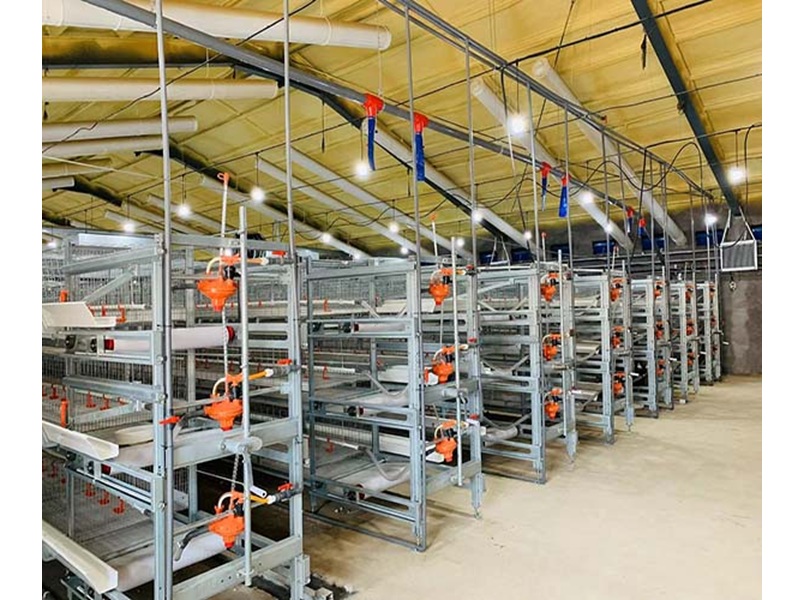
Modern Chicken Farming Solutions to Improve Farm Management Efficiency
Introduction
The poultry industry has undergone significant transformations over the past few decades, driven by technological advancements, increasing demand for poultry products, and the need for sustainable farming practices. Modern chicken farming solutions have revolutionized farm management, improving efficiency, productivity, and animal welfare while reducing environmental impact.
This article explores various innovative solutions in chicken farming, including automation, data-driven management, biosecurity measures, sustainable practices, and genetic improvements. By implementing these strategies, farmers can optimize operations, enhance profitability, and meet the growing global demand for poultry products.
1. Automation in Chicken Farming
Automation has become a cornerstone of modern poultry farming, reducing labor costs, minimizing human error, and improving efficiency. Key automated solutions include:
a) Automated Feeding Systems
Modern farms use precision feeding systems that deliver the right amount of feed at optimal times. These systems reduce waste, ensure consistent nutrition, and improve growth rates. Some advanced feeders adjust portions based on real-time data from sensors monitoring chicken weight and activity.
b) Automated Watering Systems
Automated nipple drinkers and water lines ensure a constant supply of clean water, reducing contamination risks. Smart water meters track consumption, helping farmers detect health issues early (e.g., decreased water intake may indicate disease).
c) Climate Control Automation
Temperature, humidity, and ventilation are critical for chicken health. Automated climate control systems use sensors to adjust heating, cooling, and airflow, maintaining optimal conditions. This reduces stress, improves growth, and prevents respiratory diseases.
d) Robotic Egg Collection
In layer farms, robotic egg collectors gently gather eggs, reducing breakage and labor costs. Some systems also sort eggs by size and quality, streamlining packaging and distribution.
2. Data-Driven Farm Management
Data analytics and IoT (Internet of Things) technologies enable farmers to make informed decisions, improving efficiency and productivity.
a) Real-Time Monitoring
Sensors track environmental conditions (temperature, humidity, ammonia levels), bird activity, feed consumption, and water usage. Farmers receive alerts if parameters deviate from optimal ranges, allowing quick corrective actions.
b) Predictive Analytics
Machine learning algorithms analyze historical and real-time data to predict disease outbreaks, feed requirements, and market trends. This helps farmers optimize resources and reduce losses.
c) Farm Management Software
Integrated software platforms centralize data on flock health, feed efficiency, and financial performance. Farmers can generate reports, track key performance indicators (KPIs), and improve decision-making.
3. Enhanced Biosecurity Measures
Biosecurity is crucial in preventing disease outbreaks that can devastate poultry farms. Modern solutions include:
a) Controlled Access Systems
Farms use biometric scanners, RFID tags, and disinfectant barriers to restrict unauthorized entry and prevent pathogen introduction.
b) Air Filtration Systems
Advanced ventilation systems with HEPA filters reduce airborne pathogens, protecting flocks from respiratory infections.
c) Automated Disinfection
Robotic sprayers and UV disinfection systems sanitize equipment, vehicles, and farm facilities without human intervention.
d) Disease Detection Technologies
AI-powered cameras and sound analysis tools monitor bird behavior, detecting early signs of illness (e.g., lethargy, abnormal vocalizations). Rapid diagnostic tests enable quick identification of pathogens.
4. Sustainable Farming Practices
Sustainability is a growing priority in poultry farming. Modern solutions reduce environmental impact while maintaining profitability.
a) Alternative Feed Ingredients
To reduce reliance on soy and corn, farmers are incorporating insect protein, algae, and food byproducts into chicken feed. These alternatives lower feed costs and carbon footprints.
b) Manure Management Systems
Anaerobic digesters convert poultry waste into biogas for energy, while composting systems produce organic fertilizer. These methods reduce pollution and generate additional revenue.
c) Renewable Energy Integration
Solar panels, wind turbines, and biomass energy systems power farms, reducing dependence on fossil fuels.
d) Water Recycling
Closed-loop water systems recycle and purify water used in cleaning and cooling, minimizing waste.
5. Genetic and Breeding Innovations
Selective breeding and genetic engineering have improved chicken health, growth rates, and egg production.
a) Disease-Resistant Breeds
CRISPR and other gene-editing technologies are used to develop chickens resistant to avian influenza and other diseases.
b) High-Efficiency Broilers
Modern broiler breeds grow faster with better feed conversion ratios, reducing production costs.
c) Improved Layer Genetics
Enhanced layer breeds produce more eggs with stronger shells and better nutritional profiles.
6. Welfare-Oriented Farming
Consumer demand for ethically raised poultry has led to welfare-focused innovations:
a) Enriched Housing Systems
Free-range and cage-free systems with perches, nesting areas, and dust baths improve chicken well-being.
b) Stress Reduction Technologies
Blue light and calming sound frequencies reduce aggression and stress in flocks.
c) Precision Nutrition
Customized feed formulations support immune health and reduce the need for antibiotics.
Conclusion
Modern chicken farming solutions have transformed the industry, making operations more efficient, sustainable, and profitable. Automation, data analytics, biosecurity, sustainable practices, genetic improvements, and animal welfare innovations are key drivers of this progress.
By adopting these technologies, farmers can enhance productivity, reduce environmental impact, and meet the rising global demand for poultry products. The future of chicken farming lies in continuous innovation, ensuring food security while maintaining ethical and ecological standards.
(Word count: ~2000)
Бул веб-сайт биздин веб-сайтта эң жакшы тажрыйбаны алуу үчүн кукилерди колдонот.
 English
 Pусский
 Français
 العربية
 Indonesia
 қазақ
қазақ o'zbek
 тоҷикӣ
 Türkmenler
 Catalogue



 Whatsapp
 Телефон
Комментарий
(0)