

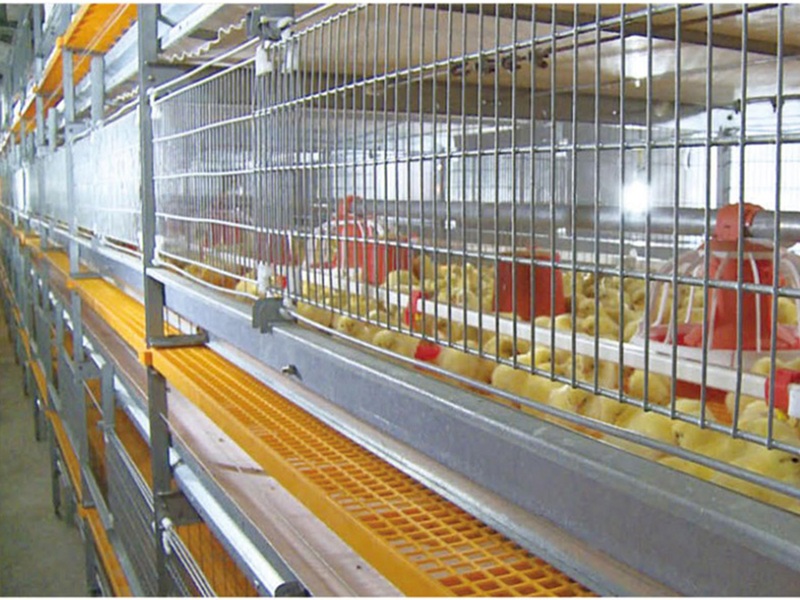
Automated poultry production equipment Helps Farmers Meet Rising Market Demand
Introduction
The global demand for poultry products, including eggs and meat, continues to rise due to population growth, urbanization, and changing dietary preferences. To meet this increasing demand, farmers must adopt more efficient and sustainable production methods. Automated poultry production equipment has emerged as a critical solution, enabling farmers to enhance productivity, reduce labor costs, and improve animal welfare. This article explores the benefits, key technologies, and future trends of automation in poultry farming.
The Growing Demand for Poultry Products
Poultry is one of the most consumed protein sources worldwide due to its affordability, nutritional value, and versatility. According to the Food and Agriculture Organization (FAO), global poultry meat production has more than doubled in the last two decades, while egg production has steadily increased.
Several factors contribute to this growth:
1. Population Growth – The world population is projected to reach 9.7 billion by 2050, increasing food demand.
2. Urbanization – More people are moving to cities, where processed and ready-to-cook poultry products are in high demand.
3. Health Awareness – Consumers are shifting from red meat to leaner protein sources like chicken and eggs.
4. Economic Factors – Poultry farming requires less land and resources compared to cattle or swine, making it more scalable.
To keep up with demand, traditional farming methods are no longer sufficient. Automation offers a viable solution to optimize production while maintaining high standards of animal welfare and food safety.
Key Automated Poultry Production Technologies
Automation in poultry farming encompasses various technologies designed to streamline operations, reduce human intervention, and improve efficiency. Below are some of the most impactful innovations:
1. Automated Feeding Systems
Manual feeding is labor-intensive and can lead to inconsistent feed distribution. Automated feeding systems ensure precise and timely delivery of feed, reducing waste and improving bird health.
- Chain and Pan Feeders – These systems distribute feed evenly along the poultry house, ensuring all birds have access.
- Auger Feeders – Use a screw mechanism to transport feed from storage bins to feeding troughs.
- Smart Feeders – Equipped with sensors to monitor consumption and adjust portions based on bird growth stages.
2. Automated Watering Systems
Clean water is essential for poultry health. Automated watering systems provide a continuous supply while reducing contamination risks.
- Nipple Drinkers – Birds activate water flow by pecking at nipples, minimizing spillage and bacterial growth.
- Cup Drinkers – Small cups fill with water when birds press them, ideal for young chicks.
- Water Quality Sensors – Monitor pH, temperature, and contaminants to ensure optimal drinking conditions.
3. Climate Control and Ventilation Systems
Poultry are highly sensitive to temperature and humidity fluctuations. Automated climate control systems maintain optimal conditions, improving growth rates and reducing mortality.
- Thermostats and Humidity Sensors – Adjust heating, cooling, and ventilation in real time.
- Evaporative Cooling Pads – Lower temperatures in hot climates by circulating moist air.
- Automated Curtains – Open or close based on weather conditions to regulate airflow.
4. Egg Collection and Grading Automation
Manual egg collection is time-consuming and increases breakage risks. Automated systems improve efficiency and hygiene.
- Conveyor Belt Systems – Transport eggs from nesting areas to collection points without human handling.
- Egg Grading Machines – Sort eggs by size, weight, and quality using optical sensors.
- Robotic Packers – Place eggs into cartons or trays with precision.
5. Poultry Health Monitoring
Early disease detection is crucial to prevent outbreaks. Automated monitoring systems track bird behavior and health indicators.
- Weight Sensors – Monitor growth rates and detect abnormalities.
- AI-Powered Cameras – Analyze bird movement, feeding patterns, and signs of illness.
- Automated Vaccination Systems – Administer vaccines efficiently to large flocks.
6. Waste Management Systems
Poultry waste must be managed properly to prevent environmental pollution. Automation helps in efficient waste removal and processing.
- Manure Belt Systems – Continuously remove droppings from beneath cages, reducing ammonia levels.
- Composting Robots – Turn waste into organic fertilizer automatically.
- Biogas Generators – Convert poultry waste into renewable energy.
Benefits of Automated Poultry Farming
Automation offers numerous advantages over traditional farming methods:
1. Increased Productivity
Automated systems ensure consistent feeding, watering, and climate control, leading to faster growth and higher yields. Studies show that automated farms can produce up to 20% more eggs and meat compared to manual operations.
2. Labor Cost Reduction
Poultry farming is labor-intensive, but automation reduces dependency on manual labor, cutting costs and minimizing human error.
3. Improved Animal Welfare
Automated systems reduce stress on birds by providing optimal living conditions, leading to healthier flocks and better-quality products.
4. Enhanced Food Safety
Reduced human contact minimizes contamination risks, while automated cleaning systems maintain hygiene standards.
5. Data-Driven Decision Making
Smart sensors and AI analytics provide farmers with real-time insights, allowing them to optimize feed, detect diseases early, and improve overall efficiency.
6. Sustainability
Automation reduces resource waste, lowers energy consumption, and supports eco-friendly waste management practices.
Challenges and Considerations
Despite its benefits, automation in poultry farming presents some challenges:
1. High Initial Investment – Automated equipment requires significant capital, which may be a barrier for small-scale farmers.
2. Technical Expertise – Farmers need training to operate and maintain advanced systems.
3. Power Dependency – Automation relies on electricity, making farms vulnerable to power outages.
4. Cybersecurity Risks – Connected systems may be susceptible to hacking or data breaches.
To overcome these challenges, governments and agricultural organizations can provide subsidies, training programs, and renewable energy solutions.
Future Trends in Poultry Automation
The future of poultry farming lies in further integration of smart technologies:
1. AI and Machine Learning – Predictive analytics will optimize feed formulas, disease prevention, and market forecasting.
2. Robotics – Autonomous robots may perform tasks like egg collection, cleaning, and even bird handling.
3. Blockchain for Traceability – Consumers will be able to track poultry products from farm to table, ensuring transparency.
4. Vertical Poultry Farming – Urban vertical farms with full automation could reduce transportation costs and land use.
5. Precision Livestock Farming (PLF) – Advanced sensors and IoT devices will enable real-time monitoring of each bird’s health.
Conclusion
Automated poultry production equipment is revolutionizing the industry by helping farmers meet rising market demand efficiently and sustainably. From automated feeding and watering systems to AI-powered health monitoring, these technologies enhance productivity, reduce costs, and improve animal welfare. While challenges such as high initial costs and technical expertise remain, ongoing advancements in robotics, AI, and renewable energy will further drive the adoption of automation.
As the global population continues to grow, embracing automation will be essential for ensuring food security, economic viability, and environmental sustainability in poultry farming. Farmers who invest in these technologies today will be better positioned to thrive in the competitive agricultural landscape of tomorrow.
Бул веб-сайт биздин веб-сайтта эң жакшы тажрыйбаны алуу үчүн кукилерди колдонот.
 English
 Pусский
 Français
 العربية
 Indonesia
 қазақ
қазақ o'zbek
 тоҷикӣ
 Türkmenler
 Catalogue



 Whatsapp
 Телефон
Комментарий
(0)