

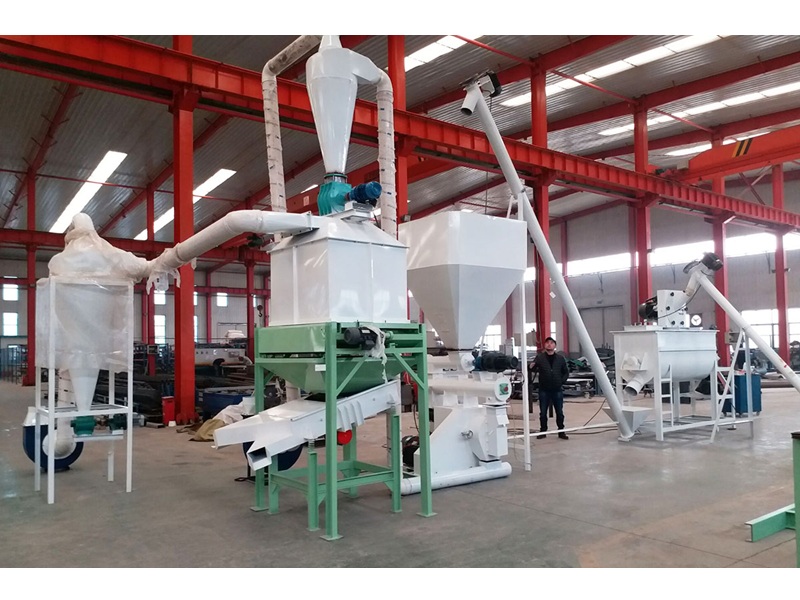
Fully automatic chicken farm equipment Reduces Labor Costs and Increases Output
Introduction
The poultry industry has undergone significant transformations over the past few decades, with technological advancements playing a crucial role in improving efficiency and productivity. One of the most impactful innovations in modern poultry farming is the adoption of fully automatic chicken farm equipment. These automated systems have revolutionized poultry production by significantly reducing labor costs while simultaneously increasing output.
Automation in poultry farming encompasses a wide range of technologies, including automated feeding, watering, egg collection, climate control, and waste management systems. By integrating these solutions, farmers can achieve higher efficiency, better disease control, and improved animal welfare. This article explores the various types of fully automatic chicken farm equipment, their benefits, and how they contribute to a more sustainable and profitable poultry industry.
Types of Fully Automatic Chicken Farm Equipment
1. Automated Feeding Systems
Traditional poultry farming requires manual feeding, which is labor-intensive and often leads to inconsistent feed distribution. Automated feeding systems eliminate these inefficiencies by delivering precise amounts of feed at scheduled intervals. These systems typically include:
- Feed silos and conveyors – Store and transport feed automatically.
- Feed distribution lines – Ensure uniform feed distribution across the poultry house.
- Programmable feeders – Allow farmers to adjust feeding schedules based on the birds' growth stages.
Benefits:
- Reduces feed wastage.
- Ensures consistent nutrition for all birds.
- Minimizes labor requirements.
2. Automated Watering Systems
Water is a critical component of poultry health, and automated watering systems ensure that birds have continuous access to clean water. These systems include:
- Nipple drinkers – Reduce water spillage and contamination.
- Automatic water pressure regulators – Maintain optimal water flow.
- Water filtration systems – Improve water quality and reduce disease risks.
Benefits:
- Prevents dehydration and improves bird health.
- Reduces manual labor in refilling water containers.
- Lowers water consumption compared to traditional troughs.
3. Automated Egg Collection Systems
Egg collection is one of the most labor-intensive tasks in poultry farming. Automated egg collection systems streamline this process by:
- Using conveyor belts to transport eggs from nesting areas to collection points.
- Sorting and grading eggs automatically.
- Reducing breakage and contamination risks.
Benefits:
- Increases egg production efficiency.
- Reduces labor costs associated with manual collection.
- Improves egg quality and hygiene.
4. Climate Control and Ventilation Systems
Maintaining optimal temperature, humidity, and air quality is essential for poultry health and productivity. Automated climate control systems include:
- Temperature sensors and controllers – Adjust heating or cooling as needed.
- Ventilation fans and air exchangers – Ensure proper airflow.
- Humidity regulators – Prevent respiratory issues in birds.
Benefits:
- Enhances bird comfort and growth rates.
- Reduces mortality due to extreme weather conditions.
- Lowers energy consumption through smart regulation.
5. Automated Waste Management Systems
Poultry waste management is crucial for maintaining hygiene and preventing disease outbreaks. Automated waste removal systems include:
- Manure belts – Collect and transport waste out of the poultry house.
- Composting systems – Convert waste into organic fertilizer.
- Odor control mechanisms – Improve air quality inside the farm.
Benefits:
- Reduces manual cleaning efforts.
- Minimizes ammonia levels, improving bird health.
- Supports sustainable farming practices.
6. Automated Monitoring and Data Analytics
Modern poultry farms utilize IoT (Internet of Things) and AI-driven monitoring systems to track bird health, feed consumption, and environmental conditions. These systems include:
- Smart cameras – Detect abnormal behavior or illness in birds.
- Weight sensors – Monitor growth rates.
- Data analytics software – Provide insights for optimizing farm operations.
Benefits:
- Early detection of diseases.
- Improved decision-making based on real-time data.
- Higher productivity through precision farming.
Advantages of Fully Automatic Chicken Farm Equipment
1. Significant Reduction in Labor Costs
One of the most compelling benefits of automation is the reduction in labor expenses. Traditional poultry farming requires multiple workers for feeding, watering, egg collection, and cleaning. Automated systems handle these tasks with minimal human intervention, allowing farmers to reduce workforce size or reallocate labor to more strategic roles.
2. Higher Production Efficiency
Automated systems ensure consistent and precise operations, leading to:
- Faster growth rates due to optimized feeding and climate conditions.
- Higher egg production with automated collection and sorting.
- Reduced mortality rates from improved hygiene and disease control.
3. Improved Animal Welfare
Automation enhances poultry living conditions by:
- Providing clean water and feed at all times.
- Maintaining optimal temperature and ventilation.
- Reducing stress from human handling.
4. Better Disease Control
Manual farming increases the risk of disease transmission through human contact and inconsistent hygiene. Automated systems:
- Minimize human-bird interaction, reducing contamination risks.
- Maintain strict hygiene standards with automated waste removal.
- Enable early detection of illnesses through AI monitoring.
5. Sustainability and Environmental Benefits
Automated poultry farming contributes to sustainability by:
- Reducing feed and water wastage.
- Lowering energy consumption through smart climate control.
- Converting waste into usable compost, reducing environmental impact.
Challenges and Considerations
While fully automatic chicken farm equipment offers numerous advantages, there are some challenges to consider:
1. High Initial Investment
The cost of purchasing and installing automated systems can be substantial. However, the long-term savings in labor and increased productivity often justify the investment.
2. Technical Expertise Required
Farmers need training to operate and maintain automated equipment. Some systems may require regular software updates and troubleshooting.
3. Dependence on Electricity
Power outages can disrupt automated operations. Farms should have backup generators to ensure continuous functionality.
Future Trends in Poultry Automation
The future of poultry farming lies in further integration of AI, robotics, and IoT. Emerging trends include:
- AI-powered disease prediction using machine learning.
- Robotic cleaners for enhanced hygiene.
- Blockchain for supply chain transparency in poultry products.
Conclusion
Fully automatic chicken farm equipment represents a game-changing innovation in the poultry industry. By reducing labor costs, increasing output, and improving animal welfare, these systems enable farmers to achieve higher profitability and sustainability. While the initial investment may be significant, the long-term benefits make automation a wise choice for modern poultry operations.
As technology continues to evolve, we can expect even smarter, more efficient farming solutions that will further revolutionize the industry. Farmers who embrace automation today will be better positioned to meet future demands in poultry production.
Бул веб-сайт биздин веб-сайтта эң жакшы тажрыйбаны алуу үчүн кукилерди колдонот.
 English
 Pусский
 Français
 العربية
 Indonesia
 қазақ
қазақ o'zbek
 тоҷикӣ
 Türkmenler
 Catalogue



 Whatsapp
 Телефон
Комментарий
(0)