

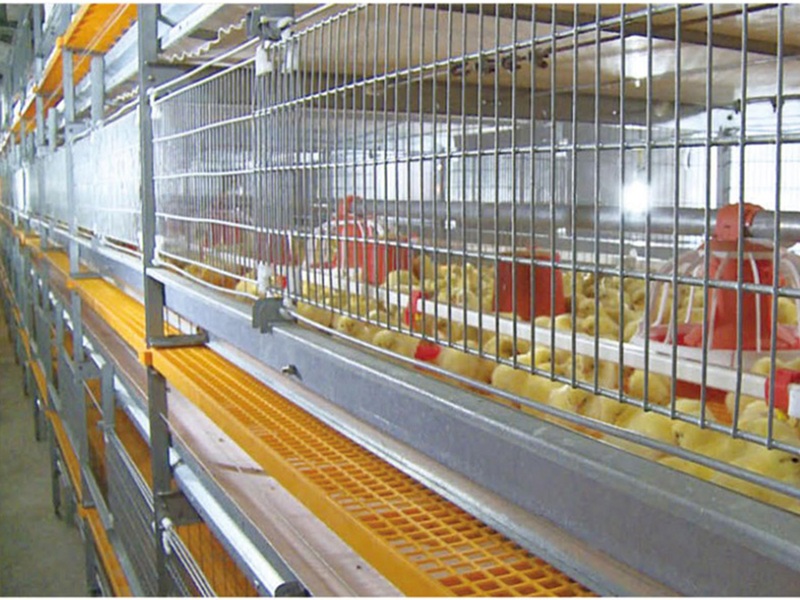
Automatic Poultry Farming Equipment Provides Reliable Modern Farming Solutions
Industry Background and Market Demand
The global poultry industry is undergoing a significant transformation, driven by rising demand for protein-rich food, labor shortages, and the need for sustainable farming practices. According to the Food and Agriculture Organization (FAO), poultry production must increase by nearly 50% by 2050 to meet global consumption needs. Traditional farming methods, reliant on manual labor, struggle to keep pace with these demands, leading to inefficiencies in feed management, disease control, and production consistency.
Automatic poultry farming equipment has emerged as a critical solution, offering precision, scalability, and operational efficiency. Modern systems integrate feeding, watering, climate control, and waste management into a unified automated framework, reducing human intervention while improving yield. The market for such equipment is projected to grow at a CAGR of 6.8% from 2023 to 2030, with key demand drivers including large-scale commercial farms in North America and Europe, as well as emerging economies adopting mechanized agriculture.
Core Concepts and Key Technologies
Automated poultry farming relies on several advanced technologies:
- Automated Feeding Systems – These use programmable dispensers to deliver precise feed quantities at scheduled intervals, minimizing waste and ensuring uniform bird growth.
- Climate Control Units – Sensors monitor temperature, humidity, and ammonia levels, adjusting ventilation and heating automatically to maintain optimal conditions.
- Egg Collection Systems – Conveyor belts and robotic arms gently transport eggs to sorting stations, reducing breakage and contamination risks.
- Waste Management Solutions – Automated scrapers and composting systems efficiently remove manure, improving hygiene and reducing environmental impact.
These systems are often integrated with IoT-enabled monitoring platforms, allowing farmers to track performance metrics remotely via mobile or desktop interfaces.
Product Structure, Performance, and Manufacturing Standards
High-quality automatic poultry farming equipment is built for durability and precision. Key structural components include:
- Galvanized Steel Frames – Resistant to corrosion and wear, ensuring longevity in humid farm environments.
- Food-Grade Plastics and Stainless Steel – Used in feeding and watering systems to prevent contamination.
- Modular Design – Allows for easy expansion or reconfiguration as farm operations scale.
Manufacturers employ CNC machining and robotic welding to ensure tight tolerances and structural integrity. Performance is validated through stress testing under simulated farm conditions, including exposure to dust, moisture, and temperature fluctuations.
Factors Affecting Quality and Performance
Several variables influence the effectiveness of automated poultry farming systems:
1. Precision Engineering – Misaligned feed dispensers or faulty sensors can disrupt operations, leading to uneven growth rates.
2. Energy Efficiency – Poorly designed climate control systems may increase operational costs due to excessive power consumption.
3. Ease of Maintenance – Equipment with complex disassembly requirements can lead to prolonged downtime during repairs.
4. Software Reliability – Glitches in control algorithms or data logging can result in incorrect environmental adjustments.
Leading manufacturers mitigate these risks through rigorous quality control protocols and real-world performance testing.
Supplier Selection and Supply Chain Considerations
When sourcing automatic poultry farming equipment, buyers should evaluate suppliers based on:
- Certifications – ISO 9001 compliance ensures adherence to manufacturing best practices.
- After-Sales Support – Availability of spare parts and technical assistance reduces operational disruptions.
- Customization Capabilities – Suppliers should offer tailored solutions for different poultry breeds and farm sizes.
- Supply Chain Transparency – Reliable vendors provide clear documentation on material sourcing and production timelines.
European and North American manufacturers dominate the high-end market, while Asian suppliers offer cost-effective alternatives with varying quality standards.
Common Challenges and Industry Pain Points
Despite its advantages, automated poultry farming faces several hurdles:
- High Initial Investment – Small-scale farmers may struggle with the capital required for full automation.
- Technical Skill Requirements – Operators must be trained in system troubleshooting and software management.
- Power Dependency – Farms in regions with unstable electricity grids require backup solutions.
- Biosecurity Risks – Automated systems must be designed to prevent cross-contamination between batches.
Applications and Case Studies
Large poultry producers have successfully integrated automation to enhance productivity:
- A European broiler farm reduced feed waste by 18% after installing an AI-assisted feeding system.
- A U.S. egg producer increased daily output by 25% through automated egg collection and grading.
- A Brazilian integrator improved flock health by using real-time environmental monitoring to prevent respiratory diseases.
Current Trends and Future Developments
The industry is moving toward:
- AI-Driven Predictive Analytics – Machine learning models forecast disease outbreaks and optimize feed formulations.
- Energy-Efficient Designs – Solar-powered systems and heat recovery technologies reduce carbon footprints.
- Blockchain Traceability – Enhances transparency in supply chains by recording production data immutably.
FAQ
Q: How does automated poultry farming reduce labor costs?
A: By automating feeding, watering, and waste removal, farms can operate with fewer workers while maintaining higher output.
Q: What maintenance is required for automated systems?
A: Regular cleaning, sensor calibration, and software updates are essential to prevent malfunctions.
Q: Can small farms benefit from automation?
A: Yes, modular systems allow gradual adoption, making automation accessible even for mid-sized operations.
Conclusion
Automatic poultry farming equipment represents a paradigm shift in modern agriculture, addressing efficiency, sustainability, and scalability challenges. As technology advances, further integration of AI, IoT, and renewable energy will redefine industry standards, ensuring reliable solutions for global food security.
Бул веб-сайт биздин веб-сайтта эң жакшы тажрыйбаны алуу үчүн кукилерди колдонот.
 English
 Pусский
 Français
 العربية
 Indonesia
 қазақ
қазақ o'zbek
 тоҷикӣ
 Türkmenler
 Catalogue



 Whatsapp
 Телефон
Комментарий
(0)