

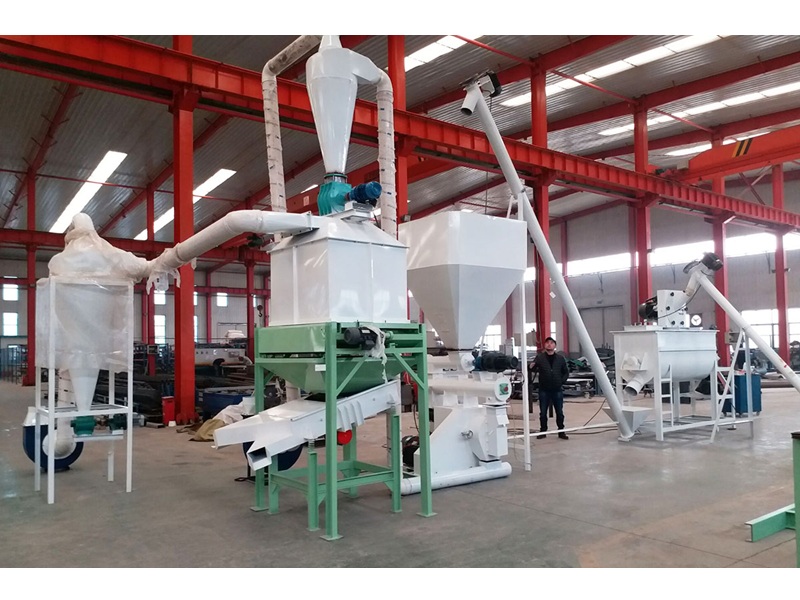
Modern Chicken Farming Equipment Improves Production for Large-Scale Operations
Industry Background and Market Demand
The global poultry industry has experienced significant growth over the past decade, driven by rising demand for affordable protein sources. Large-scale chicken farming operations now account for over 70% of commercial poultry production, necessitating advanced equipment to enhance efficiency, animal welfare, and yield. Modern poultry farming equipment addresses these needs by integrating automation, precision environmental controls, and data-driven management systems.
Key market drivers include stricter food safety regulations, labor shortages, and the need to reduce operational costs. In the U.S. and Europe, automated feeding systems, climate-controlled housing, and robotic egg collection have become standard in large facilities. Emerging markets in Asia and Latin America are also adopting these technologies to meet export standards and domestic demand.
Core Technologies in Modern Chicken Farming
1. Automated Feeding Systems
These systems ensure precise feed distribution while minimizing waste. Advanced models use weight sensors and programmable logic controllers (PLCs) to adjust portions based on flock size and growth stage. Some incorporate anti-pecking designs to reduce aggression among birds.
2. Climate Control and Ventilation
Optimal temperature, humidity, and air quality are critical for bird health. Modern farms use negative pressure ventilation, evaporative cooling pads, and IoT-enabled sensors to maintain consistent conditions. Energy-efficient designs, such as variable-speed fans, reduce electricity costs by up to 30%.
3. Egg Collection and Handling
Automated egg belts and robotic arms minimize breakage and contamination. Systems with integrated grading capabilities sort eggs by size and quality before packaging.
4. Waste Management
Manure removal systems, including conveyor belts and anaerobic digesters, improve hygiene and convert waste into biogas or fertilizer.
Equipment Specifications and Manufacturing
High-quality chicken farming equipment is typically constructed from:
- Galvanized steel for corrosion resistance in humid environments.
- Food-grade plastics for components in direct contact with feed or eggs.
- Stainless steel in critical areas requiring frequent sanitation.
Manufacturing processes include laser cutting for precision parts, robotic welding for structural durability, and powder coating for extended lifespan. Leading suppliers adhere to ISO 9001 and CE standards to ensure reliability.
Key Factors Influencing Performance
1. Durability: Equipment must withstand daily wear, high-pressure washing, and ammonia exposure.
2. Energy Efficiency: Variable-speed motors and solar-compatible systems reduce long-term costs.
3. Ease of Maintenance: Modular designs and accessible components minimize downtime.
4. Biosecurity: Seamless surfaces and antimicrobial coatings prevent pathogen buildup.
Supplier Selection Criteria
Large-scale operators prioritize suppliers with:
- Proven industry experience (minimum 5–10 years in poultry equipment).
- Customization capabilities to adapt to farm layouts.
- After-sales support, including spare parts availability and technician training.
- Compliance with regional regulations (e.g., EU Animal Welfare Standards).
Common Challenges and Solutions
1. High Initial Investment
Solution: Leasing models and government subsidies (e.g., USDA grants) help offset costs.
2. Technology Integration
Solution: Choose equipment with open API protocols for compatibility with farm management software.
3. Labor Training
Solution: Suppliers offering on-site training reduce operational errors.
Case Study: A U.S. Broiler Farm
A 500,000-bird farm in Georgia implemented automated feeding, ventilation, and manure removal systems, resulting in:
- 15% reduction in feed waste due to precision dispensers.
- 20% lower mortality rates from improved climate control.
- 30% labor cost savings via automation.
Future Trends
1. AI and Predictive Analytics: Machine learning models will optimize feed formulas and disease detection.
2. Modular Housing: Scalable designs allow farms to adjust capacity based on market demand.
3. Sustainability: Solar-powered equipment and closed-loop water systems will gain traction.
FAQ
Q: How long does modern poultry equipment typically last?
A: With proper maintenance, galvanized steel systems last 15–20 years; plastic components may require replacement every 5–8 years.
Q: Can small farms afford automated systems?
A: Entry-level automation (e.g., timed feeders) is available, but ROI is higher for large operations.
Q: What’s the biggest mistake when selecting equipment?
A: Overlooking farm-specific needs, such as local climate or bird breed requirements.
By adopting advanced chicken farming equipment, large-scale operations can achieve higher productivity, better animal welfare, and long-term cost savings. The industry’s shift toward automation and sustainability will continue to redefine poultry production standards worldwide.
Бул веб-сайт биздин веб-сайтта эң жакшы тажрыйбаны алуу үчүн кукилерди колдонот.
 English
 Pусский
 Français
 العربية
 Indonesia
 қазақ
қазақ o'zbek
 тоҷикӣ
 Türkmenler
 Catalogue



 Whatsapp
 Телефон
Комментарий
(0)