

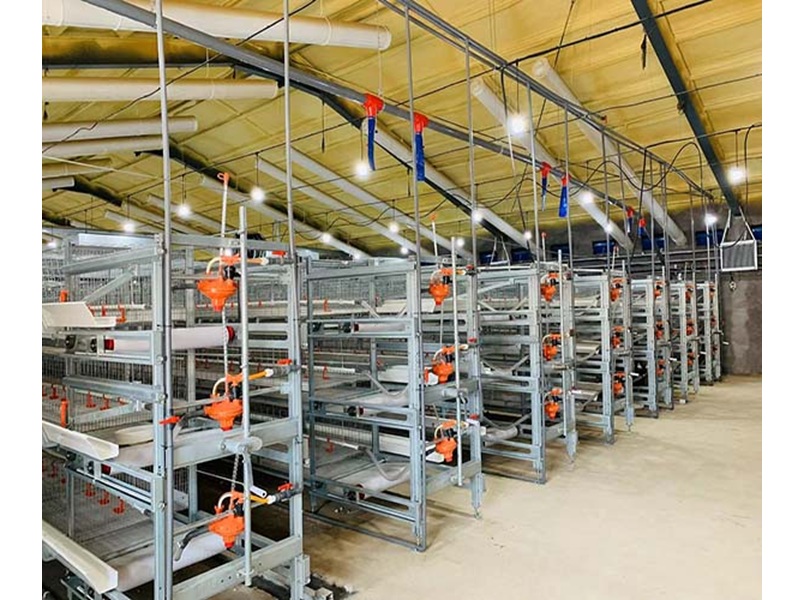
Commercial layer chicken equipment: Enhancing Egg Output and Quality
The poultry industry has seen significant advancements in recent years, particularly in the development of commercial layer chicken equipment. Modern farming technologies have revolutionized egg production by improving efficiency, animal welfare, and product quality. Properly designed layer housing, feeding systems, climate control, and egg collection mechanisms contribute to higher egg yields and better-quality eggs. This article explores the key equipment used in commercial layer farming and how it enhances egg output and quality.
The foundation of efficient egg production lies in the housing system. Modern layer houses are designed to maximize space utilization, ensure bird comfort, and facilitate easy management. The most common housing systems include:
A. Cage Systems (Battery Cages, Enriched Cages)
Cage systems remain widely used in commercial egg production due to their efficiency in space management and disease control.
- Battery Cages: These are stacked cages that allow for high-density farming while providing individual feeding and watering systems. They improve hygiene by preventing direct contact with litter, reducing parasite infestations.
- Enriched Cages: These provide additional features such as perches, nesting areas, and scratching pads, improving hen welfare while maintaining productivity.
B. Free-Range and Aviary Systems
With increasing consumer demand for ethically produced eggs, free-range and aviary systems have gained popularity.
- Free-Range Systems: Hens have access to outdoor areas, promoting natural behaviors and reducing stress, which can lead to better egg quality.
- Aviary Systems: These multi-tiered structures allow birds to move freely indoors while optimizing space. They include perches, nests, and dust-bathing areas, enhancing welfare and productivity.
C. Barn Systems
These are indoor systems where hens roam freely within a controlled environment. Proper ventilation, lighting, and litter management are crucial for maintaining egg quality.
2. Feeding and Watering Systems
Nutrition plays a vital role in egg production. Modern feeding systems ensure consistent nutrient delivery, reducing waste and improving feed efficiency.
- Automatic Feeders: These systems distribute feed evenly, preventing competition and ensuring all hens receive adequate nutrition.
- Precision Feeding: Advanced systems adjust feed composition based on the hens' age and production stage, optimizing eggshell strength and yolk quality.
- Nipple Drinkers: These provide clean water on demand, reducing spillage and contamination risks. Proper hydration is essential for egg formation and overall health.
3. Climate Control and Ventilation
Optimal environmental conditions are critical for maximizing egg production. Poor ventilation or extreme temperatures can stress hens, reducing egg output and quality.
- Automated Ventilation Systems: These regulate airflow, removing ammonia and moisture to maintain air quality.
- Temperature Control: Heating and cooling systems ensure a stable environment, preventing heat stress in summer and cold stress in winter.
- Lighting Management: Artificial lighting programs simulate natural daylight cycles, stimulating consistent egg-laying patterns.
4. Egg Collection and Handling Systems
Efficient egg collection minimizes breakage and contamination, ensuring high-quality eggs reach consumers.
- Belt Collection Systems: Conveyor belts gently transport eggs from nests to a central collection point, reducing human handling and damage.
- Automatic Grading and Packing: Modern grading machines sort eggs by size, weight, and shell quality, ensuring uniformity in packaging.
- Sanitation Measures: UV sterilization and automated washing systems reduce bacterial contamination, extending shelf life.
5. Manure Management Systems
Proper waste management prevents disease outbreaks and maintains a hygienic environment.
- Manure Belts: These remove waste from beneath cages, reducing ammonia levels and improving air quality.
- Composting and Recycling: Some farms convert manure into organic fertilizer, promoting sustainability.
Conclusion
Commercial layer chicken equipment has transformed egg production by enhancing efficiency, bird welfare, and product quality. From advanced housing systems to automated feeding, climate control, and egg handling technologies, modern farming practices ensure higher yields and better-quality eggs. As consumer preferences evolve, the industry continues to innovate, balancing productivity with ethical and sustainable practices. Investing in the right equipment is essential for any commercial layer farm aiming to maximize output while maintaining high standards of egg quality.
(Word count: ~2000)
---
This article provides a comprehensive overview of commercial layer chicken equipment without mentioning specific brands. Let me know if you'd like any modifications!
Бул веб-сайт биздин веб-сайтта эң жакшы тажрыйбаны алуу үчүн кукилерди колдонот.
 English
 Pусский
 Français
 العربية
 Indonesia
 қазақ
қазақ o'zbek
 тоҷикӣ
 Türkmenler
 Catalogue



 Whatsapp
 Телефон
Комментарий
(0)