

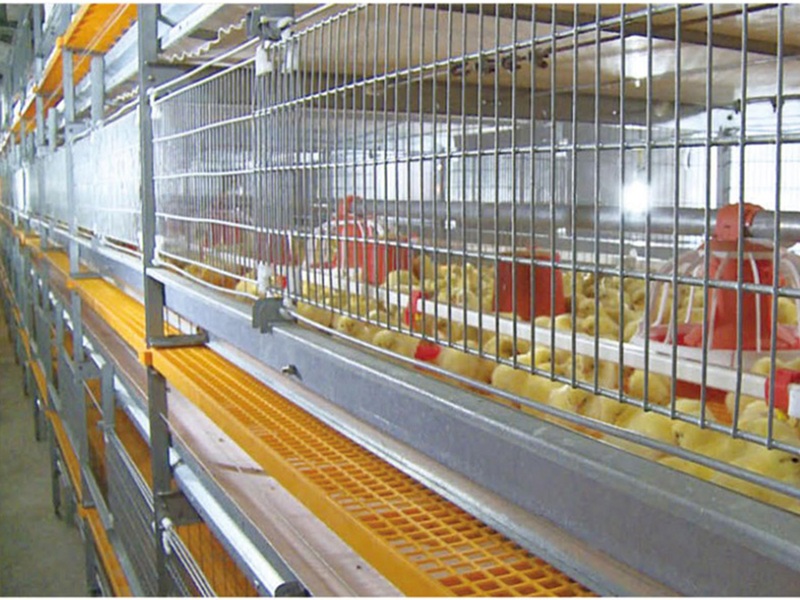
Commercial Poultry House Automation Enhances Biosecurity Standards
Introduction
The poultry industry has undergone significant technological advancements in recent years, with automation playing a crucial role in improving efficiency, productivity, and biosecurity. Biosecurity is a critical aspect of poultry farming, as disease outbreaks can lead to severe economic losses, reduced productivity, and even public health concerns. Automated systems in commercial poultry houses help mitigate these risks by minimizing human intervention, reducing contamination, and ensuring consistent environmental control.
This paper explores how automation enhances biosecurity in poultry farming, focusing on key technologies such as automated feeding, watering, ventilation, and monitoring systems. Additionally, it discusses the benefits of automation in disease prevention, labor efficiency, and overall farm management.
The Importance of Biosecurity in Poultry Farming
Biosecurity refers to measures taken to prevent the introduction and spread of infectious diseases within poultry flocks. Pathogens such as avian influenza, Newcastle disease, and Salmonella can devastate poultry operations if not properly controlled. Traditional biosecurity measures include restricted farm access, disinfection protocols, and proper waste management. However, human error and inconsistent practices can still lead to contamination.
Automation reduces these risks by minimizing human contact with birds, ensuring precise environmental control, and maintaining strict hygiene standards. Automated systems also provide real-time data, allowing farmers to detect and respond to potential biosecurity threats more efficiently.
Key Automation Technologies Enhancing Biosecurity
1. Automated Feeding Systems
Traditional manual feeding requires frequent human entry into poultry houses, increasing the risk of pathogen transmission. Automated feeding systems eliminate this risk by delivering feed through controlled mechanisms such as chain feeders, auger systems, or robotic feeders.
Benefits:
- Reduced Human Contact: Minimizes the need for workers to enter poultry houses frequently.
- Precise Feed Distribution: Ensures consistent feed availability, reducing stress and improving flock health.
- Contamination Control: Closed systems prevent feed from being exposed to external contaminants.
2. Automated Watering Systems
Water is a critical factor in poultry health, and contaminated water can be a major disease vector. Automated nipple or cup watering systems provide clean water on demand while reducing spillage and bacterial growth.
Benefits:
- Hygienic Water Supply: Closed systems prevent contamination from dirt, feces, or pathogens.
- Reduced Moisture Levels: Minimizes wet litter, which can harbor harmful bacteria and fungi.
- Water Quality Monitoring: Some systems include sensors to detect impurities or bacterial presence.
3. Automated Ventilation and Climate Control
Proper ventilation is essential for maintaining air quality, temperature, and humidity levels in poultry houses. Poor ventilation can lead to respiratory diseases and increased ammonia levels, which weaken bird immunity. Automated ventilation systems adjust airflow based on real-time sensor data.
Benefits:
- Optimal Air Quality: Reduces dust, ammonia, and pathogens in the air.
- Temperature Regulation: Prevents heat stress or cold stress, which can compromise immune function.
- Energy Efficiency: Smart systems optimize fan and heater usage, reducing operational costs.
4. Automated Lighting Systems
Lighting plays a crucial role in poultry growth, reproduction, and behavior. Automated lighting systems simulate natural daylight cycles, improving bird welfare and productivity.
Benefits:
- Consistent Light Cycles: Reduces stress and improves feed conversion rates.
- Energy Savings: LED lighting with timers or dimmers reduces electricity consumption.
- Biosecurity Advantage: Minimizes human intervention for manual light adjustments.
5. Automated Monitoring and Data Analytics
Modern poultry farms use IoT (Internet of Things) sensors and AI-driven analytics to monitor flock health, environmental conditions, and potential biosecurity risks.
Key Features:
- Real-Time Health Monitoring: Cameras and sensors detect abnormal behavior, weight loss, or signs of illness.
- Environmental Sensors: Track temperature, humidity, ammonia, and CO₂ levels.
- Early Disease Detection: AI algorithms analyze data to identify potential outbreaks before symptoms appear.
Benefits:
- Proactive Disease Management: Enables rapid response to health threats.
- Reduced Antibiotic Use: Early detection reduces reliance on antibiotics, supporting sustainable farming.
- Improved Record-Keeping: Digital logs ensure compliance with biosecurity regulations.
6. Robotic Cleaners and Disinfection Systems
Manual cleaning of poultry houses is labor-intensive and may not eliminate all pathogens. Automated robotic cleaners and disinfection systems use UV light, electrostatic sprayers, or fogging systems to sanitize facilities between flocks.
Benefits:
- Thorough Disinfection: Ensures complete coverage of floors, walls, and equipment.
- Reduced Labor Dependency: Minimizes human exposure to pathogens.
- Faster Turnaround Time: Allows quicker preparation for new flocks.
Biosecurity Advantages of Automation
1. Minimized Human Contact
Human workers are a major vector for disease transmission. Automation reduces the need for frequent human entry, lowering the risk of introducing pathogens.
2. Consistent Hygiene Practices
Automated systems follow programmed protocols without deviation, ensuring that biosecurity measures (e.g., disinfection, feed management) are consistently applied.
3. Early Disease Detection and Prevention
AI-powered monitoring systems can detect subtle changes in flock behavior or environmental conditions, allowing farmers to take preventive action before diseases spread.
4. Reduced Cross-Contamination
Closed-loop systems for feed, water, and waste management prevent external contamination from wildlife, pests, or farm visitors.
5. Improved Compliance with Biosecurity Regulations
Automated record-keeping ensures that all biosecurity protocols are documented, making it easier to comply with industry standards and government regulations.
Challenges and Considerations
While automation offers significant biosecurity benefits, poultry farmers must consider:
- Initial Investment Costs: High-tech systems require substantial capital, though long-term savings justify the expense.
- Technical Expertise: Staff must be trained to operate and maintain automated equipment.
- System Reliability: Backup plans should be in place in case of power outages or technical failures.
Conclusion
Automation in commercial poultry farming is revolutionizing biosecurity by reducing human intervention, improving environmental control, and enabling real-time health monitoring. Technologies such as automated feeding, watering, ventilation, and robotic cleaning systems enhance hygiene standards while increasing operational efficiency.
As the poultry industry continues to evolve, integrating advanced automation will be essential for maintaining biosecurity, preventing disease outbreaks, and ensuring sustainable production. Farmers who adopt these technologies can achieve higher productivity, lower operational risks, and better compliance with global food safety standards.
By embracing automation, the poultry sector can safeguard animal health, protect public health, and meet the growing demand for safe, high-quality poultry products.
Бул веб-сайт биздин веб-сайтта эң жакшы тажрыйбаны алуу үчүн кукилерди колдонот.
 English
 Pусский
 Français
 العربية
 Indonesia
 қазақ
қазақ o'zbek
 тоҷикӣ
 Türkmenler
 Catalogue



 Whatsapp
 Телефон
Комментарий
(0)