

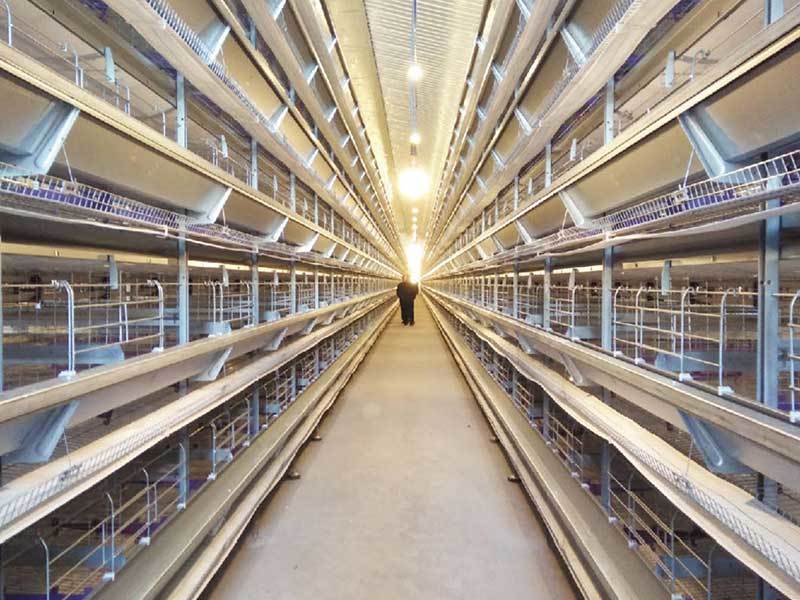
Modern poultry house automation Enhances Environmental Control
Introduction
The poultry industry has undergone significant transformations in recent years, driven by technological advancements and the increasing demand for efficient, sustainable, and high-quality poultry production. One of the most critical developments in this sector is the automation of poultry house environmental control systems. Modern automation technologies enhance temperature regulation, ventilation, humidity control, lighting, and feeding, ensuring optimal conditions for bird health and productivity.
Automated environmental control systems not only improve operational efficiency but also reduce labor costs, minimize energy consumption, and enhance biosecurity. By leveraging sensors, data analytics, and smart control mechanisms, poultry farmers can maintain precise environmental conditions, leading to better growth rates, feed conversion ratios, and overall flock welfare.
This paper explores the key components of modern poultry house automation, their benefits, and the future trends shaping the industry.
Key Components of Poultry House Automation
1. Climate Control Systems
Maintaining optimal temperature, humidity, and air quality is essential for poultry health. Automated climate control systems use sensors to monitor environmental parameters in real time and adjust heating, cooling, and ventilation accordingly.
- Temperature Regulation – Automated heaters and cooling pads maintain consistent temperatures, preventing heat stress or cold stress in birds.
- Ventilation Control – Smart fans and air intake systems adjust airflow based on CO₂, ammonia, and humidity levels, ensuring fresh air circulation.
- Humidity Management – High humidity can lead to respiratory issues, while low humidity causes dehydration. Automated misting and dehumidification systems maintain ideal moisture levels.
2. Automated Feeding Systems
Precision feeding systems ensure that birds receive the right amount of feed at optimal times, reducing waste and improving growth efficiency.
- Feed Dispensers – Programmable feeders distribute feed at scheduled intervals, preventing overfeeding or underfeeding.
- Feed Monitoring – Sensors track feed consumption, allowing farmers to adjust rations based on flock needs.
- Automated Feed Storage – Silo systems with moisture and temperature controls prevent spoilage and contamination.
3. Water Management Systems
Clean and accessible water is crucial for poultry health. Automated water systems ensure consistent supply and quality.
- Nipple Drinkers & Automated Lines – Reduce spillage and contamination compared to open water troughs.
- Water Quality Sensors – Monitor pH, temperature, and bacterial levels to prevent disease outbreaks.
- Water Consumption Tracking – Helps detect early signs of illness, as reduced water intake often indicates health issues.
4. Lighting Automation
Light plays a significant role in poultry growth, reproduction, and behavior. Automated lighting systems simulate natural daylight cycles, improving egg production and growth rates.
- LED Lighting with Dimmers – Adjusts intensity and duration to mimic sunrise and sunset, reducing bird stress.
- Programmable Light Schedules – Optimizes growth phases (e.g., broilers vs. layers) by controlling photoperiods.
5. Waste Management Systems
Automated waste removal reduces labor and improves hygiene.
- Conveyor Belt Manure Removal – Regularly transports waste out of the house, minimizing ammonia buildup.
- Composting & Recycling Systems – Convert poultry waste into organic fertilizer, supporting sustainable farming.
6. Data Analytics & Remote Monitoring
IoT (Internet of Things) technology enables real-time data collection and remote farm management.
- Cloud-Based Monitoring – Farmers can track environmental conditions, feed consumption, and bird health via mobile apps.
- Predictive Analytics – AI-driven insights help optimize feeding schedules, disease prevention, and energy use.
- Alerts & Notifications – Instant alerts for temperature spikes, equipment failures, or unusual bird behavior allow quick intervention.
Benefits of Poultry House Automation
1. Improved Bird Health & Welfare
Consistent environmental conditions reduce stress, disease outbreaks, and mortality rates. Automated systems ensure that birds are always in an optimal environment, enhancing growth and productivity.
2. Increased Operational Efficiency
Automation reduces manual labor, allowing farmers to manage larger flocks with fewer workers. Tasks like feeding, watering, and waste removal are handled efficiently by machines.
3. Energy & Resource Savings
Smart systems optimize energy use by adjusting heating, cooling, and ventilation based on real-time needs. This reduces electricity and fuel costs while minimizing the farm’s carbon footprint.
4. Enhanced Biosecurity
Automated systems limit human contact with birds, reducing the risk of disease transmission. Additionally, controlled access and sanitation protocols improve farm hygiene.
5. Higher Profitability
By improving feed conversion ratios, reducing mortality, and optimizing growth cycles, automation increases overall profitability. Data-driven decisions also help farmers maximize yields and minimize waste.
Challenges & Considerations
Despite its advantages, poultry house automation presents some challenges:
- High Initial Investment – Installing automated systems requires significant capital, which may be a barrier for small-scale farmers.
- Technical Expertise Required – Farmers need training to operate and maintain advanced equipment.
- Dependence on Electricity – Power outages can disrupt automated systems, necessitating backup power solutions.
- Cybersecurity Risks – IoT-based systems may be vulnerable to hacking, requiring robust security measures.
Future Trends in Poultry Automation
1. AI & Machine Learning Integration
Advanced AI models will predict disease outbreaks, optimize feed formulations, and automate decision-making for better flock management.
2. Robotics in Poultry Farming
Robotic systems for egg collection, bird handling, and cleaning will further reduce labor dependency.
3. Blockchain for Traceability
Blockchain technology can enhance food safety by providing transparent records of poultry production, from farm to table.
4. Renewable Energy Solutions
Solar-powered poultry houses and energy-efficient systems will make automation more sustainable.
5. Precision Livestock Farming (PLF)
Wearable sensors for birds (e.g., tracking activity, heart rate) will enable real-time health monitoring and early disease detection.
Conclusion
Modern poultry house automation revolutionizes environmental control, enhancing bird welfare, operational efficiency, and farm profitability. By integrating smart climate control, automated feeding, water management, and data analytics, farmers can achieve higher productivity while reducing costs and environmental impact.
As technology continues to evolve, AI, robotics, and renewable energy will further transform poultry farming, making it more sustainable and efficient. While challenges such as high initial costs and technical training remain, the long-term benefits of automation make it a worthwhile investment for the future of poultry production.
By adopting these innovations, poultry farmers can ensure better flock health, higher yields, and a competitive edge in the global market.
Бул веб-сайт биздин веб-сайтта эң жакшы тажрыйбаны алуу үчүн кукилерди колдонот.
 English
 Pусский
 Français
 العربية
 Indonesia
 қазақ
қазақ o'zbek
 тоҷикӣ
 Türkmenler
 Catalogue



 Whatsapp
 Телефон
Комментарий
(0)