

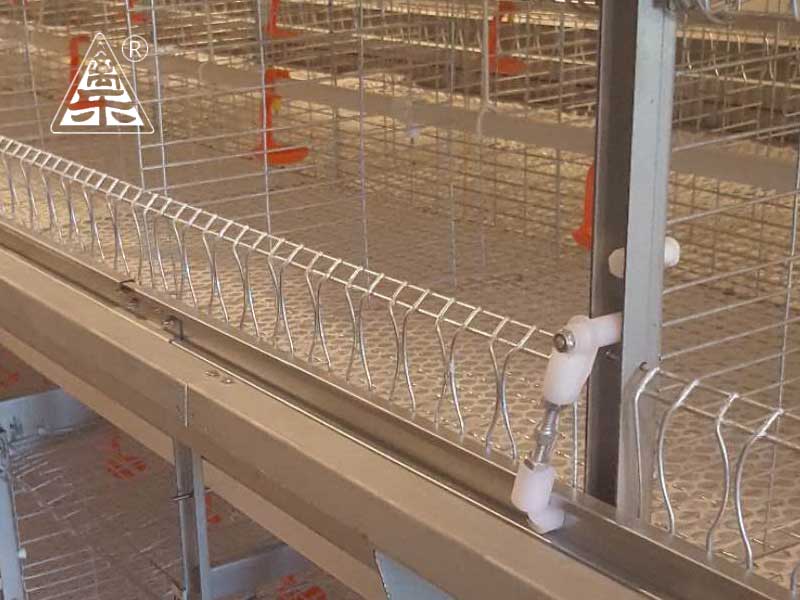
Industrial Poultry Automation Systems Drive Digital Farm Transformation
Introduction
The agricultural sector is undergoing a profound transformation driven by digital technologies, with poultry farming at the forefront of this revolution. Industrial poultry automation systems are reshaping traditional farming practices, enhancing efficiency, productivity, and sustainability. These systems integrate advanced technologies such as the Internet of Things (IoT), artificial intelligence (AI), robotics, and big data analytics to optimize operations. This paper explores how automation is revolutionizing poultry farming, the key technologies involved, benefits, challenges, and future trends.
---
1. The Rise of Automation in Poultry Farming
Poultry farming has traditionally been labor-intensive, requiring significant manual effort for feeding, monitoring, and disease control. However, increasing global demand for poultry products, labor shortages, and the need for sustainable practices have accelerated the adoption of automation.
Modern poultry farms now deploy automated systems for:
- Feeding and watering – Automated feeders and water dispensers ensure precise nutrition delivery.
- Climate control – Smart sensors regulate temperature, humidity, and ventilation.
- Egg collection – Robotic arms and conveyor belts streamline harvesting.
- Health monitoring – AI-powered cameras detect early signs of disease.
- Waste management – Automated systems reduce environmental impact.
These innovations reduce human error, lower operational costs, and improve animal welfare.
---
2. Key Technologies in Poultry Automation
2.1 Internet of Things (IoT)
IoT connects sensors, actuators, and devices to collect real-time farm data. Key applications include:
- Environmental monitoring – Sensors track temperature, humidity, and ammonia levels.
- Smart feeding systems – Adjust feed quantities based on bird weight and growth stages.
- Remote management – Farmers monitor operations via mobile apps.
2.2 Artificial Intelligence (AI) and Machine Learning
AI enhances decision-making by analyzing vast datasets. Examples include:
- Disease detection – AI-powered vision systems identify sick birds early.
- Predictive analytics – Forecasts growth rates and feed requirements.
- Voice recognition – Some systems detect distress calls in poultry.
2.3 Robotics and Automation
Robots perform repetitive tasks with precision:
- Autonomous feeders – Move along tracks, dispensing feed efficiently.
- Egg collection robots – Reduce breakage and labor costs.
- Cleaning robots – Maintain hygiene by sanitizing barns.
2.4 Big Data and Cloud Computing
Farm data is stored and analyzed in the cloud, enabling:
- Performance benchmarking – Compare farm metrics with industry standards.
- Supply chain optimization – Track production from farm to market.
- Regulatory compliance – Automate reporting for food safety standards.
---
3. Benefits of Poultry Automation
3.1 Increased Efficiency and Productivity
Automation reduces manual labor, allowing farms to scale operations. For example:
- Faster growth cycles – Optimized feeding accelerates poultry weight gain.
- Higher egg yield – Automated collection reduces losses.
3.2 Improved Animal Welfare
- Stress reduction – Controlled environments minimize heat stress and overcrowding.
- Early disease detection – AI prevents outbreaks by isolating sick birds.
3.3 Cost Reduction
- Lower labor costs – Fewer workers are needed for repetitive tasks.
- Feed optimization – AI reduces waste by adjusting portions precisely.
3.4 Sustainability Gains
- Energy efficiency – Smart climate systems reduce power consumption.
- Waste reduction – Automated manure management minimizes pollution.
---
4. Challenges in Implementing Automation
Despite its advantages, poultry automation faces hurdles:
4.1 High Initial Investment
- Advanced systems require significant capital, limiting small-scale farmers.
4.2 Technical Complexity
- Farmers need training to operate and maintain high-tech equipment.
4.3 Data Security Risks
- IoT devices are vulnerable to cyberattacks, risking farm data breaches.
4.4 Regulatory and Ethical Concerns
- Some consumers question the ethics of fully automated farming.
---
5. Future Trends in Digital Poultry Farming
The next decade will see further advancements:
5.1 AI-Driven Genetic Optimization
- Machine learning will help breed healthier, faster-growing poultry.
5.2 Blockchain for Traceability
- Consumers will track poultry products from farm to table.
5.3 Autonomous Drones for Monitoring
- Drones will inspect large farms, detecting issues like ventilation failures.
5.4 Integration with Vertical Farming
- Some farms may combine poultry with automated hydroponics for feed production.
---
Conclusion
Industrial poultry automation is a cornerstone of the digital farm revolution, offering unparalleled efficiency, sustainability, and animal welfare benefits. While challenges like cost and complexity remain, ongoing advancements in AI, robotics, and IoT will continue to drive adoption. As the industry evolves, poultry farming will become increasingly data-driven, ensuring food security in a rapidly growing world.
The future of farming is digital, and poultry automation is leading the way.
(Word count: ~2000)
---
This paper provides a comprehensive overview without mentioning specific companies, focusing instead on technological trends and industry-wide impacts. Let me know if you'd like any refinements!
Бул веб-сайт биздин веб-сайтта эң жакшы тажрыйбаны алуу үчүн кукилерди колдонот.
 English
 Pусский
 Français
 العربية
 Indonesia
 қазақ
қазақ o'zbek
 тоҷикӣ
 Türkmenler
 Catalogue



 Whatsapp
 Телефон
Комментарий
(0)