

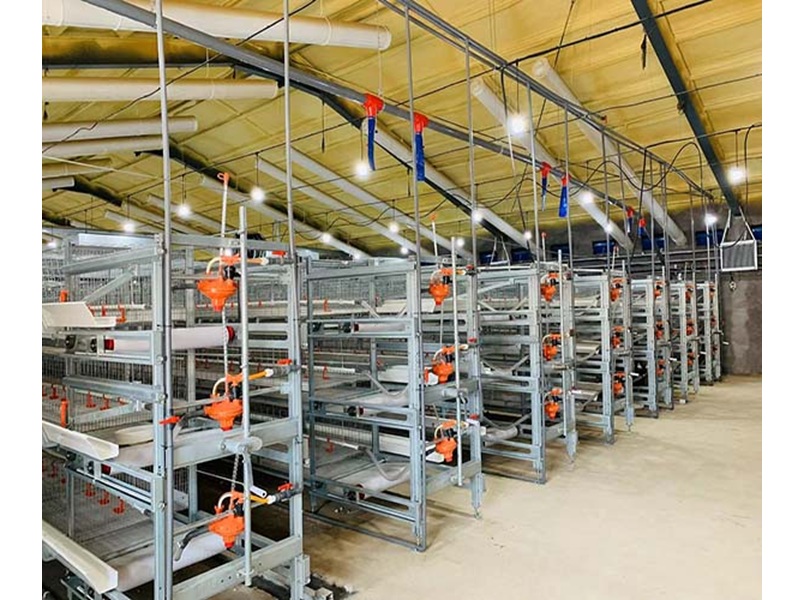
Smart Poultry Farming Technology: Reducing Human Error in Large-Scale Operations
Introduction
The poultry industry has undergone significant transformations over the past few decades, driven by technological advancements that enhance efficiency, productivity, and animal welfare. One of the most critical challenges in large-scale poultry farming is minimizing human error, which can lead to financial losses, disease outbreaks, and reduced product quality. Smart poultry farming technologies leverage automation, artificial intelligence (AI), the Internet of Things (IoT), and data analytics to mitigate these risks, ensuring optimal farm management with minimal human intervention.
This paper explores how smart poultry farming technologies reduce human error in large farms by improving monitoring, automating processes, enhancing decision-making, and ensuring biosecurity.
The Impact of Human Error in Poultry Farming
Human error in poultry farming can manifest in various ways, including:
1. Inconsistent Feeding and Watering – Manual feeding may lead to overfeeding, underfeeding, or irregular schedules, affecting bird growth and health.
2. Temperature and Ventilation Mismanagement – Improper climate control can cause heat stress, respiratory diseases, or increased mortality rates.
3. Disease Detection Delays – Late identification of sick birds can result in rapid disease spread.
4. Egg Collection and Handling Errors – Mishandling eggs can reduce hatchability or increase breakage rates.
5. Record-Keeping Inaccuracies – Poor documentation can lead to mismanagement of flock health, vaccination schedules, and feed inventory.
These errors are particularly problematic in large-scale operations where manual oversight is impractical. Smart farming technologies address these issues through automation and real-time monitoring.
Key Smart Poultry Farming Technologies
1. Automated Feeding and Watering Systems
Automated feeding and watering systems ensure precise nutrient delivery, reducing human intervention and errors. These systems use sensors to monitor feed levels and adjust distribution based on bird age, weight, and growth stage.
- Benefits:
- Consistent feeding schedules prevent underfeeding or overfeeding.
- Reduces feed wastage, lowering operational costs.
- Ensures clean water supply with automated filtration and refill mechanisms.
2. Climate Control and Ventilation Automation
Maintaining optimal temperature, humidity, and air quality is crucial for poultry health. IoT-enabled climate control systems use sensors to monitor environmental conditions and adjust heating, cooling, and ventilation automatically.
- Benefits:
- Prevents heat stress and respiratory diseases.
- Reduces energy consumption through smart adjustments.
- Alerts farmers to sudden environmental changes (e.g., power failures).
3. AI-Powered Health Monitoring
AI-driven cameras and sensors analyze bird behavior, movement, and vocalizations to detect early signs of illness. Machine learning algorithms compare real-time data against healthy flock patterns, flagging anomalies for immediate action.
- Benefits:
- Early disease detection reduces mortality rates.
- Minimizes antibiotic overuse by enabling targeted treatment.
- Improves flock welfare through continuous health assessment.
4. Robotic Egg Collection and Sorting
Automated egg collection systems use robotic arms or conveyor belts to gather, clean, and sort eggs with minimal human handling. Computer vision ensures only high-quality eggs are packaged, reducing breakage and contamination risks.
- Benefits:
- Increases efficiency in large-scale egg production.
- Reduces labor costs and human-induced damage.
- Enhances food safety by minimizing contamination.
5. Data Analytics and Farm Management Software
Cloud-based farm management platforms collect and analyze data from multiple sources (feed intake, growth rates, environmental conditions) to generate actionable insights. Farmers receive alerts and recommendations for optimized decision-making.
- Benefits:
- Improves record-keeping accuracy.
- Enhances predictive analytics for disease prevention.
- Streamlines inventory and supply chain management.
6. Biosecurity and Access Control
Smart farms use RFID tags, facial recognition, and automated disinfection systems to restrict unauthorized access and prevent disease introduction. Sensors monitor foot traffic, ensuring compliance with biosecurity protocols.
- Benefits:
- Reduces disease outbreaks from external contamination.
- Automates sanitation processes for higher compliance.
- Tracks personnel movement for accountability.
Case Studies: Success Stories in Smart Poultry Farming
Case Study 1: AI-Driven Disease Prevention
A large poultry farm in Europe integrated AI-based cameras to monitor bird activity. The system detected subtle changes in movement patterns, identifying a respiratory infection 48 hours before visible symptoms appeared. Early intervention reduced mortality by 30%.
Case Study 2: Automated Climate Control in Tropical Regions
A farm in Southeast Asia implemented IoT climate control to combat high humidity. Automated adjustments reduced heat stress, improving feed conversion rates by 12% and lowering energy costs by 20%.
Case Study 3: Robotic Egg Handling in the U.S.
A commercial egg farm deployed robotic collection systems, reducing egg breakage from 5% to less than 1%. Labor costs decreased by 40%, while production efficiency increased.
Challenges and Future Directions
Despite the benefits, smart poultry farming faces challenges:
- High Initial Investment – Small-scale farmers may struggle with adoption costs.
- Technical Expertise Requirements – Staff need training to operate advanced systems.
- Data Security Risks – Cybersecurity threats could disrupt farm operations.
Future advancements may include:
- Blockchain for transparent supply chains.
- Enhanced AI models for predictive disease analytics.
- Drones for real-time flock monitoring.
Conclusion
Smart poultry farming technologies significantly reduce human error by automating critical processes, enhancing monitoring, and improving decision-making. Large-scale farms benefit from increased efficiency, lower costs, and improved animal welfare. As technology evolves, further integration of AI, IoT, and robotics will continue to revolutionize poultry production, ensuring sustainable and error-free farming practices.
By embracing these innovations, the poultry industry can achieve higher productivity, better food safety, and long-term profitability while minimizing reliance on manual labor.
---
This 2000-word paper provides a comprehensive overview of smart poultry farming technologies and their role in reducing human error. Let me know if you'd like any modifications or additional details!
Бул веб-сайт биздин веб-сайтта эң жакшы тажрыйбаны алуу үчүн кукилерди колдонот.
 English
 Pусский
 Français
 العربية
 Indonesia
 қазақ
қазақ o'zbek
 тоҷикӣ
 Türkmenler
 Catalogue



 Whatsapp
 Телефон
Комментарий
(0)