

Introduction
In the modern poultry breeding industry, Breeder Feed Conveyors have become indispensable equipment to efficiently and uniformly deliver feed to breeder flocks. Breeder birds, including parent stock for layers and broilers, require precise and consistent nutrition to optimize reproductive performance, health, and productivity. Feed conveyors automate the transportation and distribution of feed within breeder houses, improving operational efficiency while ensuring birds receive the nutrition they need.
This comprehensive guide explores breeder feed conveyors in detail, focusing on their technical parameters, features, advantages, application scenarios, operating instructions, and common questions. Whether you are a poultry farmer, equipment supplier, or consultant, this resource will help you understand the value of breeder feed conveyors and how to implement them effectively.
Technical Parameters of Breeder Feed Conveyor
The efficiency and effectiveness of a breeder feed conveyor depend on several technical specifications, which vary according to farm size, type of birds, and operational needs.
1. Conveyor Type
Chain Conveyor: Commonly used for moving feed over long distances with high capacity.
Screw Conveyor (Auger): Used for transporting feed in a controlled manner, especially in confined spaces.
Belt Conveyor: Suitable for horizontal or slightly inclined feed transportation.
2. Conveyor Capacity
Feed throughput capacity typically ranges from 500 kg/hour up to 10,000 kg/hour, depending on conveyor type and motor power.
Capacity must align with flock size and feeding frequency to avoid bottlenecks.
3. Dimensions
Length: Can vary from a few meters up to 50 meters or more, adjustable to barn size.
Width: Designed to fit standard feed bags or bulk feed flow.
Height Clearance: Must accommodate barn infrastructure and allow smooth feed flow.
4. Material and Construction
Constructed from durable, corrosion-resistant stainless steel or galvanized steel.
Components such as chains, belts, and augers made from wear-resistant materials.
Food-grade materials used in feed-contact areas to ensure hygiene.
5. Power Specifications
Motor power ranges typically from 0.75 kW to 3 kW.
Voltage options commonly include 220V or 380V with 50Hz or 60Hz frequency.
Some models include variable speed drives for adjustable feed flow rates.
6. Control and Automation
Manual controls or automated PLC systems for scheduled feeding.
Safety features include overload protection, emergency stops, and dust-proof covers.
Features of Breeder Feed Conveyor
Breeder feed conveyors offer multiple features designed to enhance poultry farming efficiency and bird welfare:
1. Automated Feed Transportation
Moves feed from storage silos or hoppers directly to feeding points.
Reduces manual labor and feeding time.
2. Adjustable Feed Flow
Variable speed controls enable precise feed distribution matching breeder nutritional needs.
Prevents overfeeding or underfeeding.
3. Durable and Hygienic Construction
Stainless steel and corrosion-resistant materials withstand harsh farm environments.
Food-grade contact surfaces minimize contamination risks.
4. Easy Installation and Maintenance
Modular designs facilitate customization and scalability.
Components are accessible for cleaning, inspection, and repair.
5. Safety and Reliability
Enclosed feed transport reduces dust and feed loss.
Safety switches and emergency stop functions protect operators.
6. Energy Efficient
Optimized motor and drive systems reduce power consumption.
Advantages of Using a Breeder Feed Conveyor
Integrating a breeder feed conveyor into poultry breeder houses offers several advantages:
1. Increased Operational Efficiency
Automated feed movement saves significant labor and time.
Ensures timely feed delivery aligned with bird feeding schedules.
2. Enhanced Feed Uniformity
Consistent feed flow guarantees all birds have equal access.
Supports improved feed conversion ratios and flock health.
3. Reduced Feed Wastage
Enclosed transport systems minimize spillage and contamination.
Controlled feed flow prevents overfeeding.
4. Scalability and Flexibility
Modular conveyor systems can be tailored to various farm sizes.
Adaptable to different barn layouts and bird species.
5. Improved Bird Welfare
Timely and consistent feeding reduces stress and competition among birds.
Supports optimal growth and reproduction performance.
6. Integration with Farm Automation
Can be integrated with automated feeding and monitoring systems for precise control.
Application Scenarios of Breeder Feed Conveyor
Breeder feed conveyors are versatile and widely applicable in various poultry breeding contexts:
1. Large Commercial Breeder Farms
Essential for moving large quantities of feed efficiently in industrial-scale operations.
2. Parent Stock Production
Critical for meeting the precise nutritional needs of parent stock birds for optimal reproduction.
3. Hatcheries and Multipurpose Poultry Farms
Integrated feed conveyors facilitate smooth feeding across multiple production stages.
4. Multi-Species Breeding Farms
Adaptable systems serve breeders of chickens, turkeys, ducks, and other poultry species.
5. Research and Testing Facilities
Used for controlled feeding experiments and nutrition trials requiring precise feed delivery.
Usage Instructions for Breeder Feed Conveyor
Proper installation, operation, and maintenance are crucial for maximizing the lifespan and effectiveness of breeder feed conveyors.
1. Installation
Assess barn layout to determine optimal conveyor path and length.
Ensure structural support for conveyor weight and movement.
Install motor and drive units securely, connecting to appropriate power supply.
Test conveyor operation without feed to check alignment and safety features.
2. Operation
Load feed into the conveyor inlet or connected hopper/silo.
Set conveyor speed according to feed flow requirements.
Monitor feed movement during operation for blockages or irregularities.
Schedule feed delivery in coordination with bird feeding times.
3. Maintenance
Regularly clean conveyor components to prevent feed buildup and contamination.
Inspect chains, belts, and augers for wear and replace as needed.
Lubricate moving parts according to manufacturer guidelines.
Check electrical components and safety switches periodically.
4. Safety Precautions
Always switch off power before maintenance or cleaning.
Keep feed conveyor areas clear to avoid accidents.
Train personnel on safe operation and emergency procedures.
Frequently Asked Questions (FAQs)
1. What is a breeder feed conveyor?
A breeder feed conveyor is a mechanical system that transports feed from storage areas to feeding points within breeder poultry houses.
2. What types of conveyors are used for breeder feed?
Common types include chain conveyors, screw (auger) conveyors, and belt conveyors.
3. How do breeder feed conveyors improve feeding efficiency?
By automating feed transport, they reduce manual labor and ensure uniform and timely feed delivery.
4. Can the feed flow rate be adjusted?
Yes, many conveyors have variable speed drives or adjustable motor controls to regulate feed flow.
5. What materials are breeder feed conveyors made of?
Typically stainless steel or galvanized steel with food-grade contact surfaces.
6. How often should a breeder feed conveyor be cleaned?
Daily cleaning of feed-contact areas is recommended, with thorough cleaning between flock cycles.
7. Are breeder feed conveyors suitable for all poultry species?
They can be adapted for chickens, turkeys, ducks, and other species, depending on system design.
8. Can breeder feed conveyors be integrated with automation systems?
Yes, many modern conveyors support integration with farm management and automated feeding systems.
9. What safety features do breeder feed conveyors include?
Common features include emergency stop buttons, overload protection, and dust-proof enclosures.
10. How do I choose the right breeder feed conveyor for my farm?
Consider your flock size, barn layout, feed type, and automation needs to select the appropriate conveyor type and capacity.
Conclusion
Breeder feed conveyors are essential for modern poultry breeding operations, providing efficient, uniform, and reliable feed transportation. With their automation capabilities, durability, and flexibility, they contribute significantly to operational efficiency, feed management, and bird welfare.
By understanding the technical specifications, operational benefits, and maintenance requirements detailed in this guide, poultry producers can make informed decisions when implementing or upgrading breeder feed conveyor systems. This investment not only optimizes feeding but also supports sustainable and profitable poultry breeding.
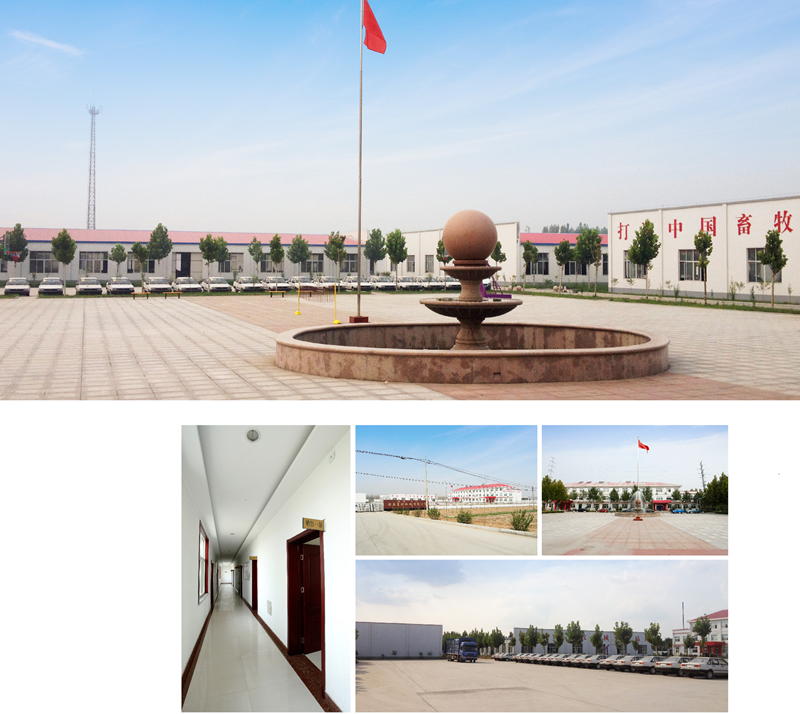
Shandong Huimin Qinle Livestock Machinery Co., Ltd. (formerly Shandong Huimin Qinle Livestock Machinery Factory) is a professional poultry equipment manufacturer with over 20 years of experience. We offer a comprehensive service package, from design (land and chicken coops), production (equipment and prefabricated steel coops), installation, commissioning, customer training, and after-sales service.
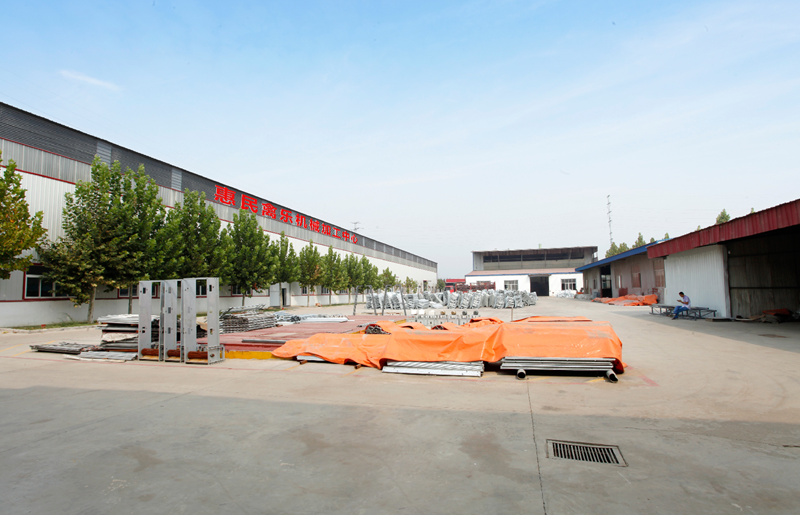
Located in Huimin County, Binzhou City, Shandong Province, China, the company has extensive experience in mechanical processing and manufacturing, as well as livestock machinery production and operation. With fixed assets of RMB 15 million, the company employs 160 people, including 30 R&D staff, and occupies a 40,000-square-meter factory. Equipped with over 110 pieces of advanced precision production equipment, including CNC machining centers and laser cutting machines, the company boasts a production capacity of RMB 50 million.
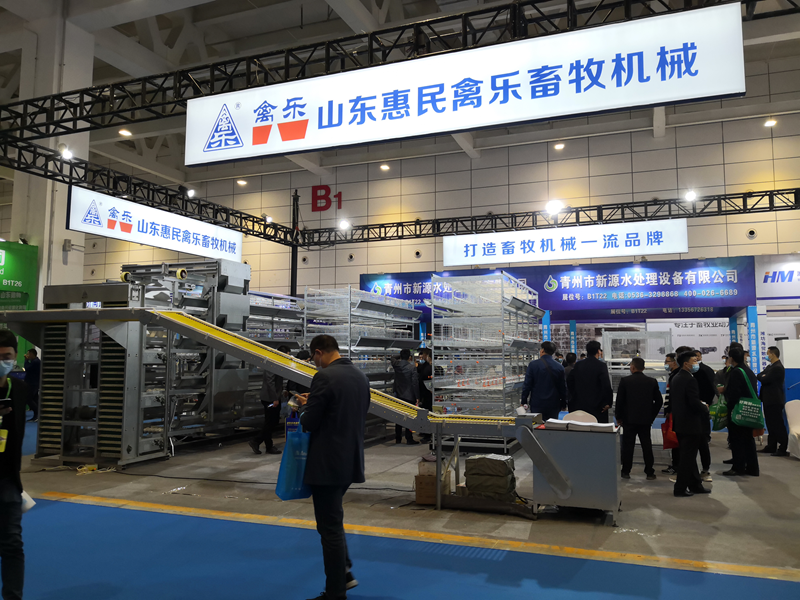
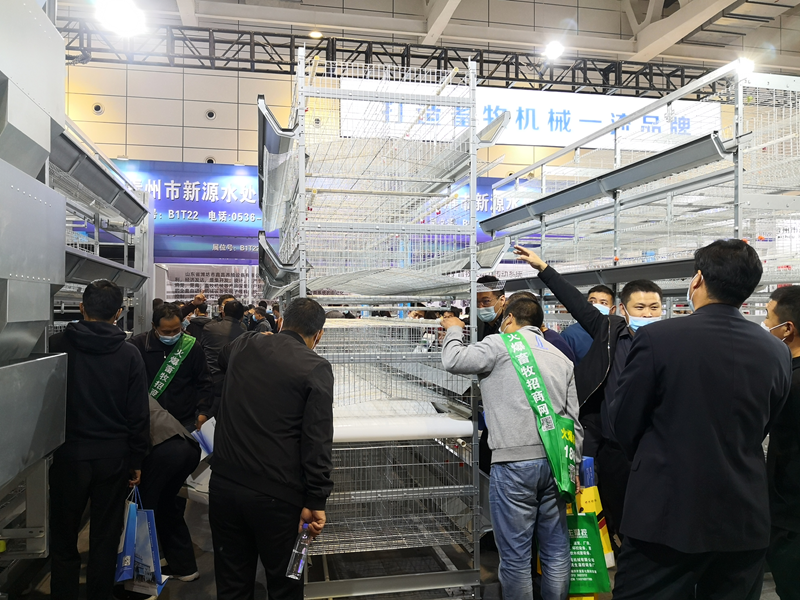
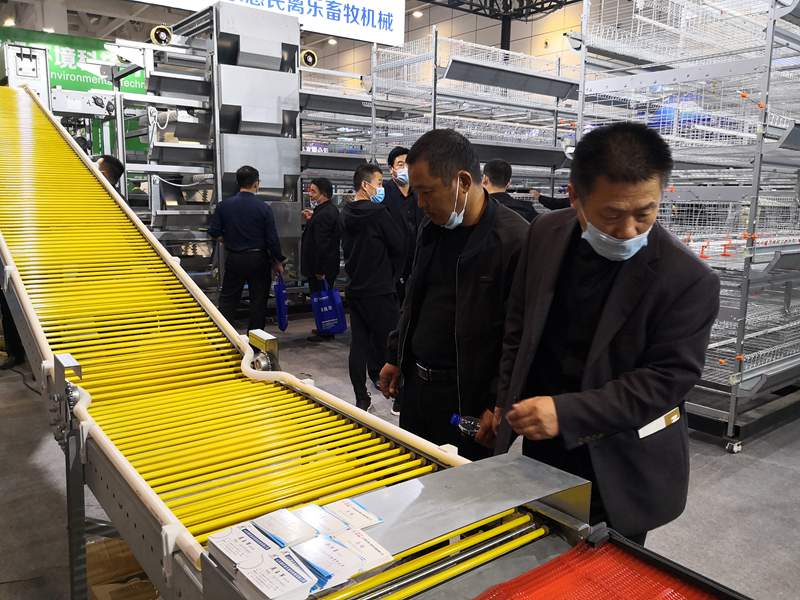
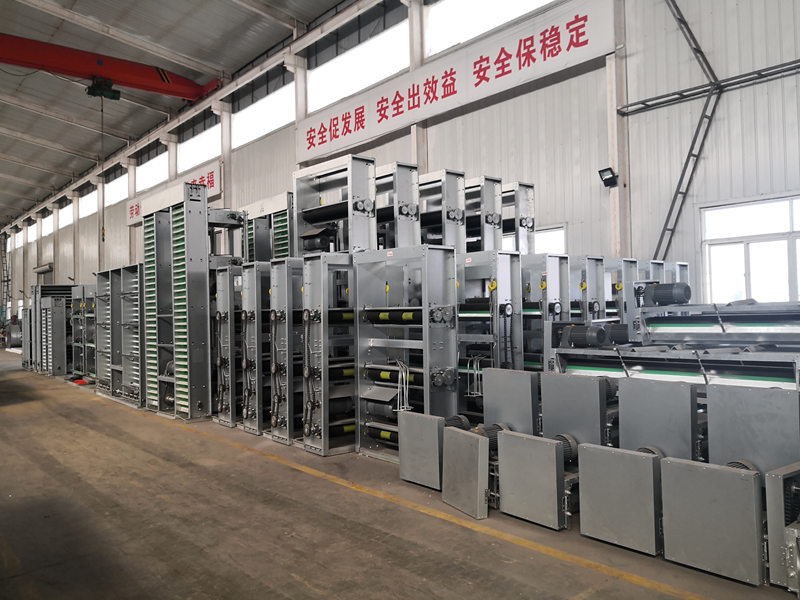
Chicken Farming Equipment Mesh Production Workshop

Machining Workshop
Turret-type CNC Punch Press, Laser Cutting and Other Machining Equipment
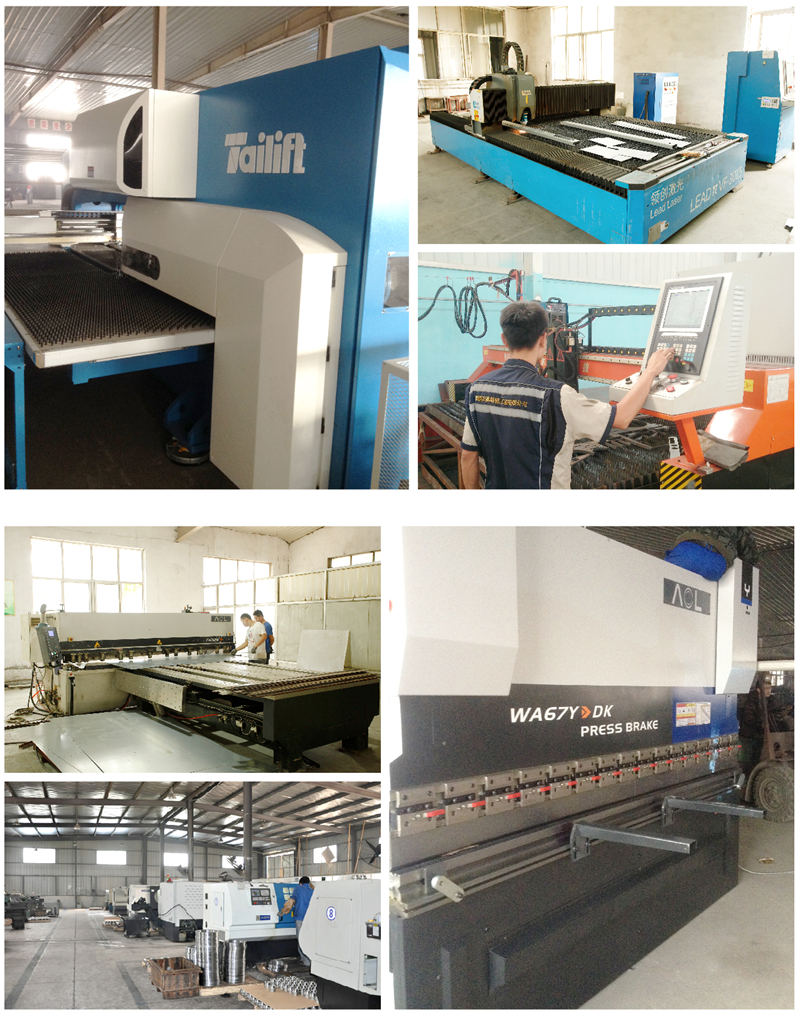
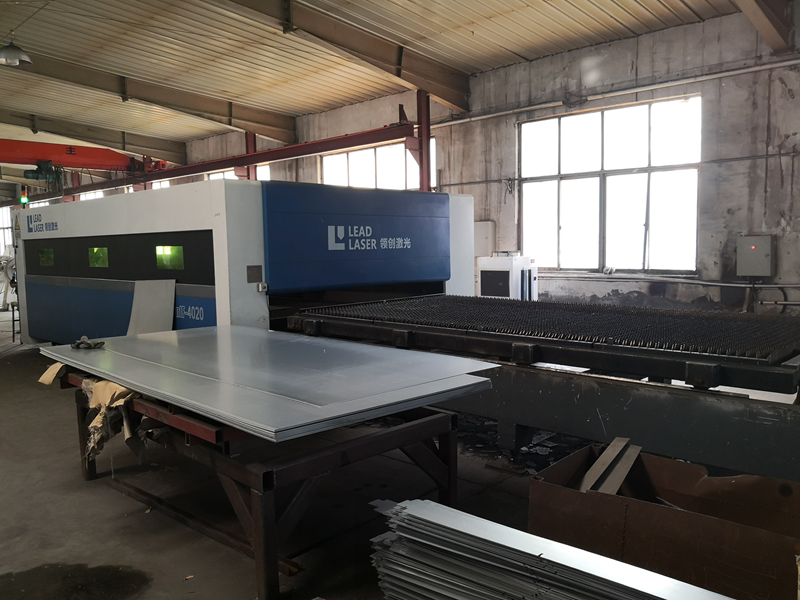

Fully Automated Roll Forming Production Line

Hot-dip Galvanizing Production Line

Electroplating Production Line
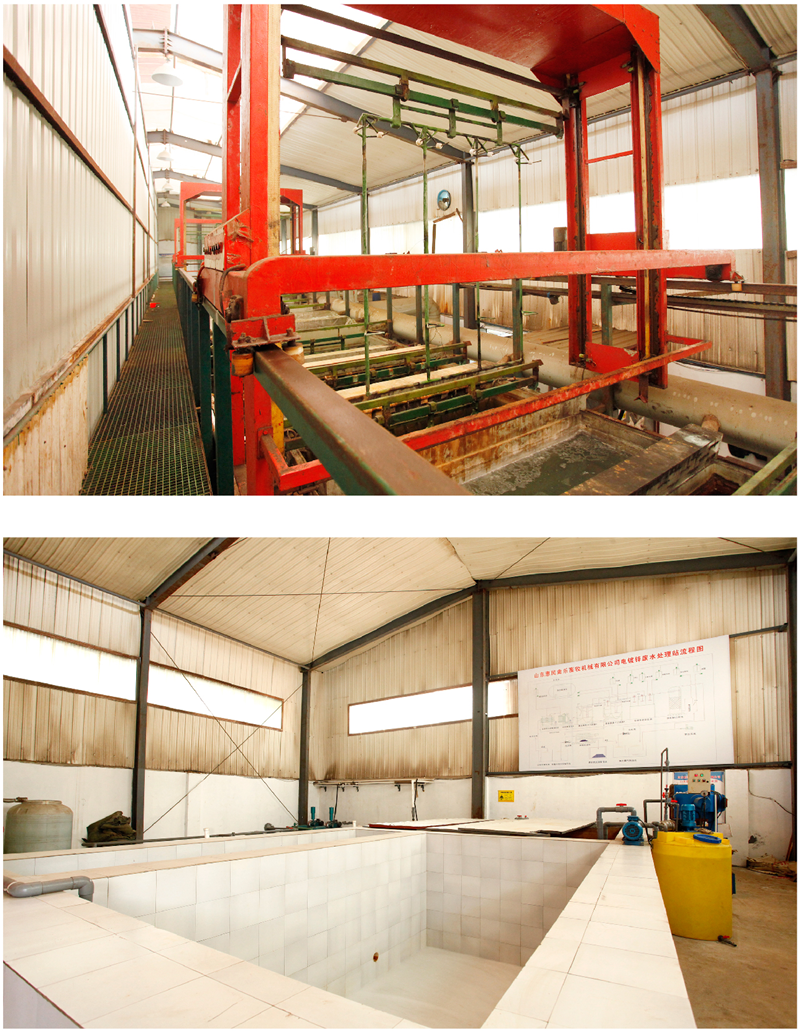
Environmental Protection Equipment
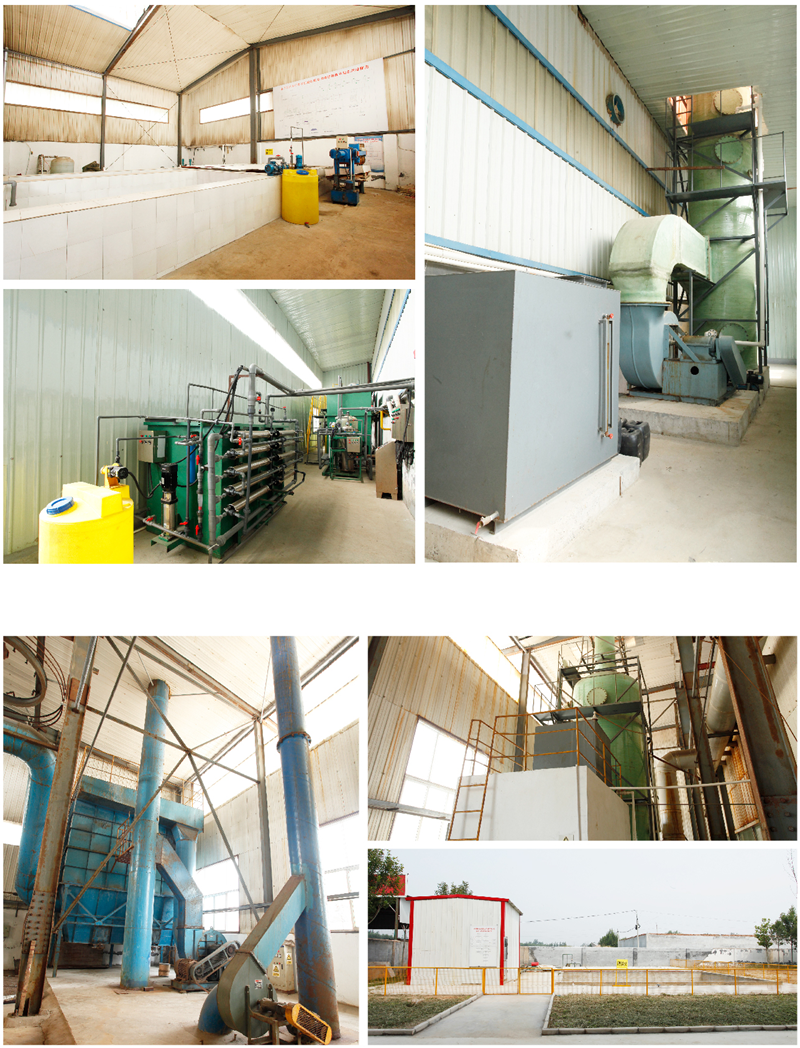
Chicken Farming Equipment Product Series
Egg-laying Hen Farming Equipment
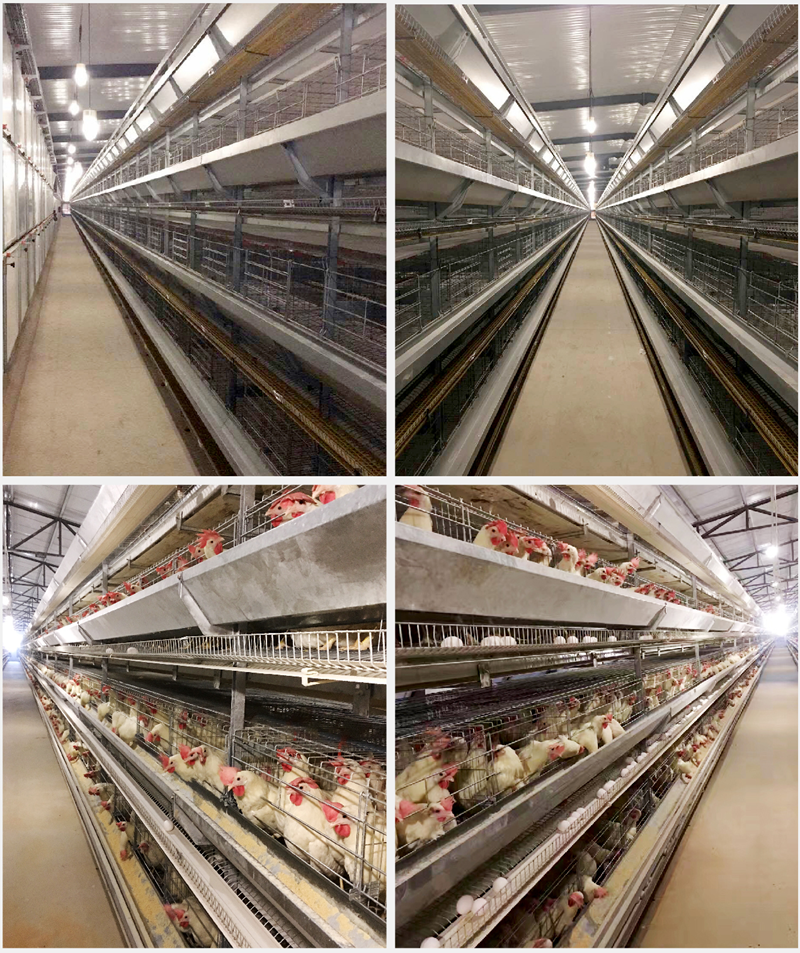
Stacked Brooding Cage Equipment

Stacked Broiler Cage Equipment
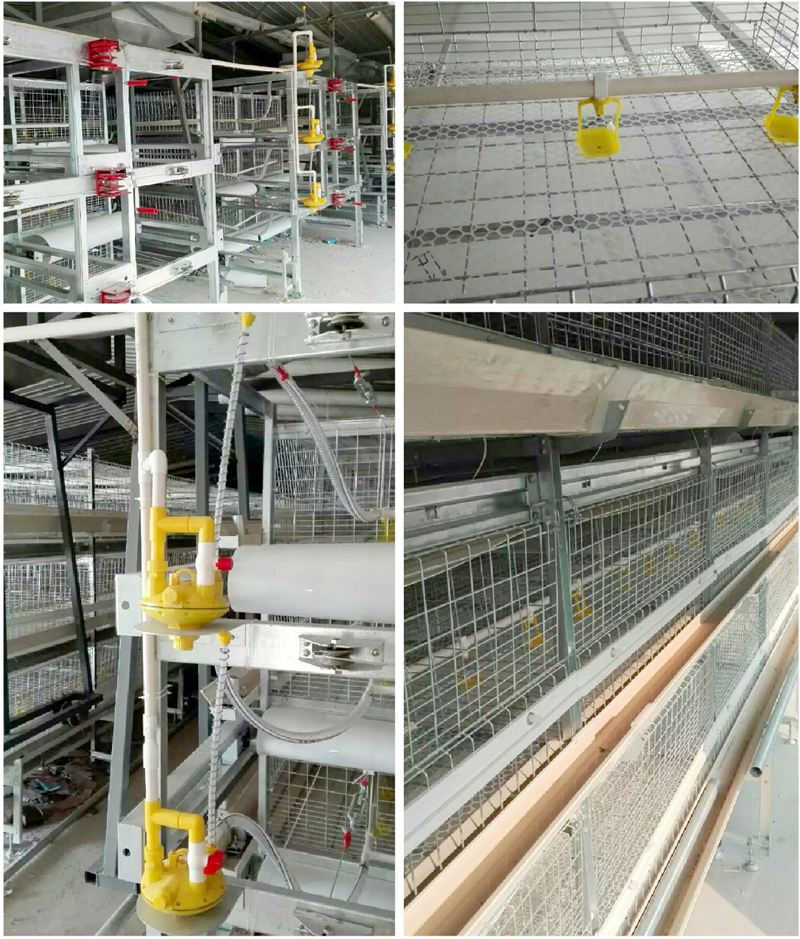
Stepped Layer Hen Cage Rearing Equipment
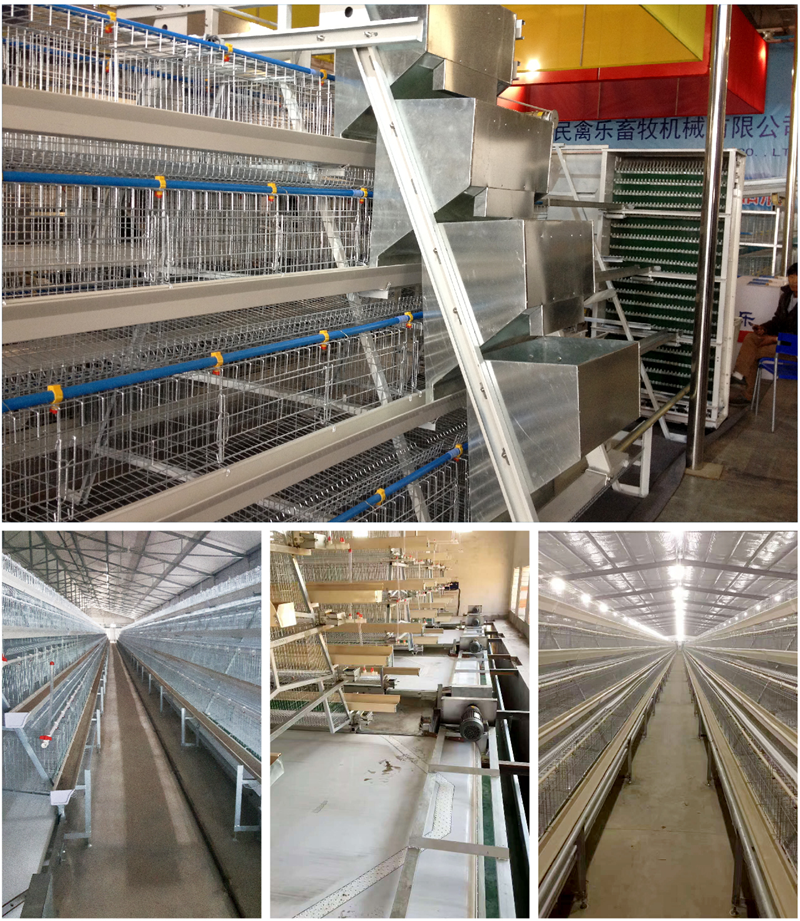
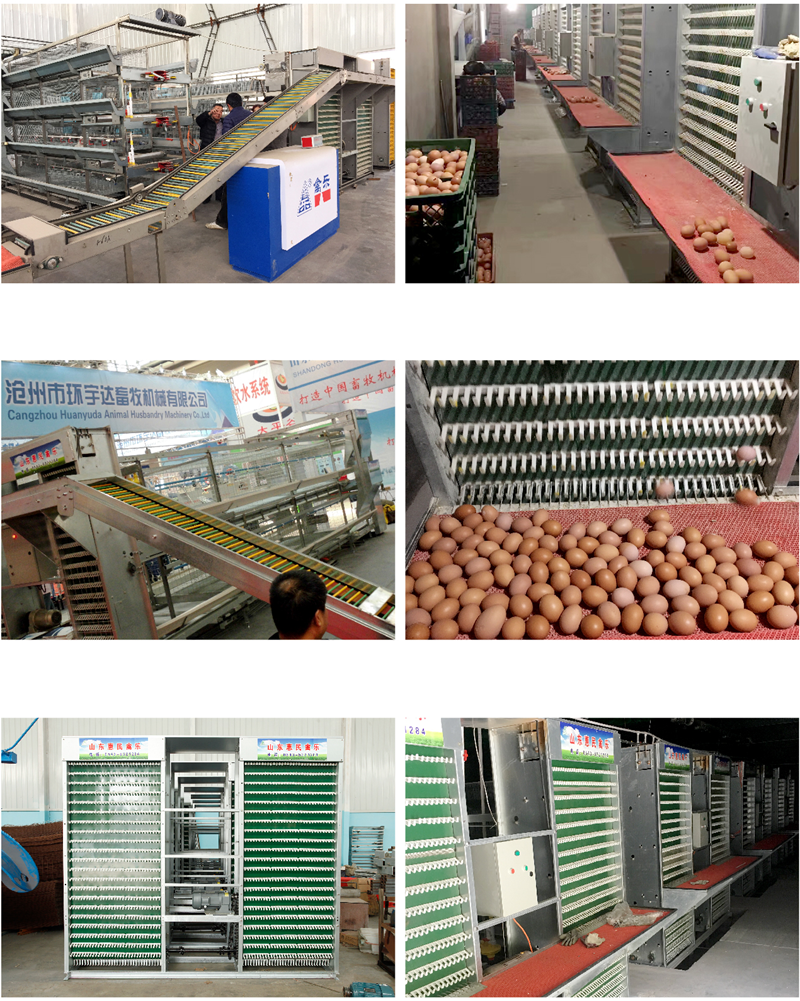
Automatic Egg Collection System
H-type Cage Feeding Machine
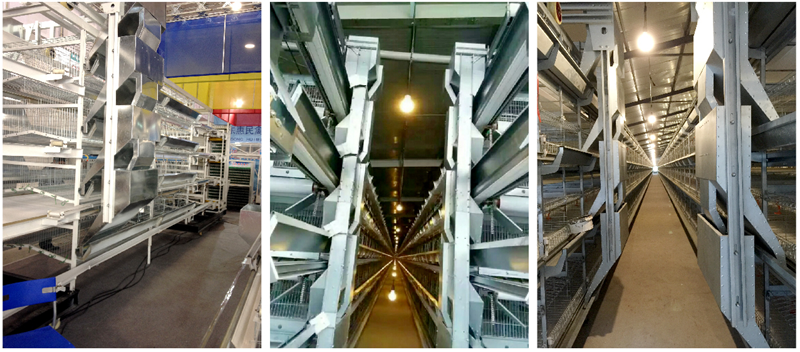
Stepped Cage Straddle Feeder
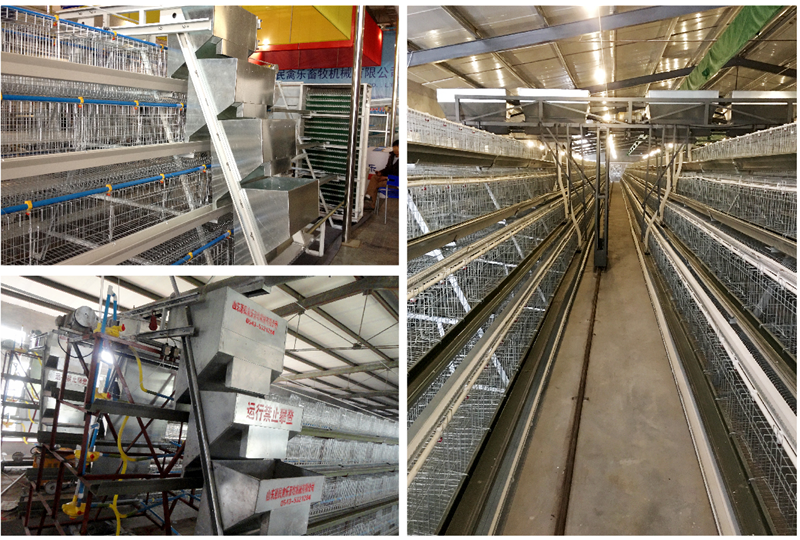
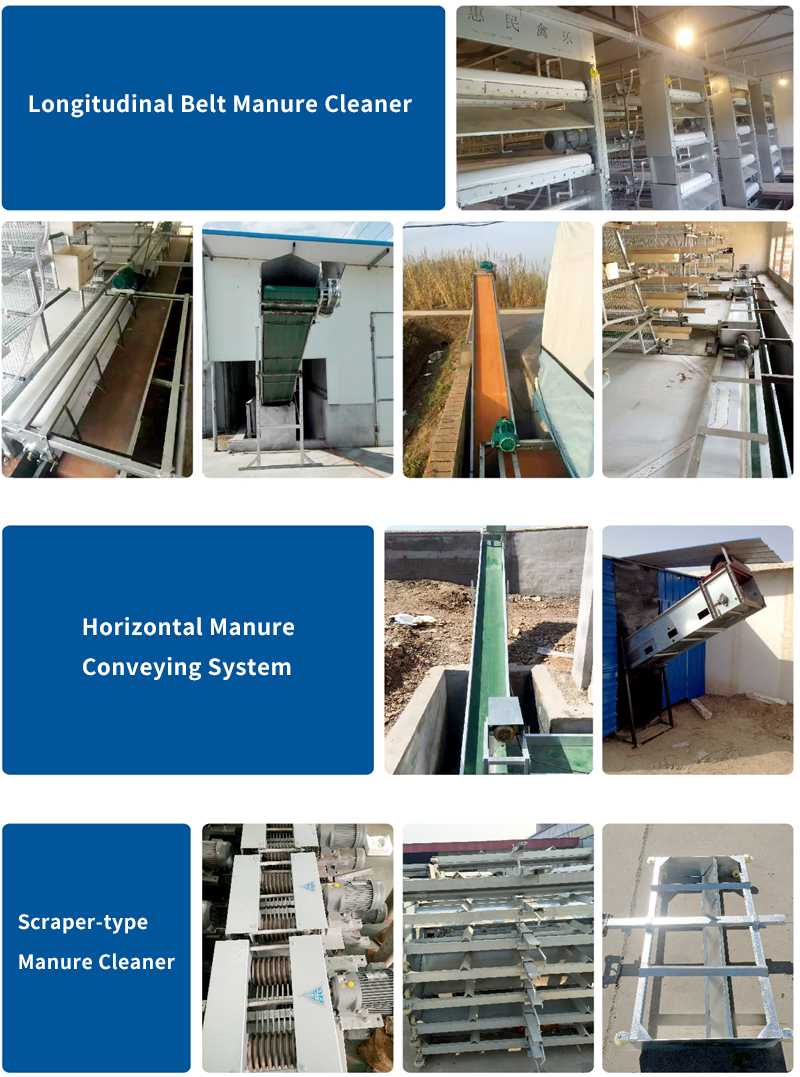
Manure Removal Machine
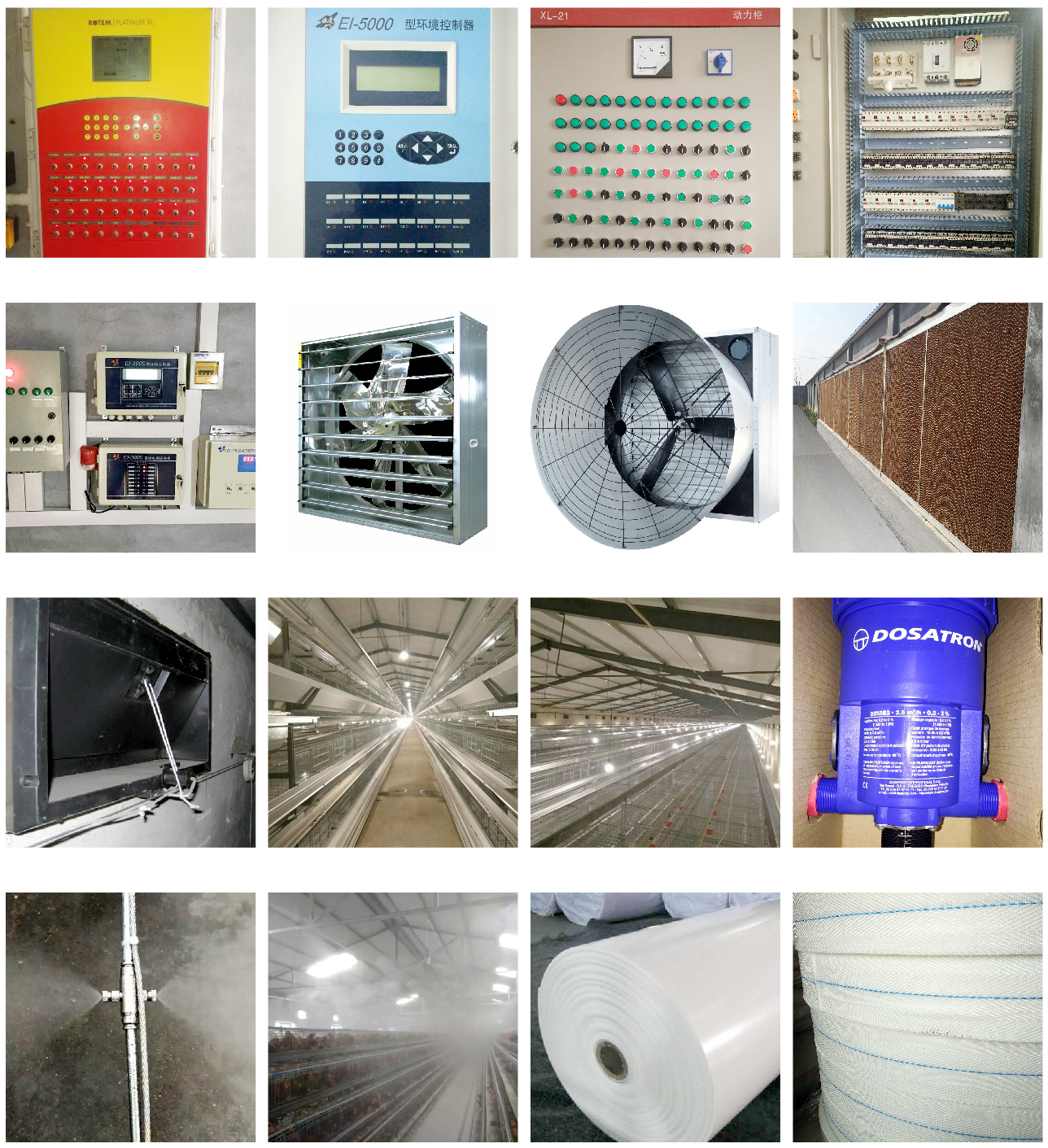
Fans, Heated Curtains, Environmental Control Systems, and Lighting Equipment
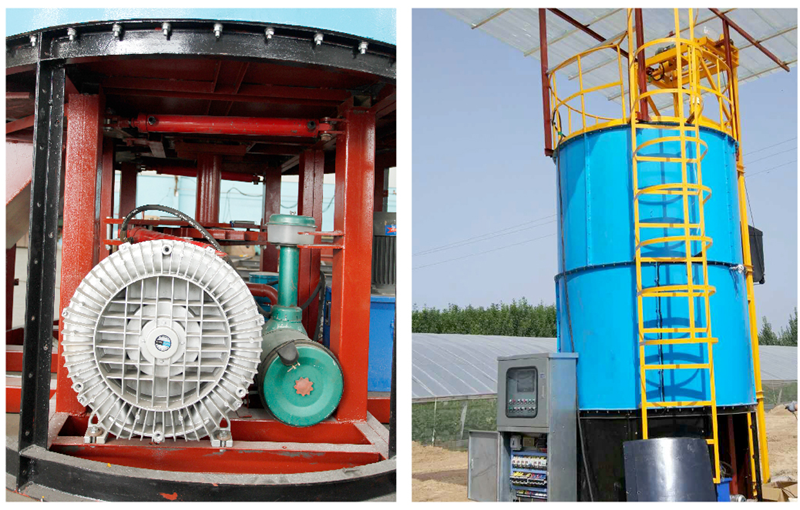
Complete Set of Equipment for Organic Fermentation Treatment of Manure
Бул веб-сайт биздин веб-сайтта эң жакшы тажрыйбаны алуу үчүн кукилерди колдонот.
 English
 Pусский
 Français
 العربية
 Indonesia
 қазақ
қазақ o'zbek
 тоҷикӣ
 Türkmenler
 Catalogue



 Whatsapp
 Телефон