

Introduction
Efficient feeding is one of the most critical factors in poultry production. A well-designed Poultry Feeding System ensures that birds receive the right amount of nutrients consistently, promoting healthy growth, better productivity, and overall flock welfare. From small-scale backyard operations to large commercial farms, feeding systems have evolved to become highly automated, precise, and tailored to the needs of different poultry species such as broilers, layers, breeders, turkeys, and ducks.
A poultry feeding system typically consists of feed storage, conveyance mechanisms, feeding lines, and delivery points that distribute feed uniformly throughout poultry houses. The right system not only optimizes feed utilization but also reduces labor costs and minimizes feed wastage, thereby improving profitability.
This comprehensive guide delves into poultry feeding systems’ technical parameters, distinctive features, key advantages, practical application scenarios, operating instructions, and answers frequently asked questions (FAQs). This article aims to provide poultry producers, equipment suppliers, and industry professionals with valuable insights to select, implement, and maintain the best feeding solutions.
Technical Parameters of Poultry Feeding System
Choosing the right poultry feeding system depends heavily on understanding the technical specifications aligned with your production needs.
1. System Types
Chain Feeding System: Uses a chain and trough to distribute feed along the line; common in broiler and breeder houses.
Pan Feeding System: Circular or linear pans that provide easy feed access; often used in broilers.
Auger Feeding System: Uses a screw conveyor (auger) to move feed horizontally or vertically.
Bucket Elevator Feeding System: Moves feed vertically from silos to feeding lines.
Automated Feeding System: Integrates conveyors, sensors, and controllers for fully automated feeding.
2. Capacity
Feeding capacity varies by system size and motor power, typically from 500 kg/hour to over 10,000 kg/hour.
Suitable system capacity depends on flock size and feeding frequency.
3. Dimensions and Layout
Feeding line length can range from a few meters to over 100 meters in large houses.
Feeding pan diameter usually ranges between 350-450 mm.
Trough width and height depend on species and bird size to allow easy feed access.
4. Materials and Durability
Equipment is usually made of stainless steel or galvanized steel to resist corrosion and wear.
Food-grade plastics may be used for pans and troughs for ease of cleaning and safety.
5. Motor and Power Supply
Motors range between 0.75 kW to 5 kW depending on system size.
Power supply is commonly 220V or 380V, with options for 50Hz or 60Hz.
6. Control and Automation Features
Systems may include manual, semi-automatic, or fully automated controls.
Sensors and PLCs can regulate feed delivery based on bird requirements.
Features of Poultry Feeding Systems
Modern poultry feeding systems come with a variety of features that enhance feeding efficiency and bird welfare.
1. Uniform Feed Distribution
Ensures equal access to feed for all birds, minimizing competition and aggression.
Supports optimal growth and production rates.
2. Adjustable Feed Flow Rate
Allows customization of feed quantity according to bird age and production phase.
Helps reduce feed wastage.
3. Durable and Hygienic Construction
Resistant to corrosion and easy to clean to maintain feed quality and biosecurity.
Smooth surfaces prevent feed residue build-up and contamination.
4. Easy Installation and Maintenance
Modular design facilitates quick installation and scalability.
Components are accessible for routine cleaning and repairs.
5. Automation Compatibility
Compatible with farm management systems for precise feed monitoring and control.
Enables scheduled feeding reducing labor requirements.
6. Energy Efficiency
Optimized motors and drives reduce energy consumption and operational costs.
Advantages of Poultry Feeding Systems
Implementing a well-designed feeding system offers numerous benefits to poultry producers.
1. Improved Feed Efficiency
Precise feed distribution minimizes wastage, improving feed conversion ratios (FCR).
Leads to lower feed costs, which typically account for 60-70% of total production expenses.
2. Enhanced Bird Health and Performance
Consistent feed availability reduces stress and promotes uniform growth.
Supports higher egg production, better hatchability, and faster weight gain.
3. Labor Savings
Automation reduces the time and manpower required for manual feeding.
Frees farm workers to focus on other critical tasks.
4. Scalability and Flexibility
Feeding systems can be adapted to farms of all sizes and bird species.
Modular setups allow for future expansion and customization.
5. Better Biosecurity and Hygiene
Closed feeding systems limit feed contamination.
Easy cleaning reduces disease transmission risks.
6. Environmental Benefits
Efficient feed use reduces waste and environmental impact.
Integration with manure management enhances farm sustainability.
Application Scenarios of Poultry Feeding Systems
Poultry feeding systems are applicable in a variety of production settings.
1. Broiler Production
Automated pan or chain feeding systems are popular for broiler houses to support rapid growth cycles.
2. Layer Farms
Feeding systems designed to support consistent feeding for egg-laying hens, often with specialized troughs and nest box integration.
3. Breeder Farms
Systems tailored for precise feed control to optimize breeder health and reproduction.
4. Free-Range and Cage-Free Operations
Feeding lines designed for floor systems or pasture-based setups with easy feed access.
5. Smallholder and Backyard Farming
Scaled-down feeding systems offer efficient feeding with minimal investment.
6. Research Facilities
Automated and programmable feeding systems enable controlled nutrition trials.
Usage Instructions for Poultry Feeding Systems
Proper operation and maintenance ensure long-term performance and bird welfare.
1. Installation
Plan feeding line layout based on barn dimensions and bird distribution.
Ensure stable and level installation of feeding lines.
Connect motors and control systems following manufacturer guidelines.
Test feed flow before introducing birds.
2. Operation
Adjust feed flow rates according to bird age and production phase.
Schedule feeding times as per nutritional plans.
Monitor feed levels and refill hoppers or silos as necessary.
Observe birds to ensure easy access and no feed shortages.
3. Cleaning and Maintenance
Clean feeding pans, troughs, and conveyors regularly to avoid feed contamination.
Inspect mechanical parts, belts, and motors for wear and tear.
Lubricate moving components as per recommendations.
Perform periodic deep cleaning between flock cycles.
4. Troubleshooting
Check for feed blockages if feed flow is irregular.
Ensure motors and drives are functioning correctly.
Adjust controls if feed distribution is uneven.
5. Safety Precautions
Always disconnect power before maintenance.
Keep feeding areas clean to prevent slips and falls.
Train staff on safe equipment operation.
Frequently Asked Questions (FAQs)
1. What is a poultry feeding system?
A poultry feeding system is a collection of equipment designed to store, transport, and deliver feed to poultry efficiently and uniformly.
2. What types of feeding systems are available?
Common types include chain feeders, pan feeders, auger conveyors, and fully automated systems.
3. How often should poultry be fed?
Feeding frequency depends on bird type and age but typically ranges from once to multiple times per day.
4. How do feeding systems improve feed efficiency?
By providing consistent and measured feed access, reducing wastage and ensuring optimal nutrition.
5. Can feeding systems be used for different poultry species?
Yes, feeding equipment can be adapted for broilers, layers, breeders, turkeys, ducks, and other species.
6. How do I choose the right feeding system?
Consider flock size, bird type, barn layout, and budget when selecting feeding equipment.
7. Are automated feeding systems expensive?
Initial costs may be higher, but savings on labor and feed efficiency often result in long-term profitability.
8. How often should feeding equipment be cleaned?
Daily cleaning of feed-contact surfaces is recommended, with thorough sanitation between flocks.
9. Can feeding systems be integrated with farm automation?
Yes, many systems offer compatibility with sensors, PLCs, and farm management software.
10. What materials are feeding systems made of?
Typically stainless steel, galvanized steel, and food-grade plastics for durability and hygiene.
Conclusion
A high-quality poultry feeding system is fundamental to successful poultry farming. By ensuring uniform feed distribution, minimizing wastage, and automating feeding schedules, these systems enhance bird health, improve production efficiency, and reduce labor costs. Understanding the technical parameters, benefits, application scenarios, and maintenance practices enables producers to select and optimize feeding systems that best meet their operational goals.
As consumer demand for poultry products continues to grow, investing in modern, efficient feeding systems is a strategic decision to improve profitability and sustainability in poultry farming.
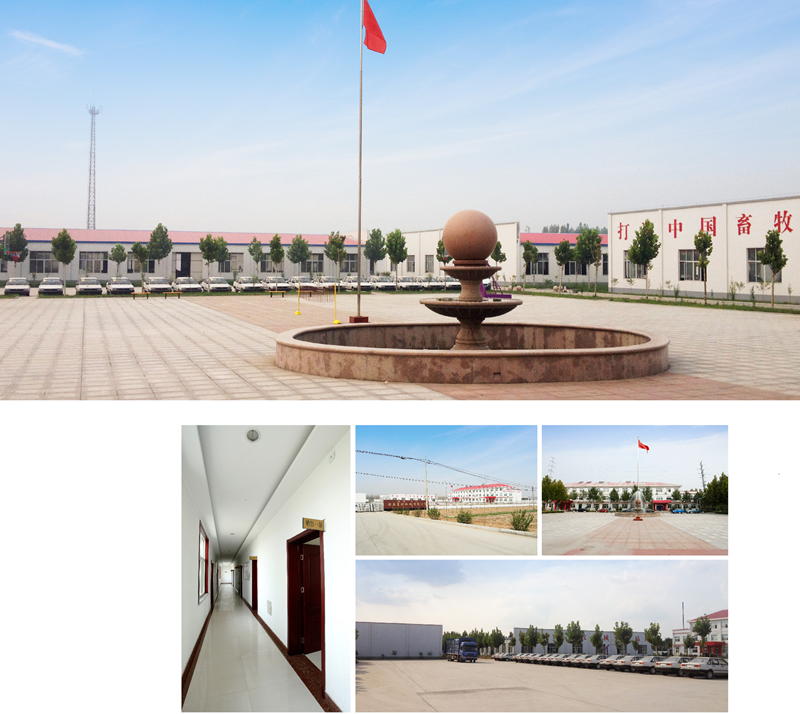
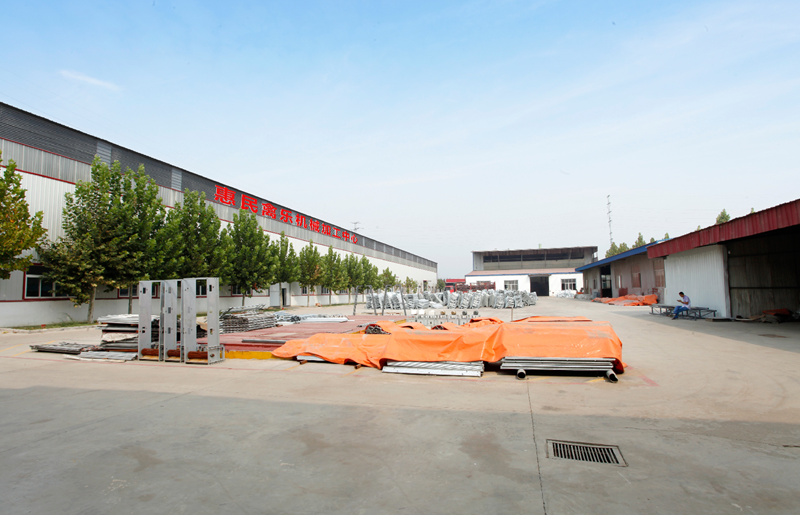
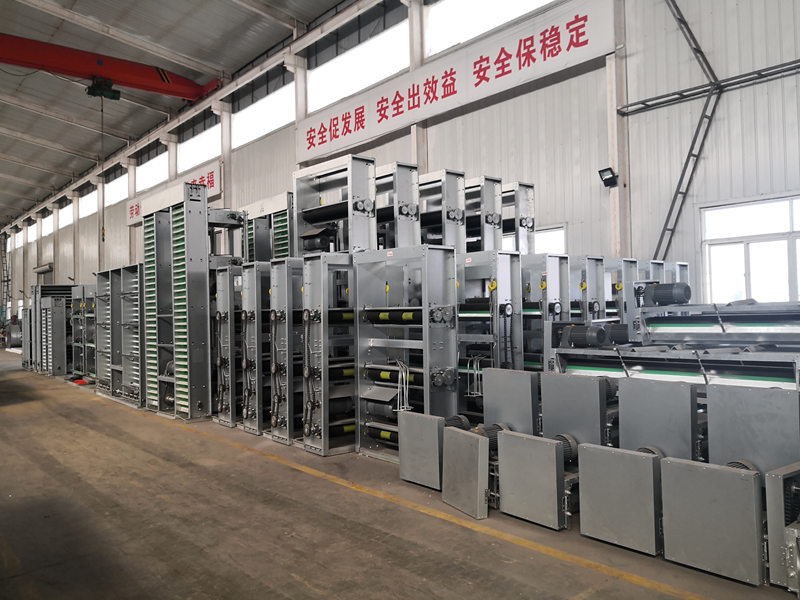
Shandong Huimin Qinle Livestock Machinery Co., Ltd. (formerly Shandong Huimin Qinle Livestock Machinery Factory) is a professional poultry equipment manufacturer with over 20 years of experience. We offer a comprehensive service package, from design (land and chicken coops), production (equipment and prefabricated steel coops), installation, commissioning, customer training, and after-sales service.
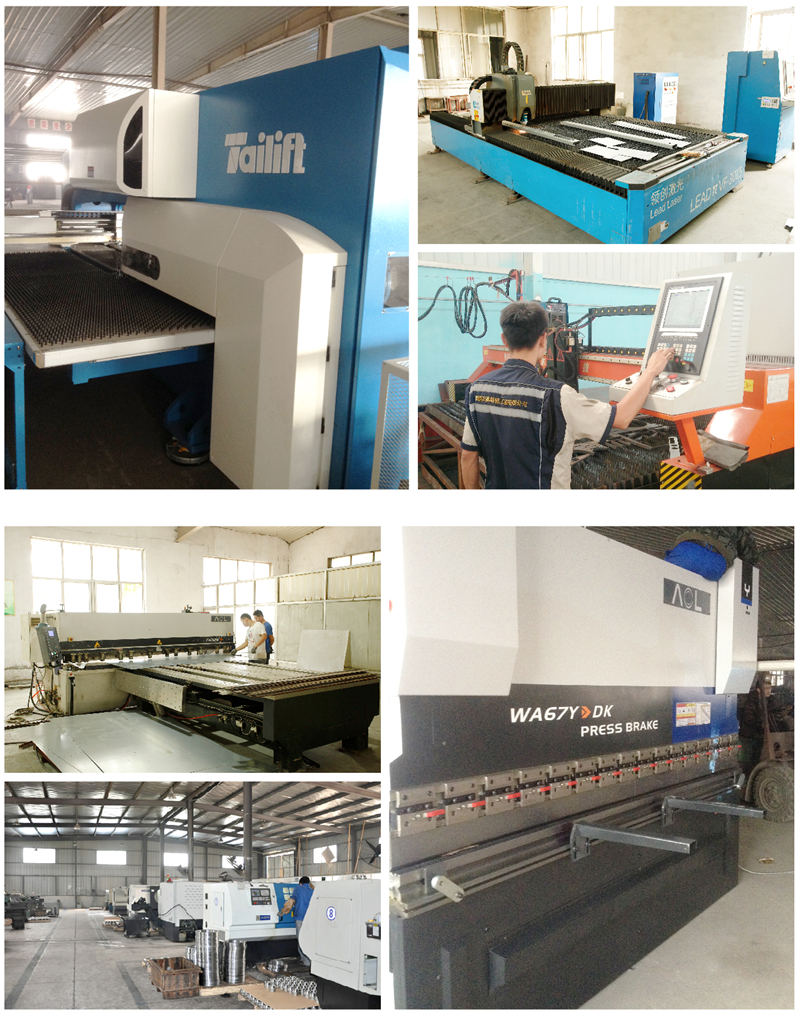
Located in Huimin County, Binzhou City, Shandong Province, China, the company has extensive experience in mechanical processing and manufacturing, as well as livestock machinery production and operation. With fixed assets of RMB 15 million, the company employs 160 people, including 30 R&D staff, and occupies a 40,000-square-meter factory. Equipped with over 110 pieces of advanced precision production equipment, including CNC machining centers and laser cutting machines, the company boasts a production capacity of RMB 50 million.
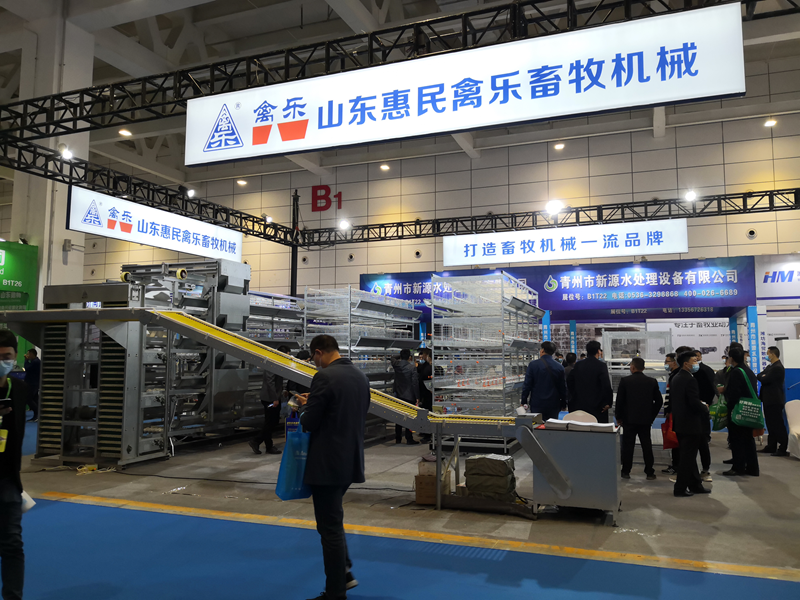

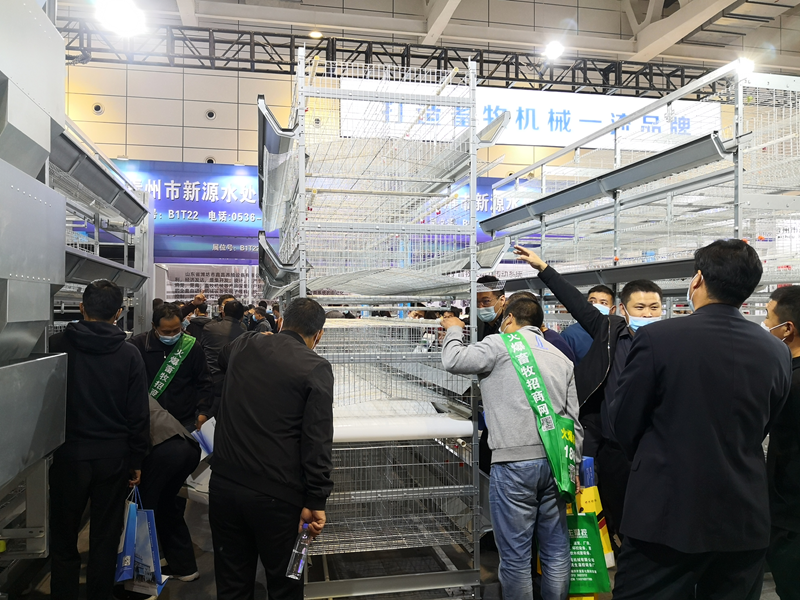
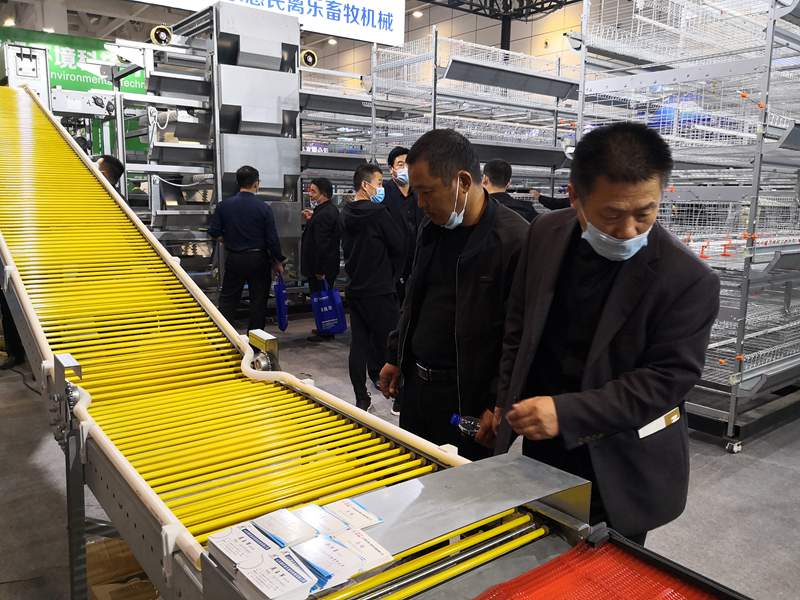
Chicken Farming Equipment Mesh Production Workshop

Machining Workshop
Turret-type CNC Punch Press, Laser Cutting and Other Machining Equipment
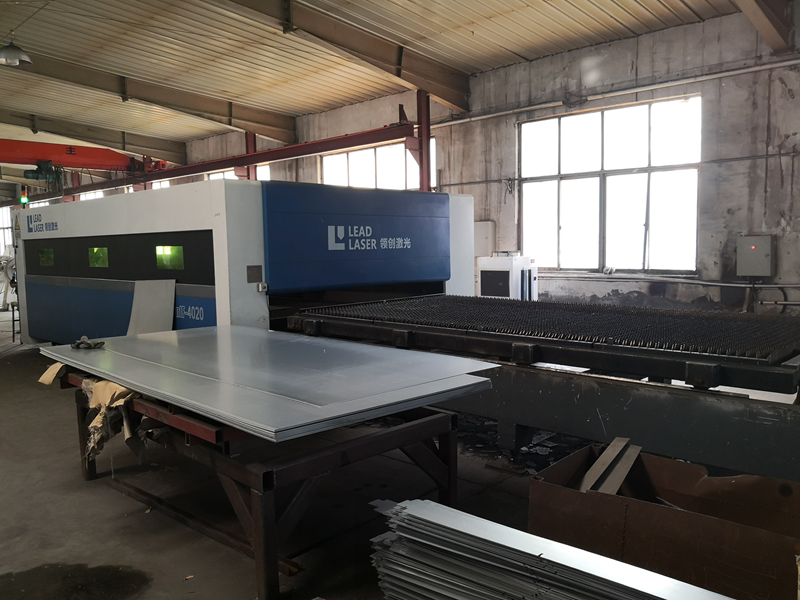

Fully Automated Roll Forming Production Line

Hot-dip Galvanizing Production Line

Electroplating Production Line
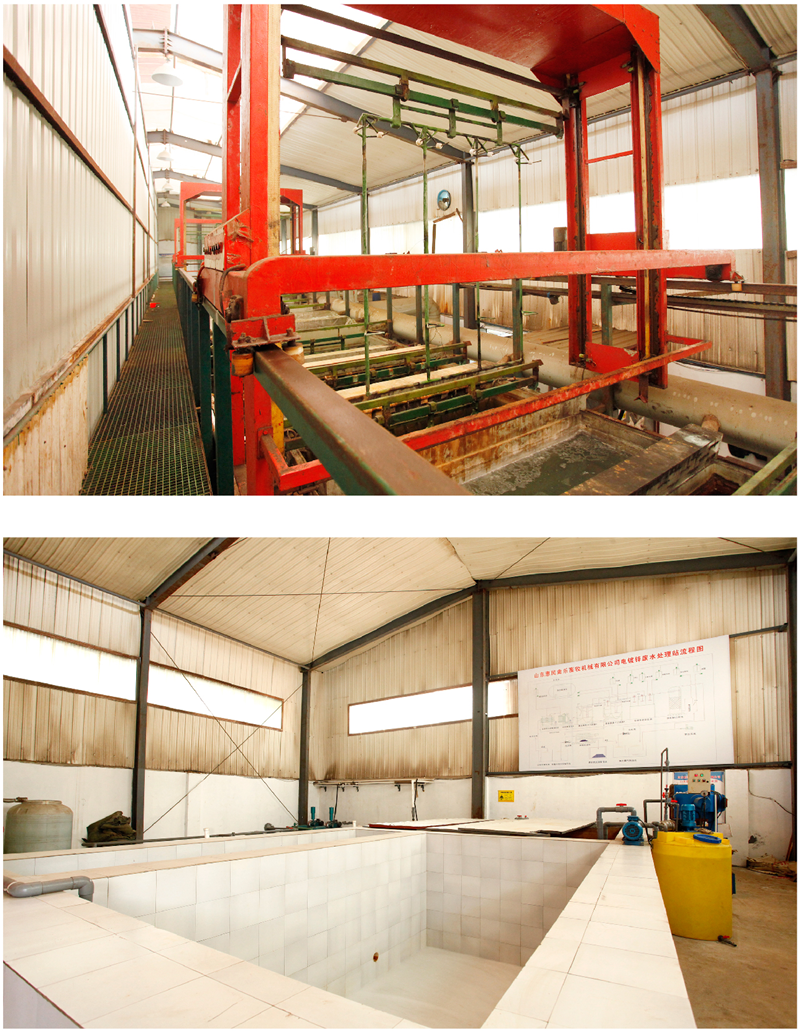
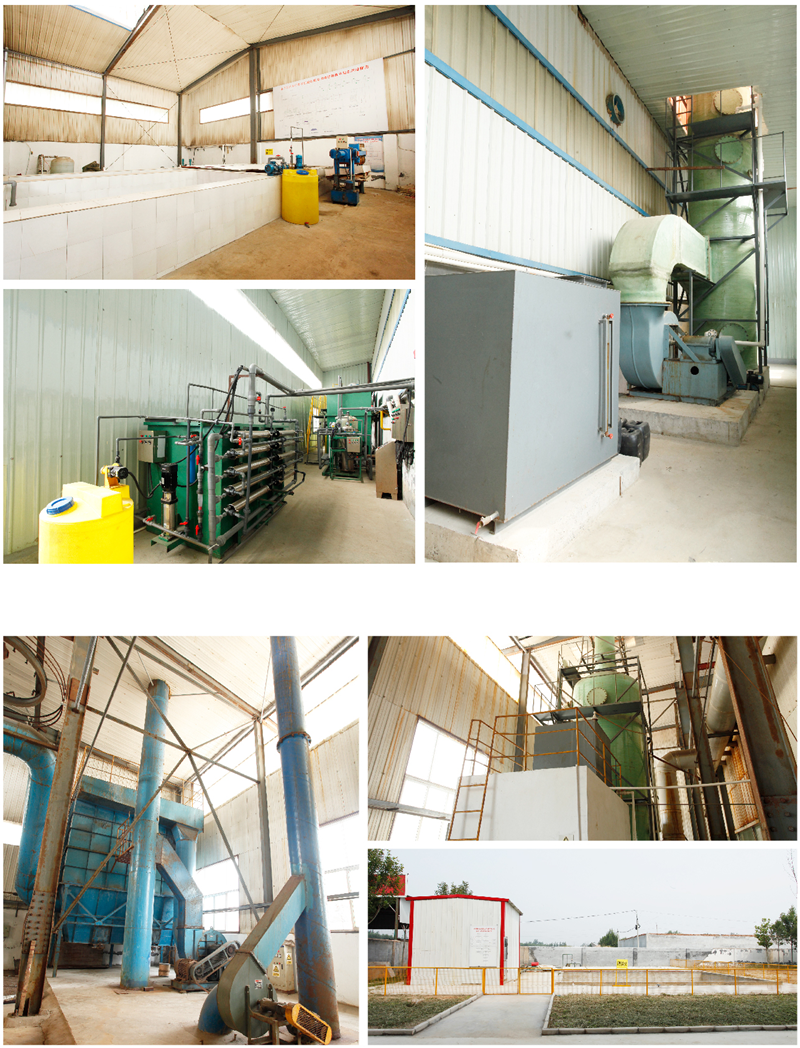
Environmental Protection Equipment
Chicken Farming Equipment Product Series
Egg-laying Hen Farming Equipment
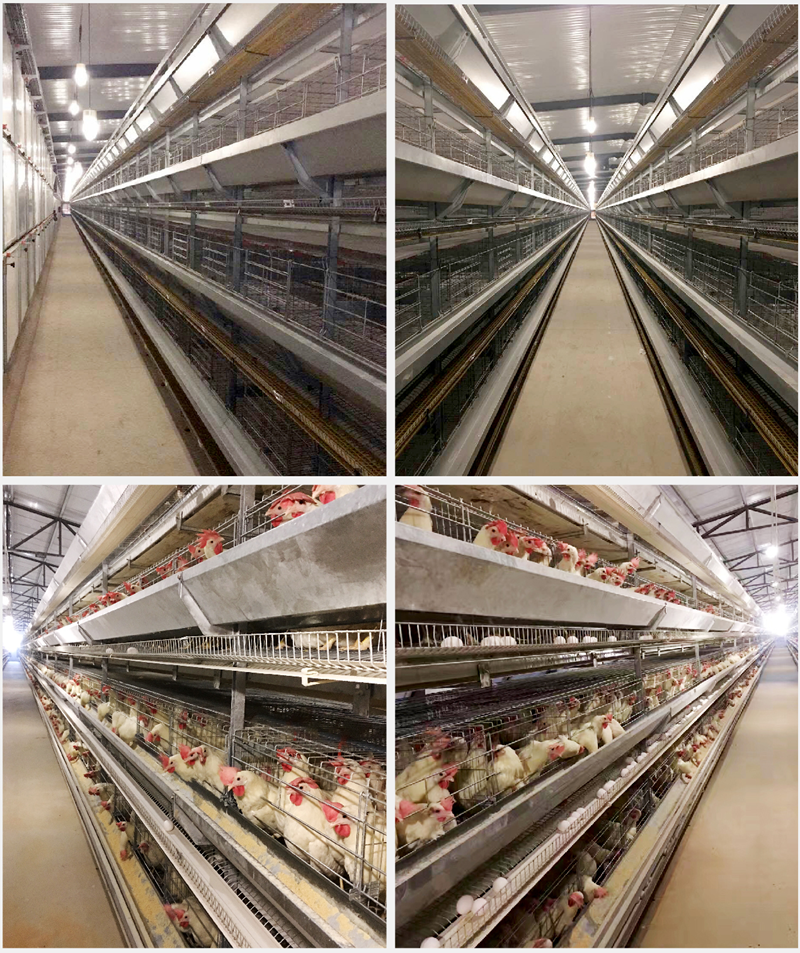
Stacked Brooding Cage Equipment

Stacked Broiler Cage Equipment
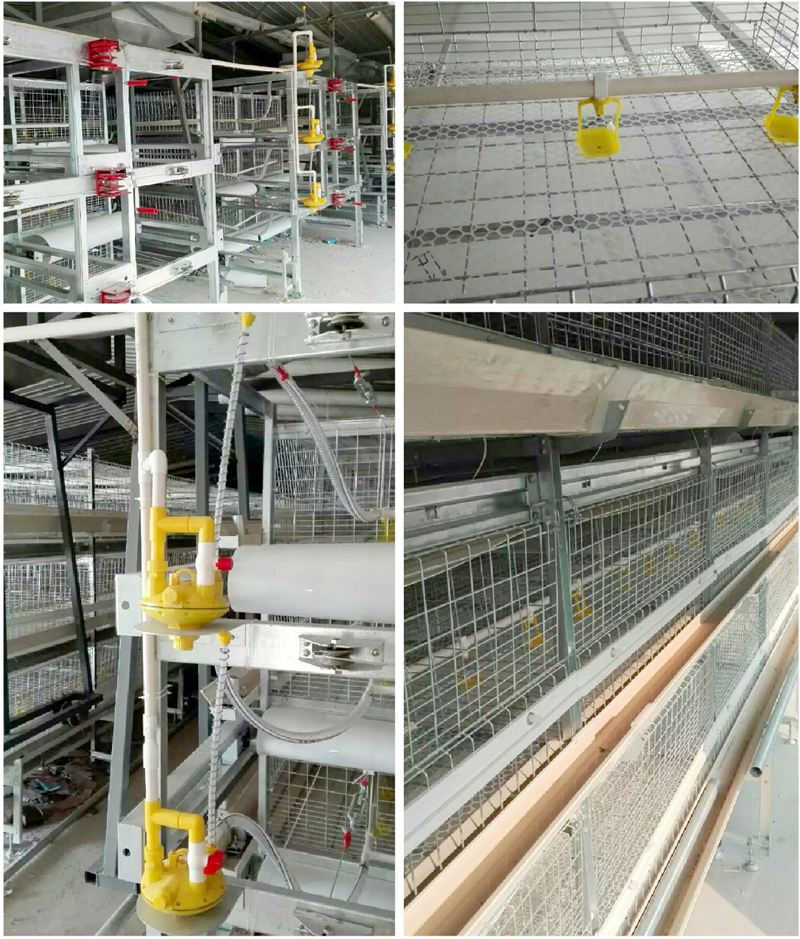
Stepped Layer Hen Cage Rearing Equipment
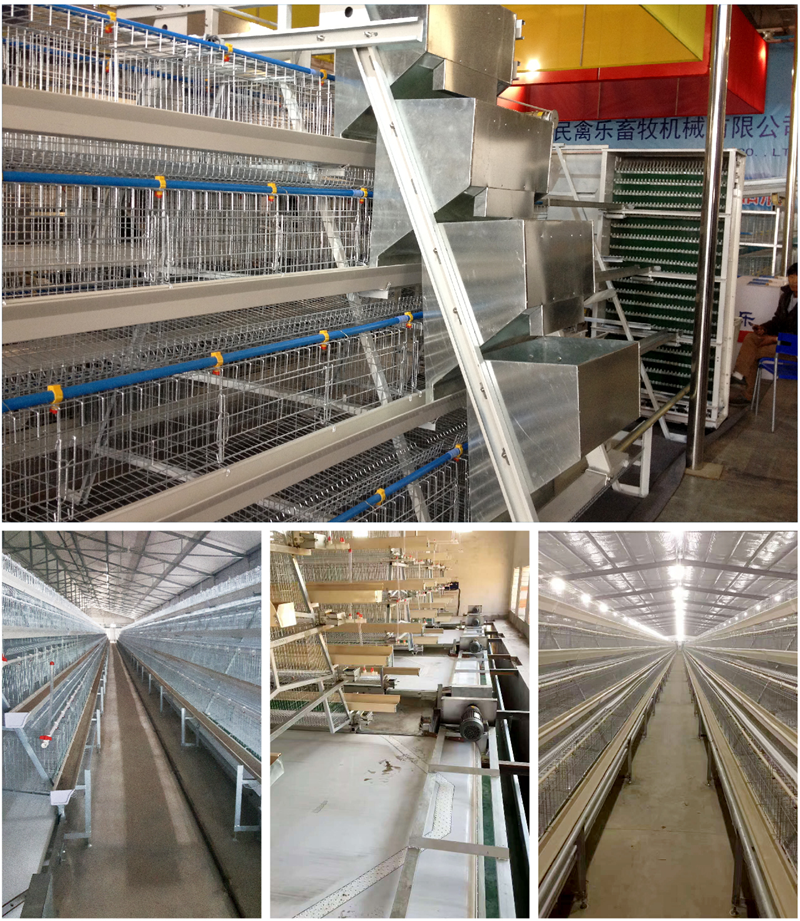
Automatic Egg Collection System
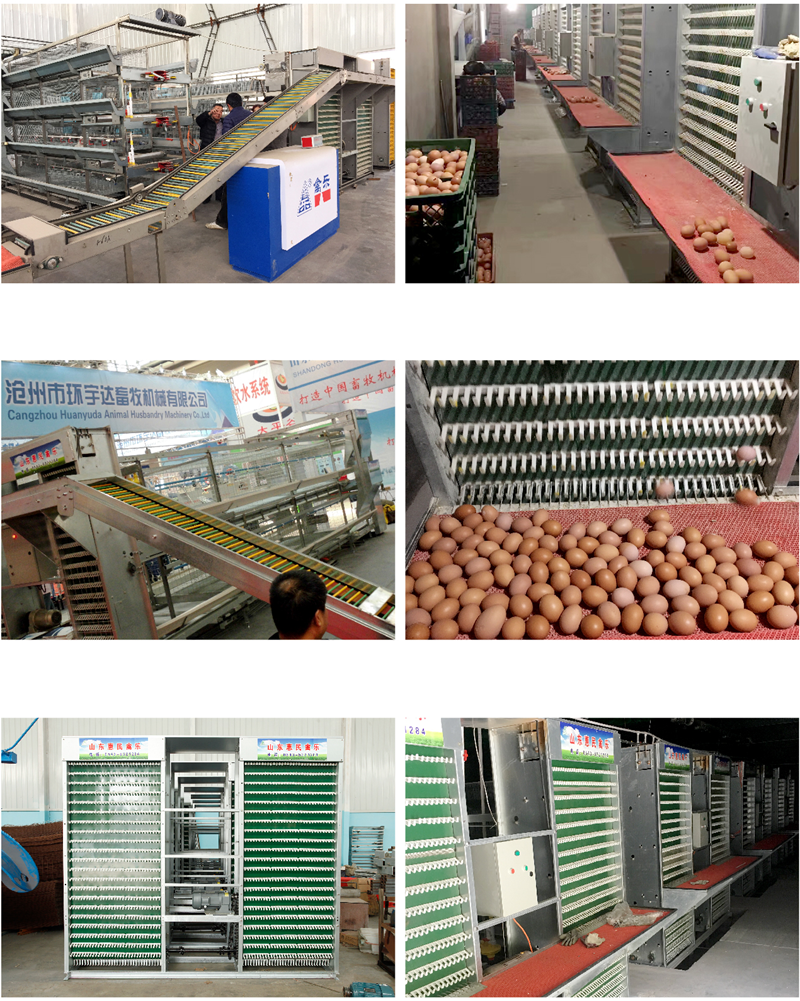
H-type Cage Feeding Machine
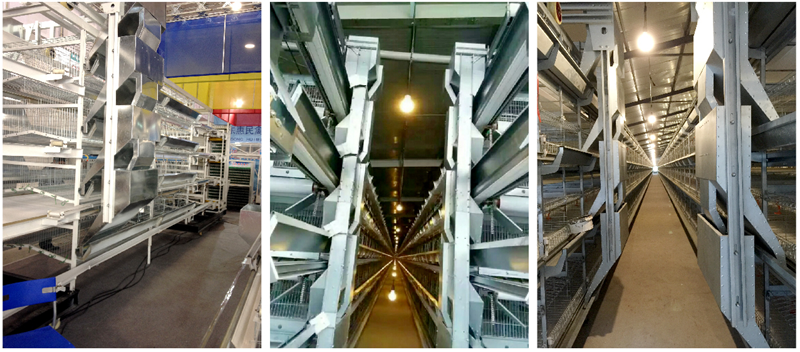
Stepped Cage Straddle Feeder
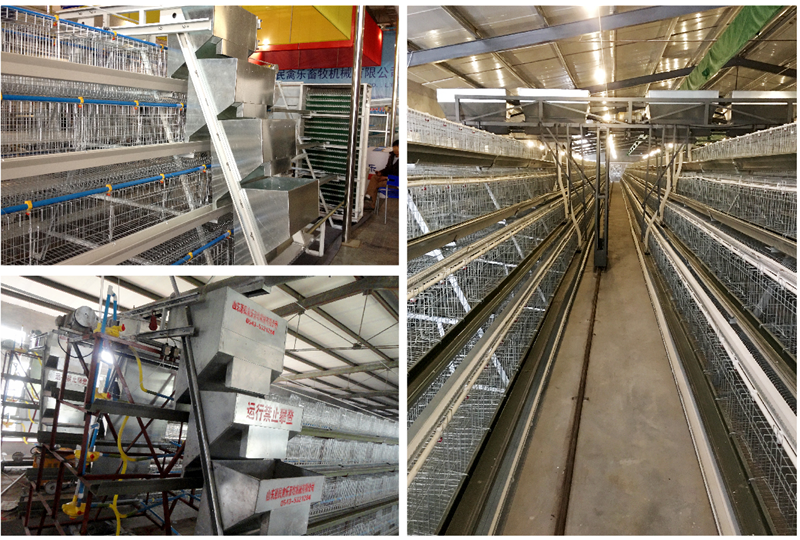
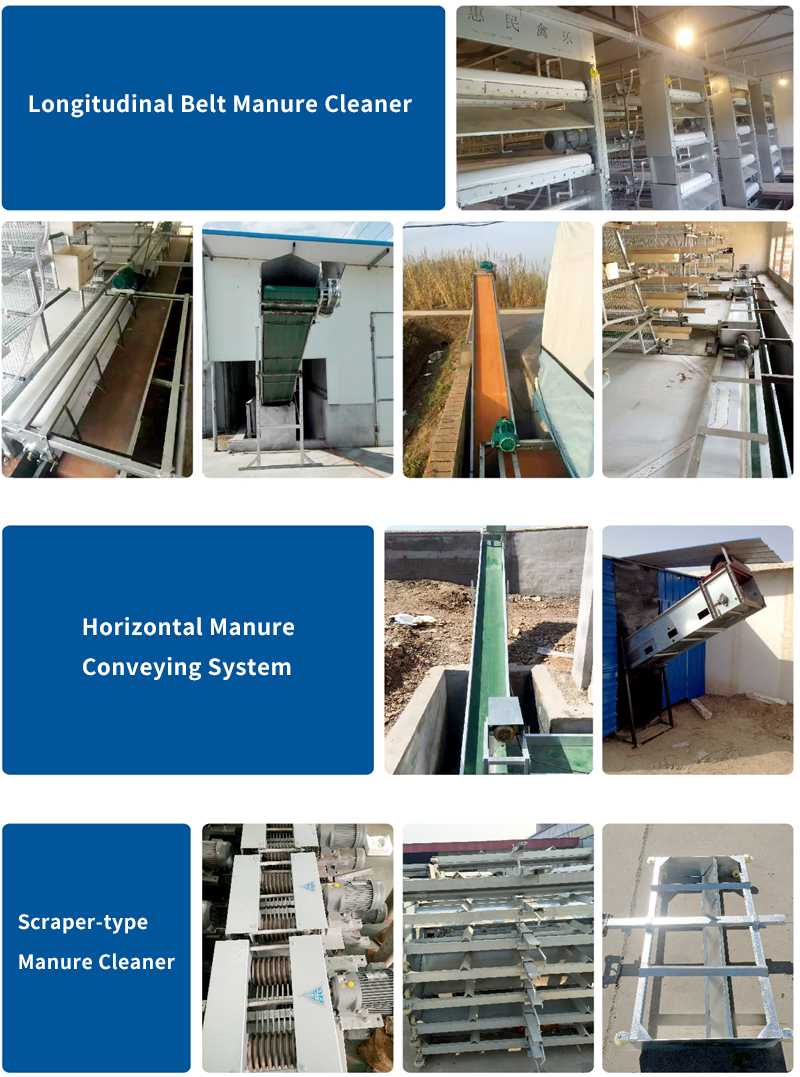
Manure Removal Machine
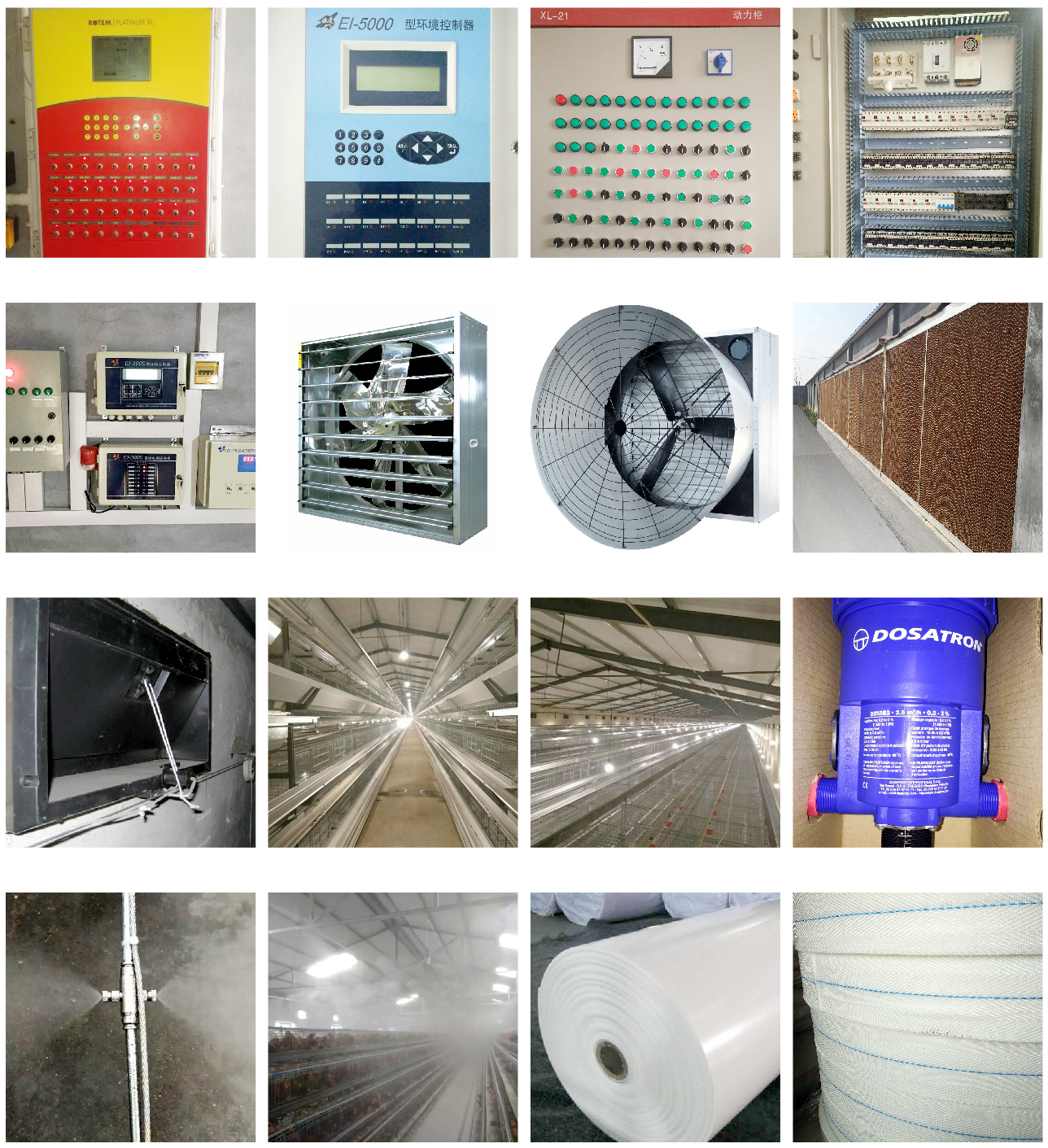
Fans, Heated Curtains, Environmental Control Systems, and Lighting Equipment
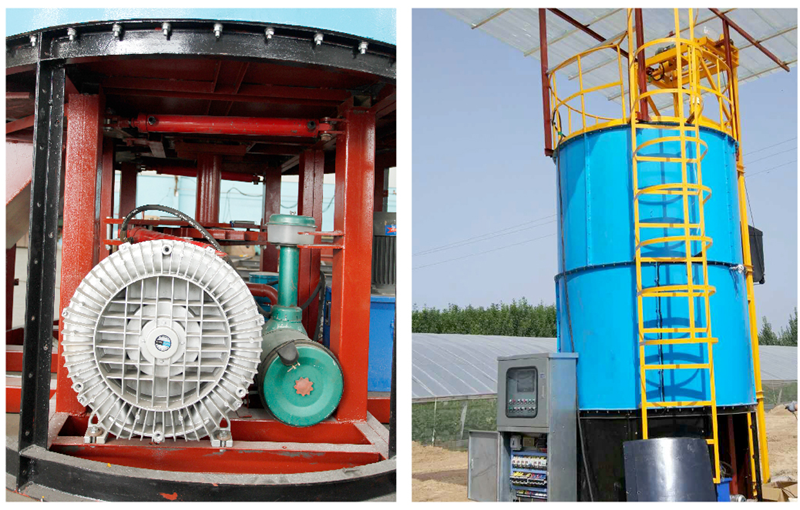
Complete Set of Equipment for Organic Fermentation Treatment of Manure
Бул веб-сайт биздин веб-сайтта эң жакшы тажрыйбаны алуу үчүн кукилерди колдонот.
 English
 Pусский
 Français
 العربية
 Indonesia
 қазақ
қазақ o'zbek
 тоҷикӣ
 Türkmenler
 Catalogue



 Whatsapp
 Телефон