

1. Introduction to Broiler Cage Setup
The poultry industry has evolved significantly with the adoption of cage systems for broiler production. A Broiler Cage Setup involves the installation and arrangement of cages designed specifically for raising broiler chickens efficiently and hygienically. This system maximizes space utilization, improves bird health, facilitates management, and enhances productivity.
Broiler cage setups provide a controlled environment that supports the rapid growth of broiler chickens while minimizing disease risks and operational costs. This guide delves into the technical parameters, essential features, advantages, application scenarios, usage instructions, common problems, and frequently asked questions related to broiler cage setups.
2. Parameters of Broiler Cage Setup
2.1 Cage Dimensions and Design
Length: Typically 1800 to 2200 mm per cage unit
Width: Usually between 600 to 1000 mm depending on bird capacity
Height: Approximately 400 to 500 mm per tier
Tiers: Usually 2 to 5 tiers stacked vertically
Flooring: Galvanized or PVC-coated wire mesh allowing manure to fall through
Bird Capacity per Cage: 20 to 60 birds depending on cage size and stocking density
2.2 Farm Scale and Capacity
Small Scale: Farms with 500 to 5,000 birds
Medium Scale: Farms with 5,000 to 20,000 birds
Large Scale: Farms with more than 20,000 birds
2.3 Environmental Control Systems
Ventilation: Mechanical or natural systems providing 8–12 air changes per hour
Temperature: Maintained between 24–28°C for optimal broiler growth
Humidity: Controlled between 60–70%
Lighting: LED lights with programmable schedules to simulate natural daylight cycles
2.4 Feeding and Drinking Systems
Feeders: Automated or manual feeders designed to minimize feed wastage
Drinkers: Nipple drinkers or bell drinkers spaced to ensure adequate water access
2.5 Waste Management
Manure Removal: Automated manure belts or removable trays beneath cages
Waste Storage: Dedicated composting or storage areas
3. Features of Broiler Cage Setup
3.1 Efficient Space Utilization
Multi-tier cage systems optimize vertical space, allowing higher stocking densities without compromising bird welfare.
3.2 Improved Biosecurity
Cages separate birds from their manure, reducing pathogen exposure and disease transmission.
3.3 Environmental Control
Integrated ventilation, temperature, and lighting systems create ideal conditions for broiler growth.
3.4 Automation
Automated feeding, watering, and manure removal reduce labor costs and increase efficiency.
3.5 Modular Design
Cage setups can be expanded or modified according to farm needs.
3.6 Durable Materials
Cages are constructed from galvanized steel or PVC-coated wire mesh to withstand corrosion and provide longevity.
4. Advantages of Broiler Cage Setup
4.1 Enhanced Growth Performance
Controlled environment and optimized nutrition improve feed conversion and growth rates.
4.2 Reduced Disease Incidence
Minimizing contact with manure and effective biosecurity lower the risk of infections.
4.3 Labor Savings
Automation reduces manual work and operational costs.
4.4 Space Efficiency
Vertical stacking increases capacity without requiring additional land.
4.5 Better Waste Management
Efficient manure removal reduces ammonia and odor, improving air quality.
4.6 Economic Profitability
Though initial investment is higher, long-term returns improve due to better production efficiency.
5. Application Scenarios
5.1 Commercial Broiler Farms
Large-scale producers benefit from cage setups for high-volume, uniform production.
5.2 Small and Medium Farms
Modular cage setups offer scalable solutions for growing businesses.
5.3 Research Facilities
Cages provide controlled environments for poultry studies.
5.4 Contract Farming
Farmers under contract with integrators use cage setups to meet quality and production standards.
5.5 Urban Poultry Production
Space-efficient cages allow broiler production in urban or peri-urban areas.
6. Usage Instructions for Broiler Cage Setup
6.1 Site Selection and Preparation
Choose a well-drained, accessible location
Prepare the floor and foundation for cage installation
6.2 Cage Assembly
Follow manufacturer guidelines for assembling cage frames and tiers
Ensure cages are securely fastened and stable
6.3 Installation of Feeding and Drinking Systems
Install feeders and drinkers according to recommended spacing
Test for proper function and accessibility
6.4 Environmental Controls
Set up ventilation, heating, cooling, and lighting systems
Monitor and adjust settings regularly for bird comfort
6.5 Bird Placement and Management
Introduce birds carefully, avoiding overcrowding
Monitor health, behavior, and growth daily
Maintain feed and water supply continuously
6.6 Cleaning and Maintenance
Regularly remove manure and clean cages
Inspect cage structures and equipment for wear or damage
Perform preventive maintenance to extend equipment life
7. Common Problems and Solutions
7.1 Poor Ventilation
Issue: Leads to heat stress and respiratory problems
Solution: Improve airflow with fans or vents
7.2 Disease Outbreaks
Issue: Caused by poor hygiene or overcrowding
Solution: Implement strict cleaning protocols and maintain appropriate stocking density
7.3 Equipment Failure
Issue: Feeding or watering system malfunctions
Solution: Regular inspection and timely repairs
7.4 Bird Injuries
Issue: Sharp edges or overcrowding cause harm
Solution: Use smooth cage materials and maintain proper bird density
7.5 Ammonia Build-Up
Issue: Delayed manure removal increases ammonia levels
Solution: Increase manure removal frequency and improve ventilation
8. Frequently Asked Questions (FAQs)
Q1: What is the optimal stocking density for broiler cages?
Typically 6 to 10 birds per square foot, adjusted based on cage design and bird size.
Q2: How often should manure be removed in broiler cage systems?
Daily or as frequently as possible to maintain hygiene.
Q3: Can broiler cage setups be used in tropical climates?
Yes, with adequate ventilation and cooling systems.
Q4: What materials are commonly used for broiler cages?
Galvanized steel and PVC-coated wire mesh are preferred for durability.
Q5: How long does a typical broiler cage system last?
With proper maintenance, 15 to 20 years.
Q6: Is automation necessary in broiler cage setups?
Automation improves efficiency but can be adapted based on farm scale and budget.
Q7: How to prevent diseases in broiler cage systems?
Strict biosecurity, regular cleaning, and vaccinations.
Q8: Can cage setups be expanded easily?
Yes, modular designs allow straightforward expansion.
9. Conclusion
A well-planned Broiler Cage Setup is essential for modern poultry production, offering benefits in bird health, productivity, space utilization, and operational efficiency. Understanding technical parameters, management practices, and troubleshooting ensures successful implementation and maximized returns.
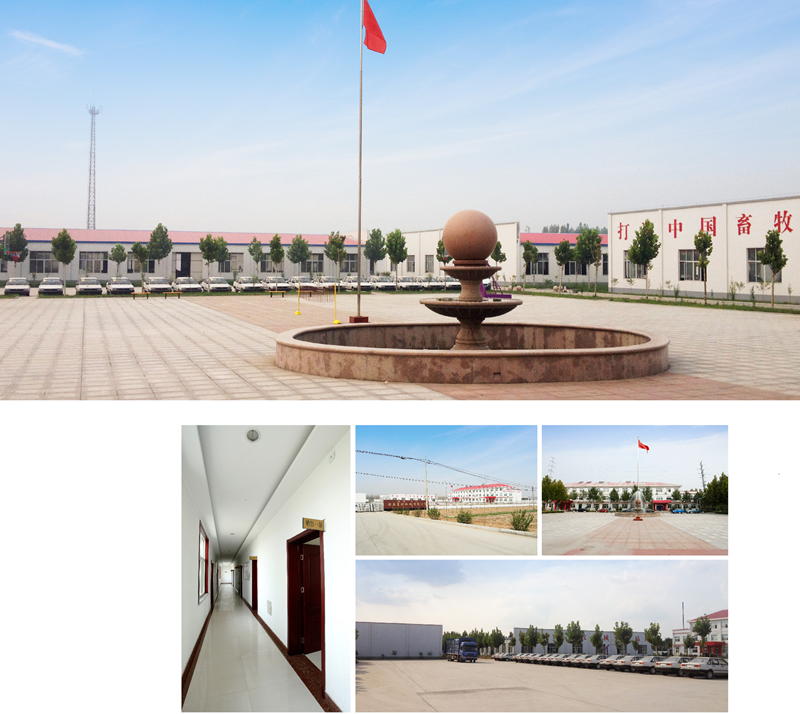
Shandong Huimin Qinle Livestock Machinery Co., Ltd. (formerly Shandong Huimin Qinle Livestock Machinery Factory) is a professional poultry equipment manufacturer with over 20 years of experience. We offer a comprehensive service package, from design (land and chicken coops), production (equipment and prefabricated steel coops), installation, commissioning, customer training, and after-sales service.
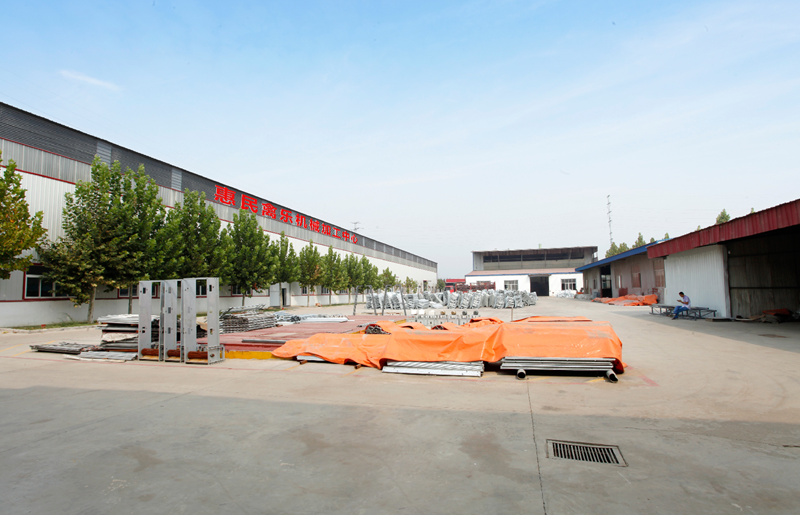
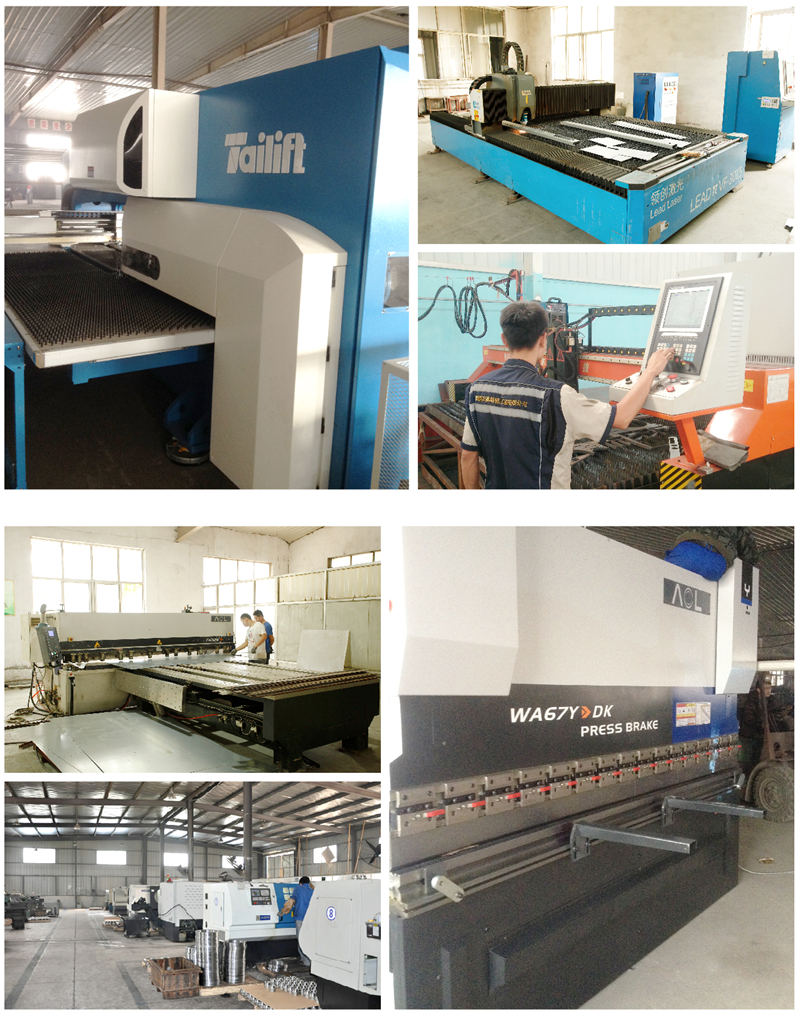
Located in Huimin County, Binzhou City, Shandong Province, China, the company has extensive experience in mechanical processing and manufacturing, as well as livestock machinery production and operation. With fixed assets of RMB 15 million, the company employs 160 people, including 30 R&D staff, and occupies a 40,000-square-meter factory. Equipped with over 110 pieces of advanced precision production equipment, including CNC machining centers and laser cutting machines, the company boasts a production capacity of RMB 50 million.
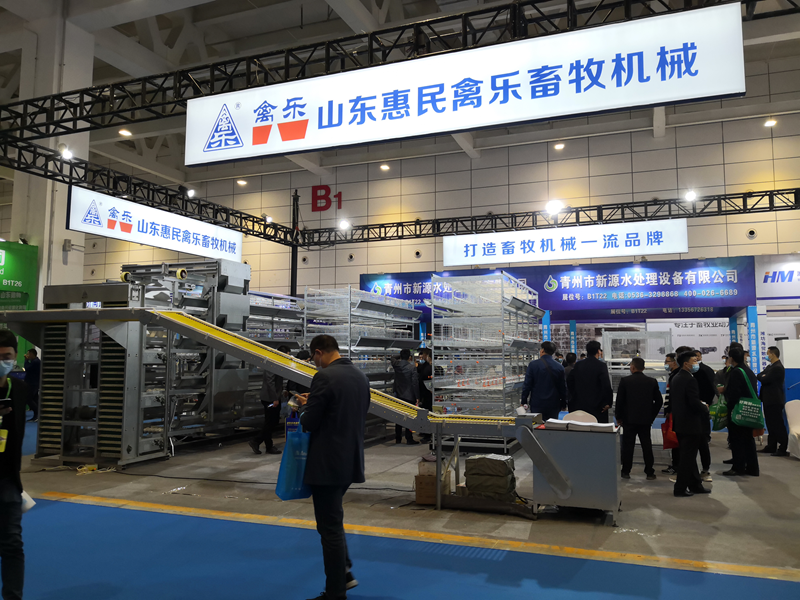
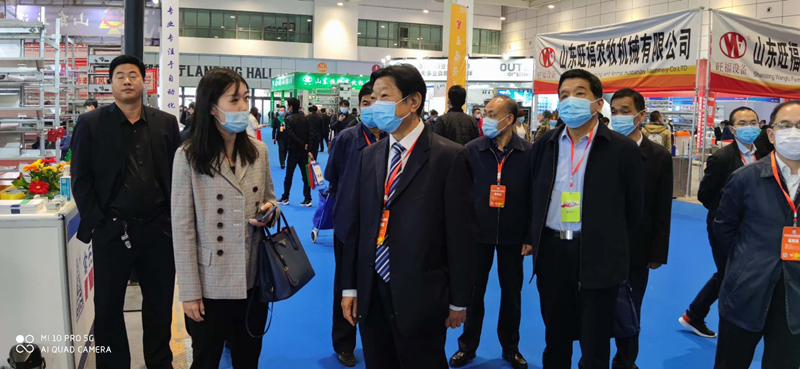
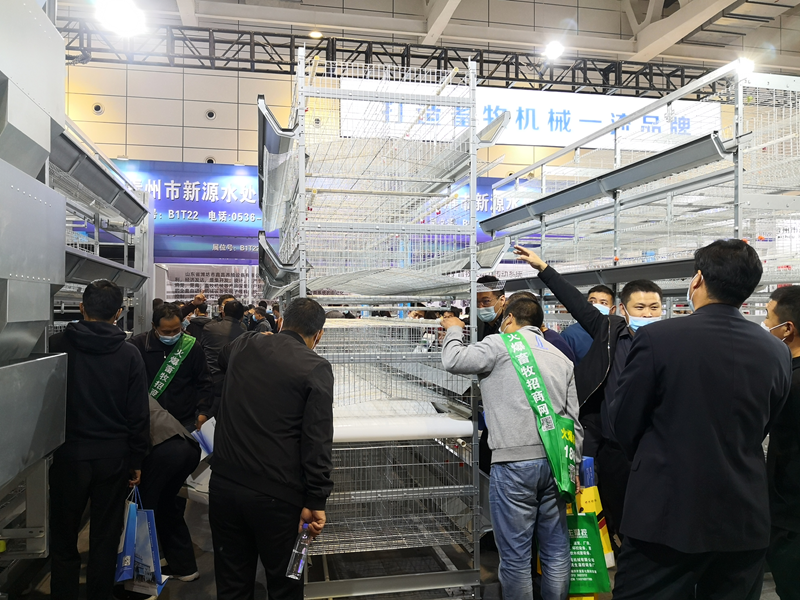
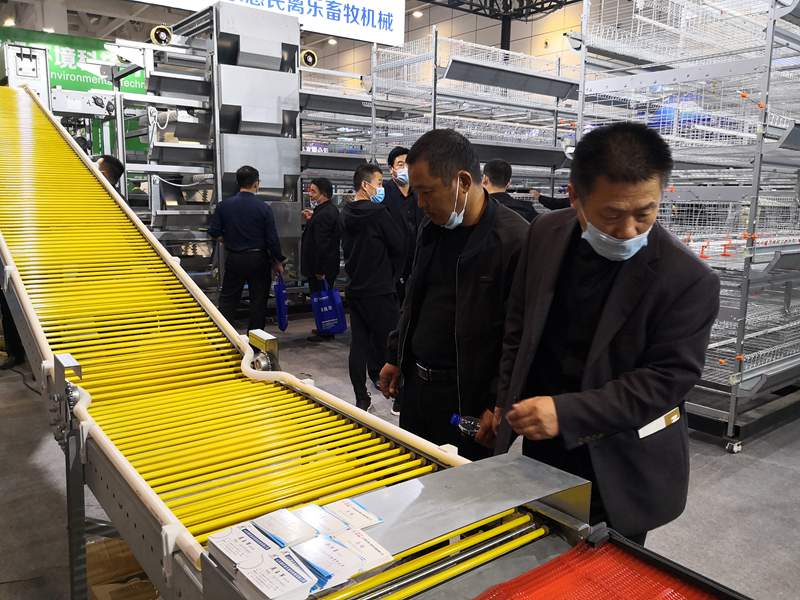
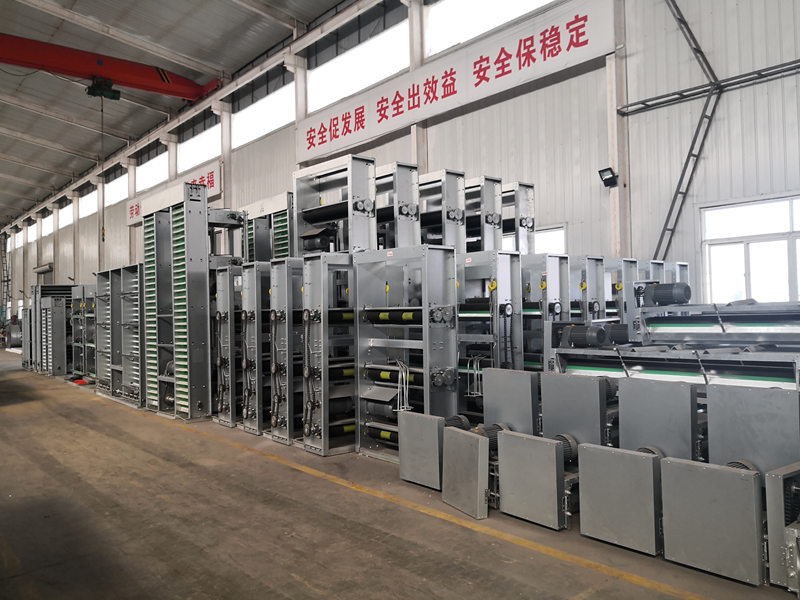
Chicken Farming Equipment Mesh Production Workshop

Machining Workshop
Turret-type CNC Punch Press, Laser Cutting and Other Machining Equipment
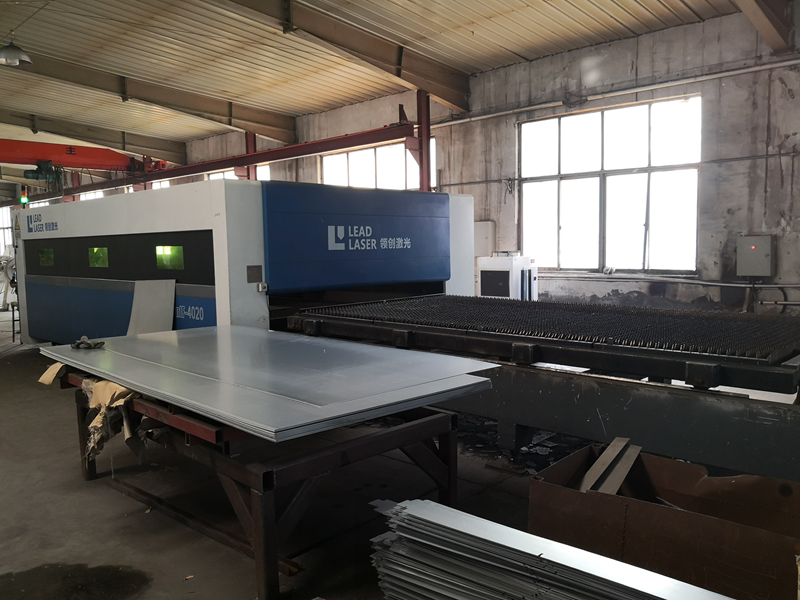

Fully Automated Roll Forming Production Line

Hot-dip Galvanizing Production Line

Electroplating Production Line
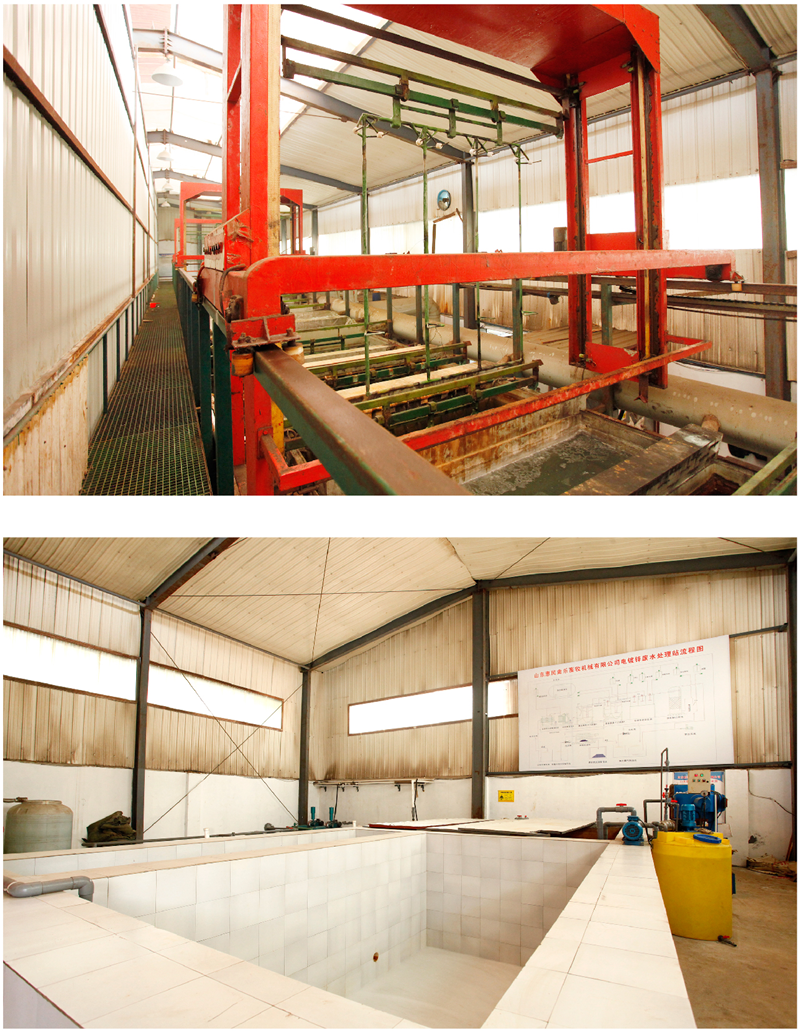
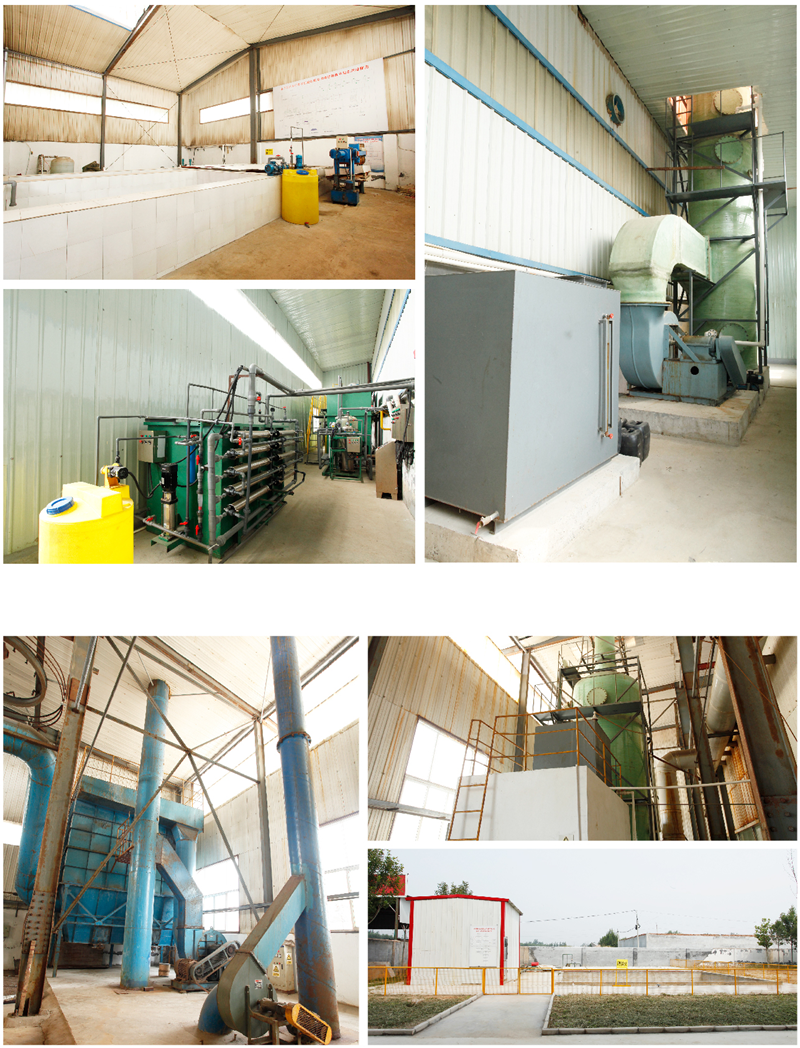
Environmental Protection Equipment
Chicken Farming Equipment Product Series
Egg-laying Hen Farming Equipment
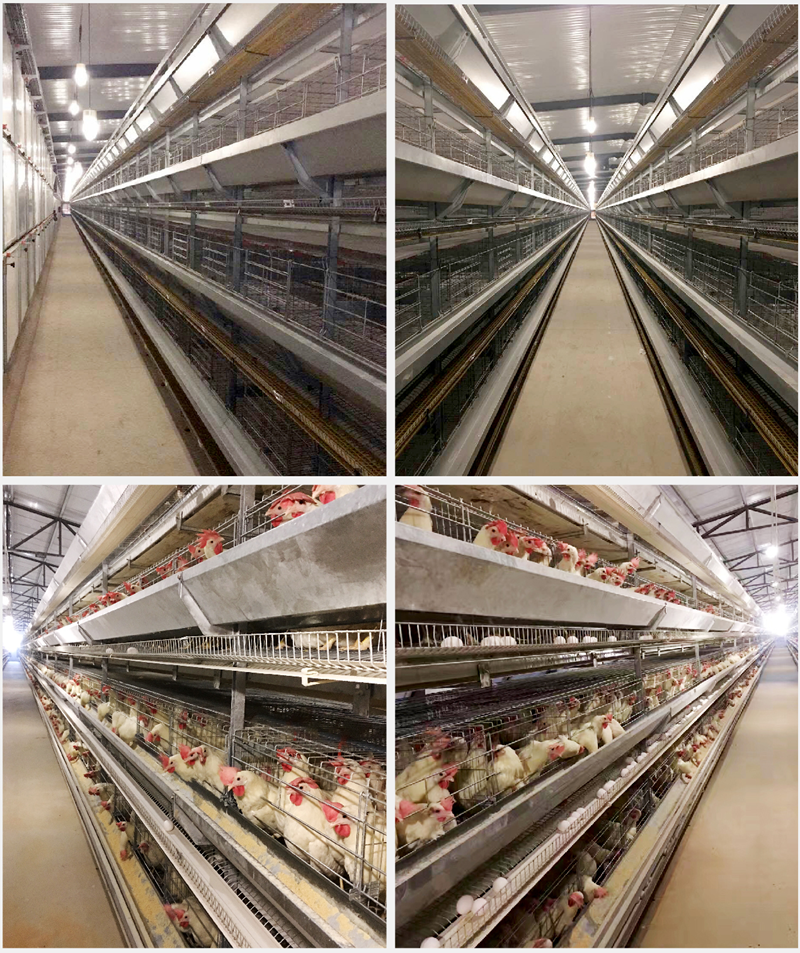
Stacked Brooding Cage Equipment

Stacked Broiler Cage Equipment
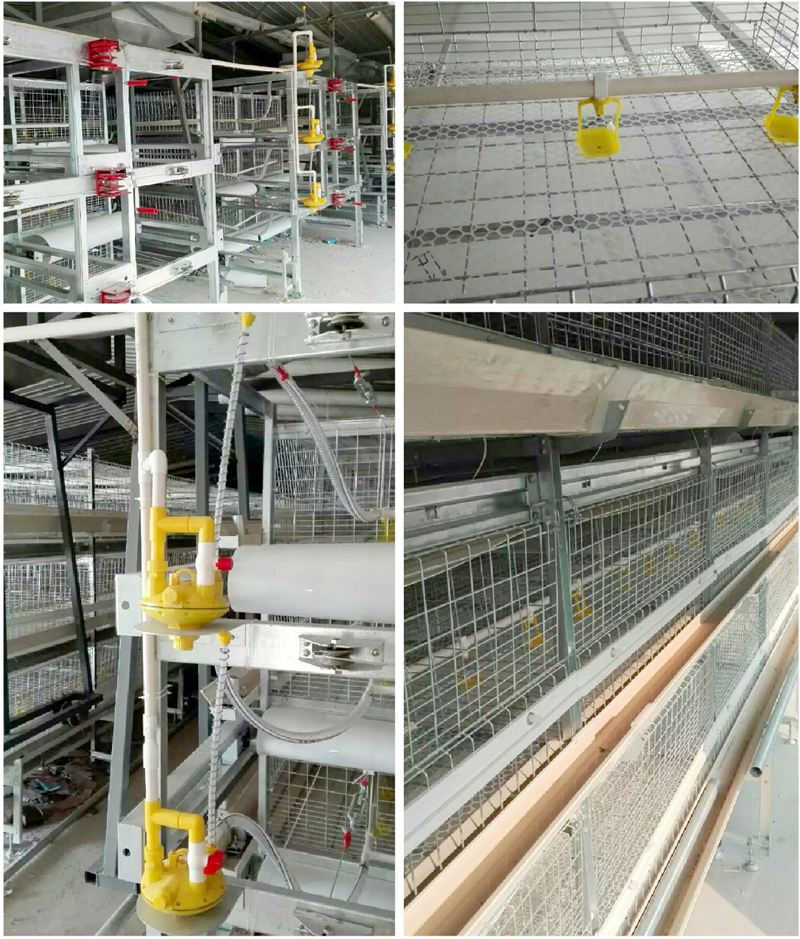
Stepped Layer Hen Cage Rearing Equipment
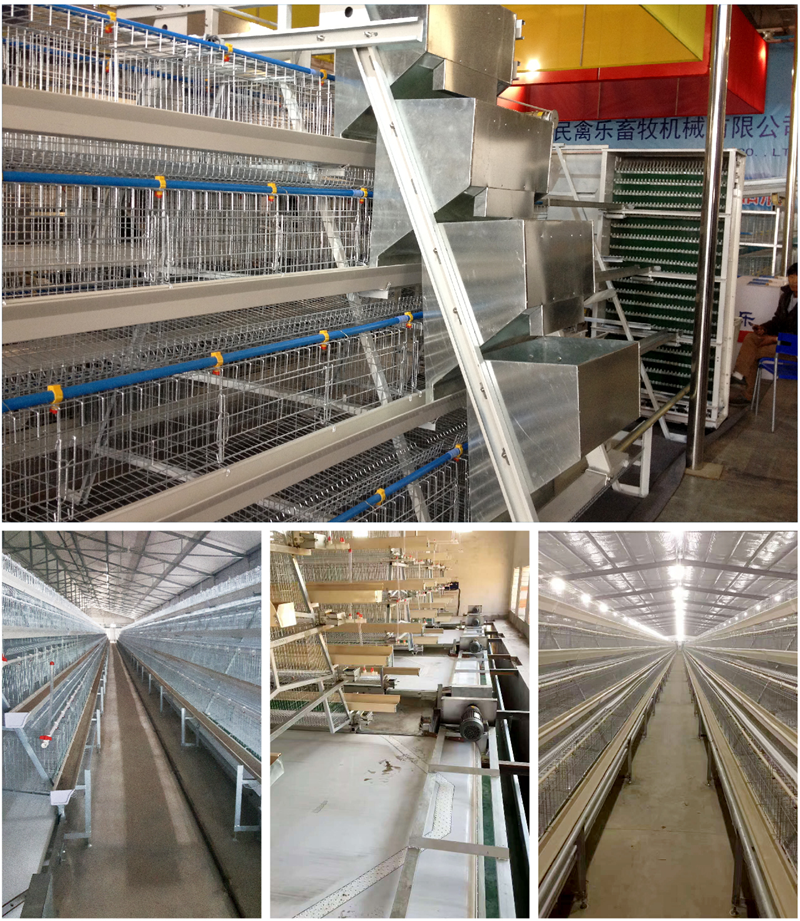
Automatic Egg Collection System
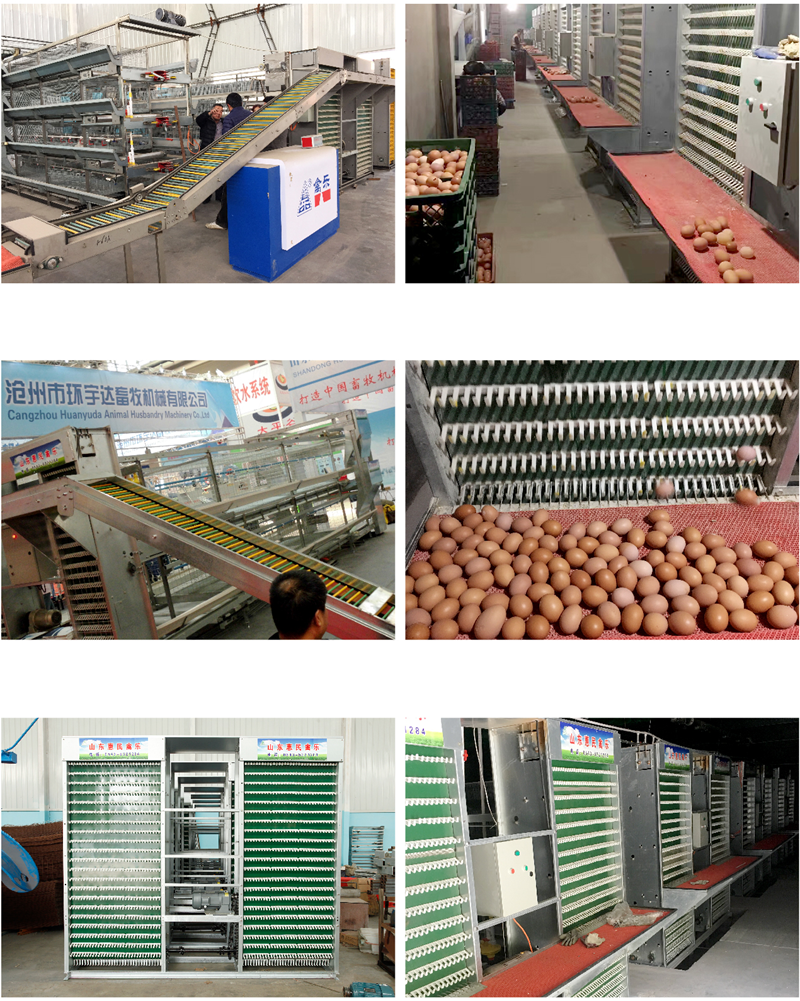
H-type Cage Feeding Machine
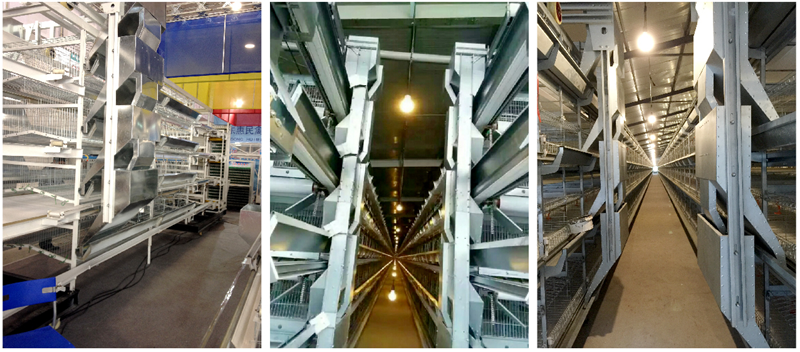
Stepped Cage Straddle Feeder
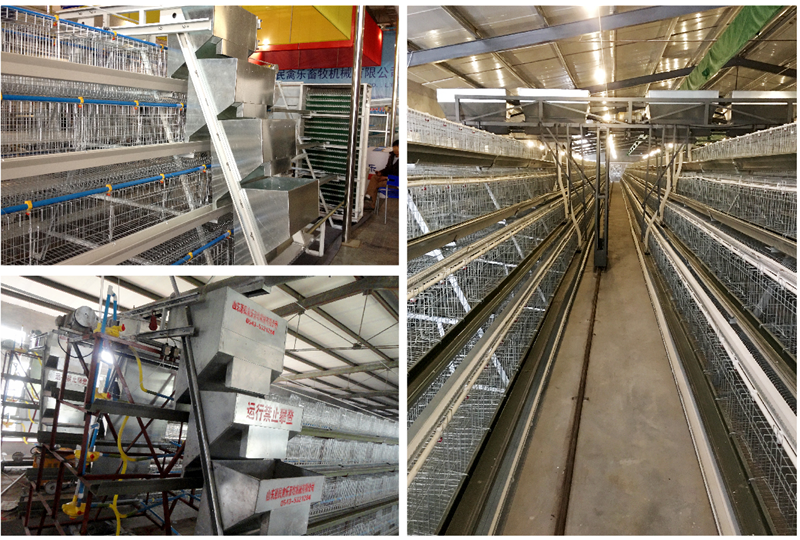
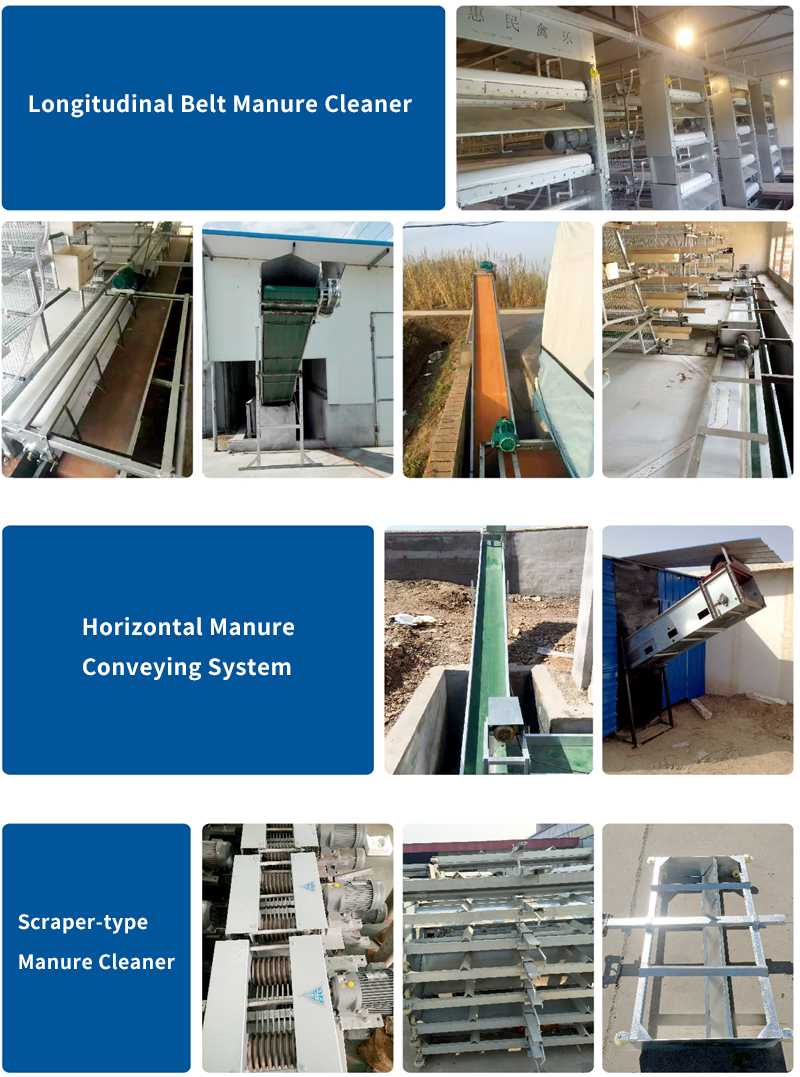
Manure Removal Machine
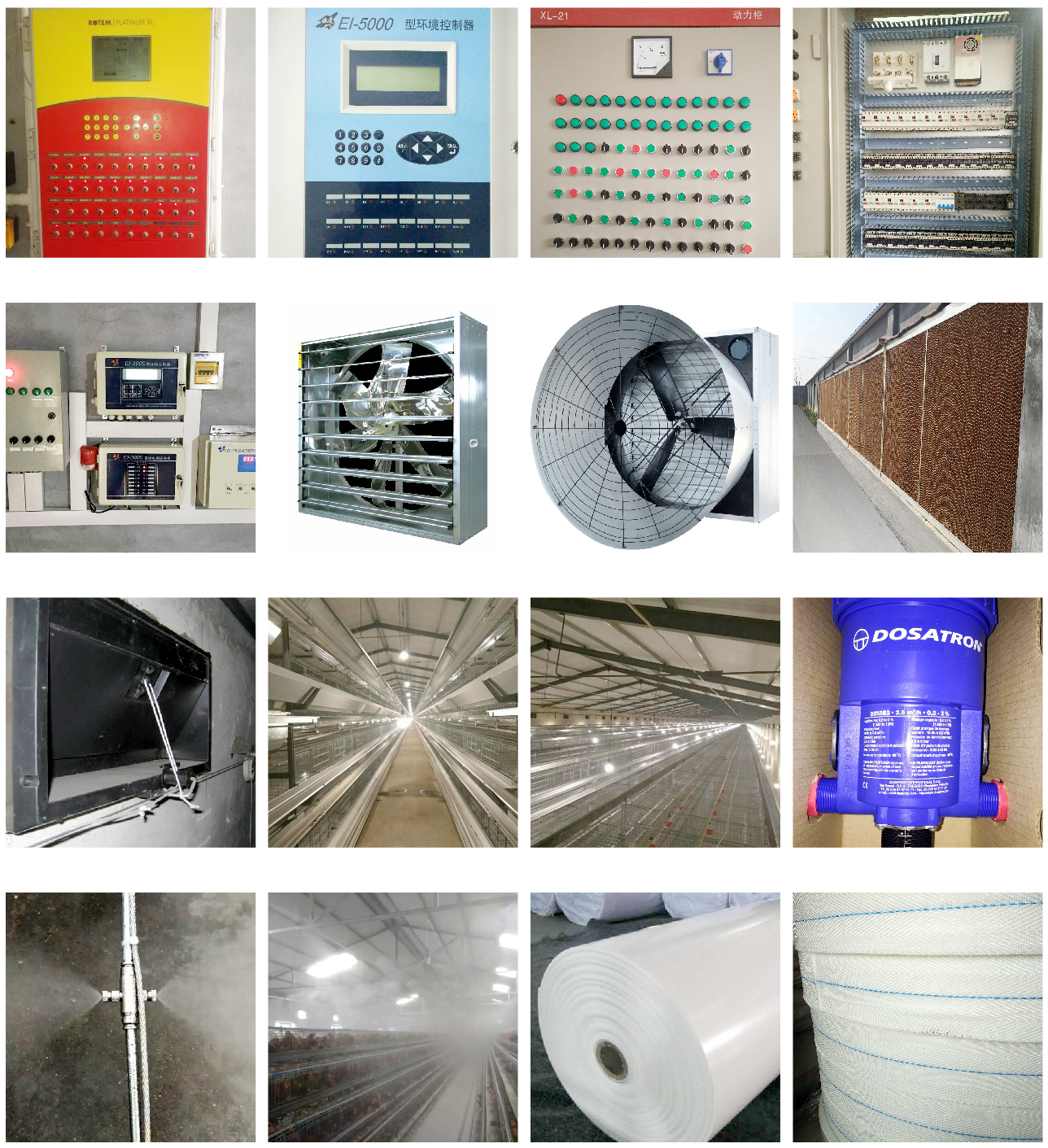
Fans, Heated Curtains, Environmental Control Systems, and Lighting Equipment
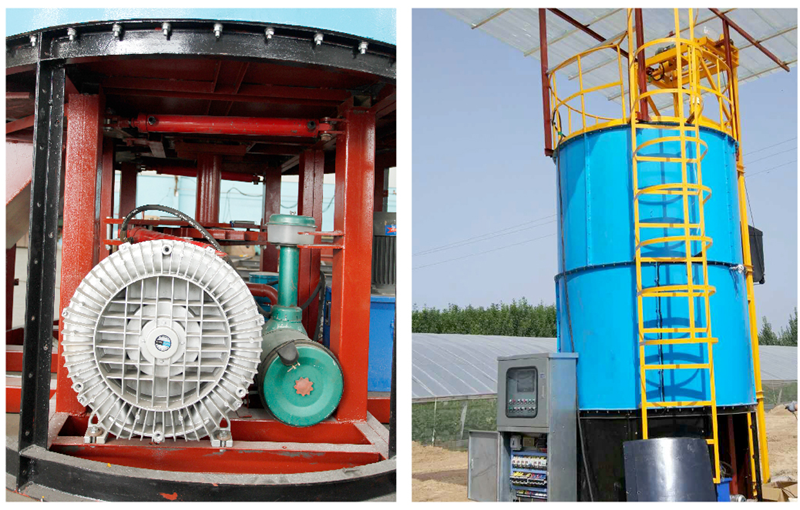
Complete Set of Equipment for Organic Fermentation Treatment of Manure
 RELATED
 RELATED
Бул веб-сайт биздин веб-сайтта эң жакшы тажрыйбаны алуу үчүн кукилерди колдонот.
 English
 Pусский
 Français
 العربية
 Indonesia
 қазақ
қазақ o'zbek
 тоҷикӣ
 Türkmenler
 Catalogue



 Whatsapp
 Телефон