

1. Introduction to Broiler Chicken Pen
A Broiler Chicken Pen is a specialized enclosure designed for raising broiler chickens in a controlled, safe, and efficient environment. Broiler chickens, primarily raised for meat production, require adequate space, protection, and environmental management to ensure rapid growth and optimal health. The broiler chicken pen offers a practical housing solution that balances bird welfare with operational efficiency.
Historically, broilers were raised in open fields or simple shelters, but modern poultry farming demands systems that maximize productivity while minimizing disease risk and labor. The broiler chicken pen is a versatile setup adaptable to various farming scales — from small backyard flocks to large commercial operations. It supports key management activities such as feeding, watering, cleaning, and monitoring bird health.
This article explores the essential parameters, features, benefits, applications, usage instructions, common problems, and FAQs related to broiler chicken pens, providing a valuable resource for poultry enthusiasts and professionals alike.
2. Parameters of Broiler Chicken Pen
Understanding the technical specifications and design considerations of broiler chicken pens is crucial to ensure efficient farming.
2.1 Pen Size and Capacity
Recommended space per bird: Typically 0.06 to 0.1 square meters (0.65 to 1.1 square feet) per broiler to allow comfortable movement and growth
Pen dimensions: Varies based on flock size; for example, a pen of 3m x 4m can house approximately 150 to 200 birds
Height: Minimum 1.8 meters (6 feet) to provide good air circulation and ease of management
2.2 Construction Materials
Frame: Usually made of treated wood, galvanized steel, or aluminum for durability
Walls: Wire mesh or netting to allow ventilation while preventing predator entry
Roof: Corrugated metal sheets, thatch, or polycarbonate panels depending on climate and budget
Flooring: Dirt with bedding materials such as wood shavings or straw, or concrete with removable mats
2.3 Environmental Control
Ventilation: Natural airflow through mesh walls or mechanical ventilation for enclosed pens
Lighting: Natural daylight supplemented by artificial lights if necessary
Temperature: Maintenance of optimal temperatures (21–30°C) depending on bird age and local climate
2.4 Feeding and Watering Facilities
Feeders: Trough or pan feeders designed for broiler birds
Drinkers: Bell drinkers, nipple drinkers, or cup drinkers placed at appropriate heights
3. Features of Broiler Chicken Pen
3.1 Safety and Predator Protection
The pen is enclosed with durable wire mesh or netting, preventing access from predators such as foxes, snakes, or rodents.
3.2 Adequate Space and Comfort
Pens provide enough space for broilers to move freely, stretch wings, and perform natural behaviors, reducing stress and improving growth.
3.3 Good Ventilation and Air Quality
Open mesh walls or adjustable vents ensure fresh air circulation, reducing ammonia buildup and respiratory issues.
3.4 Easy Access and Maintenance
Wide doors and removable sections enable easy cleaning, bird management, and health checks.
3.5 Integrated Feeding and Watering
Feeders and drinkers are positioned to optimize access and reduce wastage.
3.6 Weather Protection
Roofing materials shield birds from direct sunlight, rain, and wind, maintaining a stable environment.
4. Advantages of Broiler Chicken Pen
4.1 Enhanced Bird Health and Welfare
Adequate space, ventilation, and protection from predators and weather improve overall bird well-being.
4.2 Improved Growth Rates and Productivity
Stress reduction and consistent access to feed and water lead to better feed conversion and faster weight gain.
4.3 Cost-Effective Construction and Operation
Pens use locally available materials and simple designs, making them affordable and easy to maintain.
4.4 Flexibility and Scalability
Pens can be expanded or relocated as needed, suitable for both small-scale and commercial poultry farming.
4.5 Reduced Disease Transmission
Separation from wild birds and pests limits the introduction of pathogens.
4.6 Environmental Sustainability
Proper waste management in pens minimizes pollution and allows manure reuse as fertilizer.
5. Application Scenarios
5.1 Smallholder and Backyard Farming
Ideal for farmers raising broilers for family use or local markets with limited space.
5.2 Commercial Broiler Production
Larger pens arranged in rows or clusters for efficient management in commercial farms.
5.3 Organic and Free-Range Systems
Pens provide shelter and protection while allowing birds outdoor access for natural foraging.
5.4 Research and Educational Use
Controlled pens support studies on poultry nutrition, health, and behavior.
5.5 Emergency and Disaster Relief
Portable or temporary pens facilitate quick setup in crisis situations.
6. Usage Instructions for Broiler Chicken Pen
6.1 Site Selection
Choose elevated, well-drained land to prevent waterlogging
Ensure easy access for feeding, cleaning, and management
6.2 Construction
Assemble sturdy frames with wire mesh walls and secure roofing
Ensure all openings are predator-proof
Provide proper ventilation openings
6.3 Preparation Before Stocking
Clean and disinfect the pen thoroughly
Lay fresh bedding evenly on the floor
Set up feeders and drinkers and fill with feed and clean water
6.4 Bird Introduction and Management
Introduce chicks carefully to reduce stress
Monitor temperature and humidity, especially during brooding
Provide continuous access to feed and water
Observe birds for signs of illness or distress daily
6.5 Routine Maintenance
Remove wet or soiled bedding regularly and replace with fresh material
Clean feeders and drinkers daily
Inspect pen structure for damage and repair promptly
Manage manure and dispose or compost responsibly
7. Common Problems and Solutions
7.1 Predator Attacks
Cause: Weak fencing or unsecured openings
Solution: Reinforce mesh, install locks, and regularly inspect the pen
7.2 Overcrowding
Cause: Excessive birds in limited space
Solution: Maintain recommended stocking densities to reduce stress and disease
7.3 Poor Ventilation
Cause: Inadequate airflow leading to heat stress and respiratory issues
Solution: Increase openings or use fans in enclosed pens
7.4 Feed and Water Contamination
Cause: Dirty feeders/drinkers or exposure to pests
Solution: Regular cleaning and placement in protected areas
7.5 Disease Outbreaks
Cause: Poor hygiene and biosecurity practices
Solution: Implement strict cleaning, quarantine new birds, and vaccinate
8. Frequently Asked Questions (FAQs)
Q1: How much space does each broiler need in a pen?
Between 0.06 and 0.1 square meters per bird is recommended.
Q2: What materials are best for building a broiler pen?
Treated wood or metal frames with wire mesh walls and metal or polycarbonate roofing.
Q3: How often should bedding be changed?
Regularly, depending on moisture and cleanliness; typically every 3-7 days.
Q4: Can broiler pens be used year-round?
Yes, with appropriate weather protection and environmental controls.
Q5: How to protect broilers from predators?
Secure fencing, locked doors, and elevated structures help prevent intrusions.
Q6: What is the ideal temperature for broilers in a pen?
Between 21°C to 30°C, adjusted based on age and weather.
Q7: How to manage waste in broiler pens?
Regular cleaning and composting or responsible disposal.
Q8: Can broiler pens be moved or relocated?
Yes, portable designs allow easy relocation if necessary.
9. Conclusion
A properly designed and managed Broiler Chicken Pen is vital for successful poultry production, combining bird welfare, operational efficiency, and profitability. Whether for small-scale farming or commercial operations, investing in quality pen construction and maintenance practices enhances growth performance and sustainability.
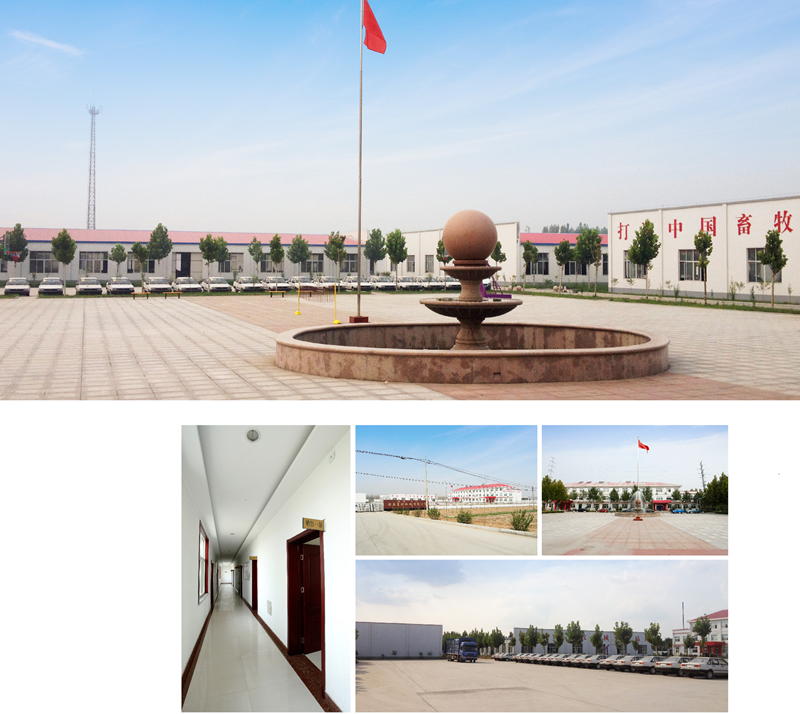
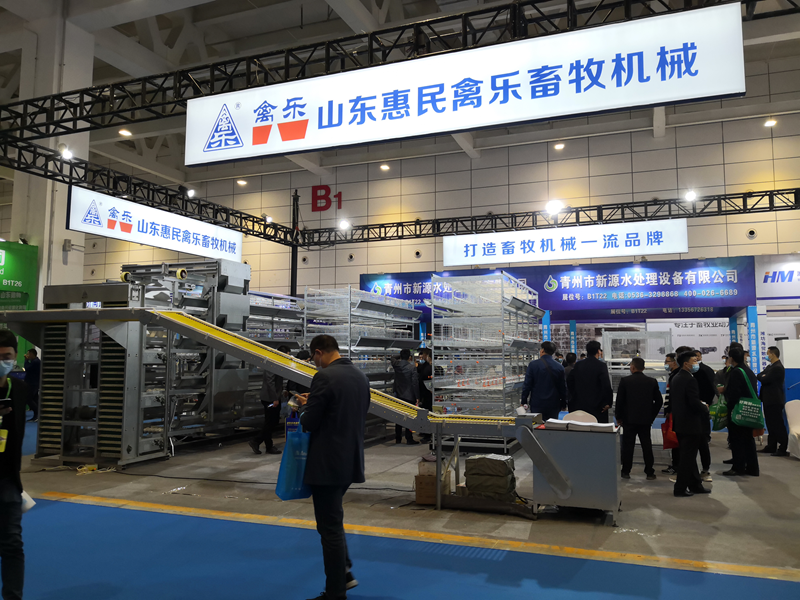
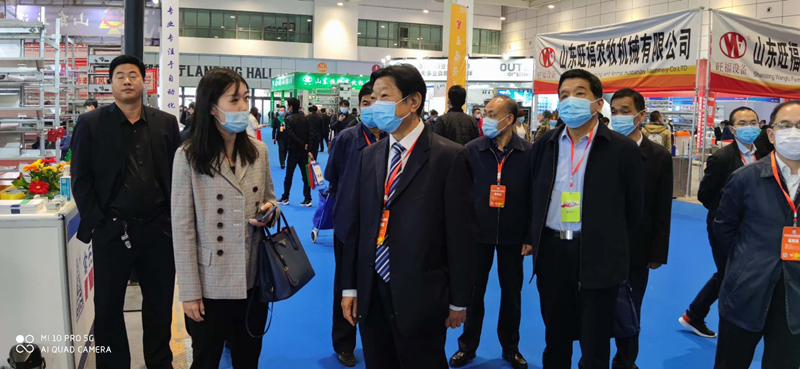
Shandong Huimin Qinle Livestock Machinery Co., Ltd. (formerly Shandong Huimin Qinle Livestock Machinery Factory) is a professional poultry equipment manufacturer with over 20 years of experience. We offer a comprehensive service package, from design (land and chicken coops), production (equipment and prefabricated steel coops), installation, commissioning, customer training, and after-sales service.
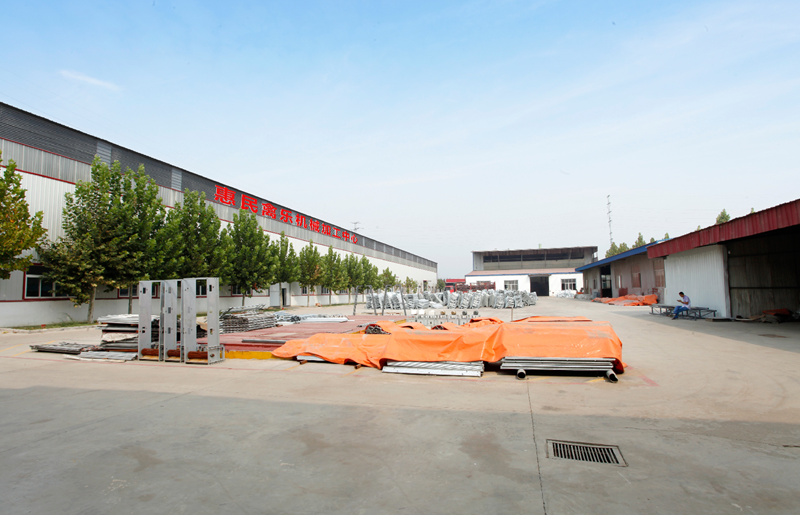
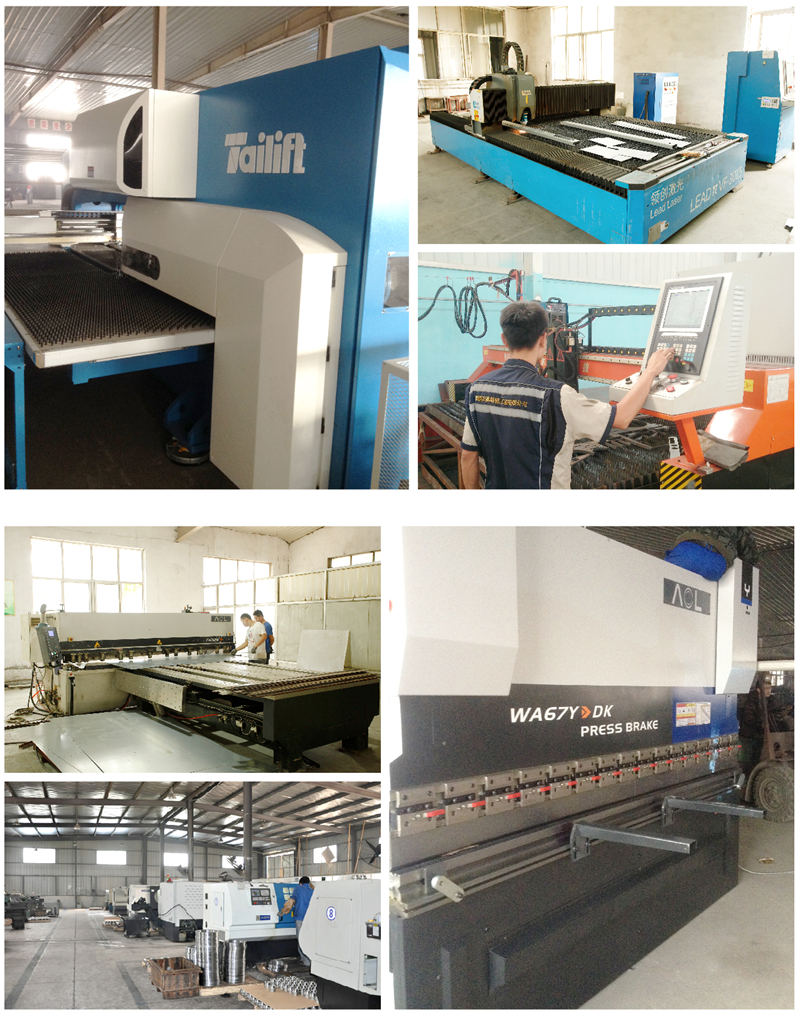
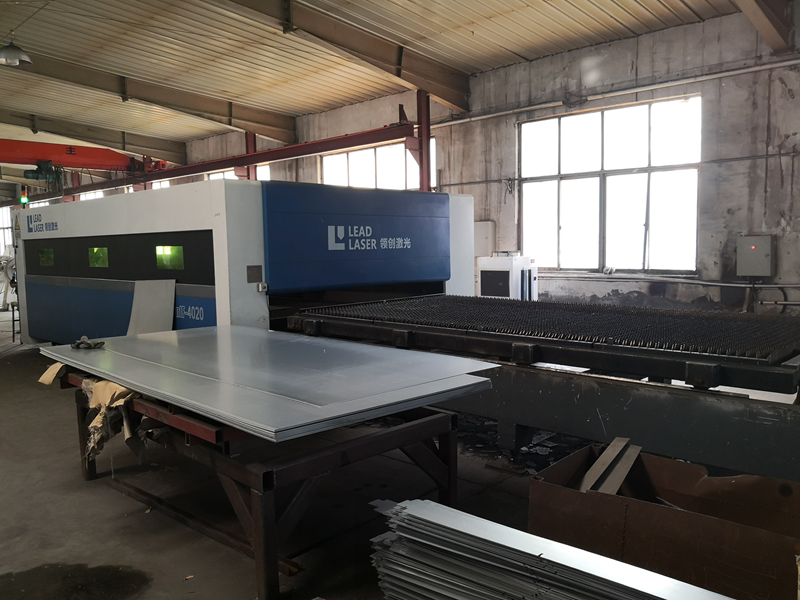
Located in Huimin County, Binzhou City, Shandong Province, China, the company has extensive experience in mechanical processing and manufacturing, as well as livestock machinery production and operation. With fixed assets of RMB 15 million, the company employs 160 people, including 30 R&D staff, and occupies a 40,000-square-meter factory. Equipped with over 110 pieces of advanced precision production equipment, including CNC machining centers and laser cutting machines, the company boasts a production capacity of RMB 50 million.
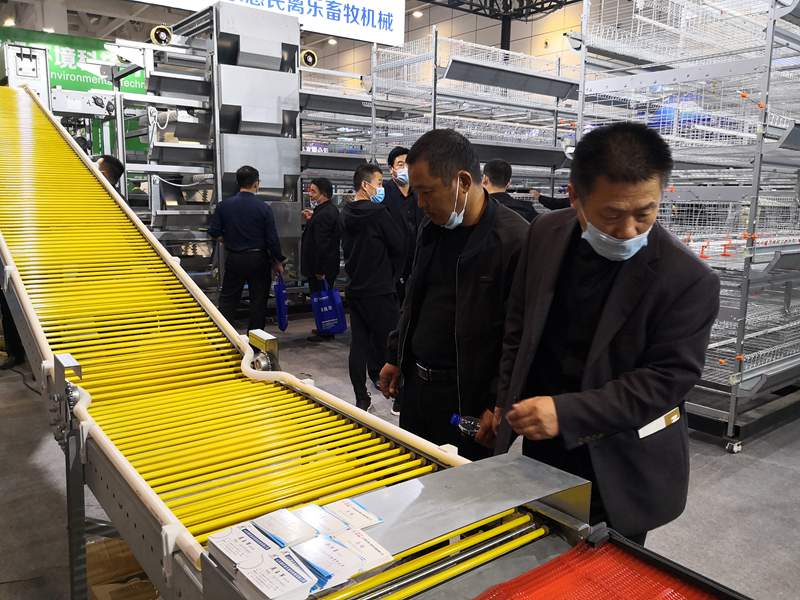
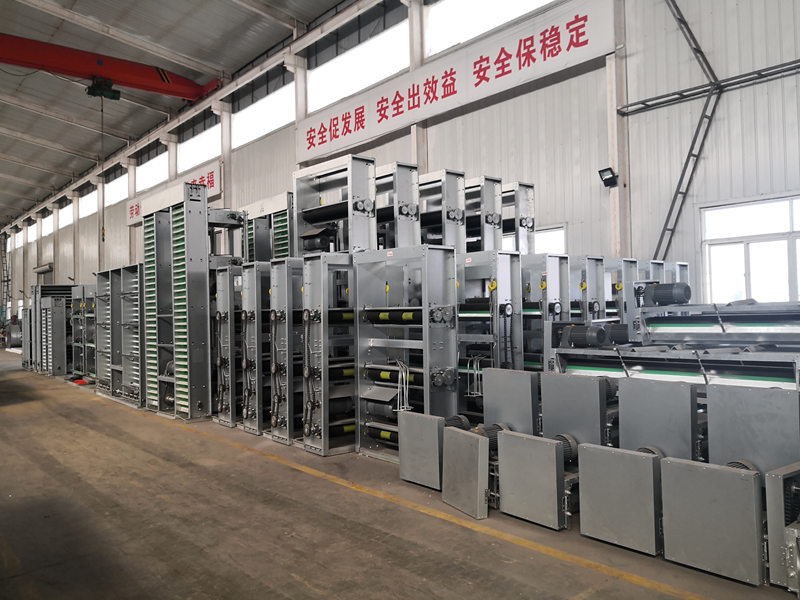
Chicken Farming Equipment Mesh Production Workshop

Machining Workshop
Turret-type CNC Punch Press, Laser Cutting and Other Machining Equipment

Fully Automated Roll Forming Production Line

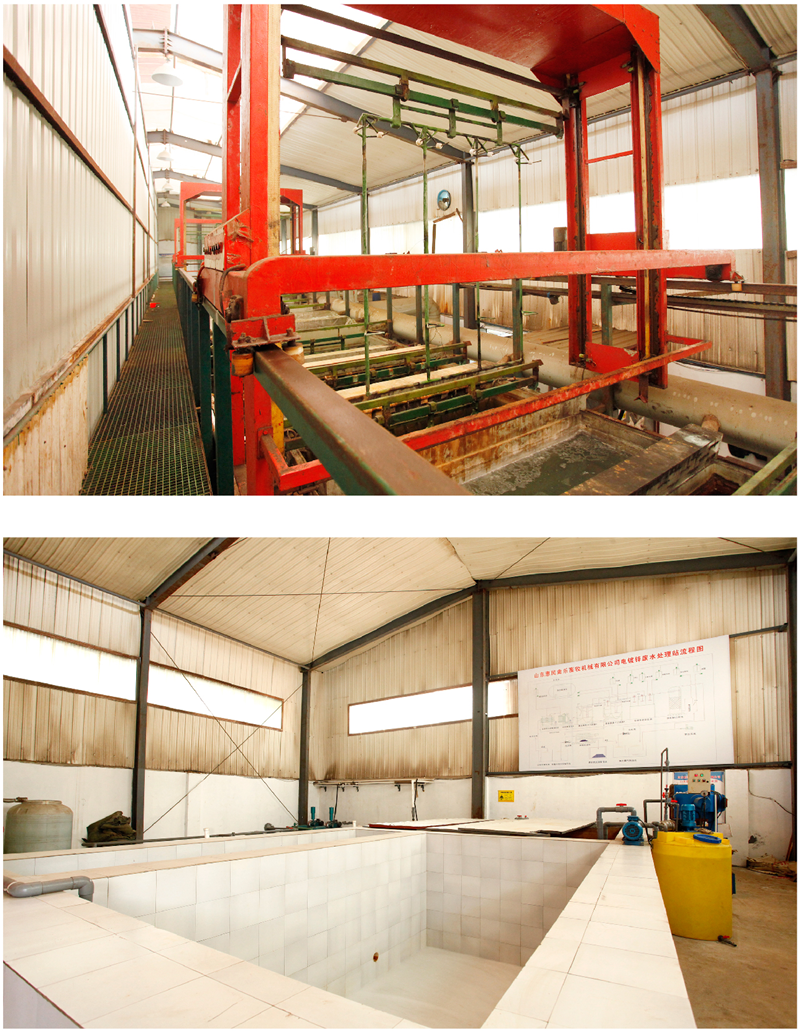
Hot-dip Galvanizing Production Line

Electroplating Production Line
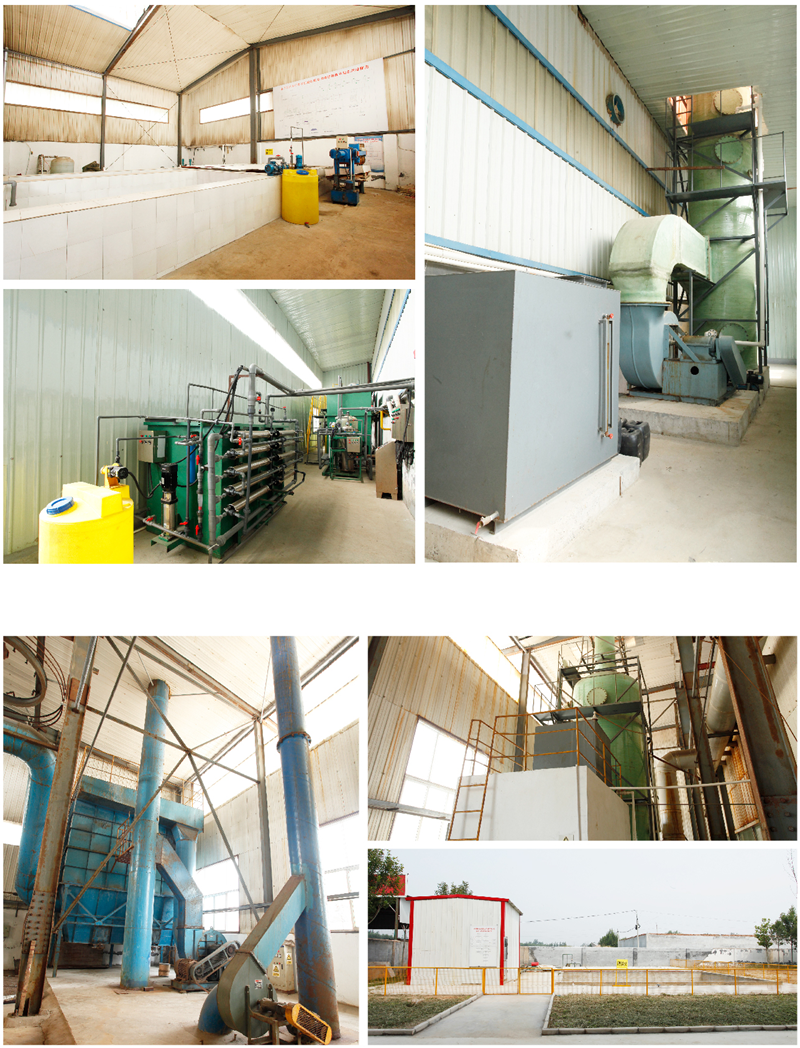
Environmental Protection Equipment
Chicken Farming Equipment Product Series
Egg-laying Hen Farming Equipment
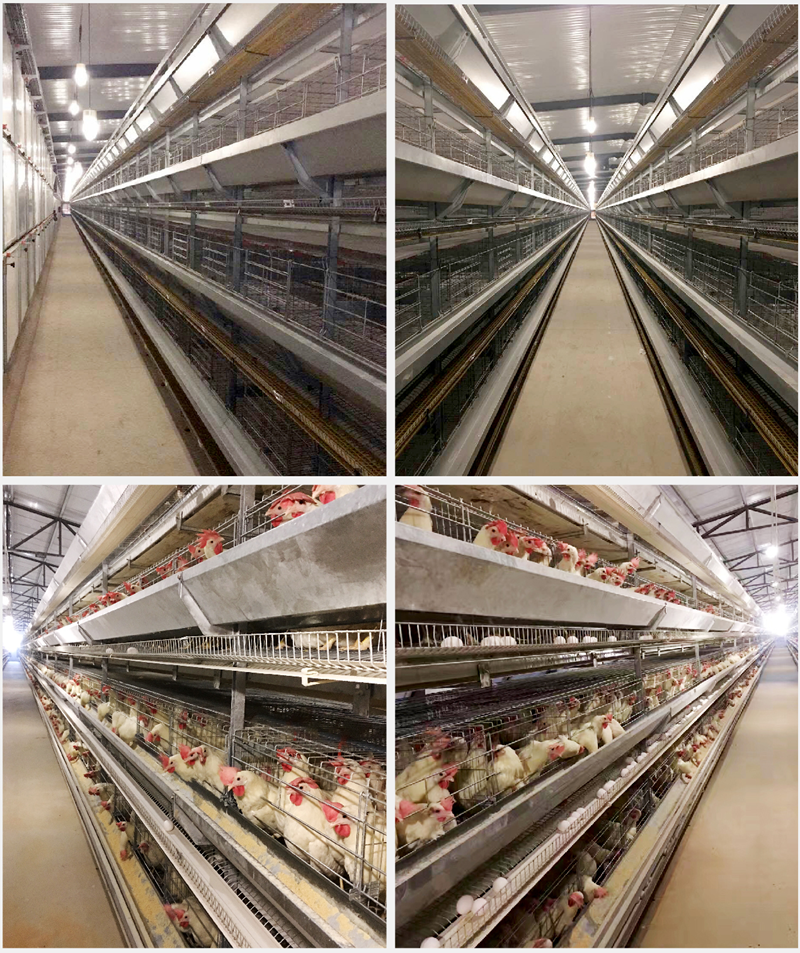
Stacked Brooding Cage Equipment

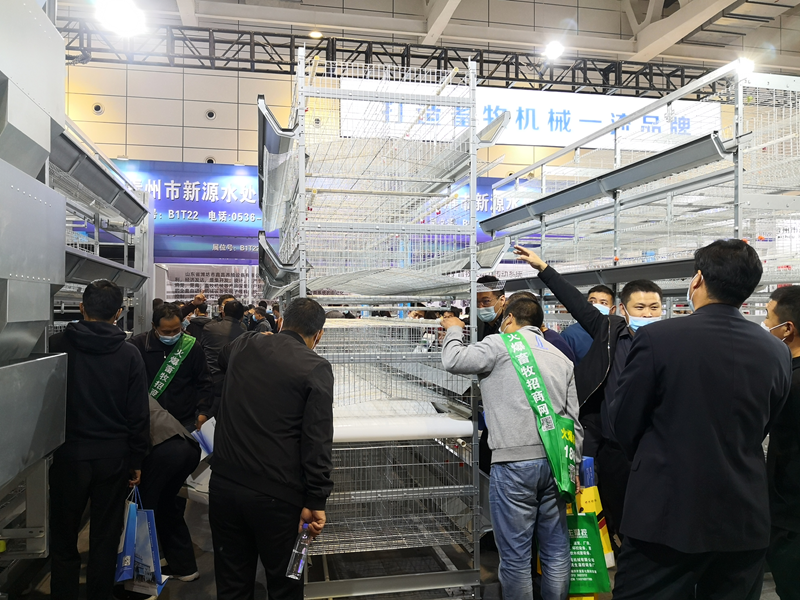
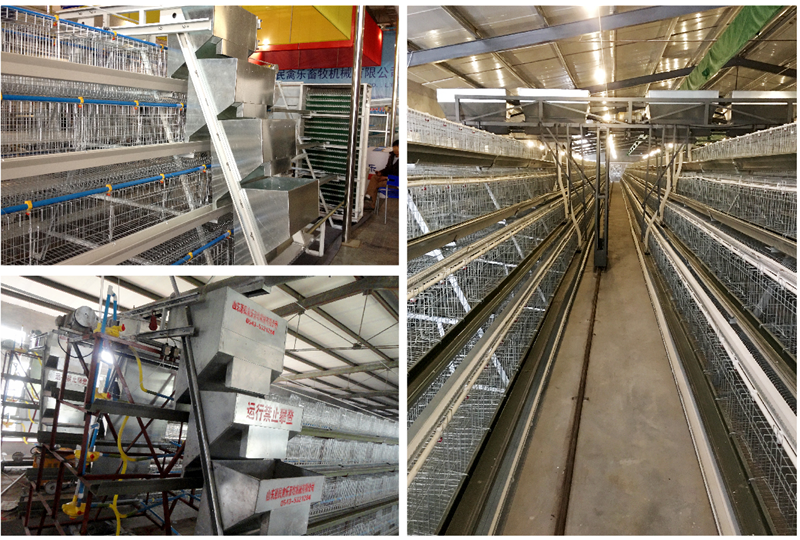
Stacked Broiler Cage Equipment
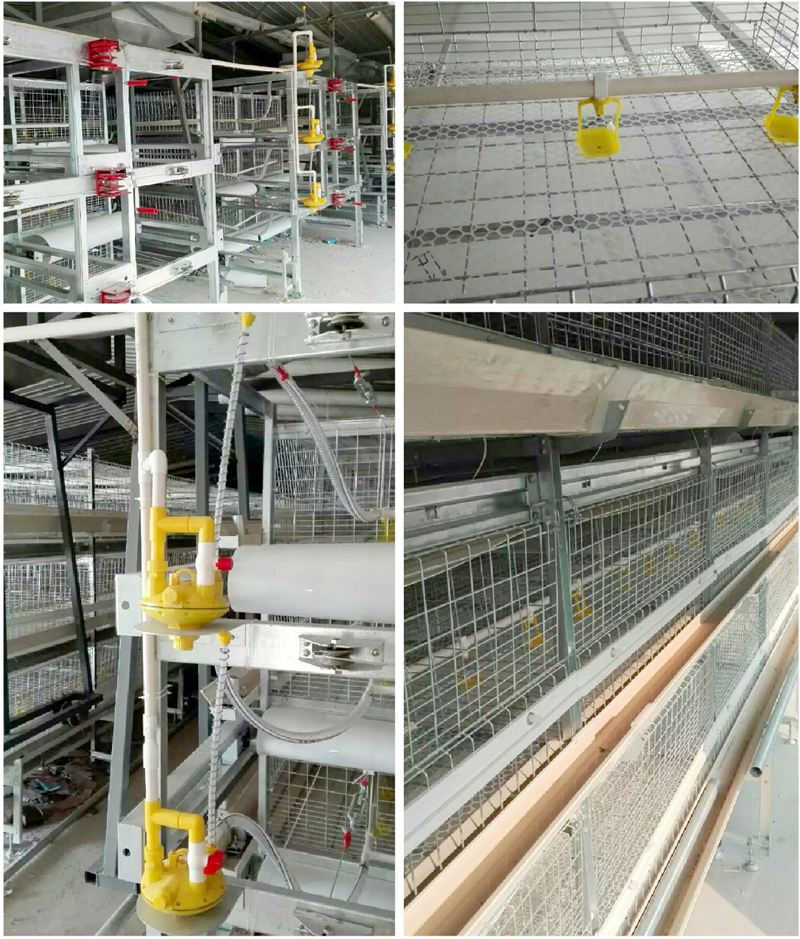
Stepped Layer Hen Cage Rearing Equipment
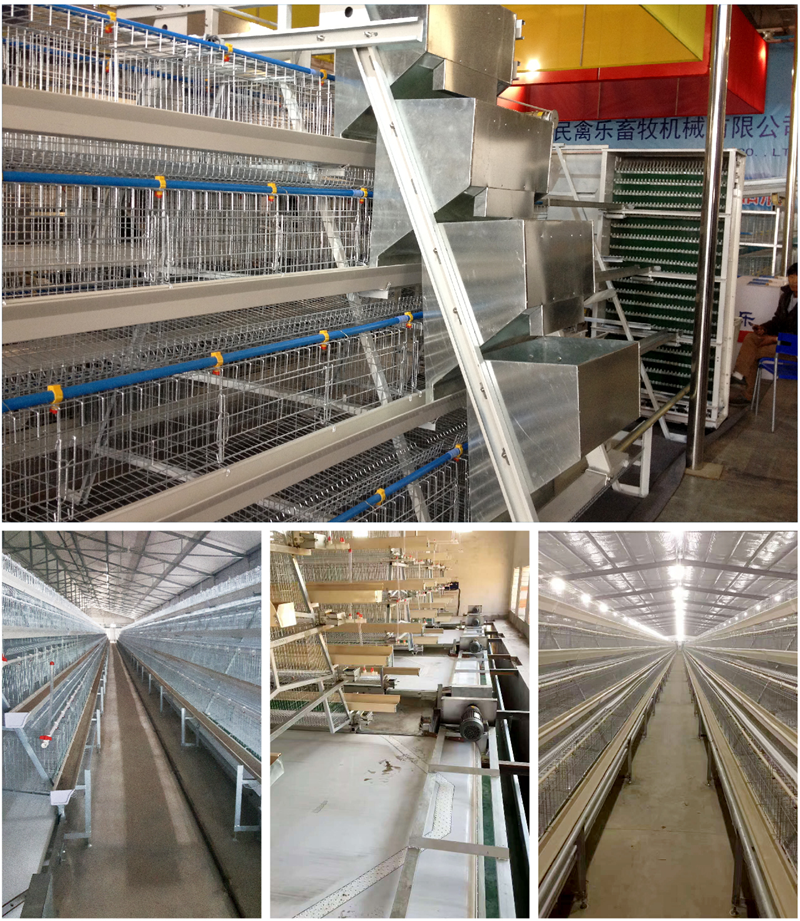
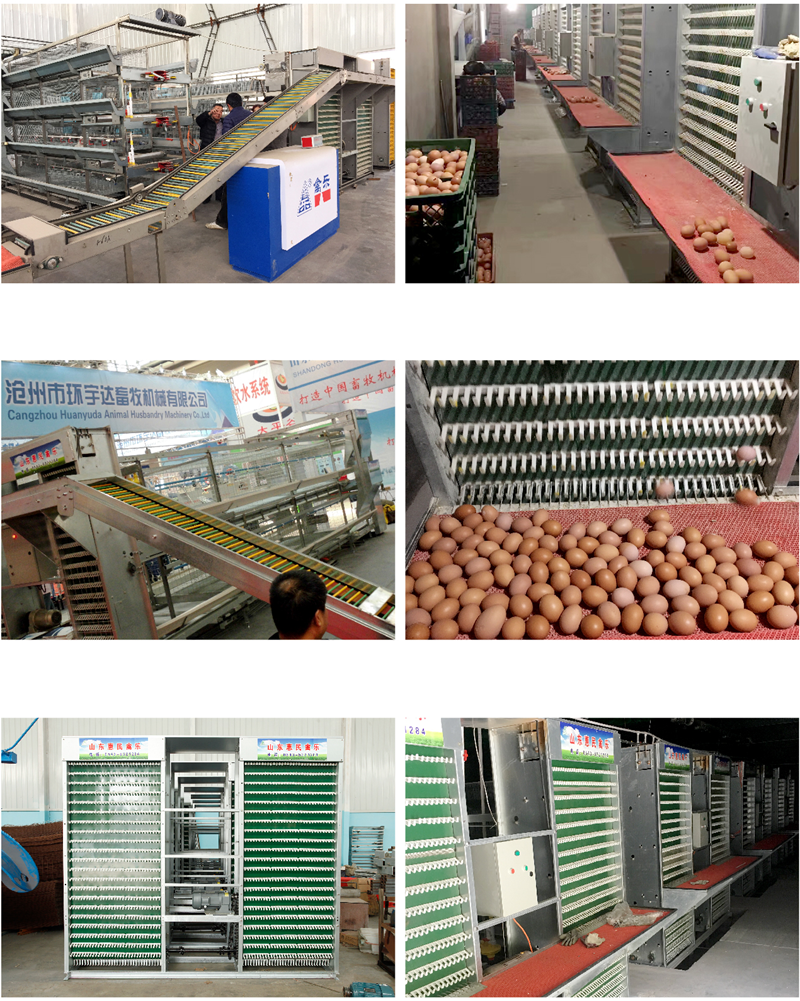
Automatic Egg Collection System
H-type Cage Feeding Machine
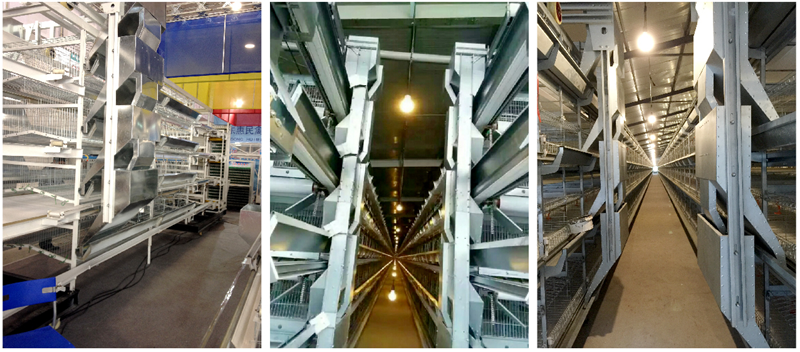
Stepped Cage Straddle Feeder
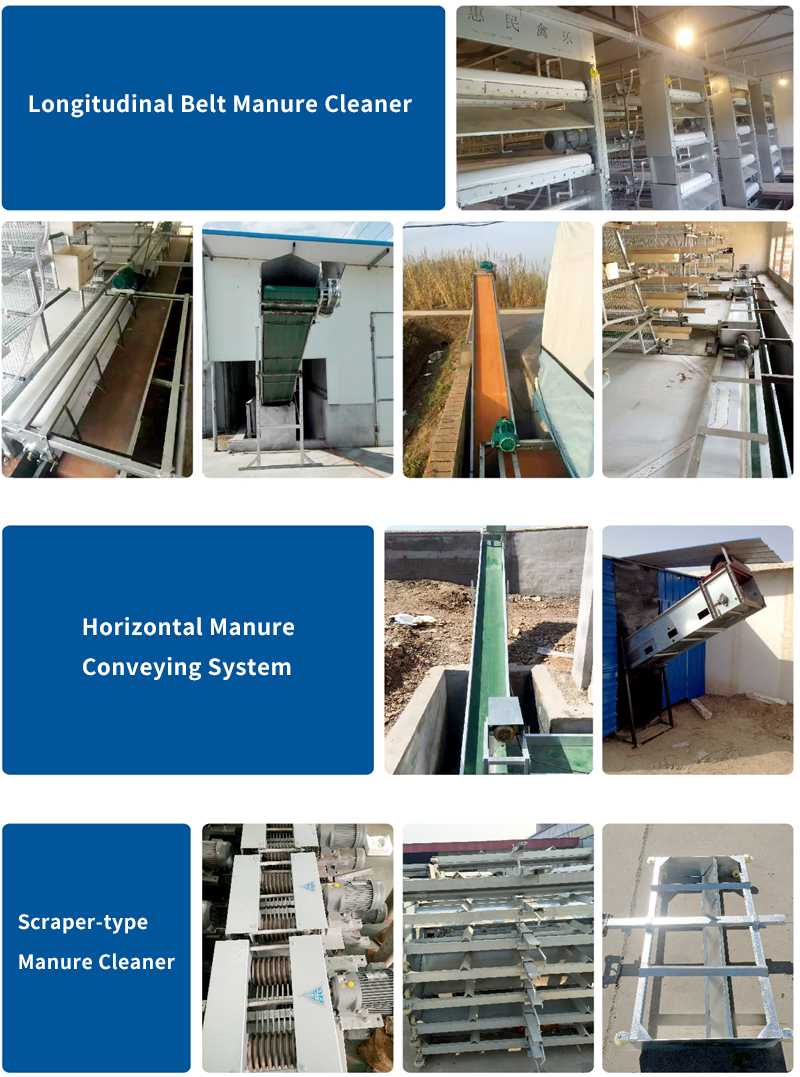
Manure Removal Machine
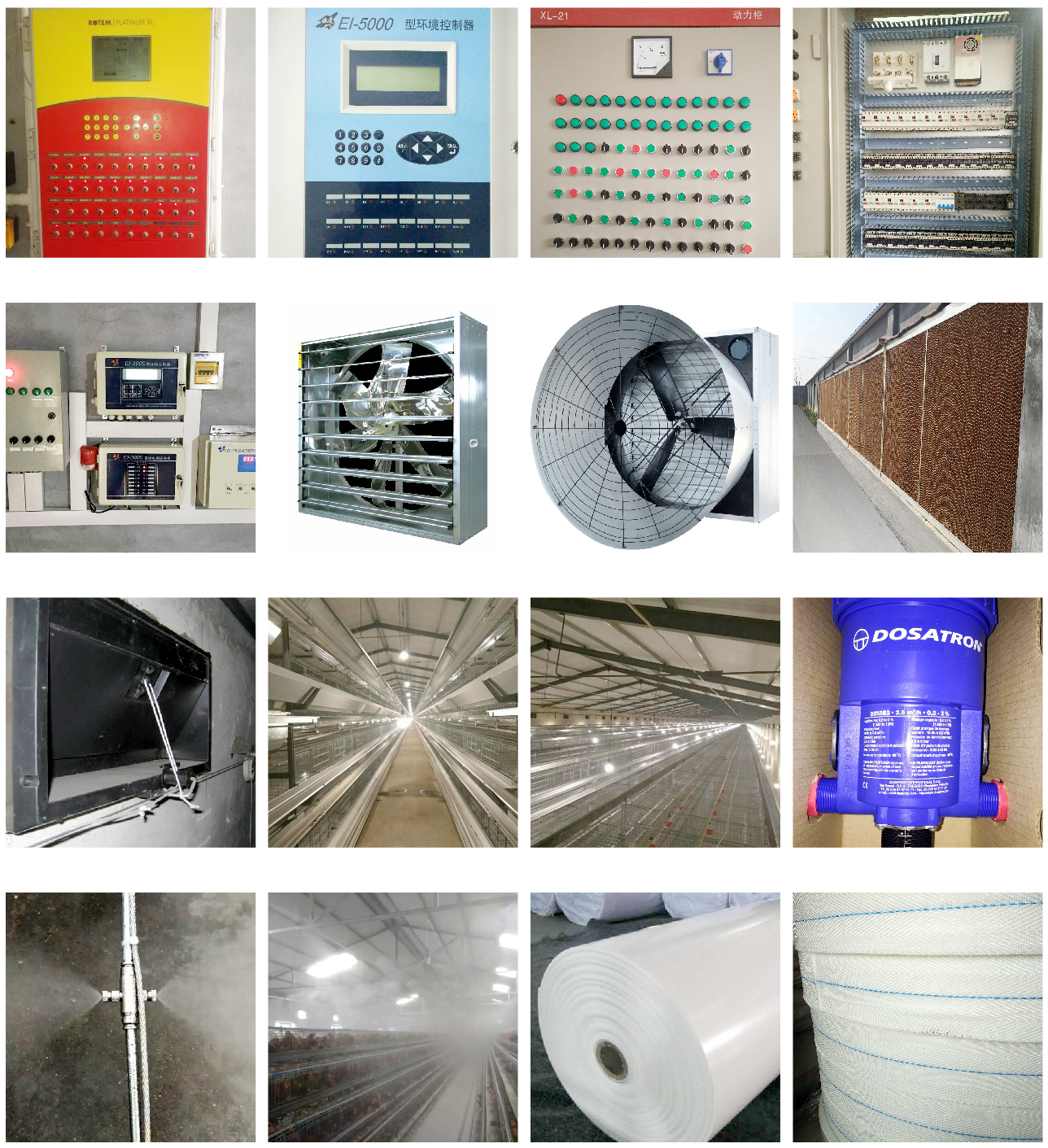
Fans, Heated Curtains, Environmental Control Systems, and Lighting Equipment
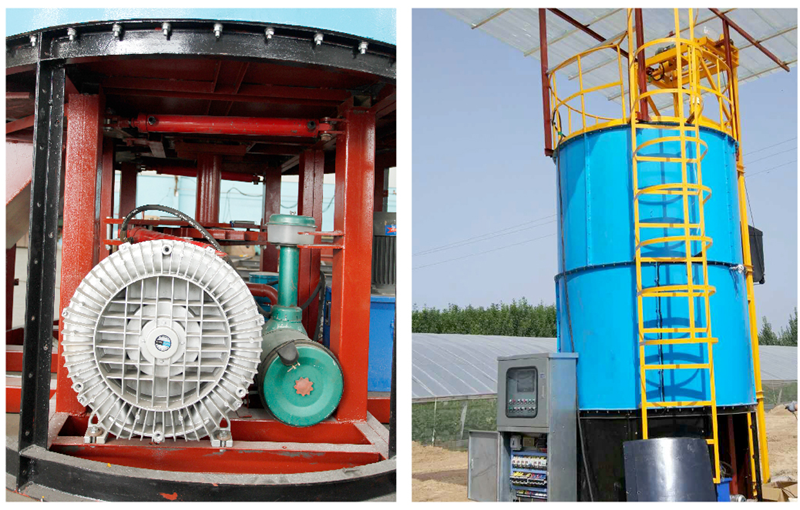
Complete Set of Equipment for Organic Fermentation Treatment of Manure
 RELATED
Бул веб-сайт биздин веб-сайтта эң жакшы тажрыйбаны алуу үчүн кукилерди колдонот.
 English
 Pусский
 Français
 العربية
 Indonesia
 қазақ
қазақ o'zbek
 тоҷикӣ
 Türkmenler
 Catalogue



 Whatsapp
 Телефон