

Introduction to Broiler Feed Line
A Broiler Feed Line is an essential component in modern poultry farming, designed to deliver feed efficiently and uniformly to broiler chickens. It plays a critical role in ensuring the health, growth, and productivity of broilers by providing consistent and adequate nutrition. These automated feeding systems are engineered to optimize feed distribution while minimizing wastage, labor costs, and feed contamination.
The broiler feed line system typically consists of feeding pans or troughs connected by an automated conveyor or auger system that transports feed from storage bins to feeding points. This mechanized approach replaces manual feeding, leading to better feed management, improved growth rates, and enhanced farm profitability.
This article will delve into the technical parameters, features, advantages, and typical applications of broiler feed lines. Additionally, it will offer usage instructions and address frequently asked questions to help poultry farmers and industry professionals make informed decisions.
Technical Parameters of Broiler Feed Line
Feed Line Length | Customizable; typically from 30 to 150 meters |
Feeding Pans | Diameter: 400-500 mm, made of plastic or metal |
Feed Conveyor Type | Chain conveyor, auger, or pneumatic feed system |
Material | Galvanized steel, stainless steel, or durable plastic |
Drive Motor Power | 0.18 kW to 1.1 kW depending on system size |
Feeding Capacity | Adjustable feed supply rate; up to 50 tons per hour |
Control System | Manual, semi-automatic, or fully automated PLC systems |
Installation Height | Adjustable height typically 1.0 to 1.5 meters |
Power Supply | 220V/380V, 50/60 Hz |
Operating Environment | Suitable for poultry houses with temperatures 5-40°C |
Noise Level | ≤60 dB (quiet operation) |
Key Features of Broiler Feed Line Systems
Modern broiler feed lines come equipped with a range of features that ensure efficiency, durability, and ease of use:
1. Automatic Feeding Control
Advanced feed lines are often integrated with automated control systems that regulate feeding intervals and quantities, adapting to broiler growth stages and minimizing feed waste.
2. Uniform Feed Distribution
The design of feeding pans and conveyors ensures feed is evenly distributed along the entire line, reducing competition among birds and promoting uniform growth.
3. Durable and Corrosion-Resistant Materials
Materials like galvanized or stainless steel resist corrosion caused by feed dust and moisture, ensuring a long service life and minimal maintenance.
4. Easy Installation and Maintenance
Modular design and adjustable components allow quick installation and easy cleaning or repair, reducing downtime and labor costs.
5. Energy Efficiency
Low-power motors and optimized feed delivery reduce energy consumption, supporting sustainable poultry farming practices.
6. Scalable Design
Broiler feed lines can be customized and extended based on farm size and production goals, accommodating both small-scale and industrial poultry houses.
7. Integrated Safety Features
Sensors and emergency stop functions protect both the animals and equipment, preventing overfeeding and mechanical failures.
Advantages of Using Broiler Feed Lines
Investing in an automated broiler feed line offers numerous benefits:
1. Improved Feed Efficiency
Accurate and consistent feed delivery minimizes wastage, saving costs on feed and improving feed conversion ratios (FCR).
2. Labor Cost Reduction
Automation reduces the need for manual labor, allowing farm staff to focus on other essential tasks and improving overall productivity.
3. Enhanced Broiler Growth
Uniform feeding helps maintain consistent bird health and weight gain, resulting in better quality poultry products.
4. Reduced Feed Contamination
Enclosed or covered feed conveyors reduce exposure to contaminants and pests, ensuring feed hygiene.
5. Time Savings
Automated systems speed up the feeding process and reduce the frequency of feeding checks.
6. Adaptability to Farm Expansion
Feed lines can be expanded or modified easily, supporting farm growth without major reinvestment.
7. Better Environmental Control
Some systems are designed to minimize dust and feed spillage, improving air quality and reducing environmental impact.
Typical Applications of Broiler Feed Lines
Broiler feed lines are widely used in:
1. Commercial Broiler Farms
For medium to large-scale poultry operations, automated feed lines are standard to meet high production demands.
2. Contract Farming Operations
Contract growers rely on uniform feed delivery to meet the specifications set by integrators and poultry processors.
3. Poultry Research Facilities
Feed lines help maintain controlled feeding regimes necessary for scientific studies on poultry nutrition and growth.
4. Broiler Breeder Farms
Consistent feeding schedules support breeding stock health and egg production.
5. Poultry Hatcheries
Some hatcheries use feed lines in post-hatch brooding facilities for uniform chick feeding.
Usage Instructions for Broiler Feed Line
Proper use and maintenance are key to maximizing the benefits of a broiler feed line system:
Step 1: Installation
Position the feed line centrally in the poultry house.
Adjust the height of feeding pans to the optimal level for broiler access (generally 20-25 cm above floor for young chicks, raised as they grow).
Secure the conveyor system to avoid vibration and noise.
Step 2: System Testing
Check electrical connections and motor function.
Test feed flow manually before automatic operation.
Ensure feeding pans are clean and free from obstructions.
Step 3: Feeding Schedule Setup
Program the automatic feeding control system according to the broiler growth stages.
Typically, feed is provided 4-6 times daily in the early stages, then gradually reduced as birds mature.
Step 4: Daily Operation
Monitor feed flow to ensure even distribution.
Check for feed blockages or spillage along the line.
Adjust feed rate if birds show signs of underfeeding or overfeeding.
Step 5: Routine Cleaning and Maintenance
Clean feeding pans and conveyors regularly to prevent feed contamination.
Lubricate moving parts as per manufacturer guidelines.
Inspect electrical components for wear or damage.
Replace worn parts promptly to avoid system failure.
Frequently Asked Questions (FAQ)
Q1: What is the ideal length for a broiler feed line in a poultry house?
A: The ideal feed line length depends on the size of the poultry house and bird density. Typical lengths range from 30 meters for small houses to over 150 meters for large commercial operations. The feed line should ensure all birds have easy access to feed.
Q2: How often should broilers be fed using a feed line system?
A: Young chicks require frequent feeding, about 4-6 times a day. As broilers grow, feeding frequency can be reduced to 2-3 times daily. Automated systems can be programmed accordingly to optimize feed intake.
Q3: Can broiler feed lines be customized for different poultry house designs?
A: Yes, feed lines are highly customizable. They can be designed to fit various house layouts, including tunnel-ventilated, curtain-sided, or naturally ventilated houses.
Q4: What materials are best for feed line components?
A: Galvanized steel is common for its corrosion resistance and durability. Stainless steel is preferred in more demanding environments. Plastic feeding pans are also popular for ease of cleaning and cost-effectiveness.
Q5: How does an automated feed line improve feed conversion ratio (FCR)?
A: By delivering feed consistently and reducing wastage, automated feed lines ensure birds receive optimal nutrition, leading to better weight gain and improved FCR.
Q6: Are broiler feed lines energy-efficient?
A: Modern systems are designed with energy efficiency in mind, utilizing low-power motors and smart control systems to minimize electricity use.
Q7: How to prevent feed contamination in broiler feed lines?
A: Regular cleaning, use of covered conveyors, and controlling moisture and pests help maintain feed hygiene.
Q8: What maintenance is required for a broiler feed line?
A: Routine cleaning, lubrication of moving parts, electrical checks, and timely replacement of worn components ensure smooth operation.
Q9: Can feed lines be integrated with other poultry house systems?
A: Yes, feed lines can be integrated with watering systems, ventilation, and environmental controls to create a fully automated poultry house.
Q10: What is the typical lifespan of a broiler feed line?
A: With proper maintenance, a high-quality feed line can last 8-15 years or more.
Conclusion
A Broiler Feed Line is a vital investment for any poultry farmer aiming to enhance feed efficiency, reduce labor, and improve broiler growth performance. By understanding the technical parameters, features, and correct usage of these systems, farmers can optimize their poultry feeding operations for maximum profitability and sustainability.
Automated feed lines represent the future of poultry farming, delivering precision, consistency, and convenience that manual feeding simply cannot match. Whether you run a small farm or a large industrial operation, choosing the right broiler feed line system and maintaining it well will contribute significantly to your success.
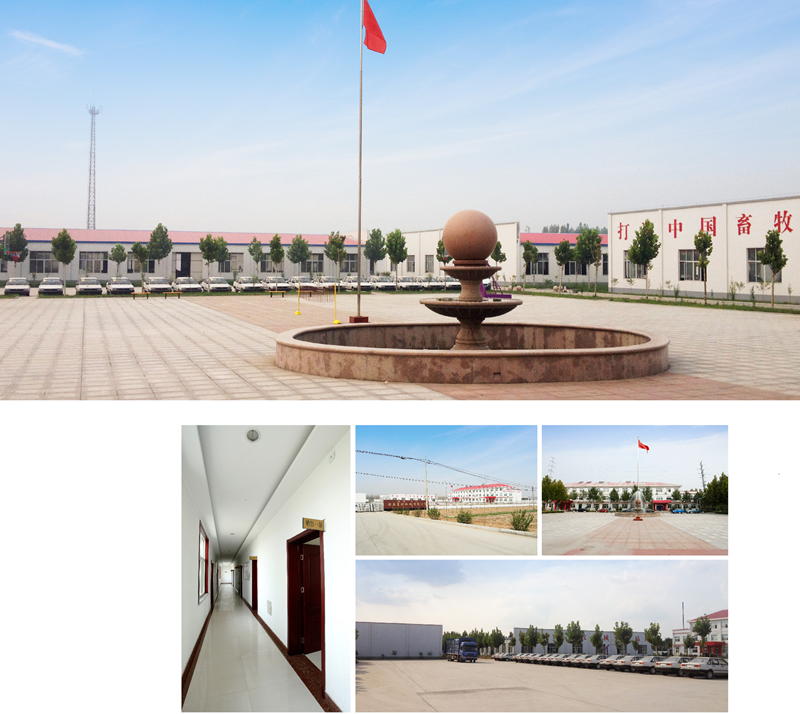
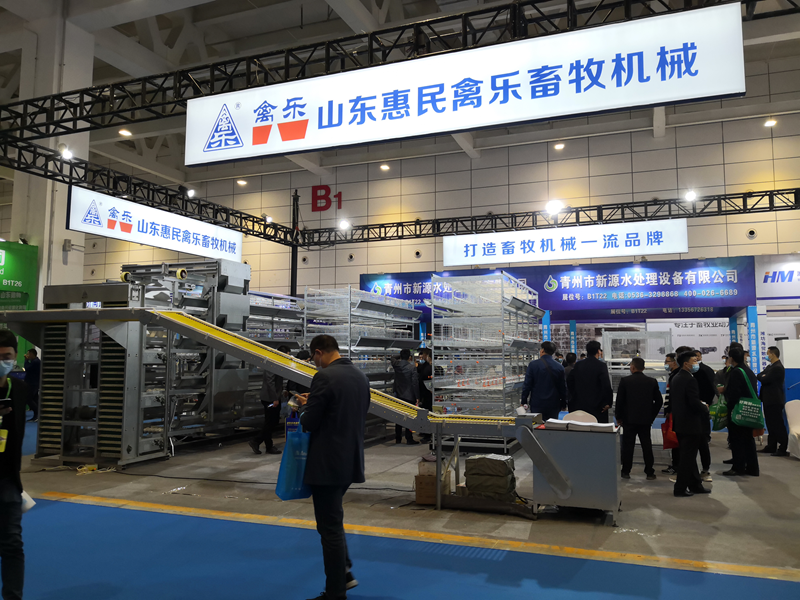
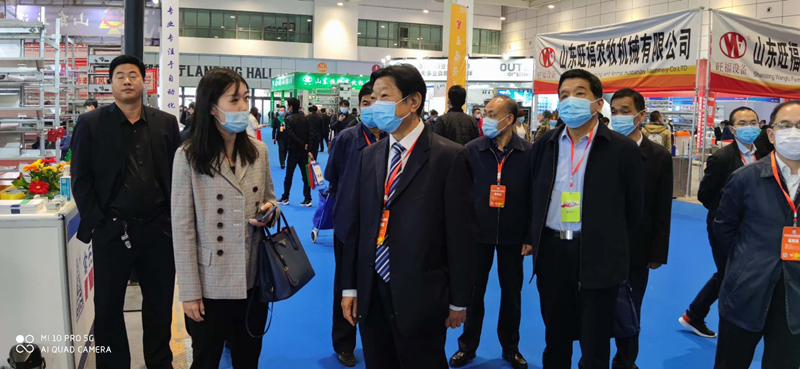
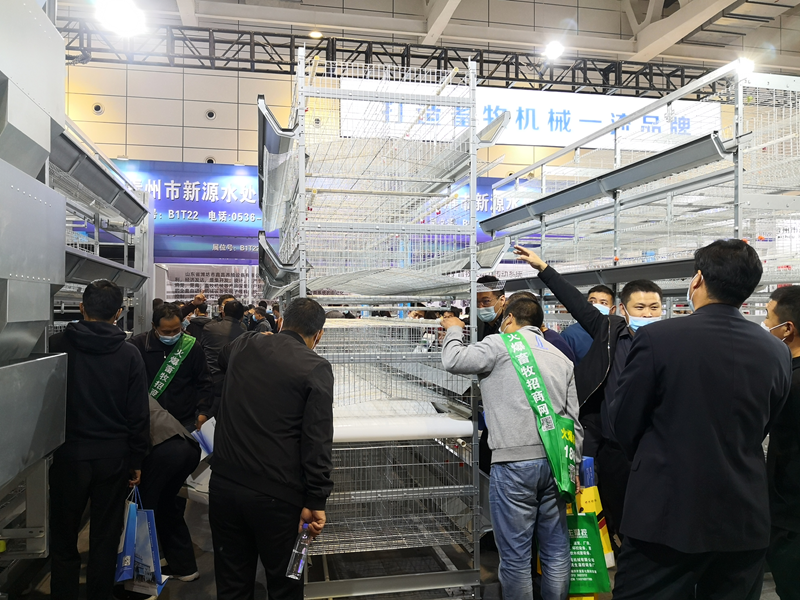
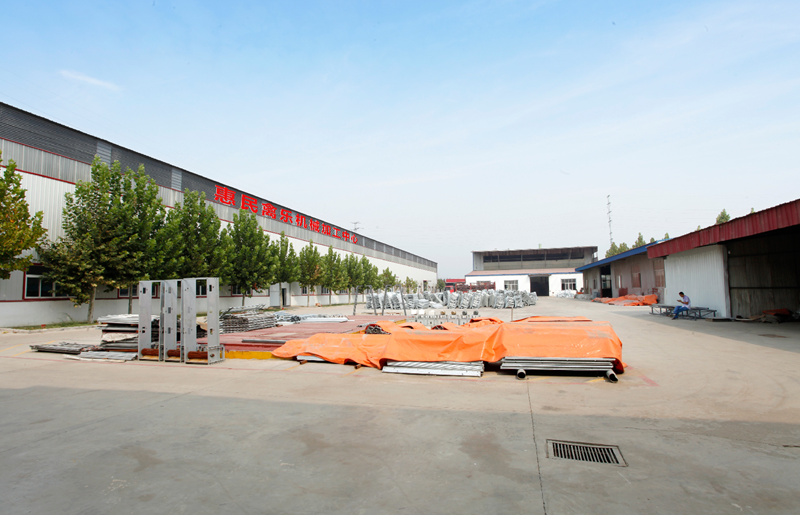
Shandong Huimin Qinle Livestock Machinery Co., Ltd. (formerly Shandong Huimin Qinle Livestock Machinery Factory) is a professional poultry equipment manufacturer with over 20 years of experience. We offer a comprehensive service package, from design (land and chicken coops), production (equipment and prefabricated steel coops), installation, commissioning, customer training, and after-sales service.
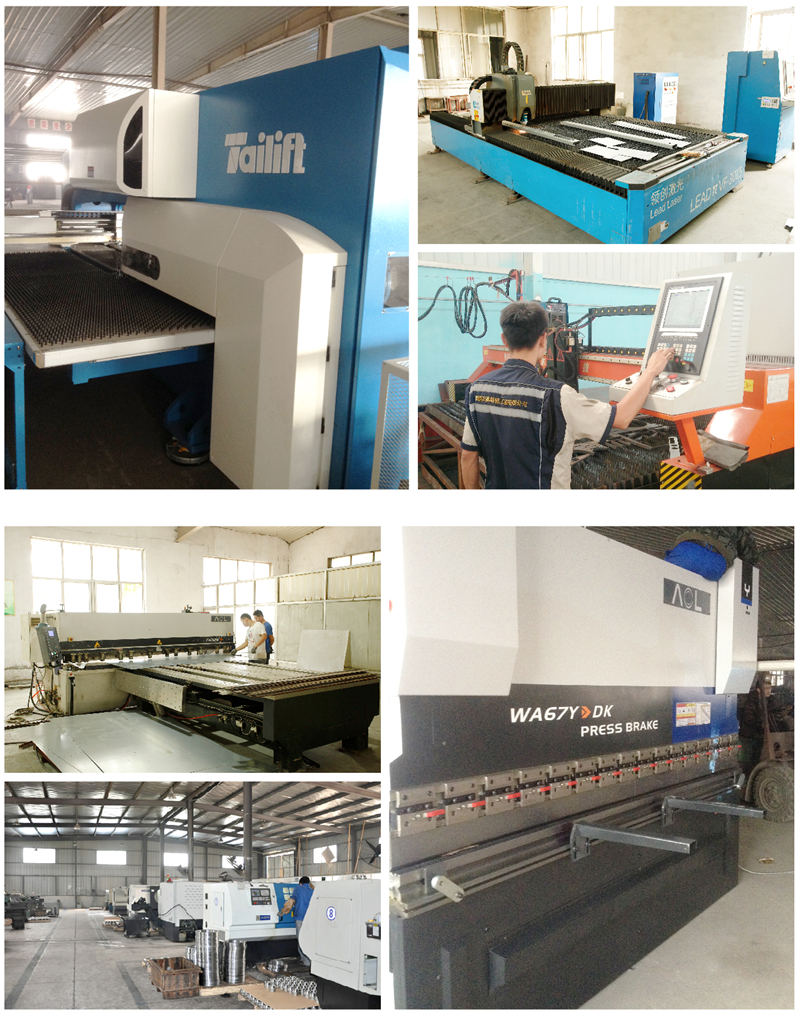
Located in Huimin County, Binzhou City, Shandong Province, China, the company has extensive experience in mechanical processing and manufacturing, as well as livestock machinery production and operation. With fixed assets of RMB 15 million, the company employs 160 people, including 30 R&D staff, and occupies a 40,000-square-meter factory. Equipped with over 110 pieces of advanced precision production equipment, including CNC machining centers and laser cutting machines, the company boasts a production capacity of RMB 50 million.
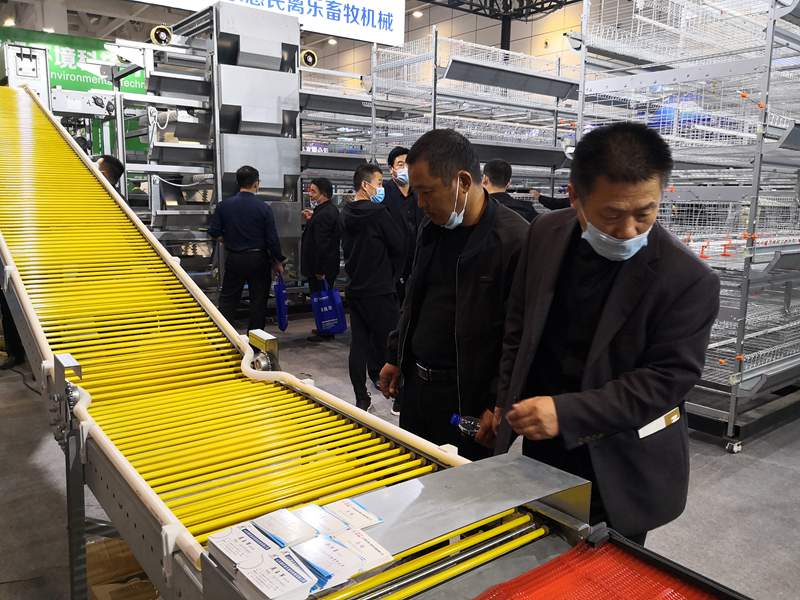
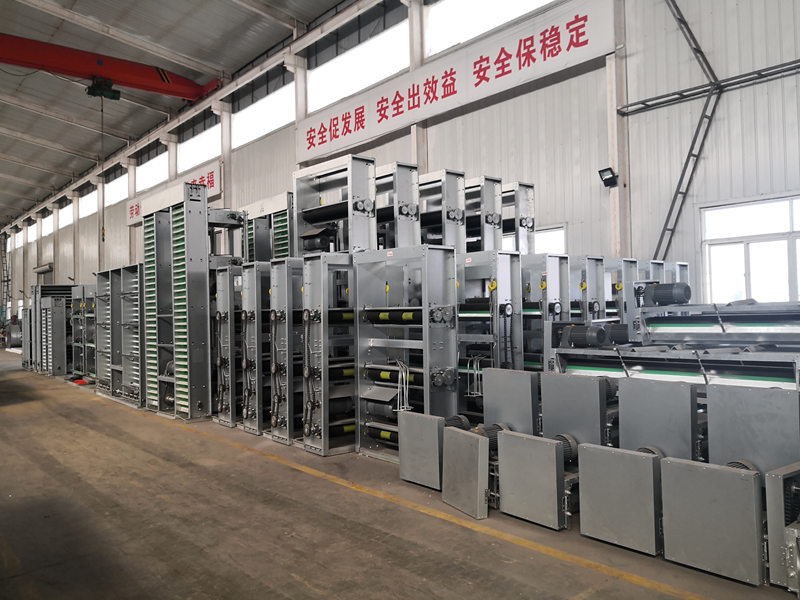
Chicken Farming Equipment Mesh Production Workshop

Machining Workshop
Turret-type CNC Punch Press, Laser Cutting and Other Machining Equipment
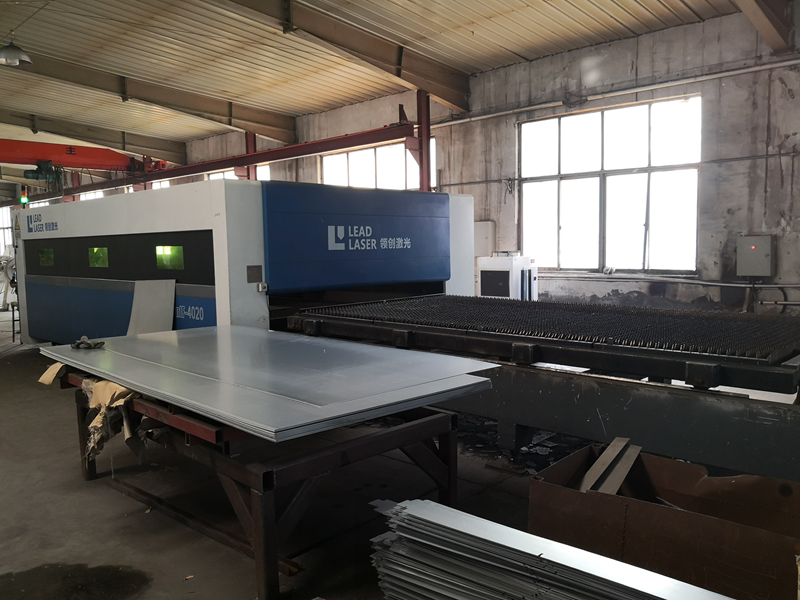

Fully Automated Roll Forming Production Line

Hot-dip Galvanizing Production Line

Electroplating Production Line
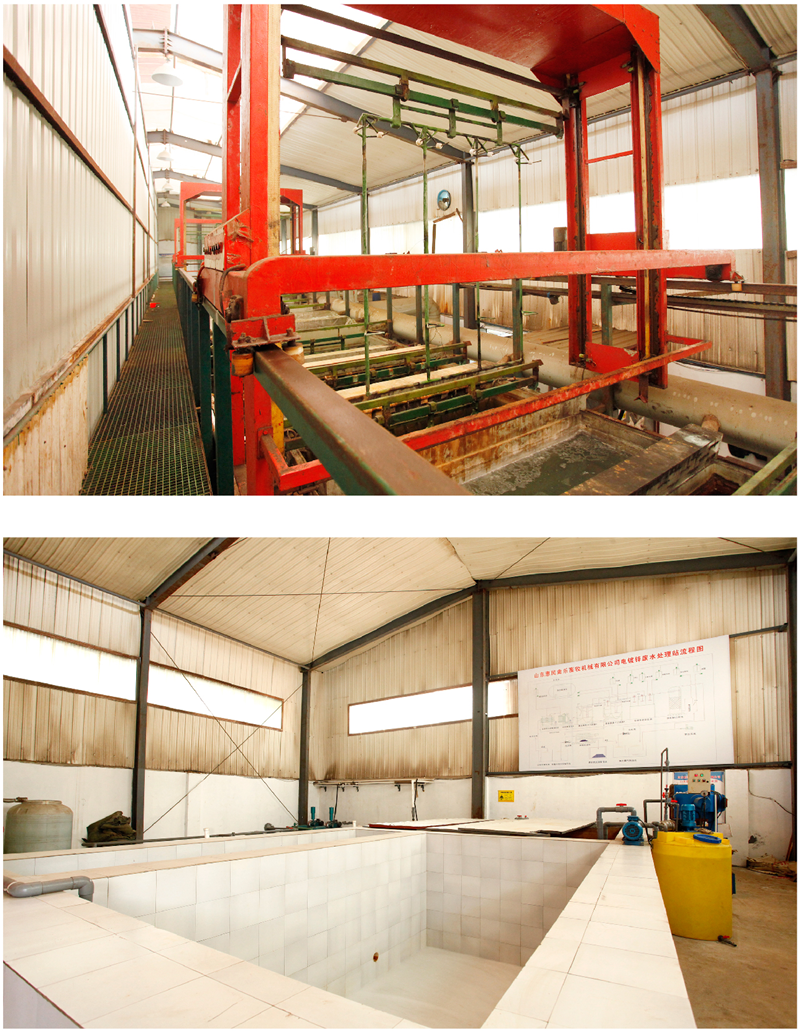
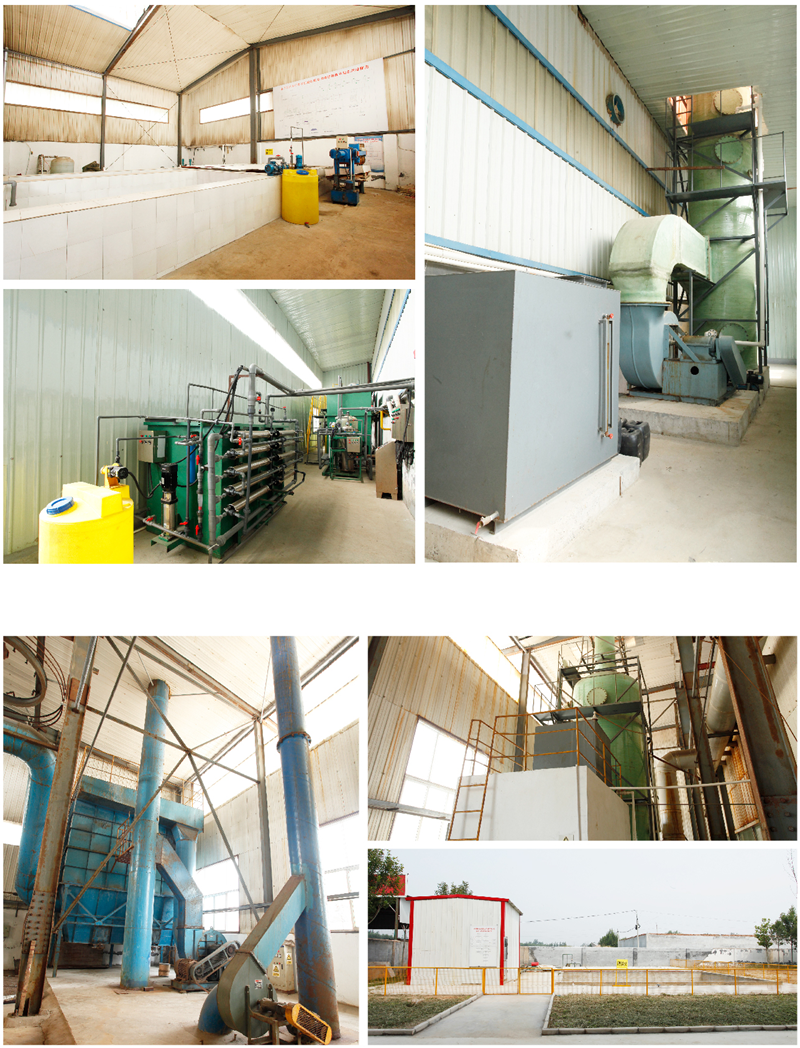
Environmental Protection Equipment
Chicken Farming Equipment Product Series
Egg-laying Hen Farming Equipment
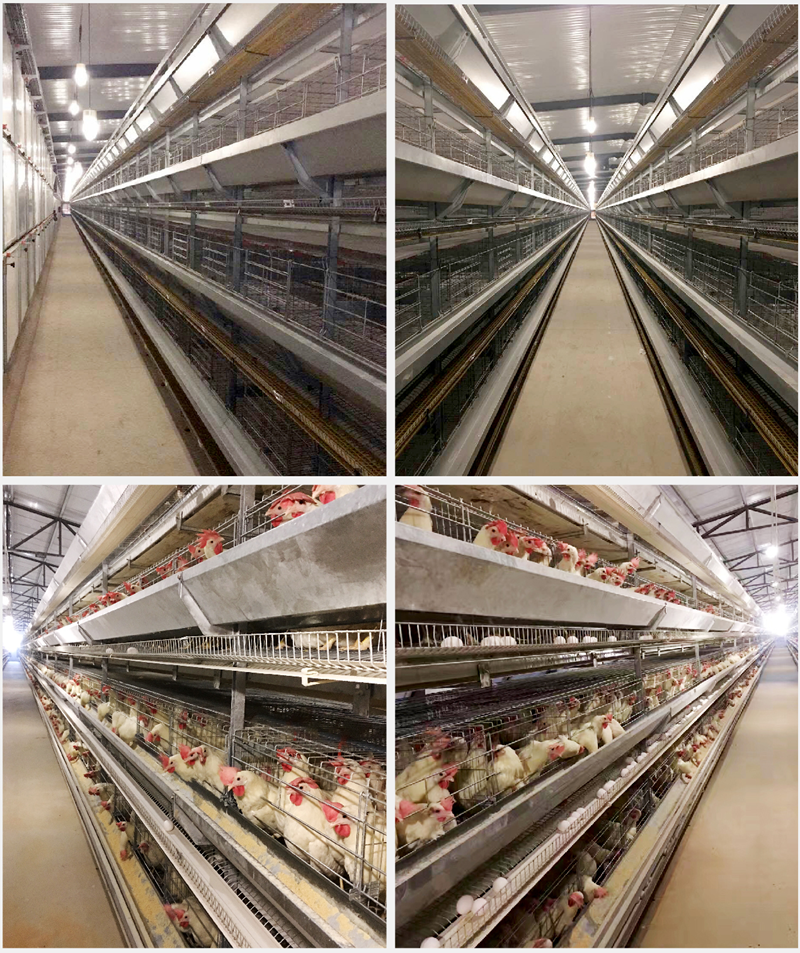
Stacked Brooding Cage Equipment

Stacked Broiler Cage Equipment
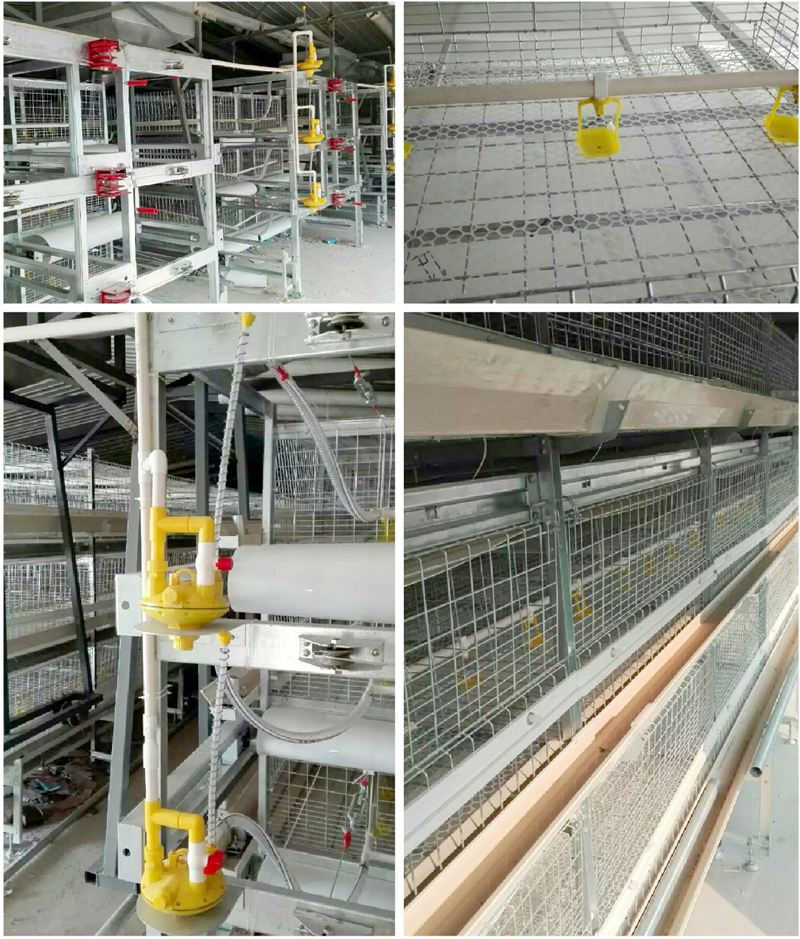
Stepped Layer Hen Cage Rearing Equipment
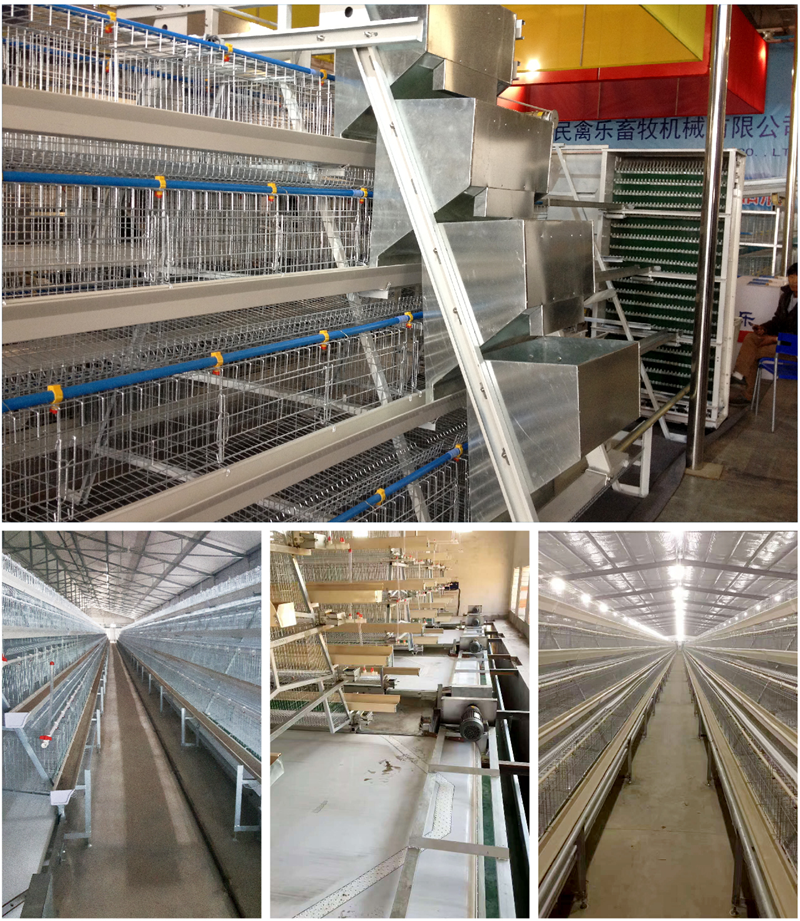
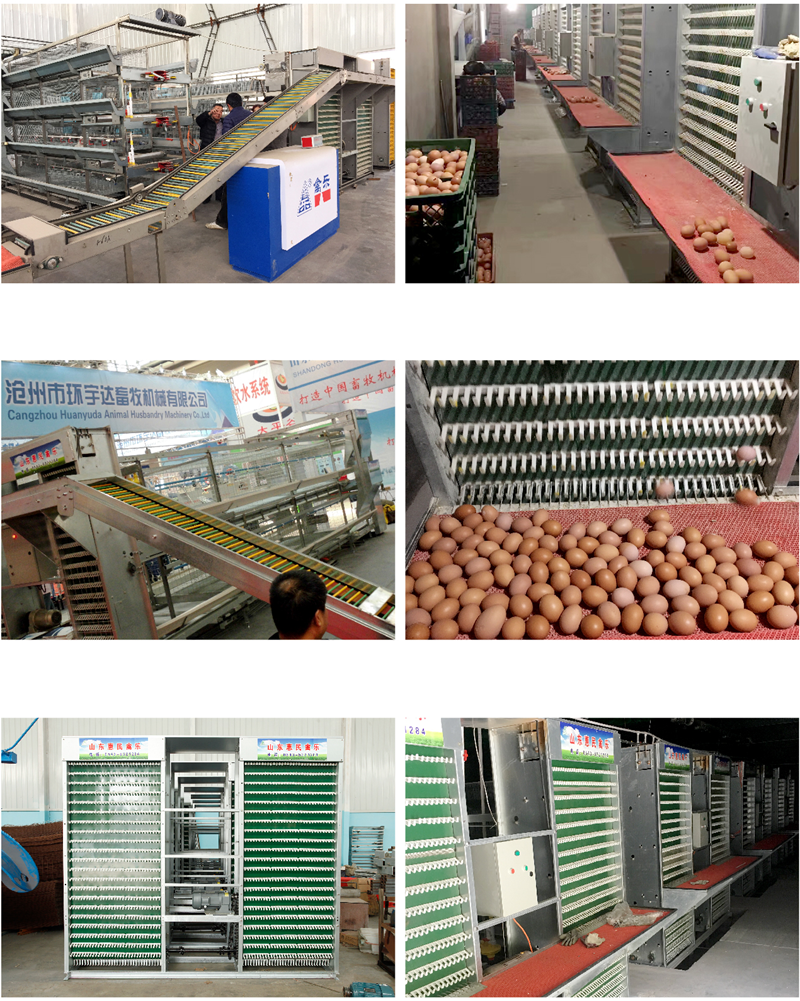
Automatic Egg Collection System
H-type Cage Feeding Machine
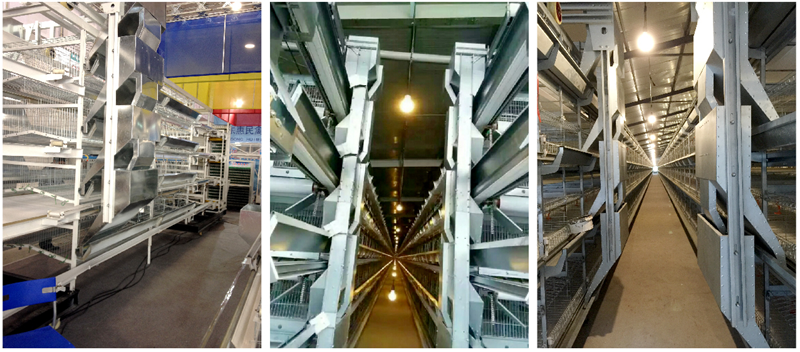
Stepped Cage Straddle Feeder
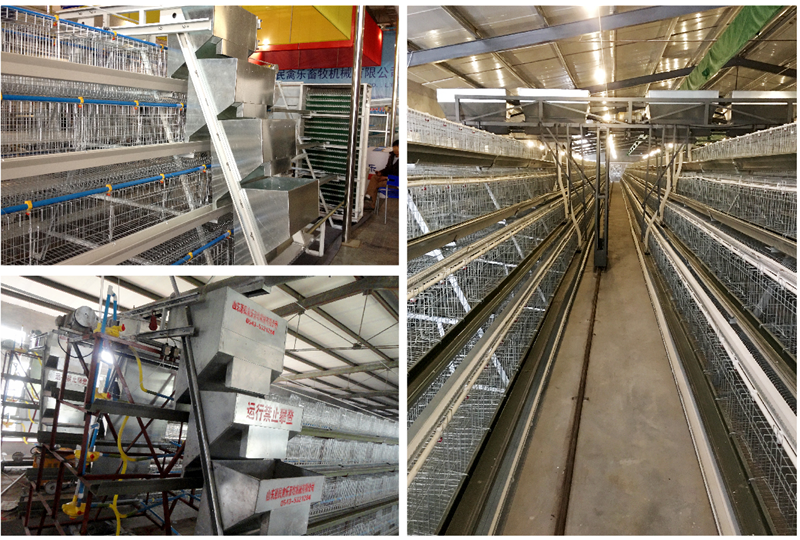
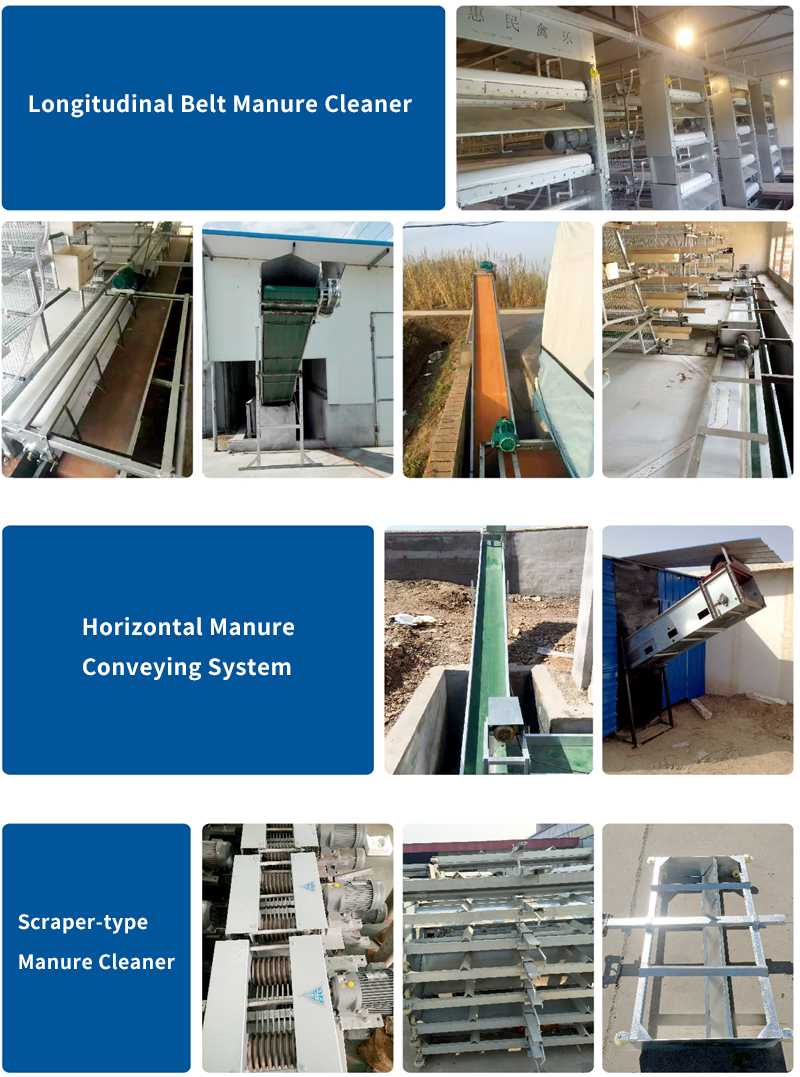
Manure Removal Machine
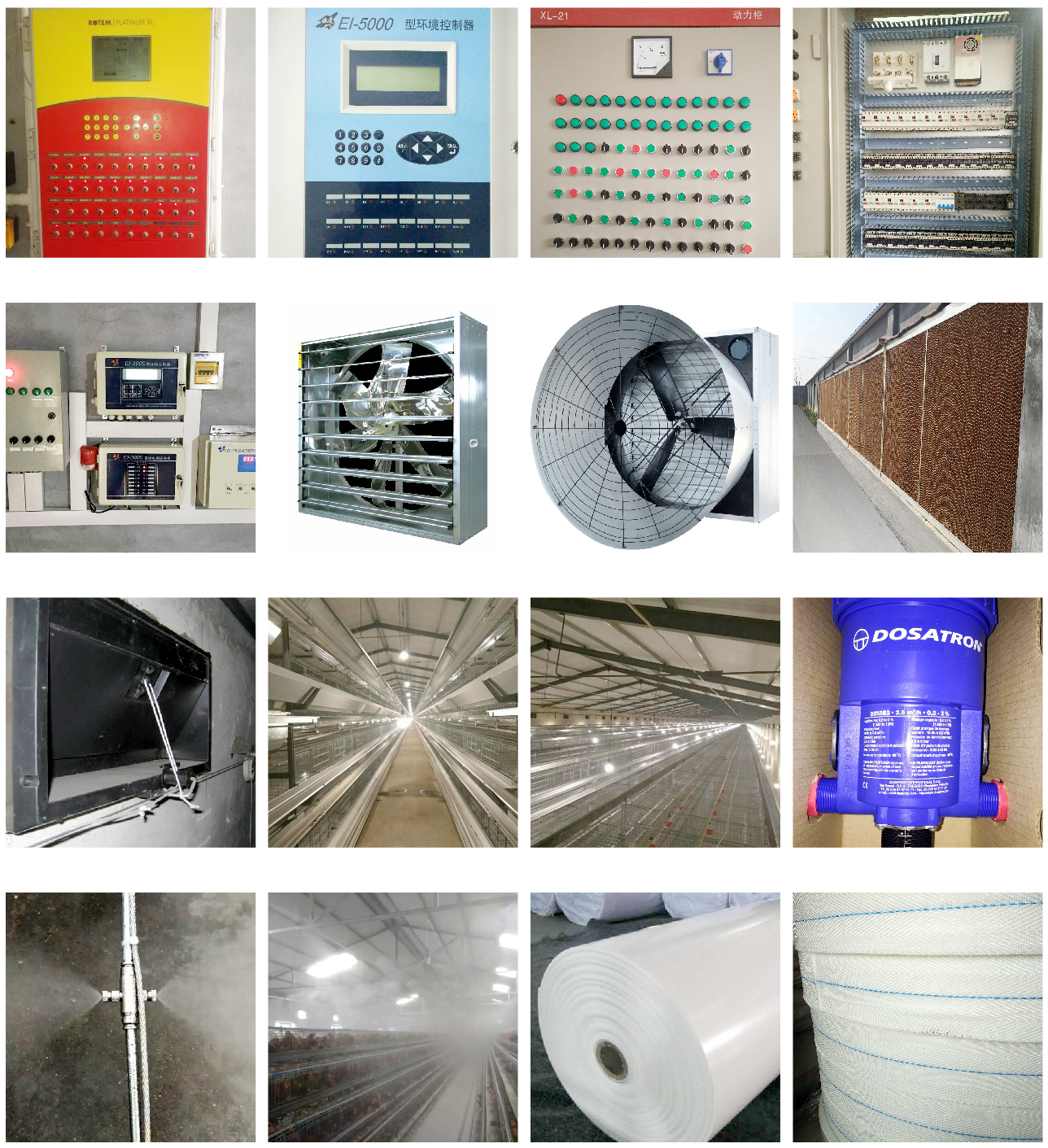
Fans, Heated Curtains, Environmental Control Systems, and Lighting Equipment
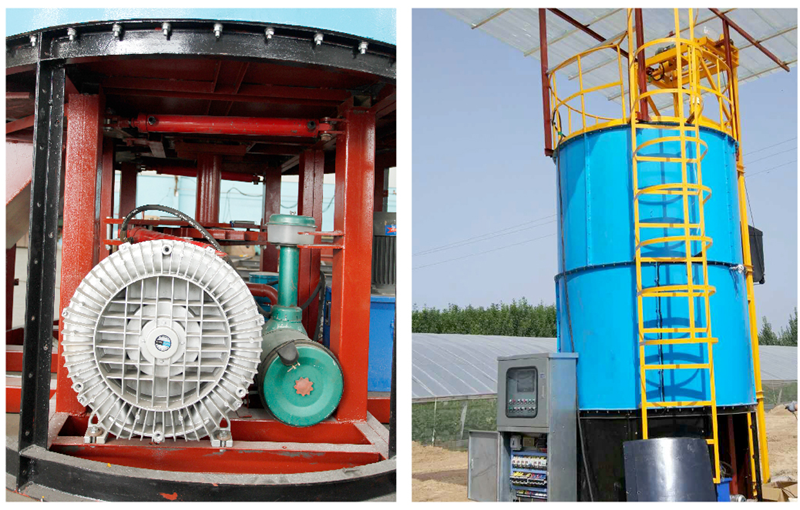
Complete Set of Equipment for Organic Fermentation Treatment of Manure
Бул веб-сайт биздин веб-сайтта эң жакшы тажрыйбаны алуу үчүн кукилерди колдонот.
 English
 Pусский
 Français
 العربية
 Indonesia
 қазақ
қазақ o'zbek
 тоҷикӣ
 Türkmenler
 Catalogue



 Whatsapp
 Телефон