

Introduction to Poultry Feed Dispenser
A Poultry Feed Dispenser is an essential piece of equipment in modern poultry farming designed to automate and streamline the delivery of feed to poultry birds such as chickens, ducks, turkeys, and quails. It provides precise, consistent, and controlled feed distribution, ensuring optimal nutrition, reducing feed waste, and improving overall poultry health and productivity.
With increasing demand for poultry products worldwide, efficient feed management systems like poultry feed dispensers have become indispensable in both small-scale farms and large commercial poultry operations. These dispensers vary in size, capacity, and automation levels, catering to diverse farm needs and environments.
This guide provides an in-depth look at poultry feed dispensers, covering technical parameters, features, advantages, applications, user instructions, and frequently asked questions (FAQs). Whether you're a poultry farmer, supplier, or industry stakeholder, this comprehensive overview will assist you in understanding the benefits and operational aspects of poultry feed dispensers.
Technical Parameters of Poultry Feed Dispenser
Dispenser Capacity | 5 to 50 kg or more depending on model size |
Feed Types Compatible | Crumbled feed, pellets, mash, grains |
Material | Food-grade plastic, stainless steel, galvanized steel |
Dispenser Dimensions | Varies; common sizes range from 30 cm to 1 m height |
Discharge Mechanism | Gravity-fed, auger-driven, pneumatic, or electric feed release |
Power Supply | Manual, battery-powered, or electric (220V/110V) |
Feeding Control | Timed, sensor-activated, manual control |
Installation Type | Floor-mounted, hanging/suspended, or wall-mounted |
Operating Temperature | 0°C to 45°C |
Noise Level | ≤50 dB (quiet operation) |
Feed Flow Rate | Adjustable according to feed type and bird age |
Key Features of Poultry Feed Dispenser
Modern poultry feed dispensers incorporate features aimed at optimizing feed management and poultry welfare:
1. Automated Feed Dispensing
Many dispensers come with programmable timers or sensors to automate feeding schedules, reducing labor and ensuring timely feed availability.
2. Feed Quantity Control
Adjustable feed portions prevent overfeeding or underfeeding, which is critical for feed cost control and bird health.
3. Durable and Hygienic Construction
Made from food-grade materials resistant to corrosion, moisture, and wear, ensuring feed remains uncontaminated and fresh.
4. Versatility in Installation
Can be mounted in various ways to suit different poultry housing layouts, whether floor-level for chicks or suspended for adult birds.
5. Easy Cleaning and Maintenance
Dispenser components are designed for easy disassembly and cleaning to maintain hygiene and prevent disease.
6. Low Power Consumption
Energy-efficient motors or manual designs make dispensers economical for small and large-scale farms.
7. Integrated Safety Features
Safety mechanisms prevent feed jams, spillage, and mechanical damage, ensuring smooth operation.
Advantages of Using Poultry Feed Dispenser
Utilizing a poultry feed dispenser offers multiple benefits to poultry farmers:
1. Improved Feed Efficiency
Controlled feed dispensing reduces wastage and optimizes feed utilization, lowering feed costs which typically account for 60-70% of total poultry production expenses.
2. Labor Savings
Automating feed delivery cuts down the need for manual feeding, saving time and labor costs.
3. Consistent Nutrition
Regular and measured feeding supports steady growth and better flock health by maintaining consistent nutrition.
4. Reduced Feed Contamination
Feed dispensers protect feed from moisture, pests, and contaminants, ensuring safer food intake for poultry.
5. Enhanced Poultry Welfare
Easy access to feed encourages natural feeding behaviors, reducing stress and promoting uniform flock development.
6. Scalability and Flexibility
Feed dispensers can be used in small backyard farms or integrated into large commercial poultry operations.
7. Better Farm Management
Automated dispensers facilitate data collection on feed consumption, enabling informed decisions and efficient resource management.
Application Scenarios for Poultry Feed Dispenser
Poultry feed dispensers are versatile and can be applied in various poultry farming contexts:
1. Commercial Poultry Farms
Large poultry operations utilize automated feed dispensers integrated with feeding lines and house management systems to enhance productivity.
2. Backyard and Small-Scale Farms
Manual or semi-Automatic Feed Dispensers are ideal for small farmers seeking convenience and improved feeding accuracy.
3. Breeder Farms
Maintaining precise feed schedules is critical for breeder flocks to ensure optimal egg production and fertility rates.
4. Poultry Hatcheries
Post-hatch brooding areas use feed dispensers for consistent chick feeding, improving survival rates.
5. Research Facilities
Feed dispensers help researchers maintain controlled feeding regimes in experiments studying poultry nutrition and growth.
6. Organic and Free-Range Farming
Feed dispensers adapted for outdoor use help provide supplemental feed while managing wastage and exposure.
Usage Instructions for Poultry Feed Dispenser
To maximize efficiency and lifespan, proper usage and maintenance are essential:
Step 1: Installation
Choose an installation location accessible to all birds.
For hanging dispensers, suspend at an appropriate height (10-15 cm above floor for chicks; 20-25 cm for adults).
Ensure the dispenser is securely fixed to prevent tipping or damage.
Step 2: Filling the Dispenser
Use clean, dry feed to prevent clogging and spoilage.
Do not overfill beyond capacity to avoid feed compression or jamming.
Step 3: Setting Feed Quantity and Schedule
Adjust feed outlet size or timer controls according to bird age and appetite.
Start with frequent, small feedings for chicks and increase quantity and interval as birds mature.
Step 4: Daily Monitoring
Observe feed levels and bird access regularly.
Check for feed flow blockages or mechanical issues.
Refill dispenser as necessary to maintain continuous feed availability.
Step 5: Cleaning and Maintenance
Clean feed dispensers weekly or as needed to remove feed residue and dust.
Disassemble parts where applicable for thorough cleaning.
Inspect moving parts and replace worn components.
Keep electrical or motorized parts dry and dust-free.
Step 6: Troubleshooting
If feed flow stops, check for blockages or damaged components.
Adjust feed outlet size if feed dispensed is too much or too little.
Consult manufacturer manuals for advanced troubleshooting.
Frequently Asked Questions (FAQ)
Q1: What types of feed can be used with poultry feed dispensers?
A: Most dispensers accommodate various feed types such as pellets, crumbles, mash, grains, and mixed feeds. However, feed size and moisture content should match dispenser specifications to prevent clogging.
Q2: Can poultry feed dispensers be used for all bird ages?
A: Yes. Dispensers come in adjustable sizes and heights to cater to chicks, growers, and adult birds. For young chicks, low-level feeders with small openings are preferred.
Q3: How often should I clean the poultry feed dispenser?
A: Cleaning should be done at least once a week, or more frequently in humid or dusty conditions, to prevent mold, bacterial growth, and feed contamination.
Q4: Are automated poultry feed dispensers expensive?
A: Costs vary widely depending on features, capacity, and automation level. Manual or semi-automatic models are affordable for small farms, while fully automated systems involve higher initial investment but offer greater labor savings.
Q5: How do poultry feed dispensers improve feed efficiency?
A: By delivering precise amounts of feed on a controlled schedule, dispensers reduce overfeeding and spillage, optimizing feed usage and lowering costs.
Q6: Can poultry feed dispensers be integrated with other poultry house systems?
A: Yes. Modern dispensers can be connected with environmental controls, waterers, and farm management software for synchronized operation.
Q7: What maintenance is required for motorized feed dispensers?
A: Regular lubrication, inspection of electrical wiring, motor checks, and cleaning feed contact parts are necessary to ensure smooth operation and avoid breakdowns.
Q8: Is it necessary to adjust feed dispensing according to bird growth stages?
A: Absolutely. Feeding requirements change as birds mature; therefore, feed quantity and frequency should be adjusted to meet nutritional needs and prevent wastage.
Q9: How do I prevent feed clogging in the dispenser?
A: Use dry feed, avoid mixing feed types, clean the dispenser regularly, and ensure the feed outlet is appropriately sized for feed particle dimensions.
Q10: What are the signs that a poultry feed dispenser needs repair or replacement?
A: Signs include inconsistent feed dispensing, mechanical noises, visible wear or corrosion, frequent feed jams, or electrical failures in motorized models.
Conclusion
A Poultry Feed Dispenser is a vital tool for efficient and effective poultry feeding management. Whether you run a small backyard flock or a large commercial operation, investing in the right feed dispenser can lead to improved feed efficiency, reduced labor, and healthier birds.
By understanding the key parameters, features, and proper usage of poultry feed dispensers, farmers can optimize feed delivery and support sustainable poultry production. Automation and precision feeding are the future of modern poultry farming, helping to meet growing global demands while maintaining animal welfare and farm profitability.
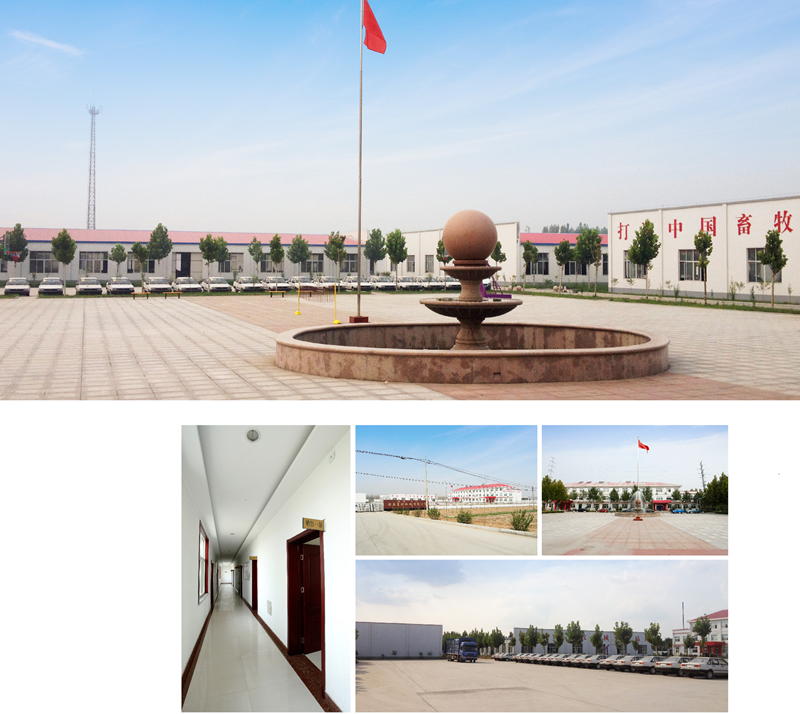
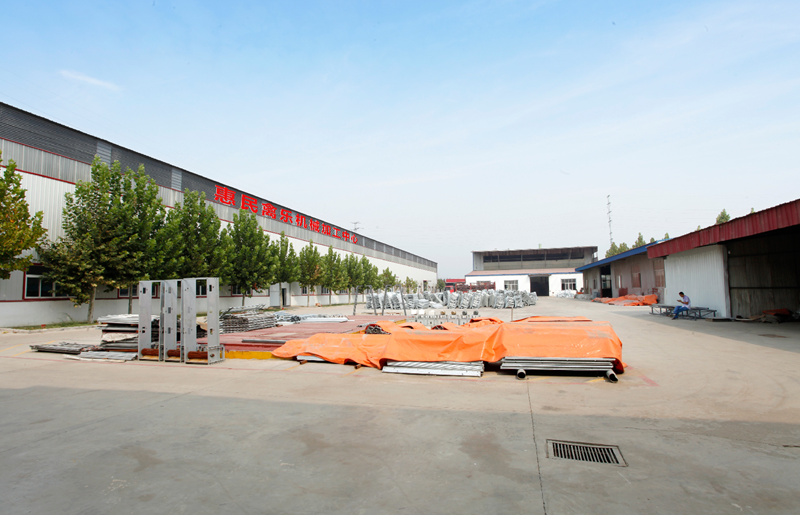
Shandong Huimin Qinle Livestock Machinery Co., Ltd. (formerly Shandong Huimin Qinle Livestock Machinery Factory) is a professional poultry equipment manufacturer with over 20 years of experience. We offer a comprehensive service package, from design (land and chicken coops), production (equipment and prefabricated steel coops), installation, commissioning, customer training, and after-sales service.
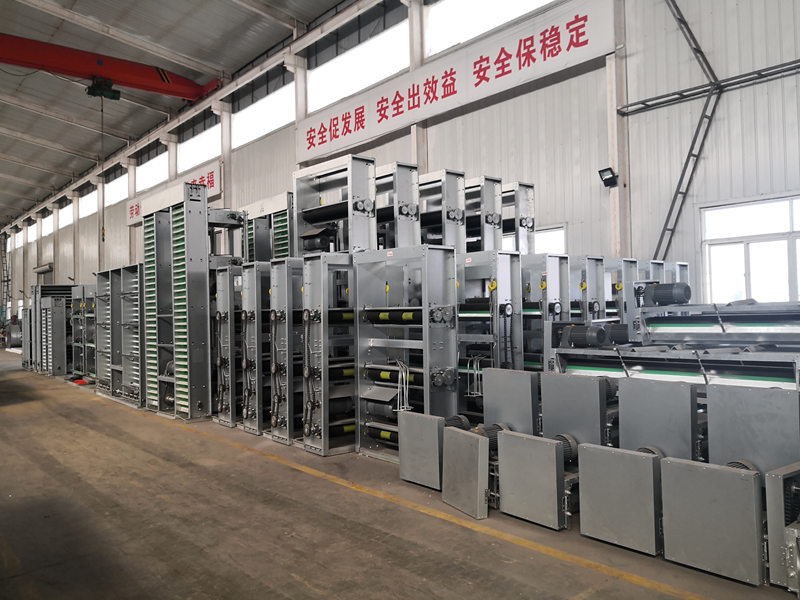
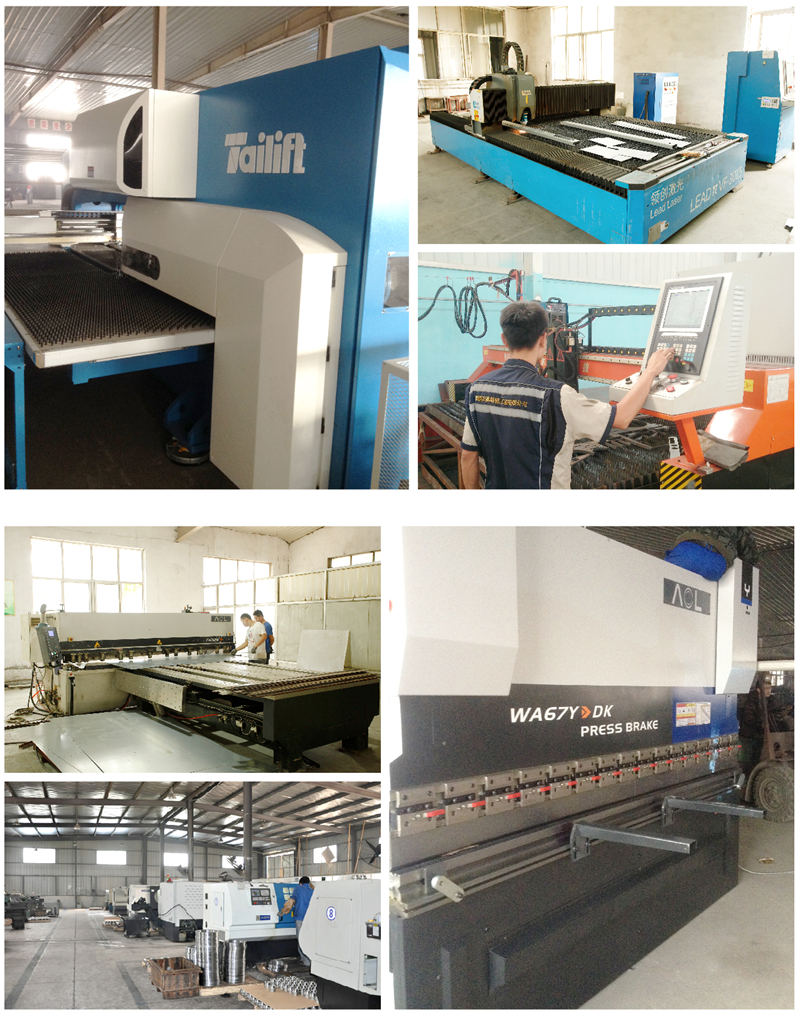
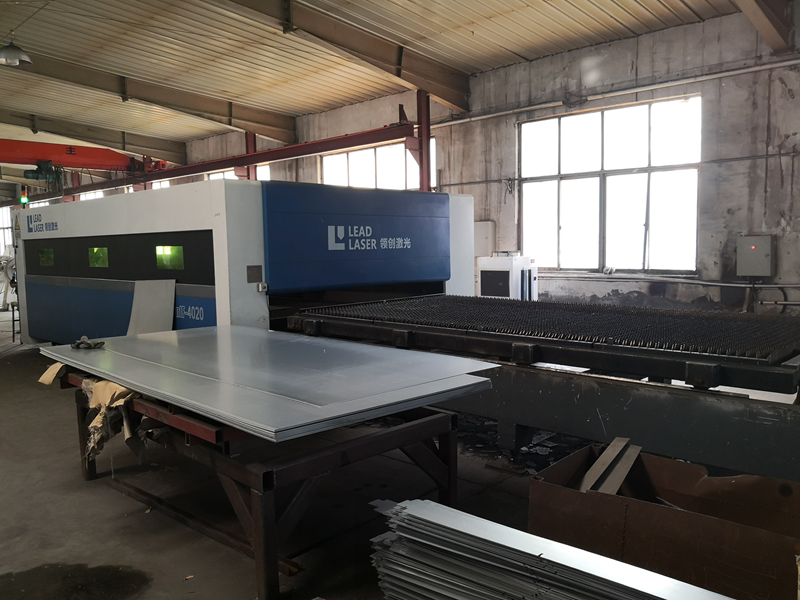
Located in Huimin County, Binzhou City, Shandong Province, China, the company has extensive experience in mechanical processing and manufacturing, as well as livestock machinery production and operation. With fixed assets of RMB 15 million, the company employs 160 people, including 30 R&D staff, and occupies a 40,000-square-meter factory. Equipped with over 110 pieces of advanced precision production equipment, including CNC machining centers and laser cutting machines, the company boasts a production capacity of RMB 50 million.
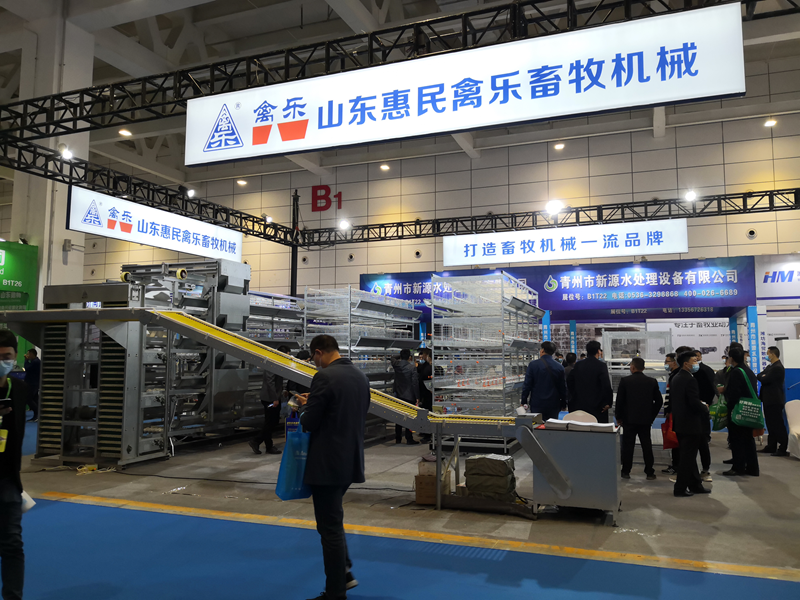

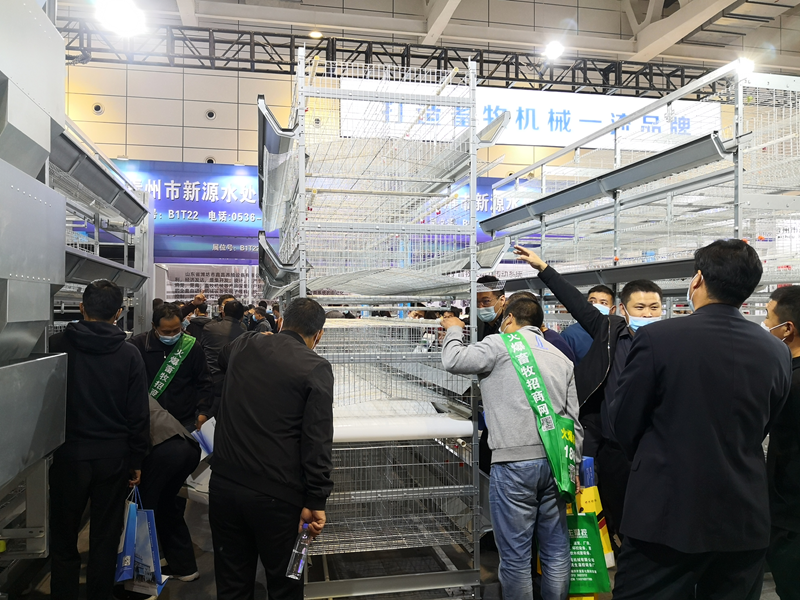
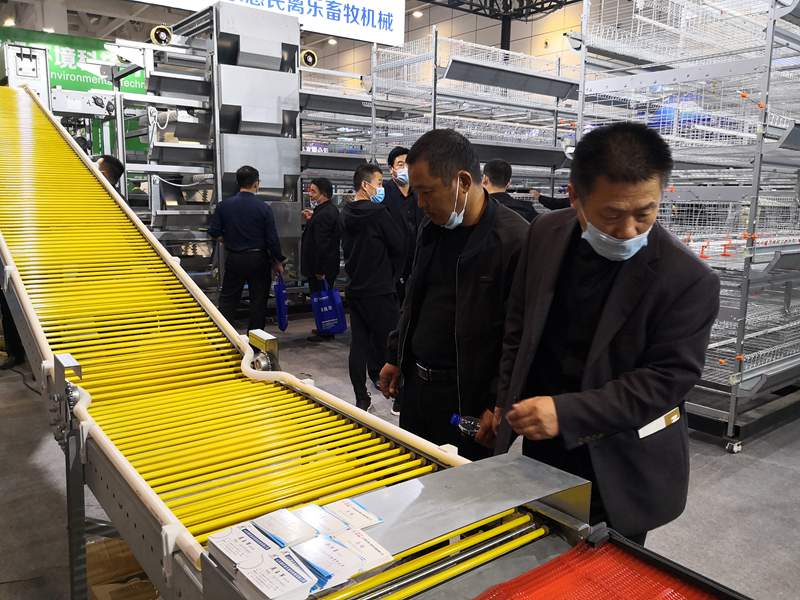
Chicken Farming Equipment Mesh Production Workshop

Machining Workshop
Turret-type CNC Punch Press, Laser Cutting and Other Machining Equipment

Fully Automated Roll Forming Production Line

Hot-dip Galvanizing Production Line

Electroplating Production Line
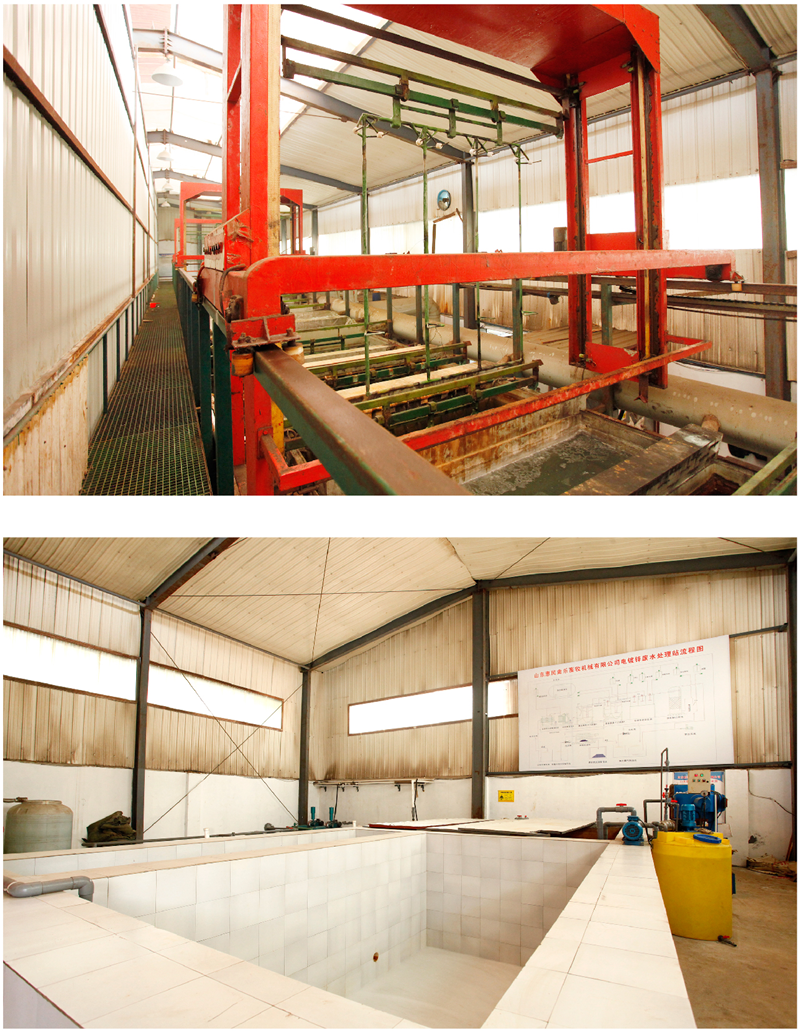
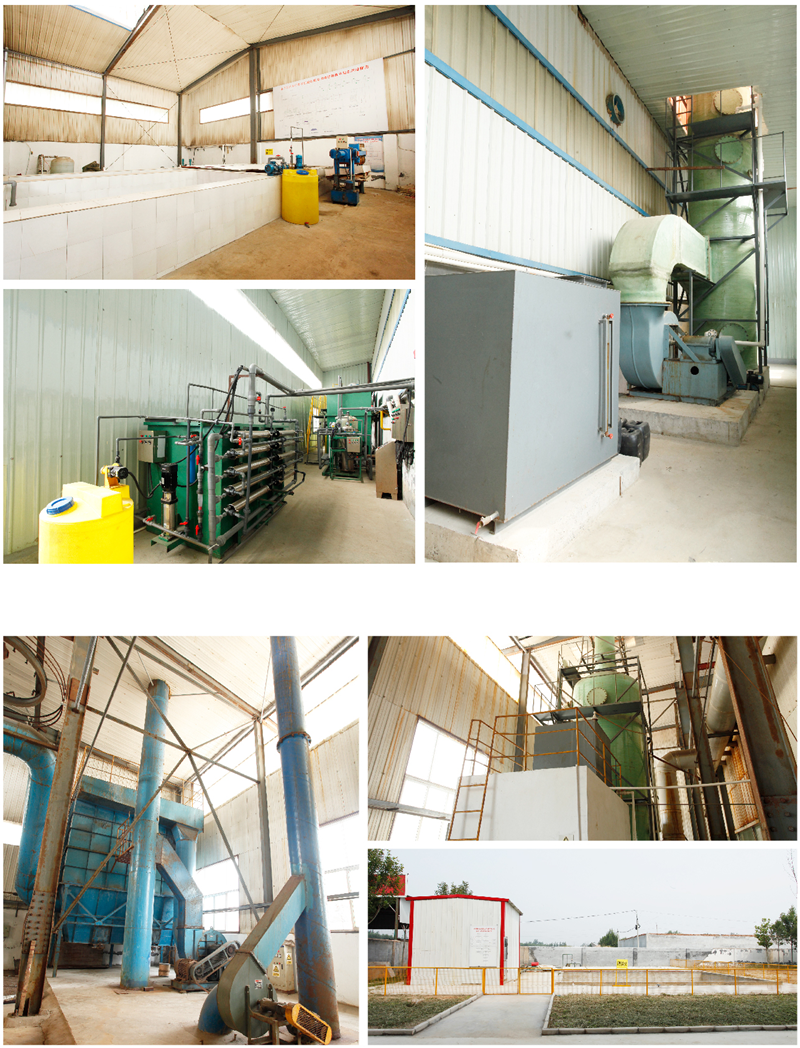
Environmental Protection Equipment
Chicken Farming Equipment Product Series
Egg-laying Hen Farming Equipment
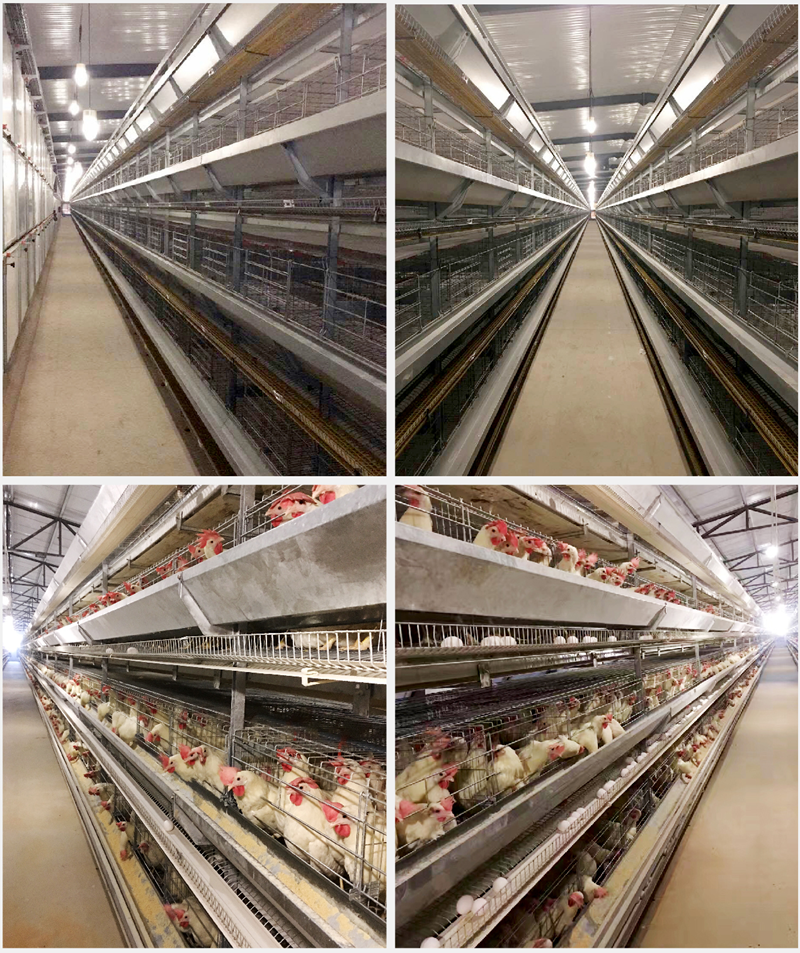
Stacked Brooding Cage Equipment

Stacked Broiler Cage Equipment
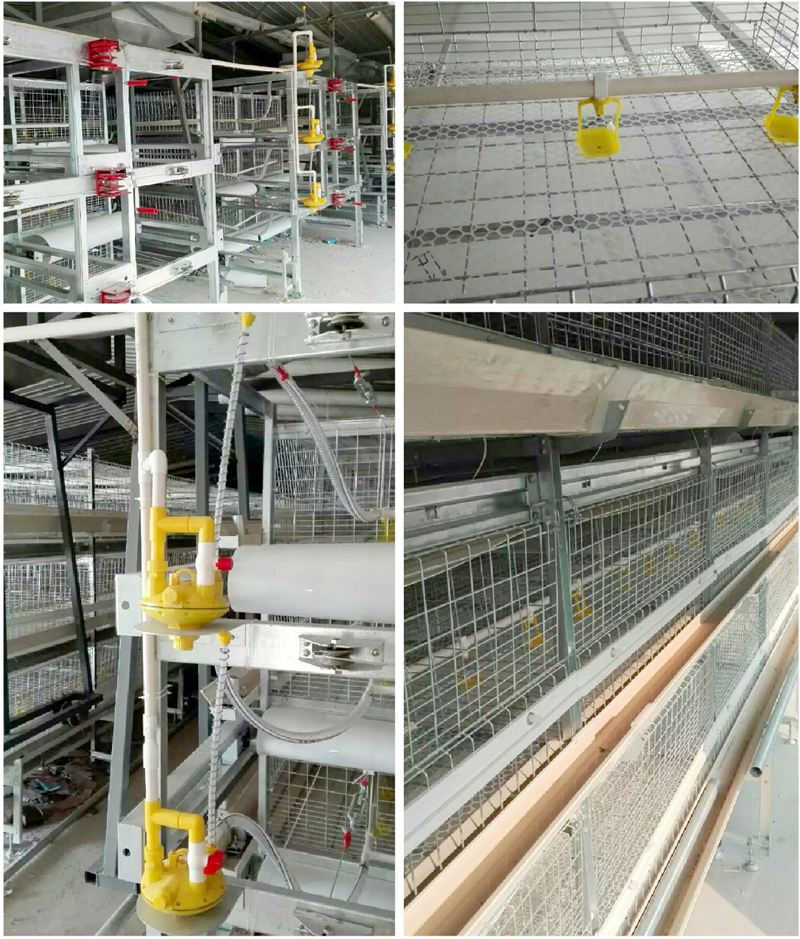
Stepped Layer Hen Cage Rearing Equipment
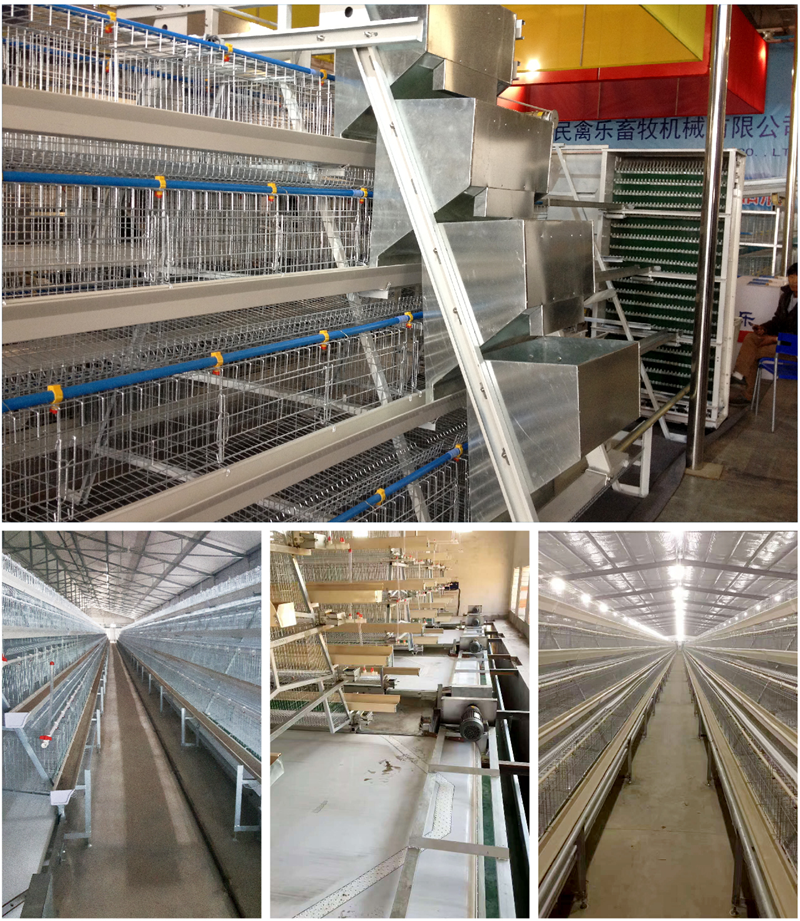
Automatic Egg Collection System
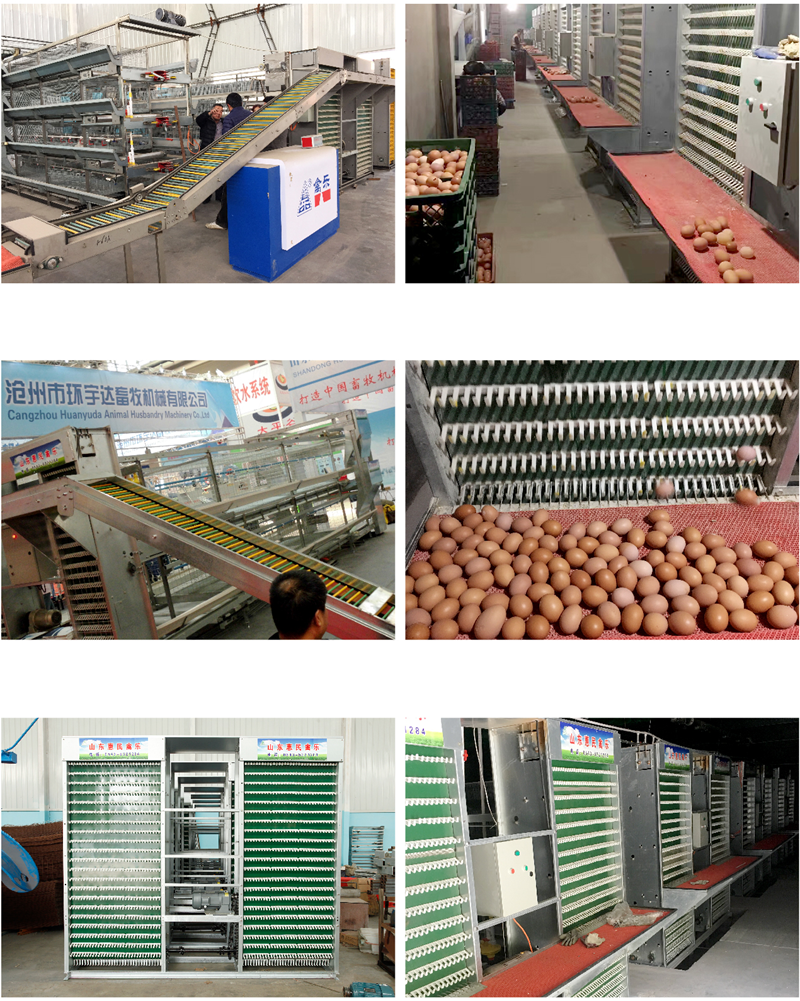
H-type Cage Feeding Machine
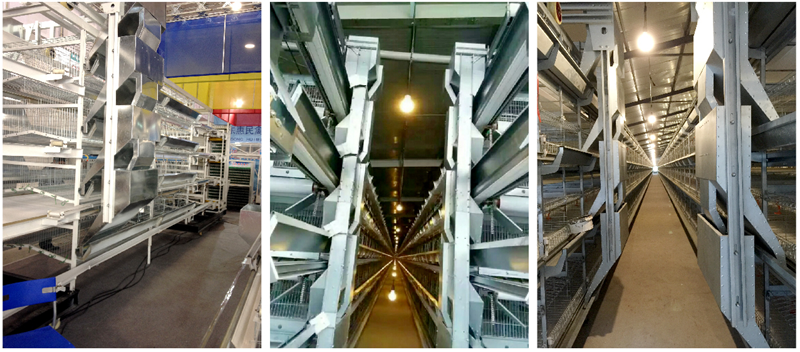
Stepped Cage Straddle Feeder
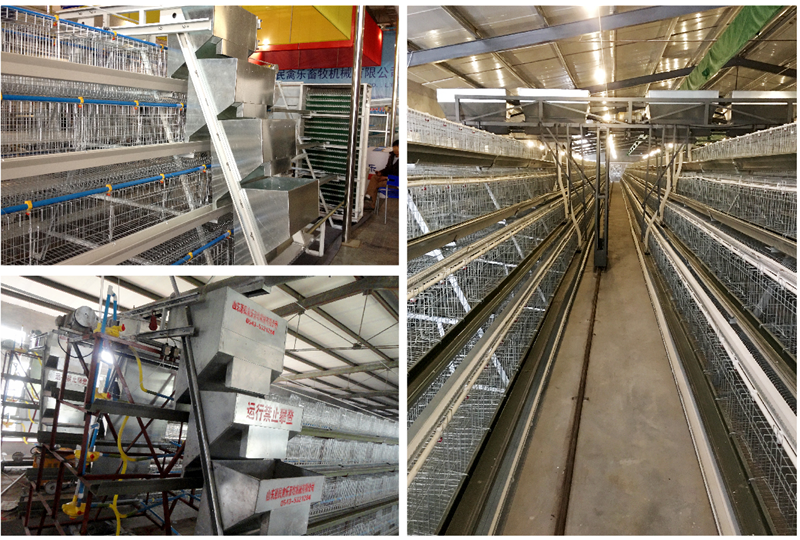
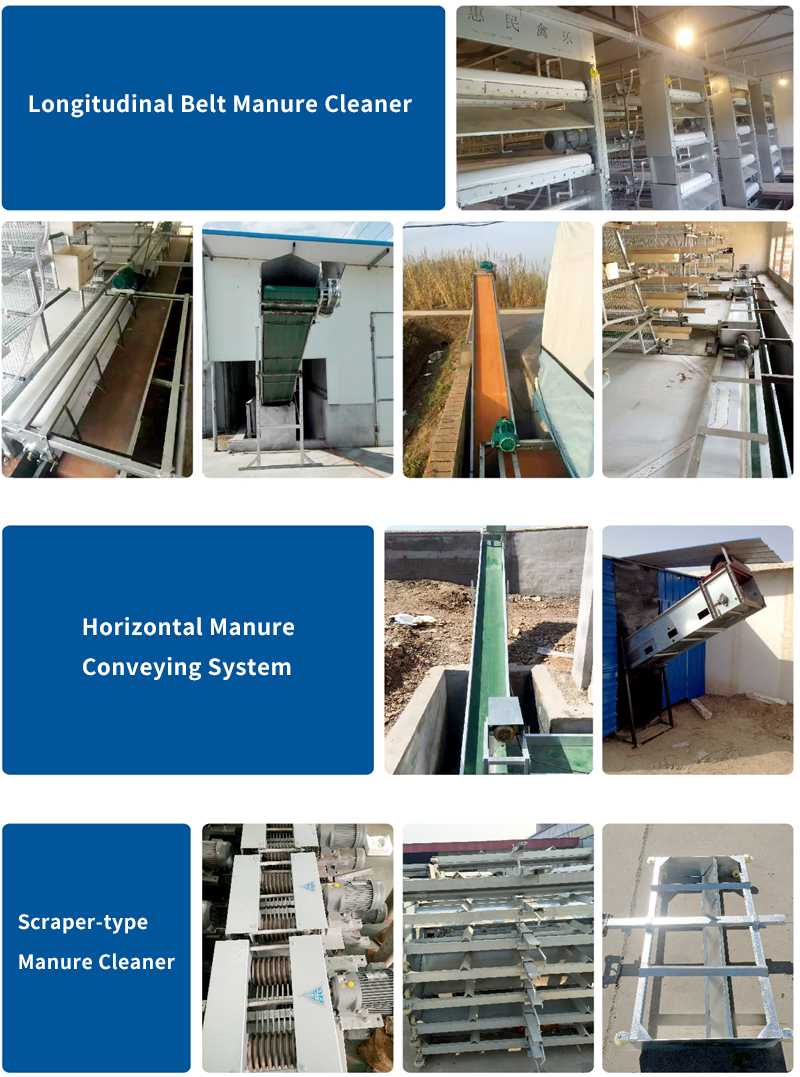
Manure Removal Machine
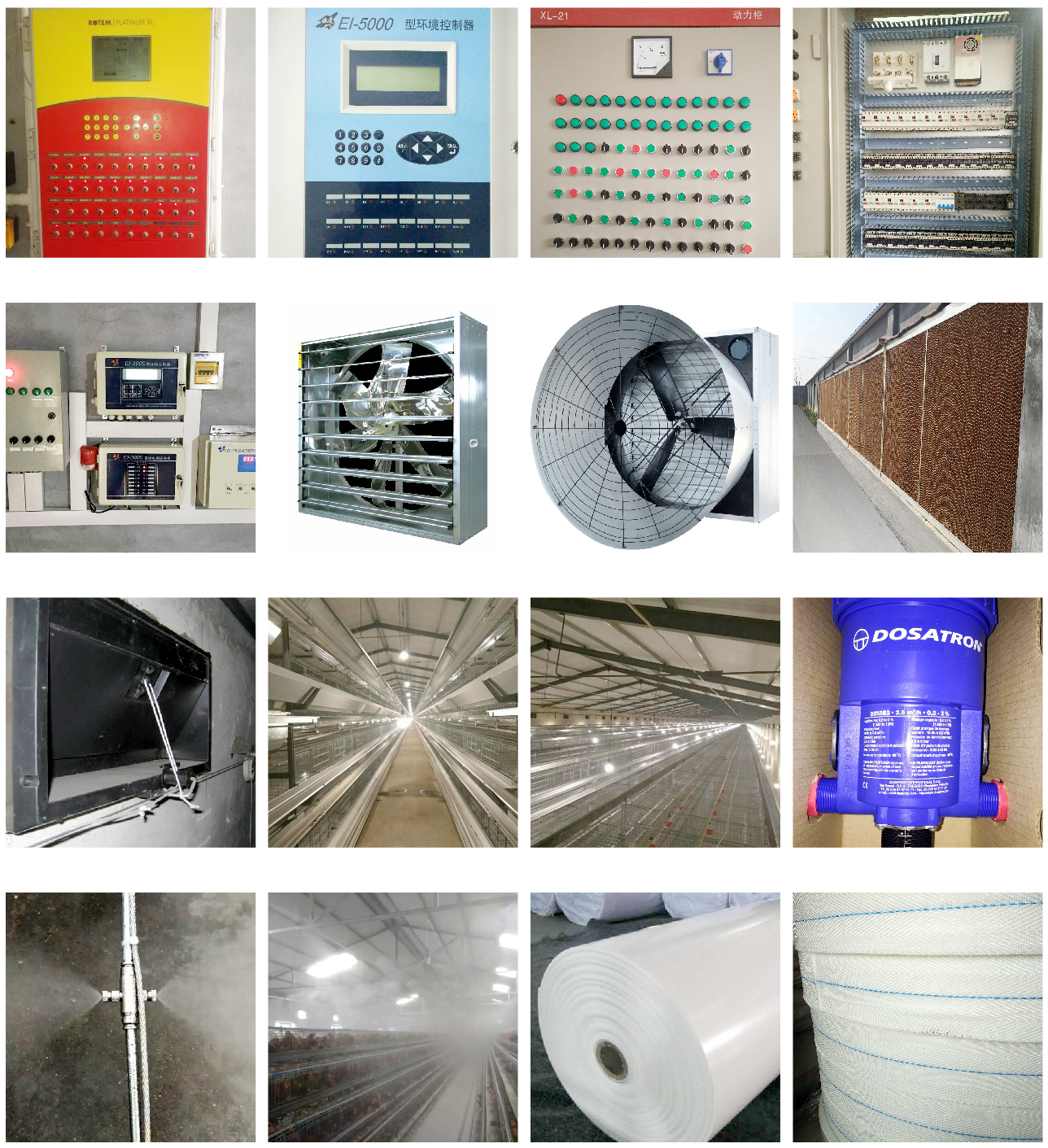
Fans, Heated Curtains, Environmental Control Systems, and Lighting Equipment
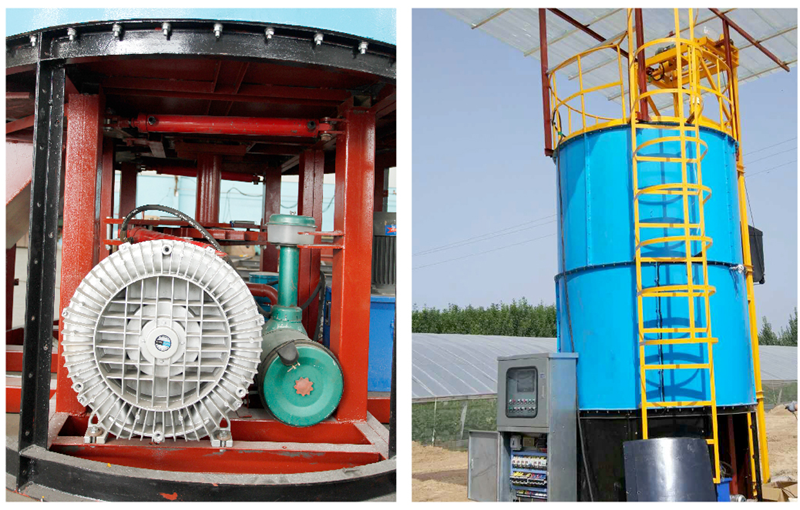
Complete Set of Equipment for Organic Fermentation Treatment of Manure
Бул веб-сайт биздин веб-сайтта эң жакшы тажрыйбаны алуу үчүн кукилерди колдонот.
 English
 Pусский
 Français
 العربية
 Indonesia
 қазақ
қазақ o'zbek
 тоҷикӣ
 Türkmenler
 Catalogue



 Whatsapp
 Телефон