

Introduction to Broiler Feed Pan
A Broiler Feed Pan is an indispensable component in the Poultry Feeding System, specifically designed for broiler chickens. It serves as the direct feeding point where broilers access their feed. These pans are engineered to provide easy access, minimize feed wastage, and ensure uniform feed distribution, which is vital for the healthy growth and productivity of broiler flocks.
Broiler feed pans come in various designs, sizes, and materials to suit different farm scales and management practices. They are commonly used in conjunction with automatic or semi-automatic feeding systems such as Broiler Feed Lines or feed conveyors, providing an efficient and hygienic way to deliver feed.
In this comprehensive guide, we will explore the technical parameters, features, benefits, application scenarios, usage instructions, and frequently asked questions related to broiler feed pans. This knowledge aims to help poultry farmers, equipment suppliers, and industry professionals optimize their feeding systems for improved broiler performance.
Technical Parameters of Broiler Feed Pan
Diameter | 400 mm to 500 mm (common sizes) |
Material | High-quality plastic (food-grade), galvanized steel, or stainless steel |
Pan Depth | 30 mm to 60 mm |
Weight | 0.5 kg to 1.5 kg depending on material and size |
Color | Usually red, yellow, green, or white for visibility |
Compatibility | Fits standard broiler feeding lines or standalone use |
Feed Capacity per Pan | Approximately 0.5 to 1.5 kg |
Installation Type | Hanging or fixed on feed line |
Durability | Corrosion and UV-resistant, designed for long life |
Cleaning | Easy to clean, dishwasher safe in some models |
Key Features of Broiler Feed Pan
Modern broiler feed pans are equipped with features that enhance their functionality and durability:
1. Optimized Feed Accessibility
Designed with a shallow yet sufficiently wide bowl, feed pans enable easy access for broilers, reducing competition and stress among birds.
2. Feed Conservation Design
The pan shape and depth minimize feed spillage and wastage, ensuring more feed is consumed and less is lost.
3. Durable and Safe Materials
Manufactured using food-grade plastic or corrosion-resistant metals to prevent contamination and withstand harsh poultry house conditions.
4. Lightweight and Easy Handling
Feed pans are lightweight for easy installation, removal, and cleaning without compromising strength.
5. Compatibility with Feed Lines
Most broiler feed pans are designed to easily attach or hang on standard feeding lines, allowing seamless integration with automated feeding systems.
6. Visibility and Attractiveness
Brightly colored pans encourage broilers to feed, which promotes uniform feed intake and growth.
7. Hygienic and Easy to Clean
Smooth surfaces and rounded edges facilitate quick cleaning, reducing bacterial buildup and ensuring feed hygiene.
Advantages of Using Broiler Feed Pans
Implementing quality broiler feed pans in your feeding system brings numerous advantages:
1. Reduced Feed Wastage
By controlling feed spread and spillage, feed pans help lower feed wastage, saving significant feed costs.
2. Improved Feed Intake
The design encourages birds to feed comfortably and uniformly, promoting steady growth and better feed conversion ratios.
3. Enhanced Broiler Health
Proper feed accessibility reduces bird stress and aggression, which contributes to better flock health and lower mortality rates.
4. Labor Efficiency
Feed pans that fit automated feeding lines reduce manual feeding labor and simplify feeding management.
5. Durability and Longevity
High-quality materials extend the service life of feed pans, providing long-term value for poultry farms.
6. Ease of Maintenance
Lightweight and easy-to-clean pans save time during routine cleaning, reducing downtime and improving sanitation.
7. Adaptability to Various Farming Systems
Feed pans can be used in cage systems, floor systems, or free-range setups, making them versatile feeding solutions.
Typical Application Scenarios of Broiler Feed Pans
Broiler feed pans are widely used in diverse poultry farming environments:
1. Commercial Broiler Farms
Large-scale farms use feed pans integrated into automated feeding lines to optimize feeding efficiency and broiler growth.
2. Small to Medium Poultry Operations
Manual or semi-automated systems often employ feed pans for cost-effective feed delivery.
3. Contract Broiler Farms
Uniform feed distribution via feed pans helps contract farms meet integrator standards for bird performance.
4. Research and Breeding Facilities
Feed pans provide controlled feeding access essential for nutritional and growth studies.
5. Backyard Poultry Farming
Feed pans offer a convenient, hygienic, and manageable feeding method for small-scale or backyard poultry keepers.
6. Free-Range and Organic Poultry Farms
Feed pans can be placed in sheltered feeding areas to ensure feed access and reduce wastage in open environments.
Usage Instructions for Broiler Feed Pans
Proper use and maintenance of broiler feed pans are key to maximizing their benefits:
Step 1: Installation
Attach the feed pan securely to the feeding line or hang it at bird-accessible height.
For chicks, set pans closer to the ground (about 10-15 cm), raising as birds grow.
Ensure the pan is stable and not easily tipped over by the birds.
Step 2: Feeding Management
Fill pans with fresh feed daily or as recommended by the feeding schedule.
Avoid overfilling to prevent spillage and contamination.
Ensure feed consistency to encourage regular feeding behavior.
Step 3: Monitoring
Regularly check pans for feed levels and cleanliness.
Monitor bird behavior to ensure all birds have access and are feeding properly.
Adjust pan height and number based on flock size and bird age.
Step 4: Cleaning
Clean feed pans daily or at least between batches to remove residual feed and prevent mold or bacterial growth.
Use water and mild detergents; some pans are dishwasher safe.
Dry pans thoroughly before refilling to prevent feed clumping.
Step 5: Maintenance
Inspect pans for cracks, sharp edges, or wear that may injure birds.
Replace damaged pans promptly to maintain safety and hygiene.
Lubricate any metal parts connected to feeding lines if applicable.
Frequently Asked Questions (FAQ)
Q1: What size feed pan is best for broilers?
A: Feed pans with a diameter of 400-500 mm and a depth of 30-50 mm are optimal, providing sufficient feed without encouraging wastage.
Q2: Are plastic feed pans safe for broilers?
A: Yes, high-quality food-grade plastic feed pans are safe, lightweight, and easy to clean, making them popular in poultry farms.
Q3: How often should feed pans be cleaned?
A: Ideally, feed pans should be cleaned daily or at minimum between production cycles to maintain hygiene and prevent disease.
Q4: Can feed pans be used with automated feeding lines?
A: Yes, most broiler feed pans are designed to easily attach to standard automated feed lines for seamless integration.
Q5: How can feed wastage be minimized using feed pans?
A: By selecting appropriately sized pans and avoiding overfilling, feed spillage is reduced. Pans with raised edges or splash guards help further contain feed.
Q6: What materials are broiler feed pans made of?
A: Common materials include food-grade plastic, galvanized steel, and stainless steel, each offering different durability and cleaning ease.
Q7: Are colored feed pans better for broilers?
A: Brightly colored pans (red, yellow) attract birds and encourage feeding, improving uniform feed intake and growth rates.
Q8: Can feed pans be used for other poultry types?
A: Yes, feed pans can be used for other poultry such as layers, turkeys, and ducks with appropriate size adjustments.
Q9: How do I know when to raise the feed pan height?
A: As broilers grow, raise the feed pan height to maintain easy access and prevent contamination from droppings—usually raising every few weeks.
Q10: What is the typical lifespan of a broiler feed pan?
A: With proper care, high-quality feed pans can last 3-5 years or more depending on material and farm conditions.
Conclusion
A Broiler Feed Pan is a simple yet crucial tool that can significantly enhance the efficiency and effectiveness of broiler feeding systems. By providing easy access, reducing feed waste, and promoting uniform feeding, feed pans contribute directly to better broiler health, growth performance, and farm profitability.
Choosing the right feed pan—based on size, material, and compatibility with feeding systems—and maintaining it properly are key steps for poultry farmers aiming to optimize their operations. Whether in small farms or large commercial facilities, feed pans remain a cornerstone of modern poultry nutrition management.
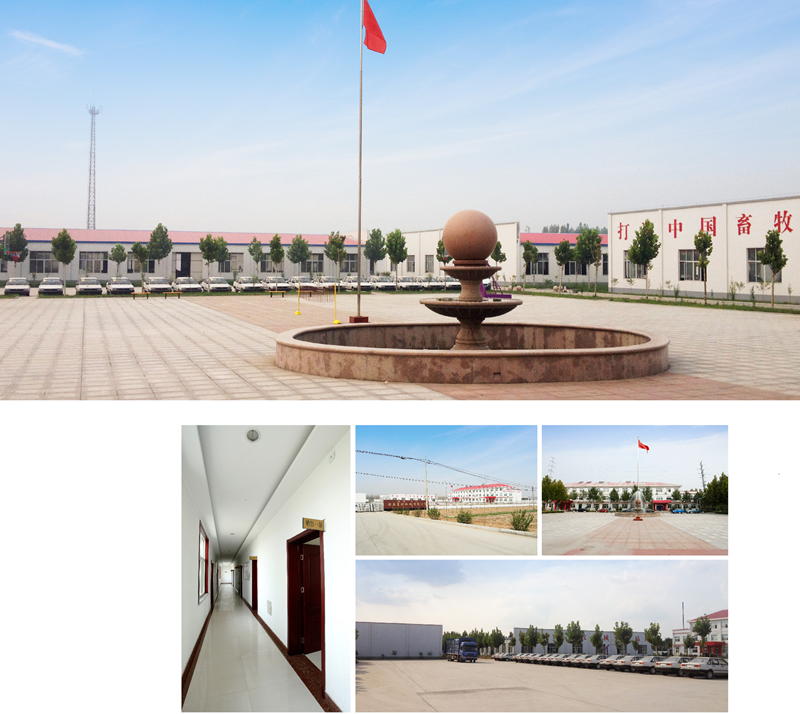
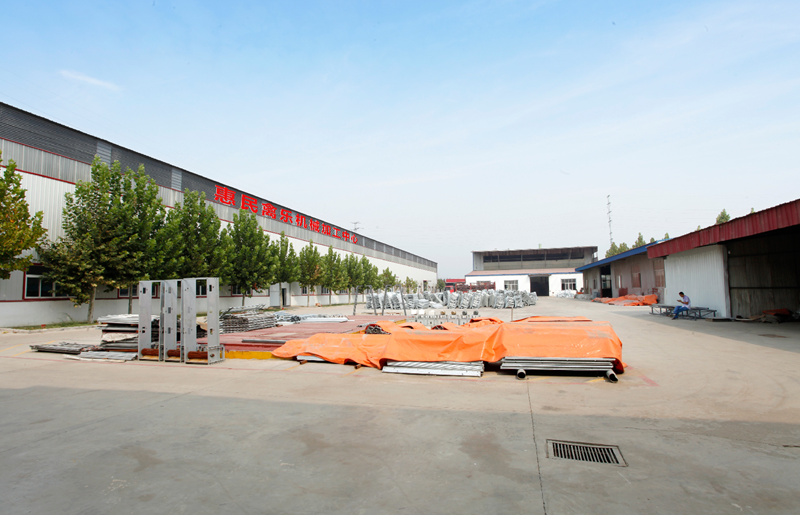
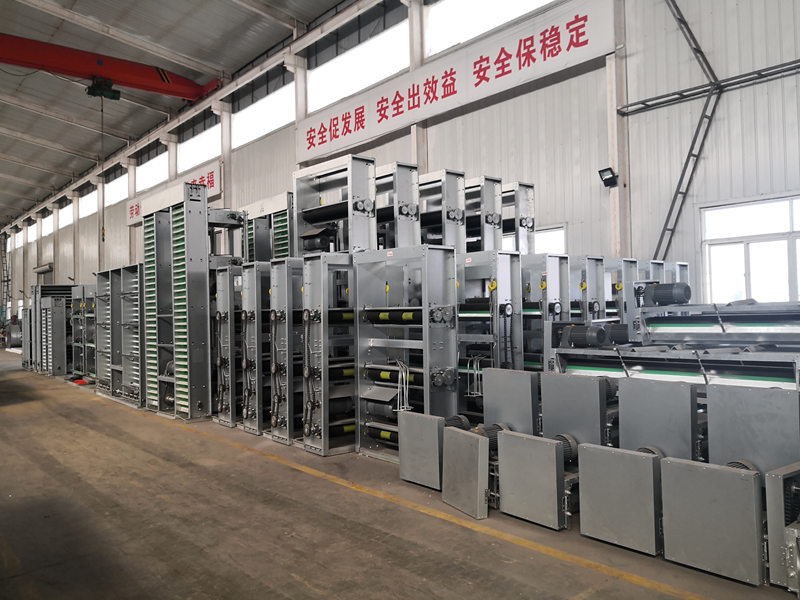
Shandong Huimin Qinle Livestock Machinery Co., Ltd. (formerly Shandong Huimin Qinle Livestock Machinery Factory) is a professional poultry equipment manufacturer with over 20 years of experience. We offer a comprehensive service package, from design (land and chicken coops), production (equipment and prefabricated steel coops), installation, commissioning, customer training, and after-sales service.
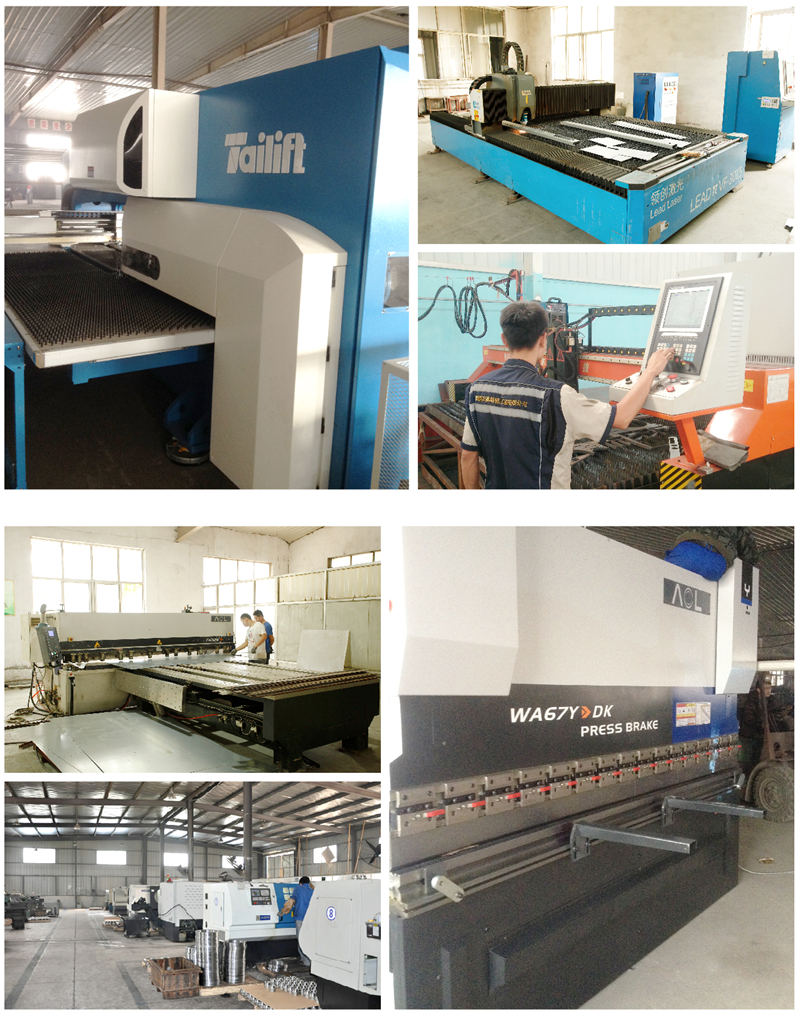
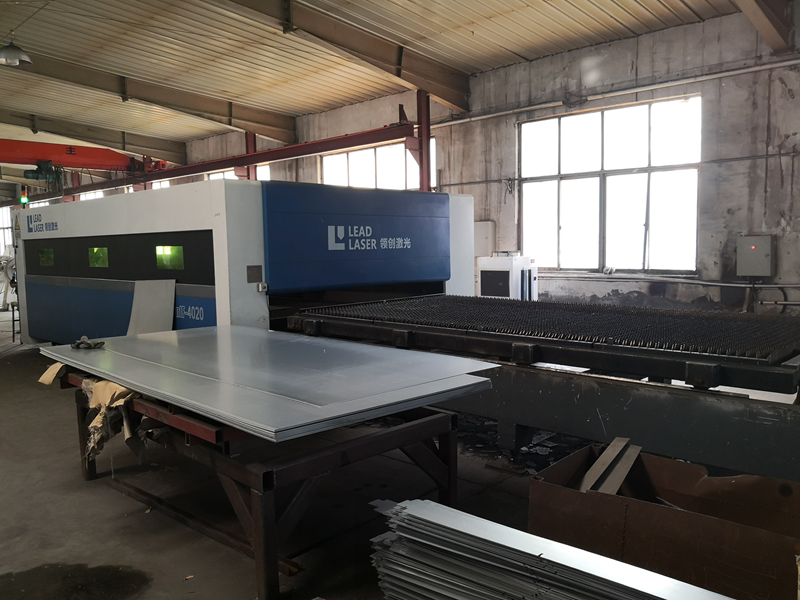
Located in Huimin County, Binzhou City, Shandong Province, China, the company has extensive experience in mechanical processing and manufacturing, as well as livestock machinery production and operation. With fixed assets of RMB 15 million, the company employs 160 people, including 30 R&D staff, and occupies a 40,000-square-meter factory. Equipped with over 110 pieces of advanced precision production equipment, including CNC machining centers and laser cutting machines, the company boasts a production capacity of RMB 50 million.
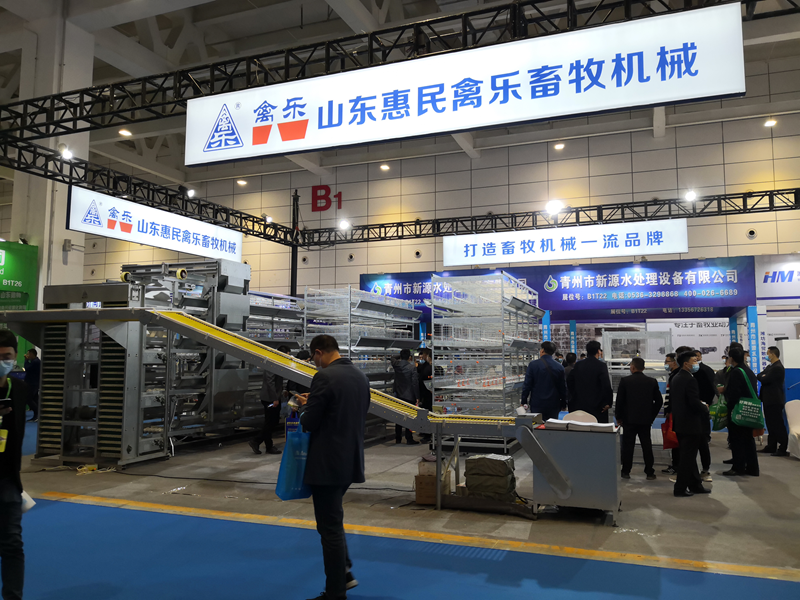

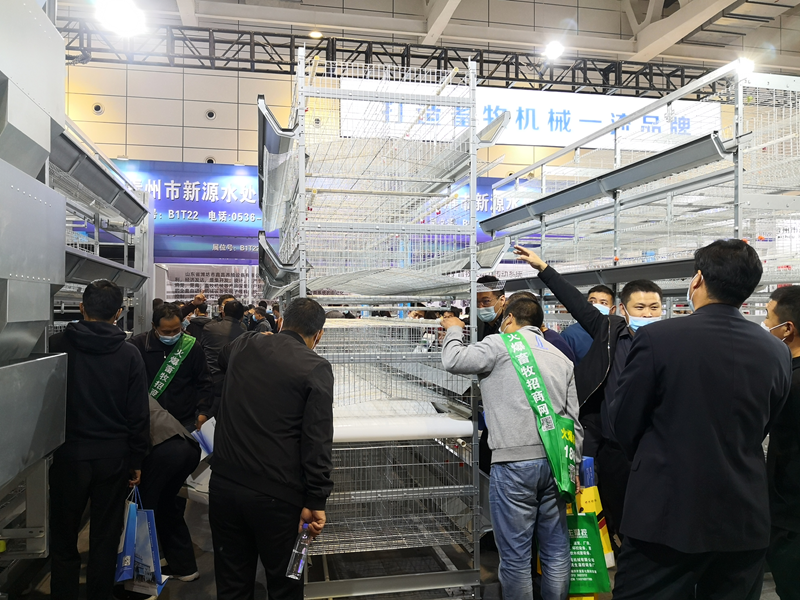
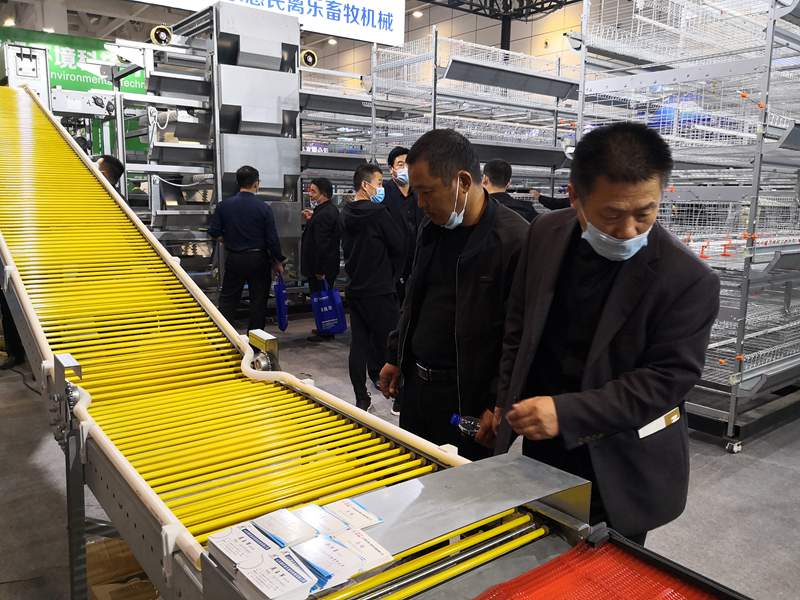
Chicken Farming Equipment Mesh Production Workshop

Machining Workshop
Turret-type CNC Punch Press, Laser Cutting and Other Machining Equipment

Fully Automated Roll Forming Production Line

Hot-dip Galvanizing Production Line

Electroplating Production Line
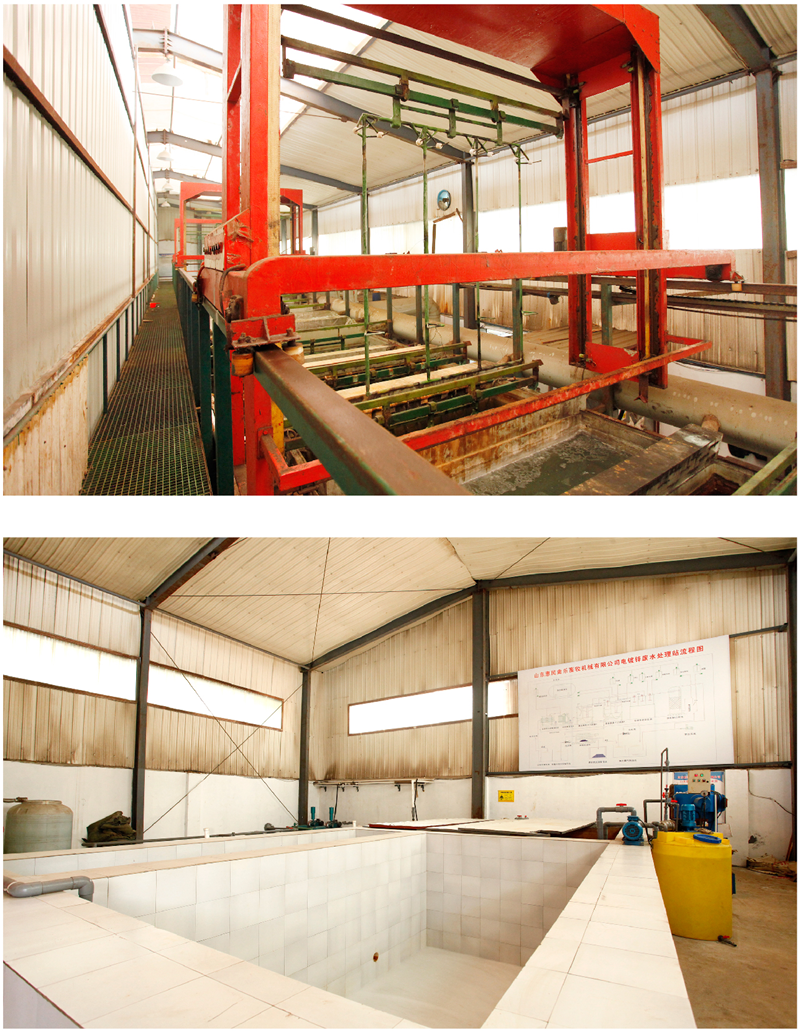
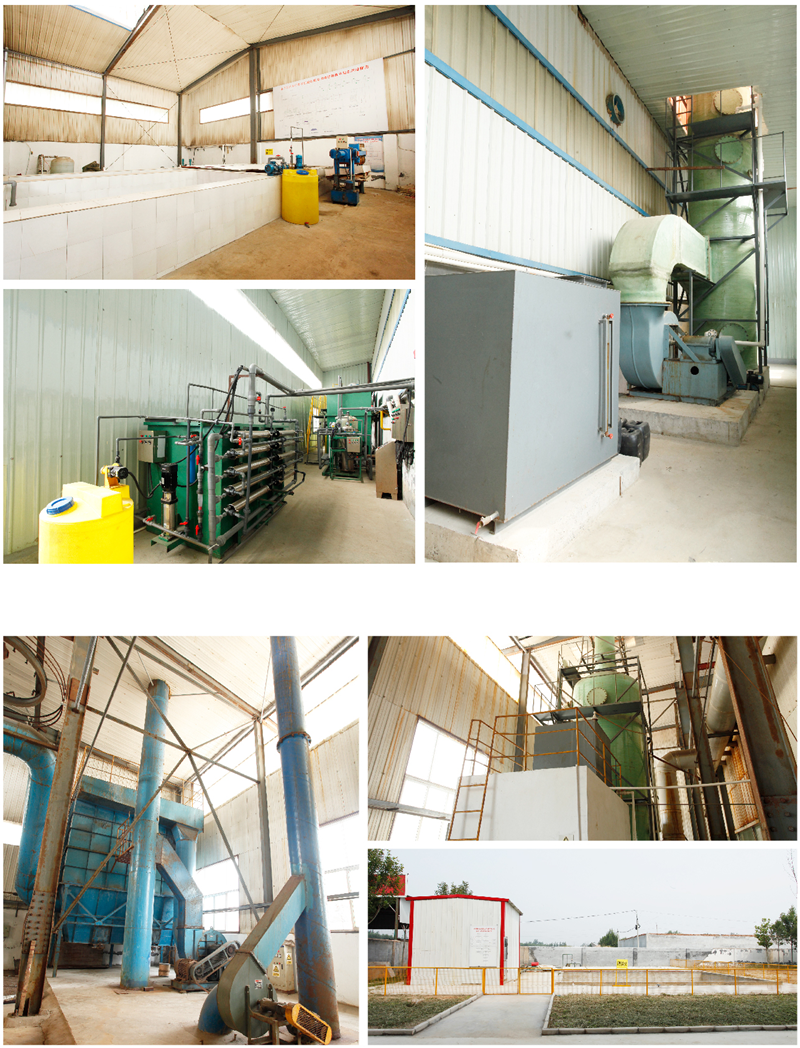
Environmental Protection Equipment
Chicken Farming Equipment Product Series
Egg-laying Hen Farming Equipment
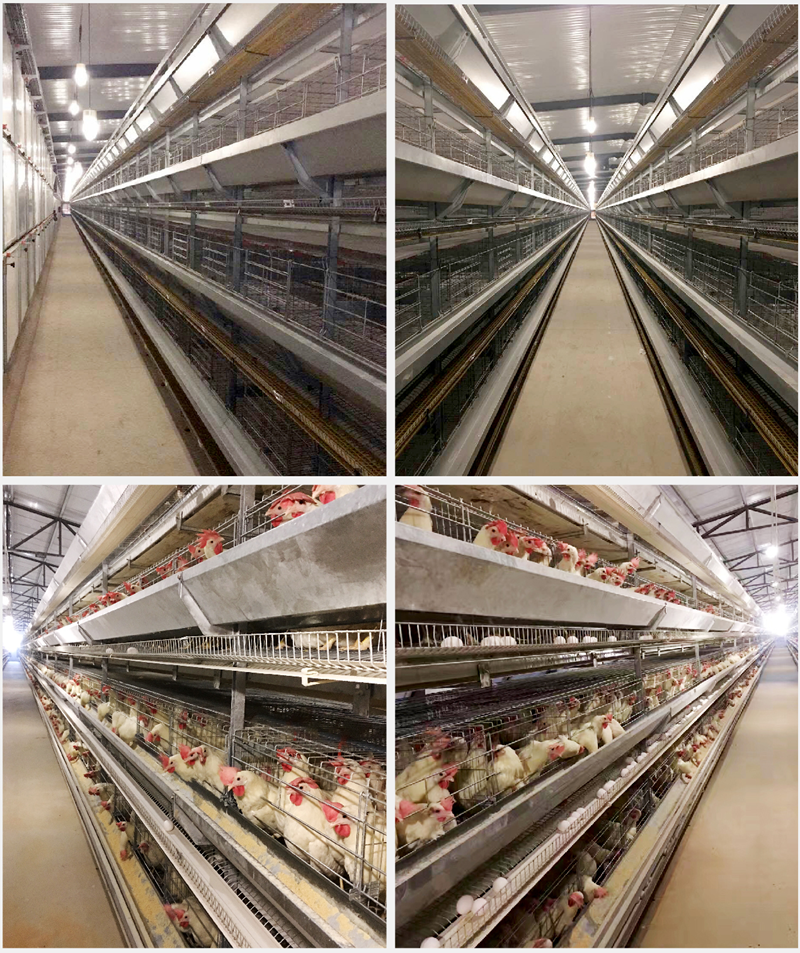
Stacked Brooding Cage Equipment

Stacked Broiler Cage Equipment
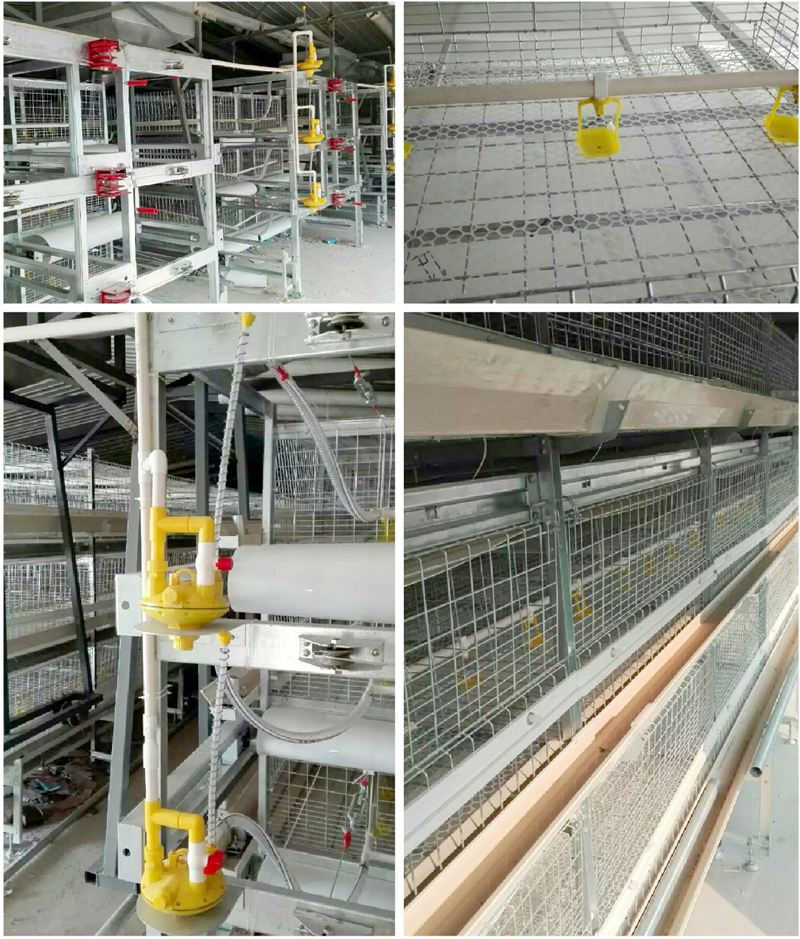
Stepped Layer Hen Cage Rearing Equipment
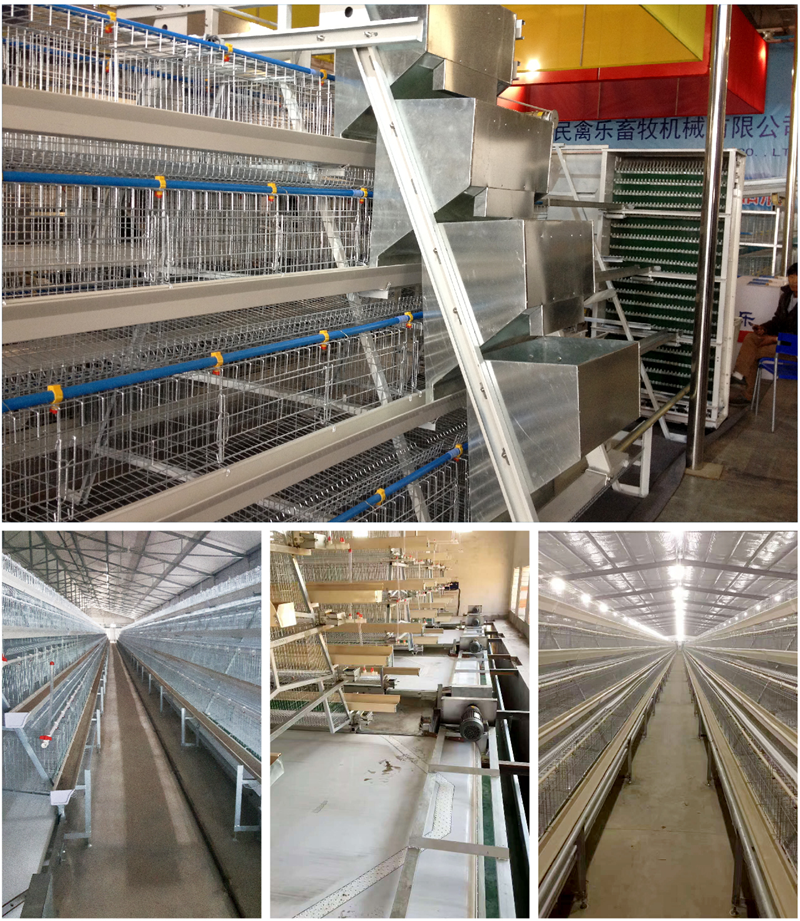
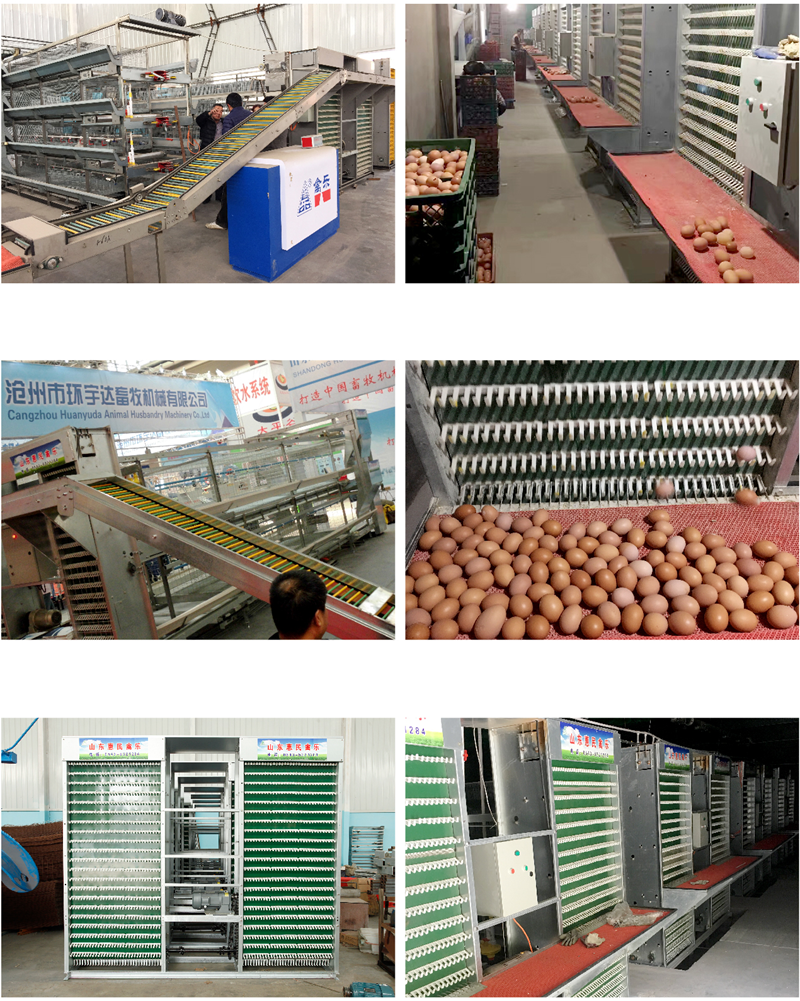
Automatic Egg Collection System
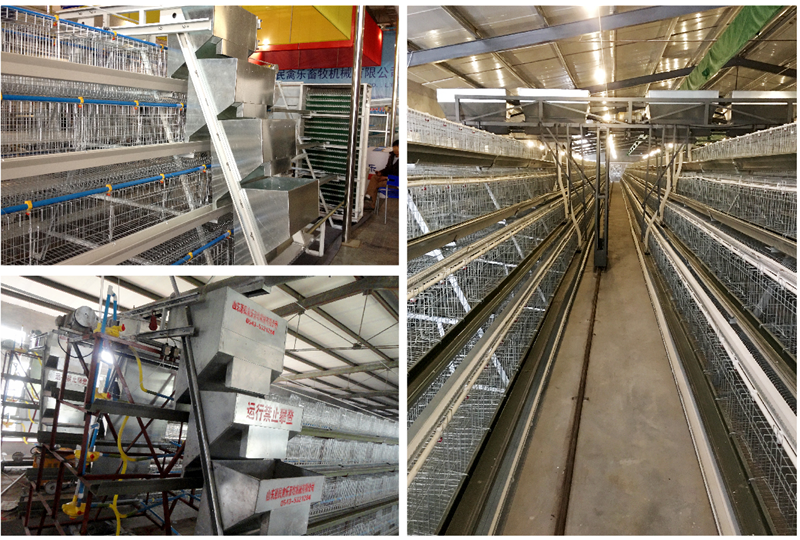
H-type Cage Feeding Machine
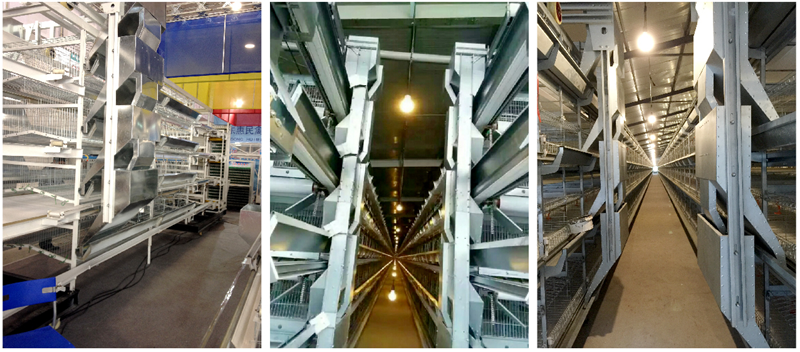
Stepped Cage Straddle Feeder
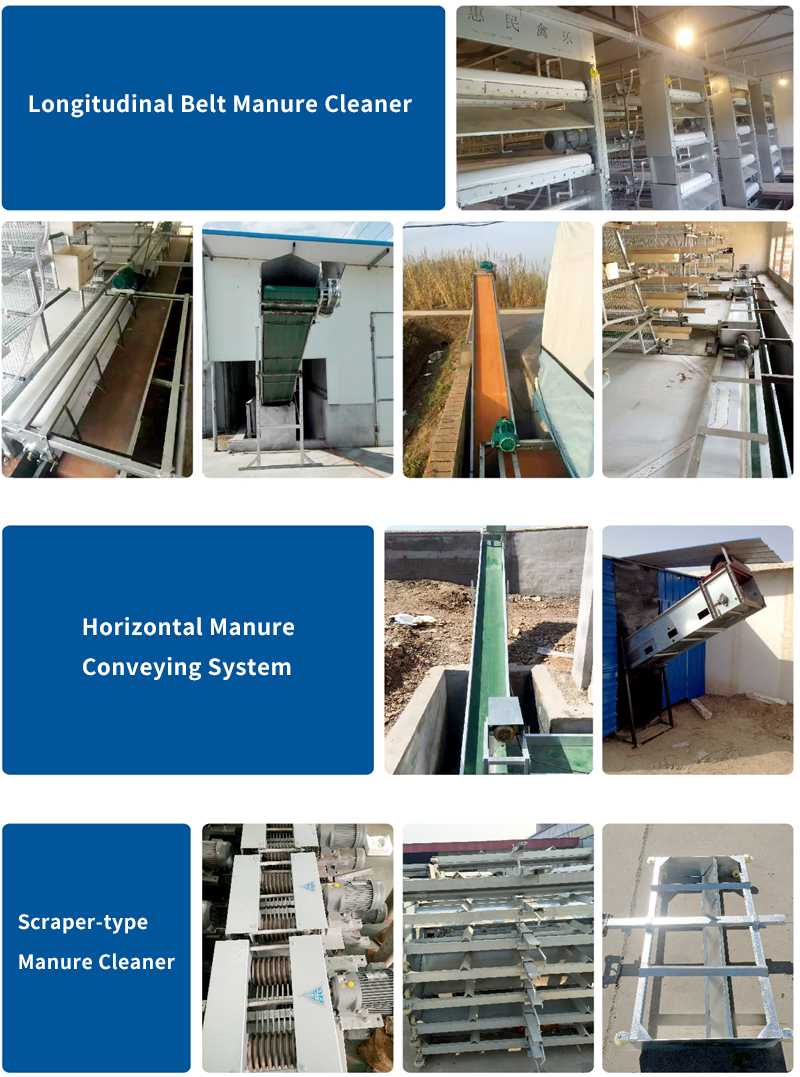
Manure Removal Machine
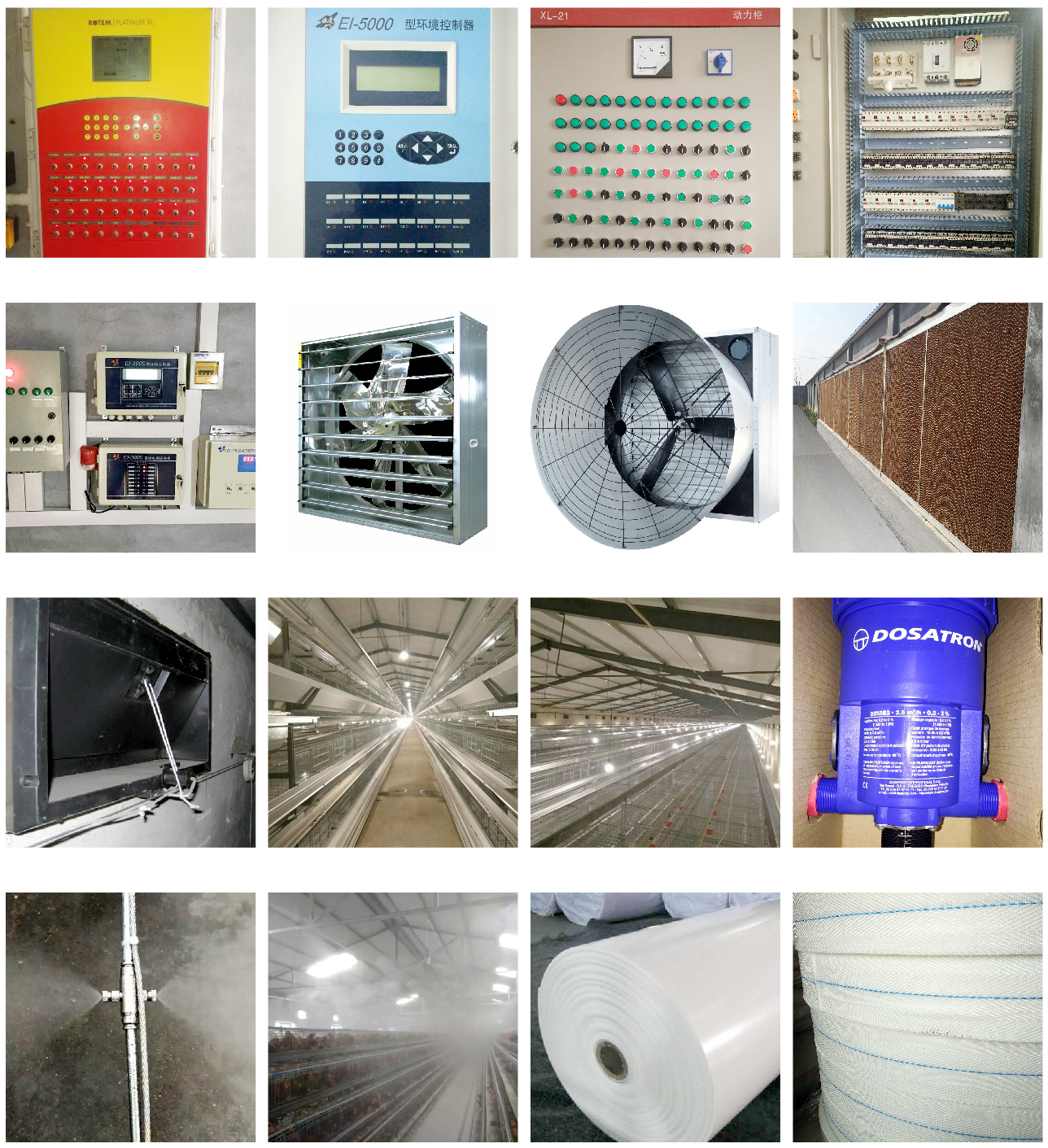
Fans, Heated Curtains, Environmental Control Systems, and Lighting Equipment
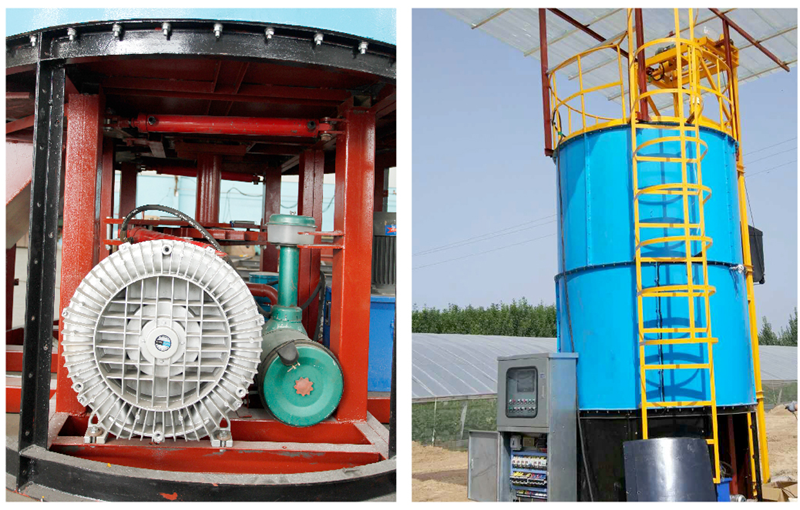
Complete Set of Equipment for Organic Fermentation Treatment of Manure
 RELATED
Бул веб-сайт биздин веб-сайтта эң жакшы тажрыйбаны алуу үчүн кукилерди колдонот.
 English
 Pусский
 Français
 العربية
 Indonesia
 қазақ
қазақ o'zbek
 тоҷикӣ
 Türkmenler
 Catalogue



 Whatsapp
 Телефон