

Introduction to Chicken Feed Line
A Chicken Feed Line is a vital component of modern poultry farming, designed to automate and streamline the distribution of feed to chickens, whether broilers, layers, or breeders. This system helps ensure consistent feed supply, reduces labor costs, and enhances feed utilization efficiency, which is crucial for improving poultry health and farm profitability.
Chicken feed lines are typically made up of a series of feeding pans or troughs connected by an overhead or floor conveyor system. Feed is transported automatically from storage bins or feed silos directly to the feeding points, allowing even and timely feeding access to the flock. Such systems are especially useful in large-scale poultry houses where manual feeding is impractical.
This article will discuss the technical specifications, main features, advantages, and typical applications of chicken feed lines. It also provides usage instructions and answers frequently asked questions, aiming to assist poultry farmers, suppliers, and farm managers in making informed decisions about feed line systems.
Technical Parameters of Chicken Feed Line
Feed Line Length | 30 meters to 150 meters or customizable |
Feeding Pan Diameter | 400 mm to 500 mm |
Material | Galvanized steel, stainless steel, or food-grade plastic |
Conveyor Type | Chain conveyor, auger, or pneumatic feed system |
Motor Power | 0.18 kW to 1.1 kW depending on system size |
Feed Delivery Capacity | Up to 50 tons per hour |
Control System | Manual, semi-automatic, or fully automated PLC control |
Installation Height | Adjustable from 1.0 to 1.5 meters |
Power Supply | 220V/380V, 50/60 Hz |
Operating Environment | Suitable for temperatures 5°C to 40°C |
Noise Level | ≤60 dB |
Key Features of Chicken Feed Line
Modern chicken feed lines are equipped with several features that improve their efficiency, durability, and ease of use:
1. Automated Feeding Control
Feed lines can be integrated with automated control systems to regulate feed distribution frequency and quantity based on the birds’ growth stages, reducing feed wastage.
2. Uniform Feed Distribution
The design ensures even distribution of feed along the entire line, minimizing competition and promoting uniform growth among chickens.
3. Durable and Corrosion-Resistant Materials
Constructed from galvanized or stainless steel, feed lines resist corrosion and withstand harsh poultry house environments, ensuring longevity.
4. Easy Installation and Maintenance
Modular components and adjustable features facilitate quick setup and routine cleaning, reducing farm downtime.
5. Energy Efficient
Low-power motors and efficient feed delivery reduce overall energy consumption, lowering operational costs.
6. Scalable System Design
Feed lines can be customized or extended depending on farm size, making them suitable for both small farms and large commercial operations.
7. Safety Features
Includes emergency stops and sensors to prevent feed overloads or mechanical damage.
Advantages of Using Chicken Feed Lines
Implementing an automated chicken feed line offers numerous benefits:
1. Improved Feed Efficiency
Consistent feed supply and reduced wastage enhance feed conversion ratios (FCR), lowering production costs.
2. Labor Savings
Automation significantly decreases manual feeding labor, allowing workers to focus on other farm activities.
3. Enhanced Growth Performance
Uniform feeding access helps maintain healthy and evenly grown flocks, improving overall productivity.
4. Reduced Feed Contamination
Enclosed feed transport reduces exposure to dust, moisture, and pests, protecting feed quality.
5. Time Efficiency
Automated feed delivery reduces time spent feeding and monitoring.
6. Adaptability to Farm Expansion
Feed lines can be modified or expanded easily as farm operations grow.
7. Improved Environmental Control
Minimizes feed spillage and dust, promoting a cleaner and healthier poultry house environment.
Typical Application Scenarios of Chicken Feed Lines
Chicken feed lines are versatile and used in various poultry farming contexts:
1. Commercial Broiler Farms
Large poultry houses use feed lines for efficient feed delivery to rapidly growing broiler chickens.
2. Layer Farms
Feed lines ensure hens receive balanced nutrition throughout their laying cycle.
3. Breeder Farms
Feed lines deliver precise feed quantities essential for breeder flock health and reproductive performance.
4. Research Institutions
Feed lines support controlled feeding studies on poultry nutrition and behavior.
5. Contract Farming
Contract growers utilize feed lines to meet integrator feeding standards.
6. Backyard and Small-Scale Farms
Smaller, simplified feed line systems help optimize feed distribution without intensive labor.
Usage Instructions for Chicken Feed Lines
Correct installation and maintenance are critical to the performance of chicken feed lines:
Step 1: Installation
Install the feed line centrally to ensure access for all birds.
Adjust feeding pan height according to bird age (10-15 cm for chicks, 20-25 cm for adults).
Secure the feed conveyor system firmly to avoid vibrations.
Step 2: System Testing
Confirm electrical connections and motor operation.
Run the feed line empty to check for smooth operation.
Load feed and verify uniform distribution along the line.
Step 3: Programming Feeding Schedule
Set automatic timers or manual feed intervals based on bird growth stages.
Early-stage chicks typically need 4-6 feedings per day; reduce as birds mature.
Step 4: Daily Monitoring
Observe feed flow and refill feed bins regularly.
Inspect pans for feed spillage or blockages.
Adjust feed rates based on flock appetite and growth.
Step 5: Cleaning and Maintenance
Clean feed pans and conveyors regularly to prevent feed contamination.
Lubricate moving parts per manufacturer instructions.
Inspect electrical components for wear and tear.
Replace damaged parts promptly.
Frequently Asked Questions (FAQ)
Q1: How long can a chicken feed line be?
A: Feed lines can be customized from 30 meters to over 150 meters, depending on poultry house size and bird population.
Q2: Can feed lines be used for all chicken types?
A: Yes. Feed lines are suitable for broilers, layers, breeders, and other poultry with adjustable settings.
Q3: How often should feed be supplied?
A: Young chicks require 4-6 feedings daily; mature birds typically need 2-3 feedings per day. Automated systems can be programmed accordingly.
Q4: What materials are feed lines made from?
A: Common materials include galvanized steel, stainless steel, and food-grade plastic for durability and hygiene.
Q5: How does a feed line improve feed conversion ratio?
A: By ensuring consistent feed access and reducing wastage, feed lines improve feed efficiency and weight gain.
Q6: Is installation complicated?
A: Feed lines are designed for easy installation with modular components and adjustable features. Professional installation is recommended for larger systems.
Q7: Can feed lines be integrated with other farm automation systems?
A: Yes, many feed lines can be integrated with watering systems, climate control, and farm management software.
Q8: How do I clean a chicken feed line?
A: Clean feeding pans daily, and conveyors regularly with appropriate detergents. Ensure all parts are dry before refilling feed.
Q9: What maintenance is required?
A: Regular cleaning, lubrication of mechanical parts, electrical checks, and prompt replacement of worn components.
Q10: What is the typical lifespan of a chicken feed line?
A: With proper maintenance, feed lines can last 8-15 years.
Conclusion
A Chicken Feed Line is a fundamental investment for poultry farms aiming to increase feeding efficiency, reduce labor, and boost bird health. Understanding the system's parameters, features, and correct operation helps optimize poultry nutrition and overall farm productivity.
Automated feed lines represent the future of poultry farming, providing consistent, uniform feed delivery that supports sustainable and profitable production. Whether you operate a small farm or a large commercial poultry house, selecting and maintaining the right feed line system is crucial for success.
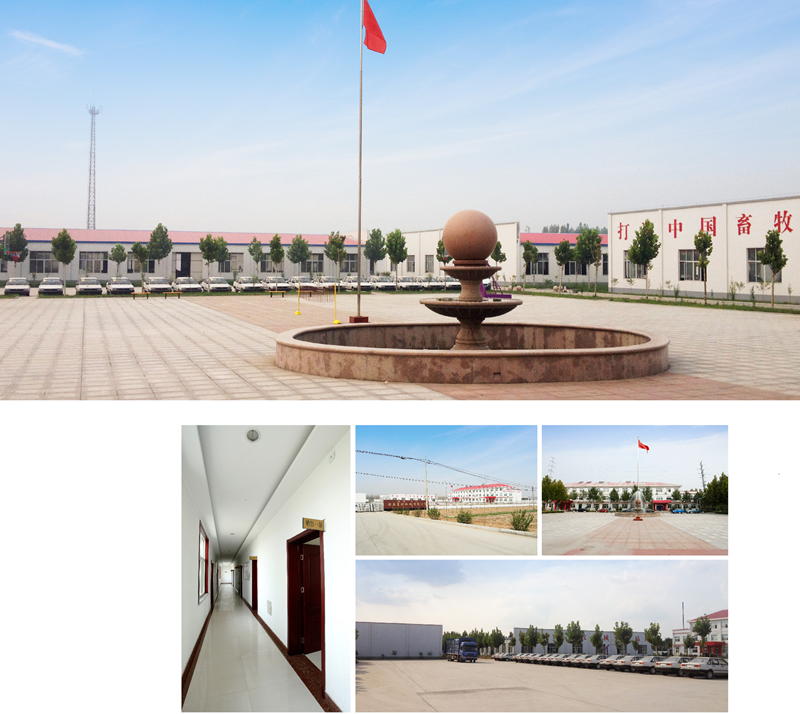
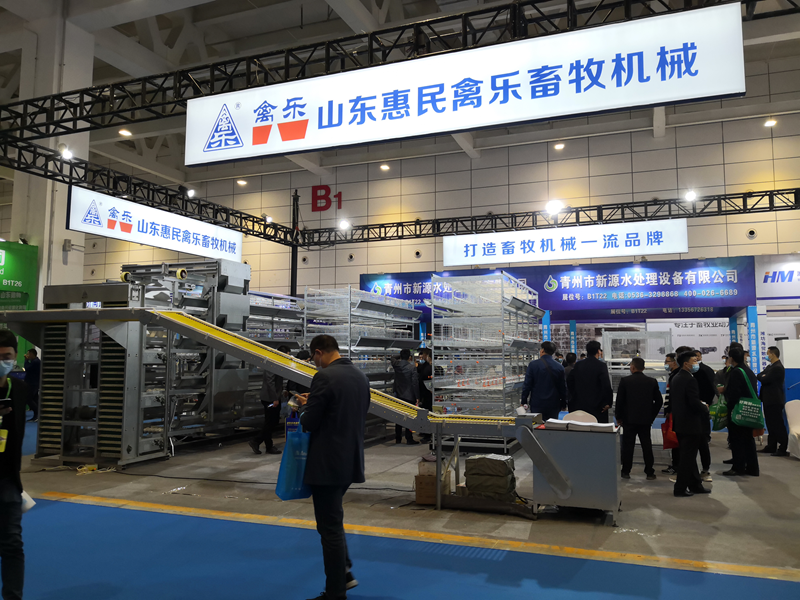
Shandong Huimin Qinle Livestock Machinery Co., Ltd. (formerly Shandong Huimin Qinle Livestock Machinery Factory) is a professional poultry equipment manufacturer with over 20 years of experience. We offer a comprehensive service package, from design (land and chicken coops), production (equipment and prefabricated steel coops), installation, commissioning, customer training, and after-sales service.
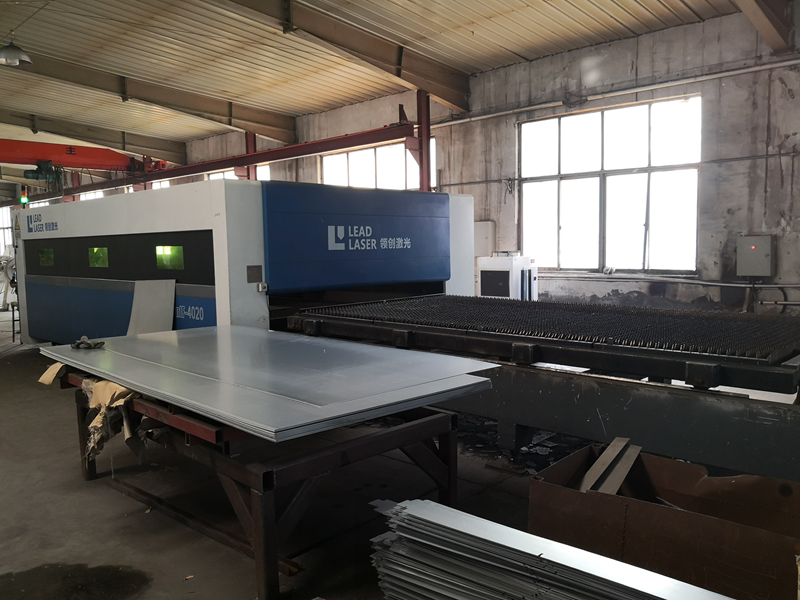
Located in Huimin County, Binzhou City, Shandong Province, China, the company has extensive experience in mechanical processing and manufacturing, as well as livestock machinery production and operation. With fixed assets of RMB 15 million, the company employs 160 people, including 30 R&D staff, and occupies a 40,000-square-meter factory. Equipped with over 110 pieces of advanced precision production equipment, including CNC machining centers and laser cutting machines, the company boasts a production capacity of RMB 50 million.
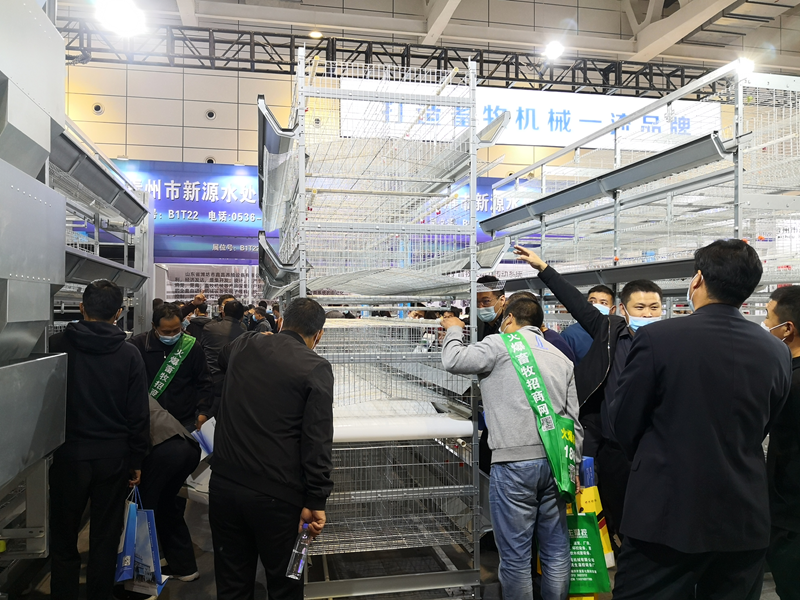
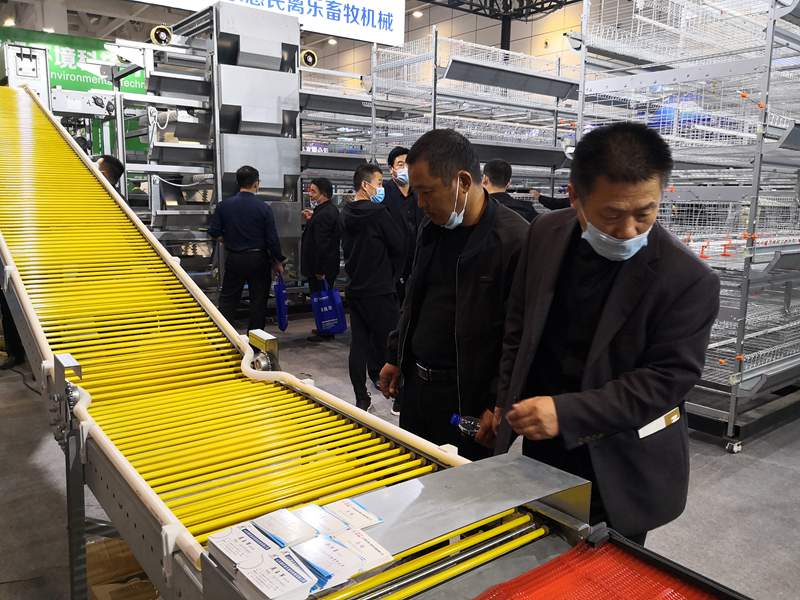
Chicken Farming Equipment Mesh Production Workshop

Machining Workshop
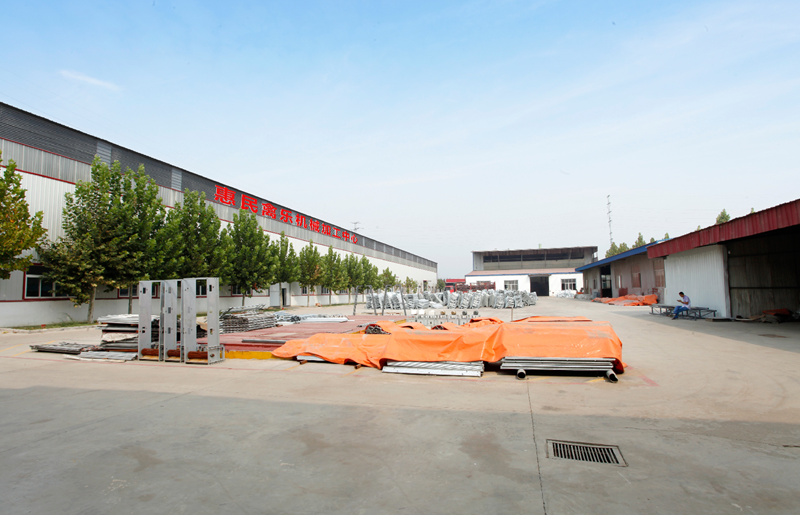
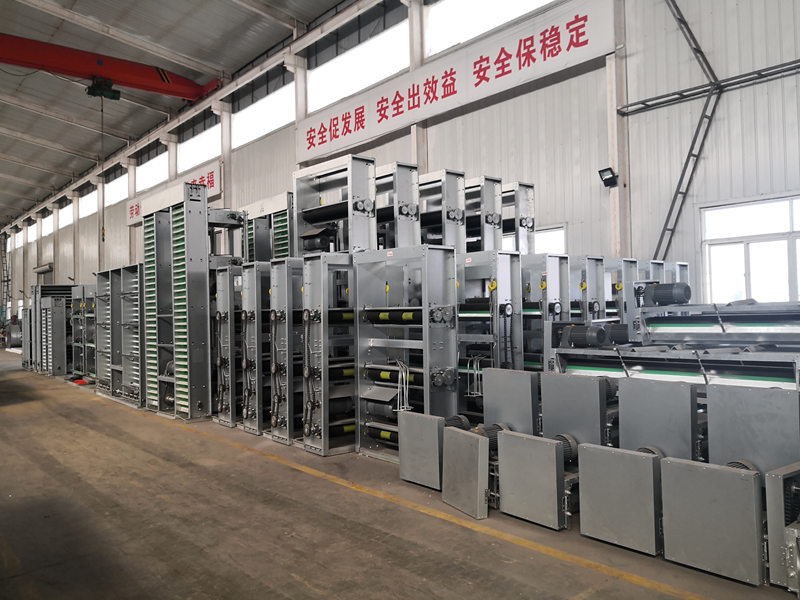
Turret-type CNC Punch Press, Laser Cutting and Other Machining Equipment
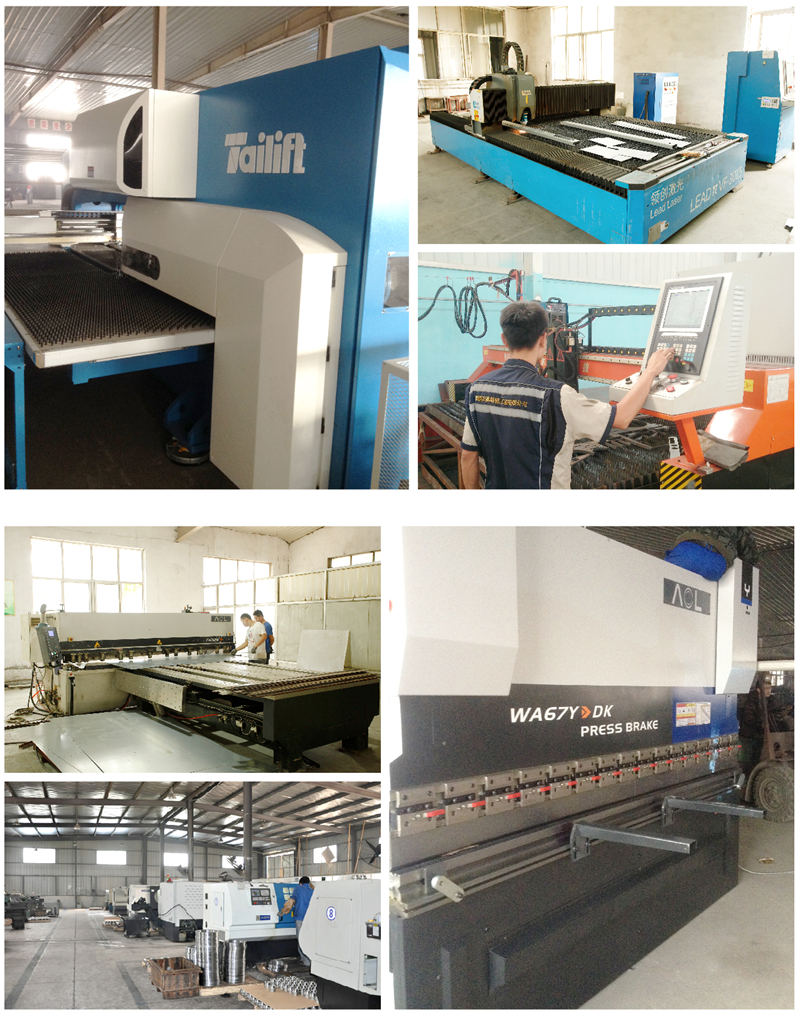

Fully Automated Roll Forming Production Line

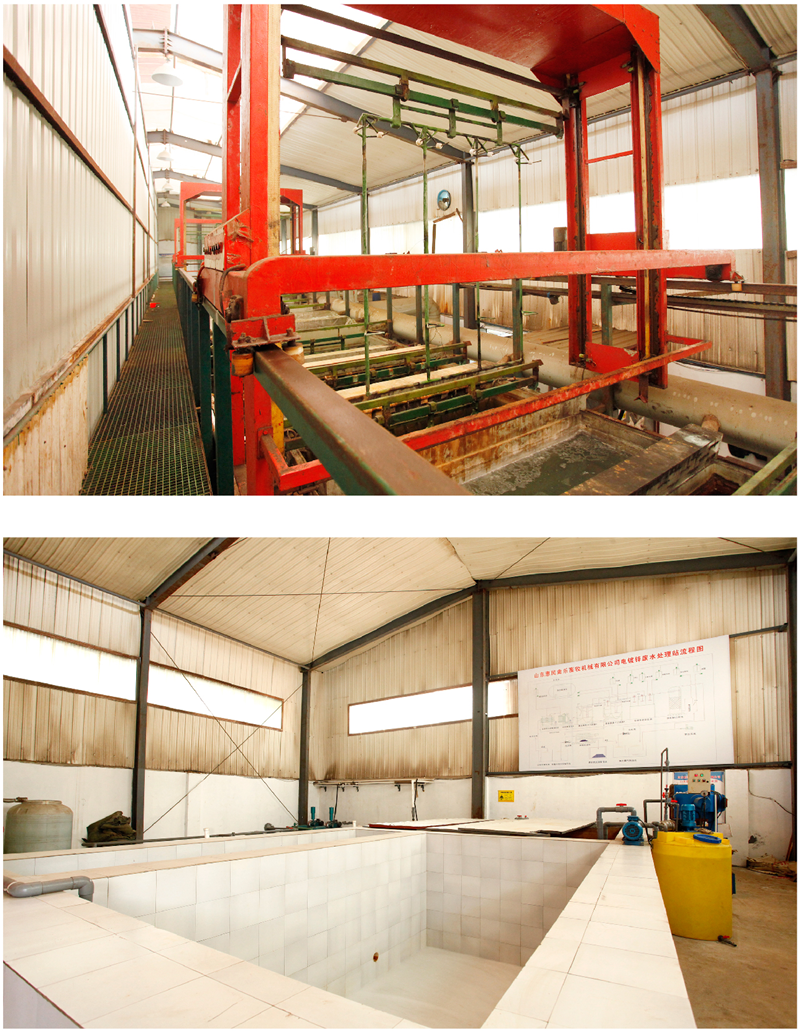
Hot-dip Galvanizing Production Line

Electroplating Production Line
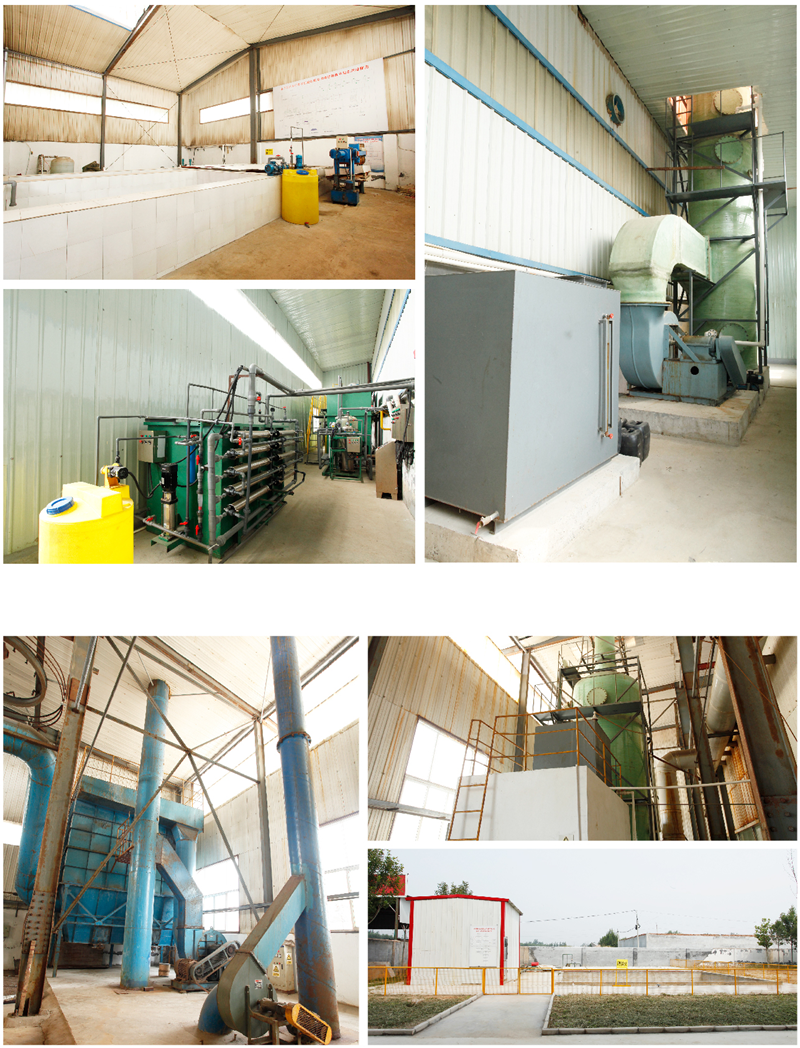
Environmental Protection Equipment
Chicken Farming Equipment Product Series
Egg-laying Hen Farming Equipment
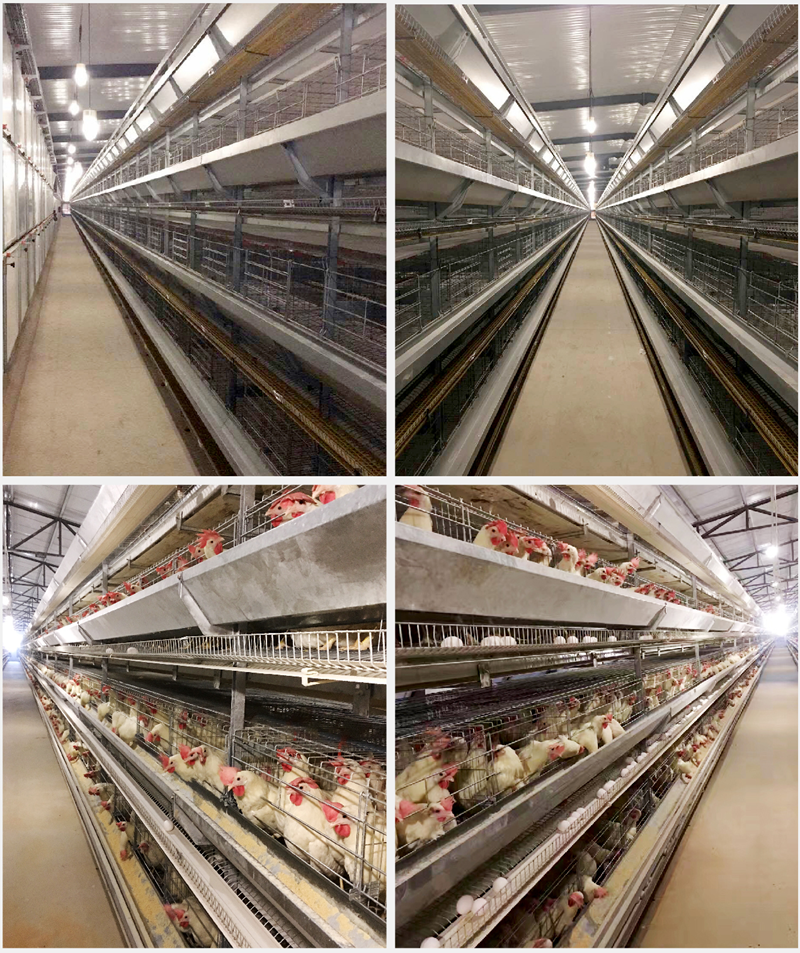
Stacked Brooding Cage Equipment

Stacked Broiler Cage Equipment
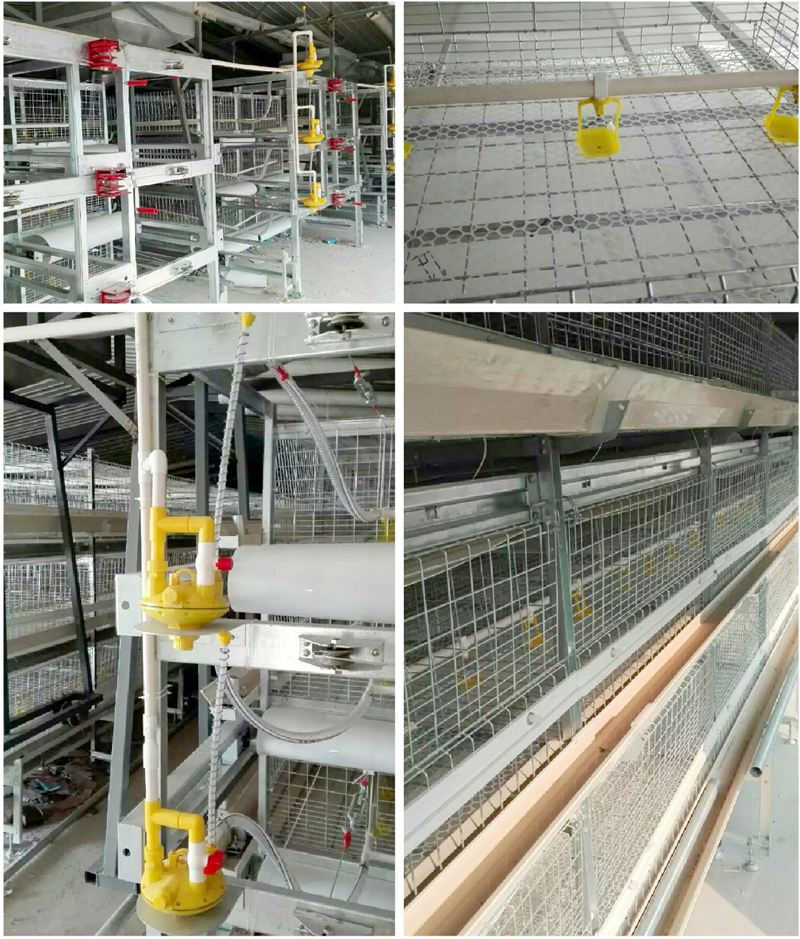
Stepped Layer Hen Cage Rearing Equipment
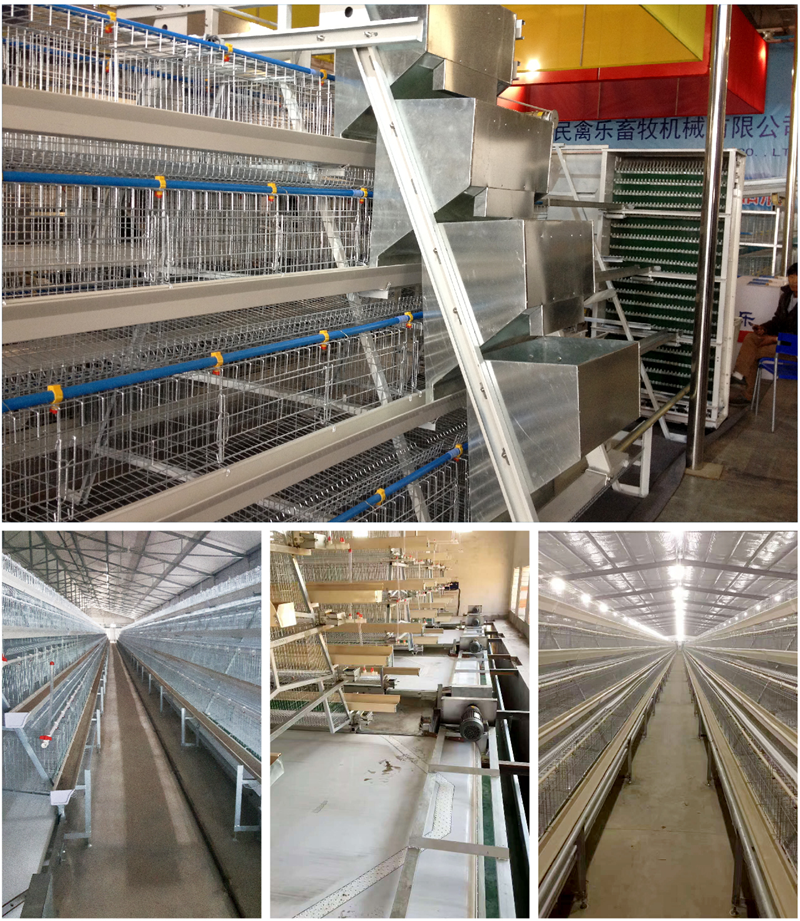
Automatic Egg Collection System
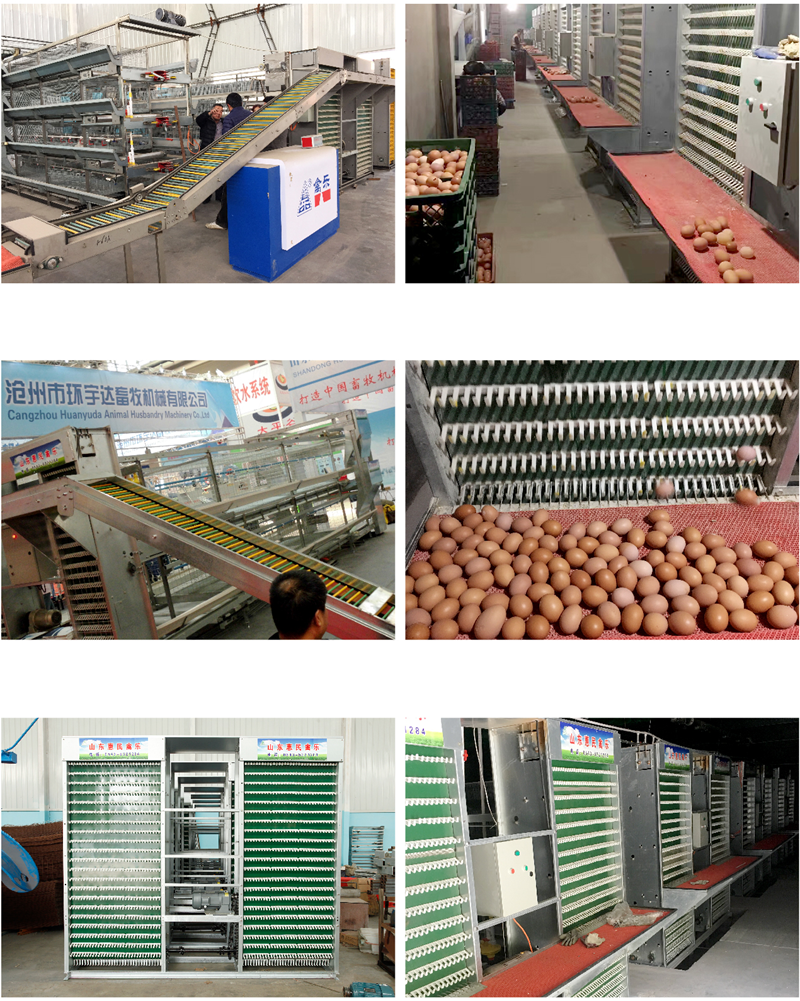
H-type Cage Feeding Machine
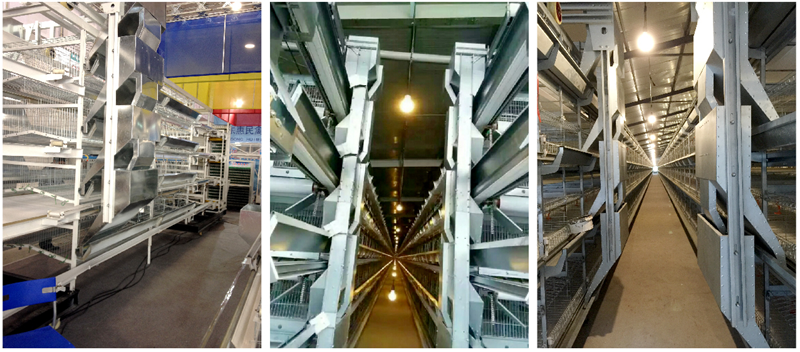
Stepped Cage Straddle Feeder
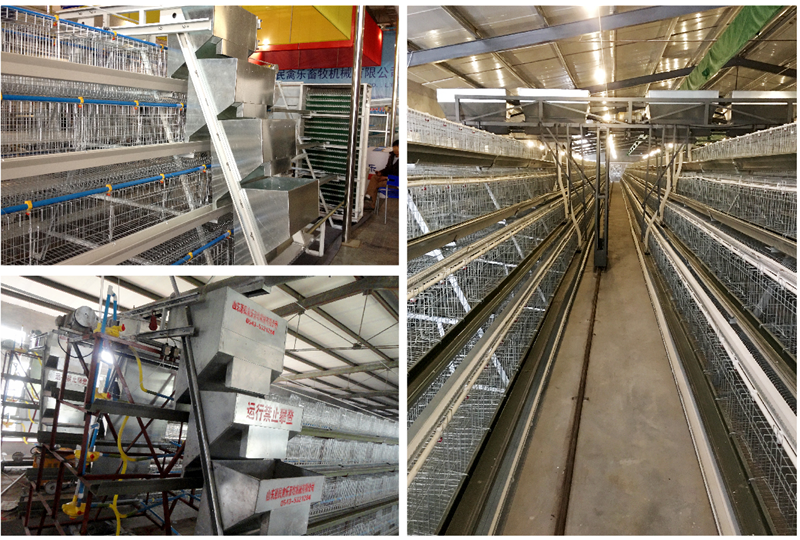
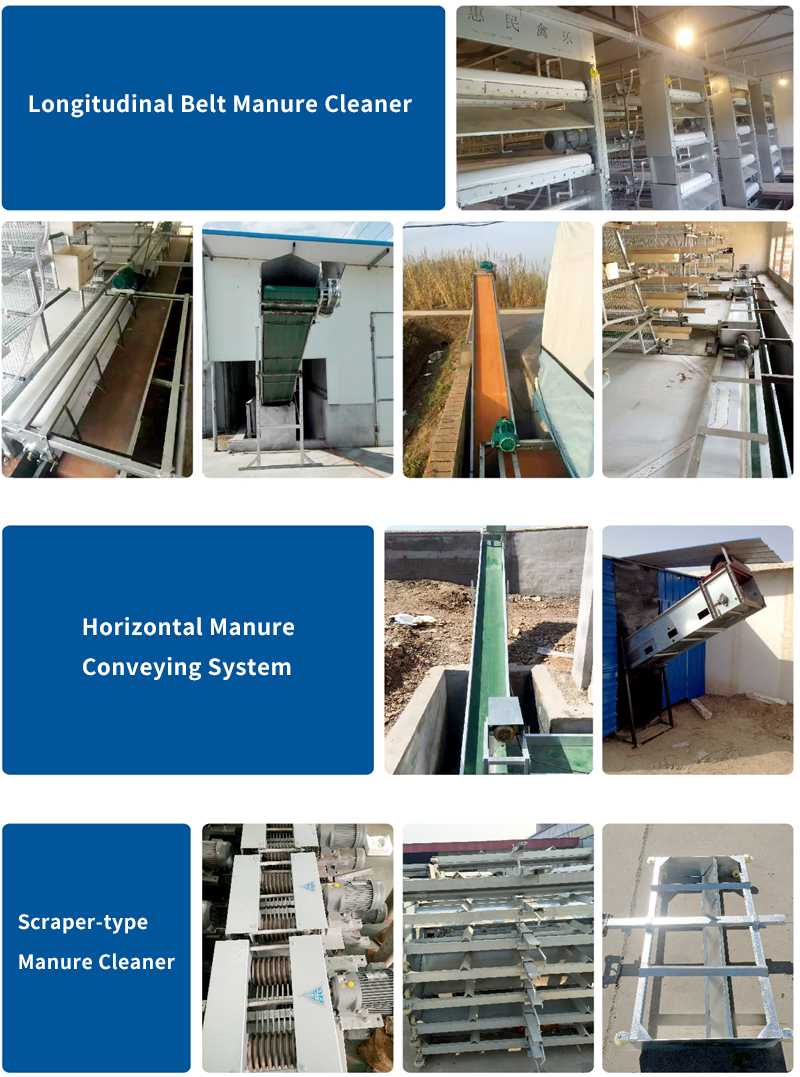
Manure Removal Machine
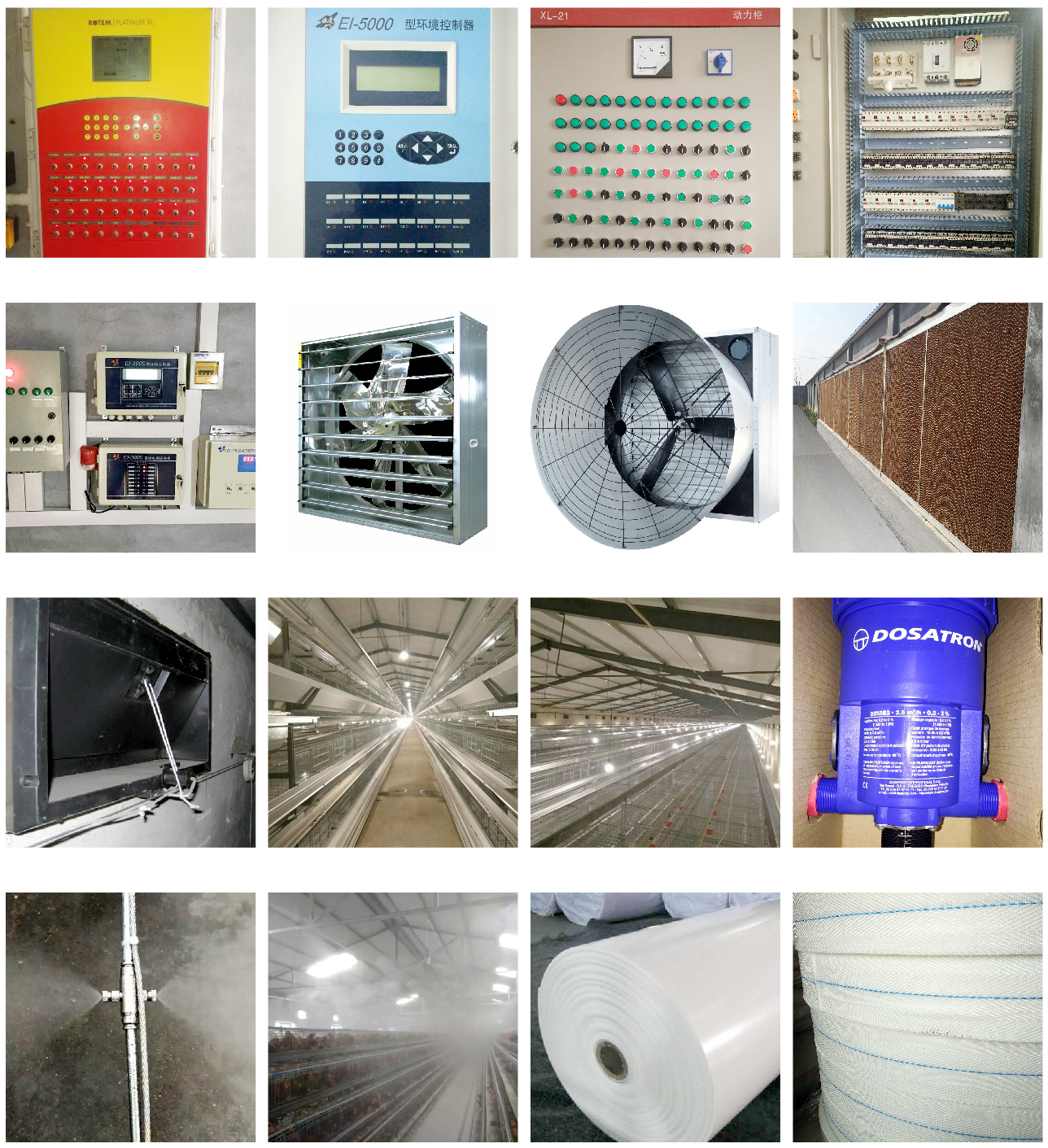
Fans, Heated Curtains, Environmental Control Systems, and Lighting Equipment
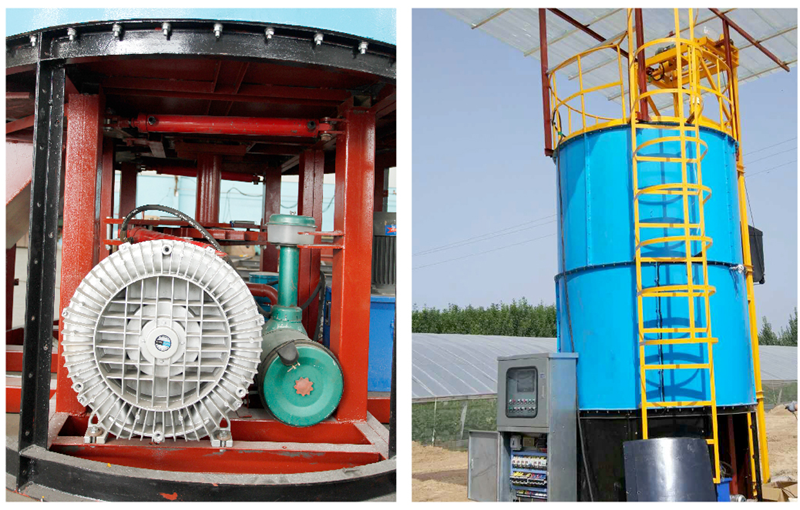
Complete Set of Equipment for Organic Fermentation Treatment of Manure
 RELATED
Бул веб-сайт биздин веб-сайтта эң жакшы тажрыйбаны алуу үчүн кукилерди колдонот.
 English
 Pусский
 Français
 العربية
 Indonesia
 қазақ
қазақ o'zbek
 тоҷикӣ
 Türkmenler
 Catalogue



 Whatsapp
 Телефон