

Introduction to Broiler Feeding Automation
Broiler feeding automation refers to the use of advanced technology and automated systems to manage the feeding process of broiler chickens. As broiler farming continues to scale globally, automation has become critical to enhance productivity, reduce labor costs, improve feed efficiency, and maintain animal welfare.
Automated feeding systems encompass various components including automated feed dispensers, feed lines, sensors, control software, and sometimes integration with climate control and monitoring systems. These technologies allow farmers to deliver precise feed quantities at scheduled intervals, minimize feed wastage, and ensure consistent nutrition to flocks throughout their growth cycle.
Broiler feeding automation is revolutionizing poultry farming by optimizing resource use, enabling data-driven farm management, and improving overall flock performance. This article provides a comprehensive overview of broiler feeding automation — from key parameters and features to advantages, application scenarios, operational guidelines, and frequently asked questions.
Technical Parameters of Broiler Feeding Automation Systems
Feed Delivery Capacity | 10 to 100+ tons per hour |
System Type | Fully automated, semi-automated, or manual assist |
Control System | PLC-based controllers, IoT-enabled smart systems |
Feed Line Length | 30 meters to 150+ meters |
Dispenser Capacity | 5 kg to 50 kg per dispenser |
Power Supply | 220V/380V, 50/60 Hz; backup battery or solar options available |
Automation Level | Timed feeding, sensor-based feed demand detection, AI-enabled predictive feeding |
Integration Capability | Compatible with environmental controls, water systems, data analytics platforms |
Material | Galvanized steel, stainless steel, food-grade plastics |
Operating Environment | Suitable for temperatures 0°C to 45°C, humidity tolerant |
User Interface | Touchscreen panels, mobile app control, remote monitoring |
Key Features of Broiler Feeding Automation
Modern broiler feeding automation systems include a wide range of advanced features aimed at improving farm efficiency and bird health:
1. Automated Feed Dispensing and Scheduling
Automated systems can dispense precise feed quantities at programmed times, ensuring consistent nutrition without manual intervention.
2. Real-Time Feed Consumption Monitoring
Sensors and load cells track feed usage in real-time, allowing farmers to monitor consumption patterns and adjust feeding strategies accordingly.
3. Adaptive Feeding Based on Bird Growth
Some advanced systems use AI and machine learning to adjust feed quantity and frequency based on growth data and environmental conditions.
4. Remote Monitoring and Control
Farmers can control and monitor feeding systems remotely via smartphones or computers, facilitating farm management even off-site.
5. Integration with Environmental Controls
Feeding systems can synchronize with ventilation, lighting, and temperature controls to optimize bird comfort and performance.
6. Data Logging and Analytics
Automated systems record feeding data that can be analyzed to improve productivity, identify problems early, and support decision-making.
7. Energy Efficient Operation
Low-energy motors and optimized system designs reduce power consumption, making the system eco-friendly and cost-effective.
8. Durable Construction
Materials such as galvanized or stainless steel ensure longevity, corrosion resistance, and easy cleaning.
Advantages of Broiler Feeding Automation
Adopting broiler feeding automation offers numerous benefits for poultry farms:
1. Improved Feed Conversion Ratio (FCR)
Precise and consistent feeding reduces overfeeding and feed wastage, improving FCR and lowering feed costs.
2. Labor Cost Reduction
Automation minimizes manual feeding labor, freeing workers for other essential farm tasks.
3. Enhanced Growth Uniformity
Uniform feed access ensures even growth across the flock, improving overall flock health and market value.
4. Increased Productivity
Optimized feeding schedules and real-time adjustments lead to faster growth and better flock performance.
5. Reduced Feed Waste
Automated delivery and monitoring systems reduce spillage and spoilage, enhancing feed efficiency.
6. Data-Driven Farm Management
Detailed feed consumption data supports better management decisions and farm planning.
7. Better Animal Welfare
Consistent feed availability and synchronized environmental controls promote bird comfort and reduce stress.
8. Scalability
Feeding automation systems can easily be scaled or upgraded as farm operations expand.
Typical Application Scenarios for Broiler Feeding Automation
Broiler feeding automation is suitable for a wide range of poultry farming operations:
1. Large Commercial Broiler Farms
Large-scale farms benefit most from automated systems by managing extensive flocks with minimal labor.
2. Contract Farming Operations
Contract growers can meet integrator feeding protocols accurately and efficiently using automation.
3. Integrated Poultry Production
Farms integrated with hatcheries, processing, and feed mills use automation to maintain consistency throughout the production chain.
4. Research and Development Farms
Automation supports controlled feeding studies and nutrition experiments.
5. Medium-Scale Farms Seeking Expansion
Semi-automated systems allow medium farms to improve efficiency as they grow toward larger operations.
6. Environmentally Controlled Poultry Houses
Automation integrates well with climate control to maintain optimal growing conditions.
How to Use Broiler Feeding Automation Systems
Proper operation is essential to maximize benefits from automation:
Step 1: Installation and Setup
Install feed lines, dispensers, sensors, and control units according to manufacturer guidelines.
Connect the system to a reliable power source and test electrical components.
Program feeding schedules based on bird age, weight, and farm goals.
Step 2: Calibration
Calibrate feed dispensers and sensors to ensure accurate feed delivery and monitoring.
Test feed flow rates and adjust timers or sensors accordingly.
Step 3: Training and Familiarization
Train farm personnel on system operation, troubleshooting, and maintenance.
Utilize user manuals and support services for advanced features.
Step 4: Monitoring and Adjustment
Regularly monitor feed consumption data via control panels or mobile apps.
Adjust feeding schedules or quantities based on flock growth and behavior.
Step 5: Maintenance and Cleaning
Clean feed lines and dispensers regularly to prevent feed contamination.
Inspect mechanical parts, sensors, and electrical components for wear or damage.
Perform scheduled maintenance as recommended by the manufacturer.
Step 6: Troubleshooting
Address feed flow blockages or sensor errors promptly.
Contact technical support for software or hardware issues beyond routine maintenance.
Frequently Asked Questions (FAQ)
Q1: What is broiler feeding automation?
A: Broiler feeding automation uses technology to automate feed delivery, monitoring, and management for broiler chickens, reducing manual labor and improving feeding precision.
Q2: How much can automation improve feed efficiency?
A: Automated feeding systems can reduce feed waste by up to 20%, improving feed conversion ratios and lowering feed costs.
Q3: Is broiler feeding automation suitable for small farms?
A: While primarily beneficial for medium to large farms, some semi-automated systems are designed for small-scale use.
Q4: Can feeding automation integrate with other poultry house systems?
A: Yes, modern automation systems can integrate with ventilation, lighting, watering, and climate control systems for holistic farm management.
Q5: How do I maintain a broiler feeding automation system?
A: Regular cleaning, sensor calibration, mechanical inspections, and software updates are necessary to maintain optimal performance.
Q6: What happens if there is a power failure?
A: Many systems include backup power options or alerts to prevent feeding disruption during power outages.
Q7: Can I monitor feeding remotely?
A: Yes, most modern systems offer remote monitoring and control via smartphone apps or computer software.
Q8: How is feed wastage minimized?
A: Precise feed portioning, timed dispensing, and real-time monitoring prevent overfeeding and spillage.
Q9: What are common challenges in broiler feeding automation?
A: Common challenges include system calibration, sensor malfunctions, and feed flow blockages, which require timely maintenance.
Q10: How do I select the right automation system?
A: Consider farm size, budget, integration needs, and desired automation level. Consult suppliers and experts for tailored solutions.
Conclusion
Broiler Feeding Automation is a transformative solution that enhances poultry farm efficiency, productivity, and animal welfare. By automating feed delivery and monitoring, farms can achieve precise nutrition management, reduce labor costs, and support sustainable poultry production.
For broiler farmers aiming to modernize operations, investing in an automated feeding system is a strategic move towards future-proofing the farm and improving profitability. Proper understanding of system parameters, features, and maintenance will ensure maximum return on investment and healthier, more productive flocks.
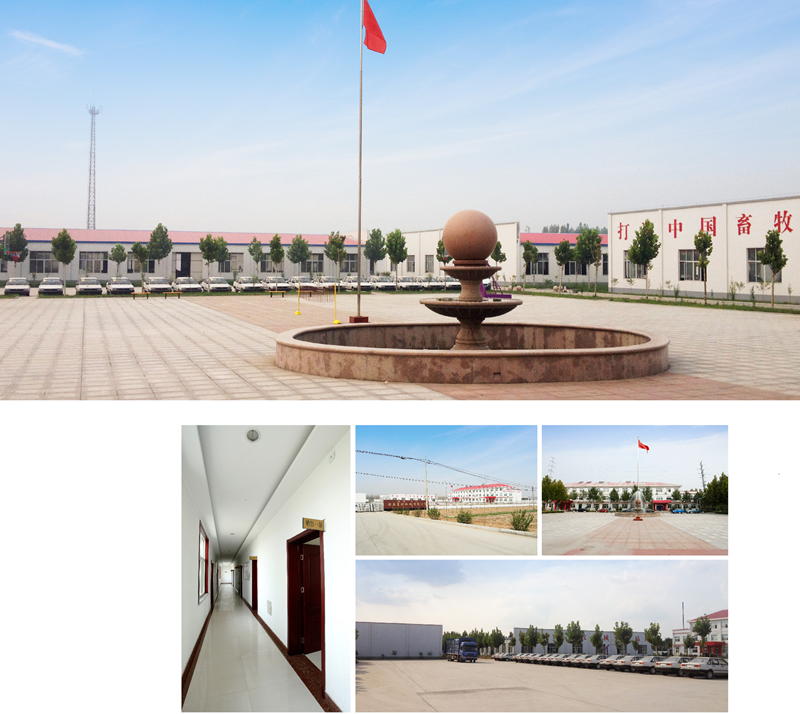
Shandong Huimin Qinle Livestock Machinery Co., Ltd. (formerly Shandong Huimin Qinle Livestock Machinery Factory) is a professional poultry equipment manufacturer with over 20 years of experience. We offer a comprehensive service package, from design (land and chicken coops), production (equipment and prefabricated steel coops), installation, commissioning, customer training, and after-sales service.
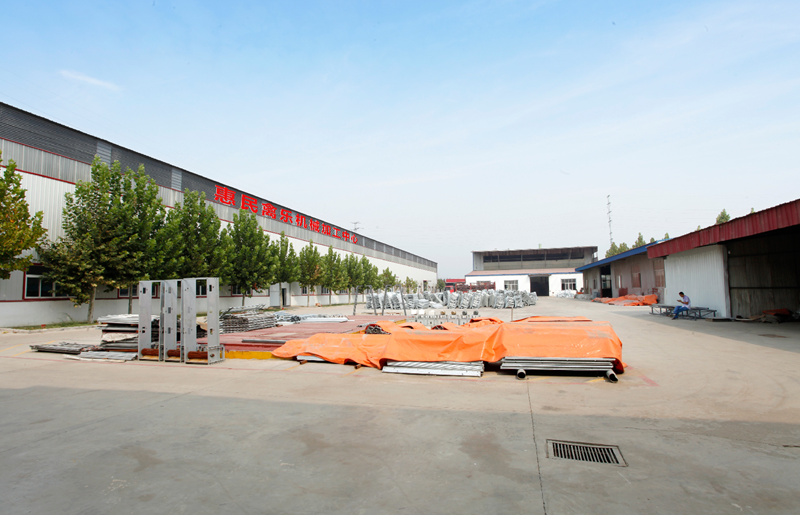
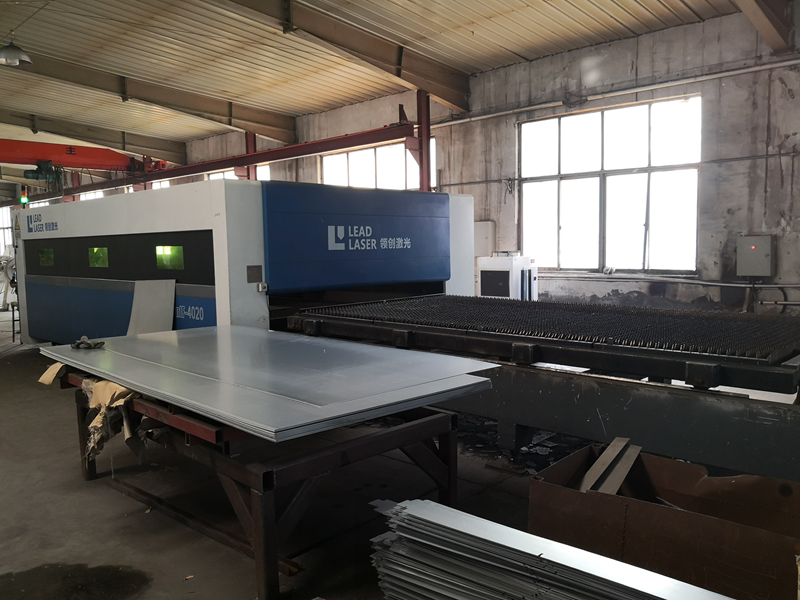
Located in Huimin County, Binzhou City, Shandong Province, China, the company has extensive experience in mechanical processing and manufacturing, as well as livestock machinery production and operation. With fixed assets of RMB 15 million, the company employs 160 people, including 30 R&D staff, and occupies a 40,000-square-meter factory. Equipped with over 110 pieces of advanced precision production equipment, including CNC machining centers and laser cutting machines, the company boasts a production capacity of RMB 50 million.
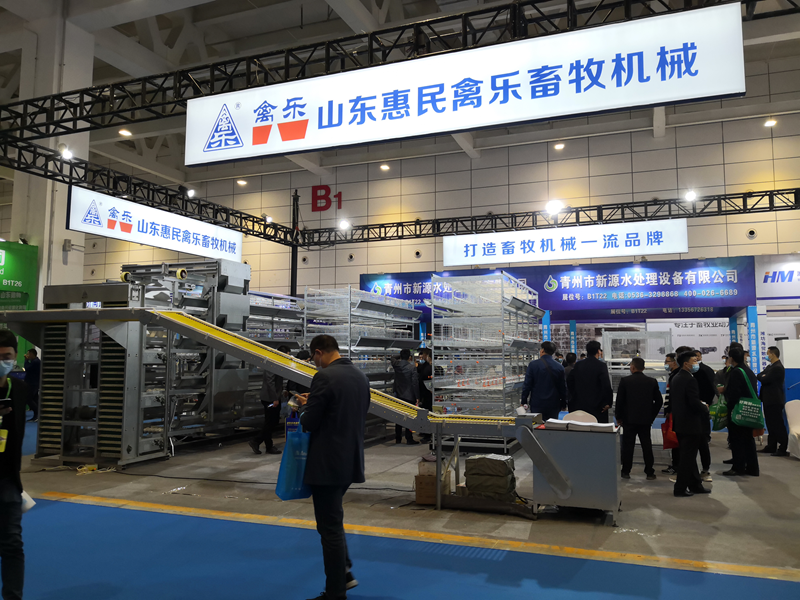
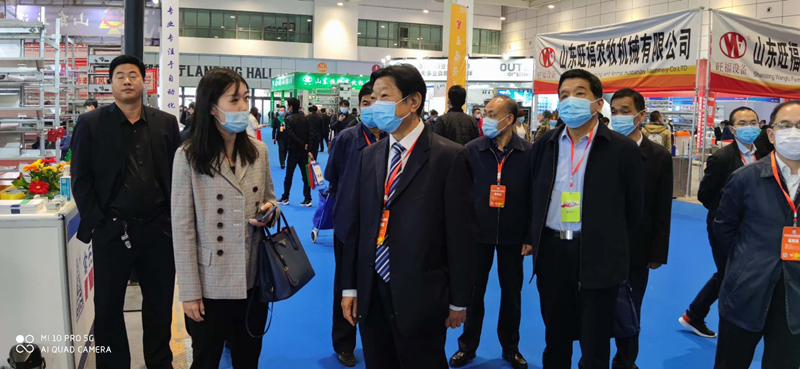
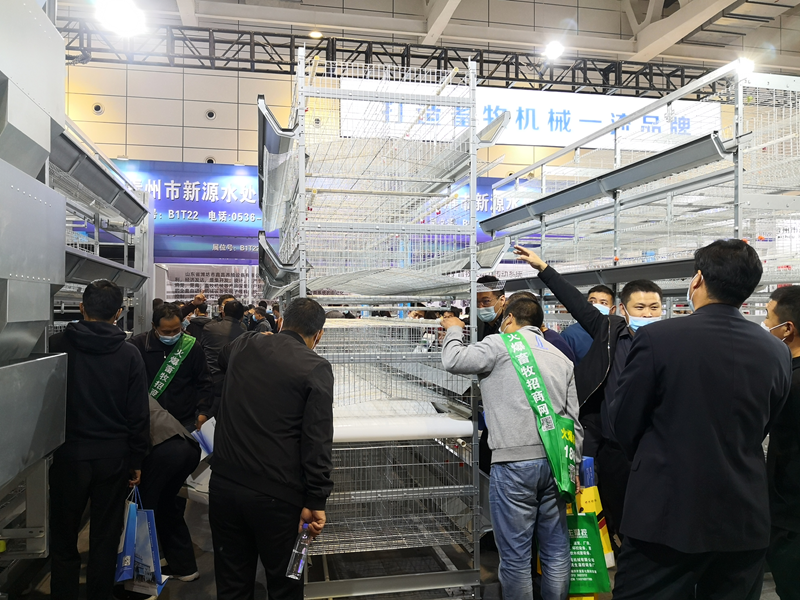
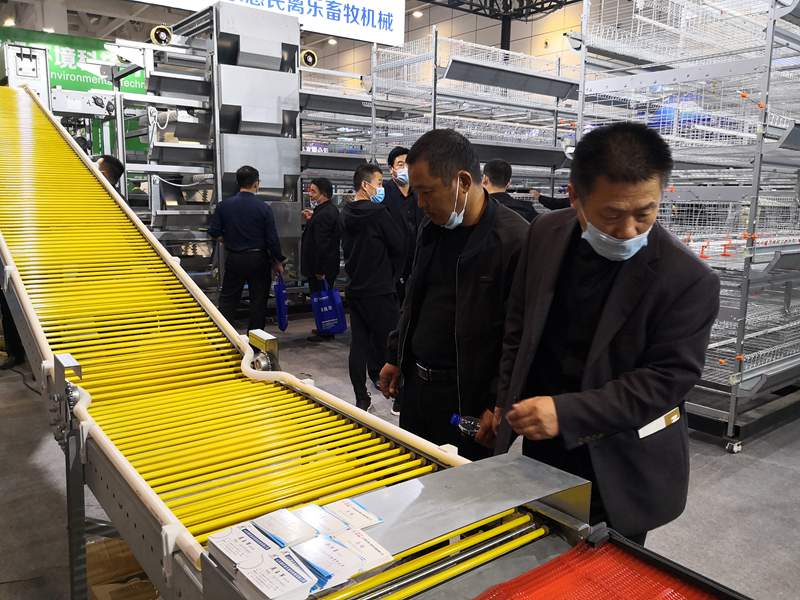
Chicken Farming Equipment Mesh Production Workshop

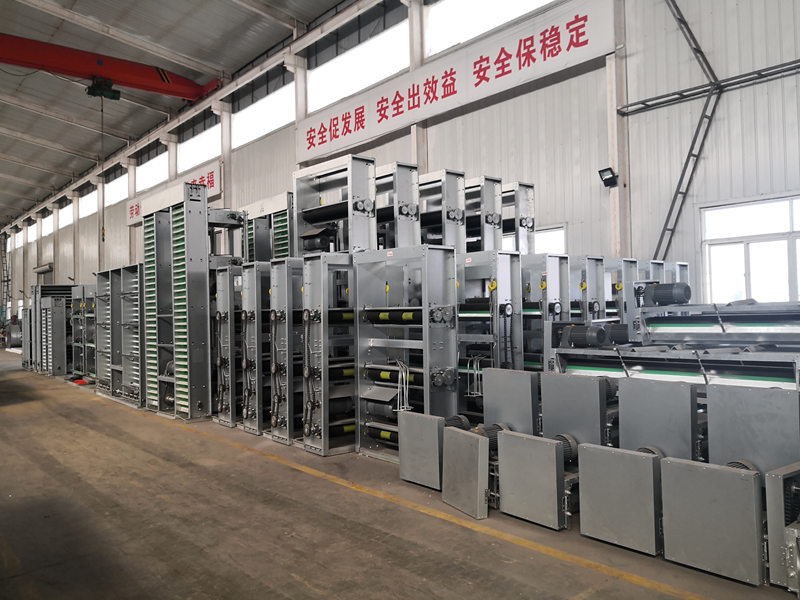
Machining Workshop
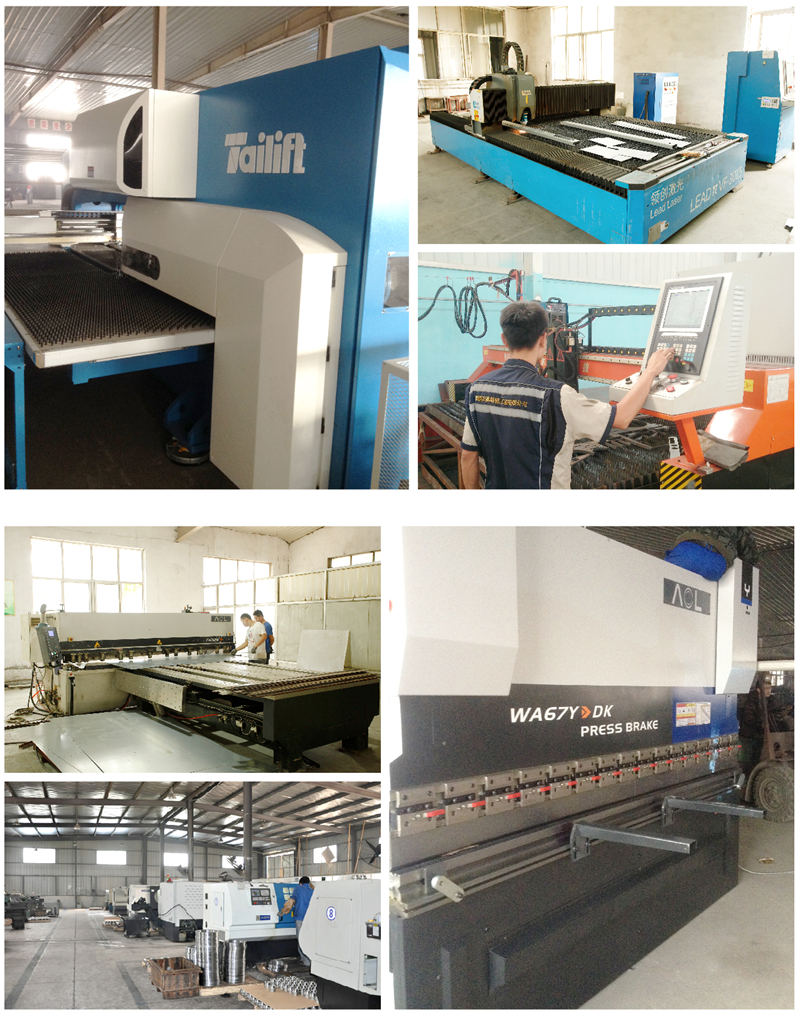
Turret-type CNC Punch Press, Laser Cutting and Other Machining Equipment

Fully Automated Roll Forming Production Line

Hot-dip Galvanizing Production Line

Electroplating Production Line
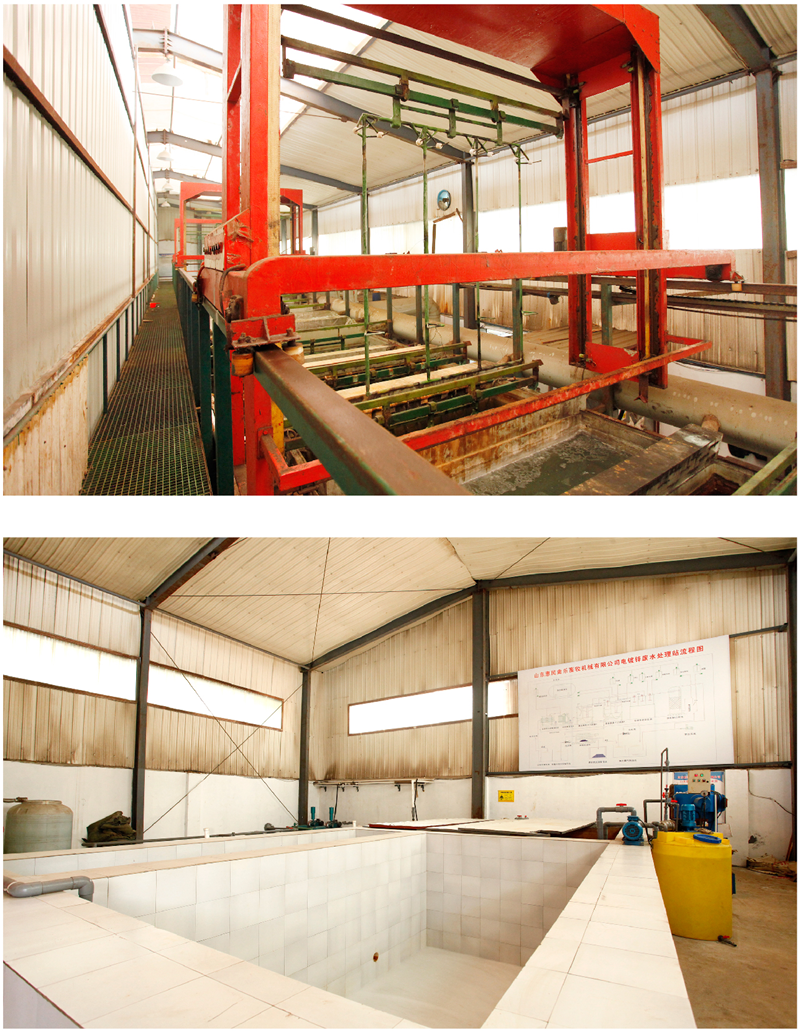
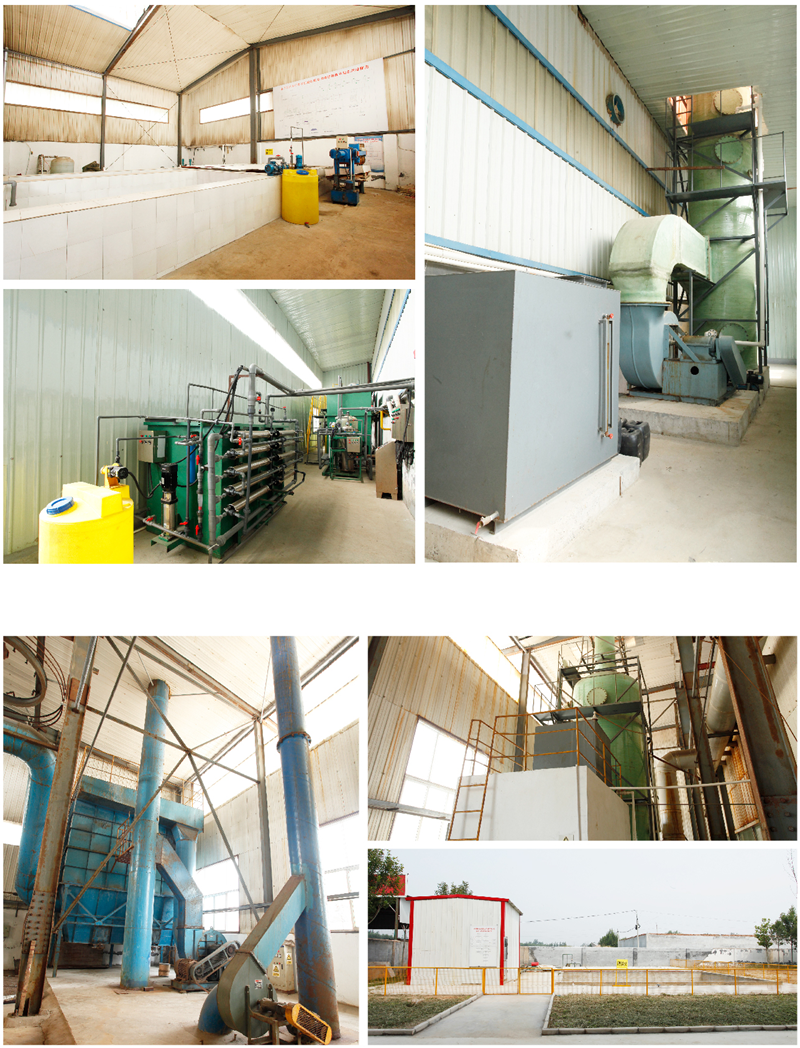
Environmental Protection Equipment
Chicken Farming Equipment Product Series
Egg-laying Hen Farming Equipment
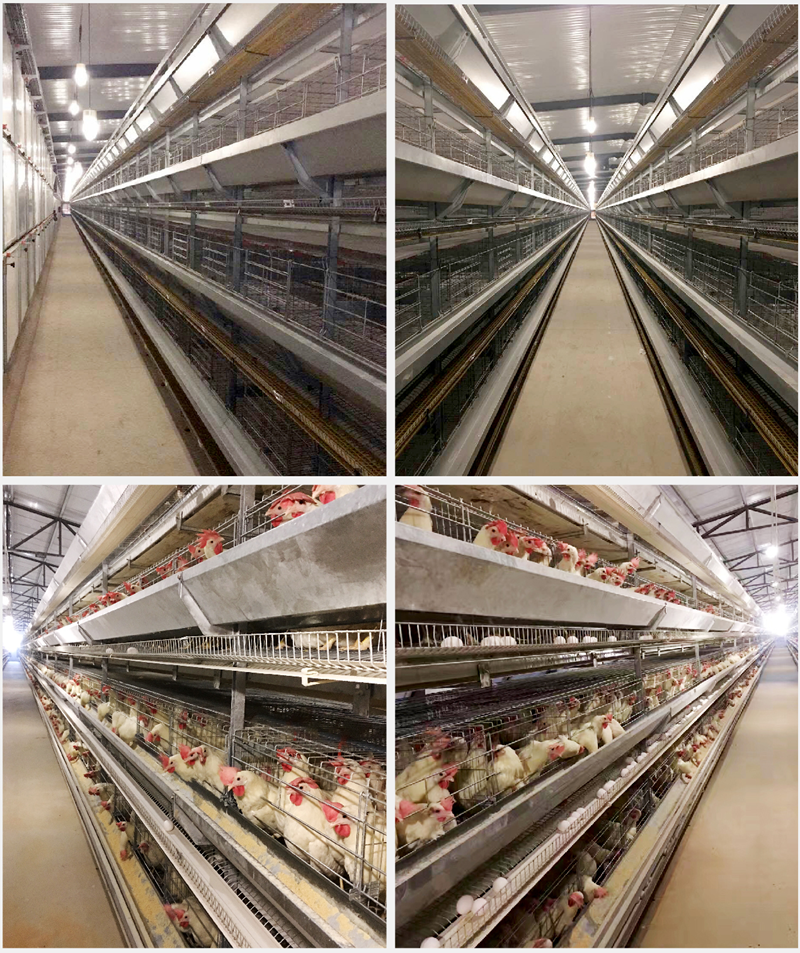
Stacked Brooding Cage Equipment

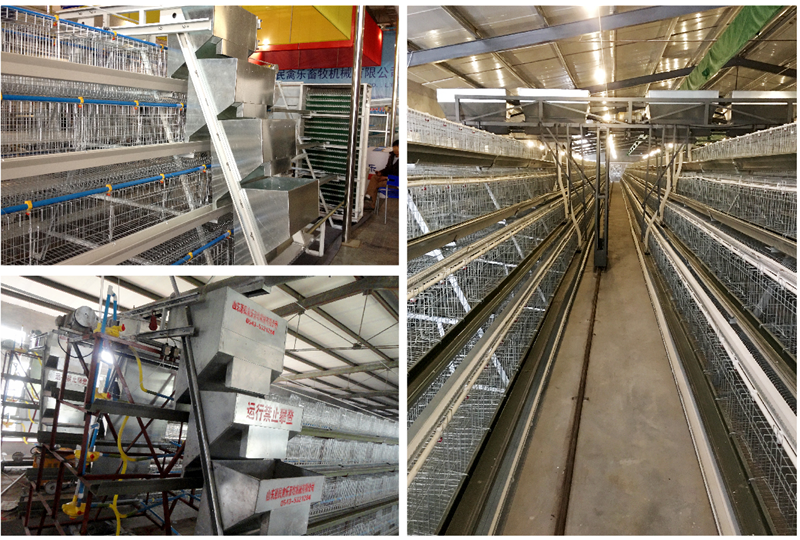
Stacked Broiler Cage Equipment
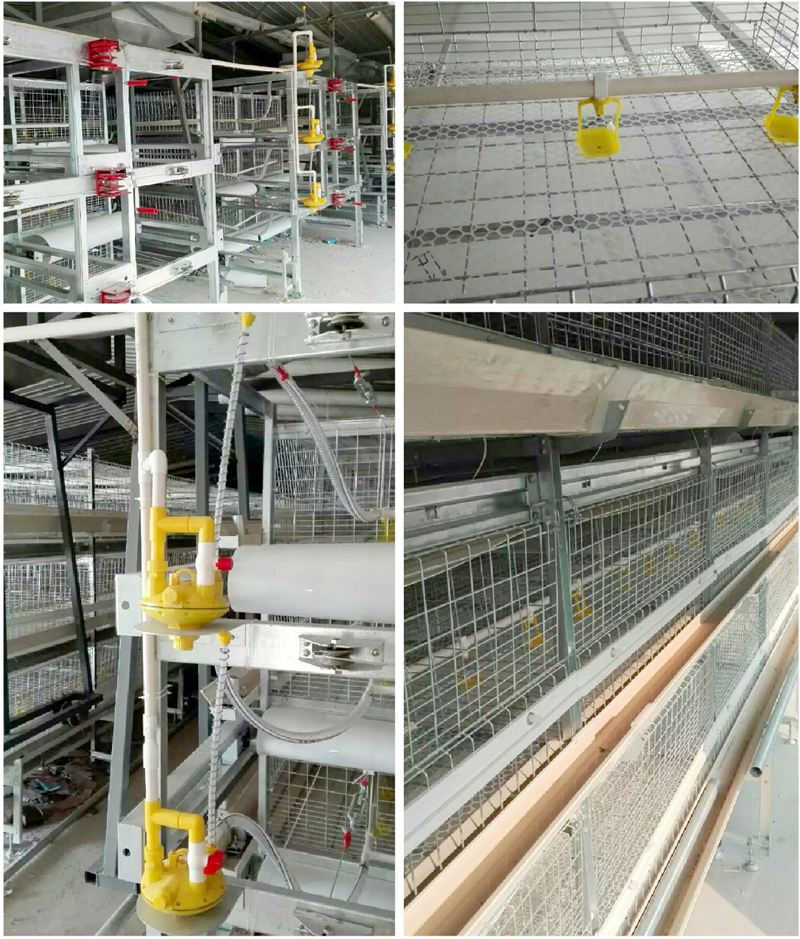
Stepped Layer Hen Cage Rearing Equipment
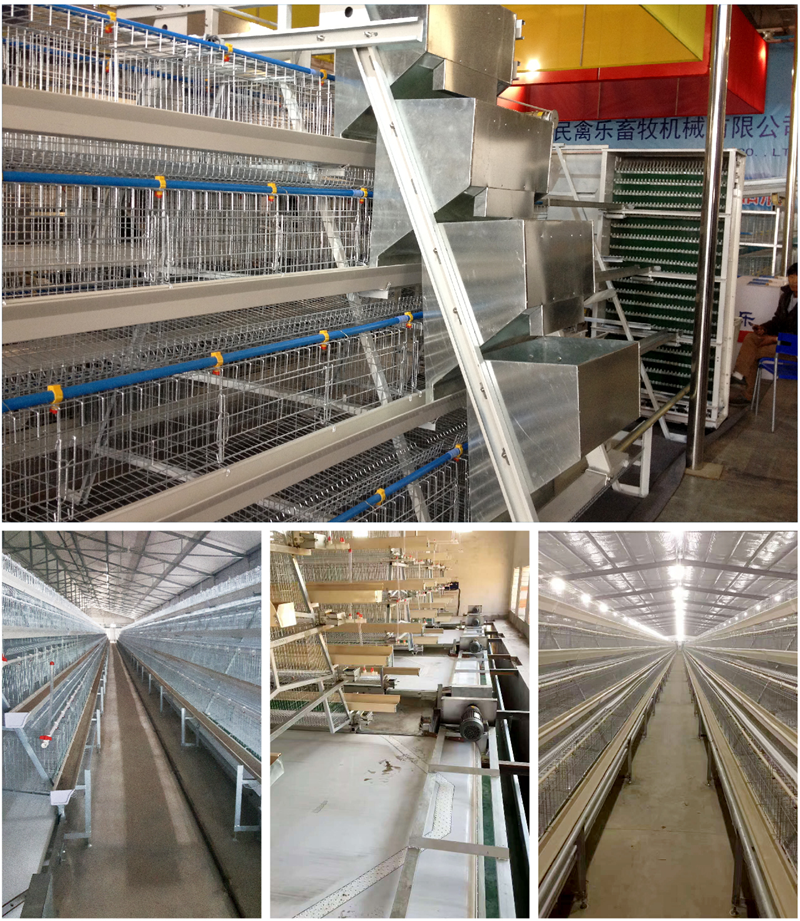
Automatic Egg Collection System
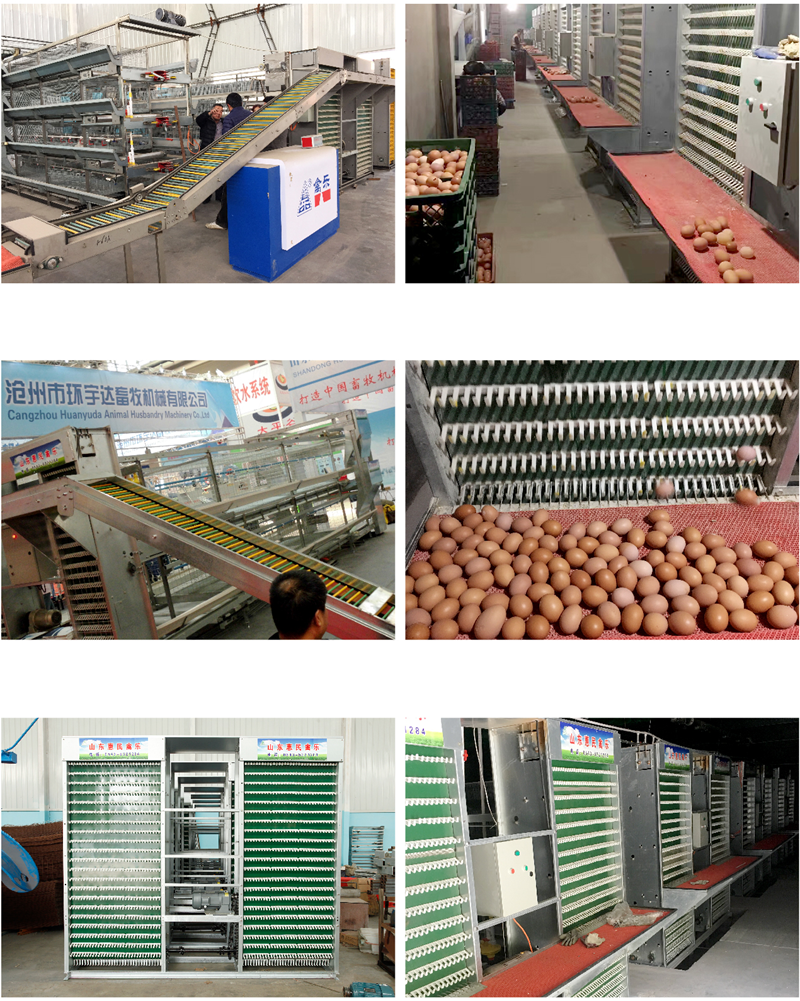
H-type Cage Feeding Machine
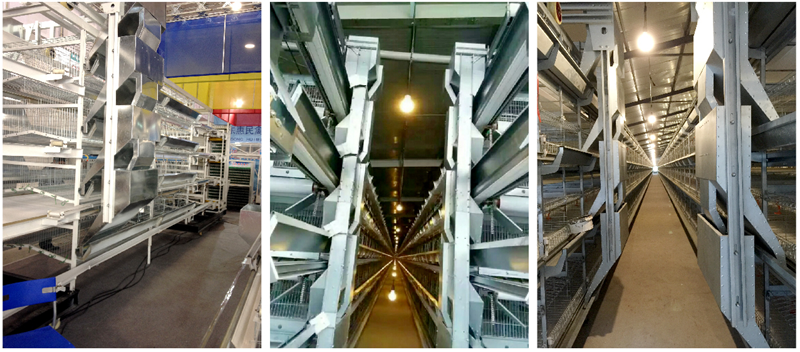
Stepped Cage Straddle Feeder
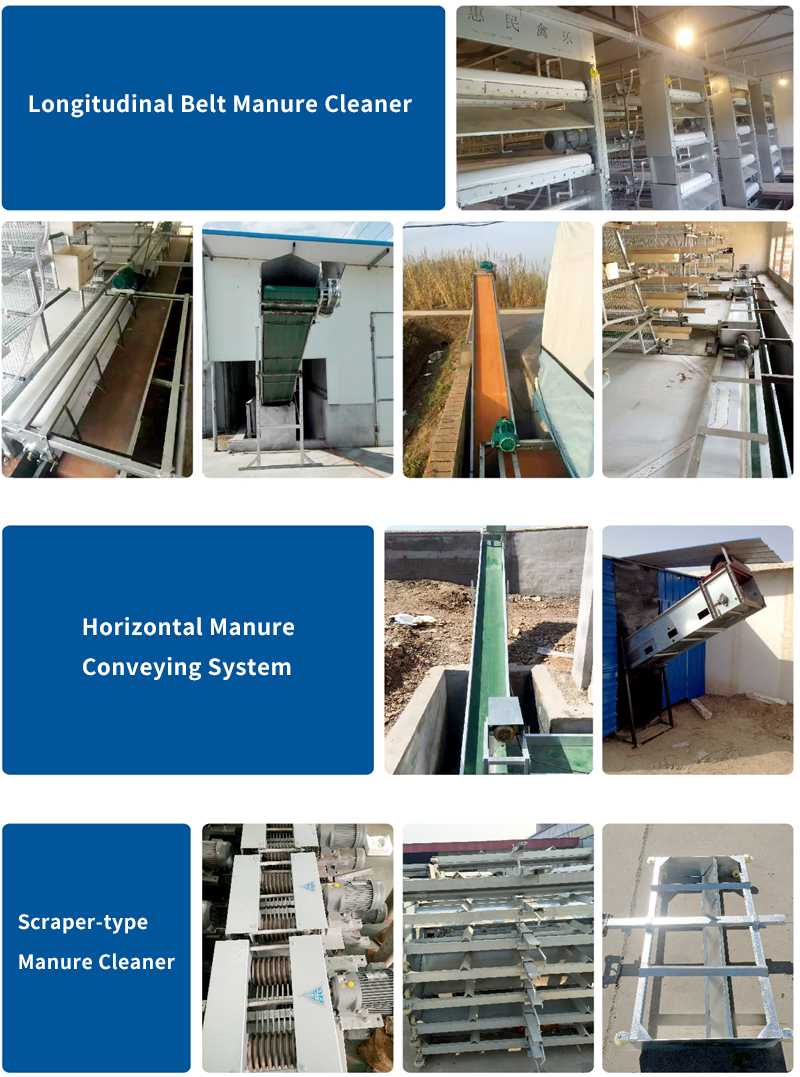
Manure Removal Machine
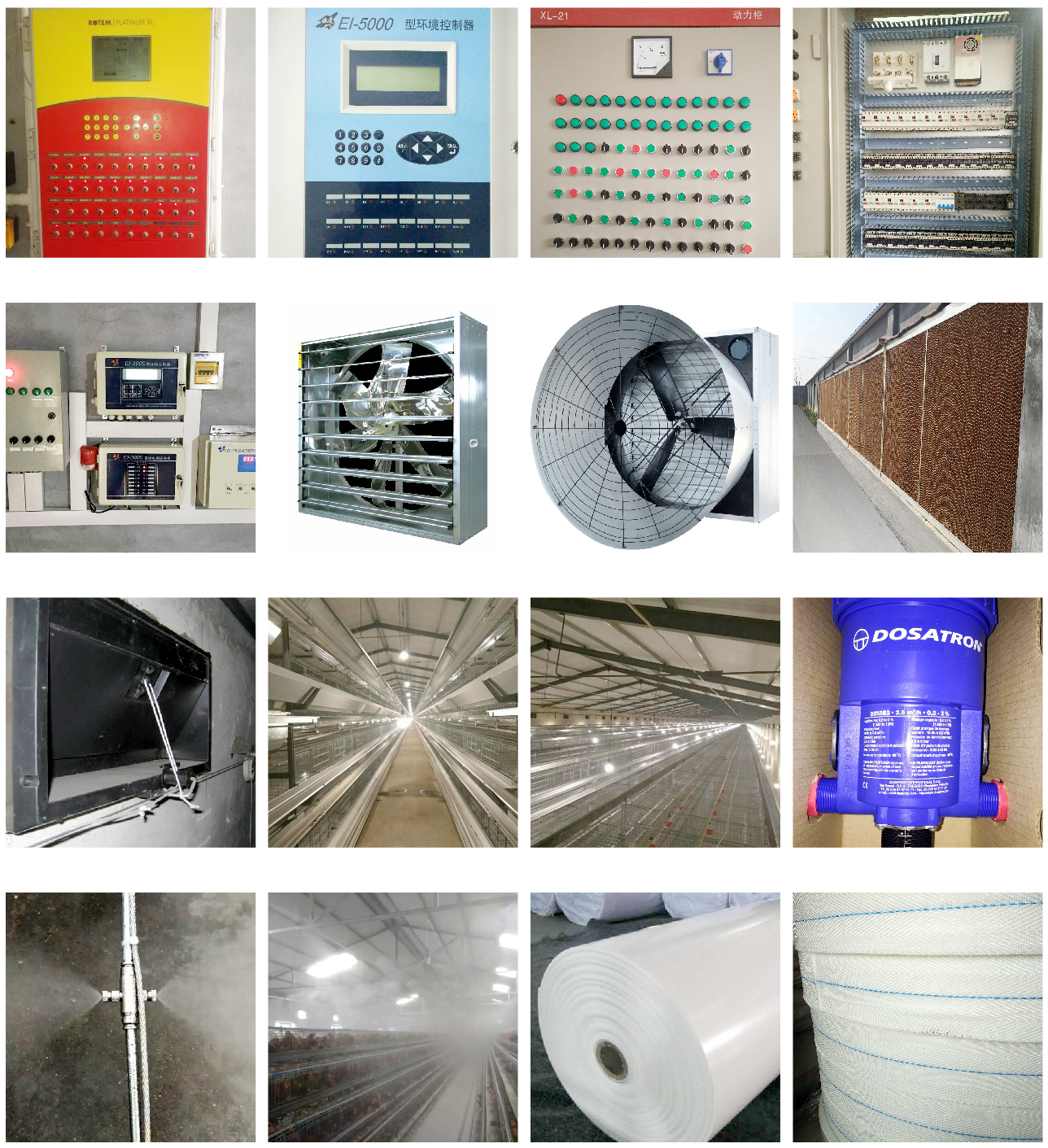
Fans, Heated Curtains, Environmental Control Systems, and Lighting Equipment
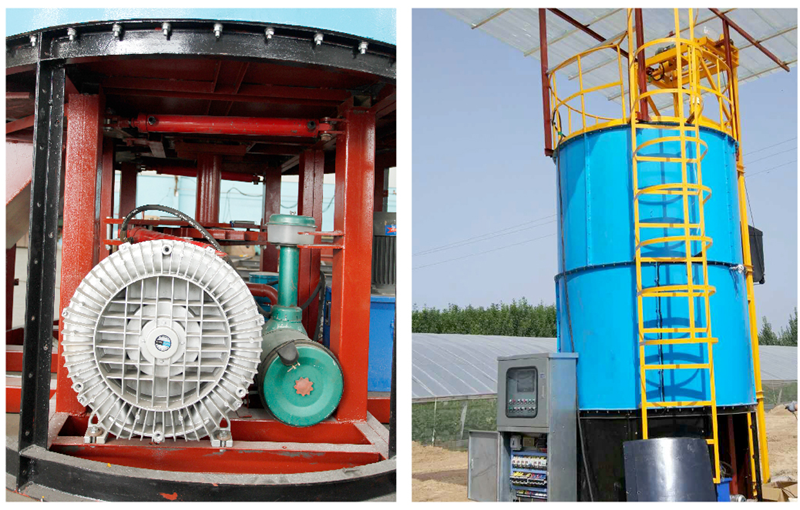
Complete Set of Equipment for Organic Fermentation Treatment of Manure
 RELATED
Бул веб-сайт биздин веб-сайтта эң жакшы тажрыйбаны алуу үчүн кукилерди колдонот.
 English
 Pусский
 Français
 العربية
 Indonesia
 қазақ
қазақ o'zbek
 тоҷикӣ
 Türkmenler
 Catalogue



 Whatsapp
 Телефон