

1. Introduction to Feed Making Machine
A Feed Making Machine is an essential piece of equipment used in the agriculture and animal husbandry industries for producing animal feed pellets from raw materials such as grains, corn, soybean meal, wheat bran, and various additives. These machines are critical for converting raw ingredients into a uniform, nutritious, and easy-to-consume pellet feed for various livestock including poultry, cattle, fish, pigs, and other animals.
With the growing demand for efficient and cost-effective feed production, feed making machines have evolved to incorporate advanced features such as automated batching, mixing, pelleting, cooling, and packaging. This machinery helps farmers and feed manufacturers control feed quality, optimize nutrition, reduce waste, and improve overall farm productivity.
The importance of feed making machines lies in their ability to provide:
Consistent feed pellet quality
Improved feed conversion rates
Reduced feed wastage and dust
Enhanced animal health and growth
Flexibility to produce different feed types and pellet sizes
Modern feed making machines range from small-scale units suitable for family farms to large industrial lines capable of producing several tons per hour.
2. Technical Parameters of Feed Making Machine
Production Capacity | 300 kg/hr to 20,000 kg/hr |
Power Consumption | 22 kW to 250 kW |
Voltage | 380V / 400V / 415V, 50/60 Hz |
Pellet Diameter | 1.5 mm to 10 mm |
Pellet Length | 3 mm to 25 mm |
Raw Material Size | ≤ 5 mm (after grinding) |
Moisture Content | 12% to 15% (before pelleting) |
Die Material | Hardened alloy steel or stainless steel |
Machine Weight | 500 kg to 10,000 kg |
Noise Level | ≤ 85 dB |
Automation Level | Semi-automatic to fully automatic |
Cooling Method | Counter-flow cooler or air cooling |
3. Key Features of Feed Making Machine
3.1 High Efficiency and Capacity
Feed making machines are designed to deliver high throughput with minimal energy consumption, making them suitable for both small farms and large feed factories.
3.2 Versatile Raw Material Compatibility
They can process a wide range of raw materials such as corn, wheat, soybean, rice bran, cottonseed, grass, alfalfa, and other agricultural byproducts.
3.3 Adjustable Pellet Sizes
Interchangeable dies allow production of pellets with different diameters (1.5mm–10mm), catering to animals of different ages and species.
3.4 Robust Construction
Machines are made from high-quality steel with corrosion-resistant coatings ensuring long service life and durability under demanding farm conditions.
3.5 Integrated Automation
Many machines come with programmable logic controllers (PLC) enabling automated feed batching, mixing, pelleting, and packaging, which reduces labor and increases production consistency.
3.6 Energy Efficiency
Optimized motor and gearbox designs reduce power consumption by 15-30% compared to older models.
3.7 Enhanced Safety Features
Feed making machines are equipped with overload protection, emergency stop switches, and safety covers to ensure operator safety.
4. Advantages of Using Feed Making Machine
4.1 Cost Savings on Feed
Producing feed on-site reduces reliance on expensive commercial feed and allows farmers to optimize feed formulas based on local raw materials.
4.2 Improved Animal Growth and Health
Uniform pellets improve feed intake and digestion, leading to better growth rates and overall animal health.
4.3 Reduced Feed Waste
Pelleted feed produces less dust and spill, reducing feed losses significantly.
4.4 Increased Farm Productivity
By ensuring a consistent supply of high-quality feed, farms can maintain steady animal production cycles and reduce downtime.
4.5 Flexibility and Scalability
Feed making machines can be scaled and customized to suit the specific needs of farms ranging from backyard setups to large commercial operations.
5. Application Scenarios
Manufacturing layer, broiler, and breeder feed pellets with optimal size and nutrient composition.
5.2 Cattle and Ruminant Feed
Producing roughage pellets mixed with minerals and vitamins to support dairy and beef cattle nutrition.
5.3 Aquaculture Feed
Pelletizing fish feed with water-stable pellets for efficient feeding.
5.4 Pig Feed Production
Creating feed formulations tailored to piglets, growers, and sows for optimal growth.
5.5 Mixed Livestock Farms
Farmers raising multiple animal species can produce custom feeds suitable for different livestock needs.
5.6 Feed Factories and Cooperatives
Large-scale production for commercial sale and distribution to local farms.
6. Usage Instructions
6.1 Pre-Operation Checks
Inspect all components for damage or wear.
Check lubrication points and oil levels.
Verify power supply matches machine requirements.
Clean all machine parts before first use.
6.2 Raw Material Preparation
Ensure raw materials are clean and dry.
Use hammer mill to grind materials to appropriate size.
Mix ingredients in accurate ratios for balanced nutrition.
6.3 Operating Procedure
Load raw materials into the mixer and blend evenly.
Feed the mixture into the pellet mill gradually.
Adjust the pellet die and roller pressure as needed.
Monitor pellet output for quality and consistency.
Use cooler to reduce pellet temperature and moisture.
Collect pellets and package or store as required.
6.4 Shutdown Procedure
Stop feeding raw material.
Run machine empty to clear residues.
Turn off power and clean all components.
Lubricate moving parts.
7. Maintenance Guide
7.1 Daily Maintenance
Clean feed inlet, outlet, and pellet die.
Check for abnormal noise or vibration.
Inspect lubricants and refill if necessary.
7.2 Weekly Maintenance
Inspect and clean hammer mill blades.
Check belt tension and replace if worn.
Examine pellet die and rollers for wear.
7.3 Monthly Maintenance
Perform full system lubrication.
Inspect electrical wiring and control panels.
Check gearboxes and motors.
7.4 Annual Maintenance
Replace worn-out dies and rollers.
Inspect structural integrity.
Update software and control systems if applicable.
8. Troubleshooting Common Issues
8.1 Pellet Quality Problems
Pellets are too soft: check moisture content and roller pressure.
Pellets break easily: verify die condition and drying process.
8.2 Machine Overheating
Possible causes: overload, poor lubrication, blocked airflow.
Solutions: reduce load, lubricate moving parts, clean fans.
8.3 Feed Blockages
Causes: uneven raw materials, moisture clumping.
Solutions: check raw material preparation, clean feed inlet.
8.4 Noise and Vibration
Causes: loose parts, worn bearings.
Solutions: tighten bolts, replace bearings.
9. Frequently Asked Questions (FAQs)
Q1: What types of raw materials can be processed?
Corn, wheat, soybean meal, rice bran, fish meal, bone meal, vitamins, minerals, etc.
Q2: Can the machine produce different pellet sizes?
Yes, die plates with different hole diameters allow various pellet sizes.
Q3: What is the typical power consumption?
Ranges from 22 kW to 250 kW depending on machine capacity.
Q4: Is the machine suitable for small farms?
Yes, small capacity machines are ideal for family and small-scale farms.
Q5: How often should dies be replaced?
Every 6 to 12 months depending on usage and material abrasiveness.
Q6: Does the machine require special training?
Basic training is usually provided by manufacturers or distributors.
10. Conclusion
A Feed Making Machine is a vital investment for modern livestock farms and feed producers. It enables on-site production of high-quality, nutritionally balanced pellets that enhance animal growth, reduce waste, and improve farm profitability. From poultry to cattle, aquaculture to pig farming, feed making machines offer versatile solutions tailored to meet diverse farming needs.
With robust construction, advanced automation, and flexible capacity options, feed making machines support efficient, cost-effective feed production for farms of all sizes.
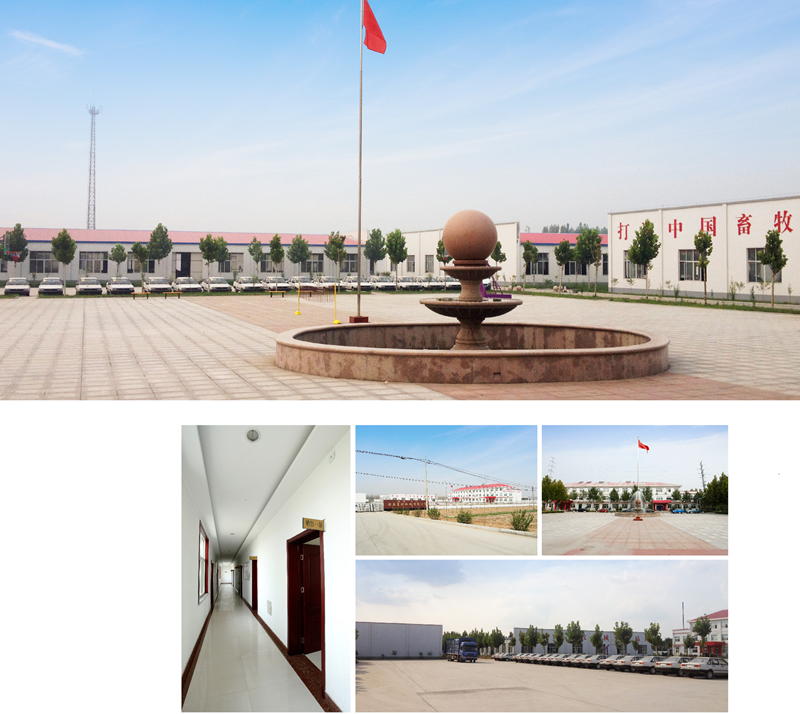
Shandong Huimin Qinle Livestock Machinery Co., Ltd. (formerly Shandong Huimin Qinle Livestock Machinery Factory) is a professional poultry equipment manufacturer with over 20 years of experience. We offer a comprehensive service package, from design (land and chicken coops), production (equipment and prefabricated steel coops), installation, commissioning, customer training, and after-sales service.
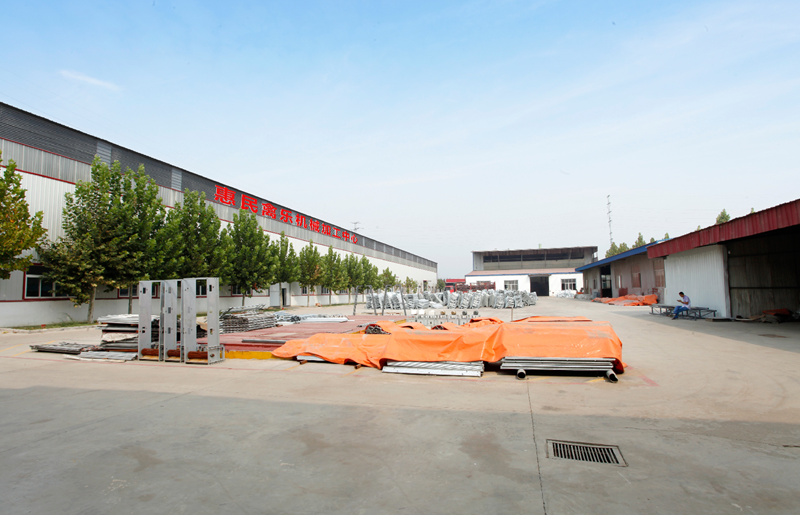
Located in Huimin County, Binzhou City, Shandong Province, China, the company has extensive experience in mechanical processing and manufacturing, as well as livestock machinery production and operation. With fixed assets of RMB 15 million, the company employs 160 people, including 30 R&D staff, and occupies a 40,000-square-meter factory. Equipped with over 110 pieces of advanced precision production equipment, including CNC machining centers and laser cutting machines, the company boasts a production capacity of RMB 50 million.
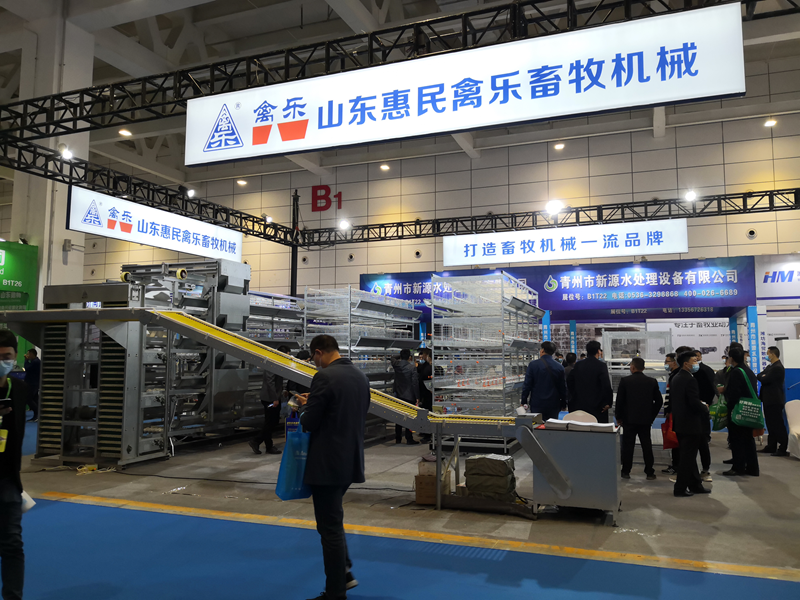
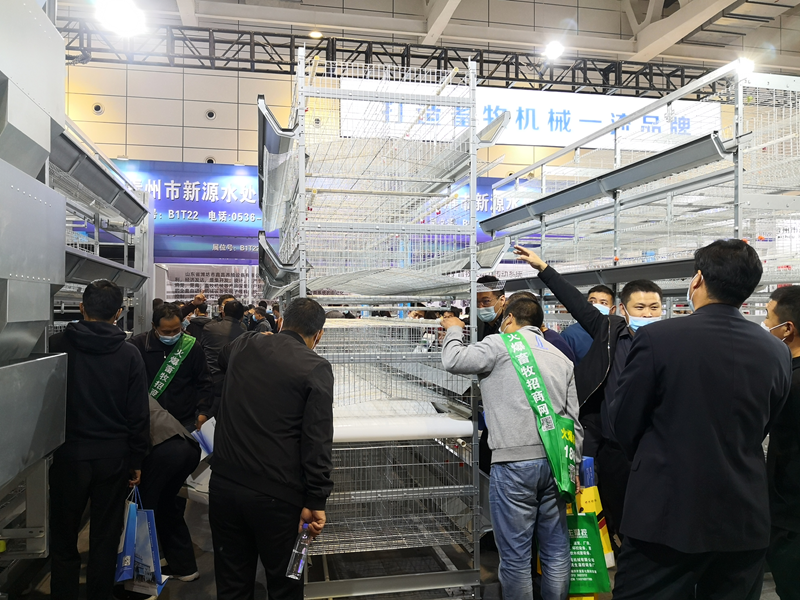
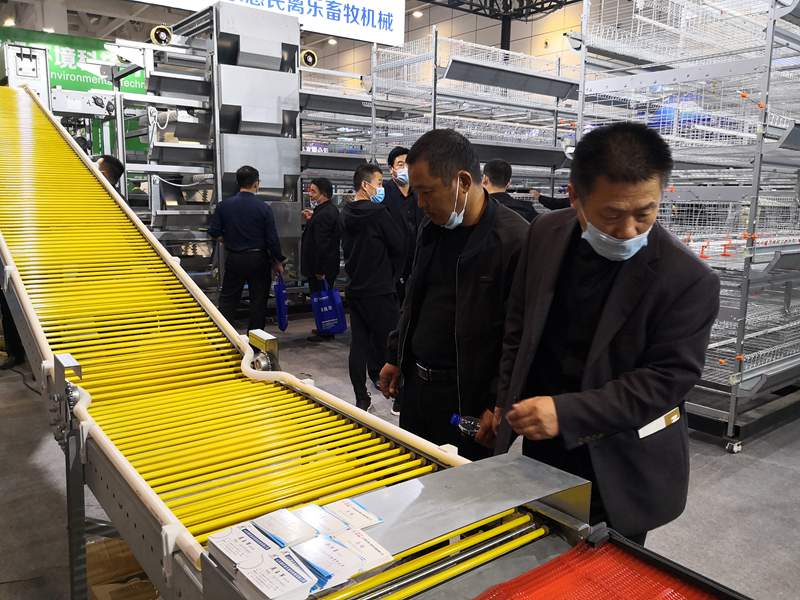
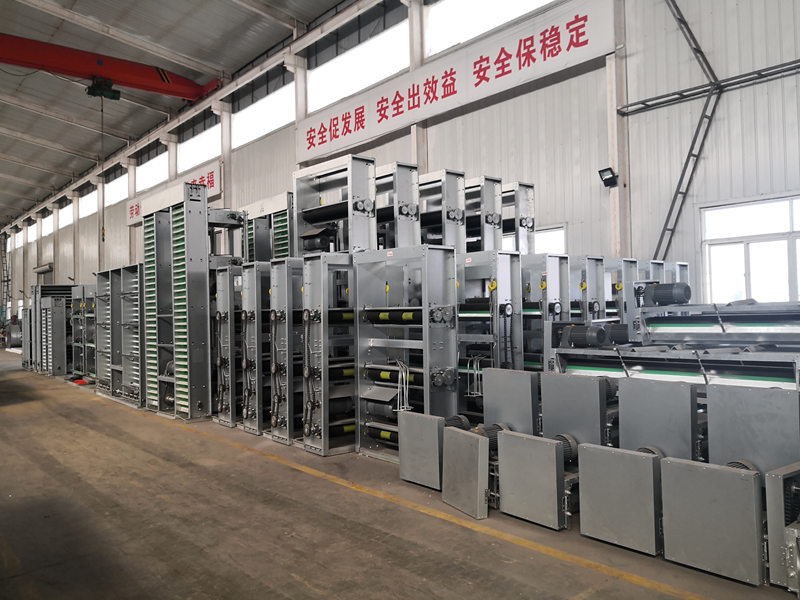
Chicken Farming Equipment Mesh Production Workshop

Machining Workshop
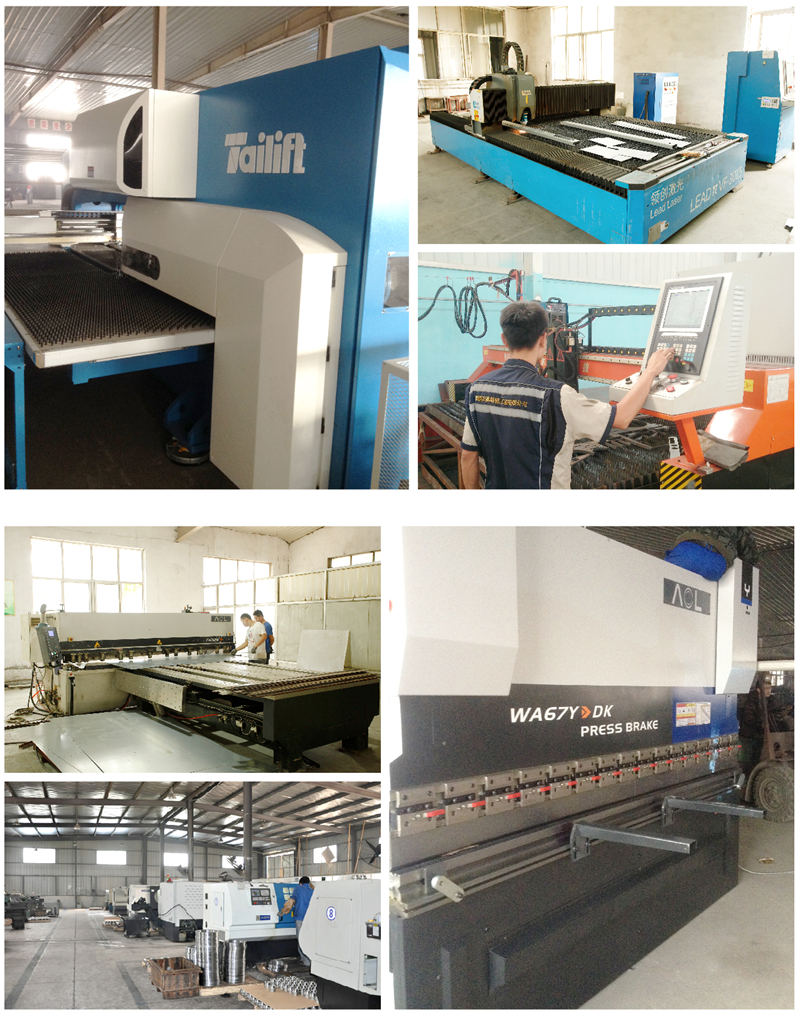
Turret-type CNC Punch Press, Laser Cutting and Other Machining Equipment
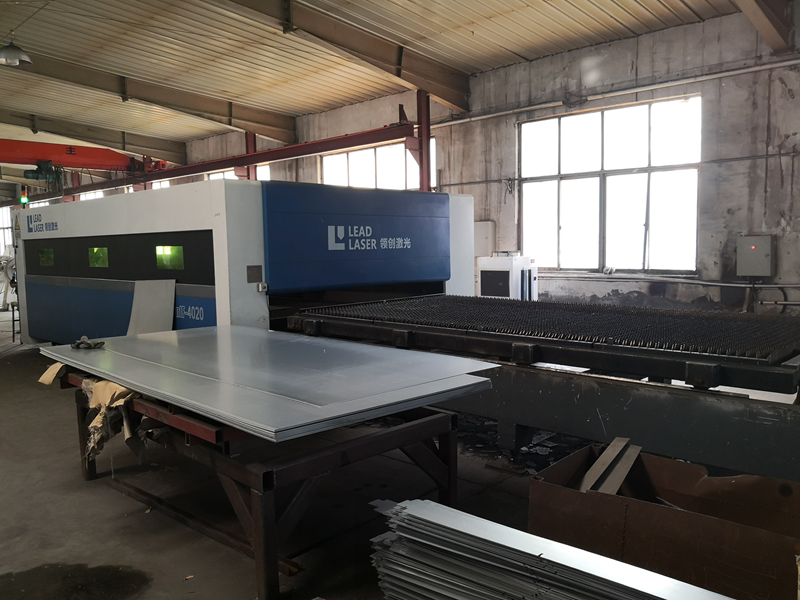

Fully Automated Roll Forming Production Line

Hot-dip Galvanizing Production Line

Electroplating Production Line
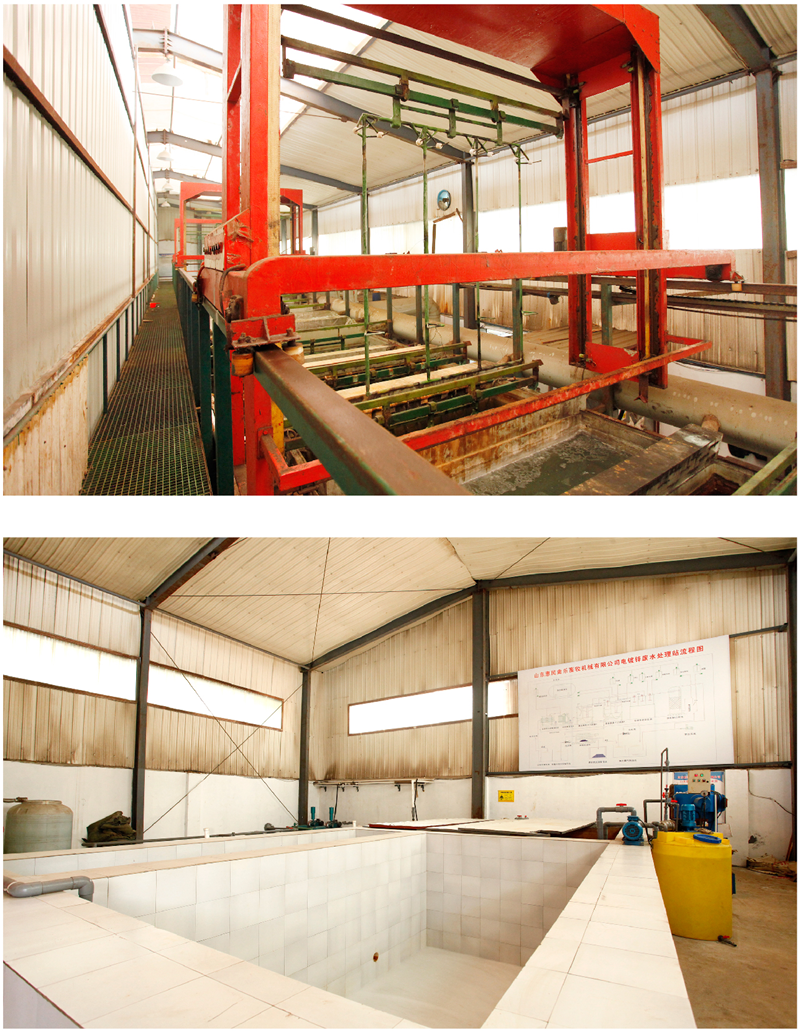
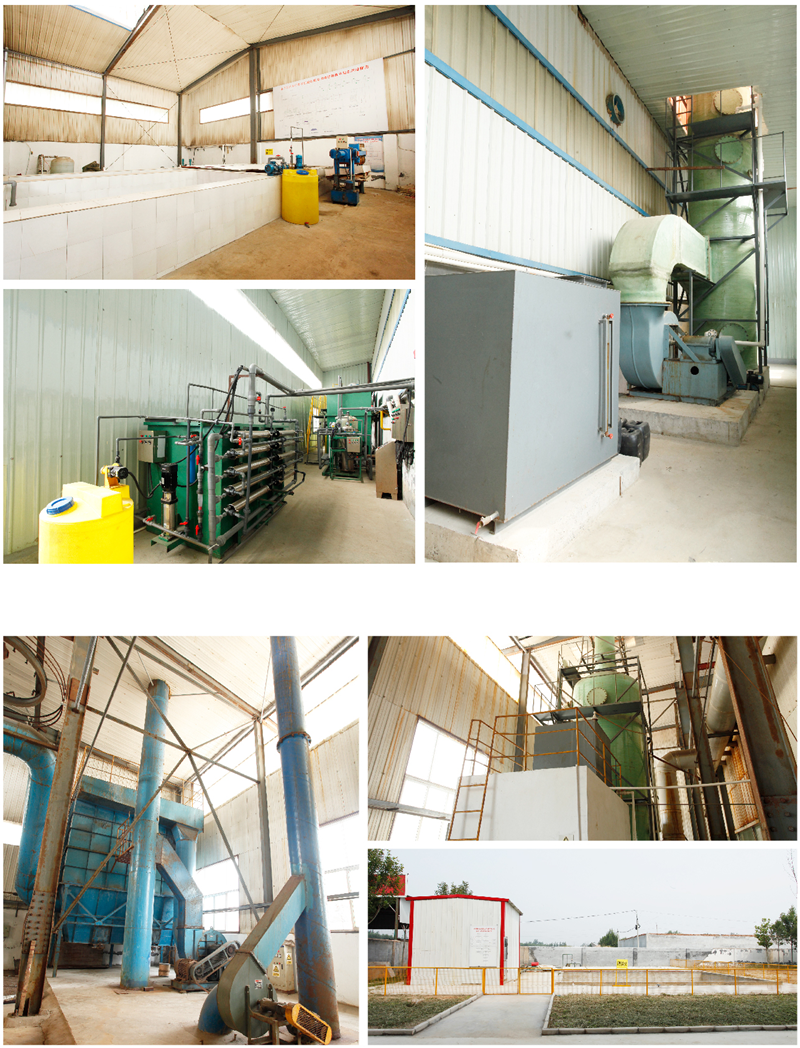
Environmental Protection Equipment
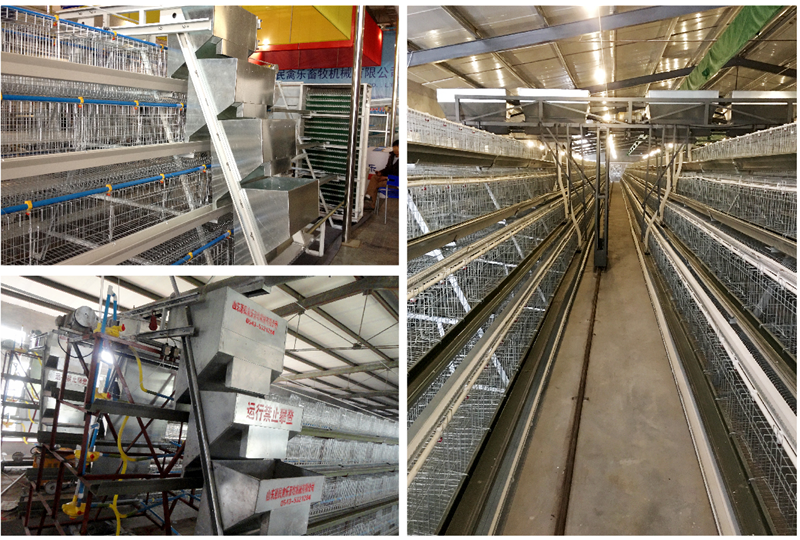
Chicken Farming Equipment Product Series
Egg-laying Hen Farming Equipment
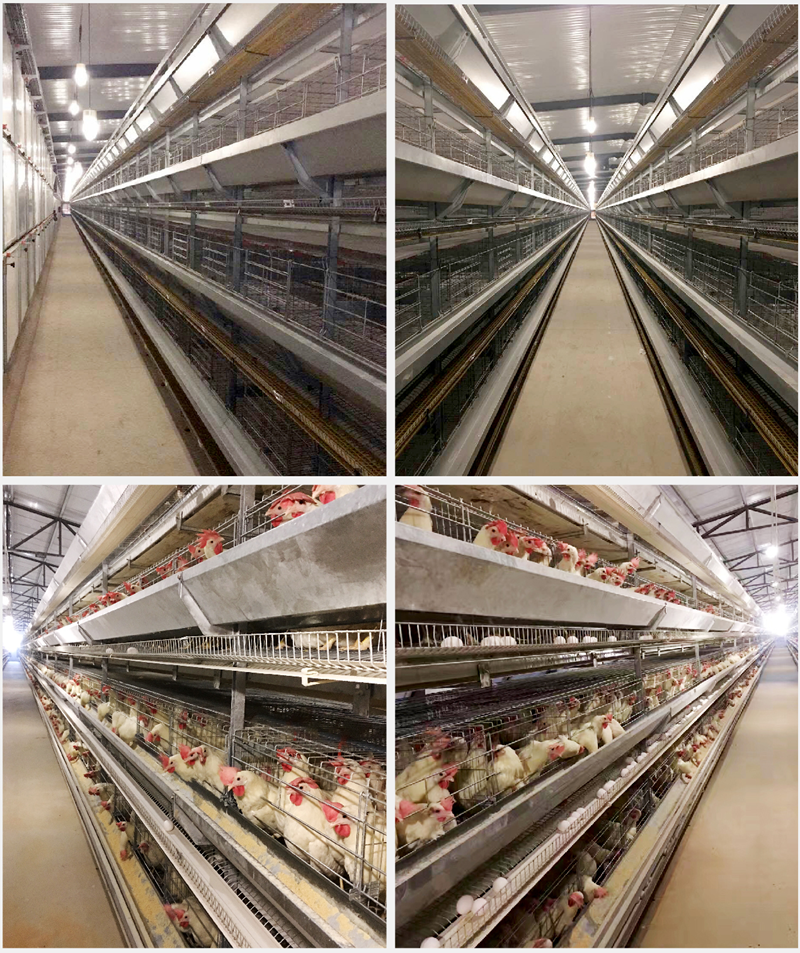
Stacked Brooding Cage Equipment

Stacked Broiler Cage Equipment
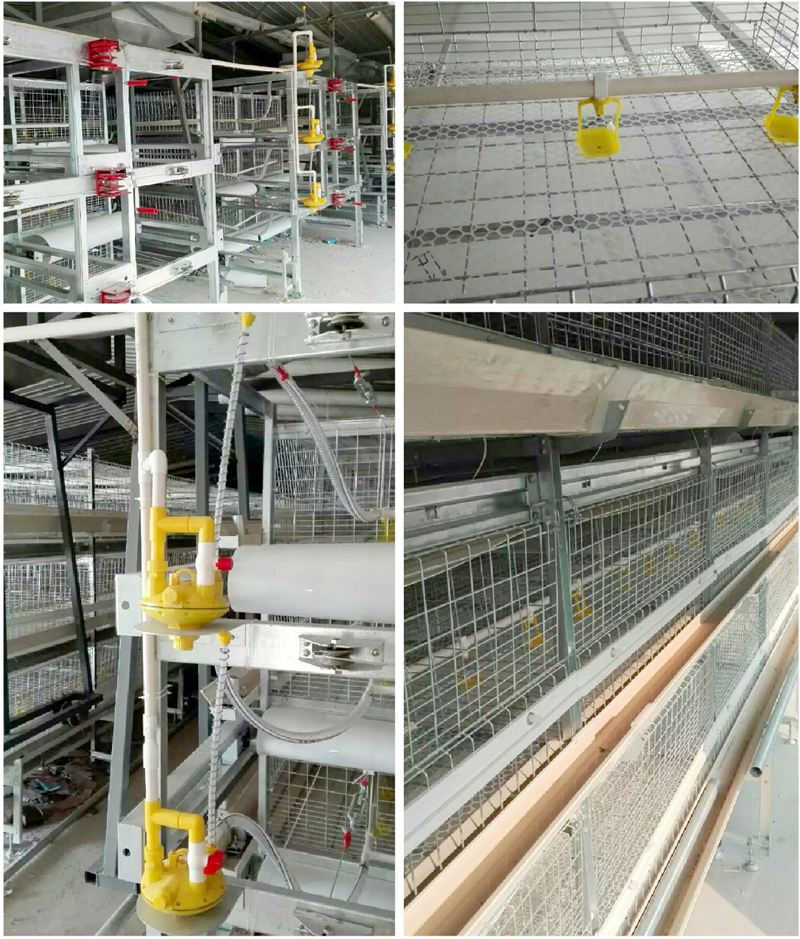
Stepped Layer Hen Cage Rearing Equipment
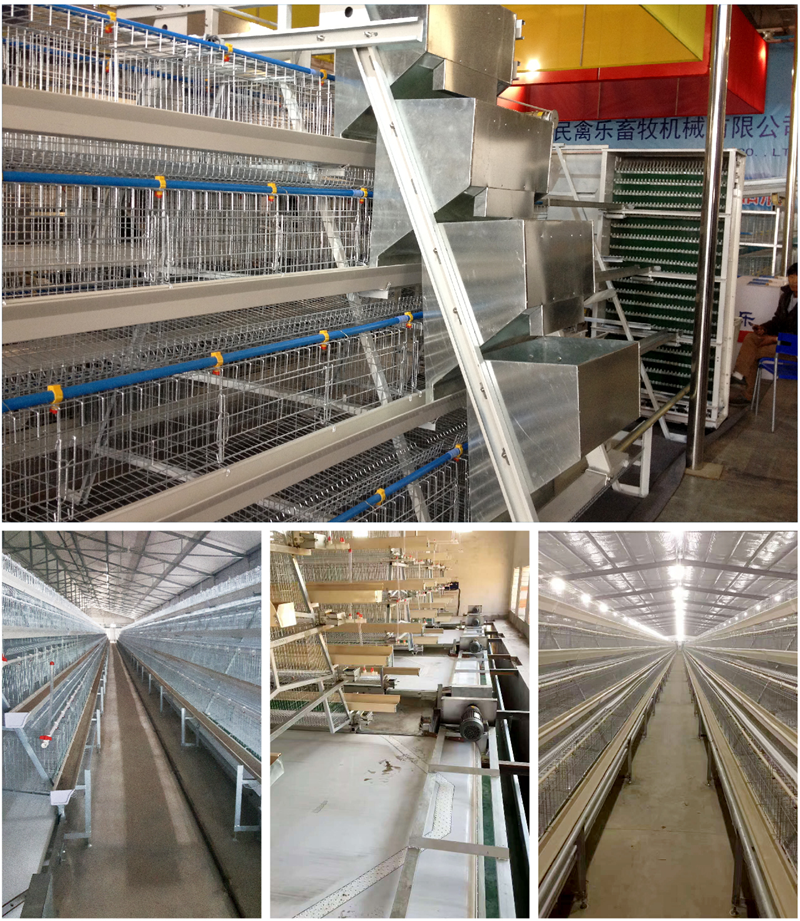
Automatic Egg Collection System
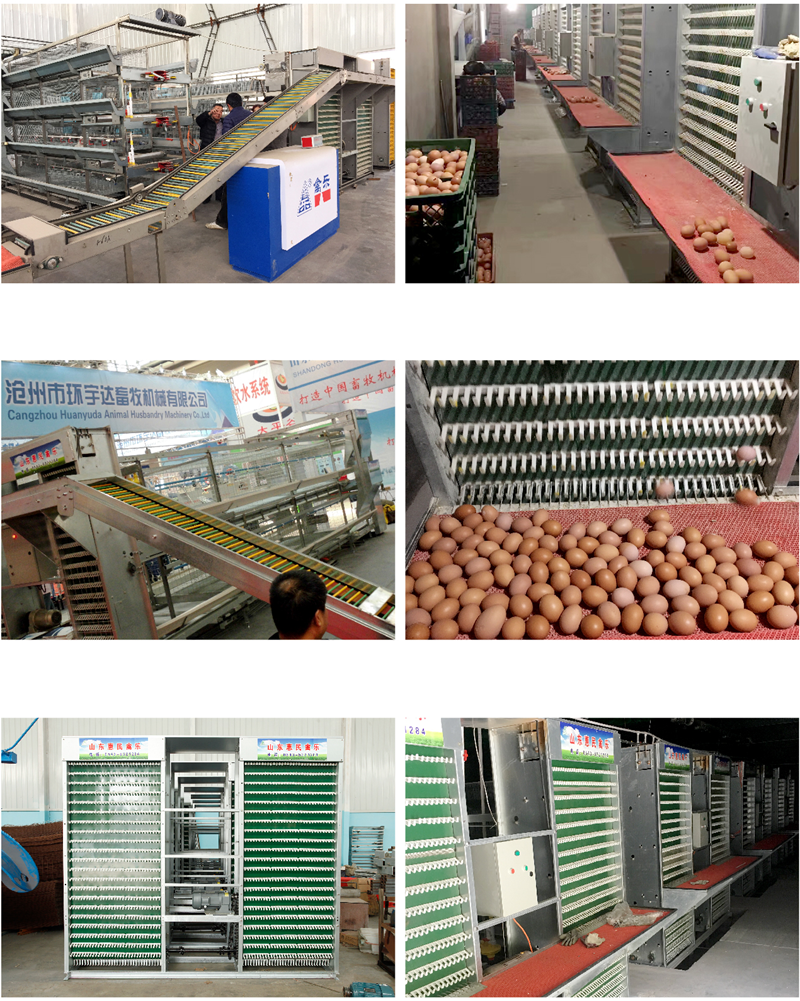
H-type Cage Feeding Machine
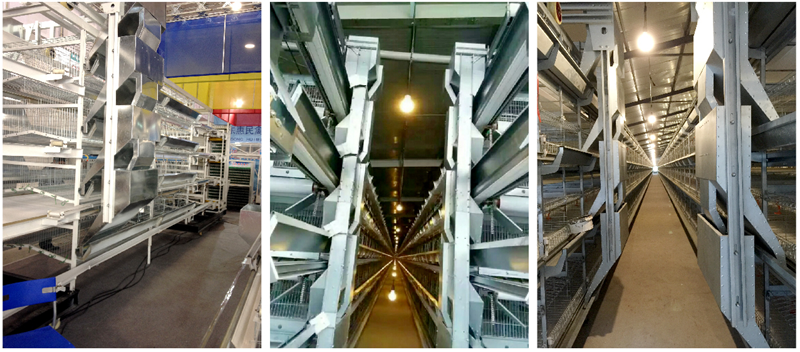
Stepped Cage Straddle Feeder
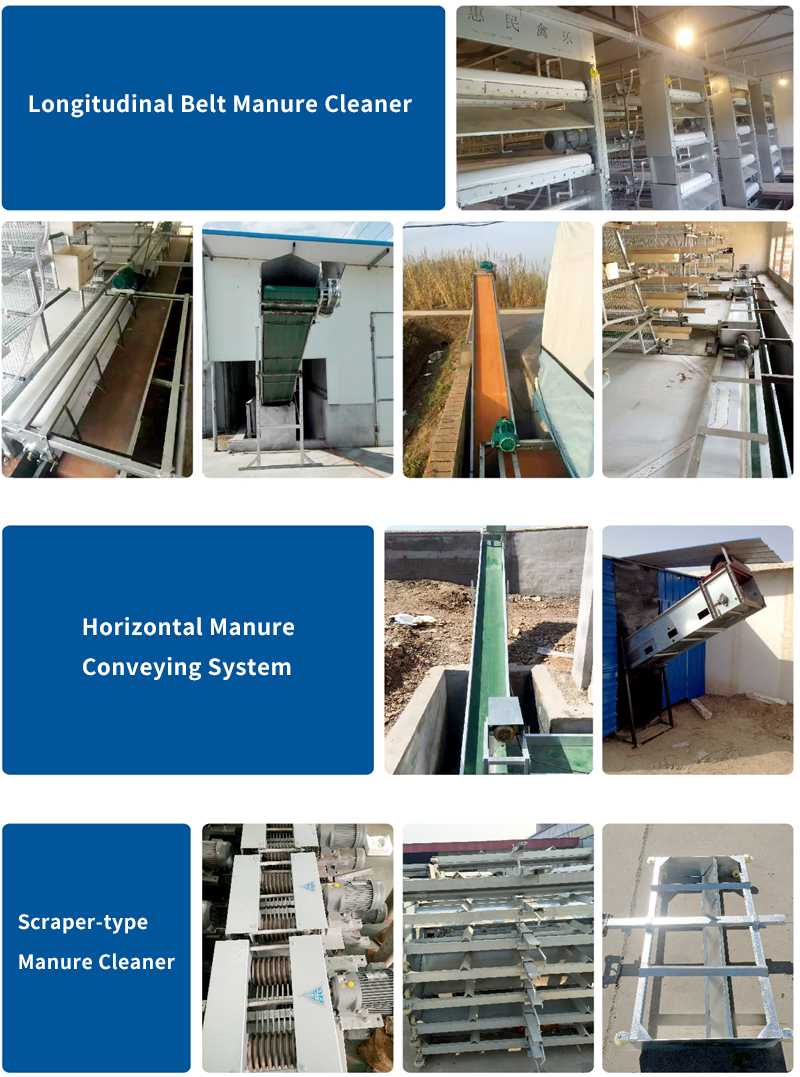
Manure Removal Machine
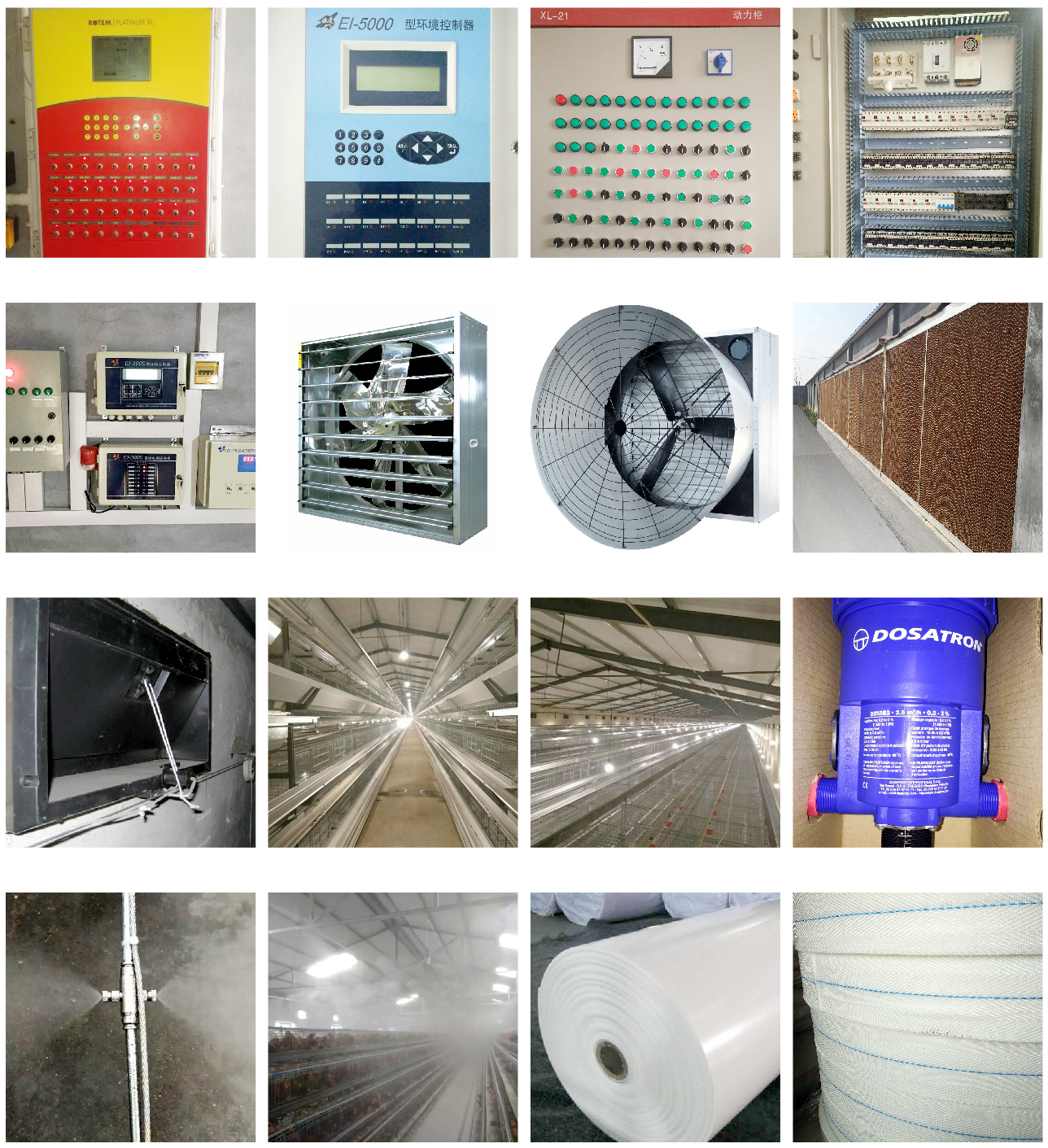
Fans, Heated Curtains, Environmental Control Systems, and Lighting Equipment
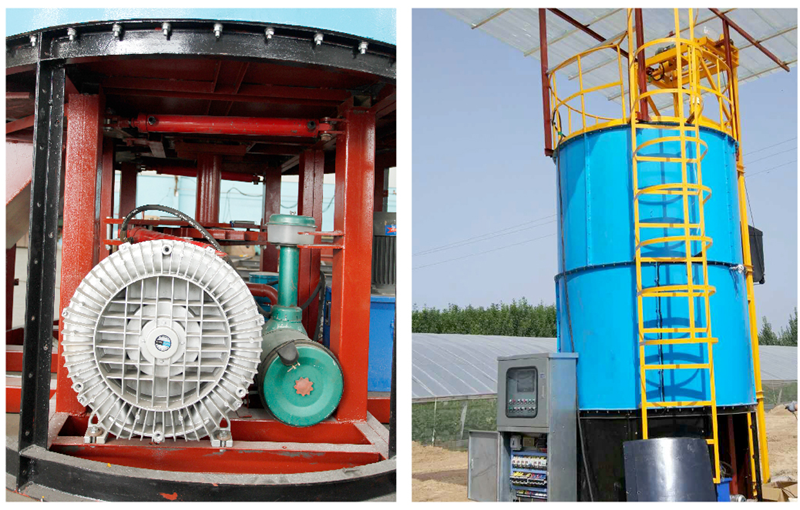
Complete Set of Equipment for Organic Fermentation Treatment of Manure
 RELATED
Бул веб-сайт биздин веб-сайтта эң жакшы тажрыйбаны алуу үчүн кукилерди колдонот.
 English
 Pусский
 Français
 العربية
 Indonesia
 қазақ
қазақ o'zbek
 тоҷикӣ
 Türkmenler
 Catalogue



 Whatsapp
 Телефон