

1. Introduction to Poultry Feed Production Machine
A Poultry Feed Production Machine is a specialized piece of equipment designed to process raw materials such as corn, wheat, soybean meal, rice bran, vitamins, minerals, and additives into high-quality formulated feed for chickens, layers, broilers, breeders, ducks, geese, turkeys, and other types of poultry. These machines play an essential role in modern poultry farming, providing efficient, hygienic, and nutritionally balanced feed that supports optimal growth, strong immunity, high egg production, and improved feed conversion ratios.
In today’s industrial poultry production environment, feed quality directly determines farm profitability. As feed costs often represent 60–70% of the total poultry production expense, using a reliable, efficient, and automated feed production system is critical for reducing waste, controlling nutrient levels, and improving farm output. Modern poultry Feed Production Machines are engineered to meet these needs with features such as automated batching, grinding, mixing, pelleting, cooling, and packaging.
A high-quality Poultry Feed Machine not only increases production efficiency but also ensures consistent pellet quality, uniform nutrition distribution, and reduced contamination risk. Whether for small-scale family farms or large commercial feed factories, poultry feed production machines have become standard tools to ensure productivity and profitability.
2. Technical Parameters of Poultry Feed Production Machine
Below are typical parameters for common poultry feed production machines. Specifications may vary depending on capacity, automation level, and configuration.
2.1 General Specifications
Capacity Range | 300 kg/h – 20,000 kg/h |
Machine Type | Single machine or complete production line |
Power Requirement | 22 kW – 250 kW (depending on model) |
Voltage | 380V / 400V / 415V, 50Hz or customized |
Pelleting Die Diameter | 1.5mm, 2mm, 3mm, 4mm, 6mm, 8mm, 10mm |
Pellet Hardness | Adjustable |
Moisture in Final Feed | 10–12% |
Pellet Uniformity | ≥ 95% |
Raw Material Compatibility | Corn, wheat, soybean meal, rice bran, bone meal, premix, additives |
Material of Construction | Stainless steel / carbon steel |
Automation Level | Semi-automatic / Fully automatic PLC |
Cooling Method | Counter-flow cooler |
Dust Control | Cyclone or aspiration system |
Noise Level | ≤ 85 dB |
Warranty | 12 – 24 months |
2.2 Optional Components
Hammer mill or crusher
Vertical or horizontal mixer
Screw conveyor / bucket elevator
Pellet mill
Cooler
Automatic feeder
Bagging and weighing system
Liquid addition system (oil, molasses, vitamins)
PLC control panel
3. Core Features of Poultry Feed Production Machine
3.1 High Production Efficiency
Modern feed production machines are engineered with powerful motors, optimized gearbox structures, and high-precision die and roller systems. This ensures maximum output with minimal energy consumption.
3.2 Uniform Nutrition Distribution
The mixing technology guarantees even distribution of vitamins, minerals, and additives to ensure every pellet has consistent quality, improving poultry growth rates and productivity.
3.3 Versatile Feed Types
The machine can produce:
Mash feed
Crumbled feed
Pelleted feed
Micro-pellets for chicks
Large pellets for breeders
3.4 Adjustable Pellet Size
Pellet diameter can be customized based on poultry age:
1.5–2 mm for chicks
3 mm for growers
4–6 mm for broilers and layers
8–10 mm for breeders
3.5 Robust Stainless-Steel Components
Food-grade stainless steel ensures hygiene, durability, and rust resistance, extending the service life of the equipment.
3.6 Automated Control System
Advanced PLC systems offer:
Automated batching
Real-time monitoring
Overload protection
Auto lubrication
Production data logging
3.7 Energy Saving and Low Noise
Optimized mechanical systems reduce energy consumption by 15–30% and maintain low operational noise.
3.8 Safe Operation
The machine includes safety features such as:
Emergency stop switches
Heat protection
Overload alarms
Safety covers
4. Advantages of Poultry Feed Production Machine
4.1 Cost Savings
Producing feed on-site can reduce overall feed expenses by up to 20–40%, especially for farms with high daily consumption.
4.2 Improved Poultry Performance
Balanced nutrition leads to:
Faster weight gain
Better feed conversion ratio
Higher immunity
Increased egg production in layers
4.3 Reduced Feed Loss
Pelleted feed decreases dust formation and feed waste, improving feed utilization efficiency.
4.4 Enhanced Biosecurity
In-house production reduces contamination risks from external feed suppliers.
4.5 Scalability
Machines are available for small family farms, medium-size operations, and large commercial feed factories.
4.6 Environmental Benefits
Efficient dust control and reduced feed waste lower environmental impact.
5. Application Scenarios
5.1 Commercial Poultry Farms
Used for layers, broilers, breeders, ducks, geese, and turkeys to produce daily feed.
5.2 Small and Medium Poultry Hatcheries
Ideal for preparing specialized feed for chicks and parent stock.
5.3 Poultry Feed Factories
Large-capacity pellet mills support continuous, industrial-scale production.
5.4 Agricultural Cooperatives
Cooperatives can centralize feed production to serve multiple farms.
5.5 Research Institutes and Universities
Used for nutrition trials, formulation studies, and feed testing.
5.6 Feed Distributors
Businesses can produce and sell their own branded poultry feed.
6. Usage Instructions for Poultry Feed Production Machine
6.1 Preparation Before Operation
Check machine components for damage.
Ensure blades, rollers, and die plates are firmly fixed.
Confirm power supply and voltage match machine requirements.
Clean the mixing chamber and feeding ports.
Prepare raw materials with correct moisture (12–15%).
6.2 Feeding and Processing Steps
Grinding: Crush raw materials to uniform particle size.
Mixing: Combine all ingredients in precise ratios.
Conditioning: Add steam or liquids if required.
Pelleting: Press powder into pellets using the pellet mill.
Cooling: Cool pellets to remove excess heat and moisture.
Screening: Separate broken pellets and fines.
Packaging: Pack in 25–50 kg bags or store in bulk bins.
6.3 Shutdown Procedure
Stop feeding raw material.
Run machine empty for 1–2 minutes.
Cut off power supply.
Clean internal chambers.
Apply lubrication if required.
6.4 Maintenance Tips
Replace die and roller regularly.
Lubricate bearings weekly.
Clean dust filters daily.
Check motor and gearbox monthly.
Recalibrate mixing accuracy periodically.
7. Common Problems & Troubleshooting
Problem 1: Feed pellets are too soft
Possible causes:
Insufficient moisture or oil
Wrong die size
Poor raw material quality
Solution:
Increase steam or liquid addition
Replace die accordingly
Problem 2: Machine is overheating
Possible causes:
Overloading
Poor lubrication
Clogged die holes
Solution:
Reduce feeding rate
Lubricate rollers
Clean die holes
Problem 3: Pellets not forming properly
Causes:
Raw materials too coarse
Low temperature in conditioner
Solution:
Grind materials thoroughly
Increase steam temperature
Problem 4: Uneven pellet size
Causes:
Mixing inconsistency
Roller wear
Solution:
Inspect mixer
Replace roller
Problem 5: High machine noise
Causes:
Loose bolts
Bearing damage
Solution:
Tighten all fasteners
Replace bearings
8. Frequently Asked Questions (FAQ)
1. What raw materials can be used?
Corn, soybean meal, wheat, barley, bran, premix, vitamins, minerals, amino acids, oil, bone meal, fish meal, and other additives.
2. Can the machine produce different pellet sizes?
Yes. With interchangeable dies, pellet sizes can range from 1.5 mm to 10 mm.
3. Is steam necessary?
For high-quality pellets, steam conditioning is recommended but not mandatory for small machines.
4. How much energy does the machine consume?
Power consumption depends on capacity but ranges from 22 kW to 250 kW.
5. How often should the die be replaced?
Typically every 6–12 months, depending on usage.
6. Can the machine be customized?
Yes, including voltage, capacity, pellet size, materials, and layout.
7. Is training provided?
Most manufacturers offer installation, training, and after-sales support.
Conclusion
A Poultry Feed Production Machine is a highly efficient, cost-effective, and essential tool for modern poultry farms and feed factories. By producing fresh, nutritionally balanced, and hygienic feed on-site, farmers can significantly reduce costs, improve poultry performance, and ensure high productivity. With advanced automation, durable construction, and flexible feed options, this machine is ideal for scaling poultry operations and enhancing profitability.
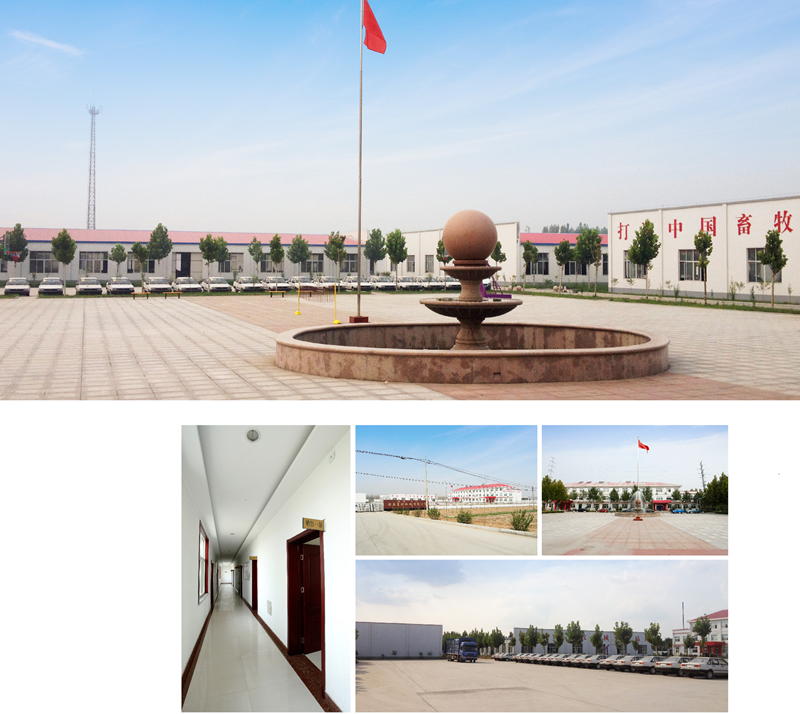
Shandong Huimin Qinle Livestock Machinery Co., Ltd. (formerly Shandong Huimin Qinle Livestock Machinery Factory) is a professional poultry equipment manufacturer with over 20 years of experience. We offer a comprehensive service package, from design (land and chicken coops), production (equipment and prefabricated steel coops), installation, commissioning, customer training, and after-sales service.
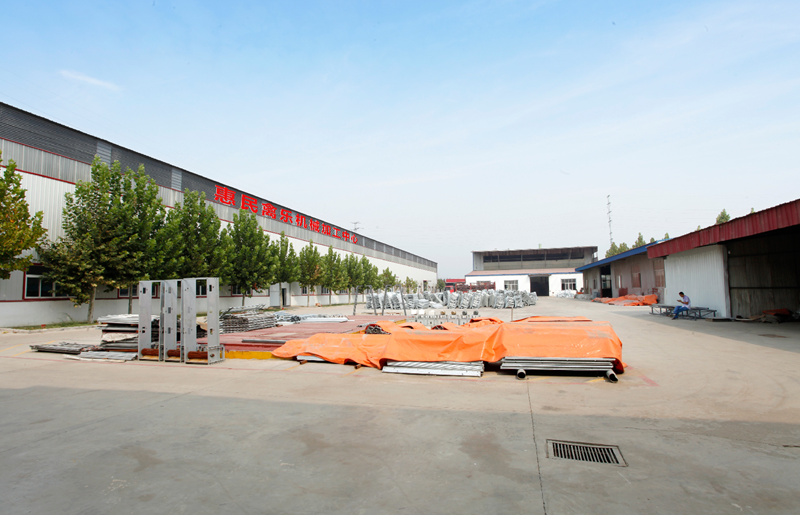
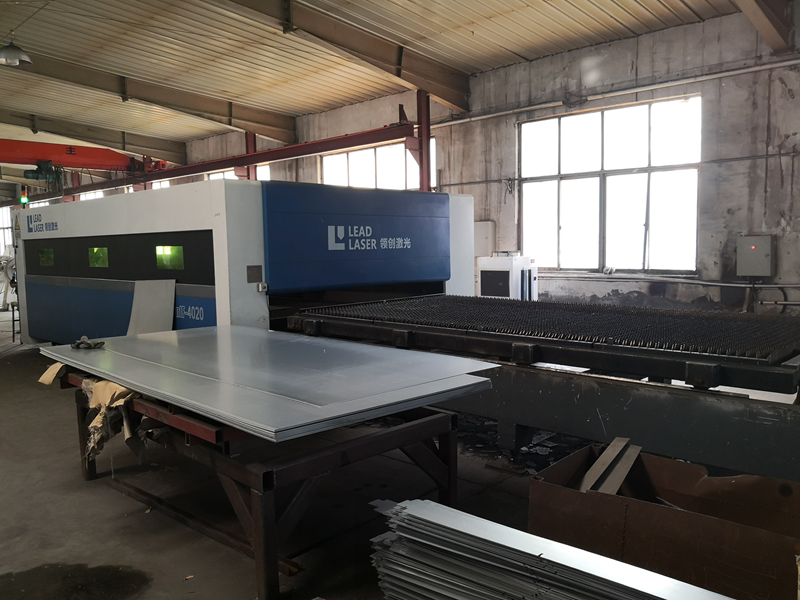
Located in Huimin County, Binzhou City, Shandong Province, China, the company has extensive experience in mechanical processing and manufacturing, as well as livestock machinery production and operation. With fixed assets of RMB 15 million, the company employs 160 people, including 30 R&D staff, and occupies a 40,000-square-meter factory. Equipped with over 110 pieces of advanced precision production equipment, including CNC machining centers and laser cutting machines, the company boasts a production capacity of RMB 50 million.
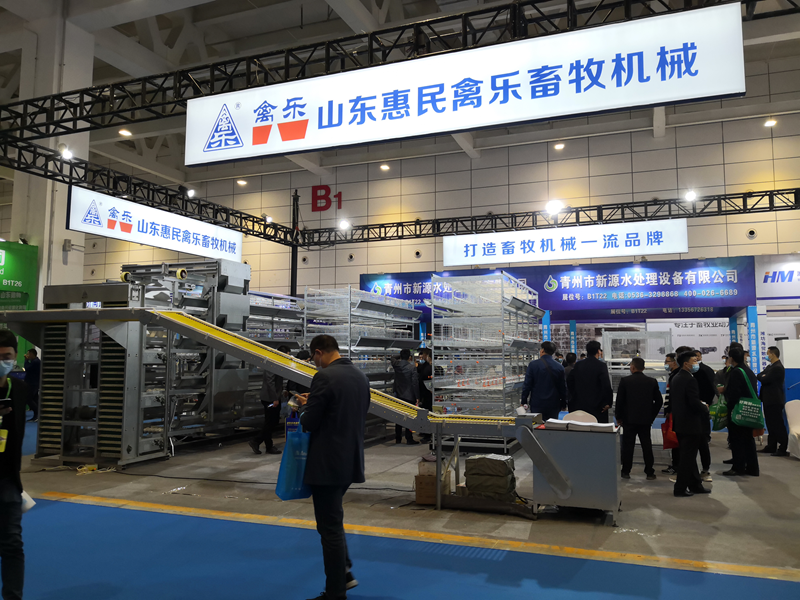
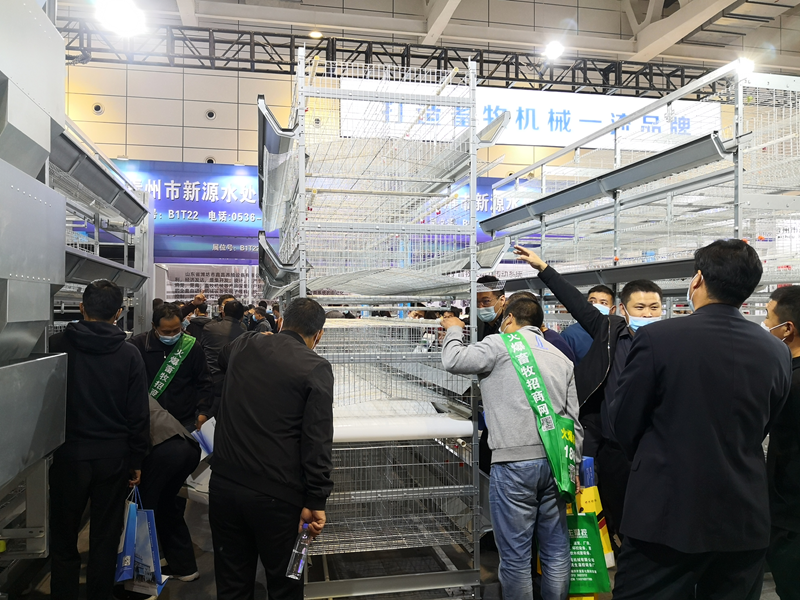
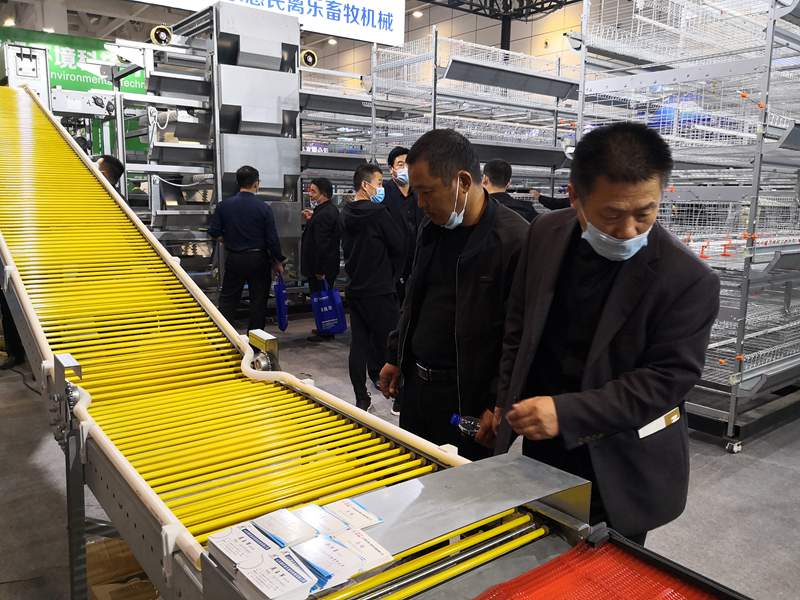
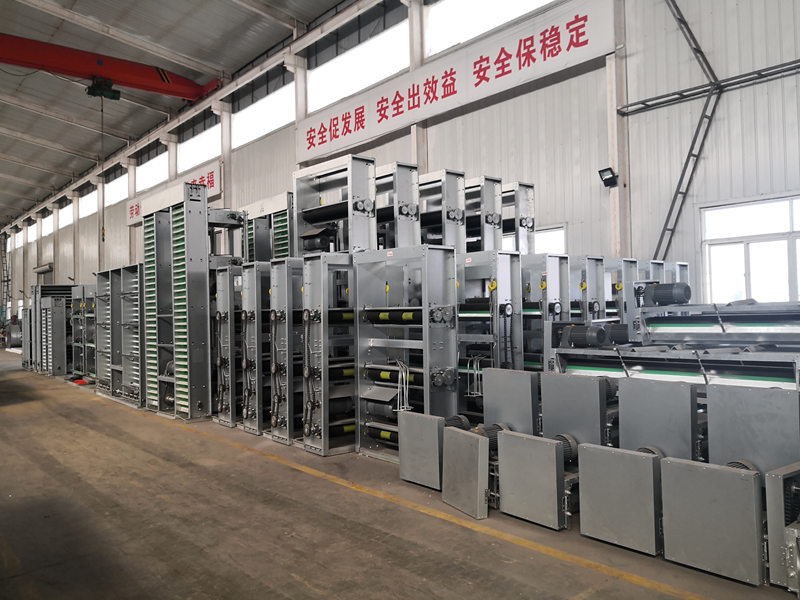
Chicken Farming Equipment Mesh Production Workshop

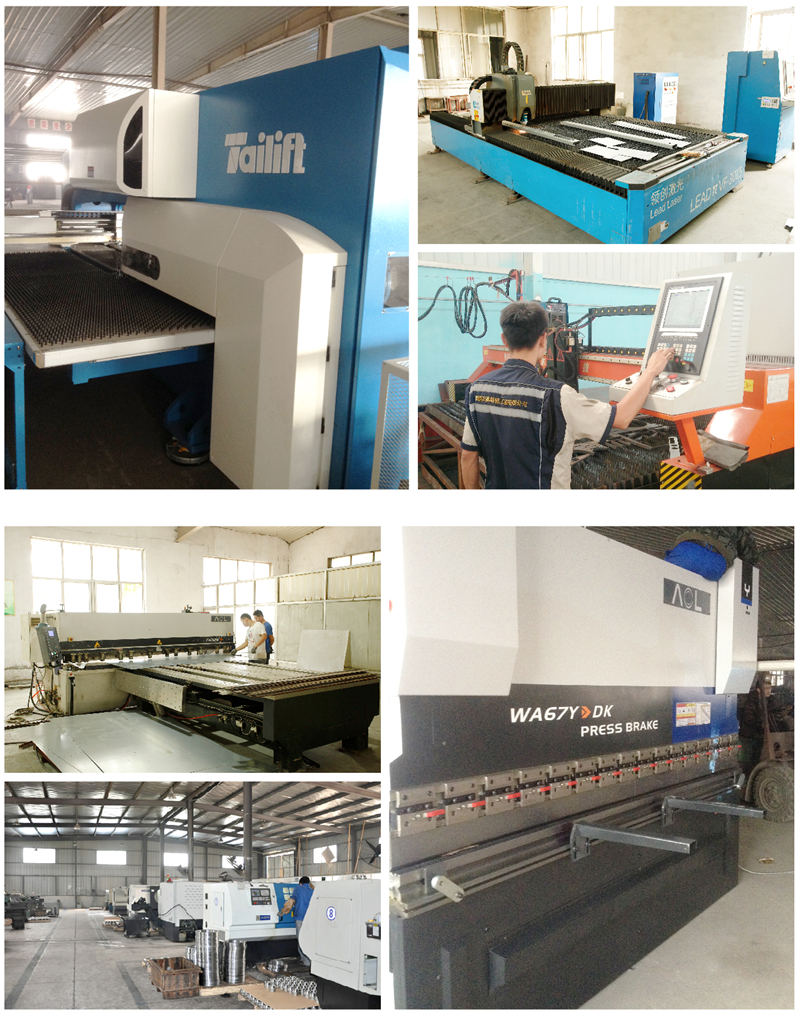
Machining Workshop
Turret-type CNC Punch Press, Laser Cutting and Other Machining Equipment

Fully Automated Roll Forming Production Line

Hot-dip Galvanizing Production Line

Electroplating Production Line
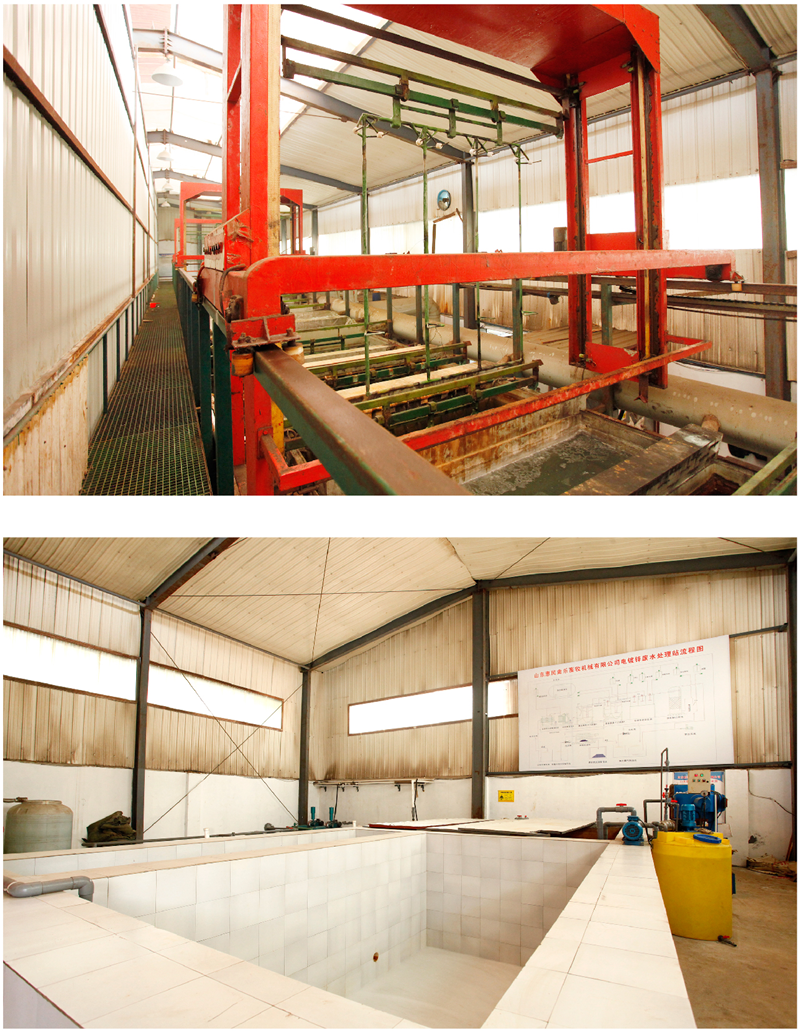
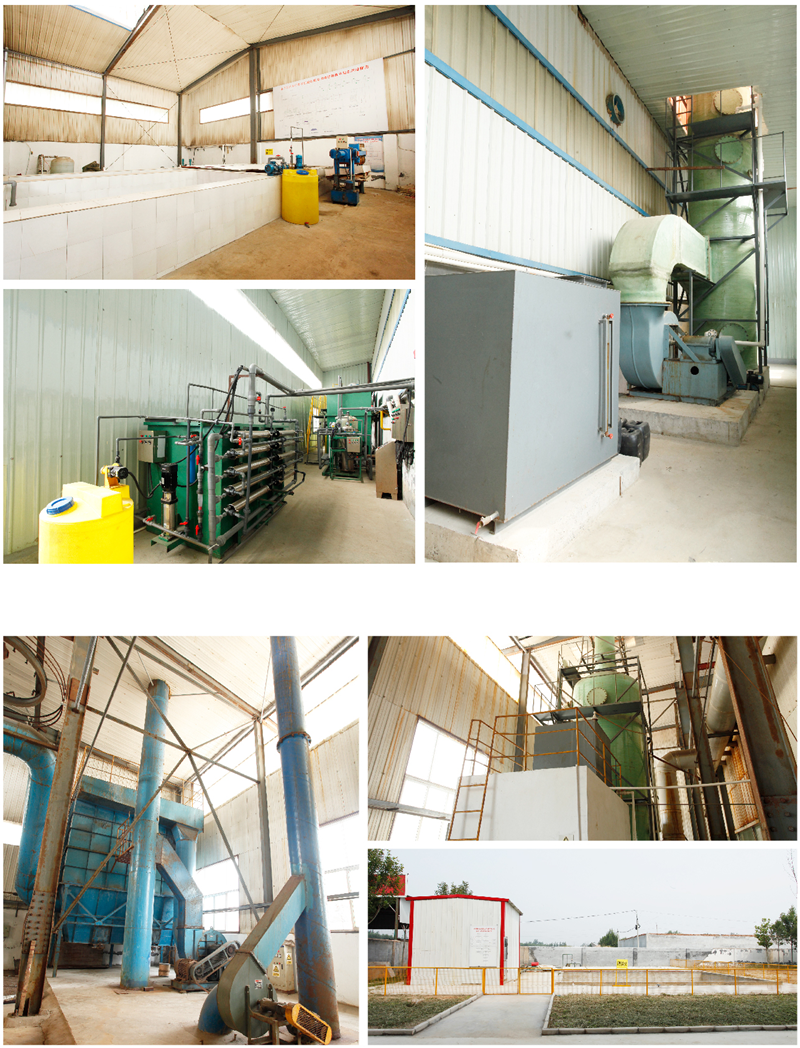
Environmental Protection Equipment
Chicken Farming Equipment Product Series
Egg-laying Hen Farming Equipment
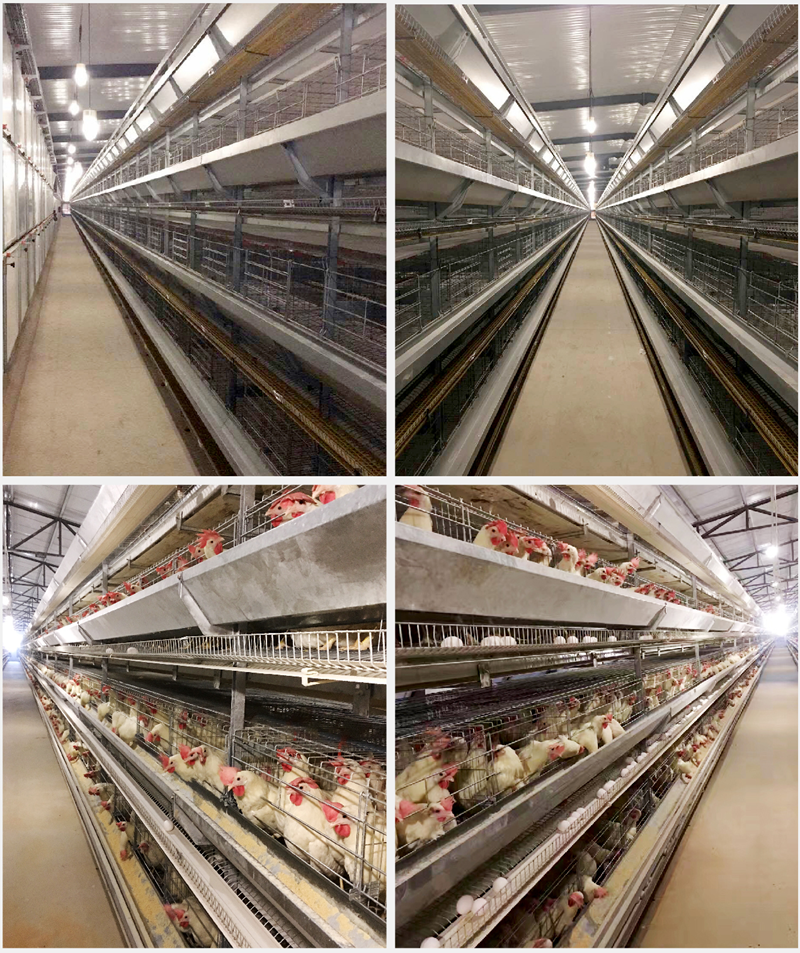
Stacked Brooding Cage Equipment

Stacked Broiler Cage Equipment
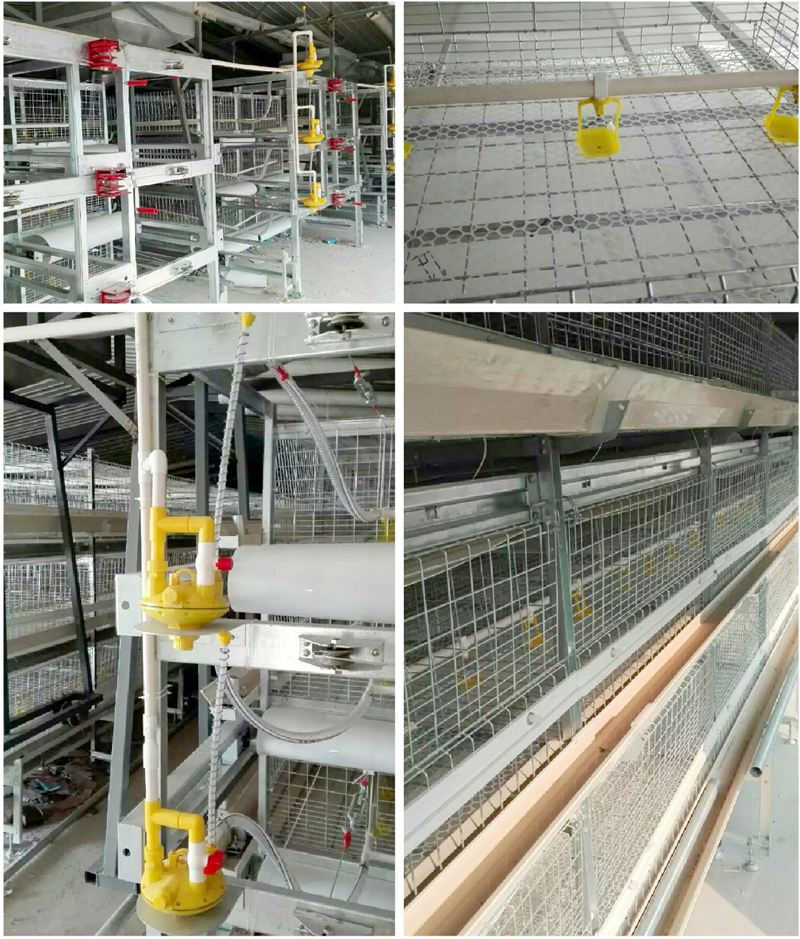
Stepped Layer Hen Cage Rearing Equipment
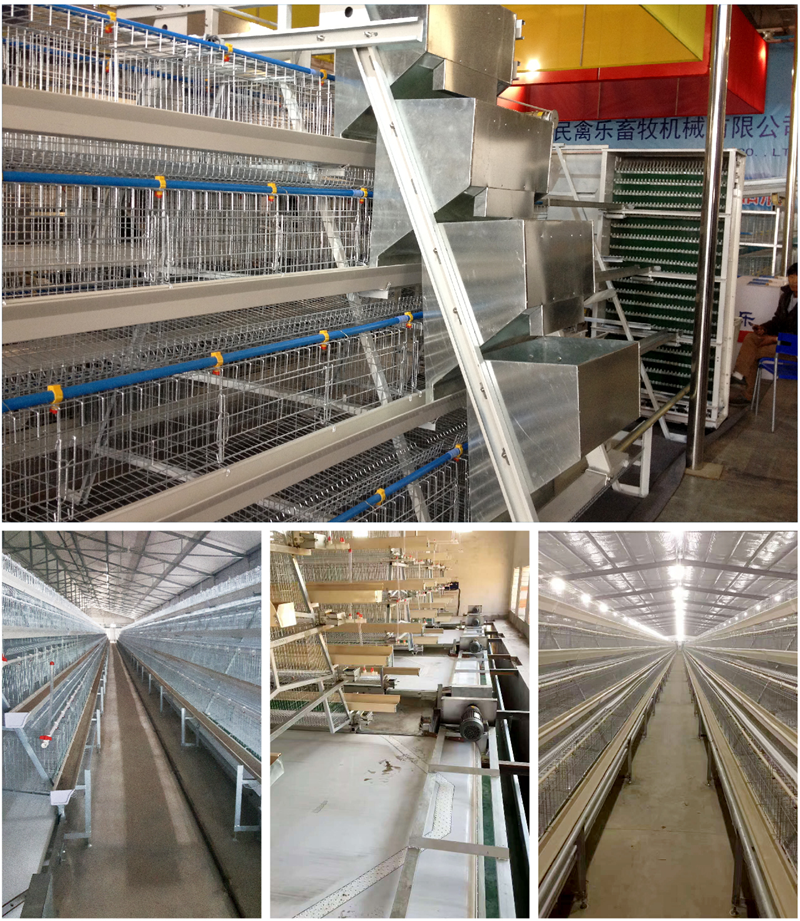
Automatic Egg Collection System
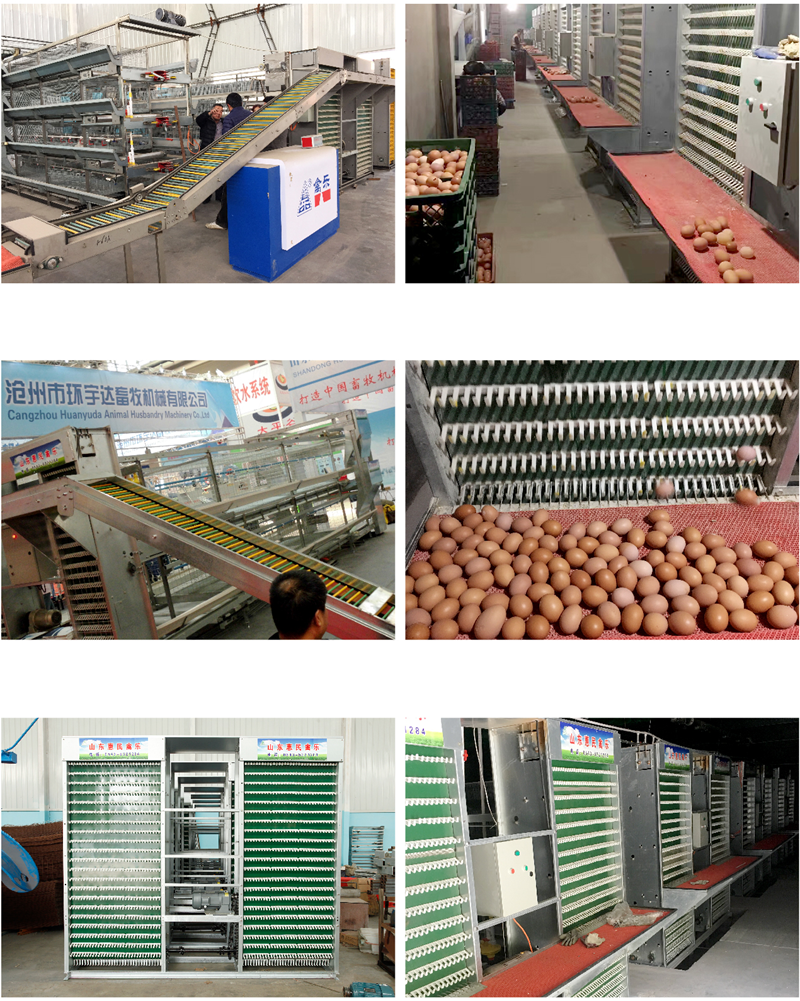
H-type Cage Feeding Machine
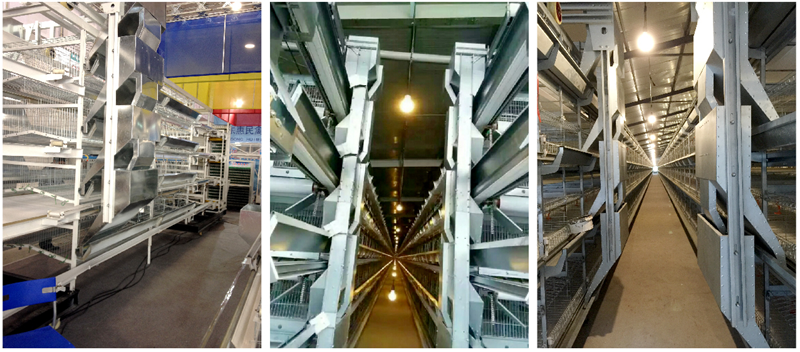
Stepped Cage Straddle Feeder
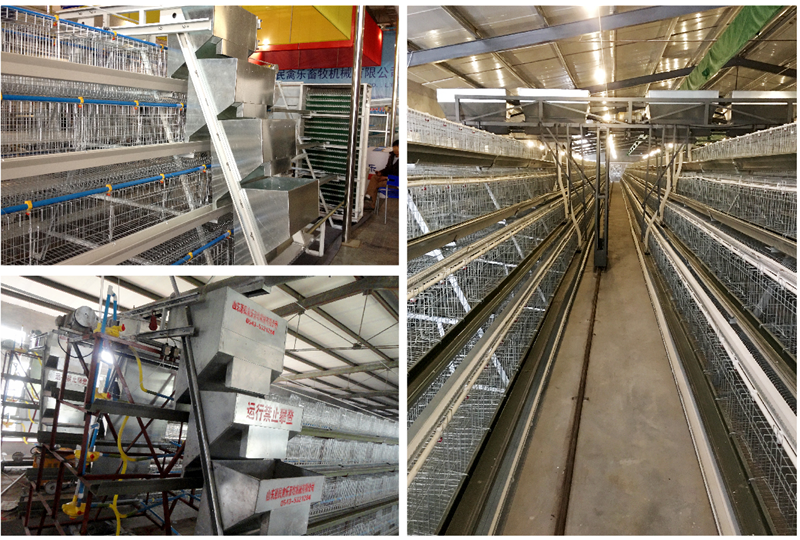
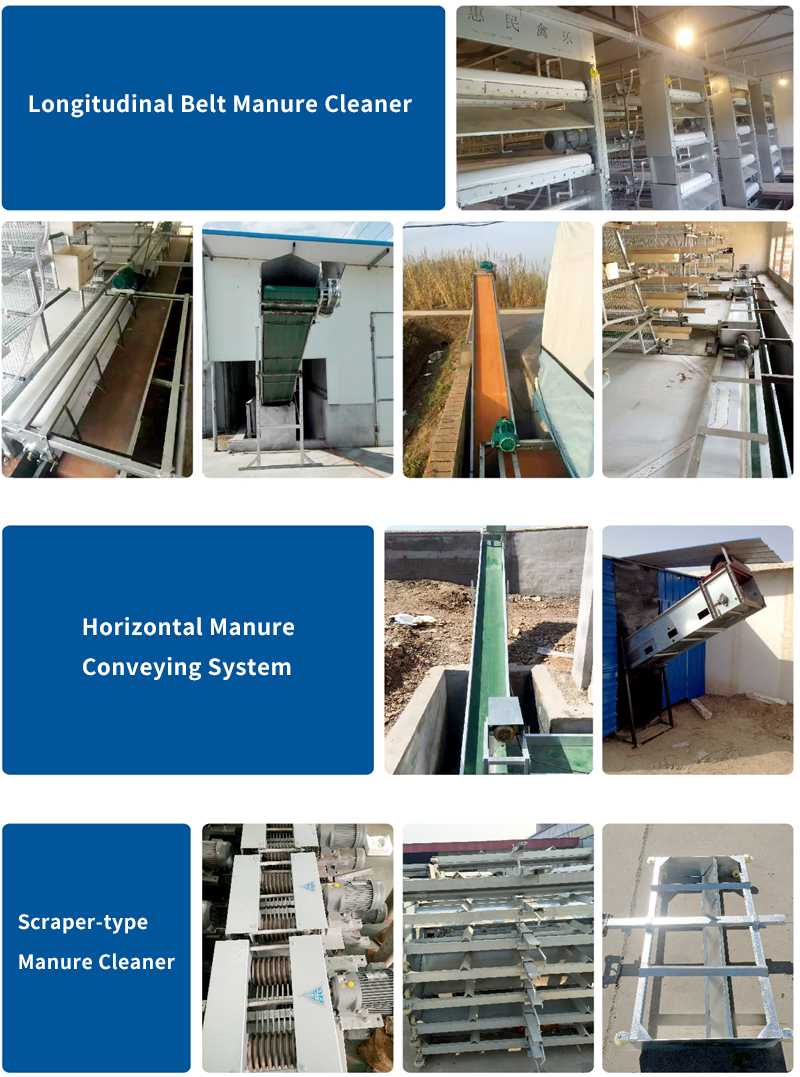
Manure Removal Machine
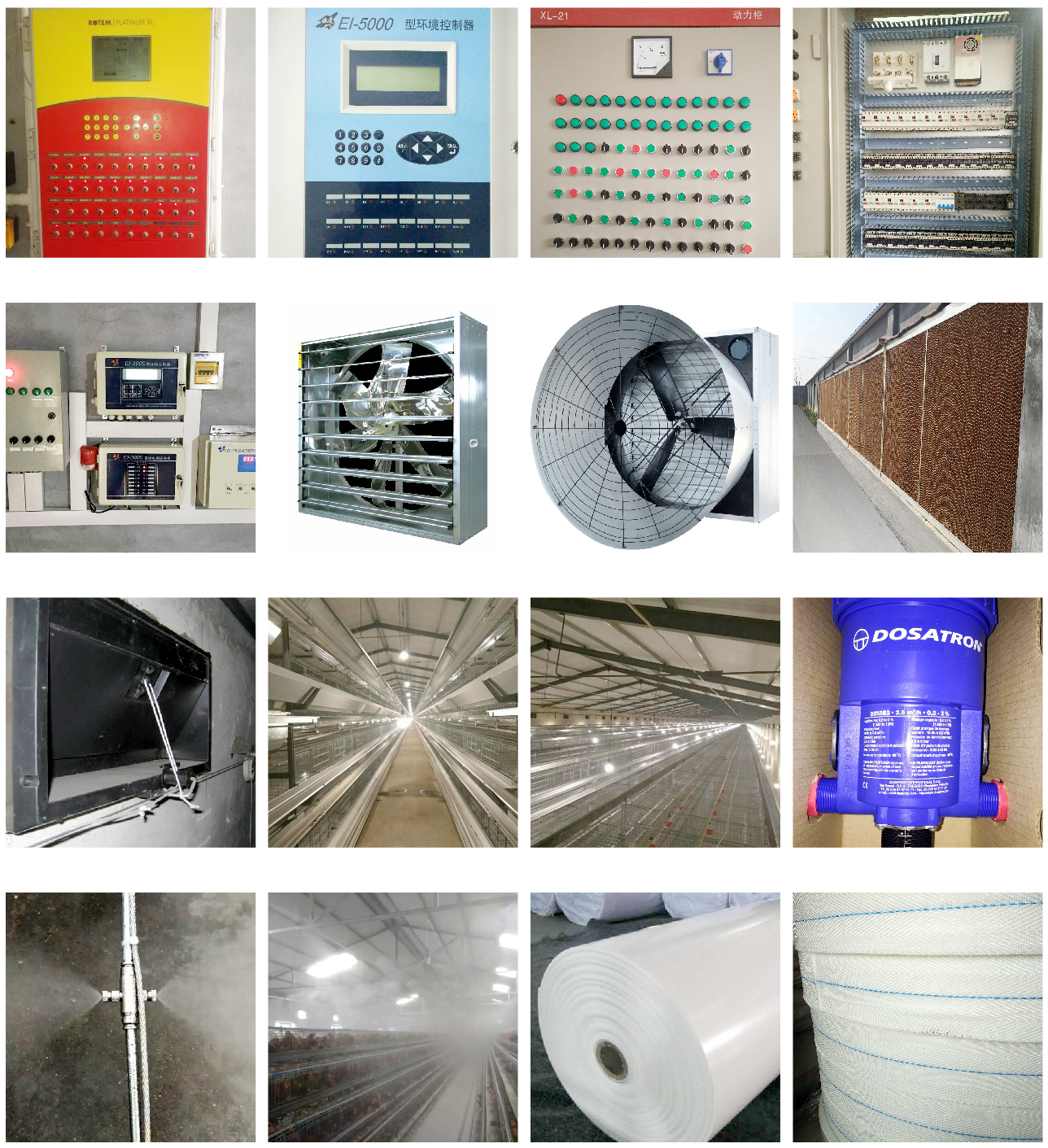
Fans, Heated Curtains, Environmental Control Systems, and Lighting Equipment
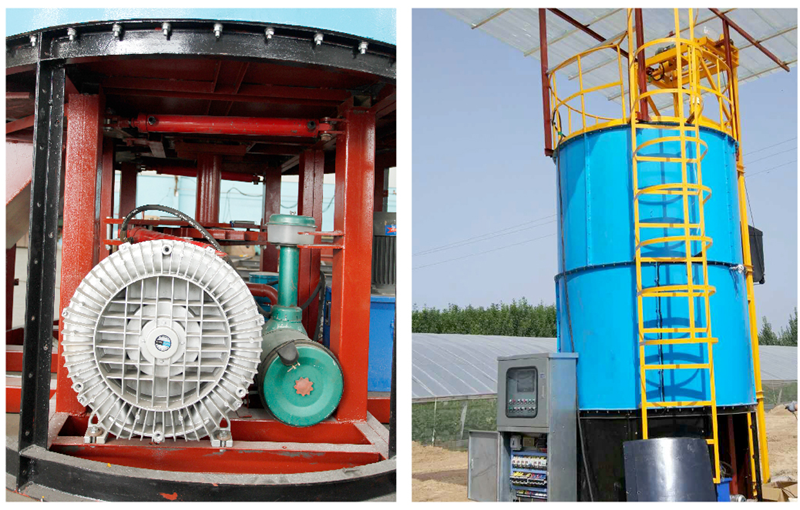
Complete Set of Equipment for Organic Fermentation Treatment of Manure
Бул веб-сайт биздин веб-сайтта эң жакшы тажрыйбаны алуу үчүн кукилерди колдонот.
 English
 Pусский
 Français
 العربية
 Indonesia
 қазақ
қазақ o'zbek
 тоҷикӣ
 Türkmenler
 Catalogue



 Whatsapp
 Телефон