

Introduction
Layer Cage Poultry Equipment refers to the specialized tools and machinery designed to support the housing, feeding, watering, egg collection, and management of laying hens in cage systems. This equipment is integral to modern poultry farms, improving efficiency, productivity, and animal welfare.
As the global demand for eggs continues to rise, poultry farmers increasingly adopt advanced cage systems combined with automated or semi-automated equipment. These innovations reduce labor, enhance bird comfort, and ensure hygienic management practices.
This guide provides an in-depth look into layer cage poultry equipment, exploring its parameters, features, advantages, practical applications, usage instructions, and common queries to help poultry farmers optimize their operations.
Parameters of Layer Cage Poultry Equipment
Understanding the technical specifications of poultry equipment ensures proper selection and integration with Layer Cage Systems. Key parameters include:
1. Material and Construction
Typically made of galvanized steel or stainless steel to resist corrosion.
Durable plastic components for feeders and drinkers.
High-quality mesh wire for cages to provide ventilation and support.
2. Dimensions and Capacity
Equipment size varies to fit cage dimensions and farm scale.
Feeding troughs sized for the number of birds per cage (usually 3-5 hens).
Water lines equipped with nipple drinkers or troughs designed to supply adequate water flow.
3. Automation Level
Ranges from manual feeders and drinkers to fully automated feeding, watering, and egg collection systems.
Motorized manure belts for waste removal.
4. Power Requirements
Automated systems typically require electricity; backup power options may be included.
5. Compatibility
Designed to integrate seamlessly with multi-tier cage systems.
6. Accessories
Egg collection belts, feeding pans, water nipples, manure belts, perches, and nesting boxes.
Features of Layer Cage Poultry Equipment
Modern layer cage poultry equipment is designed with features that enhance poultry management and productivity:
Durability and Corrosion Resistance: Galvanized and stainless steel materials prevent rust in humid poultry house environments.
Automation: Automated feeding, watering, and egg collection reduce labor and increase consistency.
Hygienic Design: Smooth surfaces and easy-to-clean components minimize contamination risks.
Space Efficiency: Compact equipment fits within multi-tier cage systems.
Adjustability: Feeding and watering equipment adjustable to accommodate bird size and growth stages.
Waste Management: Manure belts and trays designed for efficient droppings removal.
Safety: Equipment designed to prevent bird injury, such as rounded edges and secure fittings.
Energy Efficient: Modern equipment optimized to reduce energy consumption.
Modularity: Components can be added or replaced independently.
Advantages of Layer Cage Poultry Equipment
Using high-quality layer cage poultry equipment offers numerous benefits:
Increased Productivity: Consistent feeding and watering improve bird health and egg production.
Labor Savings: Automation significantly reduces manual tasks.
Improved Bird Welfare: Properly designed feeders and drinkers reduce stress and competition.
Enhanced Biosecurity: Easy cleaning and waste management reduce disease spread.
Space Optimization: Equipment designed to maximize use of vertical and horizontal space.
Cost Effectiveness: Durable materials and automation lower long-term costs.
Ease of Management: Simplified monitoring and maintenance.
Quality Egg Production: Efficient egg collection reduces breakage and contamination.
Application Scenarios
Layer cage poultry equipment is used across various poultry farming environments:
Large-Scale Commercial Farms: Fully automated systems to manage thousands of hens.
Medium and Small Farms: Semi-automated or manual equipment adapted to farm size.
Contract Farming: Standardized equipment to meet company protocols.
Research Farms: Precision equipment for controlled studies.
Urban Poultry Farming: Compact, efficient equipment for limited space.
Organic or Enriched Cage Systems: Modified equipment compatible with welfare standards.
Usage Instructions
Proper use and maintenance of layer cage poultry equipment are essential for longevity and optimal performance:
1. Installation
Follow manufacturer guidelines for assembling equipment.
Ensure compatibility with cage dimensions.
Verify power supply and safety measures for automated equipment.
2. Operation
Regularly check feeders and drinkers for blockages or leaks.
Adjust feeding quantities based on bird age and production stage.
Monitor manure belts and clean as needed to prevent buildup.
Collect eggs frequently to maintain quality.
3. Cleaning and Maintenance
Clean feeders, drinkers, and egg belts daily using appropriate disinfectants.
Inspect equipment for wear or damage weekly.
Lubricate moving parts of automated systems according to the schedule.
Replace worn components promptly to avoid system failure.
4. Troubleshooting
Address water flow issues immediately to prevent dehydration.
Fix feeding system jams to maintain feed supply.
Monitor electrical components for faults.
Common Problems and Solutions
Problem: Feed Spillage Leading to Waste
Solution: Use spill-proof feeders and adjust feeding levels.
Problem: Water Leakage or Insufficient Supply
Solution: Regularly inspect drinkers and water lines; repair leaks promptly.
Problem: Manure Belt Malfunction
Solution: Regular maintenance and lubrication; clear obstructions.
Problem: Egg Breakage on Collection Belts
Solution: Ensure smooth belt surfaces and frequent egg collection.
Problem: Equipment Corrosion
Solution: Use galvanized or stainless steel; clean regularly.
Problem: Electrical Failures in Automation
Solution: Schedule regular inspections; have backup power systems.
Frequently Asked Questions (FAQ)
Q1: What types of feeders are used in layer cage systems?
A: Common feeders include trough feeders, pan feeders, and automatic chain feeders.
Q2: How often should drinkers be cleaned?
A: Drinkers should be cleaned at least once daily to prevent bacterial growth.
Q3: Can manual equipment be upgraded to automation?
A: Yes, many farms start manual and later retrofit with automated systems.
Q4: What is the typical lifespan of layer cage poultry equipment?
A: With proper maintenance, equipment can last 8-15 years depending on usage.
Q5: How is egg collection equipment designed to minimize breakage?
A: Smooth conveyor belts with gentle slopes and soft landing areas are used.
Q6: Is the equipment suitable for all cage sizes?
A: Equipment is usually available in different sizes to fit various cage dimensions.
Q7: What are common energy requirements for automated systems?
A: Energy consumption varies; many systems use low-voltage motors and energy-efficient components.
Q8: How does equipment improve biosecurity?
A: Easy-to-clean designs and automated waste removal reduce pathogen exposure.
Conclusion
Layer cage poultry equipment is a vital component of modern egg production, enabling efficient management, improved bird welfare, and enhanced productivity. Selecting the right equipment tailored to farm size and production goals can significantly reduce labor costs and increase profitability.
By understanding the parameters, features, advantages, and proper usage of poultry equipment, farmers can optimize their layer cage systems for sustainable and successful poultry farming operations.
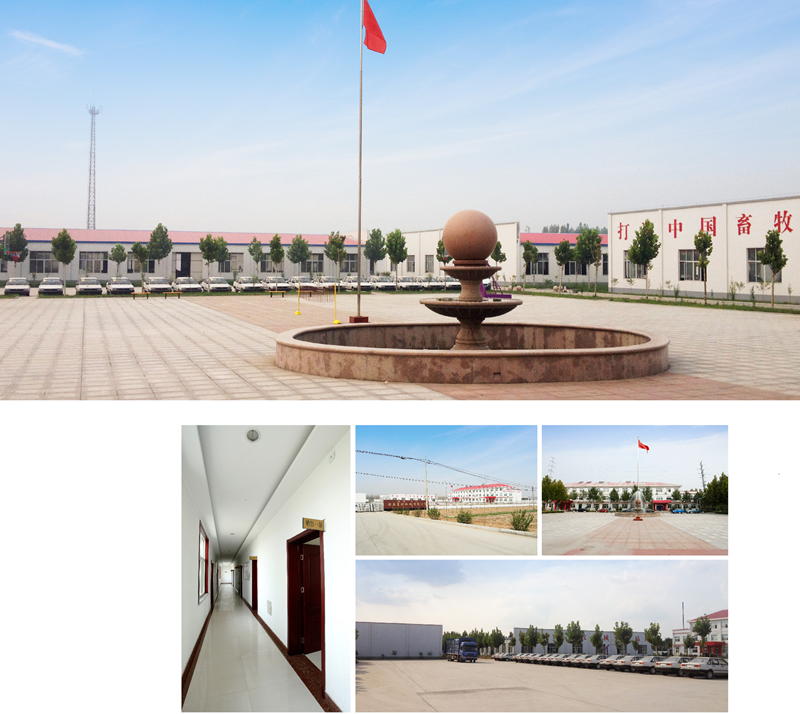
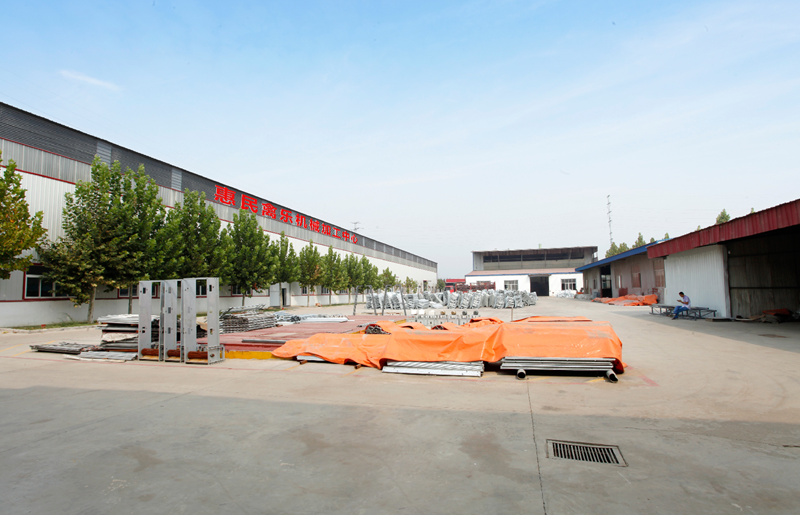
Shandong Huimin Qinle Livestock Machinery Co., Ltd. (formerly Shandong Huimin Qinle Livestock Machinery Factory) is a professional poultry equipment manufacturer with over 20 years of experience. We offer a comprehensive service package, from design (land and chicken coops), production (equipment and prefabricated steel coops), installation, commissioning, customer training, and after-sales service.
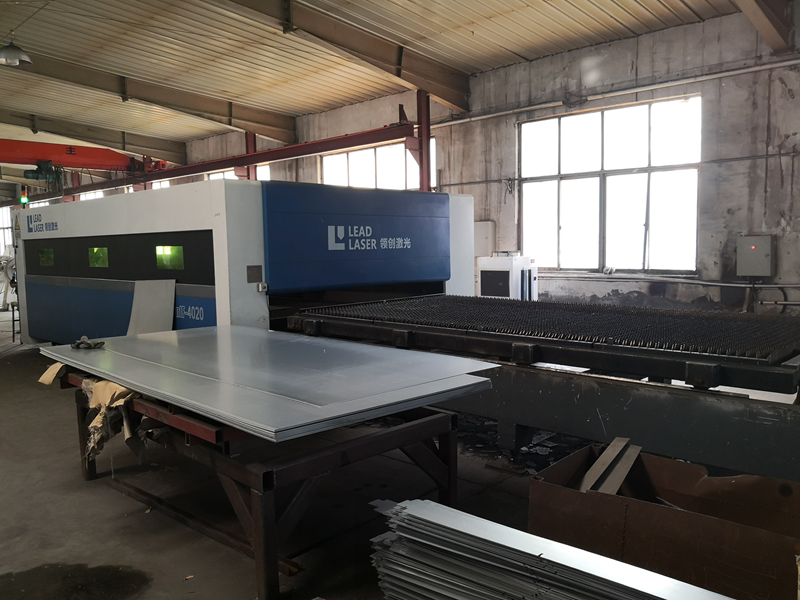
Located in Huimin County, Binzhou City, Shandong Province, China, the company has extensive experience in mechanical processing and manufacturing, as well as livestock machinery production and operation. With fixed assets of RMB 15 million, the company employs 160 people, including 30 R&D staff, and occupies a 40,000-square-meter factory. Equipped with over 110 pieces of advanced precision production equipment, including CNC machining centers and laser cutting machines, the company boasts a production capacity of RMB 50 million.
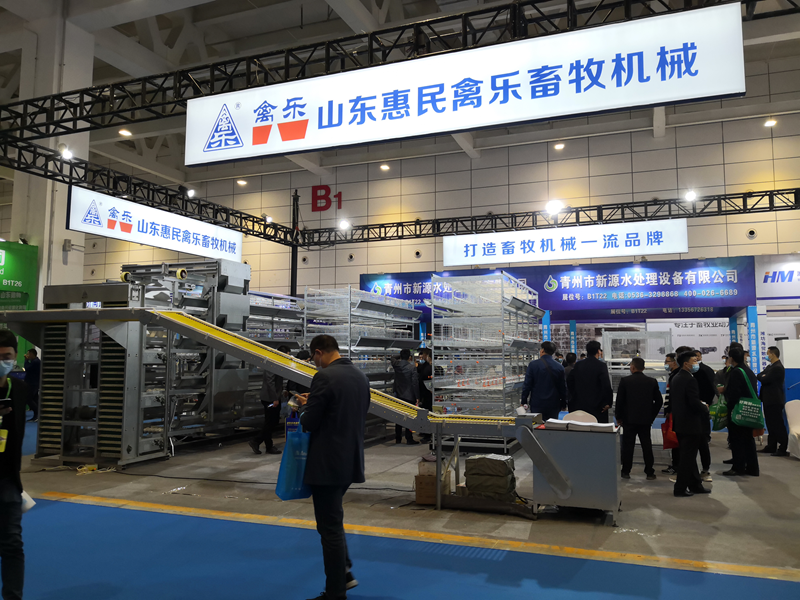
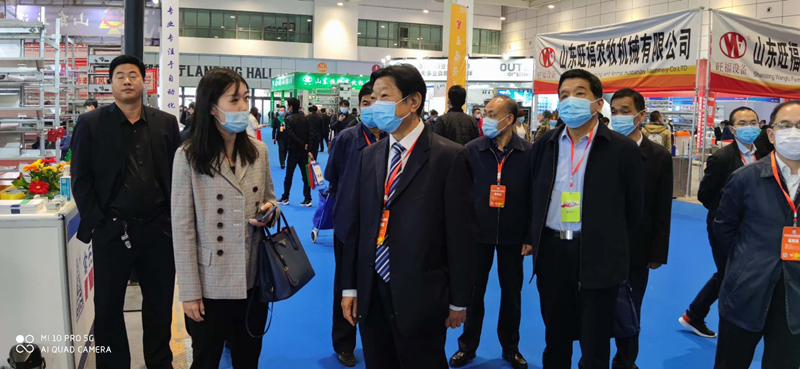
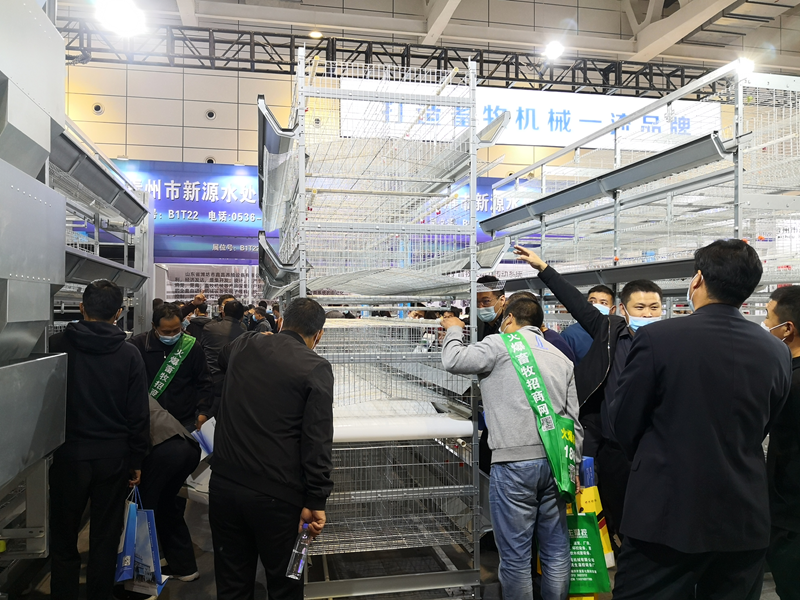
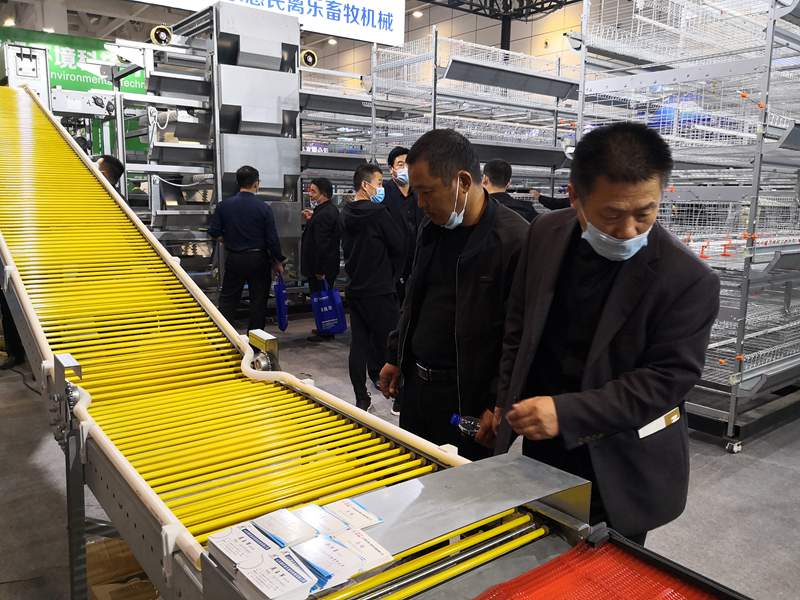
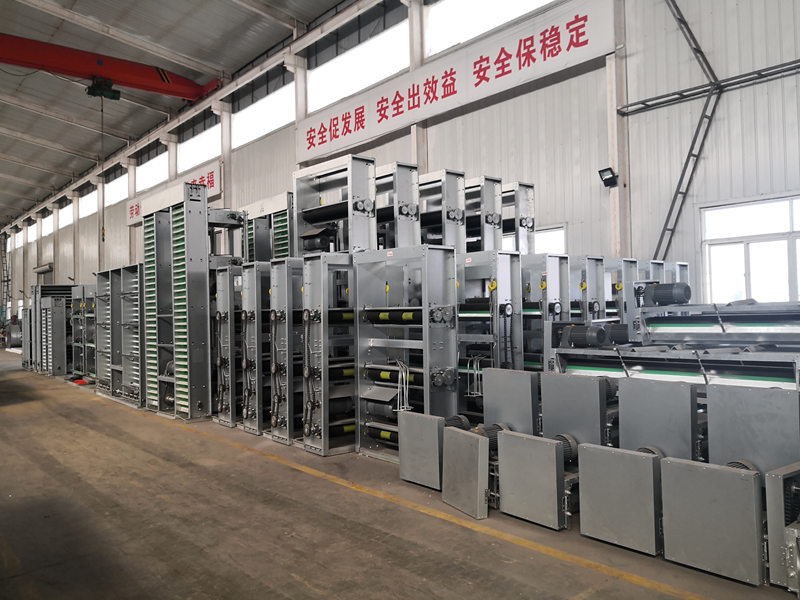
Chicken Farming Equipment Mesh Production Workshop

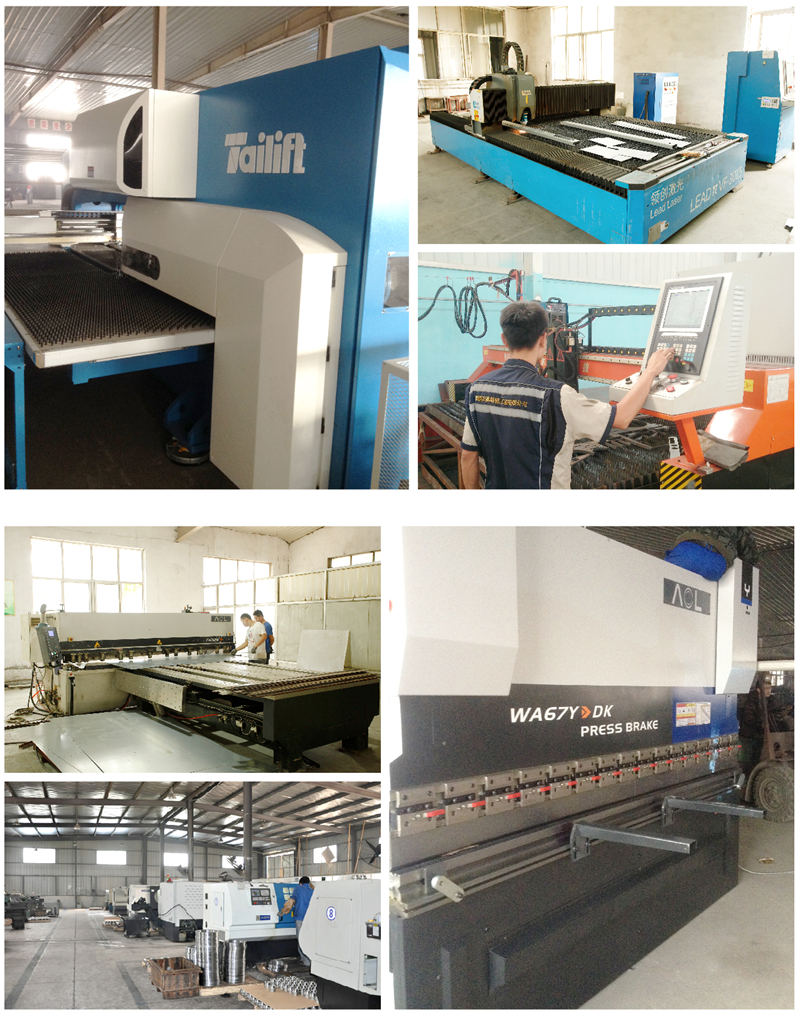
Machining Workshop
Turret-type CNC Punch Press, Laser Cutting and Other Machining Equipment

Fully Automated Roll Forming Production Line

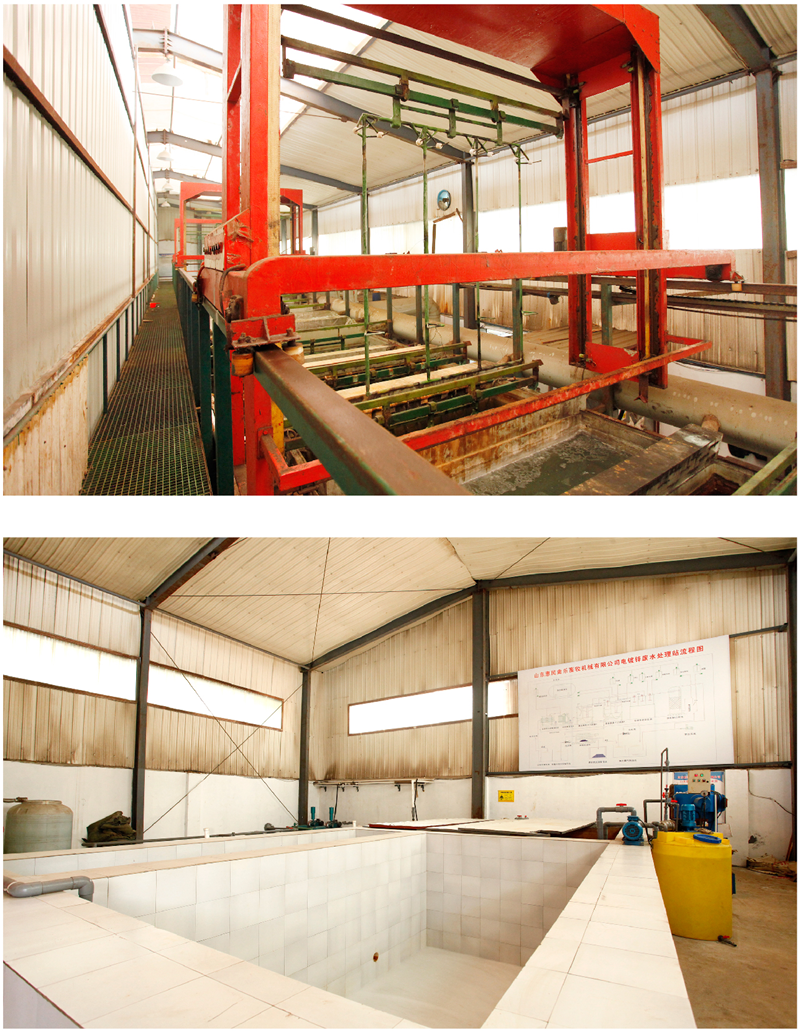
Hot-dip Galvanizing Production Line

Electroplating Production Line
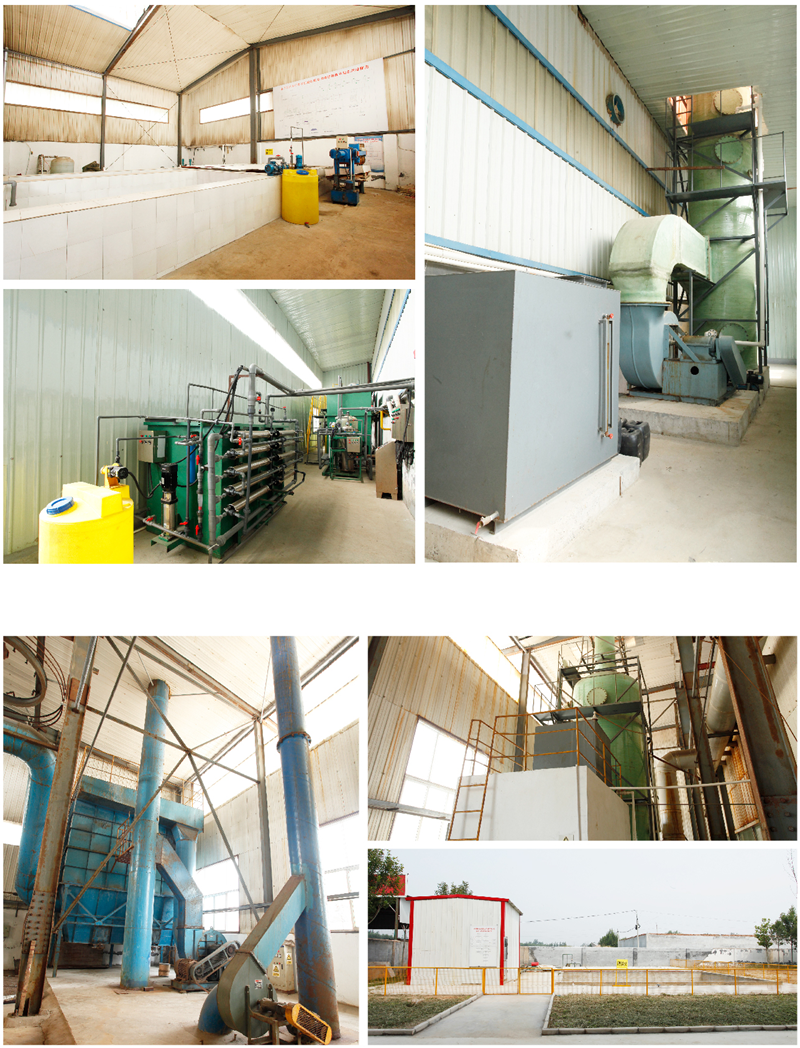
Environmental Protection Equipment
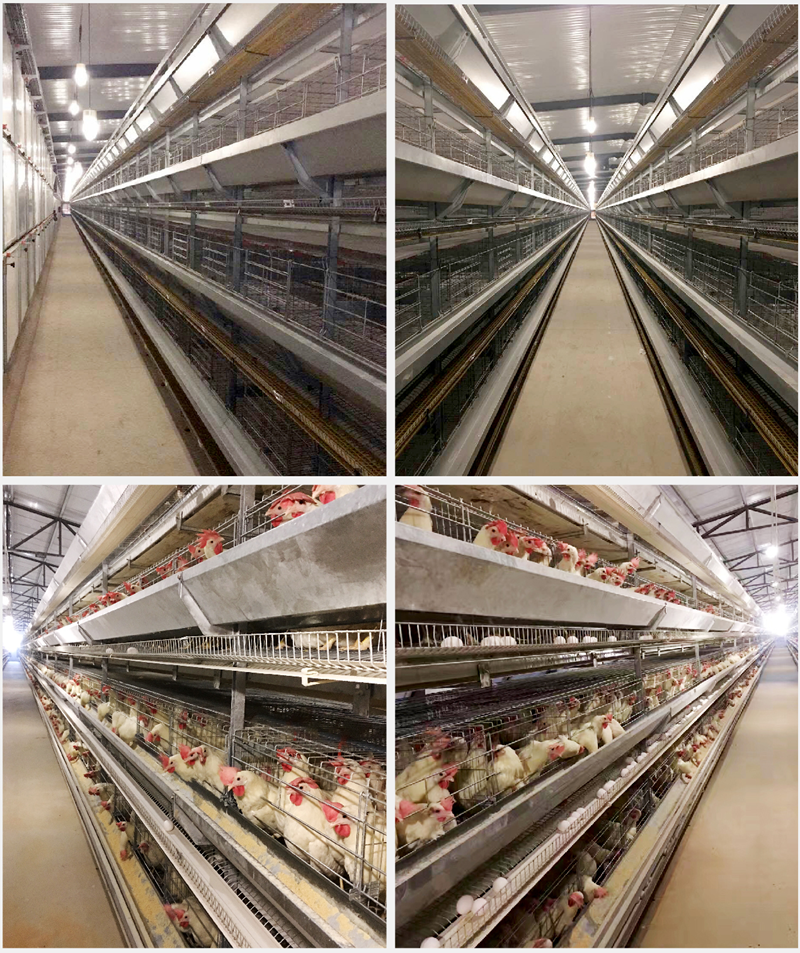
Chicken Farming Equipment Product Series
Egg-laying Hen Farming Equipment
Stacked Brooding Cage Equipment

Stacked Broiler Cage Equipment
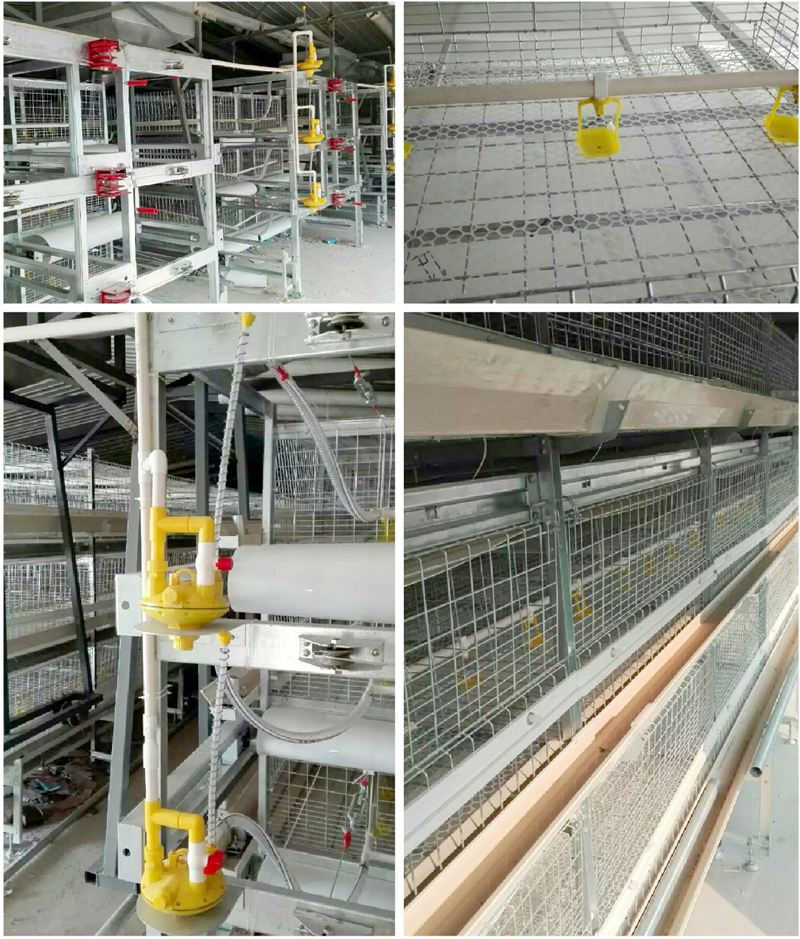
Stepped Layer Hen Cage Rearing Equipment
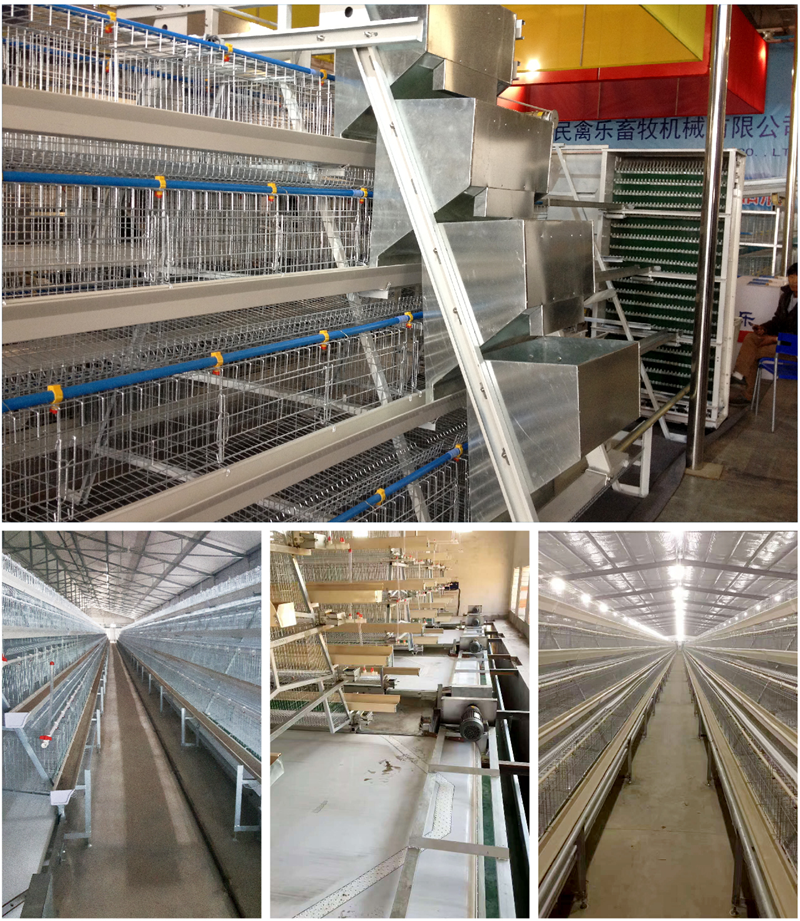
Automatic Egg Collection System
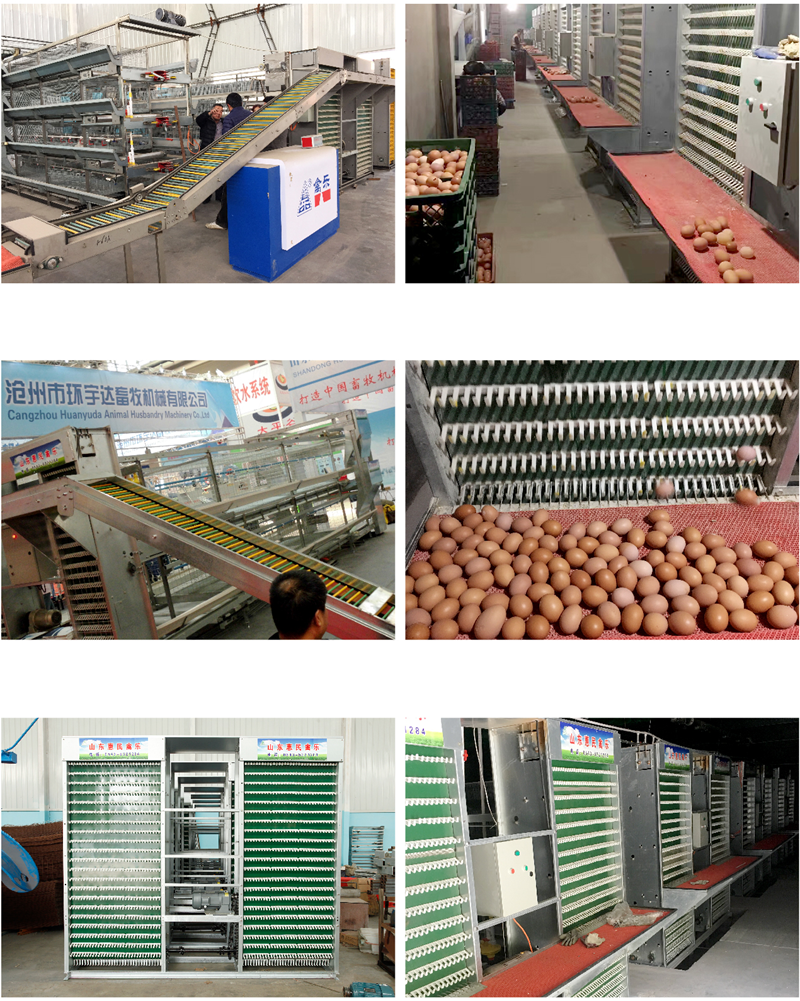
H-type Cage Feeding Machine
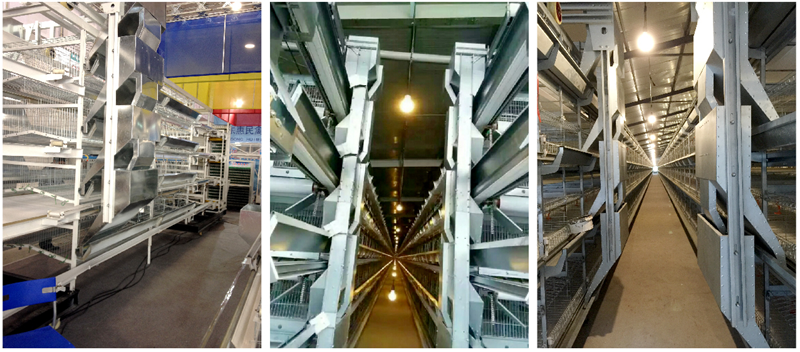
Stepped Cage Straddle Feeder
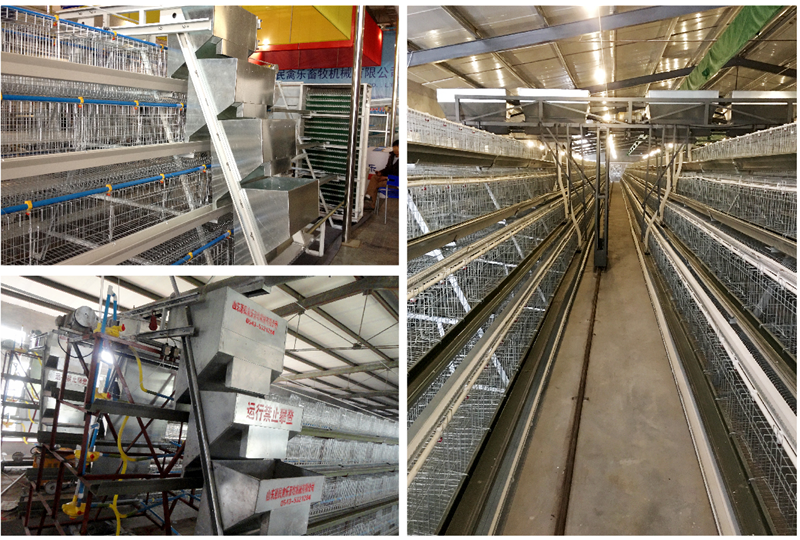
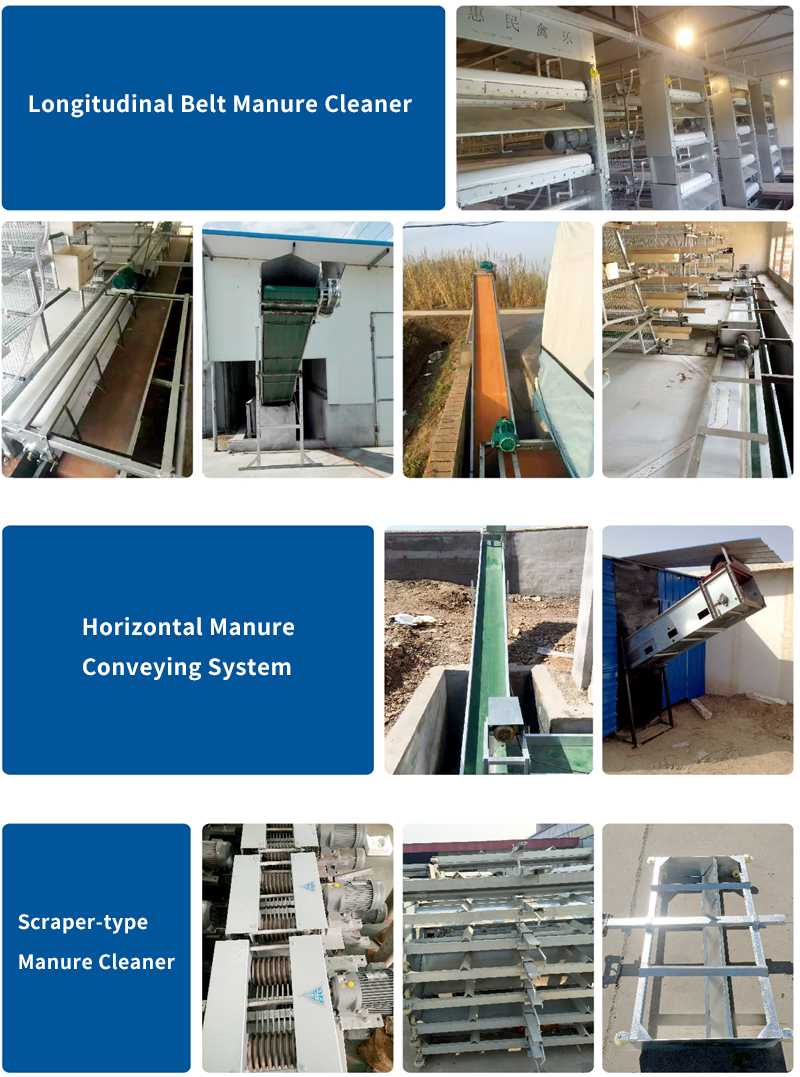
Manure Removal Machine
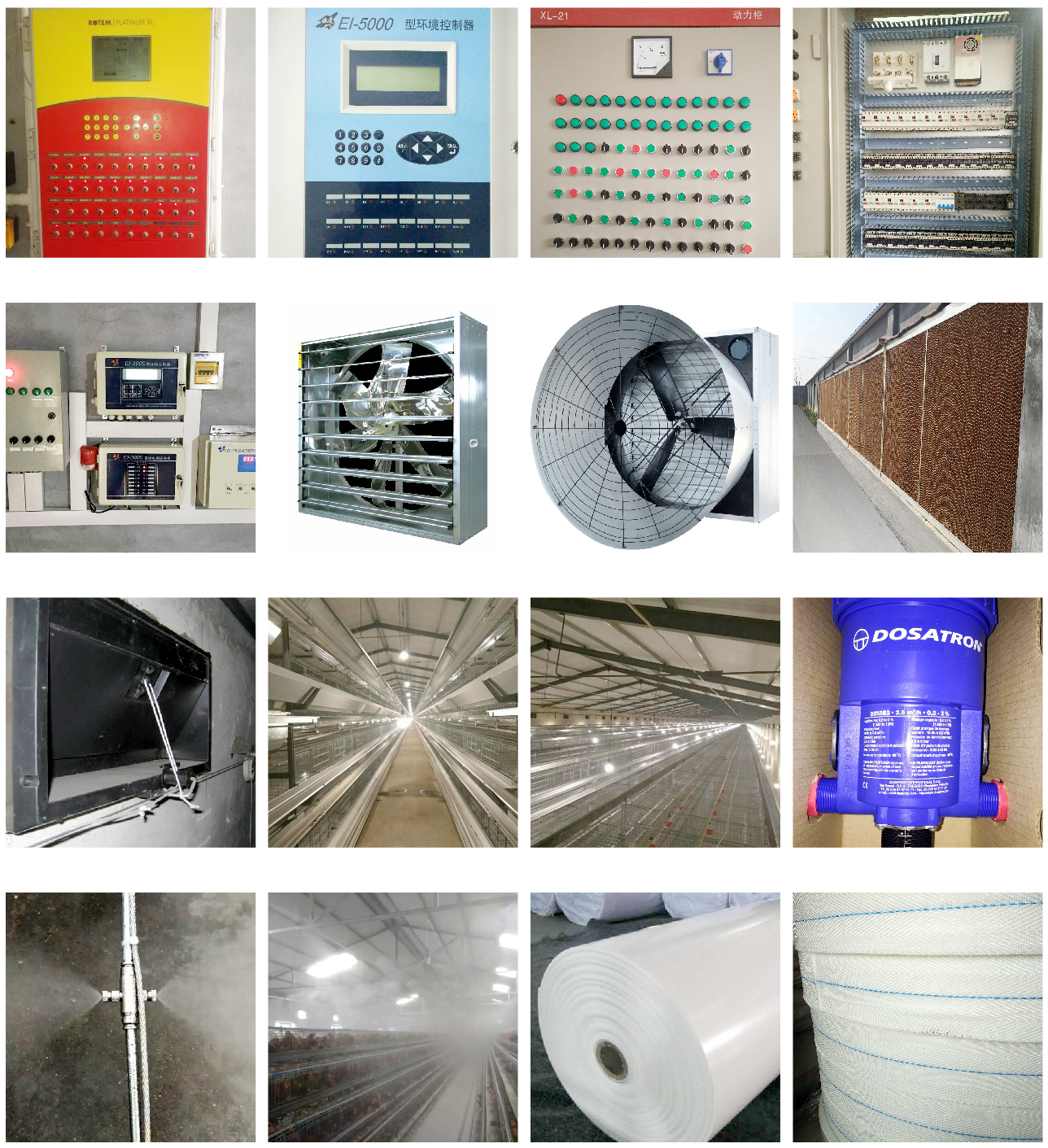
Fans, Heated Curtains, Environmental Control Systems, and Lighting Equipment
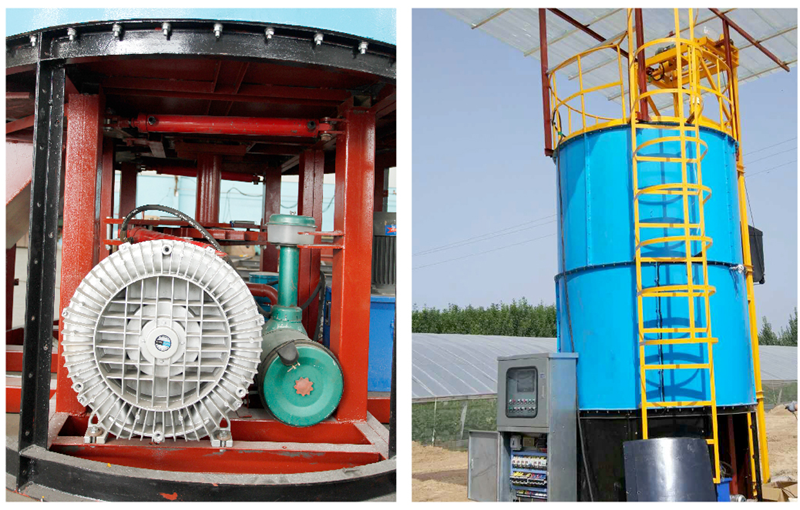
Complete Set of Equipment for Organic Fermentation Treatment of Manure
Бул веб-сайт биздин веб-сайтта эң жакшы тажрыйбаны алуу үчүн кукилерди колдонот.
 English
 Pусский
 Français
 العربية
 Indonesia
 қазақ
қазақ o'zbek
 тоҷикӣ
 Türkmenler
 Catalogue



 Whatsapp
 Телефон