

Introduction
Layer Cage Design is a crucial aspect of modern poultry farming that directly affects the welfare of laying hens, egg production efficiency, and farm profitability. Designing an effective Layer Cage System involves creating a structure that provides a safe, comfortable, and manageable environment for hens, while maximizing space utilization and operational efficiency.
In the poultry industry, the design of layer cages has evolved significantly—from traditional battery cages to enriched cages and alternative housing systems—reflecting increasing concerns about animal welfare, production efficiency, and environmental sustainability.
This guide explores the key elements of layer cage design, including technical parameters, important features, benefits, practical applications, usage guidelines, and frequently asked questions. Whether you are a new poultry farmer or looking to upgrade your existing system, understanding layer cage design will help you make informed decisions for your farm.
Parameters of Layer Cage Design
A well-planned layer cage design depends on several critical parameters that ensure optimal functionality and hen welfare. These include:
Material:
Most layer cages are constructed from galvanized steel wire mesh due to its strength, corrosion resistance, and durability. Stainless steel is used in some premium systems. Frames may be made of steel or aluminum.
Dimensions:
Standard cage dimensions generally range from 45 cm to 60 cm in width, depth, and height per cage unit, ensuring enough space per hen according to welfare standards.
Stocking Density:
The number of hens per cage is a key parameter, usually ranging from 3 to 5 birds per cage, with an average space allowance of 450 to 550 cm² per hen.
Tier Levels:
Multi-tier designs (from 2 up to 6 tiers) allow vertical stacking to maximize space utilization in poultry houses.
Feeding System Integration:
Designs include space for automatic or manual feeders and waterers, ensuring easy access and efficient resource delivery.
Egg Collection:
Egg trays or belts are integrated into the design, typically sloped to allow eggs to roll gently to collection points.
Waste Management:
Cage floors are sloped and made from wire mesh to allow droppings to fall into manure belts or pits below, facilitating efficient cleaning.
Ventilation and Lighting:
Open mesh designs promote airflow, while the structure must allow proper lighting to regulate laying cycles.
Access Points:
Doors and openings for egg collection, bird health checks, and maintenance must be ergonomically designed.
Features of Layer Cage Design
Modern layer cage designs incorporate features that enhance bird welfare, production efficiency, and farm management:
Durability:
Use of corrosion-resistant materials like galvanized steel ensures long-lasting cages.
Ergonomic Design:
Accessibility for workers through strategically placed doors and walkways improves operational efficiency.
Space Optimization:
Multi-tiered designs maximize vertical space, reducing the farm’s footprint.
Bird Comfort:
Adequate spacing, perches, and nesting areas reduce stress and promote natural behaviors.
Automated Systems Compatibility:
Designed to integrate with automatic feeders, waterers, and egg collection belts.
Waste Removal Efficiency:
Sloped floors and manure belts enable easy removal of droppings, maintaining hygiene.
Ventilation:
Wire mesh construction allows airflow to prevent ammonia buildup and maintain air quality.
Flexibility and Modularity:
Cage units can be customized or expanded to fit farm size and specific requirements.
Advantages of Layer Cage Design
Choosing an optimized layer cage design provides numerous benefits for poultry farmers:
Higher Egg Production:
Comfortable and stress-free hens lay more eggs with better quality.
Improved Hygiene and Health:
Efficient waste management and ventilation reduce disease incidence.
Labor Savings:
Easy access and automation lower labor requirements and increase productivity.
Space Efficiency:
Vertical stacking increases bird density without expanding farm area.
Cost-Effectiveness:
Durable materials and design reduce maintenance costs and increase lifespan.
Better Biosecurity:
Controlled environments limit disease transmission.
Compliance with Welfare Standards:
Designs can meet or exceed local and international regulations.
Application Scenarios of Layer Cage Design
Layer cage designs are implemented in various farming contexts:
Large Commercial Egg Farms:
Multi-tier, automated cage systems to maximize production.
Small to Medium-Sized Farms:
Modular cage units adaptable to farm size and budget.
Research Farms:
Controlled environment designs for study of poultry behavior and production.
Contract Farming:
Standardized cage designs to ensure consistency across contract farms.
Urban or Vertical Farming:
Space-saving designs for limited urban farm spaces.
Organic or Alternative Housing:
Modified cage designs integrating features for enriched cages or aviaries.
Usage Instructions for Layer Cage Design
For optimal results, proper usage and maintenance of layer cages are essential:
Installation:
Ensure level, stable flooring for cage installation.
Secure cages firmly and verify structural integrity.
Connect feeding, watering, and egg collection systems correctly.
Stocking Birds:
Follow welfare guidelines for stocking density.
Introduce hens gradually to reduce stress.
Feeding and Watering:
Maintain clean, consistent feed and water supply.
Adjust feed amounts according to production stages.
Cleaning and Waste Removal:
Regularly remove manure from belts or pits.
Clean cages periodically with safe disinfectants.
Health Monitoring:
Observe birds daily for health and behavior changes.
Provide vaccinations and veterinary care as necessary.
Egg Collection:
Collect eggs frequently to prevent damage and contamination.
Maintenance:
Inspect cage structure regularly for damage or wear.
Repair or replace parts promptly to ensure safety.
Common Problems and Solutions in Layer Cage Design
Overcrowding:
Solution: Adhere to recommended stocking densities and provide adequate space.
Poor Ventilation Leading to Ammonia Buildup:
Solution: Improve airflow with fans or adjust cage positioning.
Feed Wastage:
Solution: Use feeders designed to minimize spillage and adjust feeding schedules.
Egg Breakage:
Solution: Maintain proper slope and smooth surfaces in egg collection areas.
Disease Outbreaks:
Solution: Maintain strict biosecurity and sanitation protocols.
Structural Damage or Corrosion:
Solution: Use high-quality galvanized materials and perform regular maintenance.
Frequently Asked Questions (FAQ)
Q1: What is the ideal space allowance per hen in a layer cage?
A: Most standards recommend 450-550 cm² per hen, depending on welfare regulations.
Q2: How many tiers can a layer cage system have?
A: Typically, 2 to 6 tiers, depending on the farm’s ceiling height and management.
Q3: Can layer cage designs be customized?
A: Yes, cage dimensions and features can be tailored to farm needs.
Q4: Are automated feeding and egg collection systems compatible with all cage designs?
A: Most modern designs accommodate automation; compatibility depends on specific equipment.
Q5: How often should cages be cleaned?
A: Daily manure removal is recommended; full cleaning and disinfection between flocks.
Q6: What materials are best for cage construction?
A: Galvanized steel wire mesh and steel or aluminum frames are preferred.
Q7: Are layer cages suitable for organic poultry farming?
A: Generally, organic standards require cage-free systems; however, enriched cage designs may be acceptable depending on regulations.
Q8: How long does a layer cage system typically last?
A: With proper maintenance, cages can last 10-15 years or more.
Conclusion
An effective Layer Cage Design is essential for maximizing egg production, ensuring hen welfare, and optimizing poultry farm operations. By considering key parameters, features, and proper management practices, poultry farmers can build or select cage systems that offer durability, efficiency, and compliance with welfare standards.
Investing in a well-designed layer cage system helps improve productivity, reduce costs, and maintain a healthy flock, leading to sustainable and profitable poultry farming.
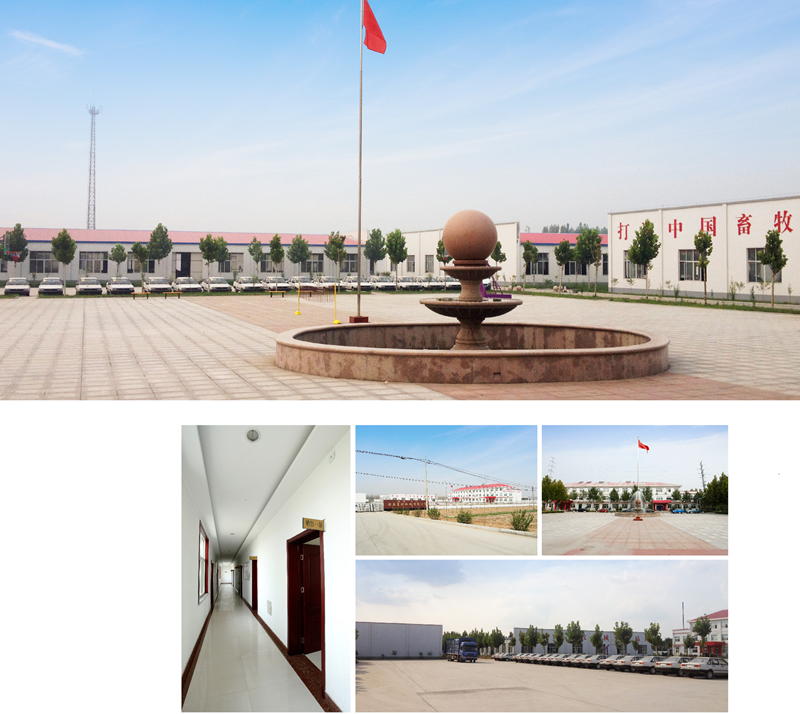
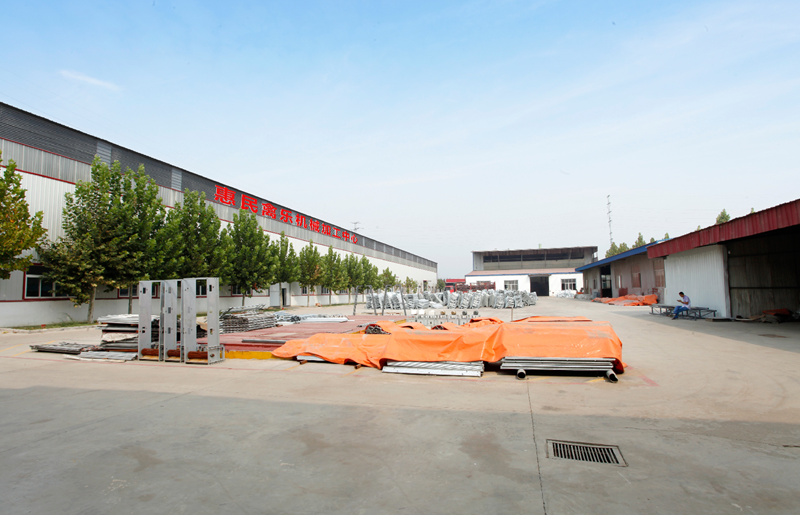
Shandong Huimin Qinle Livestock Machinery Co., Ltd. (formerly Shandong Huimin Qinle Livestock Machinery Factory) is a professional poultry equipment manufacturer with over 20 years of experience. We offer a comprehensive service package, from design (land and chicken coops), production (equipment and prefabricated steel coops), installation, commissioning, customer training, and after-sales service.
Located in Huimin County, Binzhou City, Shandong Province, China, the company has extensive experience in mechanical processing and manufacturing, as well as livestock machinery production and operation. With fixed assets of RMB 15 million, the company employs 160 people, including 30 R&D staff, and occupies a 40,000-square-meter factory. Equipped with over 110 pieces of advanced precision production equipment, including CNC machining centers and laser cutting machines, the company boasts a production capacity of RMB 50 million.
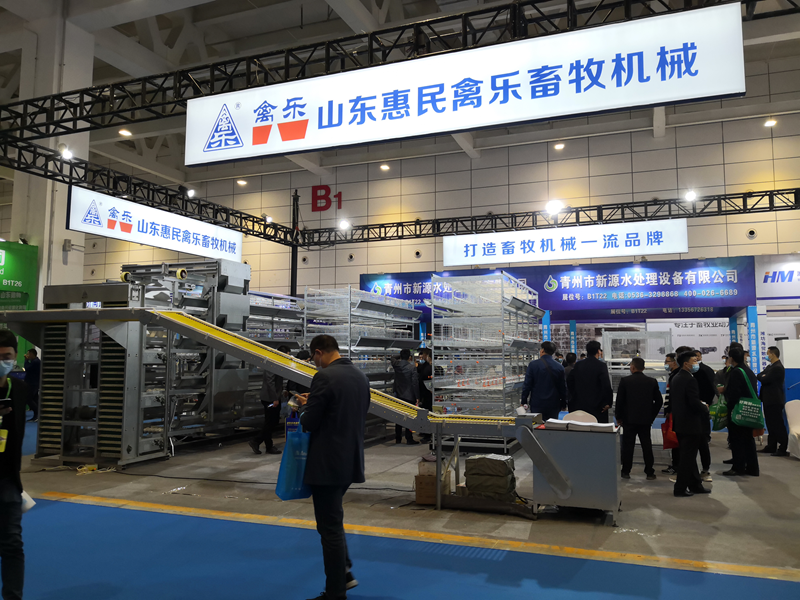
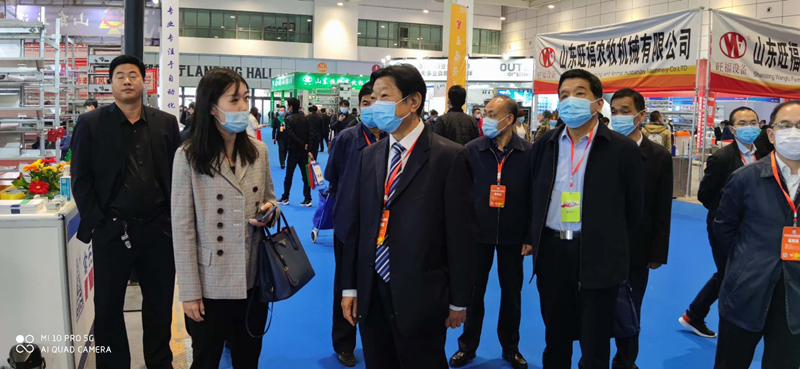
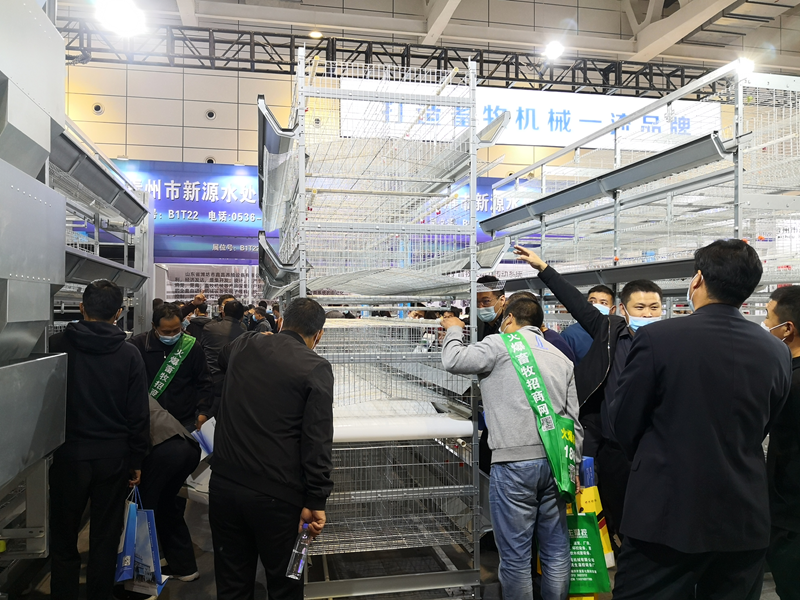
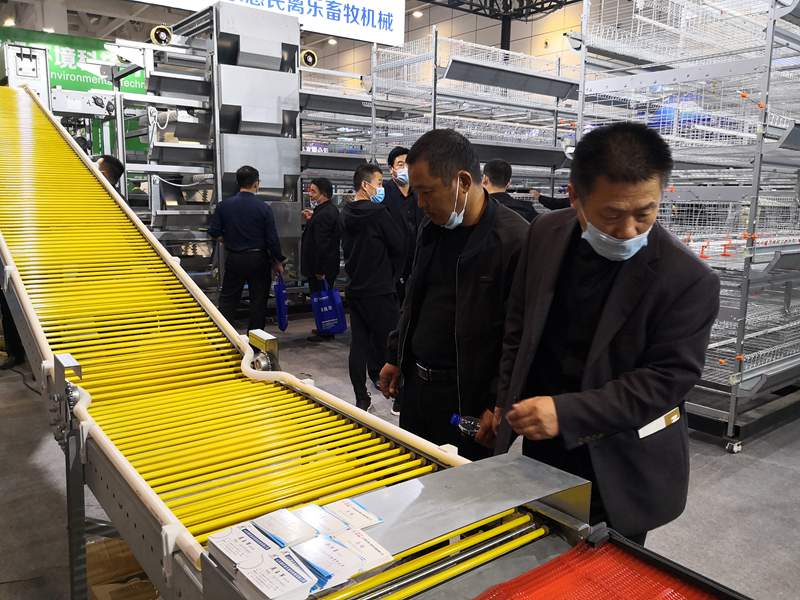
Chicken Farming Equipment Mesh Production Workshop

Machining Workshop
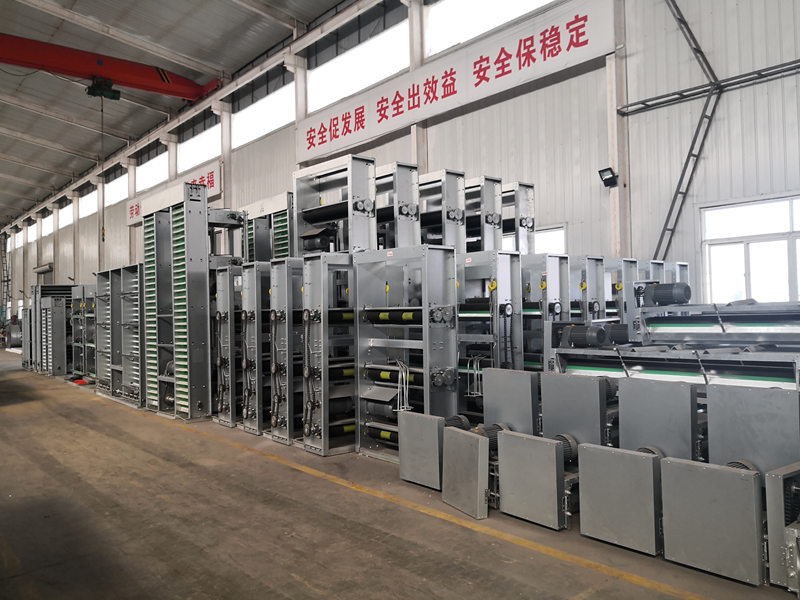
Turret-type CNC Punch Press, Laser Cutting and Other Machining Equipment
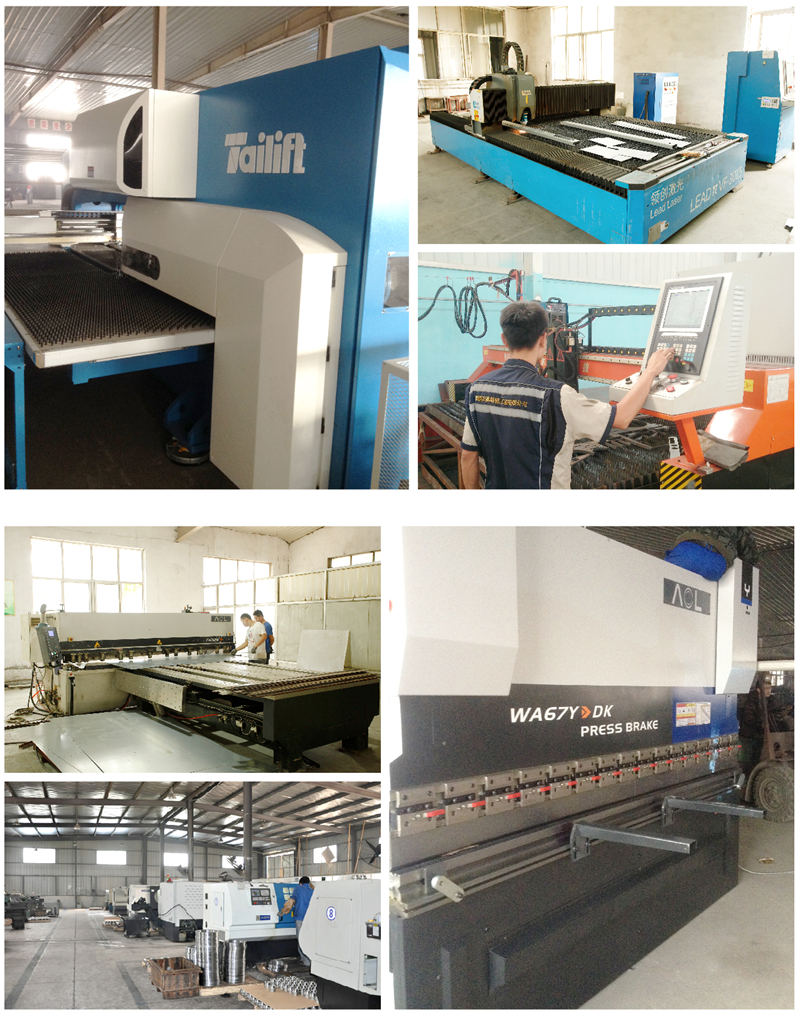
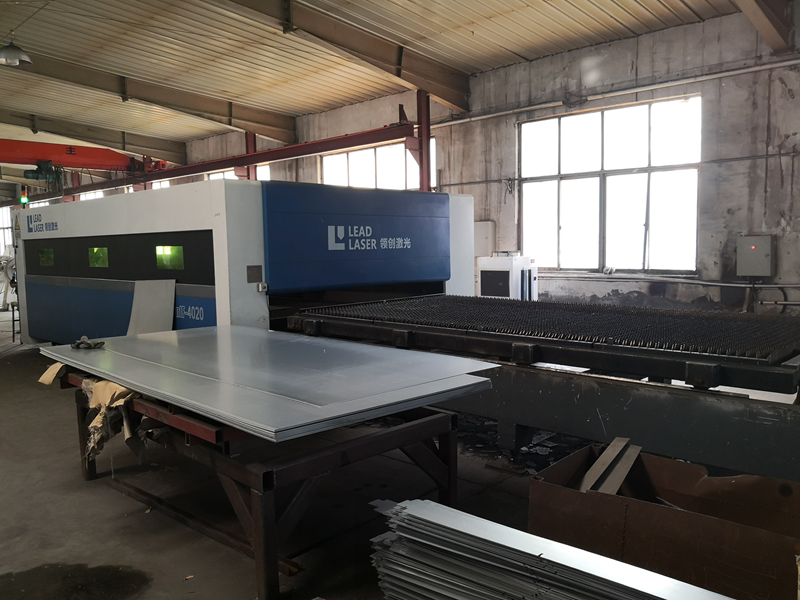

Fully Automated Roll Forming Production Line

Hot-dip Galvanizing Production Line

Electroplating Production Line
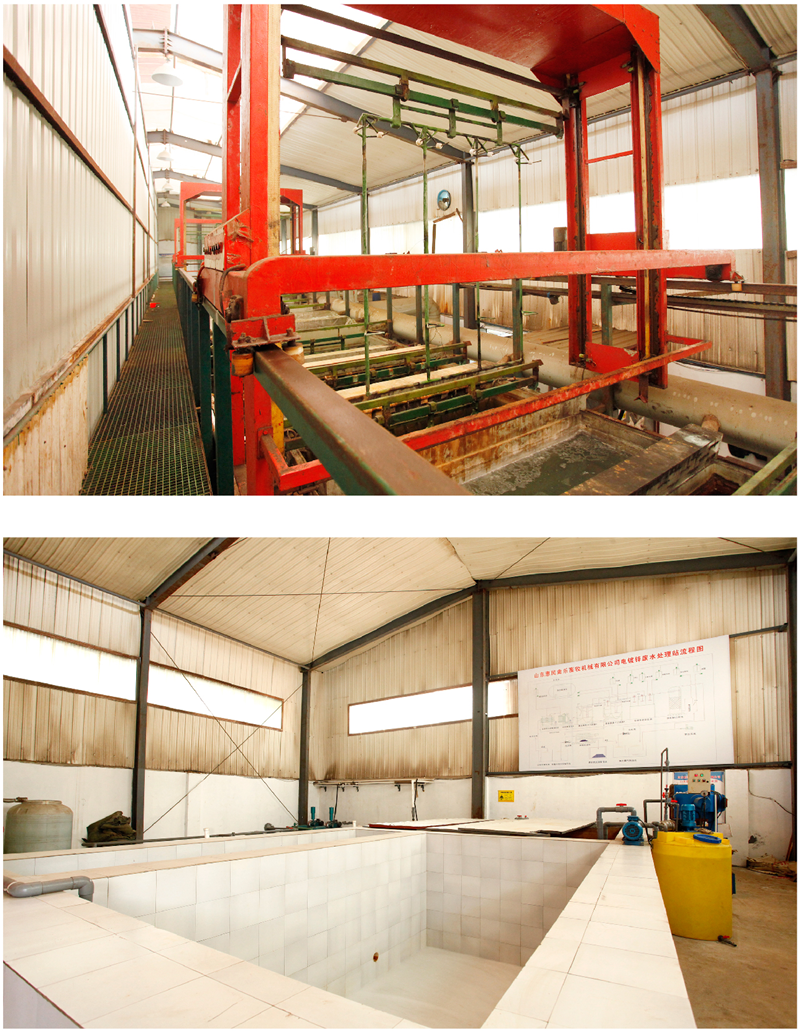
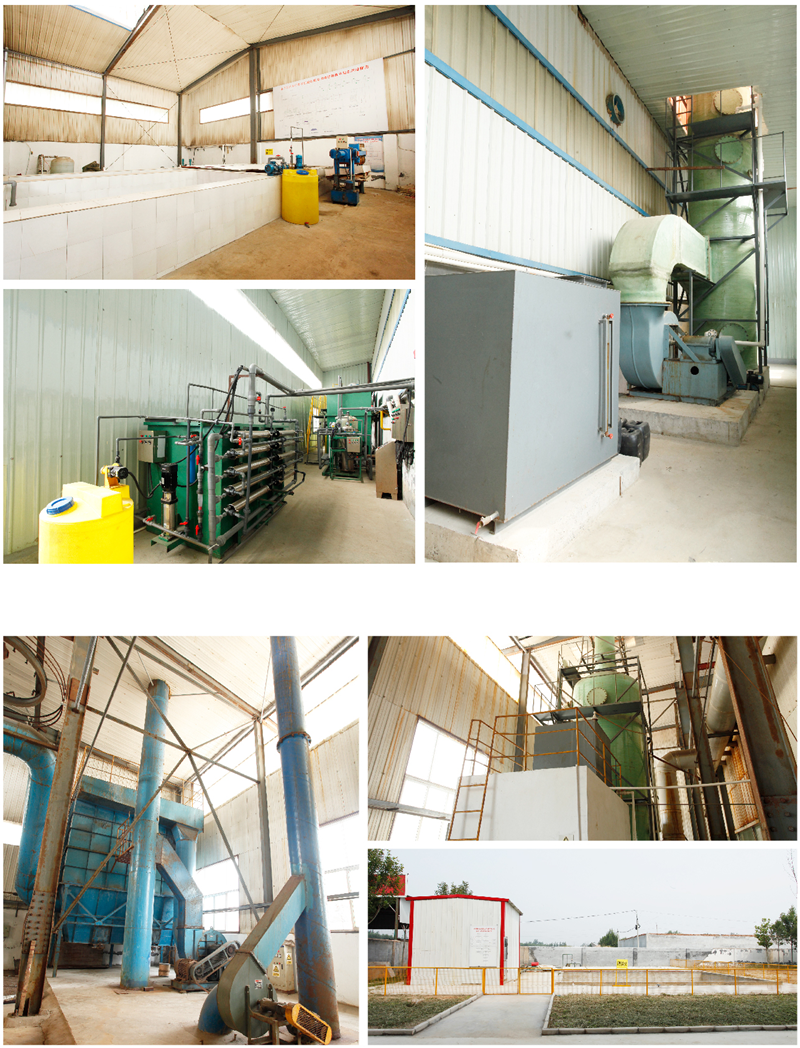
Environmental Protection Equipment
Chicken Farming Equipment Product Series
Egg-laying Hen Farming Equipment
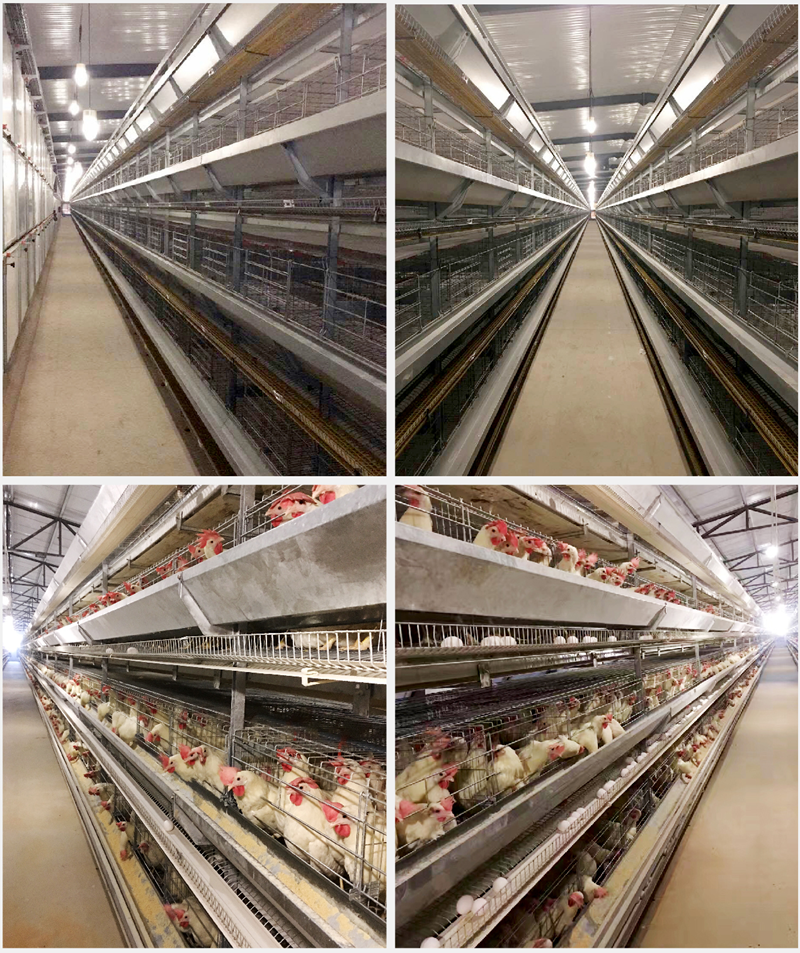
Stacked Brooding Cage Equipment

Stacked Broiler Cage Equipment
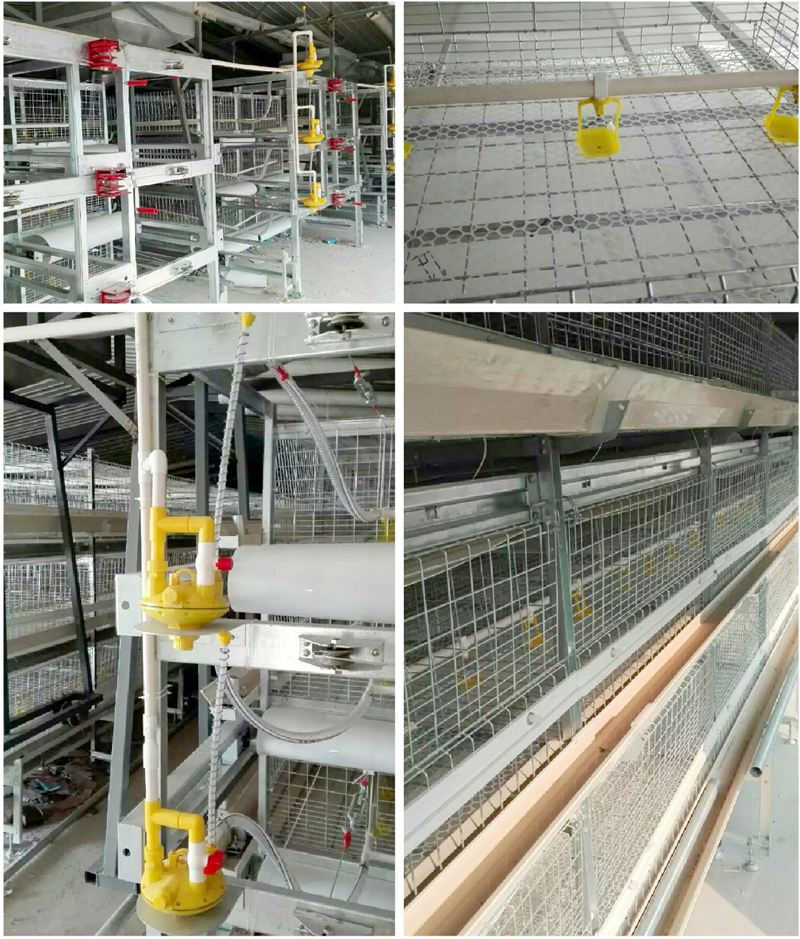
Stepped Layer Hen Cage Rearing Equipment
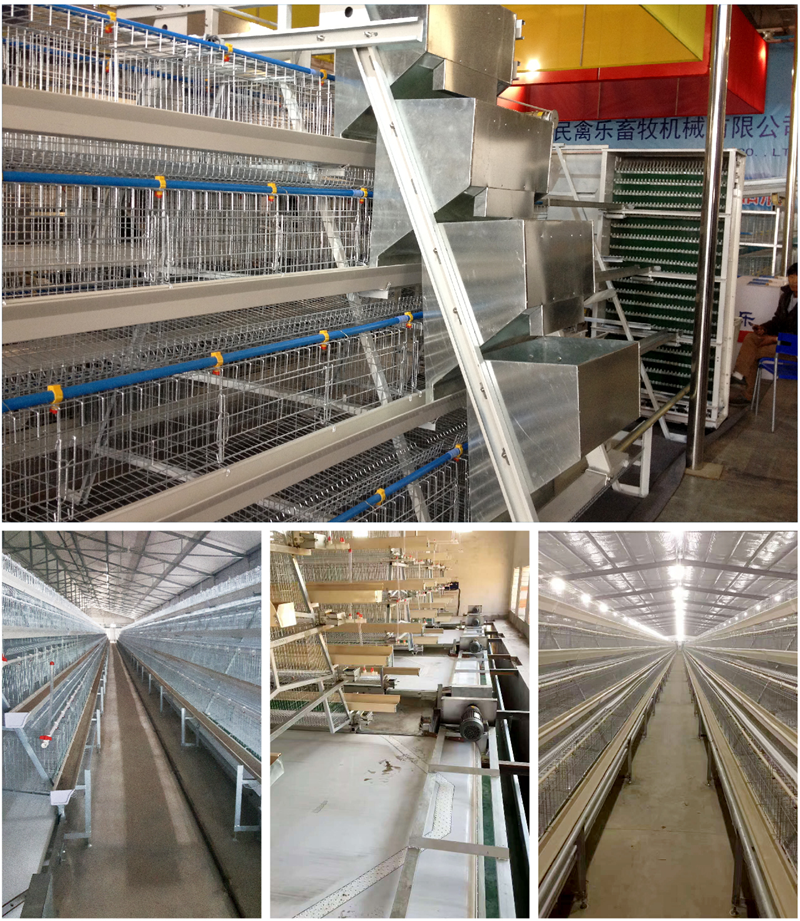
Automatic Egg Collection System
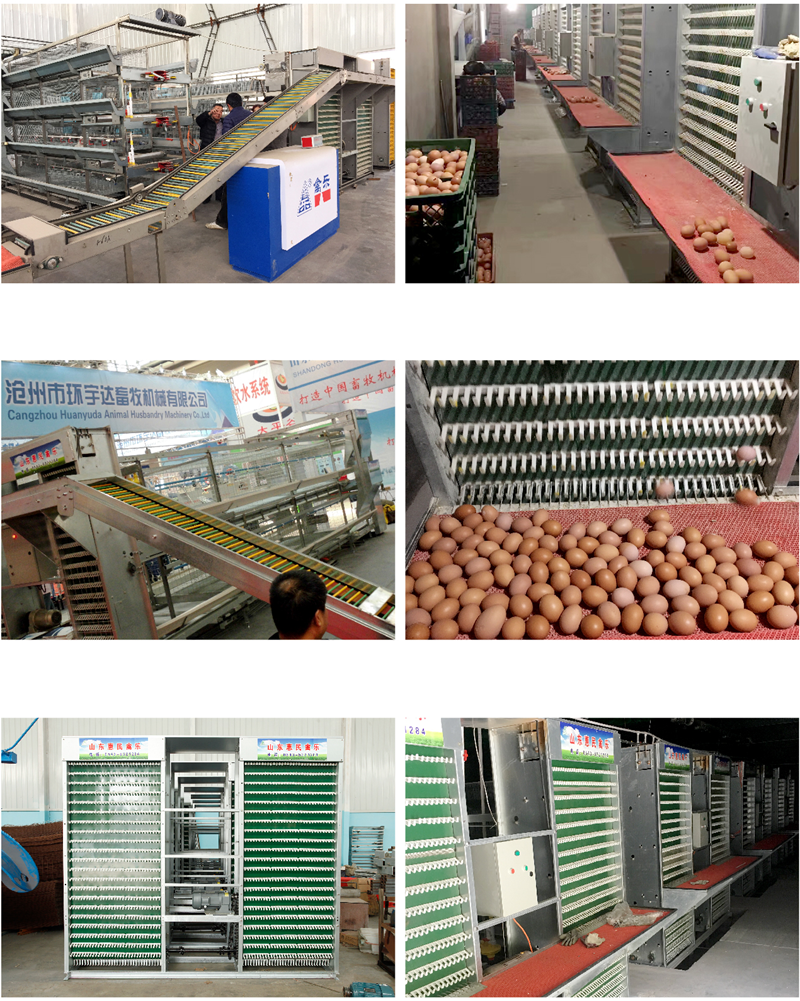
H-type Cage Feeding Machine
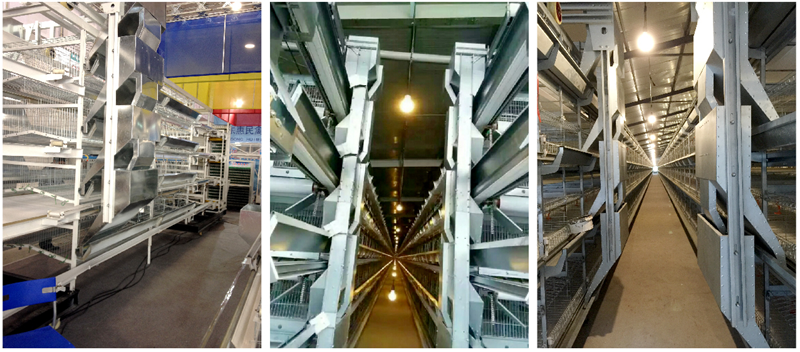
Stepped Cage Straddle Feeder
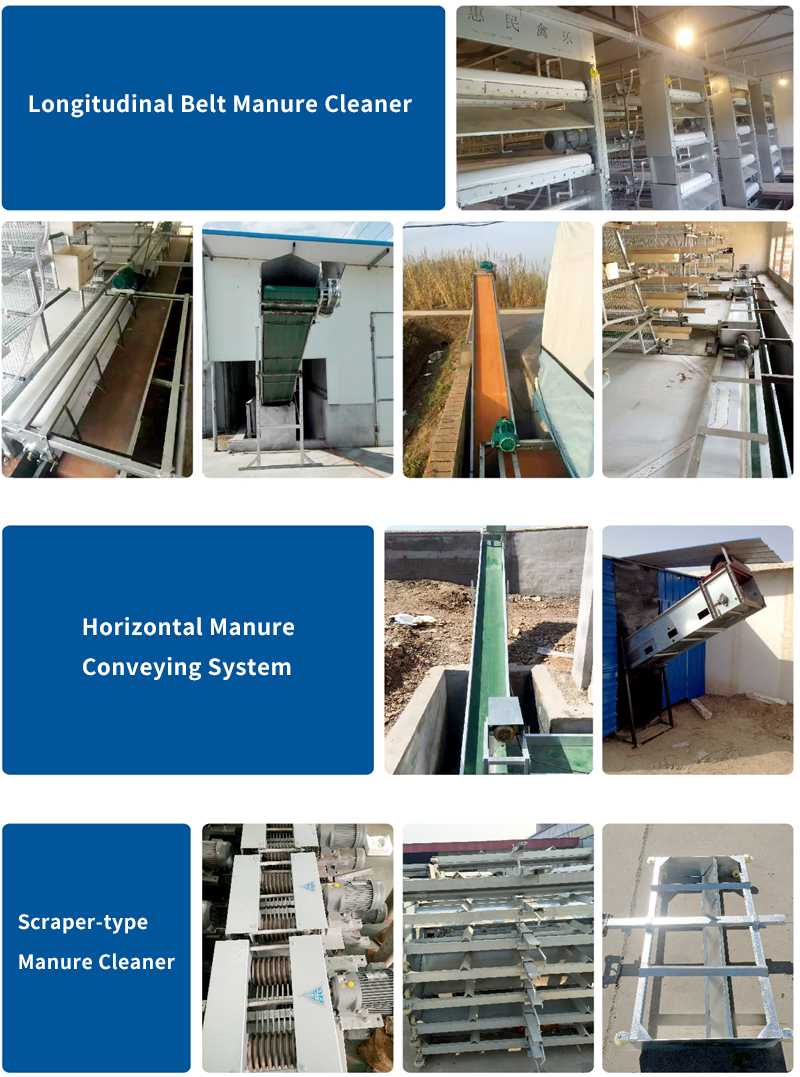
Manure Removal Machine
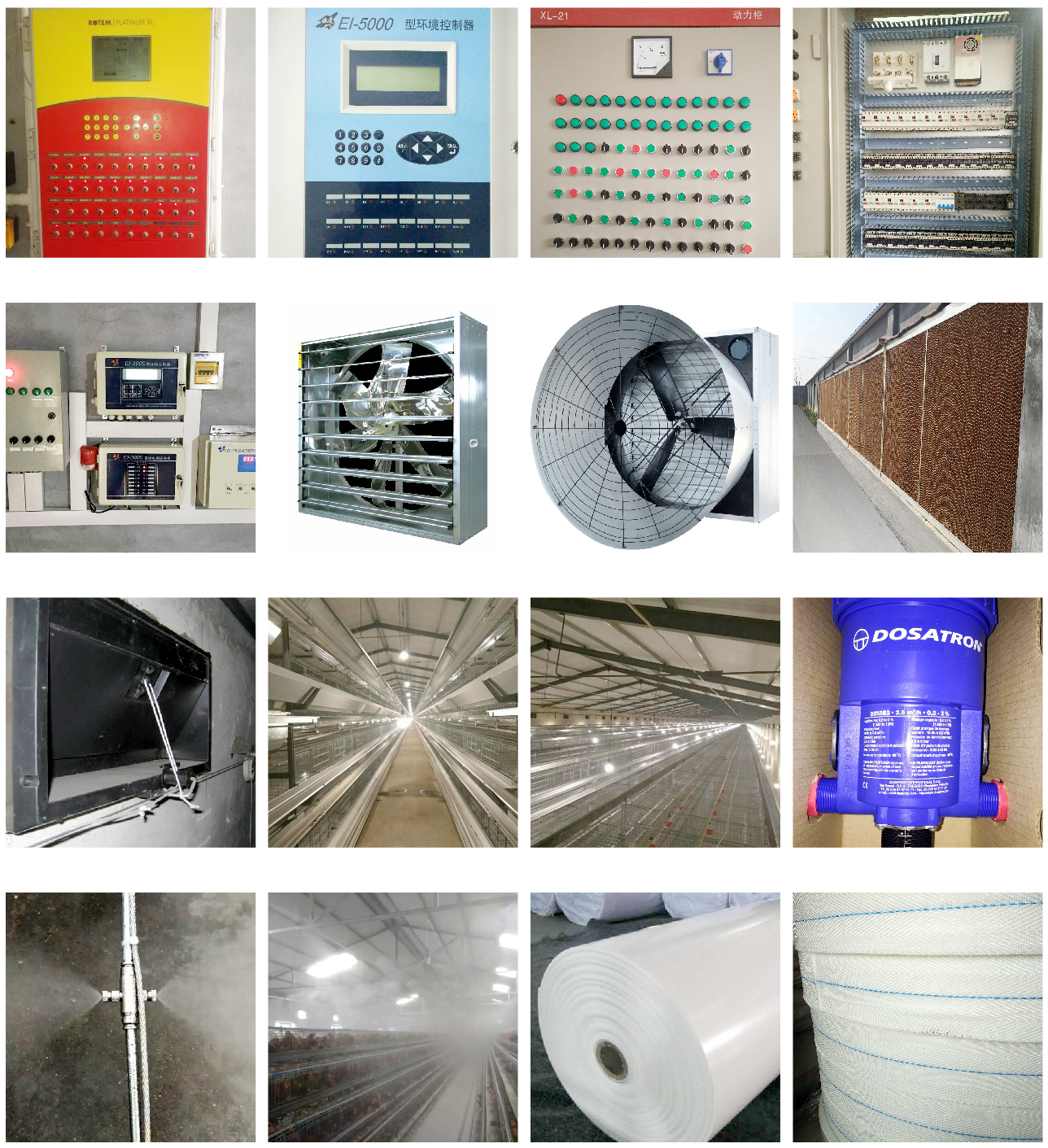
Fans, Heated Curtains, Environmental Control Systems, and Lighting Equipment
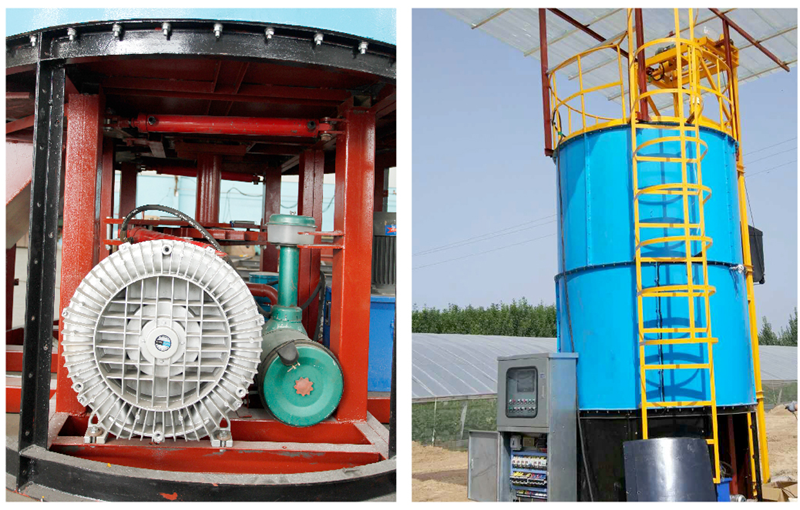
Complete Set of Equipment for Organic Fermentation Treatment of Manure
Бул веб-сайт биздин веб-сайтта эң жакшы тажрыйбаны алуу үчүн кукилерди колдонот.
 English
 Pусский
 Français
 العربية
 Indonesia
 қазақ
қазақ o'zbek
 тоҷикӣ
 Türkmenler
 Catalogue



 Whatsapp
 Телефон