

Introduction
A Layer Chicken Coop Cage is a specialized housing system designed for keeping laying hens safe, comfortable, and productive. It combines the traditional chicken coop's protective function with the efficiency of modern cage systems. These coops ensure optimal living conditions, ease of management, and improved egg production.
With the increasing demand for high-quality eggs, poultry farmers are adopting layer chicken coop cages to enhance production efficiency, hygiene, and bird welfare. This system helps maintain a controlled environment that protects hens from predators and harsh weather, facilitates feeding, watering, and egg collection, and promotes healthy, stress-free birds.
This article explores the detailed parameters, features, advantages, application scenarios, usage instructions, and common questions about layer chicken coop cages to assist farmers and poultry enthusiasts in making informed decisions.
Parameters of Layer Chicken Coop Cage
Understanding the technical specifications is vital when choosing a suitable coop cage system. Typical parameters include:
Material: Galvanized steel wire mesh for durability and rust resistance; wooden or metal frame for structure.
Dimensions: Common cage sizes range from 45 cm to 60 cm in width, height, and depth per unit.
Capacity: Designed to house 3-6 hens per cage, depending on size and welfare standards.
Tiers: Single or multi-tier designs available (usually 2 to 4 tiers).
Feeding System: Manual or automatic feeders integrated into the cage.
Watering System: Nipple drinkers or troughs installed for easy access.
Egg Collection: Sloped egg trays or belts for smooth egg retrieval.
Ventilation: Wire mesh allows for natural airflow; some models have added ventilation panels.
Waste Management: Sloped floors and manure trays or belts to facilitate cleaning.
Accessories: Doors for easy access, perches, nesting boxes, and lighting fixtures.
Features of Layer Chicken Coop Cage
Layer chicken coop cages come equipped with features designed to maximize poultry health and farm efficiency:
Durable Construction: Made from galvanized steel and treated wood to withstand weather and wear.
Compact and Space-Saving: Multi-tier design enables higher bird density per square meter.
Good Ventilation: Open mesh construction promotes airflow, reducing humidity and ammonia buildup.
Easy Cleaning and Maintenance: Sloped floors and manure trays make waste removal efficient.
Efficient Feeding and Watering: Automatic systems ensure consistent food and water supply.
Safe and Secure: Protects hens from predators and harsh weather conditions.
Improved Egg Collection: Smooth egg slopes and collection trays minimize breakage.
Modular Design: Easily expandable and customizable for different farm sizes.
Enhanced Bird Comfort: Proper spacing, perches, and nesting areas reduce stress.
Advantages of Layer Chicken Coop Cage
Choosing a layer chicken coop cage system offers multiple advantages to poultry farmers:
Increased Egg Production: Comfortable and stress-free hens lay more eggs consistently.
Labor Savings: Automated feeders, drinkers, and egg collection reduce manual work.
Improved Bird Health: Good ventilation and hygiene reduce disease risk.
Space Optimization: Vertical stacking allows more birds in less space.
Cost-Effectiveness: Durable materials and efficient design lower maintenance and replacement costs.
Better Biosecurity: Controlled environment helps prevent disease outbreaks.
Easy Monitoring: Accessible design simplifies health checks and management.
Environmental Control: Protects birds from adverse weather.
Compliance: Meets commercial poultry farming standards.
Application Scenarios
Layer chicken coop cages are suitable for various poultry farming setups:
Commercial Egg Farms: Large-scale operations use multi-tier coop cages for high productivity.
Small to Medium Poultry Farms: Ideal for farmers looking to improve efficiency within limited space.
Backyard Farming: Provides a clean, secure environment for hobbyists raising laying hens.
Urban Farming: Compact designs suit urban or peri-urban poultry farming.
Research Facilities: Used in controlled studies on poultry health and production.
Contract Farming: Ensures standardized housing for contract farmers.
Usage Instructions
Proper setup and management of layer chicken coop cages are critical for success:
Installation:
Assemble the cage on a flat, dry surface.
Secure multi-tier cages firmly to prevent tipping.
Connect feeders, drinkers, and egg collection systems.
Bird Introduction:
Acclimate hens slowly to the new environment.
Avoid overcrowding; follow recommended stocking densities.
Feeding and Watering:
Ensure feeders and drinkers are clean and functional.
Provide balanced feed suitable for laying hens.
Refill water regularly and maintain water quality.
Cleaning and Waste Management:
Remove manure daily using trays or belts.
Clean cages and equipment periodically with safe disinfectants.
Monitor for pests and take control measures if necessary.
Health Monitoring:
Observe birds for signs of illness or distress daily.
Maintain vaccination and treatment schedules.
Egg Collection:
Collect eggs multiple times a day to avoid breakage and contamination.
Store eggs in clean, cool environments.
Maintenance:
Inspect cage integrity regularly.
Repair or replace damaged parts promptly.
Common Problems and Solutions
Problem: Overcrowding Leading to Aggression and Stress
Solution: Maintain proper stocking density and provide perches and nesting spaces.
Problem: Feed and Water Spillage
Solution: Adjust feeders and drinkers for proper access; use spill-proof designs.
Problem: Disease Outbreaks
Solution: Implement strict biosecurity and sanitation protocols.
Problem: Egg Breakage
Solution: Ensure smooth egg slopes and regular collection.
Problem: Poor Ventilation Causing Respiratory Issues
Solution: Increase airflow with fans or improve cage positioning.
Problem: Manure Accumulation and Odor
Solution: Regularly clean manure trays and maintain waste removal systems.
Frequently Asked Questions (FAQ)
Q1: How many hens can fit in one coop cage unit?
A: Typically, 3 to 6 hens per unit depending on cage size and welfare guidelines.
Q2: What materials are best for coop cage construction?
A: Galvanized steel wire mesh and treated wood are common for durability and hygiene.
Q3: Are multi-tier coop cages suitable for small farms?
A: Yes, multi-tier systems save space and can be scaled to farm size.
Q4: How often should eggs be collected?
A: At least twice daily to maintain quality and reduce breakage.
Q5: Can coop cages be used for free-range systems?
A: Coop cages are primarily for confined housing but can be combined with outdoor runs.
Q6: How to maintain biosecurity in coop cage systems?
A: Limit visitor access, disinfect regularly, and isolate sick birds.
Q7: What is the expected lifespan of a layer chicken coop cage?
A: With proper maintenance, 10 to 15 years is typical.
Q8: Is automation necessary in coop cages?
A: Automation improves efficiency but manual systems can be used in small operations.
Conclusion
The Layer Chicken Coop Cage is an essential solution for modern poultry farming, providing a safe, efficient, and comfortable environment for laying hens. By understanding its parameters, features, and proper management, farmers can maximize egg production, improve bird welfare, and optimize labor efficiency.
Investing in a quality layer chicken coop cage system ensures long-term benefits including increased productivity, reduced labor costs, and enhanced biosecurity. Whether for commercial or small-scale farming, coop cages are a valuable asset in sustainable poultry operations.
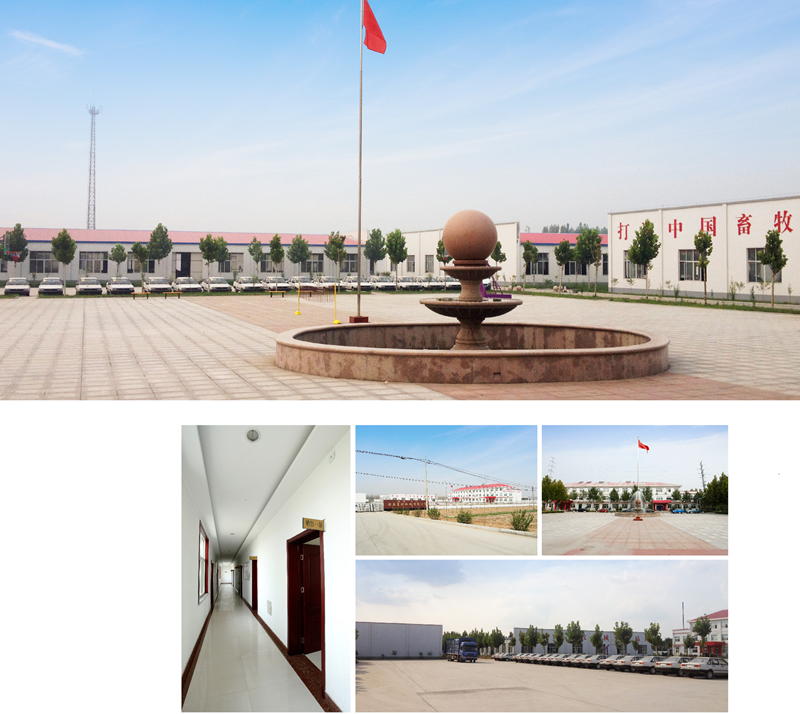
Shandong Huimin Qinle Livestock Machinery Co., Ltd. (formerly Shandong Huimin Qinle Livestock Machinery Factory) is a professional poultry equipment manufacturer with over 20 years of experience. We offer a comprehensive service package, from design (land and chicken coops), production (equipment and prefabricated steel coops), installation, commissioning, customer training, and after-sales service.
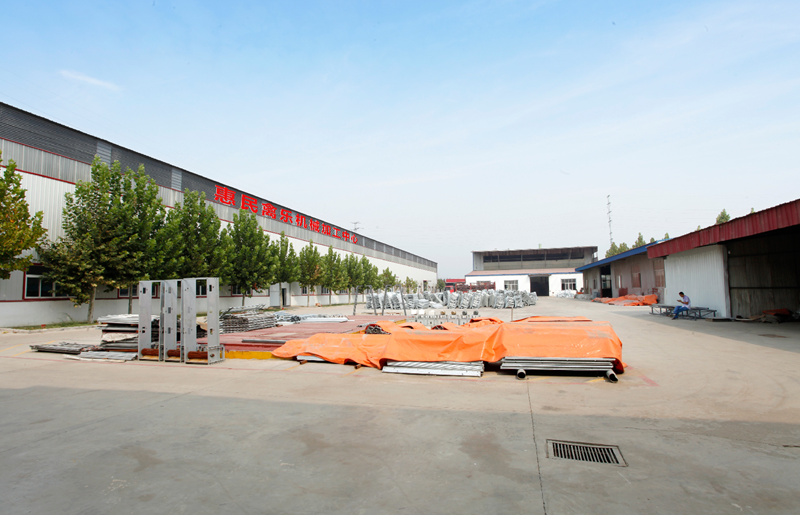
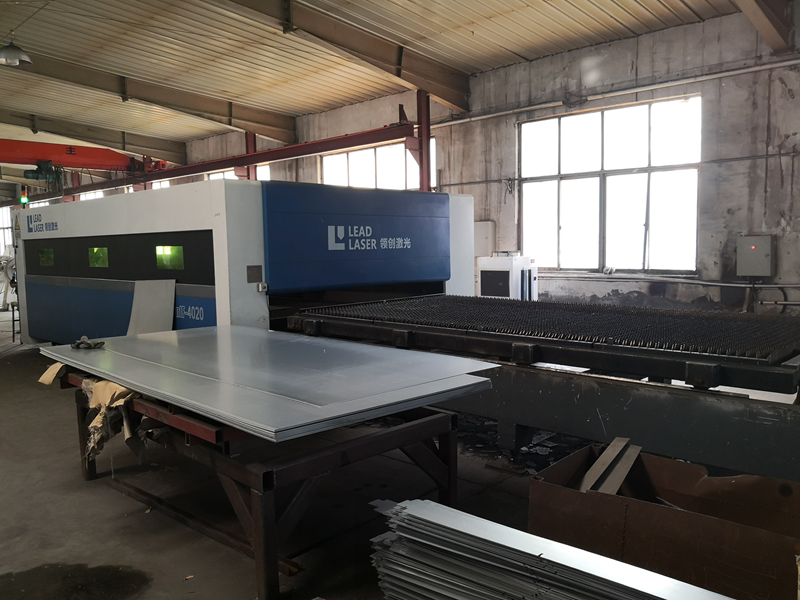
Located in Huimin County, Binzhou City, Shandong Province, China, the company has extensive experience in mechanical processing and manufacturing, as well as livestock machinery production and operation. With fixed assets of RMB 15 million, the company employs 160 people, including 30 R&D staff, and occupies a 40,000-square-meter factory. Equipped with over 110 pieces of advanced precision production equipment, including CNC machining centers and laser cutting machines, the company boasts a production capacity of RMB 50 million.
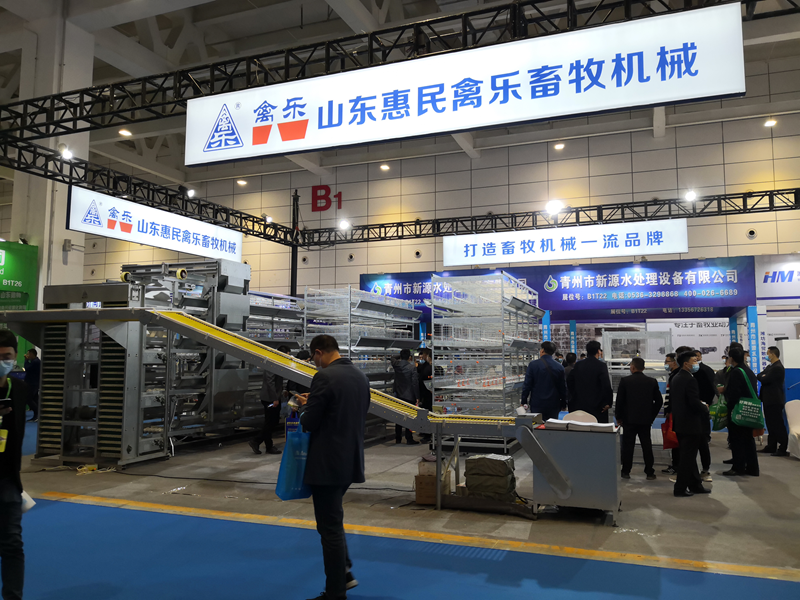
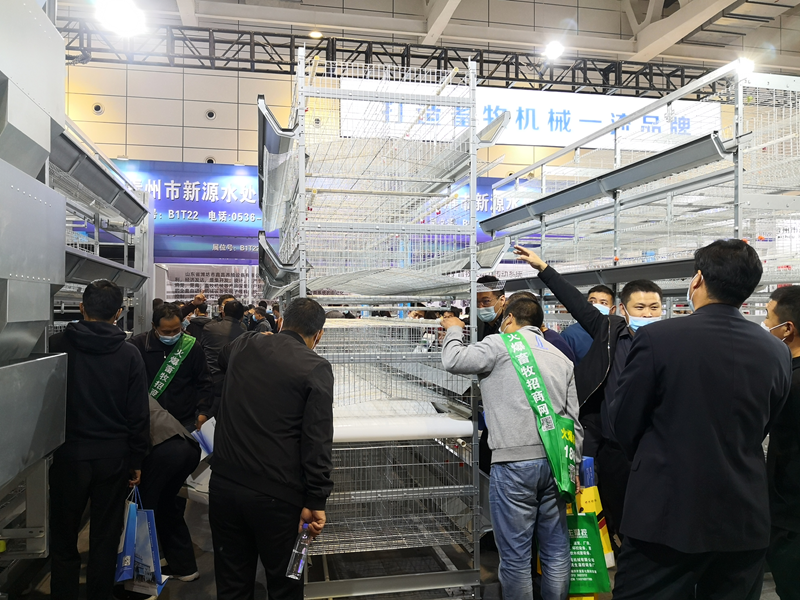
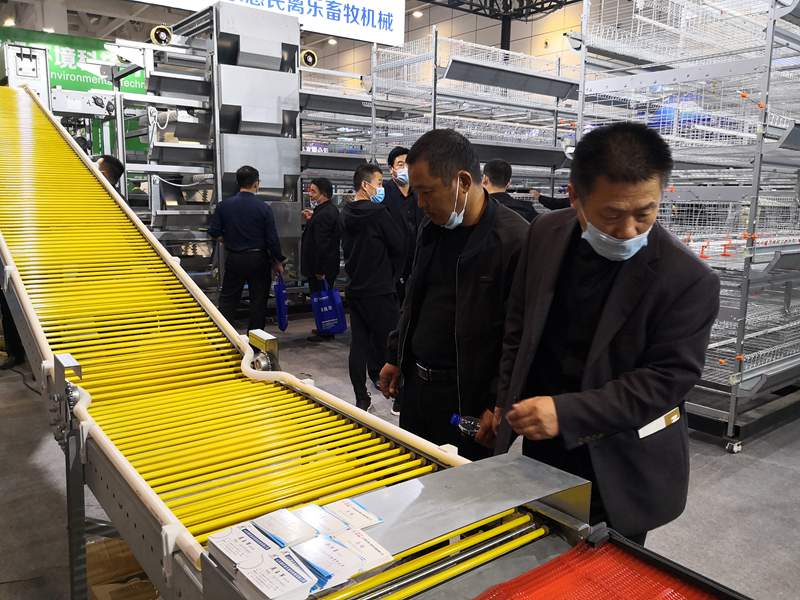
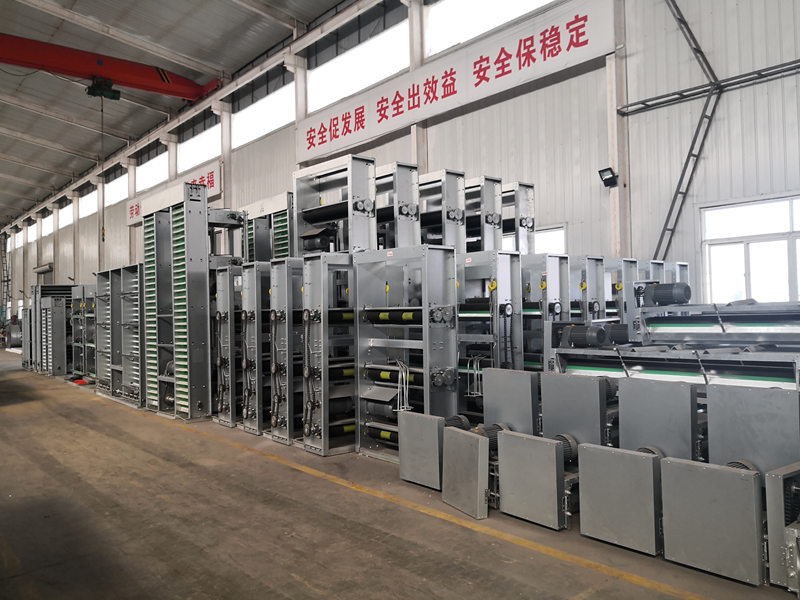
Chicken Farming Equipment Mesh Production Workshop

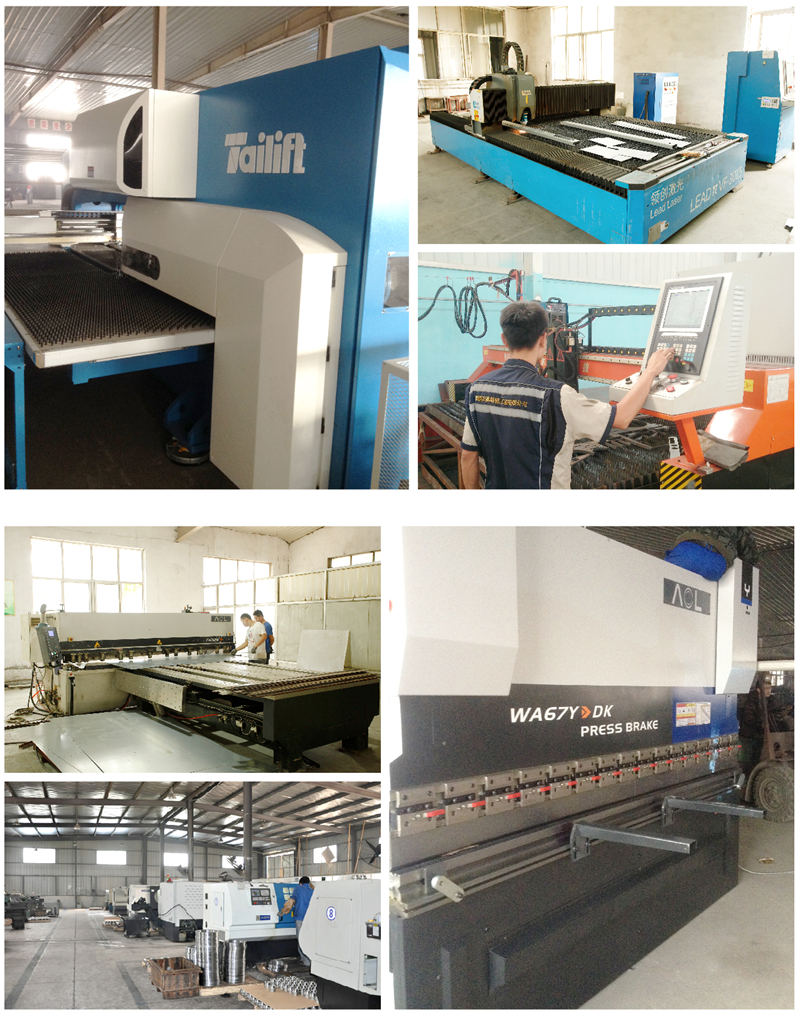
Machining Workshop
Turret-type CNC Punch Press, Laser Cutting and Other Machining Equipment

Fully Automated Roll Forming Production Line

Hot-dip Galvanizing Production Line

Electroplating Production Line
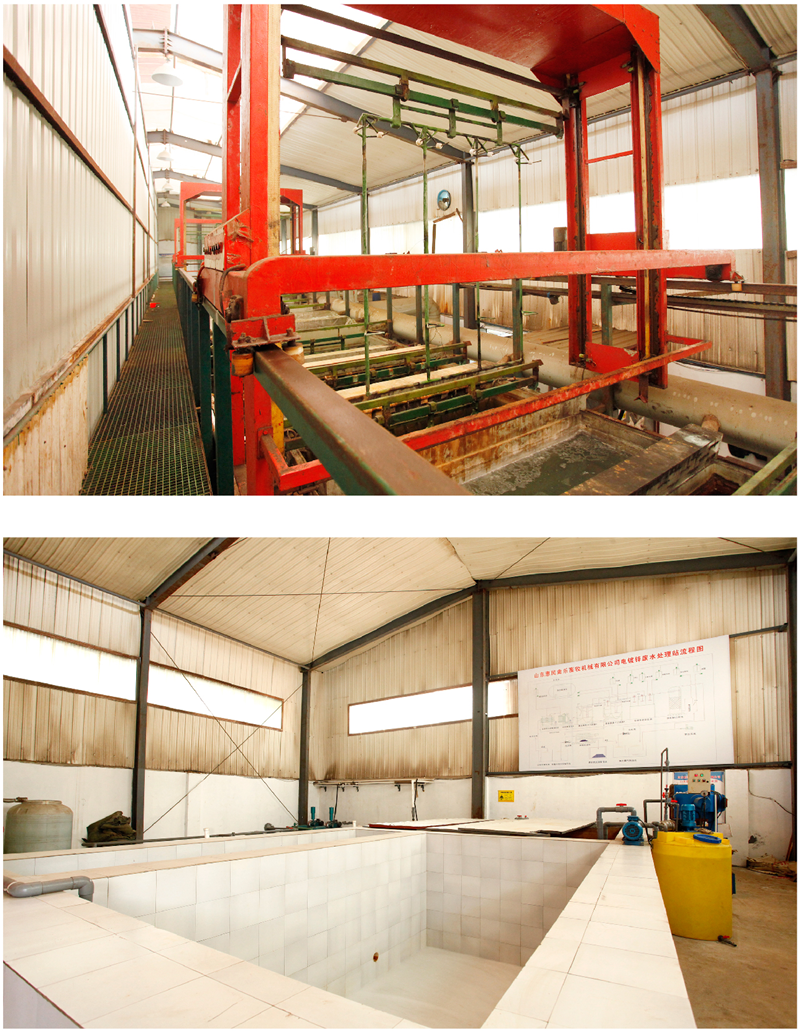
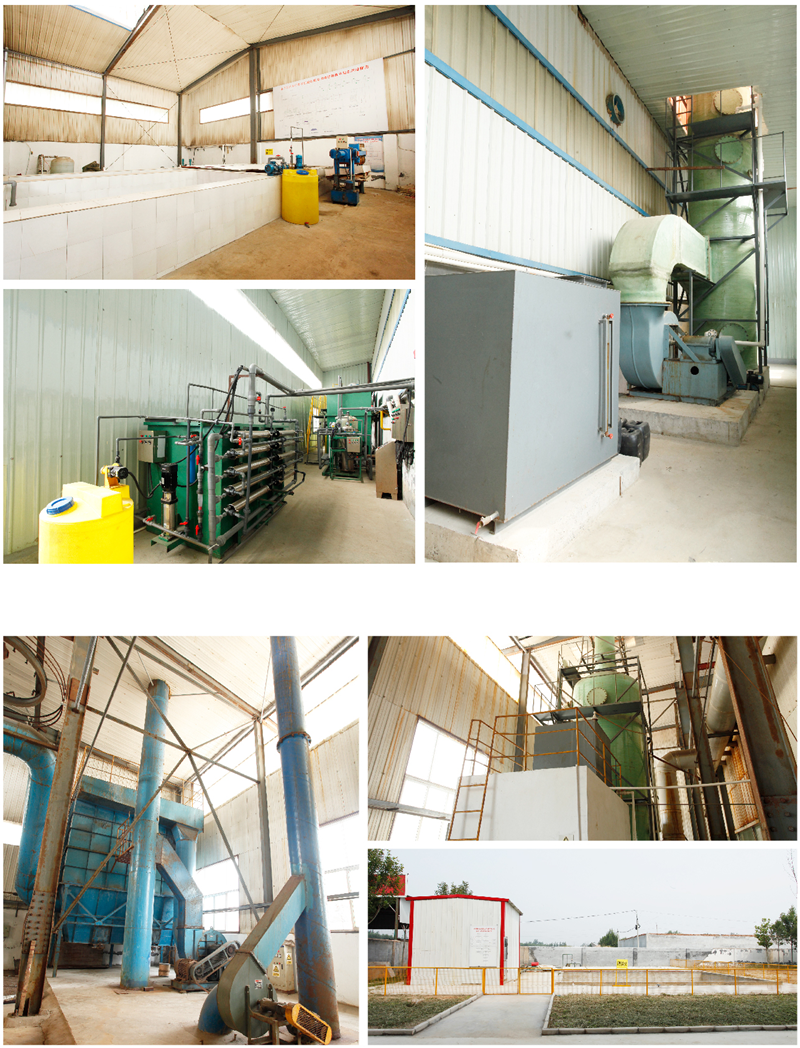
Environmental Protection Equipment
Chicken Farming Equipment Product Series
Egg-laying Hen Farming Equipment
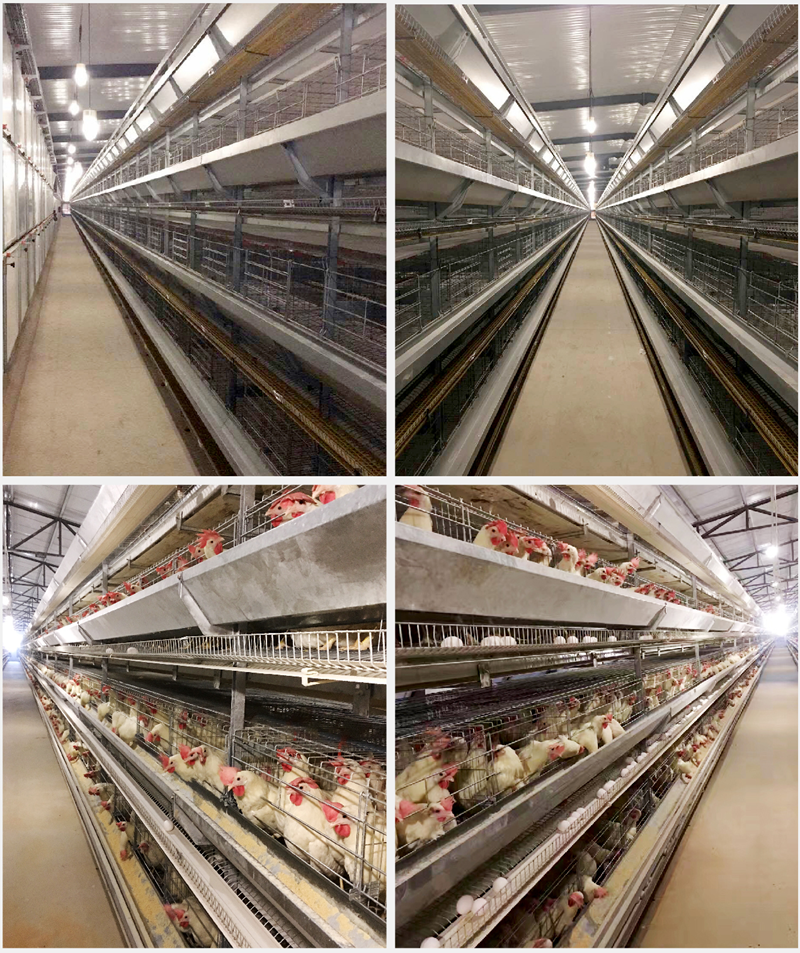
Stacked Brooding Cage Equipment

Stacked Broiler Cage Equipment
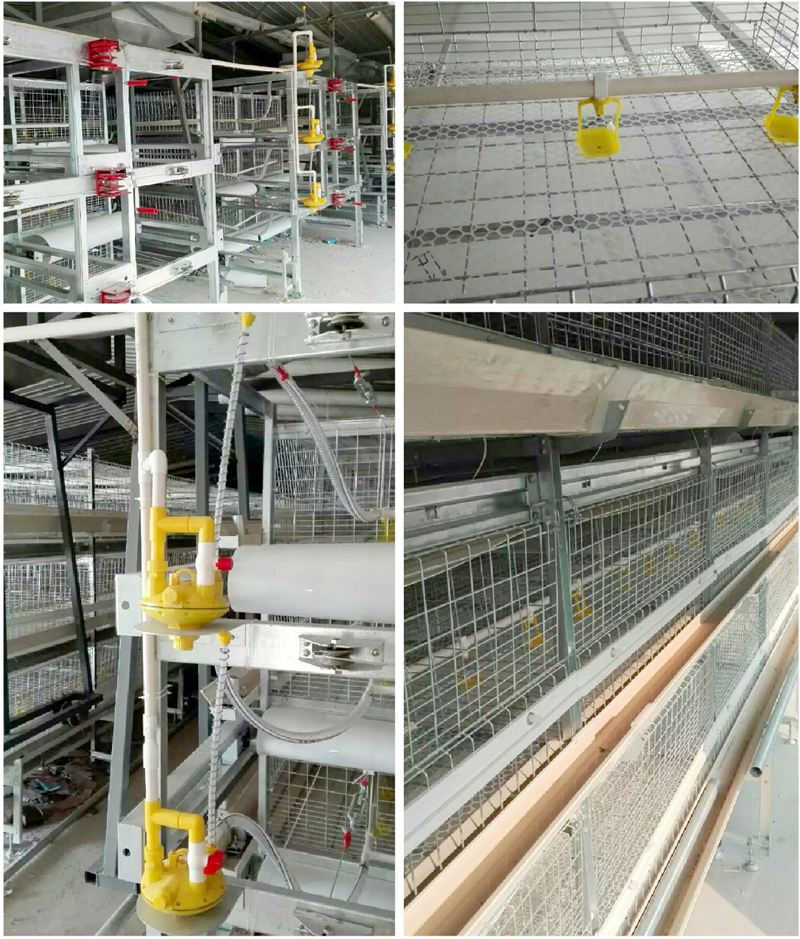
Stepped Layer Hen Cage Rearing Equipment
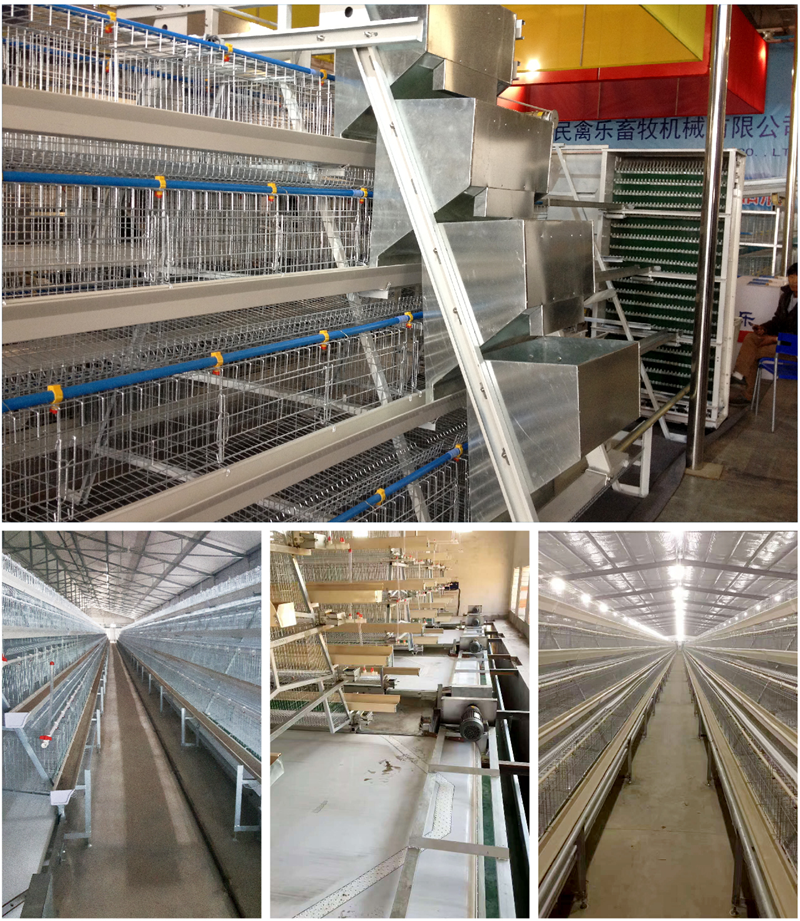
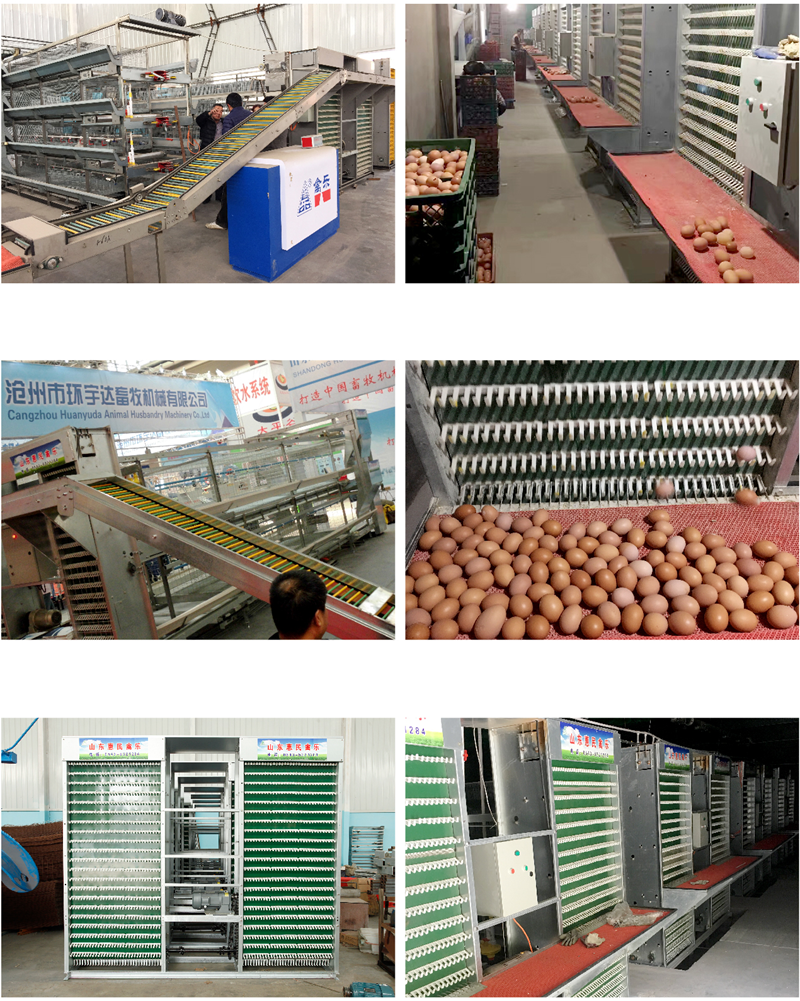
Automatic Egg Collection System
H-type Cage Feeding Machine
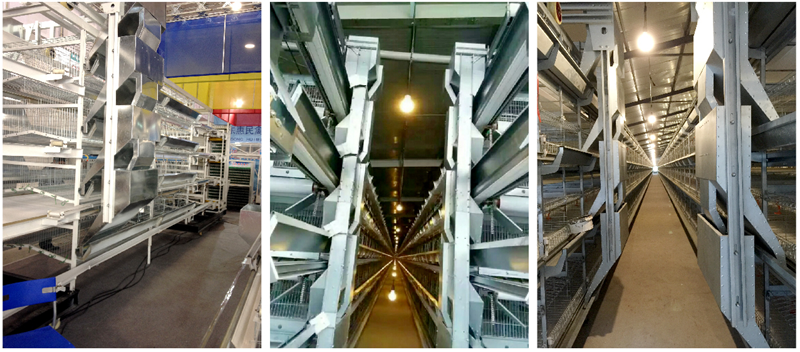
Stepped Cage Straddle Feeder
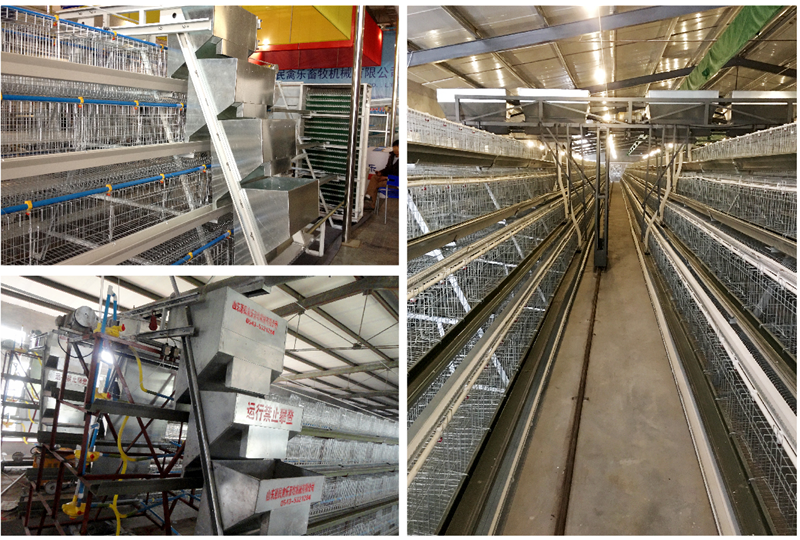
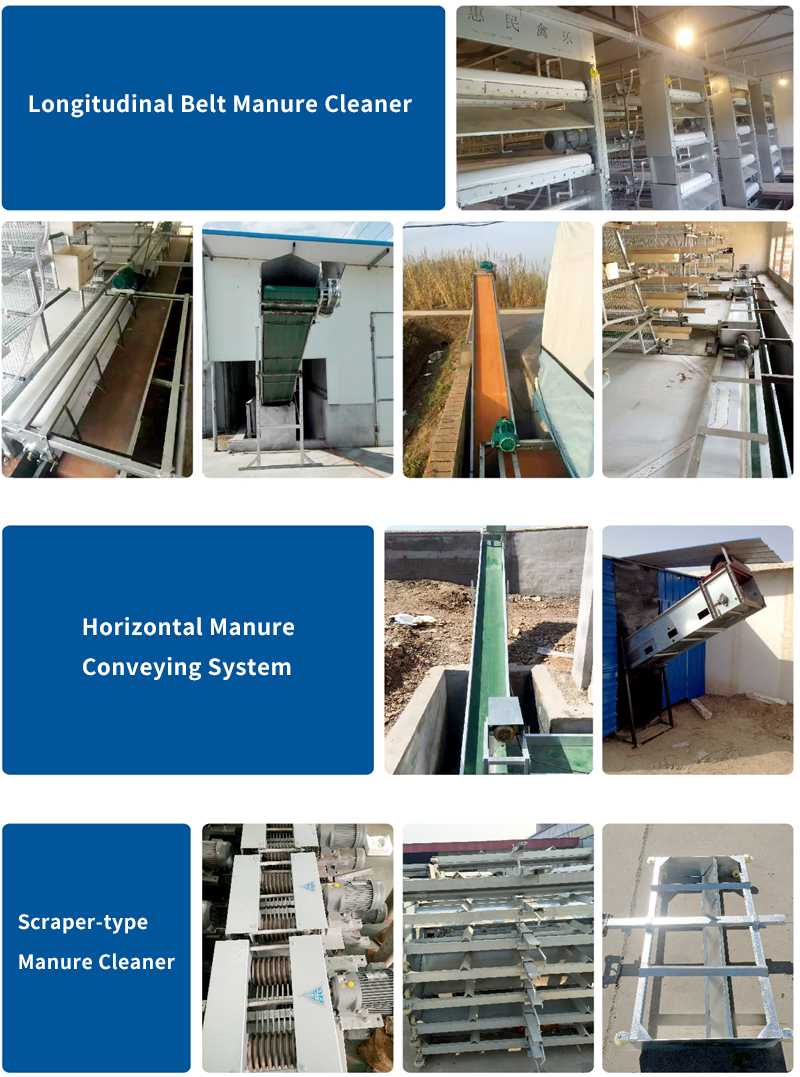
Manure Removal Machine
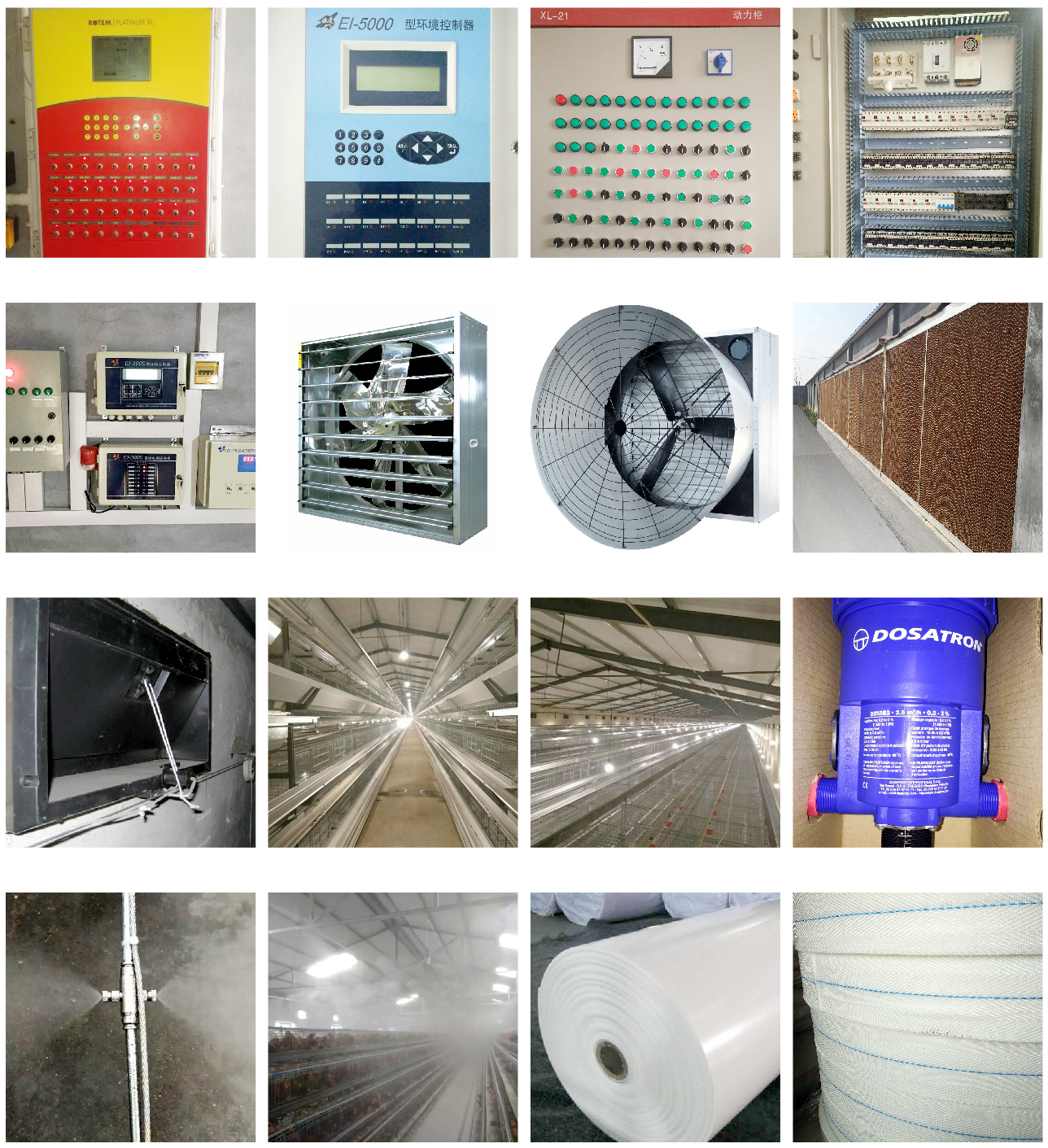
Fans, Heated Curtains, Environmental Control Systems, and Lighting Equipment
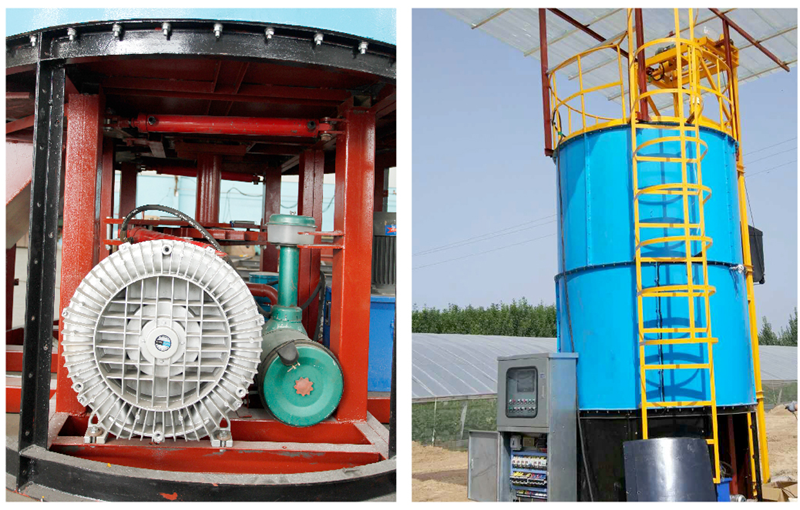
Complete Set of Equipment for Organic Fermentation Treatment of Manure
Бул веб-сайт биздин веб-сайтта эң жакшы тажрыйбаны алуу үчүн кукилерди колдонот.
 English
 Pусский
 Français
 العربية
 Indonesia
 қазақ
қазақ o'zbek
 тоҷикӣ
 Türkmenler
 Catalogue



 Whatsapp
 Телефон