

Introduction
Layer Chicken Housing refers to the specially designed housing systems or structures created to provide a comfortable, safe, and productive environment for laying hens. Effective housing plays a vital role in ensuring the health, welfare, and productivity of layer chickens, which directly influences egg production quantity and quality.
In modern poultry farming, choosing the right layer chicken housing system is crucial. It balances animal welfare, environmental management, and operational efficiency. Whether using conventional battery cages, enriched cages, or cage-free systems, the design and management of housing impact biosecurity, feeding, waste control, and egg collection.
This guide delves into the important parameters, features, advantages, application scenarios, usage instructions, and frequently asked questions related to layer chicken housing to help poultry farmers make informed decisions and optimize their operations.
Parameters of Layer Chicken Housing
When selecting or designing layer chicken housing, several technical and structural parameters must be considered to meet the needs of both birds and farmers:
Housing Type: Battery Cage, Enriched Cage, Aviary, Free-range, or Deep Litter Systems.
Material: Typically galvanized steel for cages, concrete or wood for housing structure, and wire mesh for ventilation.
Dimensions: Cage sizes vary, but standard dimensions are approximately 45-50 cm width, height, and depth per bird in cage systems.
Capacity: Number of birds per cage or house depends on welfare standards; usually 3-5 birds per cage.
Ventilation: Natural or mechanical ventilation to maintain air quality.
Lighting: Artificial or natural light with controlled photoperiods.
Feeding and Watering Systems: Automatic or manual feeders and drinkers integrated into housing.
Waste Management: Manure belts, pits, or litter management systems.
Temperature Control: Fans, heaters, or cooling pads as needed.
Biosecurity Features: Entry controls, cleaning stations, and pest-proofing.
Each parameter impacts bird health, production efficiency, and farm profitability.
Features of Layer Chicken Housing
Modern layer chicken housing systems possess several key features that support optimal poultry management:
Durability and Strength: Use of galvanized steel and sturdy materials ensures long-term use.
Efficient Space Utilization: Multi-tier cages or aviaries maximize bird density per area.
Ventilation and Airflow: Wire mesh and ventilation systems reduce ammonia and humidity.
Automated Feeding and Watering: Reduce labor and ensure constant supply.
Waste Removal Systems: Manure belts or collection pits improve hygiene.
Lighting Control: Simulates natural daylight to regulate laying cycles.
Easy Access for Management: Doors and walkways designed for health checks and egg collection.
Biosecurity Design: Prevents entry of pests and pathogens.
Environmental Control: Heating and cooling systems maintain ideal temperatures.
Advantages of Layer Chicken Housing
Implementing effective layer chicken housing offers many benefits:
Improved Egg Production: Healthy, stress-free hens produce more eggs.
Better Animal Welfare: Adequate space, ventilation, and comfort reduce disease.
Enhanced Biosecurity: Controlled environments lower infection risks.
Labor Efficiency: Automation reduces manual tasks.
Waste Management: Cleaner environments minimize odor and pollution.
Space Efficiency: Vertical and modular designs optimize limited land.
Economic Benefits: Higher productivity and lower mortality increase profits.
Compliance: Meets industry standards and regulations.
Application Scenarios
Layer chicken housing systems are used in a variety of contexts:
Large Commercial Egg Farms: Intensive systems to maximize production.
Small to Medium Poultry Farms: Flexible housing to grow production capacity.
Contract Farming: Standardized housing meeting company specifications.
Organic or Free-range Farms: Modified housing to allow outdoor access.
Research Facilities: Controlled housing for poultry studies.
Urban Farming: Compact, multi-tier systems for limited spaces.
Usage Instructions
To ensure optimal performance and bird welfare, follow these usage guidelines:
Installation:
Choose a site with good drainage and protection from extreme weather.
Assemble housing with attention to stability and accessibility.
Connect feeding, watering, and ventilation systems properly.
Bird Introduction:
Acclimate birds gradually to the housing environment.
Avoid overcrowding; respect recommended bird density.
Feeding and Watering:
Monitor feed and water supply regularly.
Clean feeders and drinkers frequently to prevent contamination.
Cleaning and Sanitation:
Remove manure daily or as per system design.
Disinfect housing regularly to prevent diseases.
Maintain ventilation equipment.
Health Monitoring:
Observe birds daily for signs of illness or distress.
Provide vaccinations and veterinary care as necessary.
Egg Collection:
Collect eggs multiple times daily to maintain quality.
Inspect and store eggs under proper conditions.
Maintenance:
Inspect housing structures and repair damages promptly.
Replace worn components such as feeders or waterers.
Common Problems and Solutions
Problem: Poor Ventilation Leading to Ammonia Build-Up
Solution: Improve ventilation systems, increase airflow, and clean manure regularly.
Problem: High Mortality Rates
Solution: Ensure proper stocking density, provide clean water and feed, and maintain biosecurity.
Problem: Egg Breakage and Dirtiness
Solution: Use well-designed nesting areas and regular egg collection.
Problem: Pest Infestation
Solution: Implement pest control measures and maintain housing integrity.
Problem: Feed Wastage
Solution: Use feeders designed to minimize spillage and adjust feed amounts.
Problem: Temperature Fluctuations Causing Stress
Solution: Install heating or cooling systems as needed and monitor environmental conditions.
Frequently Asked Questions (FAQ)
Q1: What is the difference between battery cages and enriched cages?
A: Battery cages are traditional small wire cages, while enriched cages provide more space, perches, and nesting areas to improve bird welfare.
Q2: How much space does each layer chicken need?
A: Welfare standards recommend at least 450-550 cm² per bird in cage systems.
Q3: Can Layer Housing Systems be automated?
A: Yes, many modern housing systems include automated feeding, watering, egg collection, and waste removal.
Q4: How often should the housing be cleaned?
A: Daily manure removal is ideal; full cleaning and disinfection should be done between flocks.
Q5: What type of ventilation is best?
A: Mechanical ventilation is preferred in large operations, while natural ventilation may suffice for smaller farms.
Q6: Are layer housing systems suitable for organic farming?
A: Organic farming typically requires cage-free or free-range housing to comply with standards.
Q7: How to prevent disease outbreaks in layer housing?
A: Maintain strict biosecurity, regular cleaning, and health monitoring.
Q8: What materials are best for constructing layer housing?
A: Galvanized steel and treated wood are commonly used for durability and hygiene.
Conclusion
Effective Layer Chicken Housing is fundamental to the success of any egg production operation. It directly impacts bird health, welfare, and productivity, which translates into better economic returns.
By carefully considering housing parameters, features, and proper management practices, poultry farmers can optimize their operations for maximum output and sustainability.
Investing in the right layer chicken housing system not only meets industry standards but also promotes animal welfare and farm profitability.
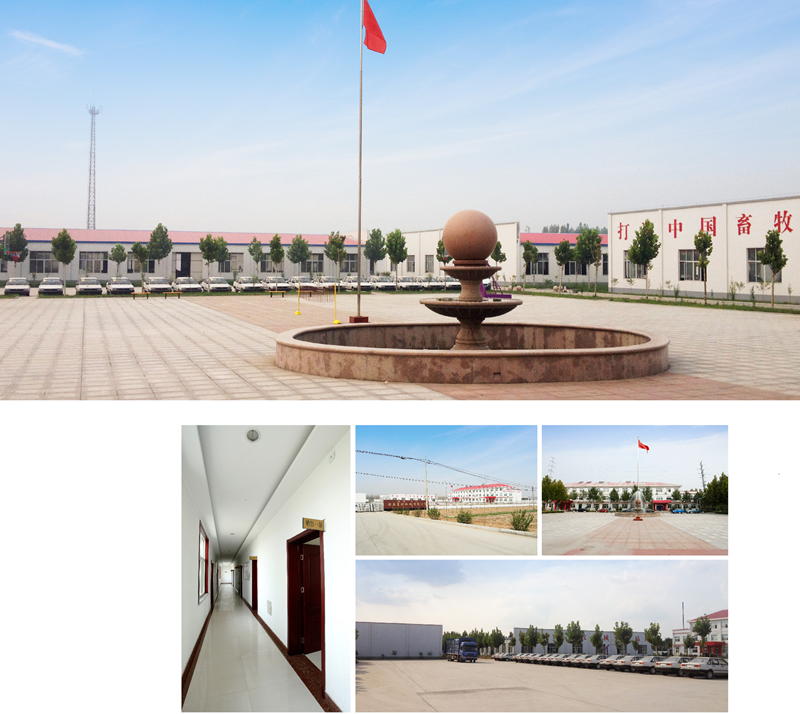
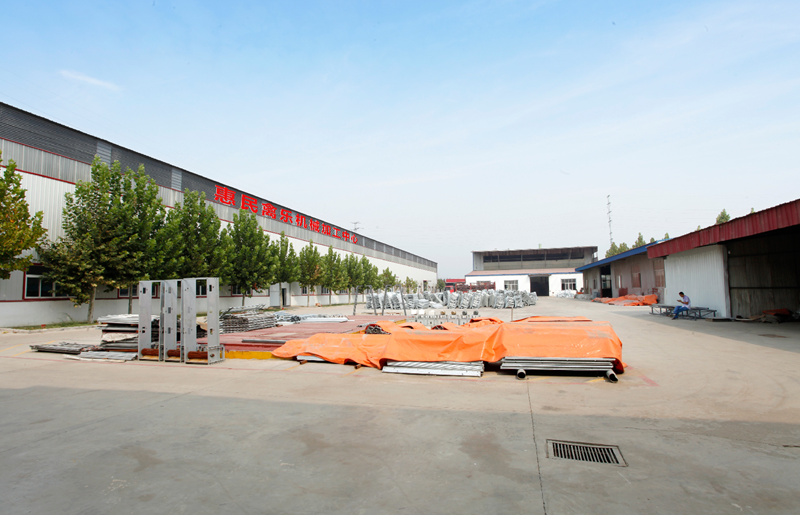
Shandong Huimin Qinle Livestock Machinery Co., Ltd. (formerly Shandong Huimin Qinle Livestock Machinery Factory) is a professional poultry equipment manufacturer with over 20 years of experience. We offer a comprehensive service package, from design (land and chicken coops), production (equipment and prefabricated steel coops), installation, commissioning, customer training, and after-sales service.
Located in Huimin County, Binzhou City, Shandong Province, China, the company has extensive experience in mechanical processing and manufacturing, as well as livestock machinery production and operation. With fixed assets of RMB 15 million, the company employs 160 people, including 30 R&D staff, and occupies a 40,000-square-meter factory. Equipped with over 110 pieces of advanced precision production equipment, including CNC machining centers and laser cutting machines, the company boasts a production capacity of RMB 50 million.
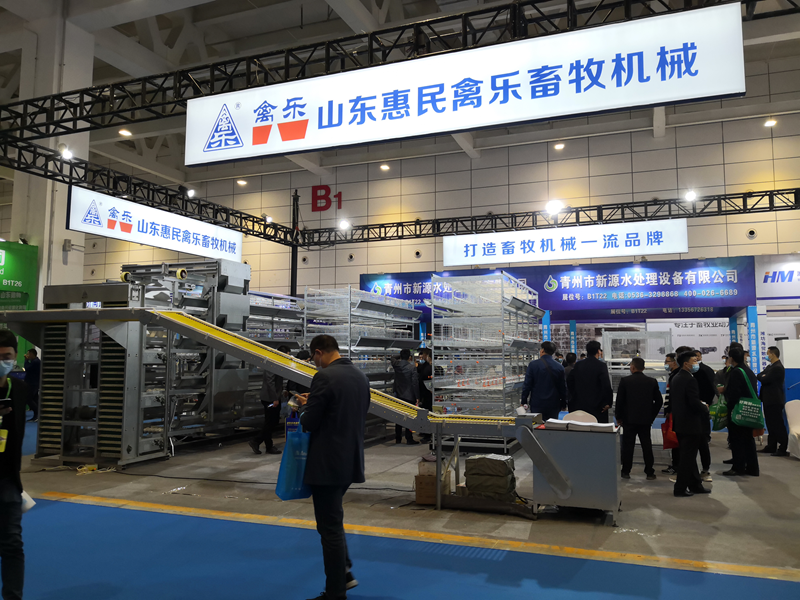
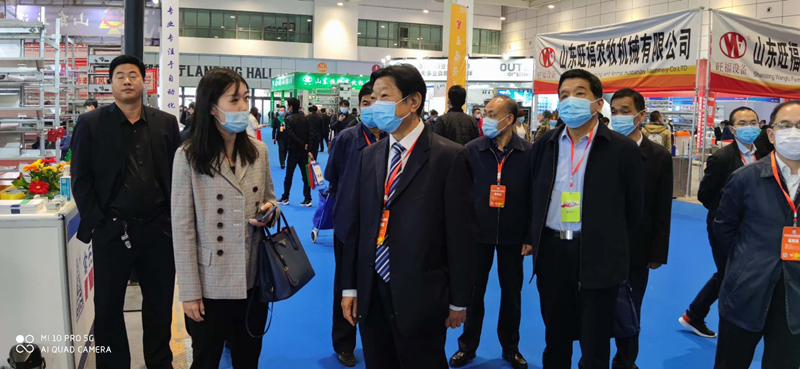
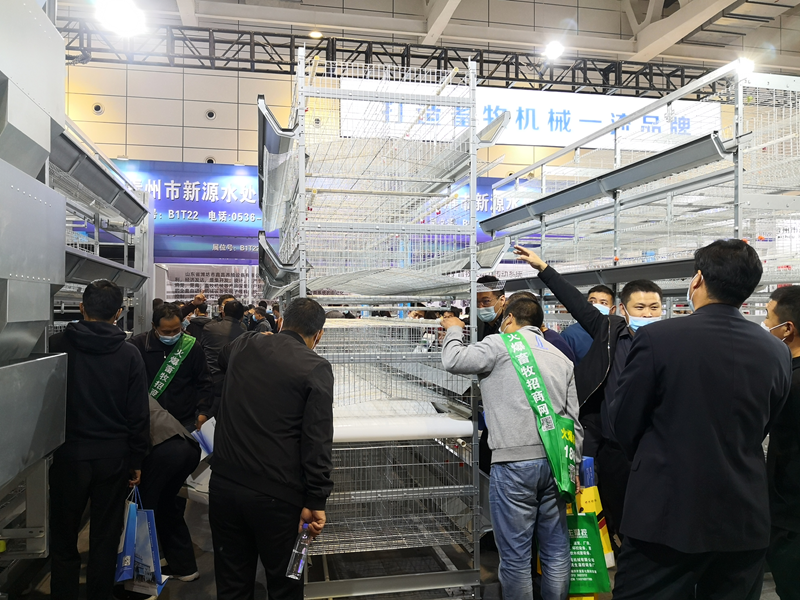
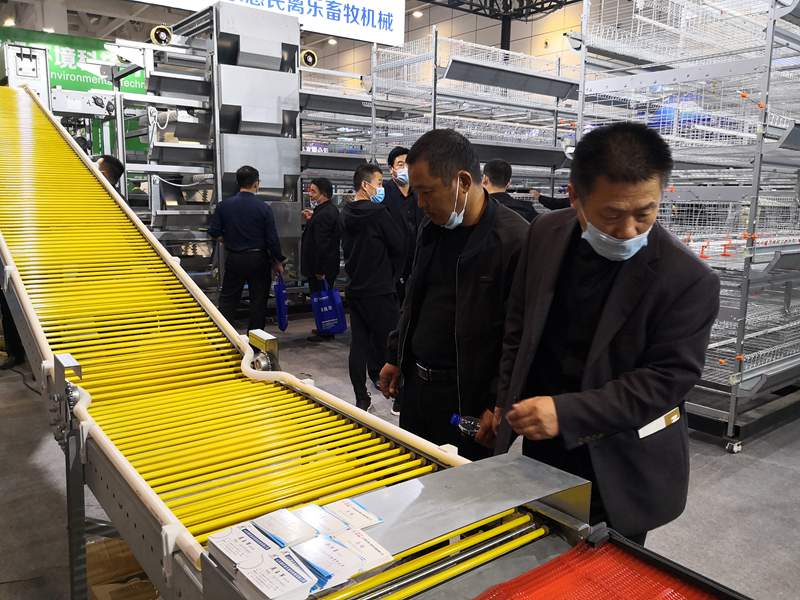
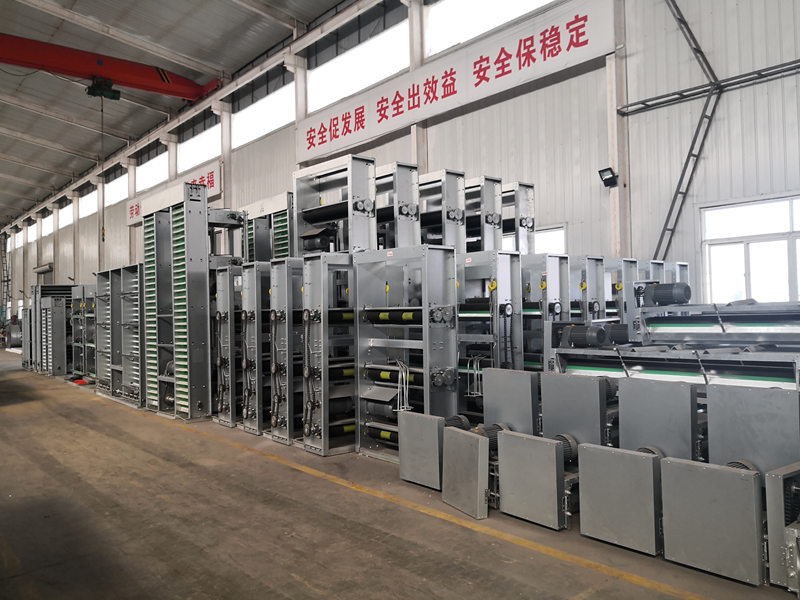
Chicken Farming Equipment Mesh Production Workshop

Machining Workshop
Turret-type CNC Punch Press, Laser Cutting and Other Machining Equipment
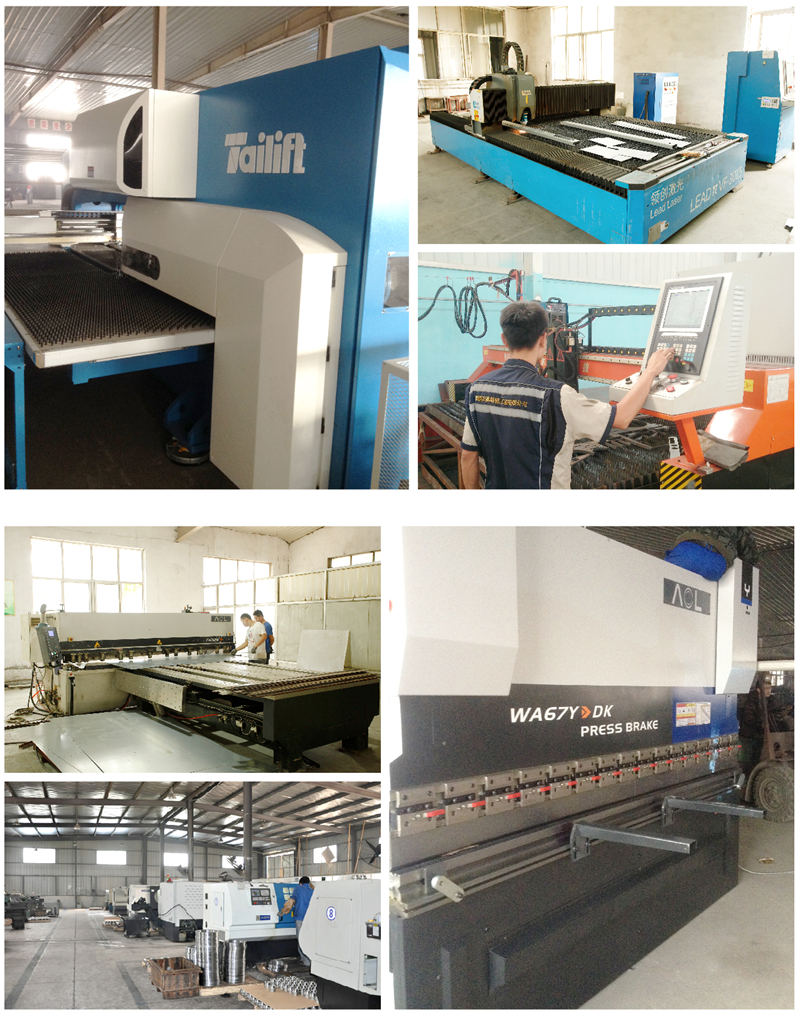
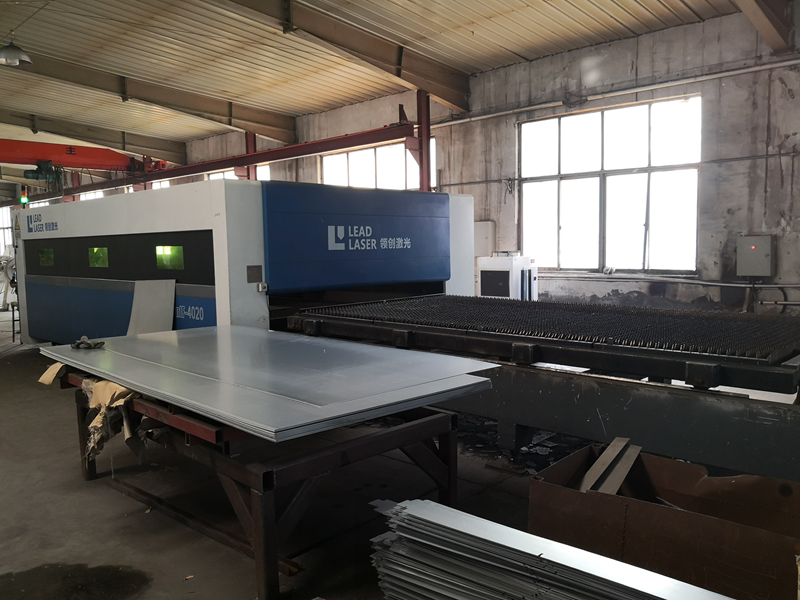

Fully Automated Roll Forming Production Line

Hot-dip Galvanizing Production Line

Electroplating Production Line
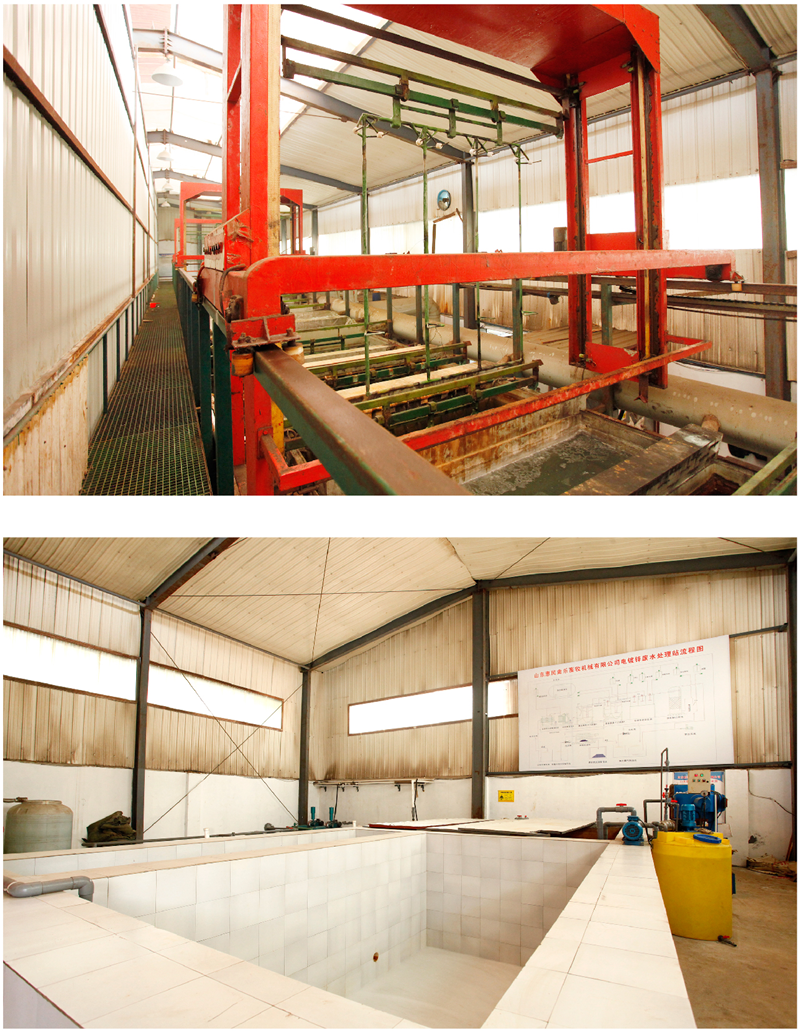
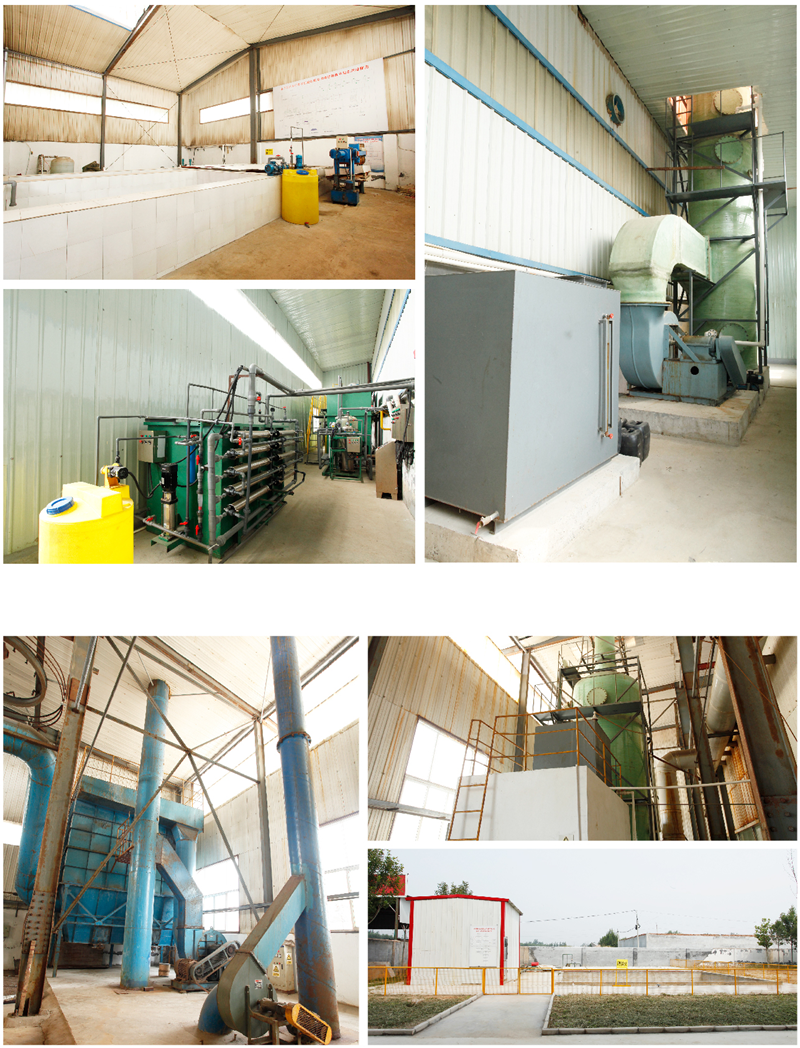
Environmental Protection Equipment
Chicken Farming Equipment Product Series
Egg-laying Hen Farming Equipment
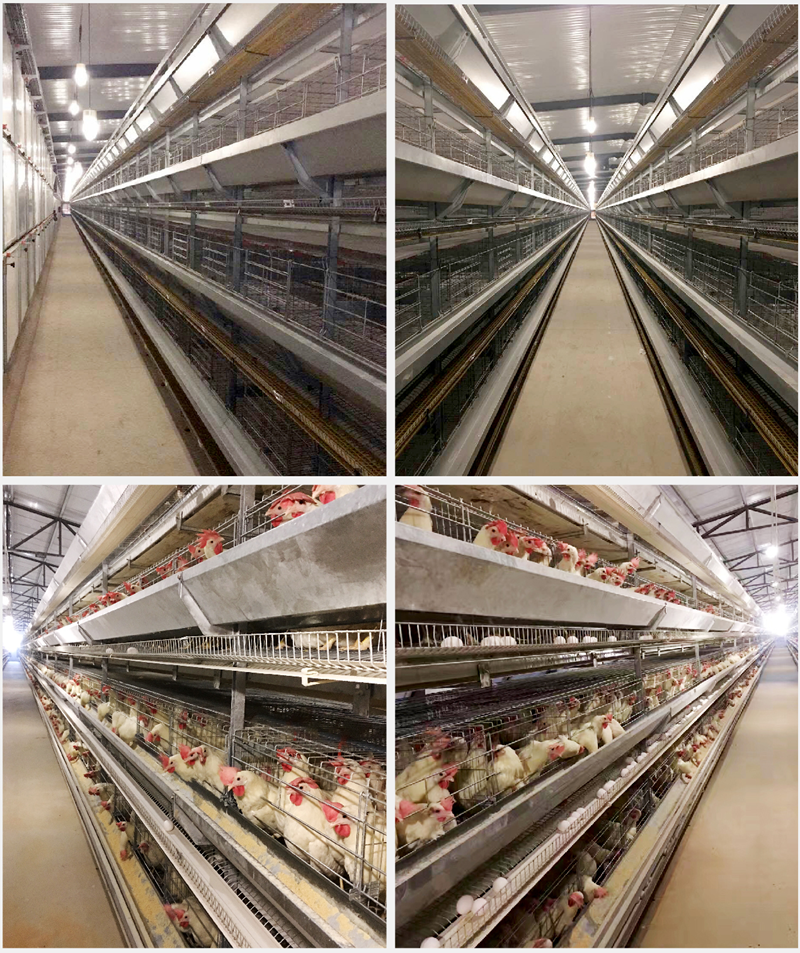
Stacked Brooding Cage Equipment

Stacked Broiler Cage Equipment
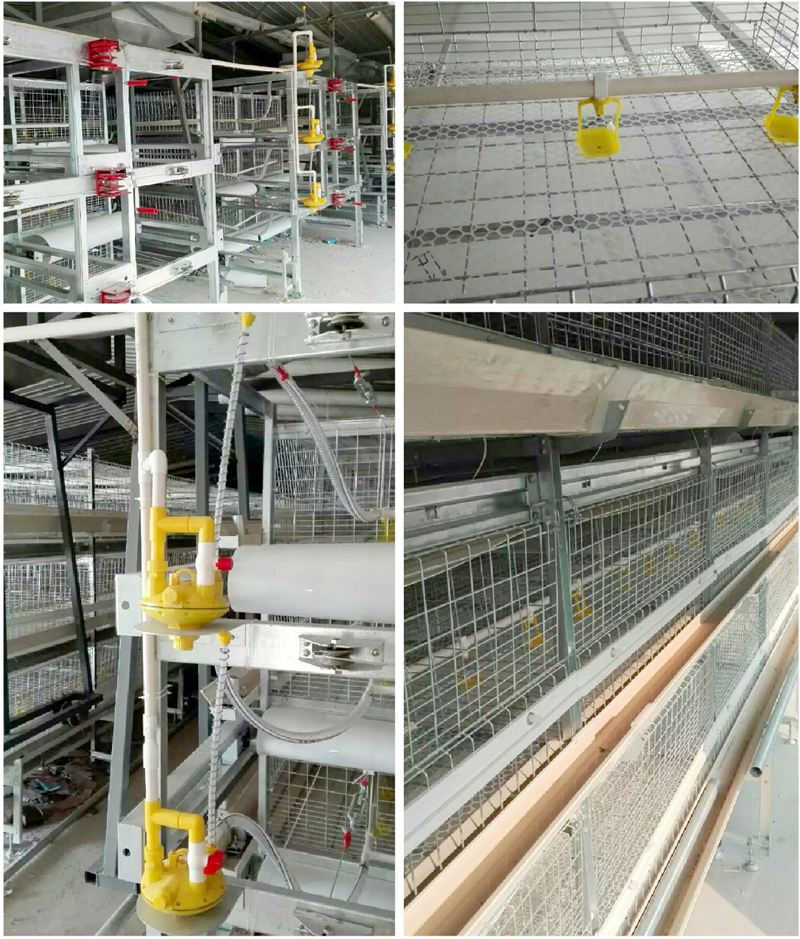
Stepped Layer Hen Cage Rearing Equipment
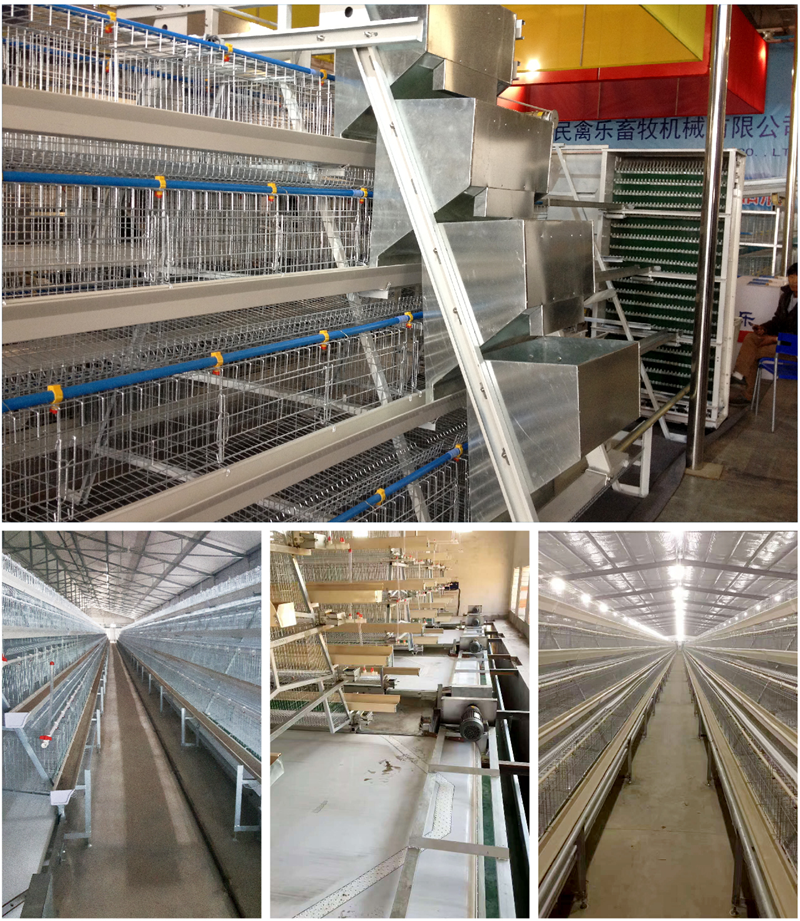
Automatic Egg Collection System
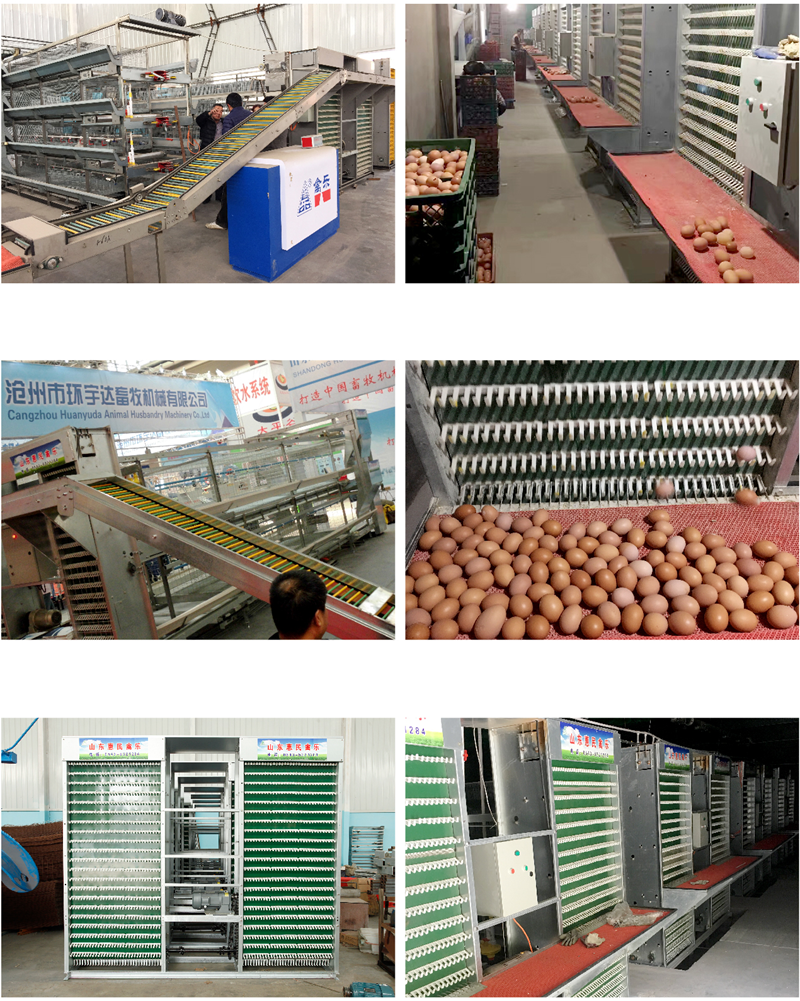
H-type Cage Feeding Machine
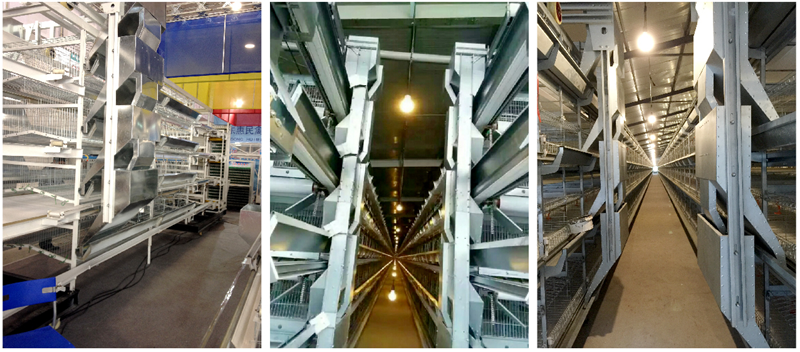
Stepped Cage Straddle Feeder
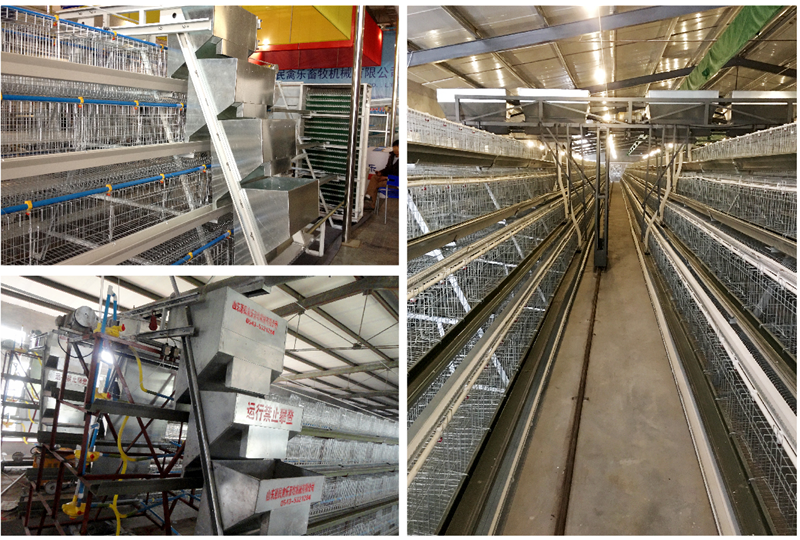
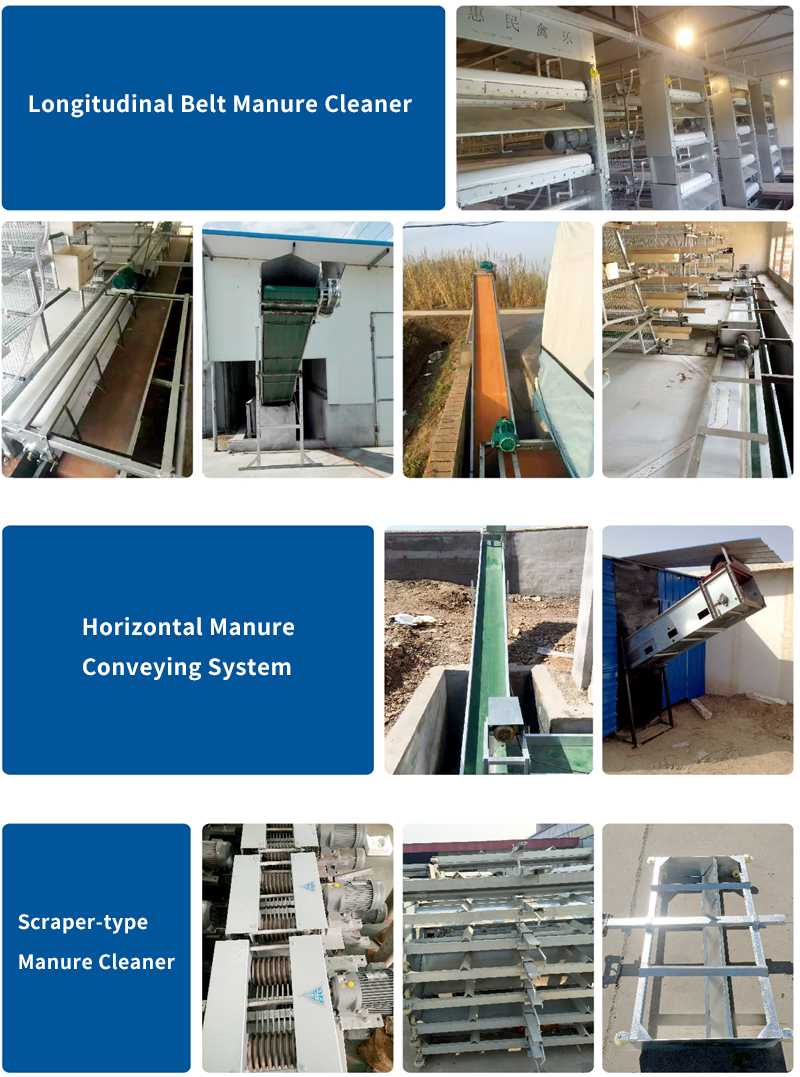
Manure Removal Machine
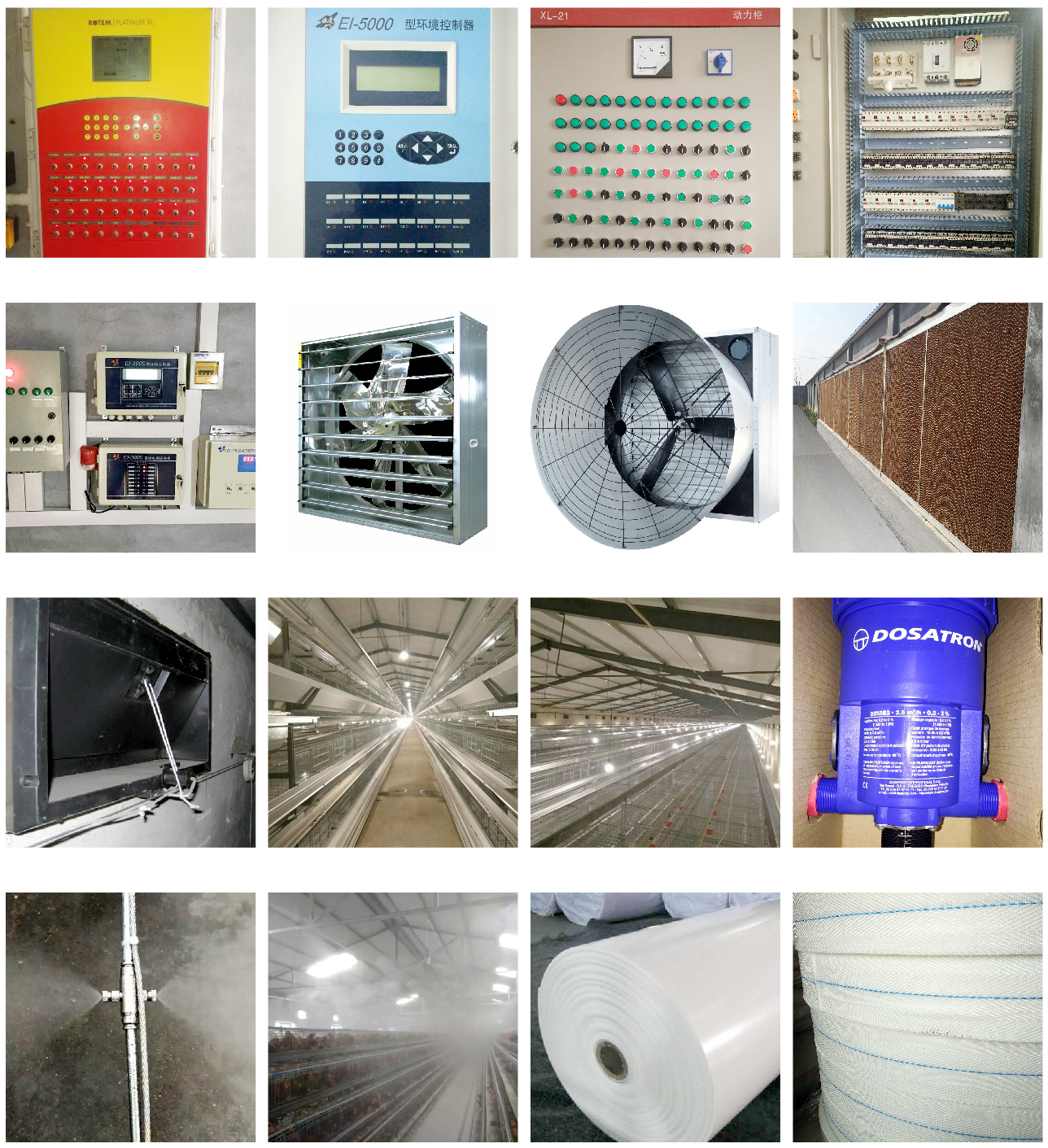
Fans, Heated Curtains, Environmental Control Systems, and Lighting Equipment
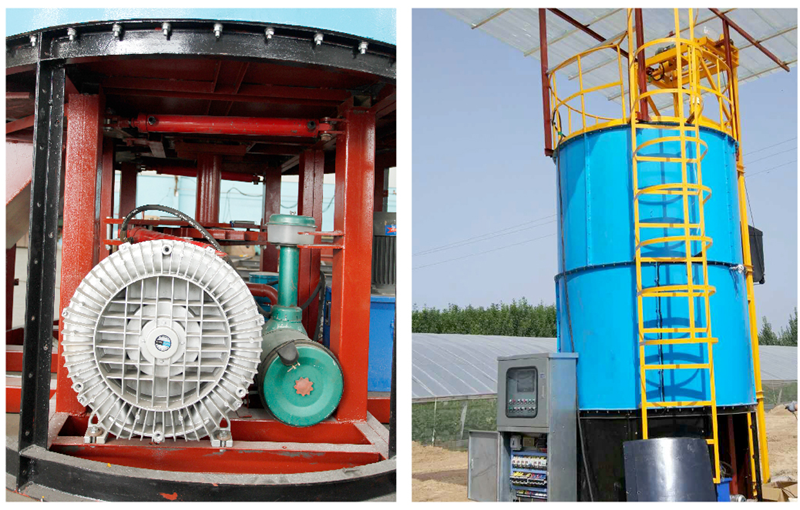
Complete Set of Equipment for Organic Fermentation Treatment of Manure
Бул веб-сайт биздин веб-сайтта эң жакшы тажрыйбаны алуу үчүн кукилерди колдонот.
 English
 Pусский
 Français
 العربية
 Indonesia
 қазақ
қазақ o'zbek
 тоҷикӣ
 Türkmenler
 Catalogue



 Whatsapp
 Телефон