

Introduction
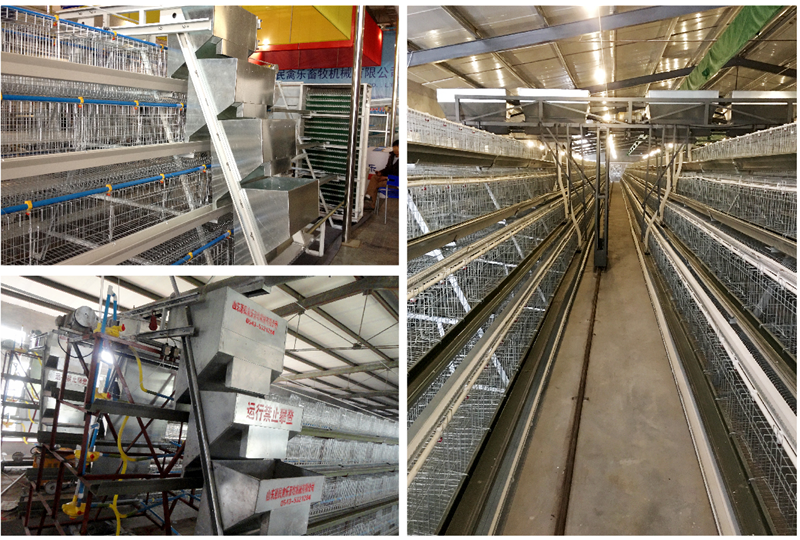
The Layer Pullet Battery Cage is a widely used Poultry Housing System designed specifically for raising pullets — young hens that are not yet laying eggs but are being prepared for the production phase. This battery cage system offers a highly organized and efficient method for housing pullets in a controlled environment, ensuring optimal growth, health, and welfare.
Battery cages have evolved over decades and are engineered to maximize space utilization and improve management efficiency. Layer Pullet Battery Cages consist of multiple small cages arranged in tiers or rows, each housing a limited number of pullets. This design facilitates easy feeding, watering, waste management, and bird monitoring.
The layer pullet battery cage system plays a vital role in modern poultry farming by enhancing productivity while maintaining animal welfare standards. This article provides an in-depth overview, including technical parameters, key features, advantages, applications, operational guidance, and common issues related to layer pullet battery cages.
Key Parameters of Layer Pullet Battery Cage
Material | Cage frame and mesh material | Galvanized Steel Wire, Stainless Steel |
Cage Dimensions | Size per cage unit (Length × Width × Height) | Length: 100–130 cm; Width: 50–60 cm; Height: 40–55 cm |
Pullets per Cage | Number of pullets housed per cage unit | 8 to 12 birds (depending on size & welfare) |
Wire Diameter | Thickness of wire mesh | 1.5 to 2.0 mm |
Floor Slope | Floor angle for manure removal | 7° to 10° slope |
Stacking Layers | Number of tiers or levels in cage battery | 2 to 5 layers |
Feeding System | Type and arrangement of feeders | External or internal trough feeders |
Watering System | Drinkers type | Nipple drinkers or cup drinkers |
Ventilation | Mesh coverage and air circulation | Open mesh sides and tops for airflow |
Manure Collection | Method of waste removal | Sloped floors with manure trays or conveyor belts |
Galvanized Coating | Thickness of corrosion protection | 40–60 microns |
Load Capacity | Weight supported per cage | Up to 2.0 kg per pullet |
Installation Space | Required floor area and foundation requirements | Stable, level surface with drainage |
Features of Layer Pullet Battery Cage
The battery cage system for pullets offers several design and functional features that promote efficiency and welfare:
High-Quality Material: Typically made of galvanized or stainless steel wire mesh and frame to resist corrosion and increase durability.
Compact Cage Size: Designed to house a small number of pullets comfortably with sufficient space for movement.
Multi-Tier Layout: Cages stacked vertically to optimize space usage in poultry houses.
Automated Feeding & Watering: Integrated trough feeders and nipple drinkers reduce feed and water wastage.
Optimal Ventilation: Wire mesh cage sides and tops facilitate excellent airflow to reduce heat stress and ammonia buildup.
Manure Management: Sloped cage floors with manure collection trays or conveyor belts to maintain hygiene.
Safe and Smooth Edges: Designed to minimize injury risk to birds.
Modular and Scalable: Can be customized and expanded according to farm needs.
Easy Access: Doors and removable panels for bird management and health inspections.
Biosecurity Support: Helps limit disease spread through controlled access and easy cleaning.
Advantages of Layer Pullet Battery Cage
1. Space Efficiency
Vertical stacking allows for a large number of pullets to be housed in a smaller footprint, increasing production per square meter.
2. Improved Bird Health
Efficient manure removal and ventilation minimize the risk of disease and respiratory problems.
3. Uniform Growth
Controlled environment and consistent access to feed and water support uniform pullet development.
4. Reduced Labor
Automated feeding and watering systems, combined with easy cleaning features, reduce labor intensity.
5. Durable Construction
High-quality galvanized materials ensure longevity and resistance to corrosion.
6. Better Management
Individual cages allow farmers to monitor bird health, behavior, and feed intake more effectively.
7. Environmental Control
Manure management systems help reduce ammonia emissions and improve environmental conditions.
8. Cost-Effectiveness
Battery cages offer a balance between investment cost, operational efficiency, and bird welfare.
Application Scenarios of Layer Pullet Battery Cage
1. Commercial Poultry Farms
Widely used in large-scale pullet rearing operations focusing on uniformity and biosecurity.
2. Breeding Facilities
Provide controlled environments for rearing replacement pullets for breeder flocks.
3. Small and Medium Scale Farms
Modular battery cages offer scalable solutions for farms of various sizes.
4. Integrated Poultry Production Systems
Battery cages are part of comprehensive farm systems linking pullet rearing to layer production.
5. Research Institutions
Used in controlled studies on pullet health, nutrition, and behavior.
Usage Instructions
Installation
Select a level, well-drained site to install cages.
Assemble cages according to manufacturer instructions, stacking tiers securely.
Connect feeding and watering lines, checking for leaks or blockages.
Introducing Pullets
Transfer pullets carefully to minimize stress.
Ensure immediate access to fresh water and balanced feed.
Daily Operations
Monitor feed and water delivery systems for proper functioning.
Remove manure daily or as necessary to maintain a clean environment.
Observe birds for signs of illness or injury and take prompt action.
Cleaning and Maintenance
Regularly clean feeders, drinkers, and manure trays.
Repair damaged cages and equipment promptly.
Maintain galvanized coating and prevent rust.
Health Monitoring
Conduct routine health checks.
Isolate and treat sick birds to prevent spread.
Common Problems and Solutions
Overcrowding | Too many birds per cage | Follow recommended stocking densities |
Feed Wastage | Poor feeder placement or design | Adjust feeder height and design |
Water Leakage | Faulty drinkers or plumbing | Repair or replace defective parts |
Manure Buildup | Infrequent cleaning or improper floor slope | Clean manure trays frequently; check slope |
Cage Rusting | Poor coating or moisture exposure | Use high-quality galvanized cages; keep dry |
Bird Injuries | Sharp cage edges or overcrowding | Smooth edges; maintain proper stocking |
Uneven Growth | Inadequate feed/water access | Ensure uniform feed and water distribution |
Poor Ventilation | Cage design or house airflow issues | Improve ventilation systems |
Frequently Asked Questions (FAQs)
Q1: What is the recommended stocking density for layer pullet battery cages?
A: Typically, 8 to 12 pullets per cage depending on cage size and welfare guidelines.
Q2: Can battery cages be used for adult laying hens?
A: Battery cages for pullets are designed for young birds; adult hens require larger cages.
Q3: How often should manure be removed?
A: Ideally daily or at least every two days to maintain hygiene.
Q4: What materials are best for cage construction?
A: Galvanized steel wire and stainless steel for durability and corrosion resistance.
Q5: Are battery cages compatible with automation?
A: Yes, they can be integrated with automated feeding, watering, and manure removal.
Q6: How long do battery cages typically last?
A: With proper maintenance, cages last 5–10 years or more.
Q7: What feeding systems work best?
A: External or internal feed troughs paired with nipple or cup drinkers.
Q8: How to prevent bird injuries?
A: Ensure smooth cage edges, appropriate bird density, and regular inspection.
Q9: Why are sloped floors important?
A: They facilitate manure removal, improving hygiene and bird health.
Q10: Are battery cages environmentally friendly?
A: Yes, manure management reduces emissions and environmental impact.
Conclusion
The Layer Pullet Battery Cage system represents a proven, efficient, and scalable solution for pullet rearing in modern poultry farming. By combining space-saving design, robust materials, and management-friendly features, these cages help farmers raise healthy, uniform pullets while optimizing labor and operational costs.
Understanding the technical specifications, advantages, and best practices for use outlined in this guide empowers producers to make informed investments that enhance productivity, bird welfare, and sustainability in their poultry operations.
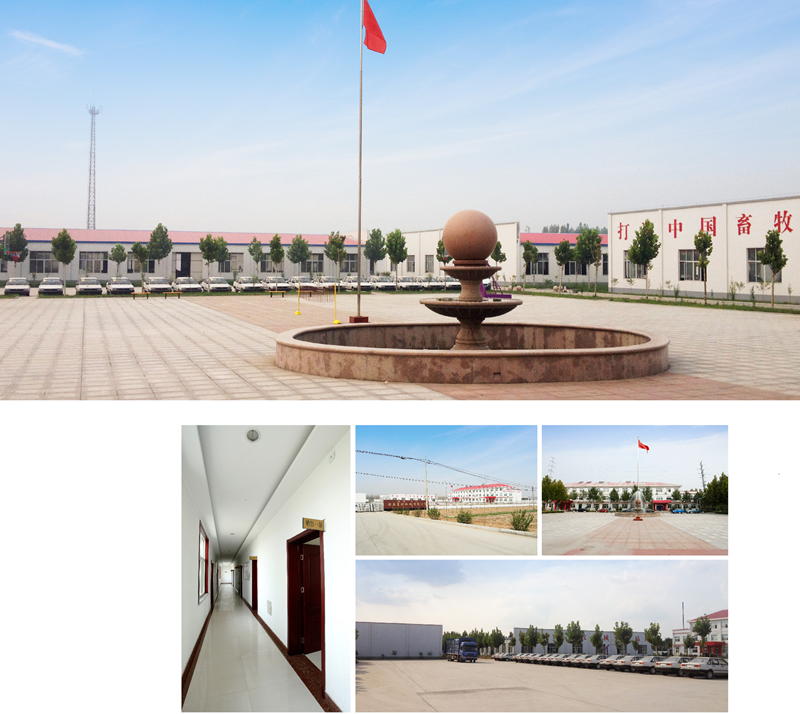
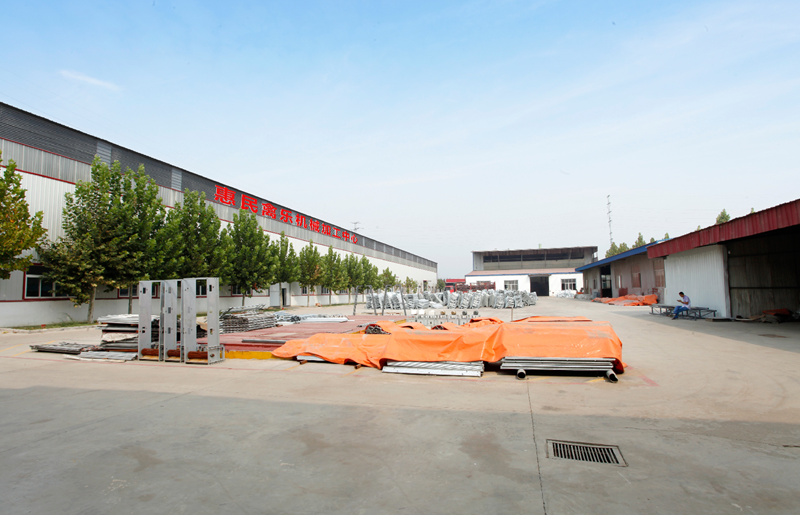
Shandong Huimin Qinle Livestock Machinery Co., Ltd. (formerly Shandong Huimin Qinle Livestock Machinery Factory) is a professional poultry equipment manufacturer with over 20 years of experience. We offer a comprehensive service package, from design (land and chicken coops), production (equipment and prefabricated steel coops), installation, commissioning, customer training, and after-sales service.
Located in Huimin County, Binzhou City, Shandong Province, China, the company has extensive experience in mechanical processing and manufacturing, as well as livestock machinery production and operation. With fixed assets of RMB 15 million, the company employs 160 people, including 30 R&D staff, and occupies a 40,000-square-meter factory. Equipped with over 110 pieces of advanced precision production equipment, including CNC machining centers and laser cutting machines, the company boasts a production capacity of RMB 50 million.
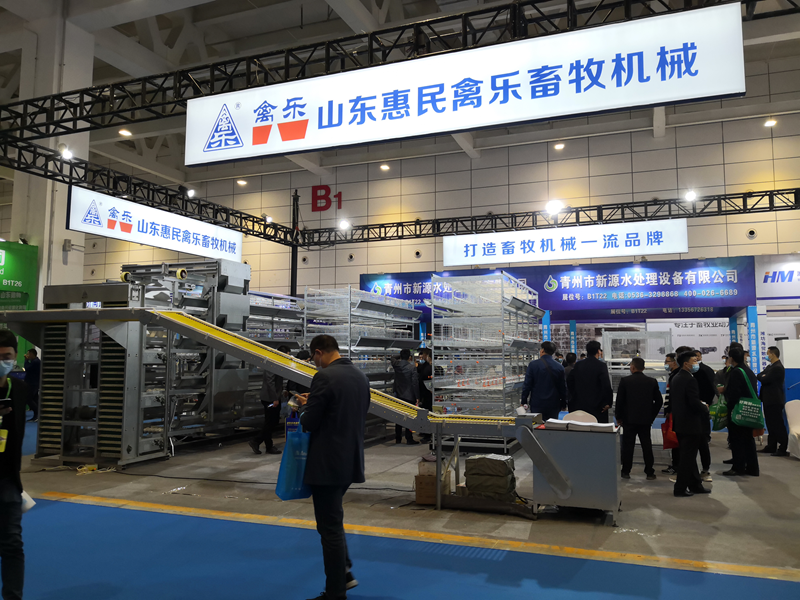
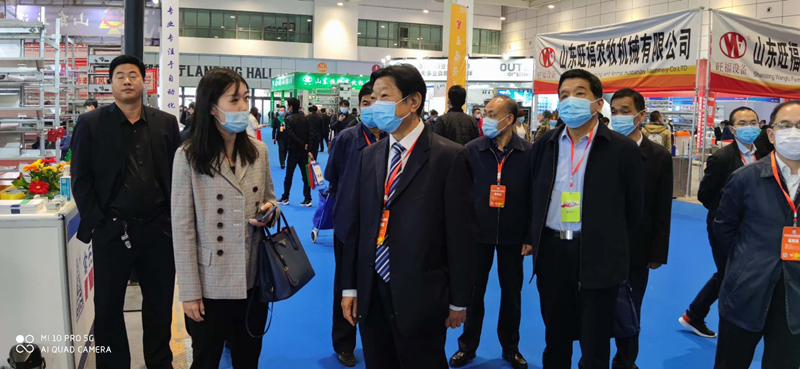
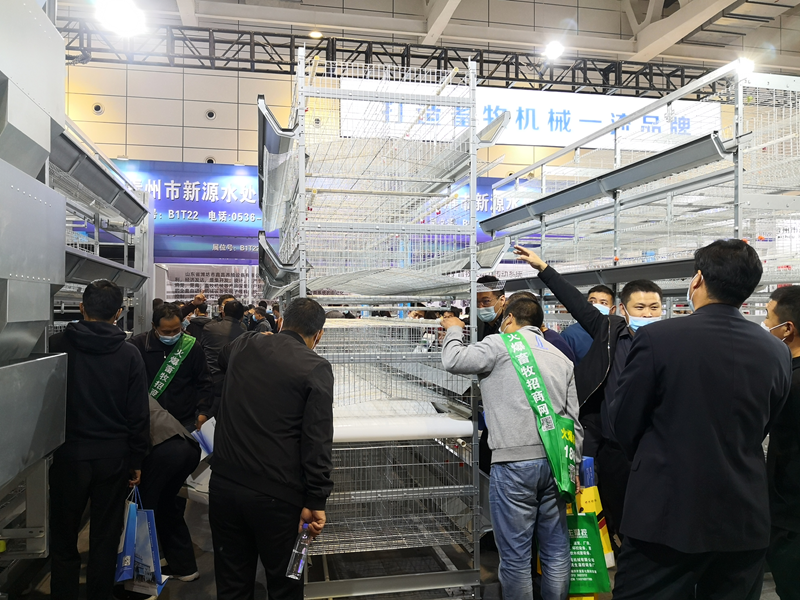
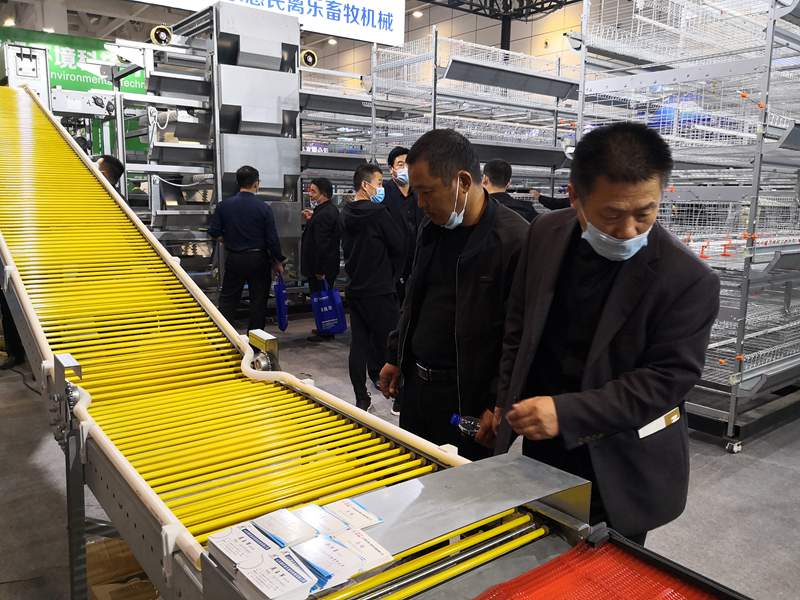
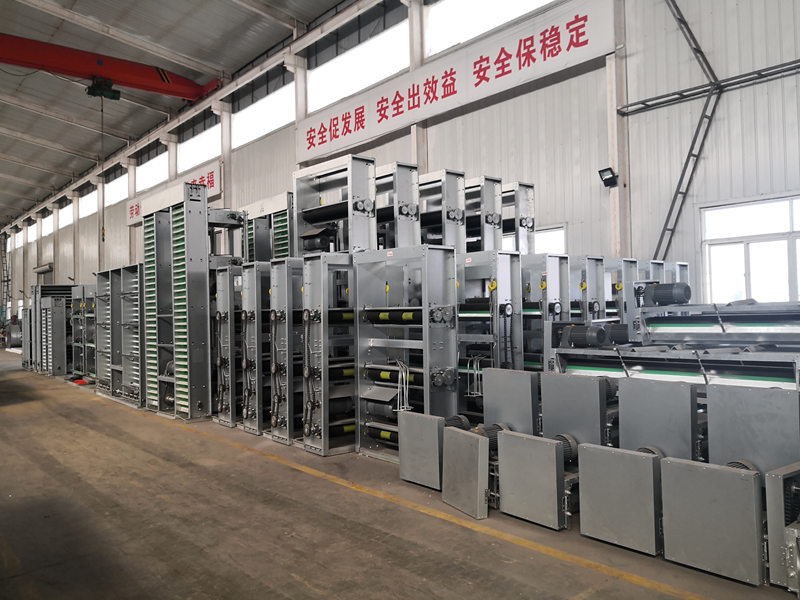
Chicken Farming Equipment Mesh Production Workshop

Machining Workshop
Turret-type CNC Punch Press, Laser Cutting and Other Machining Equipment
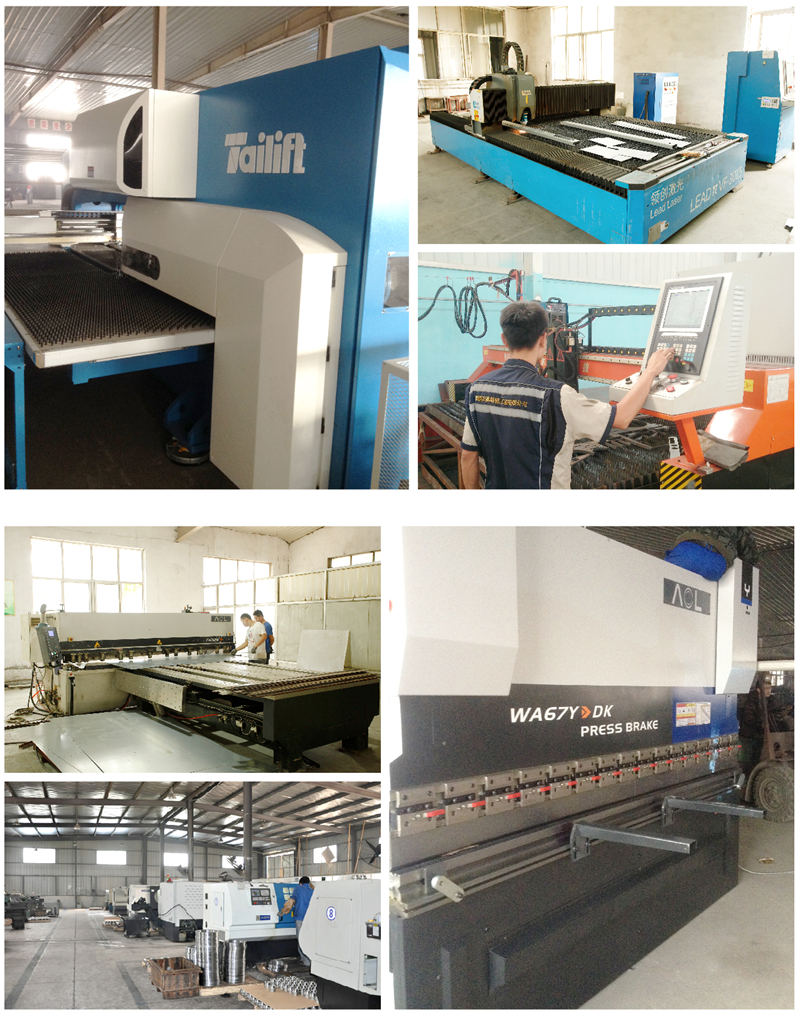
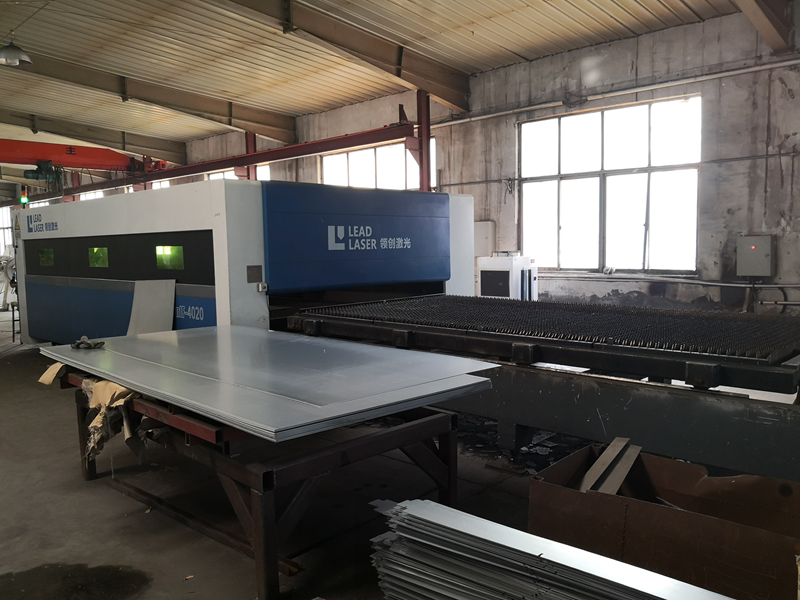

Fully Automated Roll Forming Production Line

Hot-dip Galvanizing Production Line

Electroplating Production Line
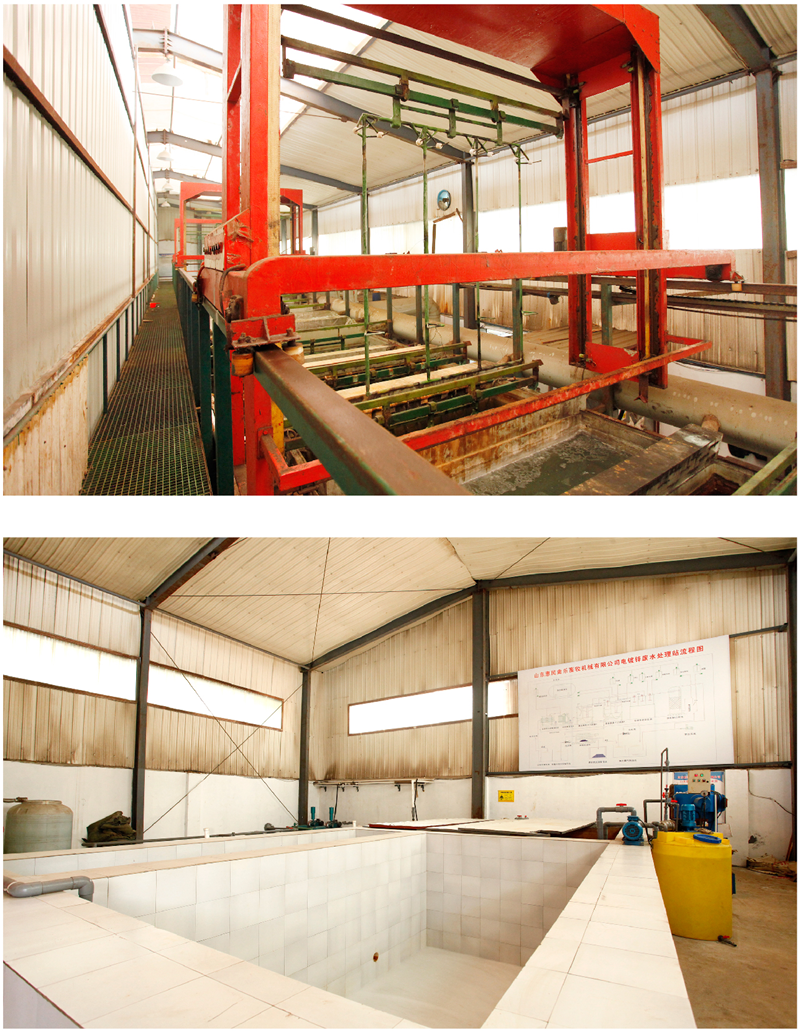
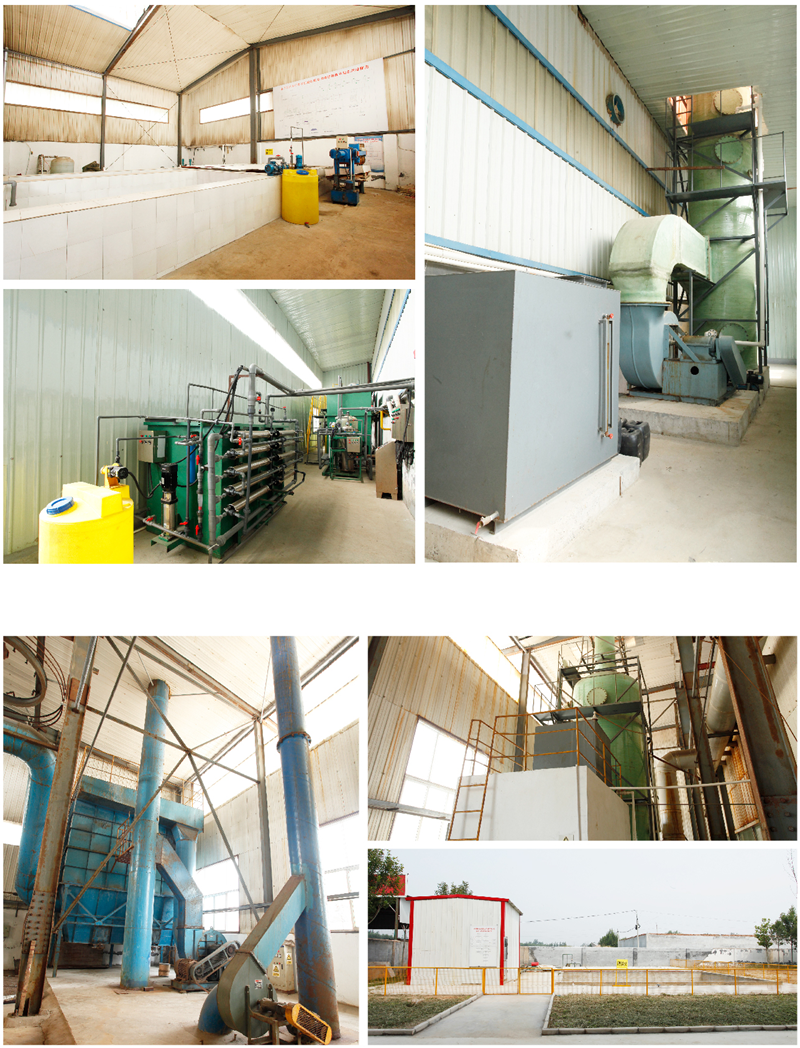
Environmental Protection Equipment
Chicken Farming Equipment Product Series
Egg-laying Hen Farming Equipment
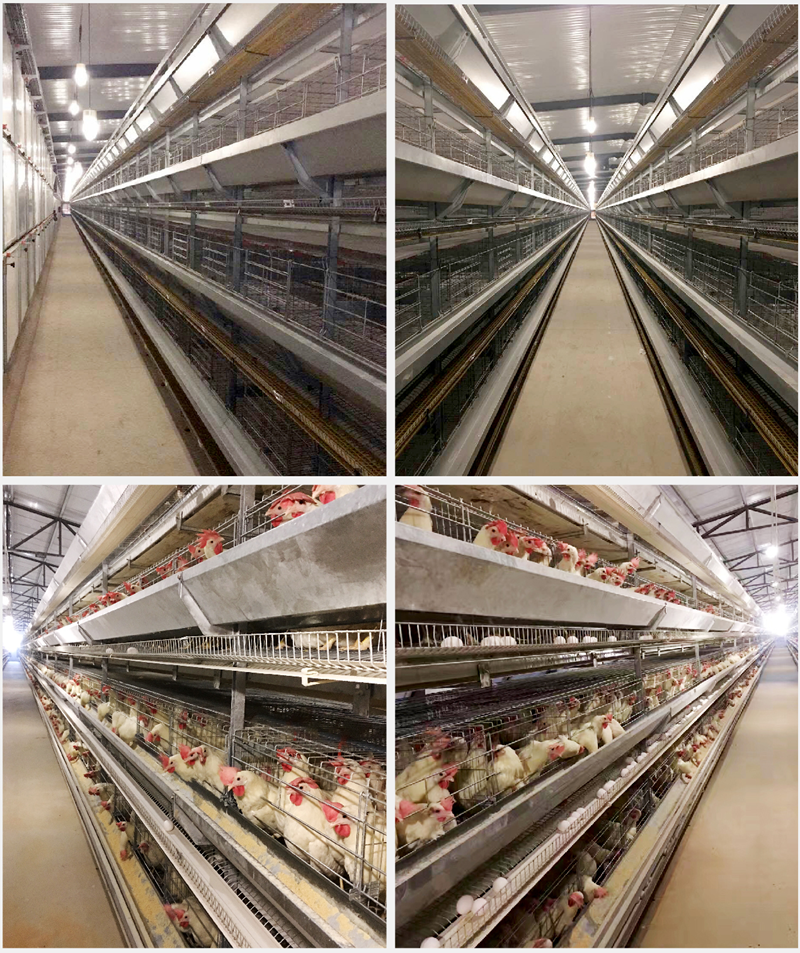
Stacked Brooding Cage Equipment

Stacked Broiler Cage Equipment
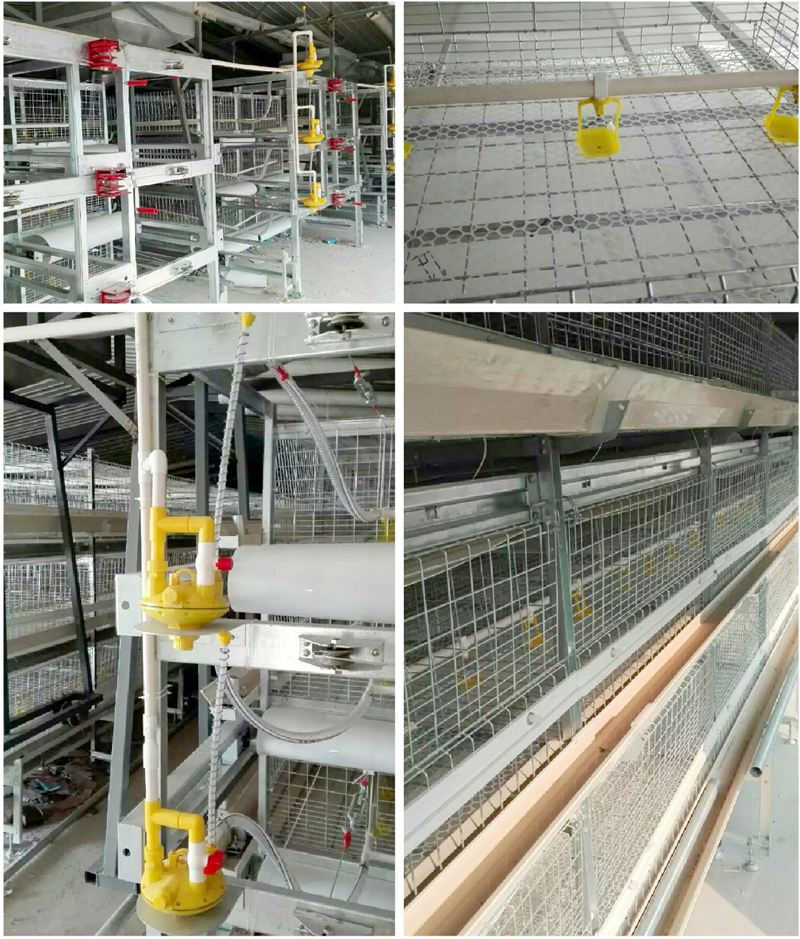
Stepped Layer Hen Cage Rearing Equipment
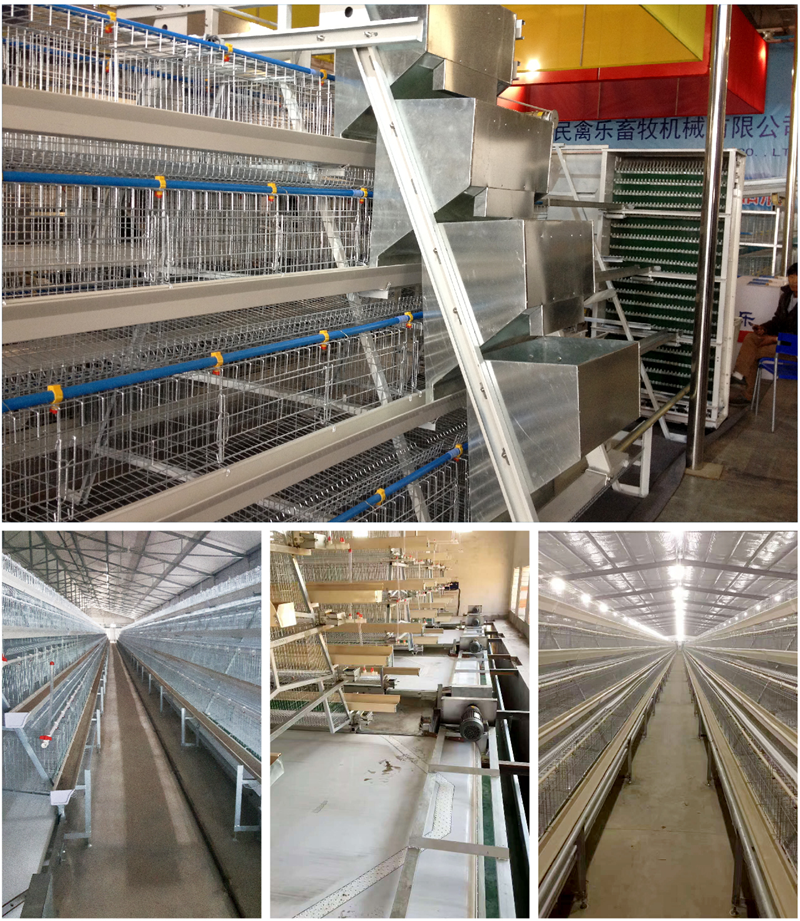
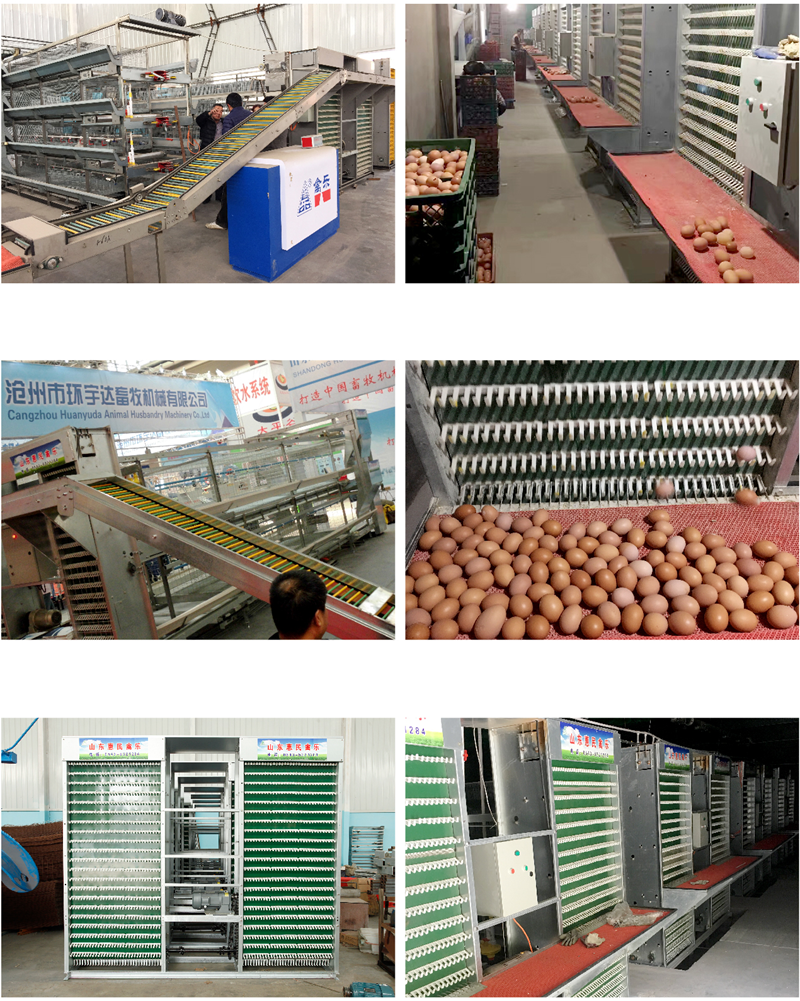
Automatic Egg Collection System
H-type Cage Feeding Machine
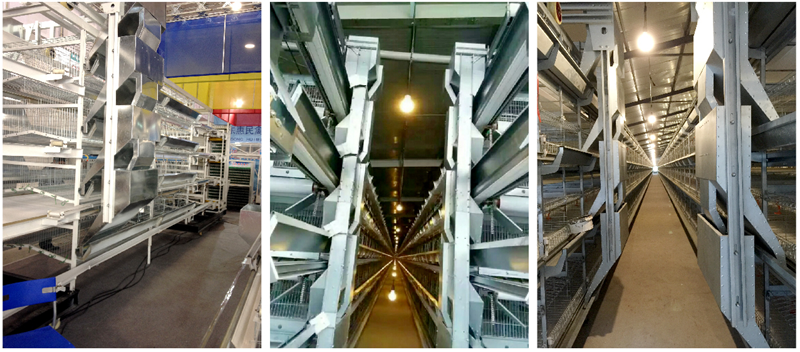
Stepped Cage Straddle Feeder
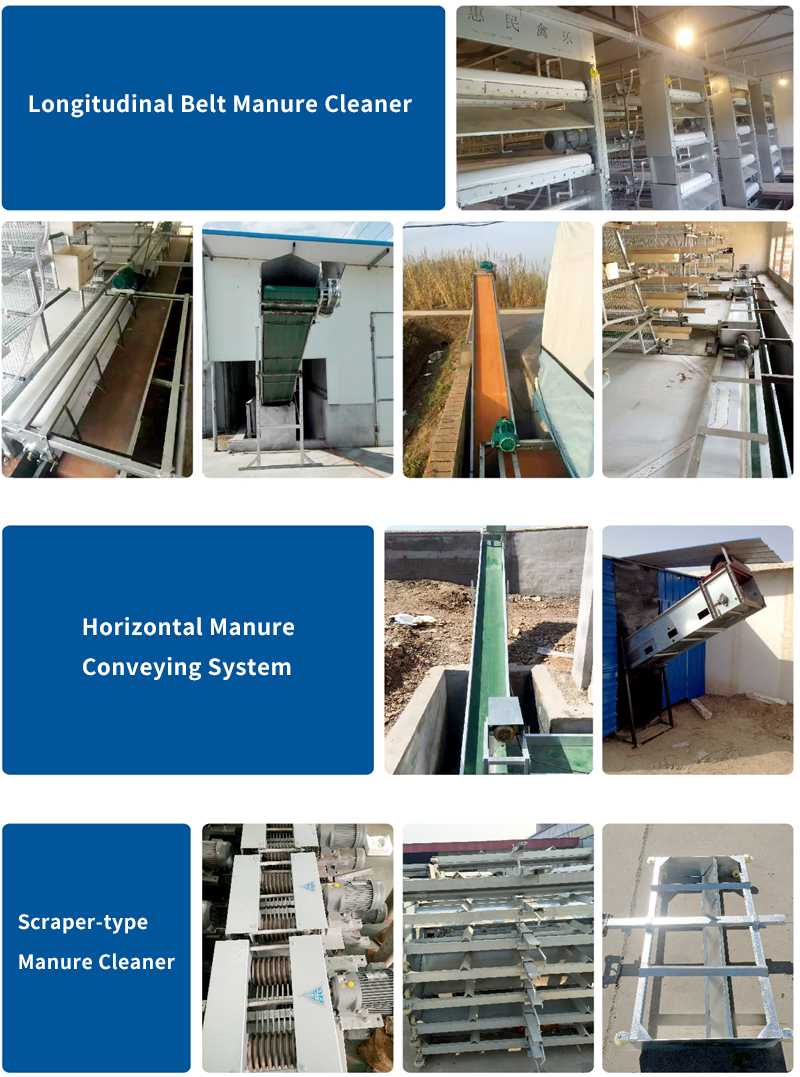
Manure Removal Machine
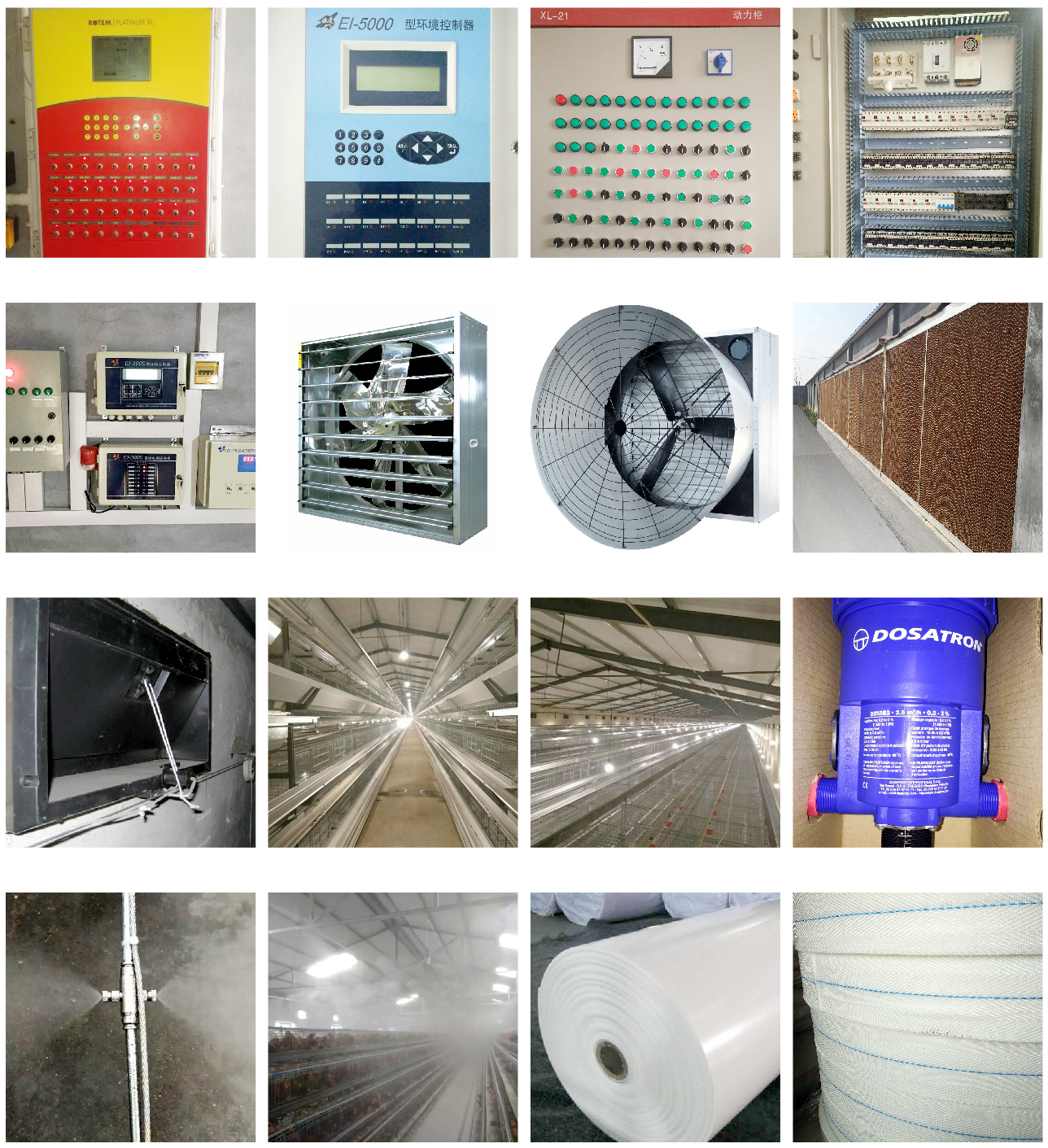
Fans, Heated Curtains, Environmental Control Systems, and Lighting Equipment
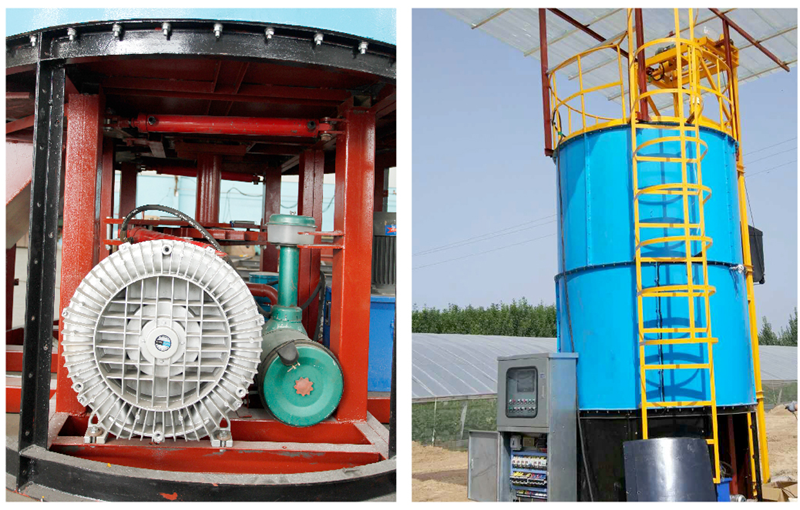
Complete Set of Equipment for Organic Fermentation Treatment of Manure
Бул веб-сайт биздин веб-сайтта эң жакшы тажрыйбаны алуу үчүн кукилерди колдонот.
 English
 Pусский
 Français
 العربية
 Indonesia
 қазақ
қазақ o'zbek
 тоҷикӣ
 Türkmenler
 Catalogue



 Whatsapp
 Телефон