

Introduction
The Layer Pullet Cage Manufacturer plays a crucial role in the poultry farming industry by designing, producing, and supplying high-quality cage systems tailored specifically for raising pullets — young female chickens that are not yet laying eggs. With the global poultry sector expanding rapidly, the demand for efficient, durable, and welfare-compliant pullet cages has surged, pushing manufacturers to innovate and provide solutions that meet modern farm requirements.
Manufacturers specializing in layer pullet cages focus on engineering cages that optimize space, improve bird welfare, and enhance operational efficiency. These cages are built to withstand rigorous farm environments, facilitate better feeding and watering, and support advanced manure management systems.
This guide dives into the essential aspects of layer pullet cage manufacturing — including technical parameters, design features, advantages, typical application scenarios, usage and maintenance instructions, and frequently asked questions. It aims to assist poultry farmers, suppliers, and stakeholders in understanding the manufacturing perspective and choosing the right products.
Key Parameters for Layer Pullet Cage Manufacturing
Material Selection | Type of metal and coating used | Galvanized Steel Wire (G90/G60), Stainless Steel |
Wire Diameter | Thickness of cage wire mesh | 1.5 to 2.0 mm |
Cage Dimensions | Standard size of cages | Length: 100–130 cm; Width: 50–70 cm; Height: 40–60 cm |
Floor Type and Slope | Wire mesh floor with appropriate incline | 7° to 10° slope for manure drainage |
Coating Thickness | Galvanization layer thickness | 40–60 microns |
Load Capacity | Maximum weight supported per bird | Up to 2.0 kg per pullet |
Cage Capacity | Number of pullets per cage | 8–15 pullets depending on size and standards |
Stacking and Modularity | Multi-tier configurations and modular design | 2 to 5 tiers, modular units for easy assembly |
Feeding and Watering Systems Compatibility | Integration capability with feeders and drinkers | Standardized feeder slots and drinker mounts |
Ventilation Design | Mesh size and cage openness | Open wire mesh sides and top for airflow |
Safety Features | Edge finishing, anti-corrosion treatment | Smooth edges, rounded corners, corrosion resistance |
Manure Management Design | Manure collection trays or conveyor compatibility | Designed to fit manure belts or trays |
Features of Layer Pullet Cage Manufactured Products
Manufacturers design layer pullet cages with numerous features that balance bird welfare, operational efficiency, and durability:
Robust Construction: Heavy-duty steel wire and frames provide strength and longevity under intensive use.
Corrosion Resistance: Galvanization or stainless steel protects against rust, prolonging cage lifespan.
Ergonomic Dimensions: Optimized cage size supports bird movement and comfort without wasted space.
Multi-Tier Capability: Stacking cages vertically maximizes farm space utilization.
Feed and Water Integration: Designed to accommodate standard feeders and nipple or cup drinkers.
Manure Handling Compatibility: Floors sloped and sized for easy manure removal via trays or belts.
Ventilation Optimization: Wire mesh design ensures excellent airflow for bird health.
Safety Standards: Rounded and smooth edges prevent bird injury during movement.
Modular Assembly: Components allow easy transportation, installation, and future expansion.
Customizable Options: Manufacturers often provide custom sizes, coatings, and accessories.
Advantages of Choosing Professional Layer Pullet Cage Manufacturers
1. Quality Assurance
Reputable manufacturers adhere to strict quality control standards, ensuring cages meet durability and safety requirements.
2. Compliance with Animal Welfare
Manufactured cages are designed to comply with local and international poultry welfare regulations, ensuring ethical treatment of pullets.
3. Enhanced Farm Productivity
Well-designed cages support healthier birds, leading to better growth rates and improved laying performance later.
4. Durability and Longevity
Using quality materials and advanced coatings means cages last longer, reducing replacement and maintenance costs.
5. Custom Solutions
Manufacturers can tailor cages to specific farm sizes, bird breeds, climates, and management preferences.
6. Innovation and Support
Leading manufacturers invest in research and development, offering cutting-edge cage systems and ongoing technical support.
7. Efficient Logistics and Installation
Modular cage designs facilitate easy shipment and quick on-site assembly, minimizing downtime.
Application Scenarios for Layer Pullet Cages from Manufacturers
1. Commercial Pullets Production Facilities
Large-scale farms rely on manufactured cages for consistent quality and high throughput.
2. Breeder Farms
Precise cage design supports breeding pullets with controlled environments.
3. Small to Medium Farms
Customizable cages enable smaller farms to optimize space and welfare within budget.
4. Organic and Free-Range Alternatives
Manufacturers may offer cage systems compatible with welfare certifications and alternative rearing practices.
5. Research and Educational Institutions
Cages designed for controlled experiments and teaching purposes.
6. Export and International Markets
Manufacturers often produce cages that meet diverse regulatory standards worldwide.
Usage and Maintenance Instructions for Manufactured Layer Pullet Cages
Installation and Setup
Ensure the foundation is level, stable, and well-drained.
Assemble cage units following manufacturer instructions, securing all joints firmly.
Stack cages carefully to maintain stability and safety.
Connect feeding and watering systems accurately, testing for leaks or blockages.
Daily Operation
Check feeders and drinkers to ensure continuous supply of clean feed and water.
Monitor bird health and behavior regularly, intervening as necessary.
Maintain recommended stocking densities for optimal welfare.
Cleaning and Hygiene
Remove manure frequently using trays or conveyor belts.
Clean feeders, waterers, and cages with appropriate disinfectants periodically.
Inspect for and repair any damages or corrosion spots promptly.
Routine Maintenance
Reapply protective coatings as recommended to prevent rust.
Lubricate moving parts of automated feeding or manure systems.
Train staff on proper handling to minimize bird stress and cage damage.
Common Problems in Layer Pullet Cages and Manufacturer Solutions
Cage Corrosion | Poor galvanization or harsh environmental exposure | Use superior galvanization and stainless steel options |
Bird Injuries | Sharp edges or overcrowding | Smooth finishing, precise manufacturing tolerances |
Structural Weakness | Low-quality materials or poor welding | Quality control with high-grade steel and welding standards |
Feed and Water Access Issues | Improper feeder/drinker integration | Standardized and customizable feeding/watering slots |
Manure Accumulation | Inadequate floor slope or tray size | Optimized floor designs and manure collection systems |
Difficult Installation | Complex or non-modular cage design | Modular design and clear assembly instructions |
Ventilation Problems | Cage mesh size or structure blocking airflow | Open mesh design and airflow simulations |
Limited Customization | One-size-fits-all production | Offering bespoke cage dimensions and features |
Frequently Asked Questions (FAQs)
Q1: What materials are most commonly used by layer pullet cage manufacturers?
A: Galvanized steel wire with coating thickness between 40–60 microns is standard, with stainless steel options for higher durability.
Q2: Can manufacturers customize cage sizes and features?
A: Yes, most manufacturers offer tailored cage dimensions, coatings, and accessories to meet specific farm needs.
Q3: How long does it typically take to install a layer Pullet Cage System?
A: Installation time varies by system size but modular designs enable rapid assembly, often within days.
Q4: What is the average lifespan of professionally manufactured pullet cages?
A: With proper maintenance, cages last 5 to 10 years or more.
Q5: Are manufacturer cages compliant with international welfare standards?
A: Leading manufacturers ensure compliance with standards like EU directives and Global Animal Partnership guidelines.
Q6: How do manufacturers ensure cage safety for birds?
A: Through precision engineering, smooth edges, rounded corners, and rigorous quality control.
Q7: What support do manufacturers provide post-sale?
A: Many offer technical support, installation guidance, maintenance advice, and warranty services.
Q8: Can these cages be integrated with automated feeding and watering systems?
A: Yes, most are designed for compatibility with standard automation equipment.
Q9: How do manufacturers handle environmental concerns?
A: By designing cages that facilitate manure management and reduce emissions, manufacturers contribute to sustainable farming.
Q10: What are the typical lead times for cage orders?
A: Lead times vary but usually range from 4 to 12 weeks depending on order size and customization.
Conclusion
Choosing the right Layer Pullet Cage Manufacturer is fundamental for poultry farmers seeking durable, efficient, and welfare-compliant cage systems. Manufacturers play a pivotal role in supplying cages that balance bird comfort, farm productivity, and operational convenience.
By understanding manufacturing parameters, product features, benefits, and application contexts, poultry producers can partner effectively with manufacturers to implement cage solutions that support sustainable and profitable pullet rearing.
Investing in quality manufactured layer pullet cages ensures better bird health, operational efficiency, and long-term value for poultry enterprises.
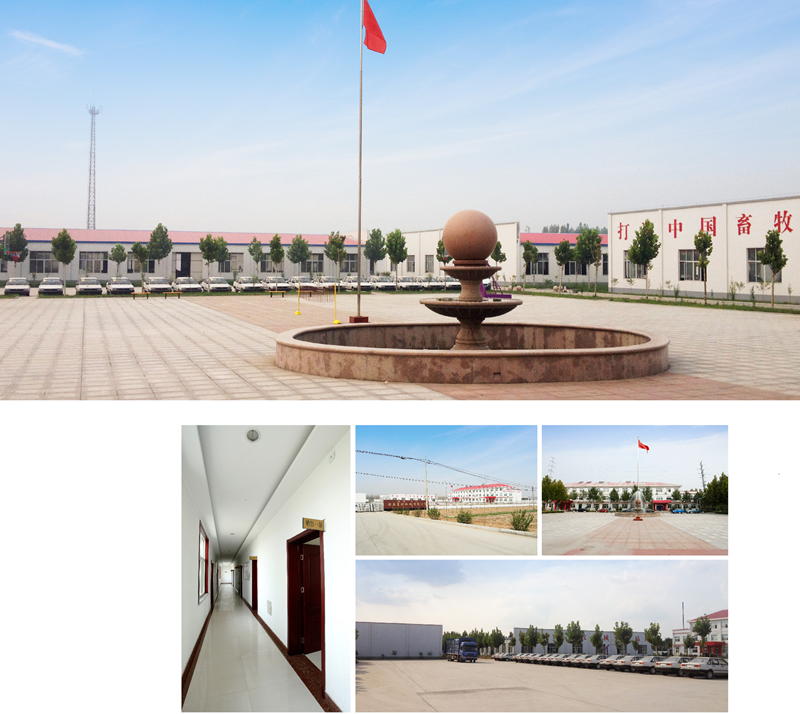
Shandong Huimin Qinle Livestock Machinery Co., Ltd. (formerly Shandong Huimin Qinle Livestock Machinery Factory) is a professional poultry equipment manufacturer with over 20 years of experience. We offer a comprehensive service package, from design (land and chicken coops), production (equipment and prefabricated steel coops), installation, commissioning, customer training, and after-sales service.
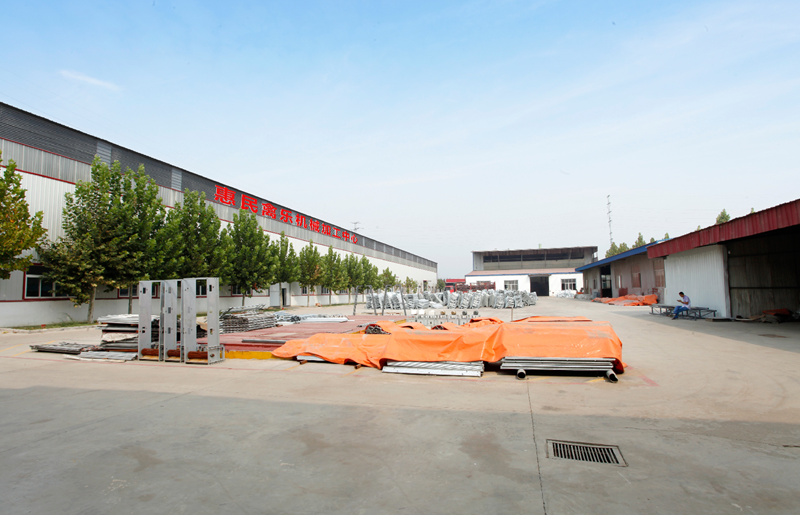
Located in Huimin County, Binzhou City, Shandong Province, China, the company has extensive experience in mechanical processing and manufacturing, as well as livestock machinery production and operation. With fixed assets of RMB 15 million, the company employs 160 people, including 30 R&D staff, and occupies a 40,000-square-meter factory. Equipped with over 110 pieces of advanced precision production equipment, including CNC machining centers and laser cutting machines, the company boasts a production capacity of RMB 50 million.
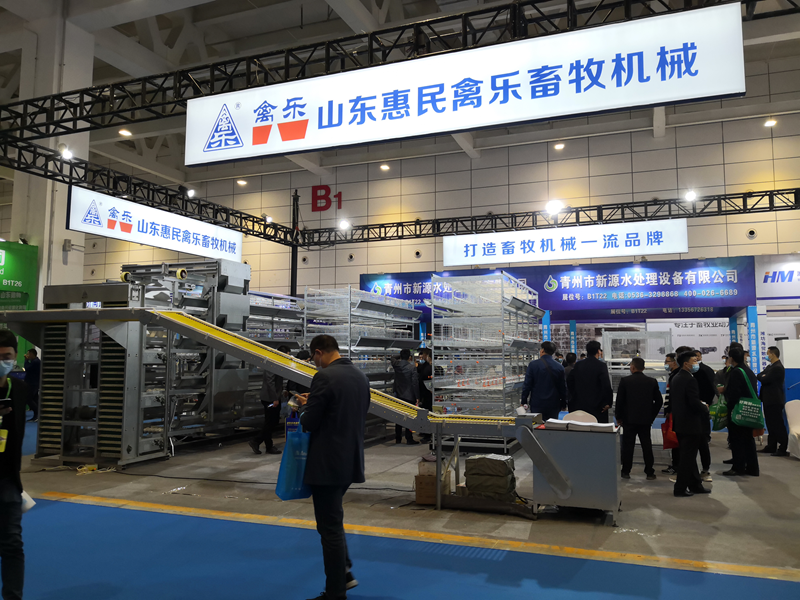
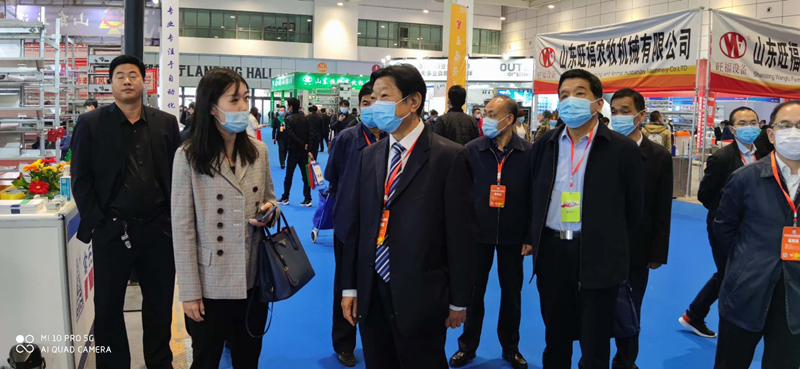
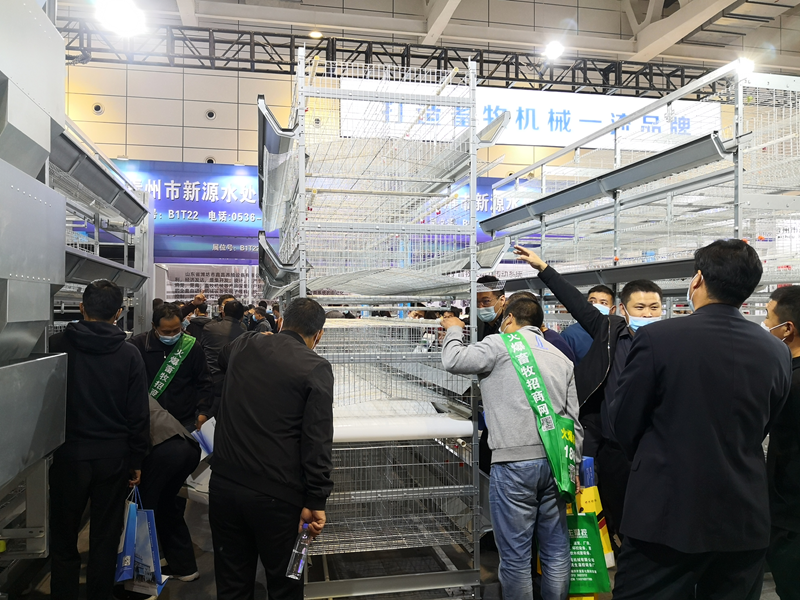
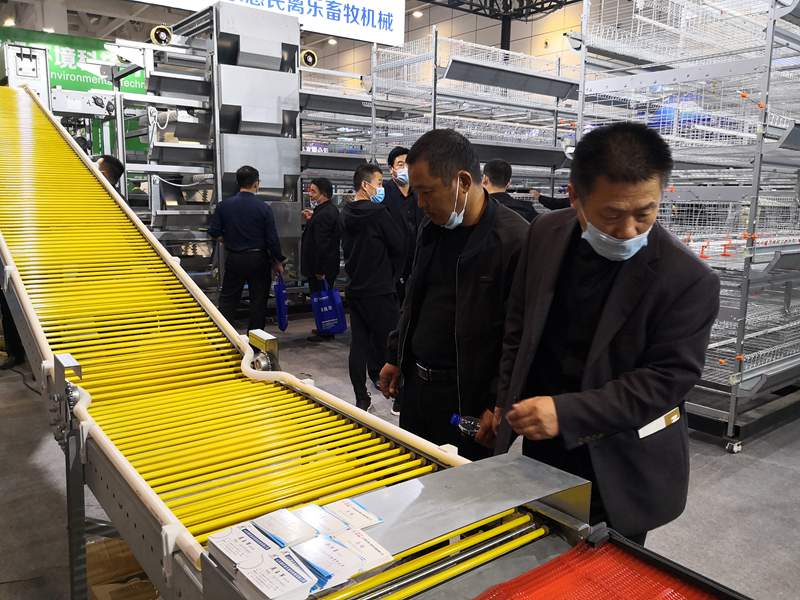
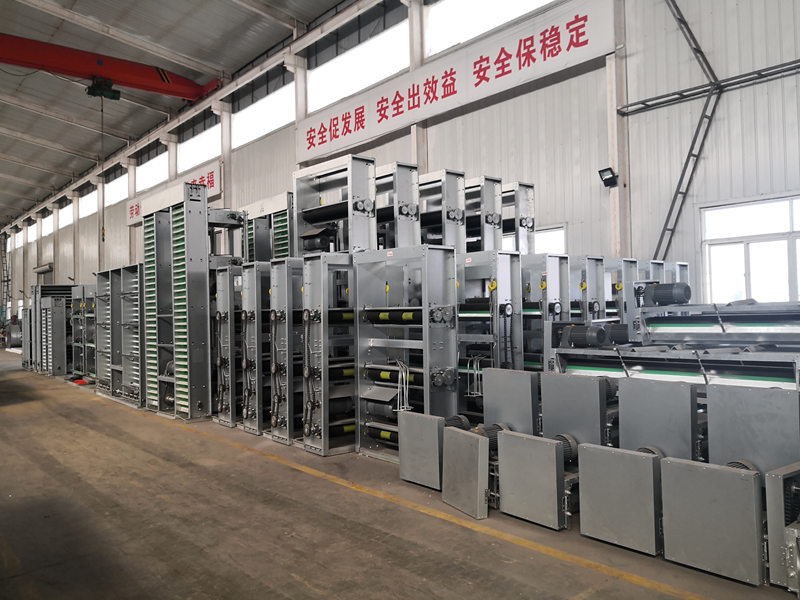
Chicken Farming Equipment Mesh Production Workshop

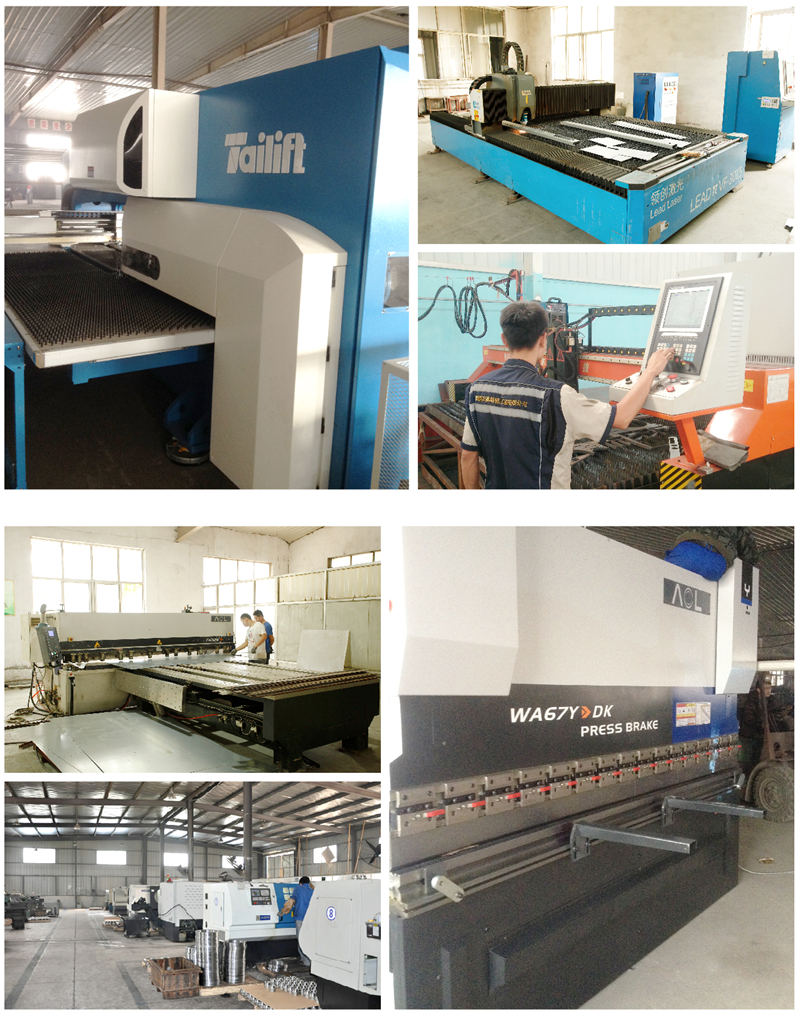
Machining Workshop
Turret-type CNC Punch Press, Laser Cutting and Other Machining Equipment
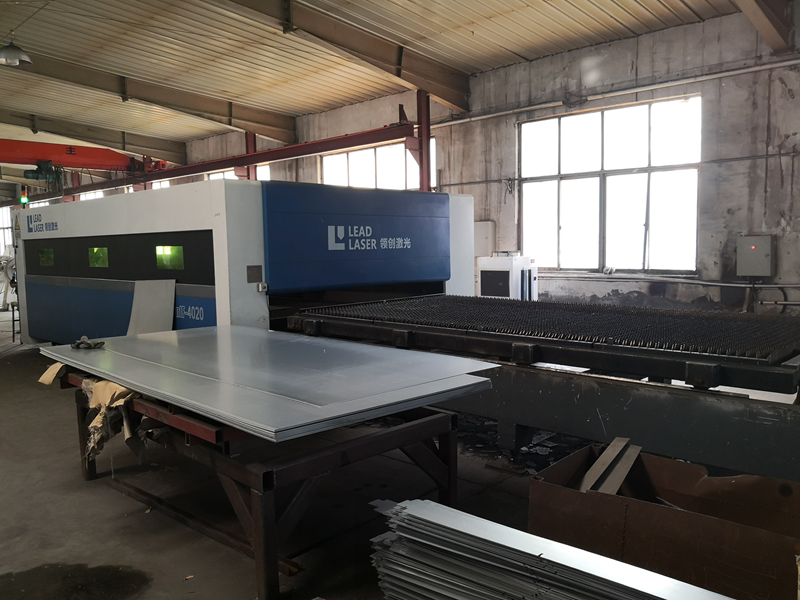

Fully Automated Roll Forming Production Line

Hot-dip Galvanizing Production Line

Electroplating Production Line
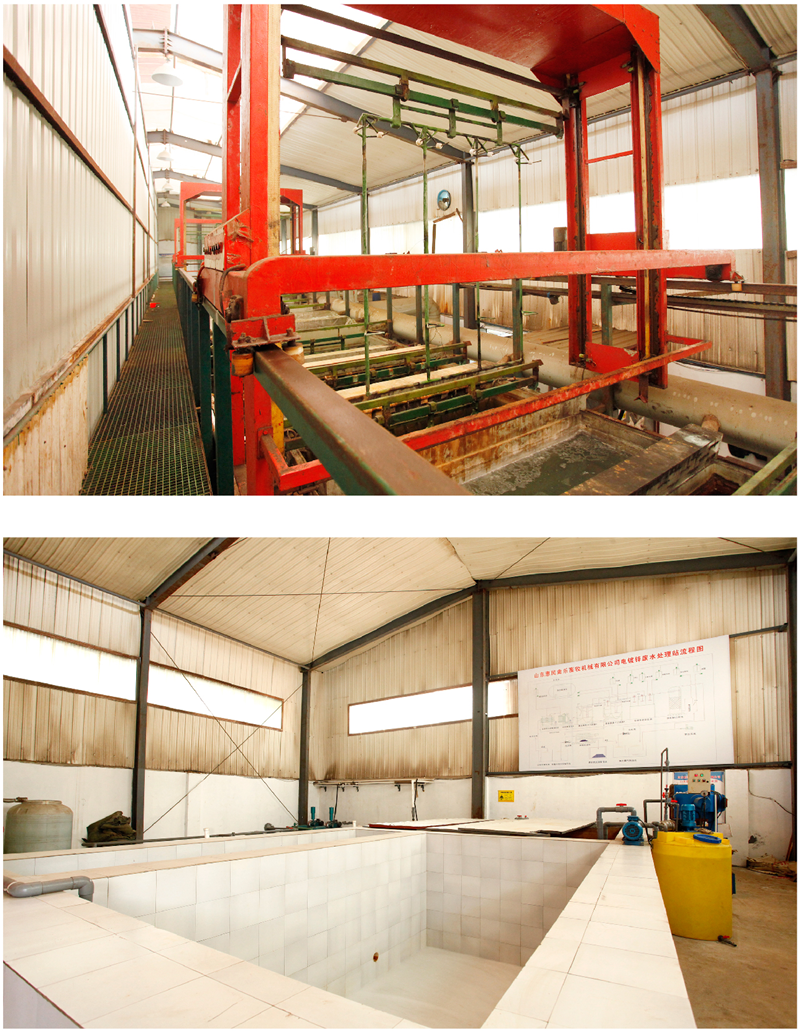
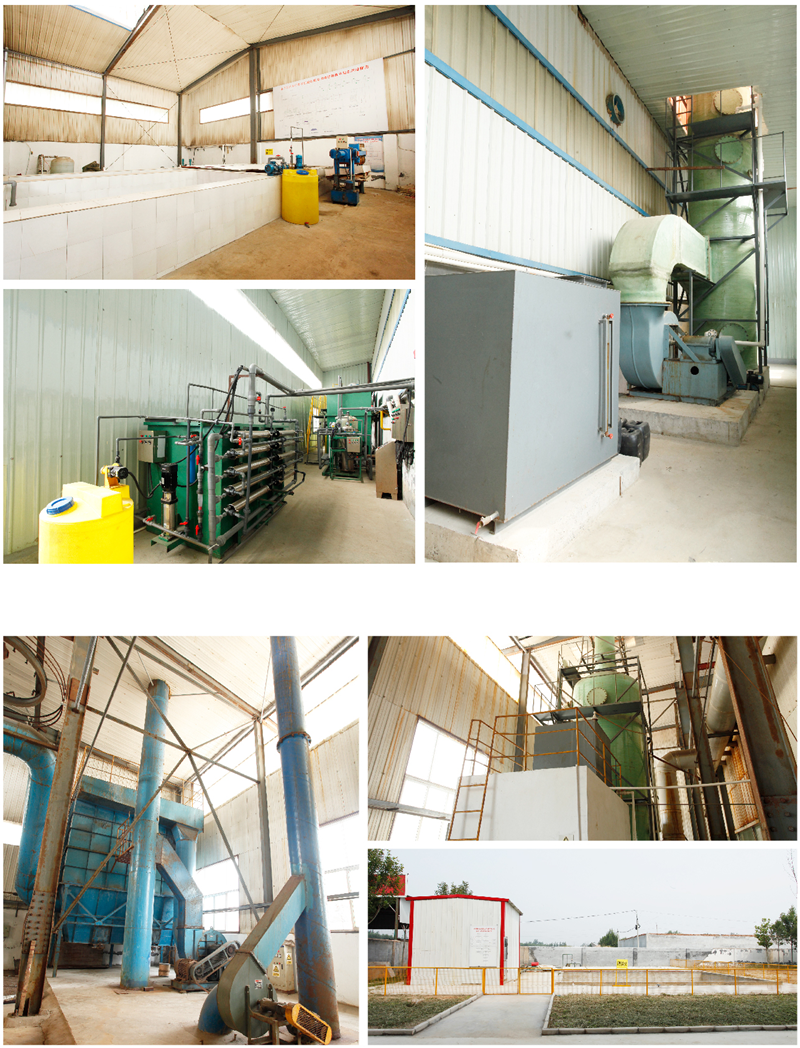
Environmental Protection Equipment
Chicken Farming Equipment Product Series
Egg-laying Hen Farming Equipment
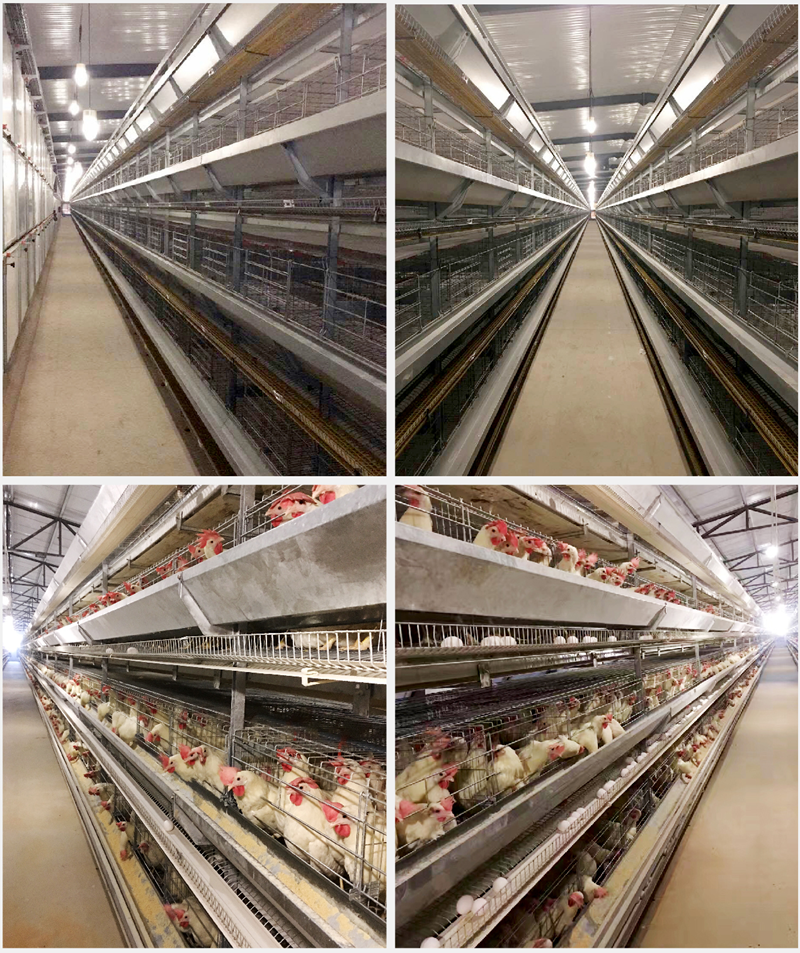
Stacked Brooding Cage Equipment

Stacked Broiler Cage Equipment
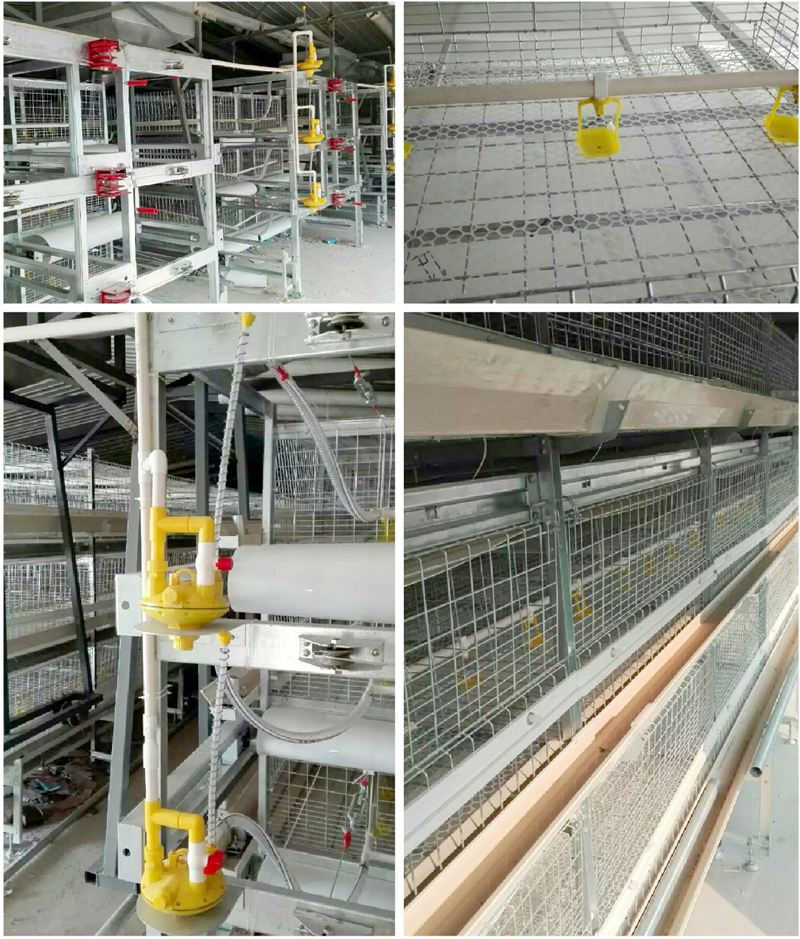
Stepped Layer Hen Cage Rearing Equipment
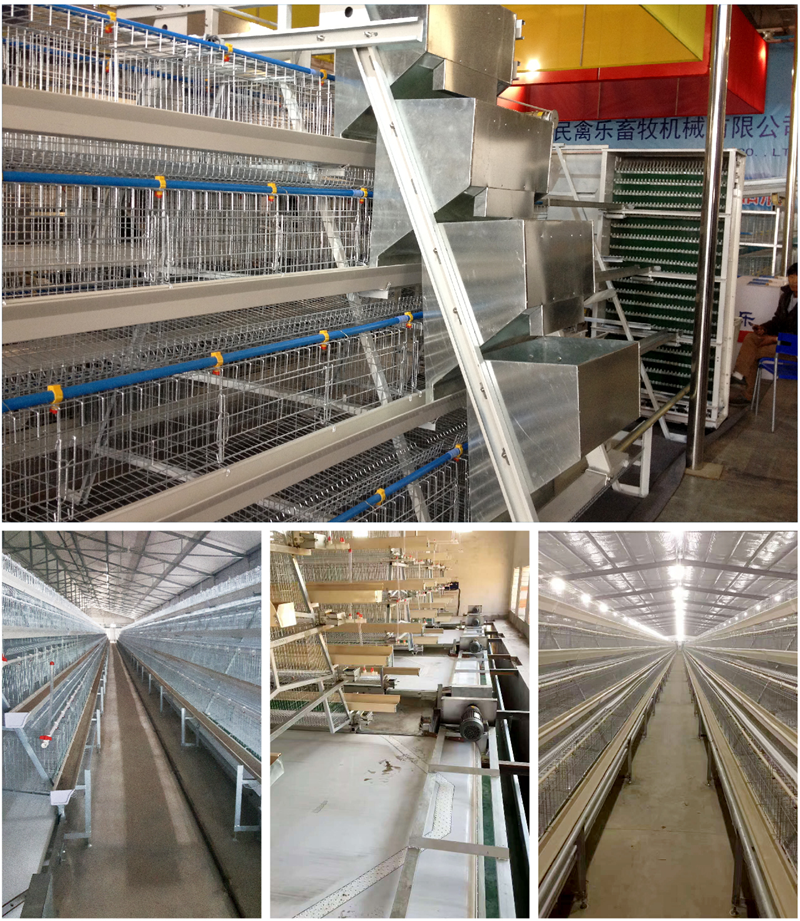
Automatic Egg Collection System
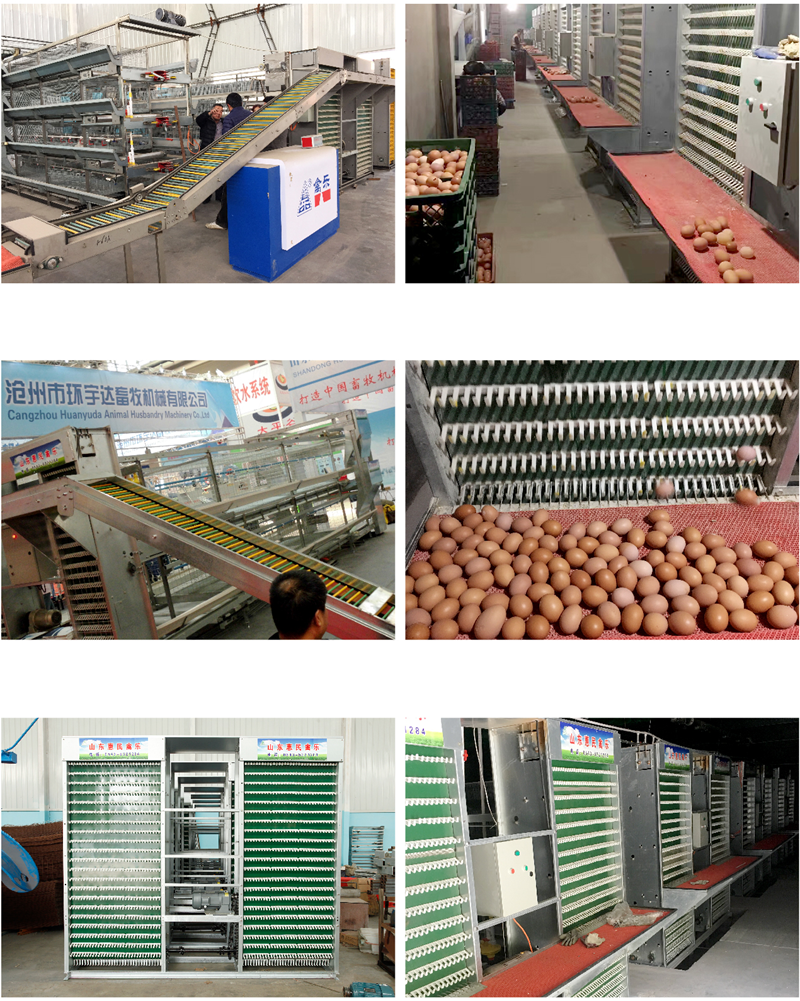
H-type Cage Feeding Machine
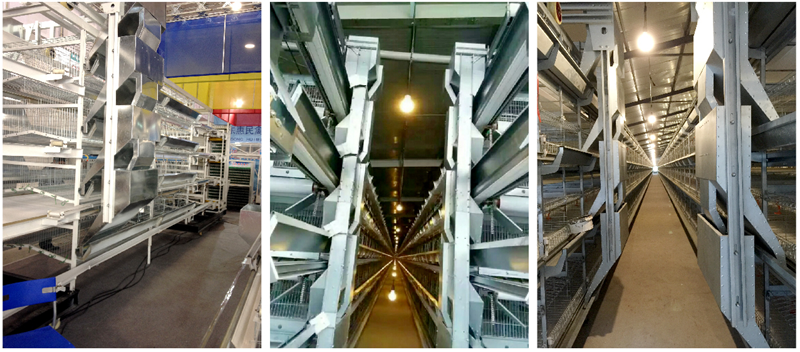
Stepped Cage Straddle Feeder
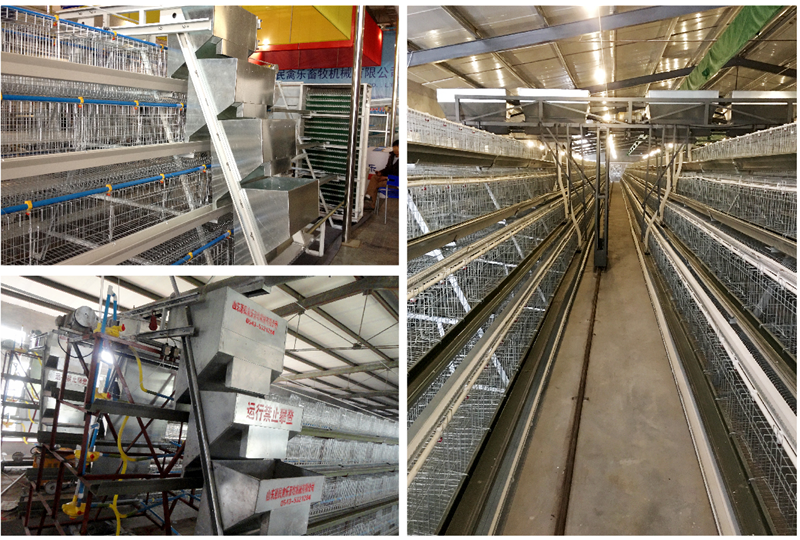
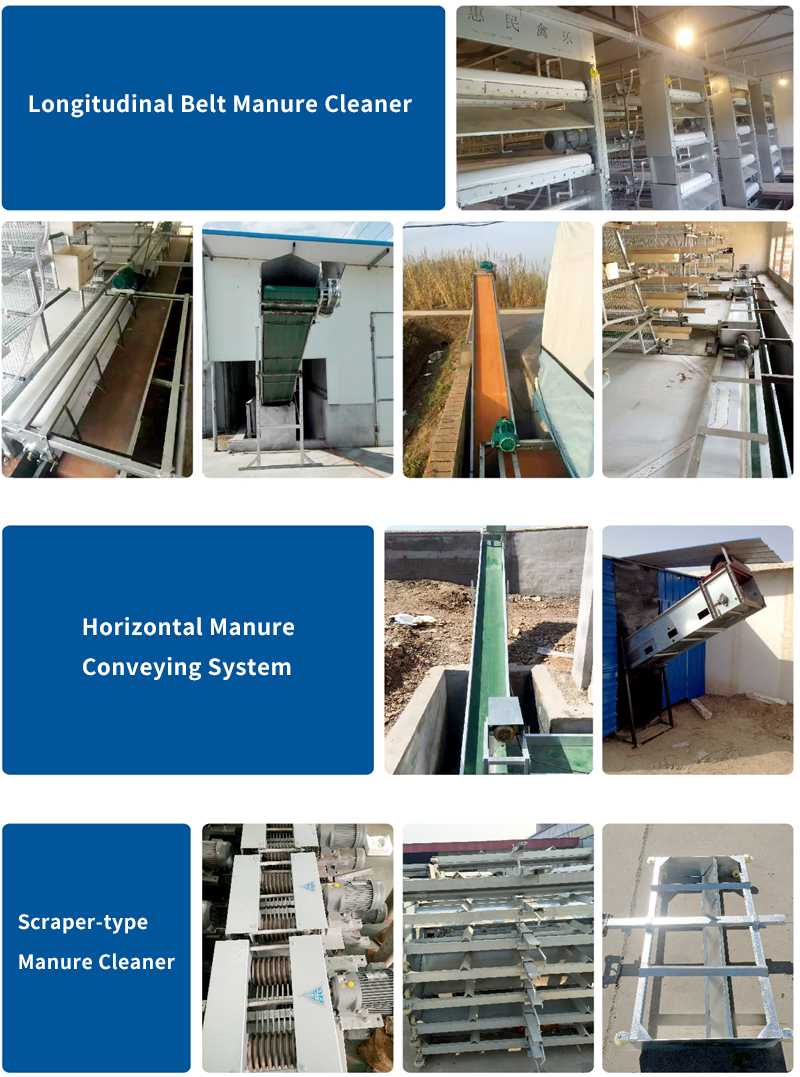
Manure Removal Machine
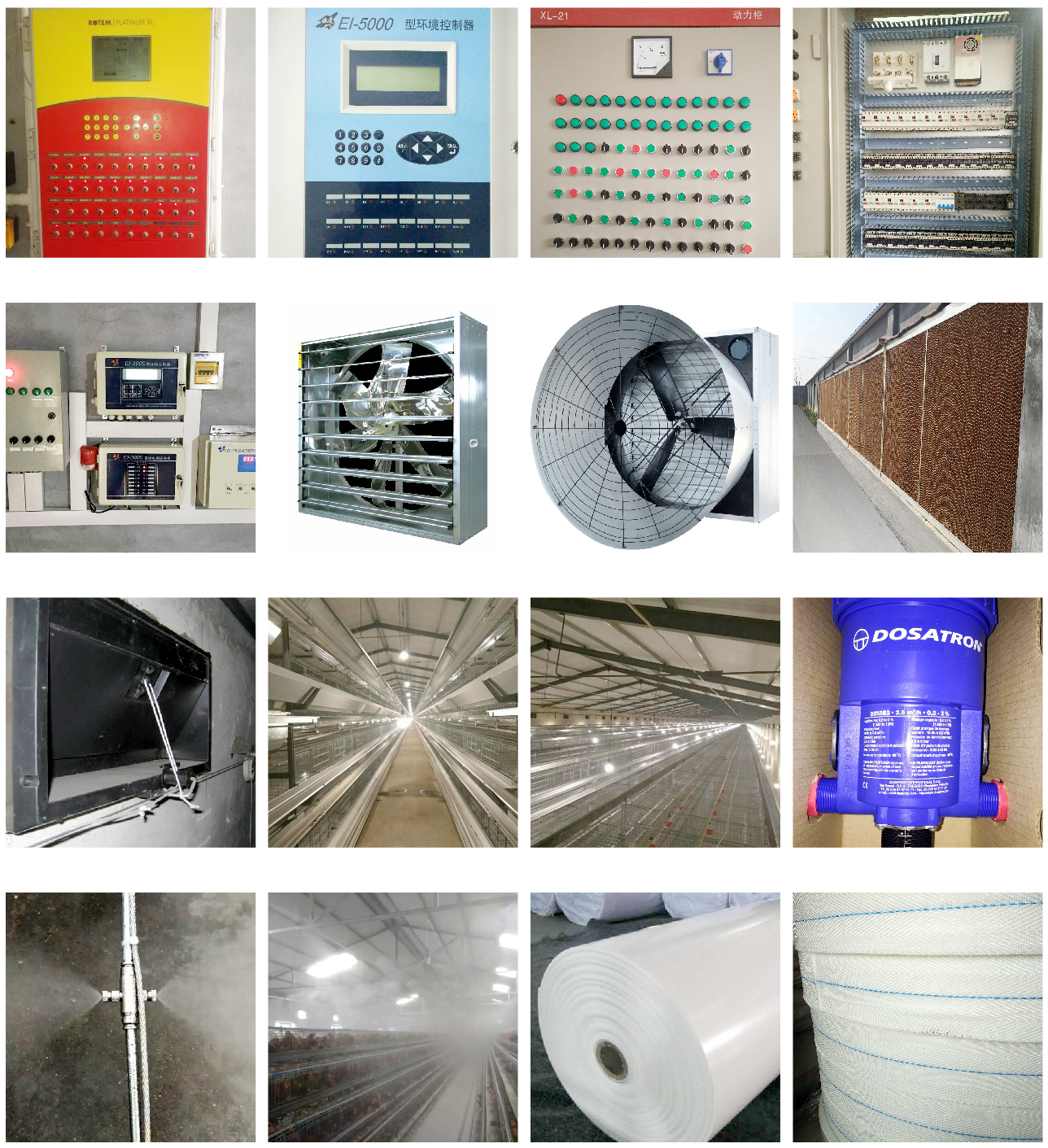
Fans, Heated Curtains, Environmental Control Systems, and Lighting Equipment
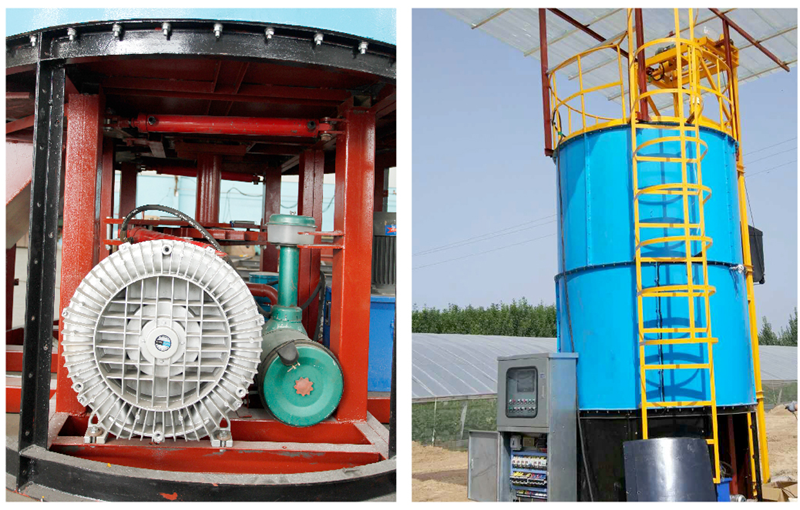
Complete Set of Equipment for Organic Fermentation Treatment of Manure
Бул веб-сайт биздин веб-сайтта эң жакшы тажрыйбаны алуу үчүн кукилерди колдонот.
 English
 Pусский
 Français
 العربية
 Indonesia
 қазақ
қазақ o'zbek
 тоҷикӣ
 Türkmenler
 Catalogue



 Whatsapp
 Телефон