

1. Introduction to Poultry Aviary Systems
A Poultry Aviary System is a modern, multi-tier housing solution designed for commercial laying hens and cage-free egg production. Unlike traditional battery cages, an aviary allows hens to move vertically and horizontally within an open environment, encouraging natural behaviors such as perching, nesting, dust bathing, and scratching. This system has become one of the most widely adopted solutions for farms transitioning to cage-free production due to its high productivity, animal welfare compliance, and efficient use of space.
As global market demand continues to shift toward animal welfare-friendly eggs, poultry farms increasingly prefer aviary systems to improve production performance while meeting certification requirements such as Certified Humane, Organic, Free-Range, and Barn Systems. A well-designed aviary system can significantly increase stocking density, reduce labor needs, enhance egg cleanliness, and optimize flock health.
This comprehensive guide explores the technical parameters, structural features, benefits, applications, installation guidelines, operational tips, maintenance procedures, and common questions about poultry aviary systems. Whether you are designing a new cage-free farm or upgrading from traditional equipment, this article provides data-driven insights to help you make informed decisions.
2. Technical Parameters of a Poultry Aviary System
While aviary designs vary by manufacturer, a standard Commercial Aviary includes several core components and performance parameters. Below is a general reference framework.
2.1 Structural Dimensions
Overall Height: 2.2 – 2.8 m per tier
System Width: 1.6 – 2.2 m
Tier Levels: 2–4 tiers depending on house size
Walking Aisle Width: 1.0 – 1.5 m
Structure Material: Hot-dip galvanized steel, 275–450 g/m² zinc coating
2.2 Stocking Density
12–18 hens/m² depending on welfare certification
2–3 birds per perch meter
2.3 Feeding System
Feed Delivery: Automatic chain feeder or auger feeder
Feed Hopper Capacity: 50–90 kg
Feed Trough Material: GI steel or stainless steel
Feeding Frequency: 4–8 times/day
2.4 Drinking System
Drinkers: Nipple drinkers with drip cups
Water Line Pressure: 0.15–0.25 MPa
Water Pipe Material: High-strength PVC or stainless steel
Bird-to-Nipple Ratio: 8–12 birds per nipple
2.5 Nesting System
Nest Type: Automatic or manual roll-out nests
Nest Pads: PE or rubber
Egg Belt Speed: 3–12 m/min
Egg Collection System: Central or side egg conveyor
2.6 Ventilation Requirements
Airflow Rate: 1.5–3.0 m³/h per bird
Minimum Ventilation: 1 CFM/lb body weight
Cooling Option: Tunnel ventilation or evaporative cooling pads
2.7 Lighting System
Color Temperature: 2700–3500K (warm white)
Lighting Hours: 14–16 hours/day
Light Intensity: 10–30 lux
2.8 Power & Automation
Control Panels: PLC/automatic controllers
Sensors: Light, temperature, humidity, feed, egg flow
Power Supply: 220V/380V
These parameters serve as benchmarks for designing efficient and high-performance aviary systems.
3. Key Features of a Poultry Aviary System
3.1 Multi-Tier Space Optimization
Aviary systems utilize vertical space efficiently, allowing farms to increase bird capacity without expanding floor area. Multi-tier platforms consist of feeding lines, drinker lines, nest boxes, perches, and manure belts.
3.2 Full Cage-Free Bird Movement
Hens can freely:
Walk
Fly between tiers
Stretch wings
Perch at night
Access nests
Dust bathe on the floor
This enhances welfare and reduces stress behaviors.
3.3 High Egg Collection Efficiency
Automatic nest box design prevents hens from damaging or soiling eggs. Roll-out mats gently guide eggs onto a conveyor belt, ensuring:
Minimal breakage
Clean eggs
Reduced manual work
3.4 Advanced Manure Removal System
Each tier contains a manure belt to:
Remove droppings regularly
Reduce ammonia levels
Lower disease risk
Prevent manure pile-up
3.5 Durable Hot-Dip Galvanized Structure
Corrosion-resistant steel ensures:
Long lifespan (15–25 years)
Strength and stability
Reduced maintenance cost
3.6 Modular Expansion
Aviary systems are modular, allowing farms to:
Increase tiers
Extend system length
Add automation units
Upgrade ventilation
3.7 Compatible With Smart Farming Technologies
Integrates with:
Environmental controllers
Egg counting systems
Feeding automation
IoT sensors
3.8 Perching and Roosting Design
Comfortable perches promote natural behaviors and ensure birds disperse evenly throughout the system.
4. Advantages of Using a Poultry Aviary System
4.1 Improved Animal Welfare
Birds can perform natural activities, making aviaries suitable for:
Cage-free egg production
Welfare certifications
Organic and free-range systems
4.2 Higher Egg Production Efficiency
Aviaries support:
Higher laying rates
Cleaner eggs
Lower egg breakage
Efficient collection
4.3 Better Space Utilization
Multi-tier designs significantly increase usable area.
4.4 Enhanced Air Quality
Frequent manure removal decreases:
Ammonia
CO₂ levels
Respiratory disease
4.5 Labor Savings
Automation minimizes:
Feeding labor
Egg collection labor
Cleaning workload
4.6 Reduced Mortality
Better welfare and environment result in:
Lower stress
Reduced pecking injuries
Fewer metabolic disorders
4.7 Compliance With Market Trends
Supports the global shift toward:
Cage-free eggs
Sustainable farming
Supermarket welfare demands
5. Application Scenarios
5.1 Commercial Layer Farms
Most large-scale egg producers use multi-tier aviaries due to superior efficiency.
5.2 Cage-Free Egg Projects
For farms transitioning from cages to welfare-friendly systems.
5.3 Organic Egg Production
Meets organic standards requiring freedom of movement.
5.4 Educational and Research Facilities
Used for behavior studies and welfare research.
5.5 National Transition Programs
Countries banning battery cages adopt aviaries as the primary replacement.
6. Usage Instructions
6.1 Preparation Before Flock Arrival
Clean and disinfect all tiers
Test all feeding and drinker lines
Pre-heat the house to 23–26°C
Pre-fill feed lines
Adjust lighting (20–30 lux for training period)
6.2 Training Hens to Use the Aviary
Young pullets must learn:
Jumping between tiers
Using perches
Entering nest boxes
Gradual training improves flock uniformity and reduces floor eggs.
6.3 Daily Operation
Check feed levels
Inspect water pressure
Remove dead birds
Ensure nests remain clean
Walk through birds to reduce flightiness
6.4 Egg Collection
Automatic egg belts transport eggs to a central egg room. Adjust belt speed to prevent collisions.
6.5 Manure Removal
Run manure belts 2–3 times per week to maintain sanitation.
6.6 Lighting Management
Provide dawn/dusk simulation
Increase or decrease intensity gradually
Prevent sudden darkness to avoid piling
7. Maintenance Guidelines
7.1 Weekly Checks
Nipple drinker leakage
Feeder chain tension
Nest pad cleanliness
Manure belt alignment
7.2 Monthly Checks
Lubricate gearboxes
Inspect structural bolts
Clean air inlets and fans
7.3 Annual Maintenance
Replace worn perches
Deep clean water lines
Resurface nest pads if needed
Proper maintenance extends equipment life and ensures optimal egg production.
8. Safety Guidelines
Avoid sudden noises around birds
Wear protective equipment when cleaning
Shut off power before servicing equipment
Use slip-resistant footwear
Maintain ventilation to reduce gas buildup
9. Common Problems & Troubleshooting
9.1 High Floor Egg Rate
Possible causes:
Insufficient lighting
Poor nest accessibility
Birds not trained
Solutions:
Increase light intensity near nests
Add ramps or pathways
Improve pullet training program
9.2 Feather Pecking
Possible causes:
Overcrowding
Poor nutrition
Inadequate perching space
Solutions:
Reduce stocking density
Adjust feed formulation
Increase perch availability
9.3 Wet Manure
Causes:
Water leakage
Poor ventilation
Disease
Solutions:
Fix nipple leaks
Increase airflow
Conduct health checks
9.4 Egg Cracks
Causes:
High belt speed
Aggressive hens
Hard nest pads
Solutions:
Reduce belt speed
Provide enough nest boxes
Replace worn nest pads
10. Frequently Asked Questions (FAQ)
Q1: What is the main difference between an aviary and a cage-free floor system?
A floor system provides only ground-level movement.
An aviary provides vertical movement, increasing usable space and improving welfare.
Q2: Are aviary systems suitable for hot climates?
Yes. With proper ventilation and cooling pads, aviaries perform well in tropical and desert climates.
Q3: How many hens can one aviary system hold?
Capacity depends on tiers and house size, but ranges from 5,000 to 60,000 hens per house.
Q4: Do aviary systems reduce labor?
Yes. Automation significantly reduces feeding, egg collection, and manure handling labor.
Q5: Can aviary systems be installed in old cage houses?
Yes—many farms retrofit existing buildings to aviaries with minimal structural changes.
Q6: How long does an aviary system last?
With proper maintenance, 15–25 years.
Q7: Is the egg quality better in aviary systems?
Eggs tend to be cleaner and less cracked, and hens remain healthier through the laying cycle.
Conclusion
A poultry aviary system is an advanced, efficient, and welfare-friendly housing solution for modern egg production. With its multi-tier design, automation features, and excellent space optimization, it offers tremendous benefits in productivity, animal welfare, and long-term operational efficiency. As global demand for cage-free eggs grows, the aviary system stands out as one of the most cost-effective and future-ready solutions for commercial layer farms.
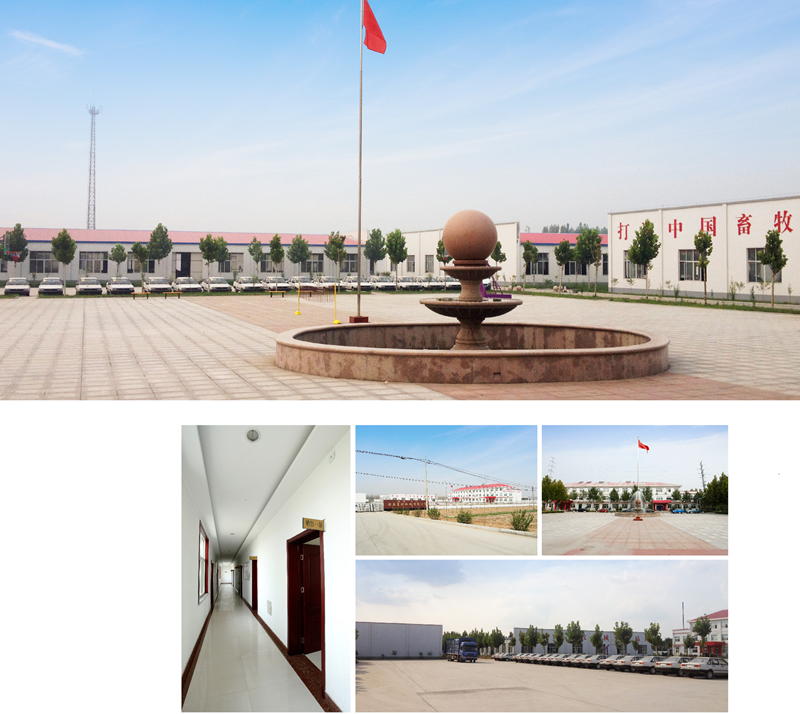
Shandong Huimin Qinle Livestock Machinery Co., Ltd. (formerly Shandong Huimin Qinle Livestock Machinery Factory) is a professional poultry equipment manufacturer with over 20 years of experience. We offer a comprehensive service package, from design (land and chicken coops), production (equipment and prefabricated steel coops), installation, commissioning, customer training, and after-sales service.
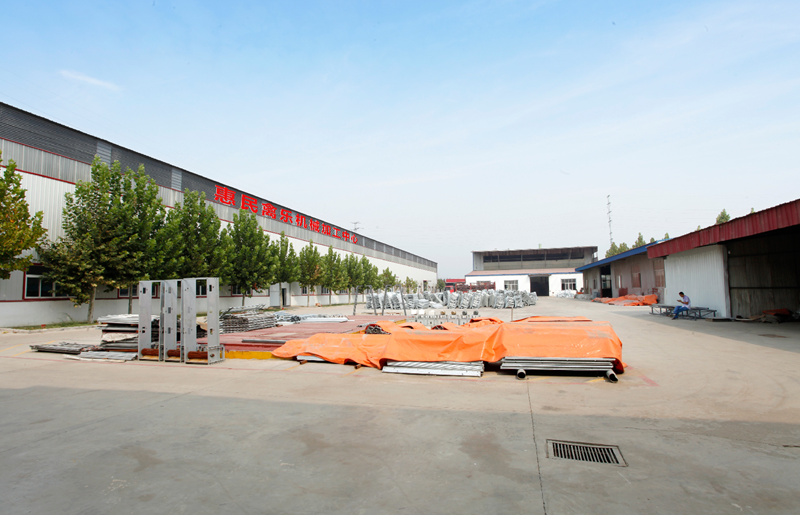
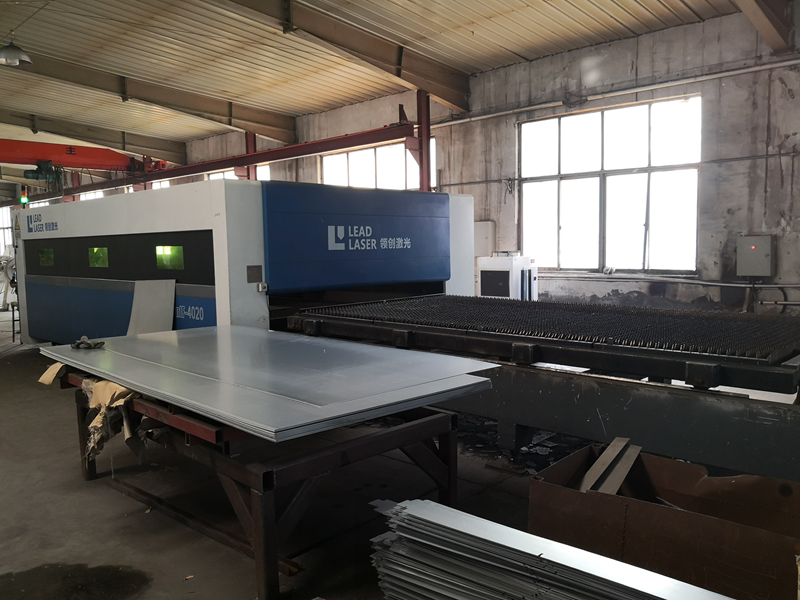
Located in Huimin County, Binzhou City, Shandong Province, China, the company has extensive experience in mechanical processing and manufacturing, as well as livestock machinery production and operation. With fixed assets of RMB 15 million, the company employs 160 people, including 30 R&D staff, and occupies a 40,000-square-meter factory. Equipped with over 110 pieces of advanced precision production equipment, including CNC machining centers and laser cutting machines, the company boasts a production capacity of RMB 50 million.
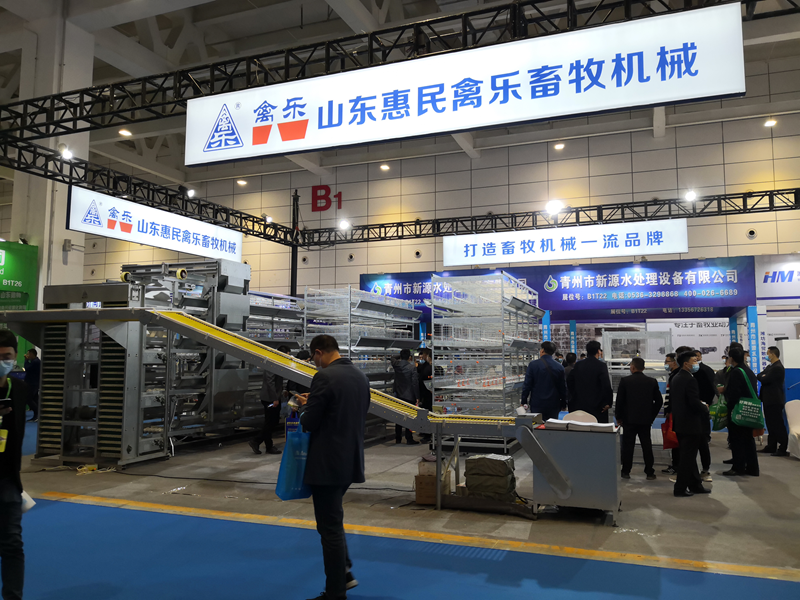
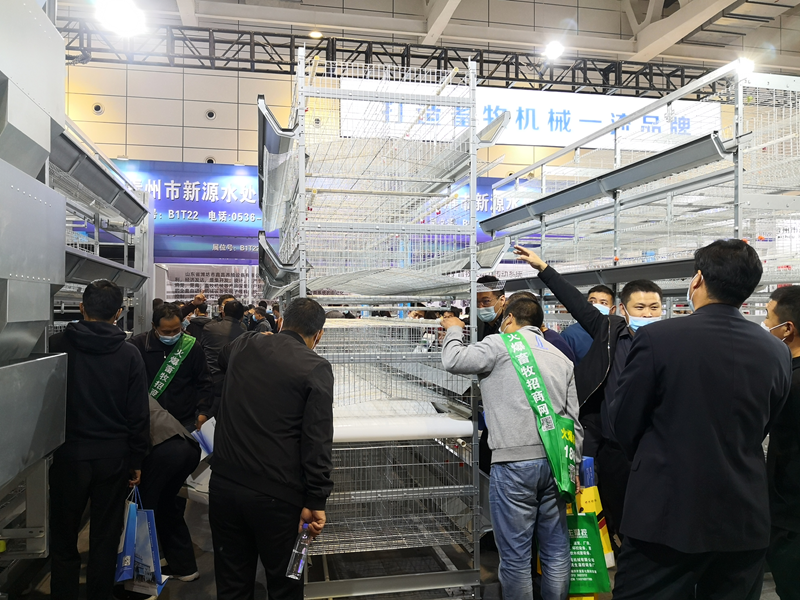
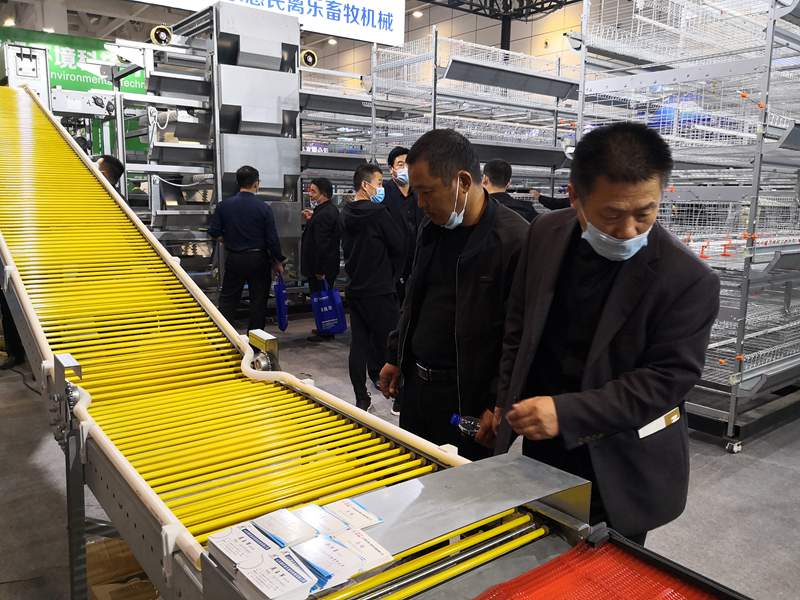
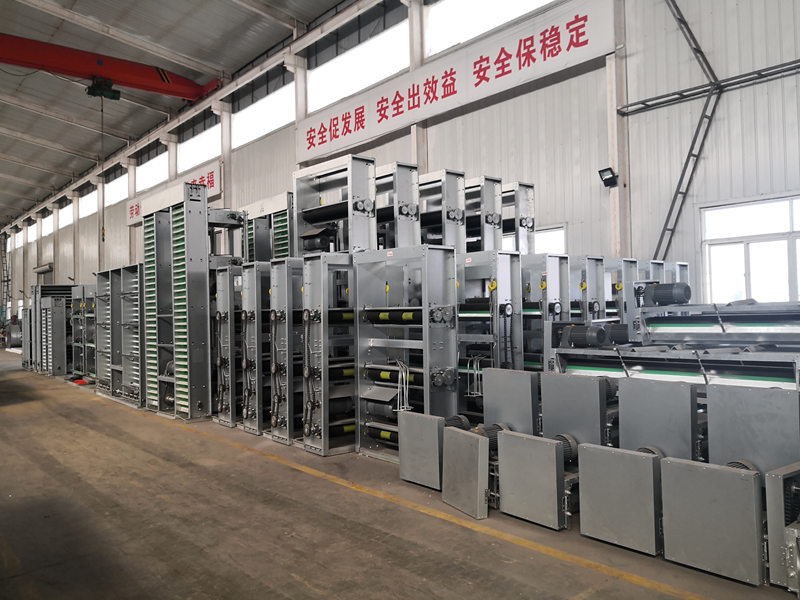
Chicken Farming Equipment Mesh Production Workshop

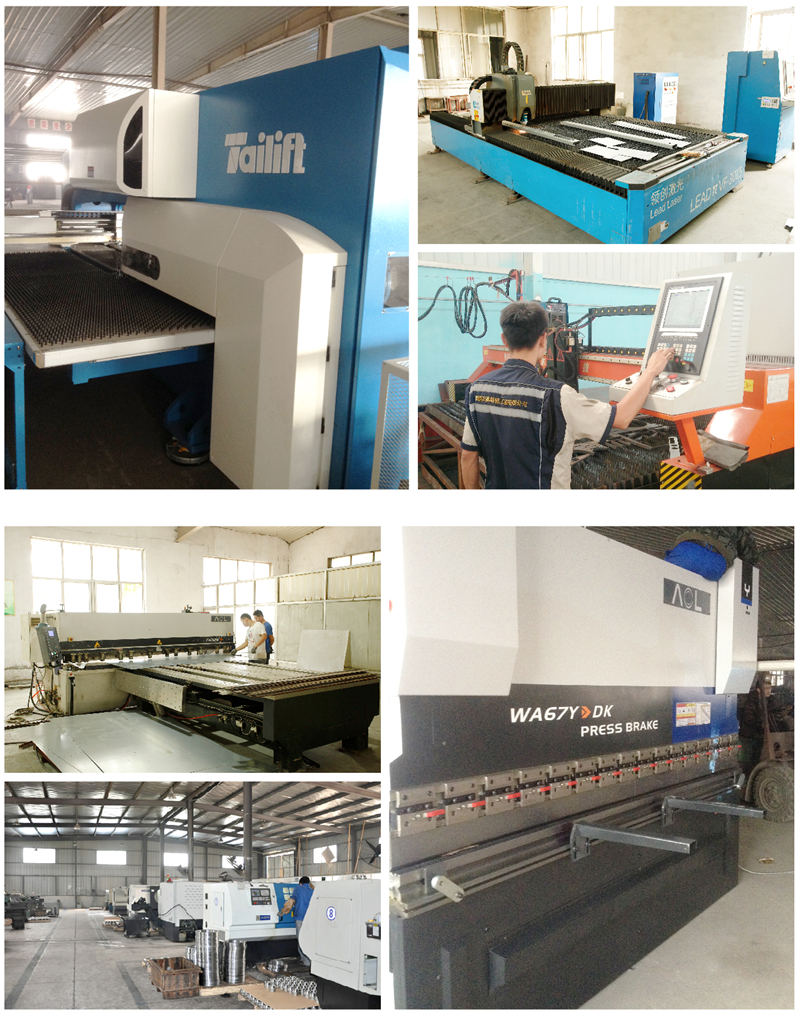
Machining Workshop
Turret-type CNC Punch Press, Laser Cutting and Other Machining Equipment

Fully Automated Roll Forming Production Line

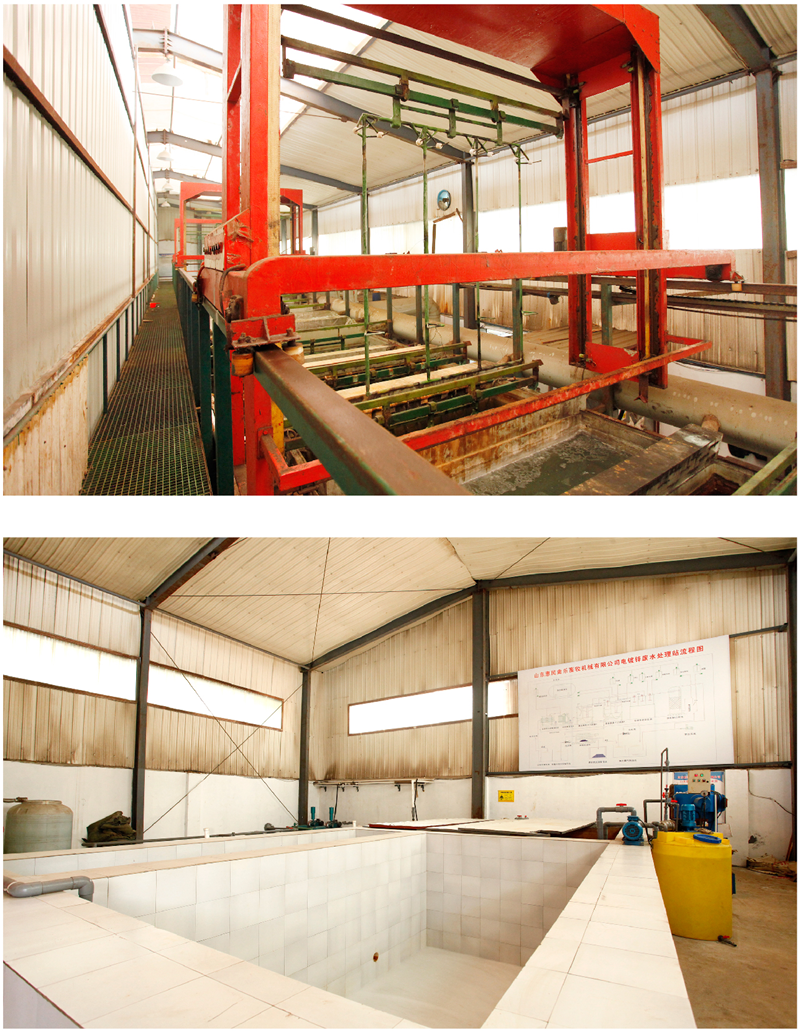
Hot-dip Galvanizing Production Line

Electroplating Production Line
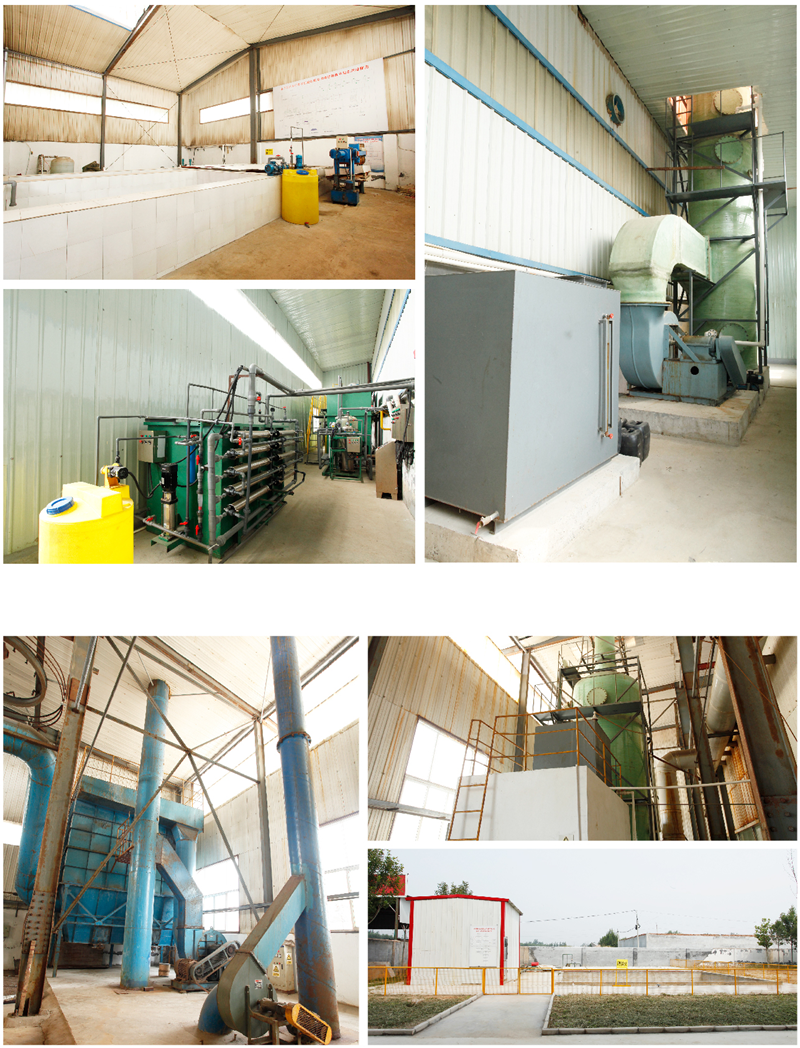
Environmental Protection Equipment
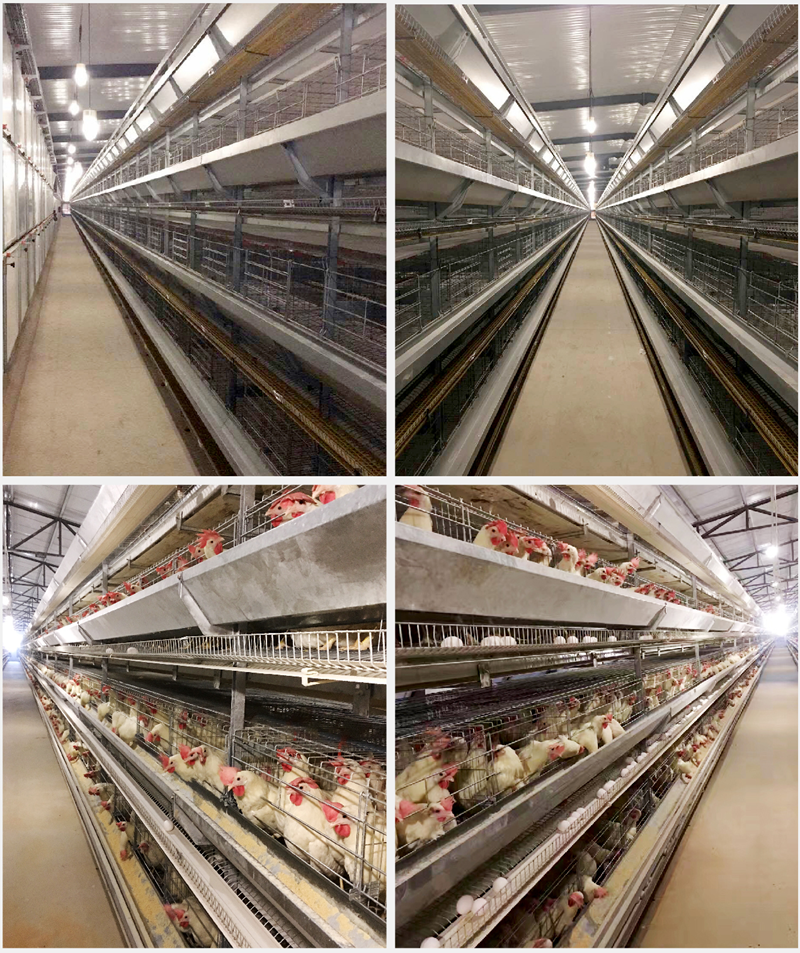
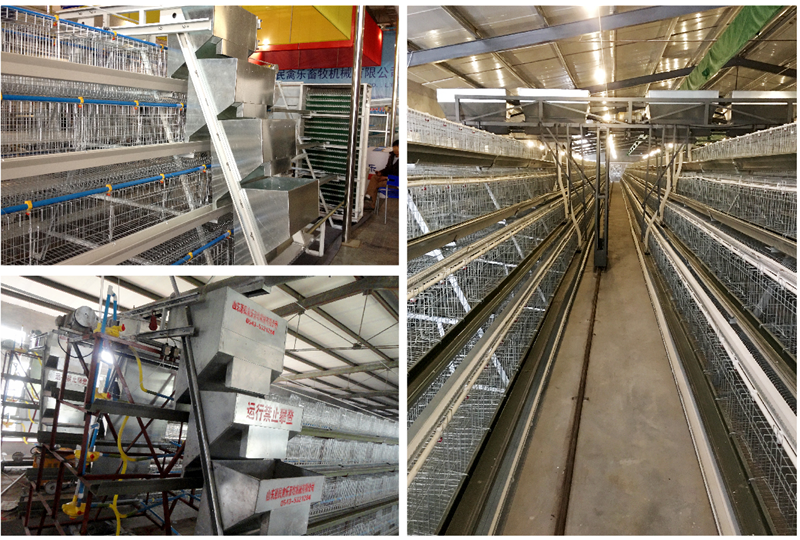
Chicken Farming Equipment Product Series
Egg-laying Hen Farming Equipment
Stacked Brooding Cage Equipment

Stacked Broiler Cage Equipment
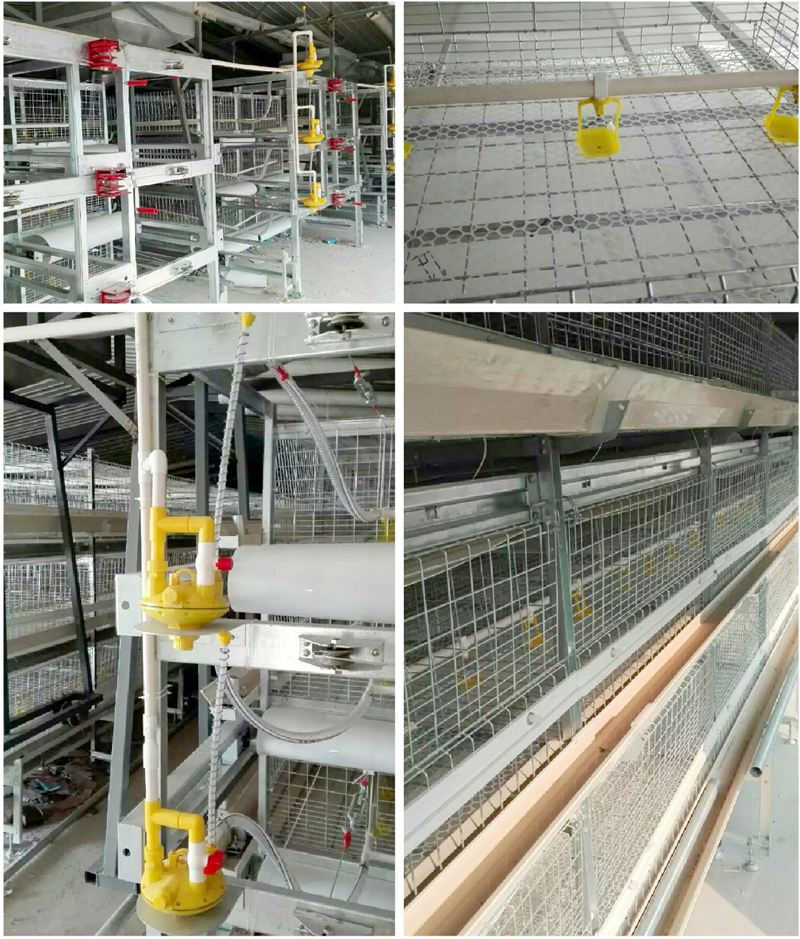
Stepped Layer Hen Cage Rearing Equipment
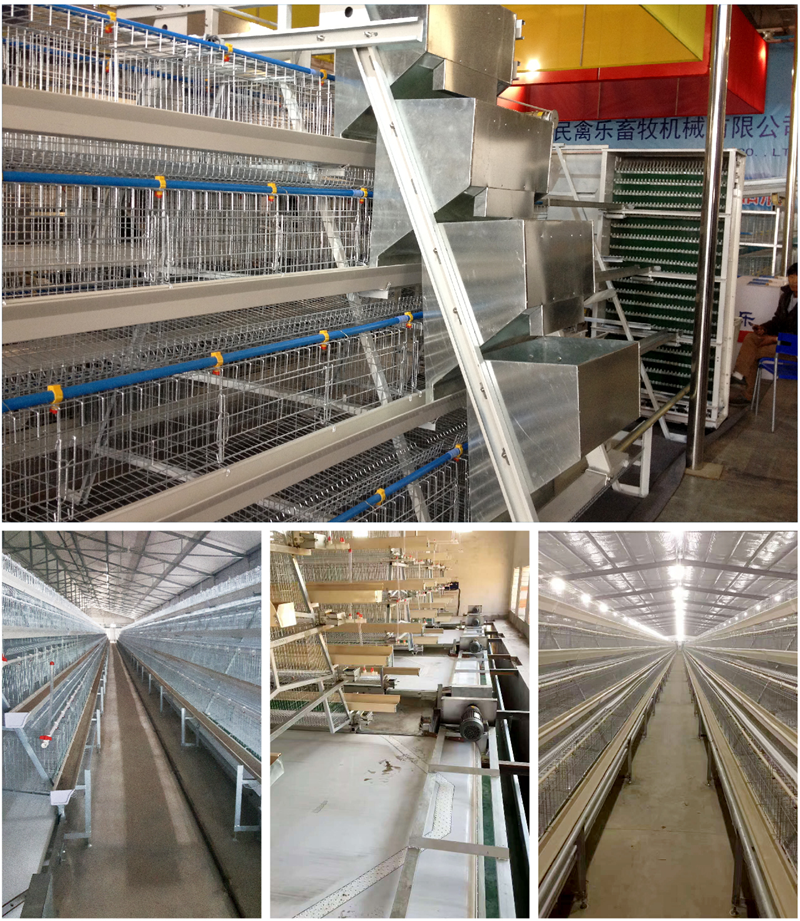
Automatic Egg Collection System
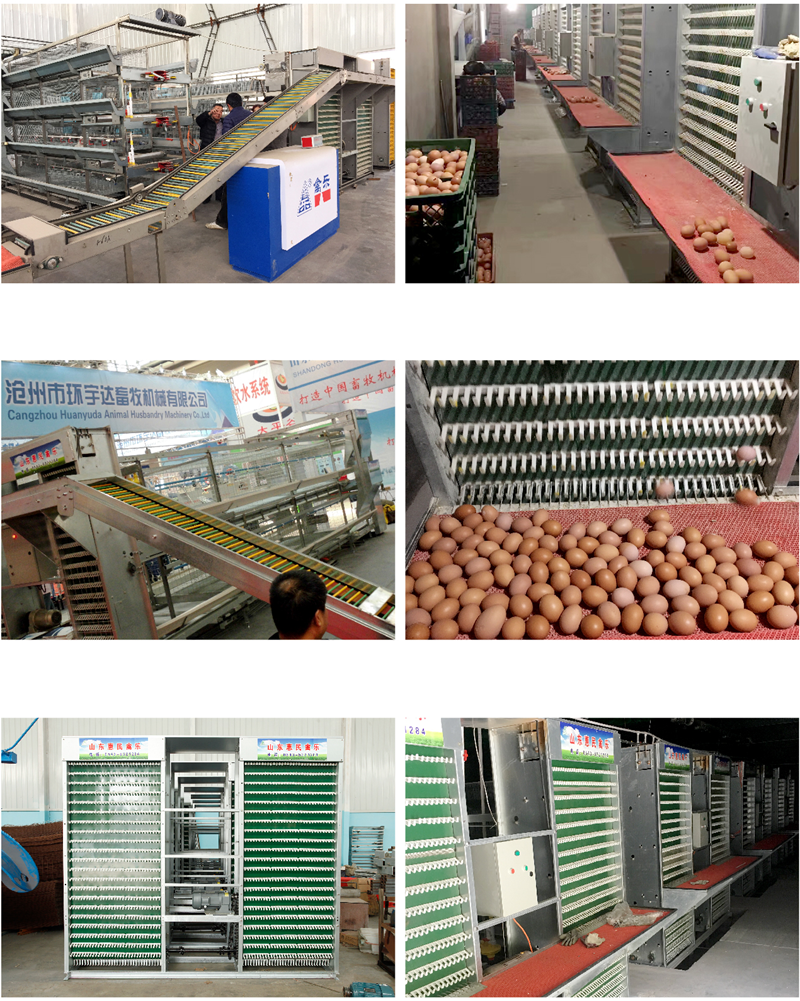
H-type Cage Feeding Machine
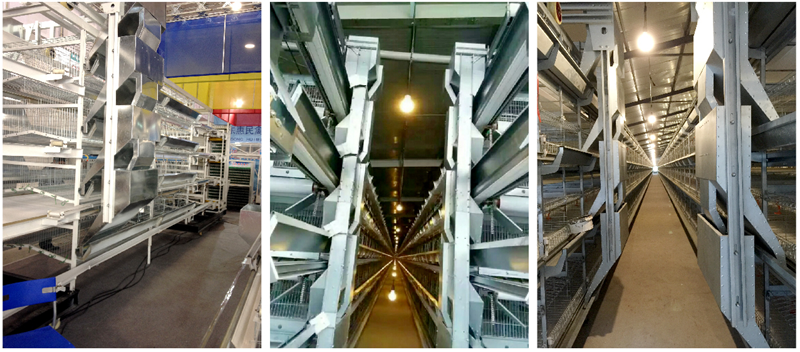
Stepped Cage Straddle Feeder
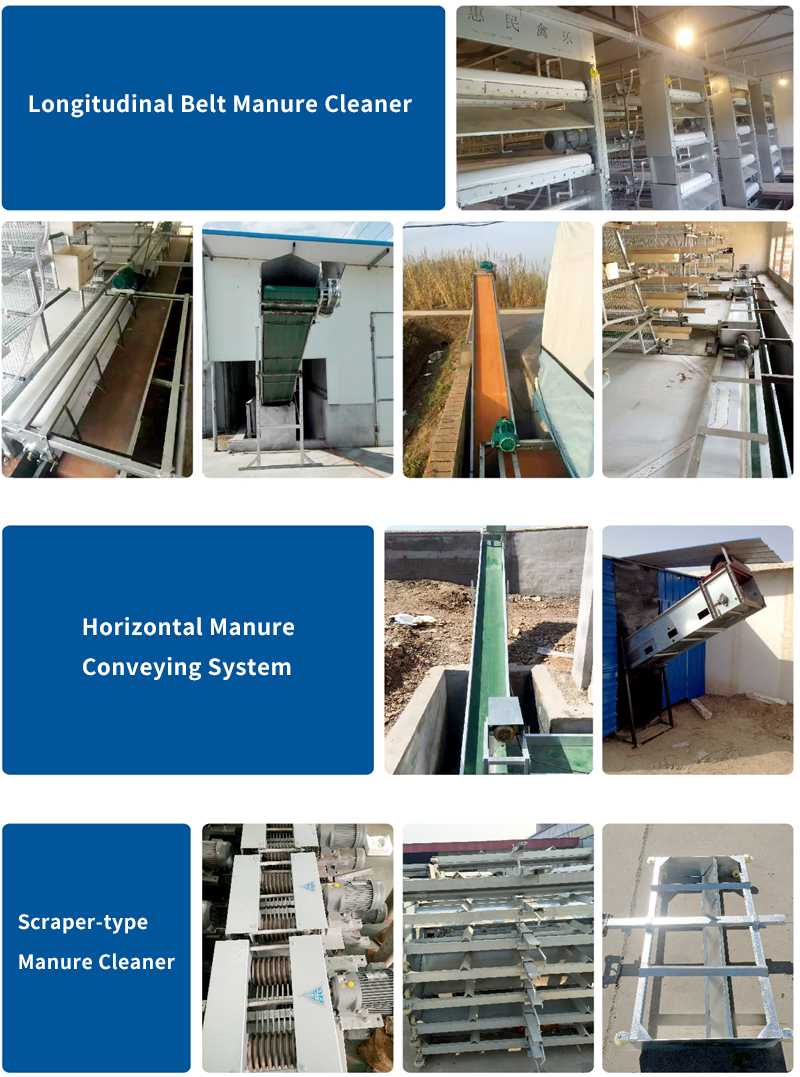
Manure Removal Machine
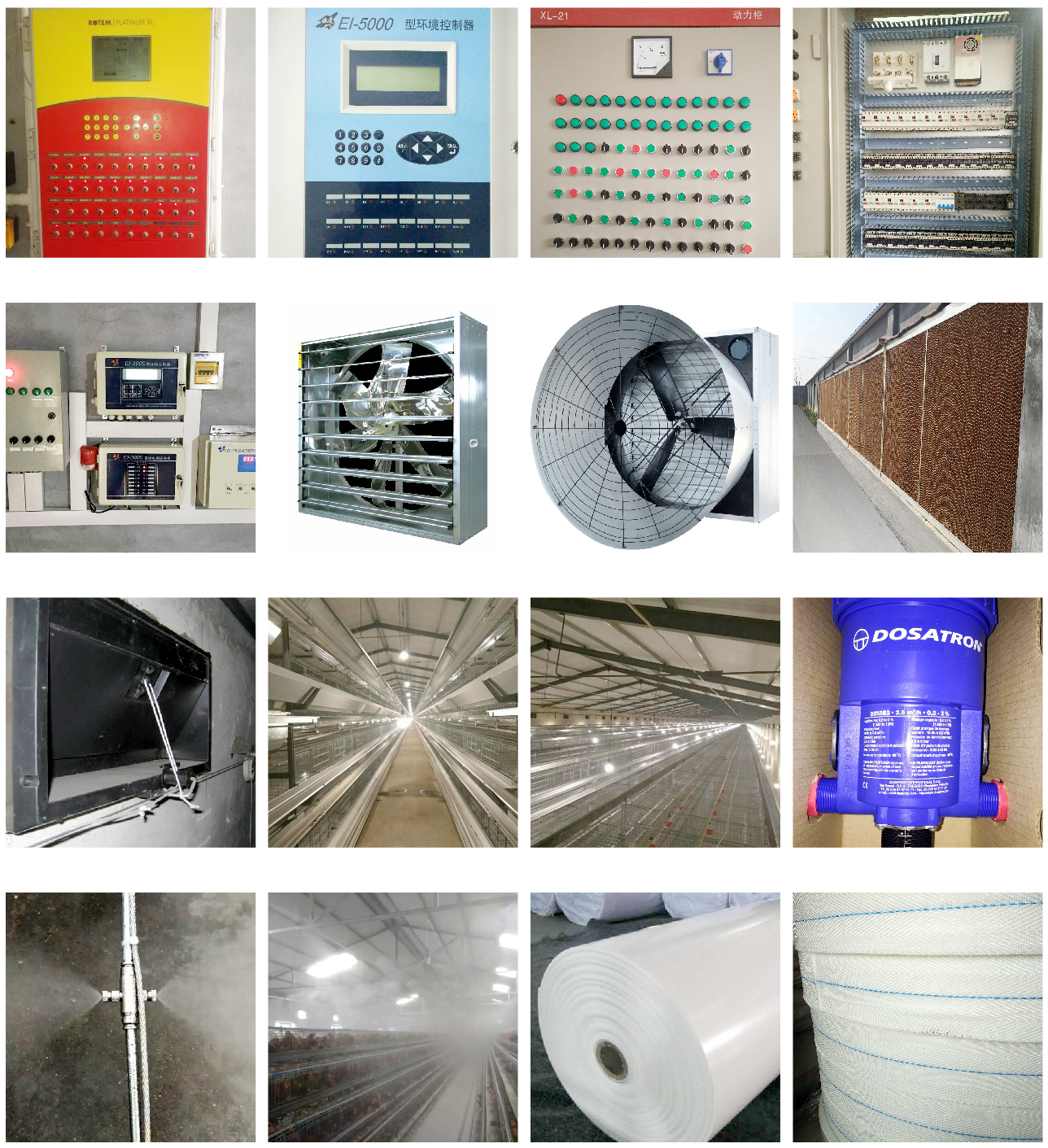
Fans, Heated Curtains, Environmental Control Systems, and Lighting Equipment
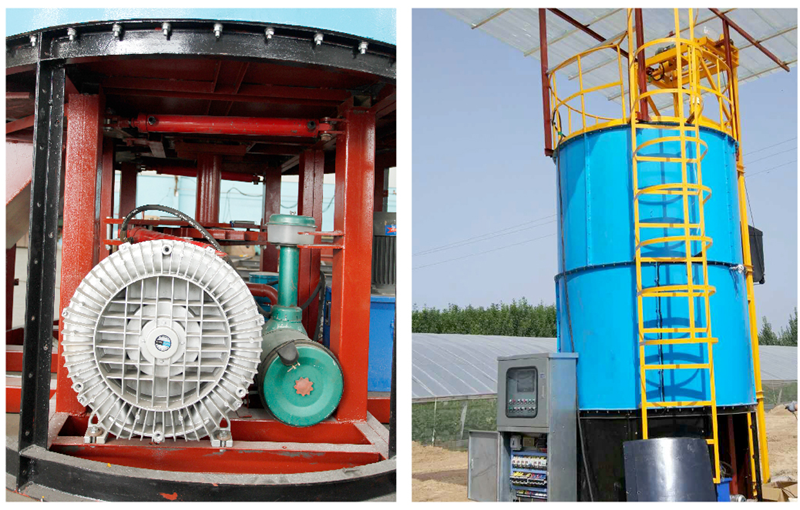
Complete Set of Equipment for Organic Fermentation Treatment of Manure
Бул веб-сайт биздин веб-сайтта эң жакшы тажрыйбаны алуу үчүн кукилерди колдонот.
 English
 Pусский
 Français
 العربية
 Indonesia
 қазақ
қазақ o'zbek
 тоҷикӣ
 Türkmenler
 Catalogue



 Whatsapp
 Телефон