

1. Introduction to Hen Aviary Systems
The Hen Aviary System is an innovative, multi-tiered housing solution specifically designed to enhance the welfare and productivity of laying hens in cage-free environments. Unlike traditional battery cages, hen aviaries offer hens the freedom to move vertically and horizontally, enabling natural behaviors such as perching, nesting, dust bathing, and wing flapping. This system has become a preferred choice globally for poultry producers aiming to meet increasing market demands for cage-free and animal welfare-friendly eggs.
Driven by consumer awareness and regulations restricting conventional cages, hen aviaries provide a humane, sustainable, and productive alternative. They optimize space within poultry houses, increase egg yield, and improve flock health through environmental enrichment. The system is especially suitable for commercial-scale layer farms transitioning toward cage-free egg production.
This guide provides a detailed overview of hen aviaries, including their technical parameters, design features, benefits, application scenarios, operation instructions, maintenance tips, safety considerations, common issues, and FAQs — equipping farmers, integrators, and stakeholders with the knowledge to implement and manage hen aviaries effectively.
2. Technical Parameters of Hen Aviary Systems
While designs vary, most hen aviaries share the following core technical specifications:
2.1 Structural Dimensions
Overall Height: 2.2 to 3.0 meters (depending on number of tiers)
Tier Levels: Typically 2 to 4 tiers
System Width: 1.6 to 2.2 meters
Aisle Width: 1.0 to 1.5 meters for human access and maintenance
Material: Hot-dip galvanized steel with zinc coating (275–450 g/m²) for corrosion resistance
2.2 Bird Capacity and Stocking Density
Stocking Density: 9 to 18 hens per square meter (depending on welfare standards and certification)
Birds per Perch Meter: 2 to 3 hens
Nest Boxes: 1 nest box per 4 to 5 hens
2.3 Feeding System
Feeding Lines: Chain or auger feeders delivering feed automatically
Feed Hopper Capacity: 50 to 90 kg
Feeding Frequency: 4 to 8 times per day
Feed Troughs: Stainless steel or galvanized steel with easy-clean surfaces
2.4 Drinking System
Drinkers: Nipple drinkers with drip cups to reduce spillage
Water Pressure: 0.15 to 0.25 MPa
Bird to Nipple Ratio: 8 to 12 hens per nipple
Water Pipes: High-strength PVC or stainless steel
2.5 Nesting System
Nest Type: Automatic or manual roll-out nests with soft mats for egg protection
Egg Belt Speed: 3 to 12 meters per minute
Egg Collection: Centralized egg conveyor system to reduce manual handling
2.6 Ventilation and Climate Control
Airflow Rate: 1.5 to 3.0 cubic meters per hour per bird
Ventilation: Tunnel or cross ventilation to maintain optimal temperature and air quality
Temperature Range: 18 to 24 °C optimal for laying hens
Humidity Control: 50% to 70% relative humidity preferred
2.7 Lighting System
Light Intensity: 10 to 30 lux at bird level
Photoperiod: 14 to 16 hours per day to stimulate egg production
Light Color Temperature: 2700 to 3500 Kelvin (warm white)
2.8 Automation and Control
Control Systems: PLC or microcontroller-based panels for feed, water, ventilation, and lighting automation
Sensors: Environmental sensors for temperature, humidity, light intensity, and feed levels
Power Supply: Standard 220V or 380V depending on system size
3. Key Features of Hen Aviary Systems
3.1 Multi-Tier Housing Design
Hen aviaries utilize vertical space effectively by stacking multiple tiers equipped with perches, feeders, drinkers, and nests. This design allows a higher stocking density without compromising hen welfare.
3.2 Enhanced Animal Welfare
The aviary provides hens with:
Freedom to move vertically and horizontally
Opportunities for natural behaviors such as perching, wing-flapping, and dust bathing
Access to clean nests for comfortable egg-laying
3.3 Efficient Egg Collection
Eggs laid in nests automatically roll onto egg belts, reducing breakage and contamination. The conveyor system transports eggs to a centralized collection point, minimizing manual labor and egg handling damage.
3.4 Automated Feeding and Drinking
Integrated feed and water lines supply consistent nutrition and hydration. Automated systems reduce labor while maintaining feed hygiene and availability.
3.5 Manure Management
Each tier is equipped with manure belts that regularly remove droppings, helping to maintain cleanliness, reduce ammonia levels, and improve air quality.
3.6 Durable Construction
Made from hot-dip galvanized steel, hen aviaries withstand humid and corrosive environments typical in poultry houses, ensuring longevity and structural integrity.
3.7 Modular and Scalable
Aviary systems can be scaled according to farm size and expanded modularly to accommodate growing flock sizes or phased farm upgrades.
3.8 Smart Farm Compatibility
Modern aviaries integrate with IoT sensors and automation controls, enabling real-time monitoring and precision farming.
4. Advantages of Hen Aviary Systems
4.1 Improved Animal Health and Welfare
By enabling natural behaviors, aviaries reduce stress, aggression, and injurious pecking. This leads to lower mortality and better flock uniformity.
4.2 Increased Egg Production and Quality
Hen comfort and reduced stress improve laying rates. Automated collection reduces egg cracks and contamination.
4.3 Optimized Use of Space
Vertical tiers maximize hen density per house footprint, improving farm productivity without expanding facility size.
4.4 Labor and Cost Efficiency
Automation in feeding, watering, egg collection, and manure removal decreases labor demand and operational costs.
4.5 Environmental Benefits
Regular manure removal and proper ventilation reduce ammonia emissions, improving air quality and compliance with environmental regulations.
4.6 Compliance with Market and Regulatory Trends
Hen aviaries help farms meet cage-free mandates and consumer demands for ethically produced eggs.
5. Application Scenarios for Hen Aviary Systems
5.1 Commercial Cage-Free Layer Farms
Ideal for large-scale producers aiming to transition away from battery cages while maintaining high output.
5.2 Organic and Free-Range Egg Production
Hen aviaries are compatible with organic farming standards, providing enriched environments for hens.
5.3 Small-Scale and Backyard Farms
Compact aviary designs are suitable for smaller farms seeking efficient, humane housing.
5.4 Research and Educational Institutions
Used in animal welfare research and for training future poultry industry professionals.
5.5 Government and Industry Transition Programs
Many countries implement aviaries as a solution to comply with cage-free legislation and animal welfare guidelines.
6. Usage Instructions and Best Practices
6.1 Pre-Installation Preparation
Clean and disinfect the house
Ensure stable power and water supplies
Set ambient temperature between 23°C and 26°C
Pre-fill feeders and check drinker pressure
Install and test ventilation and lighting systems
6.2 Training Pullets to Use the Aviary
Provide ramps and gradual light exposure
Allow pullets to explore tiers before lay age
Use supplemental perches and objects for exploration
6.3 Daily Operation Checks
Monitor feed and water availability
Inspect nest cleanliness and egg belts
Check manure belts for functionality
Remove dead birds promptly
Observe bird behavior and health status
6.4 Lighting Management
Maintain consistent photoperiod (14–16 hours)
Use dimming to mimic dawn and dusk
Avoid sudden light changes to prevent piling and stress
6.5 Egg Collection and Handling
Adjust egg belt speed based on flock size
Regularly inspect egg conveyors for jams or damage
Maintain hygiene in egg collection areas
7. Maintenance Guidelines
7.1 Weekly
Check and tighten bolts and screws
Clean feed troughs and drinker lines
Inspect manure belts and rollers
7.2 Monthly
Lubricate chains and gearboxes
Inspect nest pads and replace if worn
Clean ventilation fans and air inlets
7.3 Annual
Deep clean entire system including water pipes
Replace worn perches and mats
Inspect structural integrity of steel components
8. Safety Guidelines for Hen Aviary Systems
Power off before maintenance
Use appropriate personal protective equipment (PPE)
Avoid sudden loud noises near birds
Keep aisles free of obstructions
Maintain good ventilation to prevent gas buildup
9. Common Problems and Troubleshooting
9.1 High Floor Eggs
Cause: Poor nest access or bird training
Solution: Improve lighting near nests, install ramps, reinforce training
9.2 Pecking and Feather Loss
Cause: Overcrowding or nutritional deficiency
Solution: Reduce stocking density, supplement diet, increase perch space
9.3 Wet Manure and Odor
Cause: Leaking drinkers or poor ventilation
Solution: Repair leaks, improve airflow, conduct health checks
9.4 Egg Breakage
Cause: High conveyor speed or inadequate nests
Solution: Adjust belt speed, increase nest pads, check nest design
10. Frequently Asked Questions (FAQ)
Q1: What is the ideal stocking density for hen aviaries?
Typically 9 to 18 hens per square meter, depending on welfare standards and certification.
Q2: Can hen aviaries be retrofitted into existing poultry houses?
Yes, many farms convert battery cage houses into aviary systems with minor modifications.
Q3: How long does a hen aviary system last?
With regular maintenance, 15 to 25 years is common.
Q4: Are hen aviaries suitable for hot climates?
Yes, with proper ventilation and cooling, they perform well even in tropical regions.
Q5: What automation features are available?
Feeding, watering, lighting, ventilation, egg collection, and manure removal can all be automated.
Q6: How do aviaries improve egg quality?
By providing clean nests and automated egg belts, eggs are less likely to be cracked or soiled.
Conclusion
Hen aviary systems are revolutionizing cage-free egg production by combining welfare, efficiency, and sustainability. Their multi-tiered design maximizes space and supports natural hen behaviors, resulting in improved health and egg output. Automation reduces labor and operating costs while ensuring consistent quality. As global consumer demand shifts toward cage-free eggs, hen aviaries offer a future-proof solution for producers aiming to meet market and regulatory requirements.
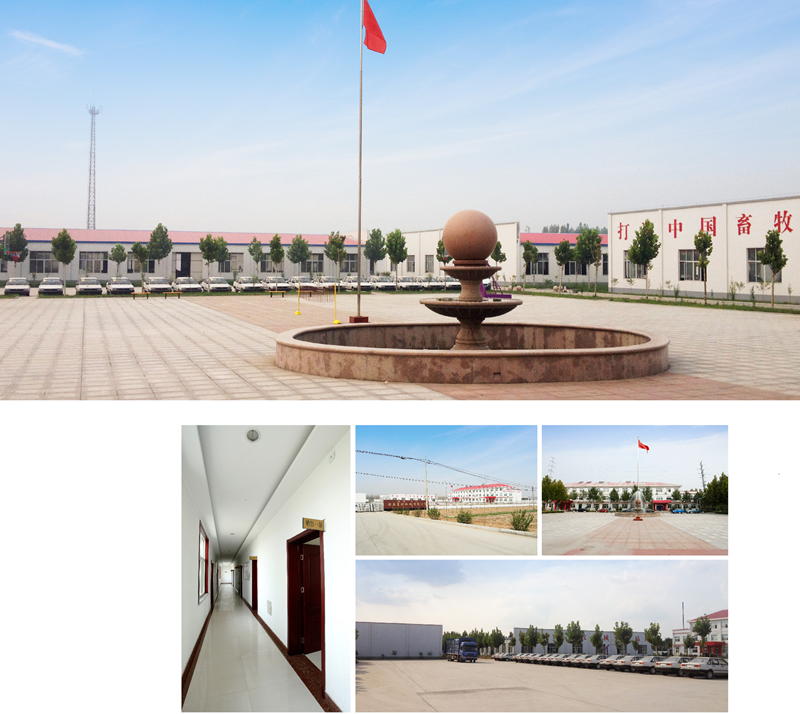
Shandong Huimin Qinle Livestock Machinery Co., Ltd. (formerly Shandong Huimin Qinle Livestock Machinery Factory) is a professional poultry equipment manufacturer with over 20 years of experience. We offer a comprehensive service package, from design (land and chicken coops), production (equipment and prefabricated steel coops), installation, commissioning, customer training, and after-sales service.
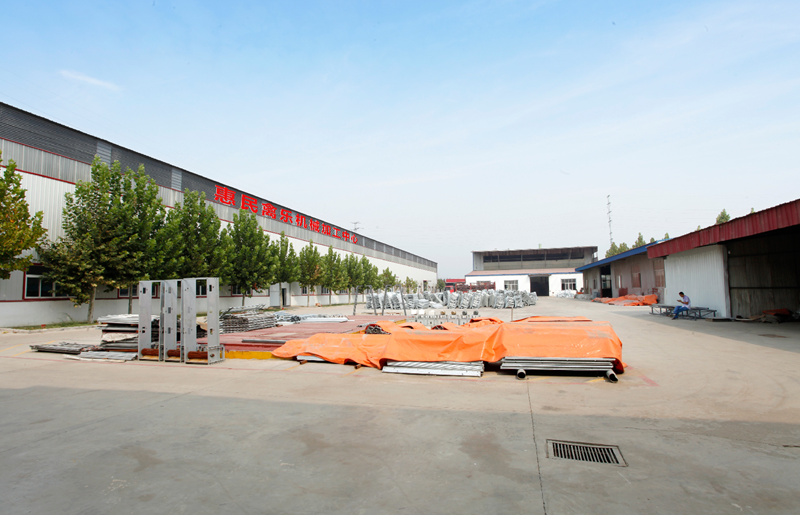
Located in Huimin County, Binzhou City, Shandong Province, China, the company has extensive experience in mechanical processing and manufacturing, as well as livestock machinery production and operation. With fixed assets of RMB 15 million, the company employs 160 people, including 30 R&D staff, and occupies a 40,000-square-meter factory. Equipped with over 110 pieces of advanced precision production equipment, including CNC machining centers and laser cutting machines, the company boasts a production capacity of RMB 50 million.
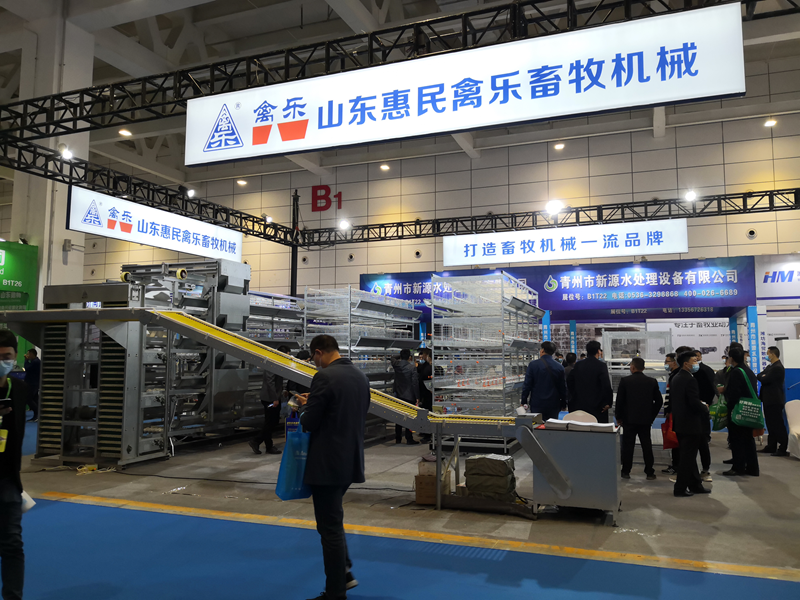
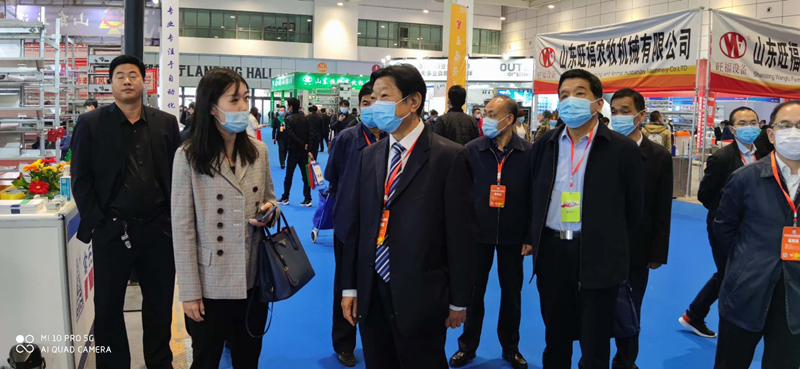
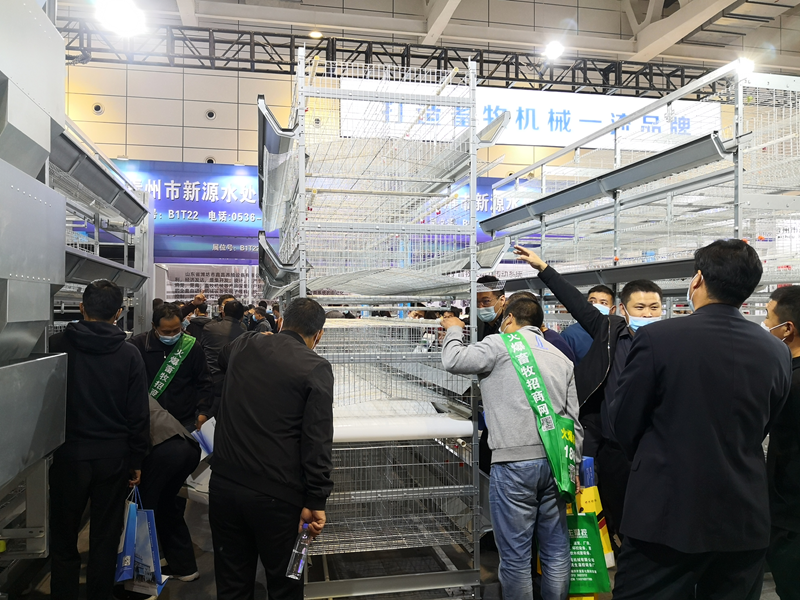
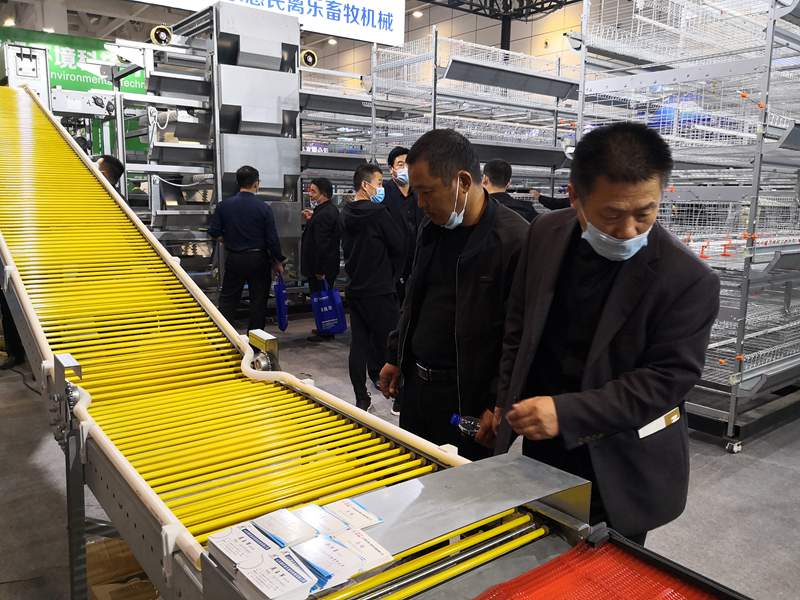
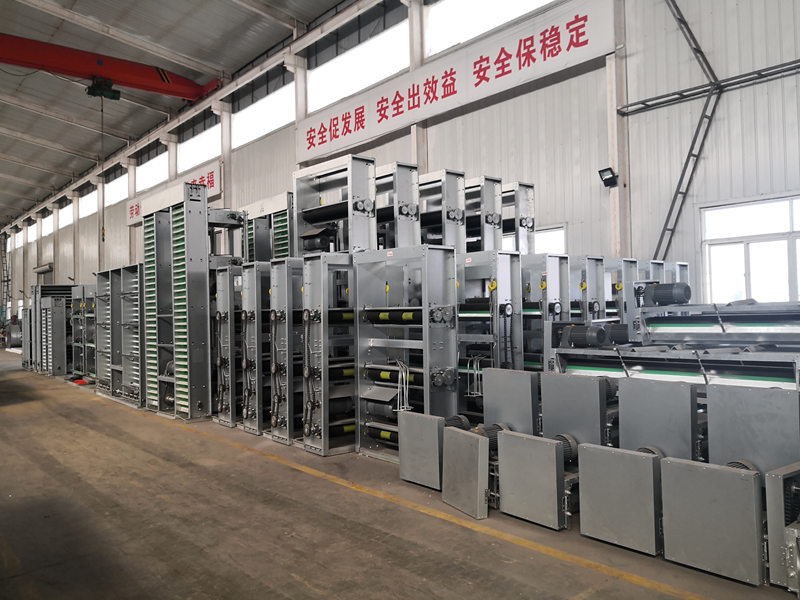
Chicken Farming Equipment Mesh Production Workshop

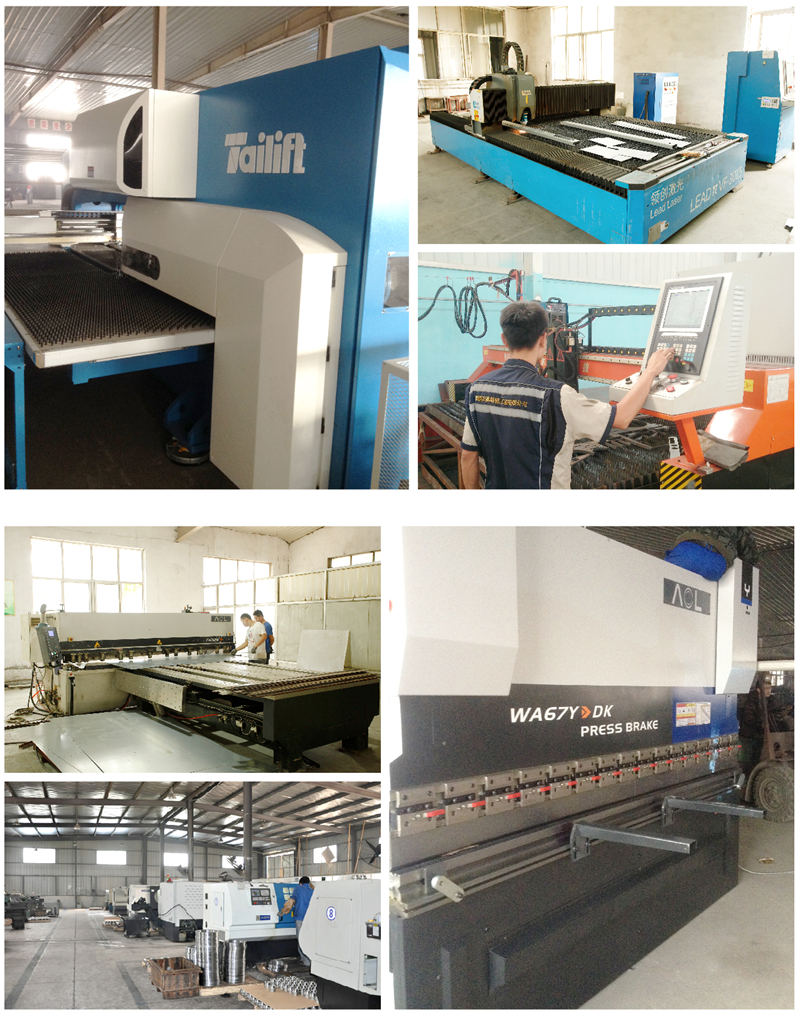
Machining Workshop
Turret-type CNC Punch Press, Laser Cutting and Other Machining Equipment
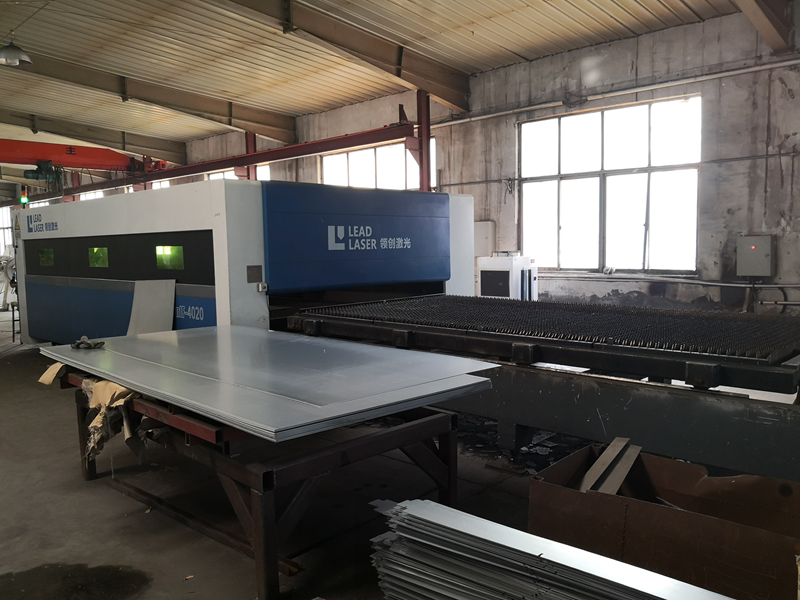

Fully Automated Roll Forming Production Line

Hot-dip Galvanizing Production Line

Electroplating Production Line
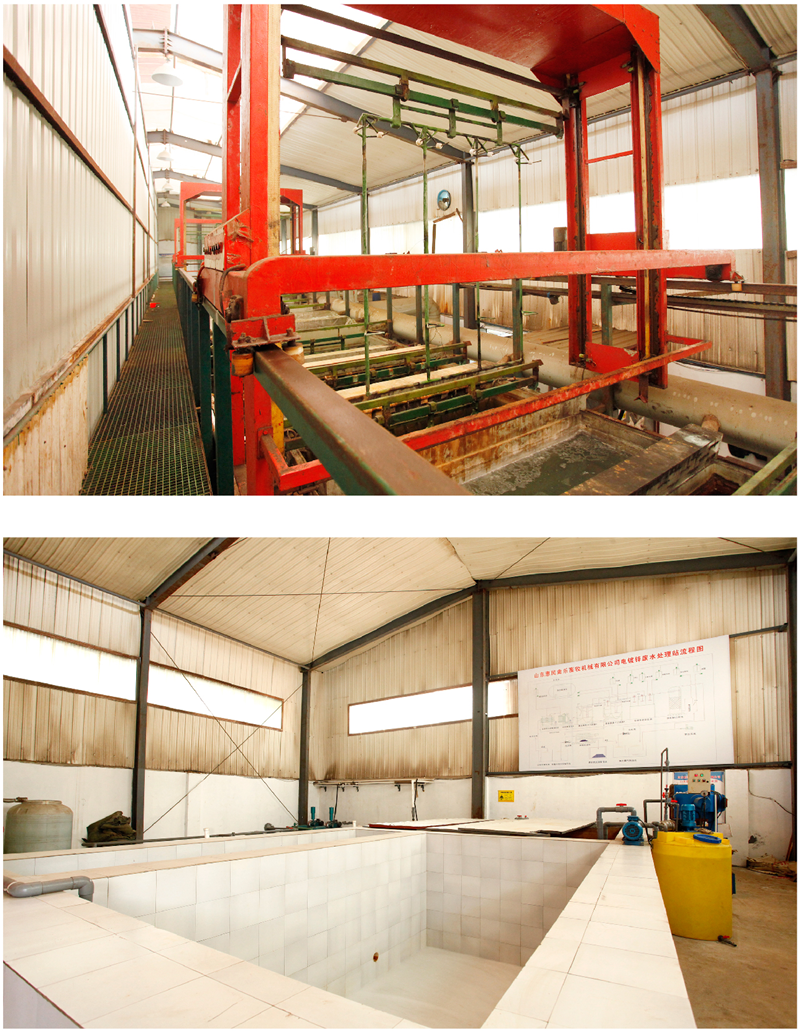
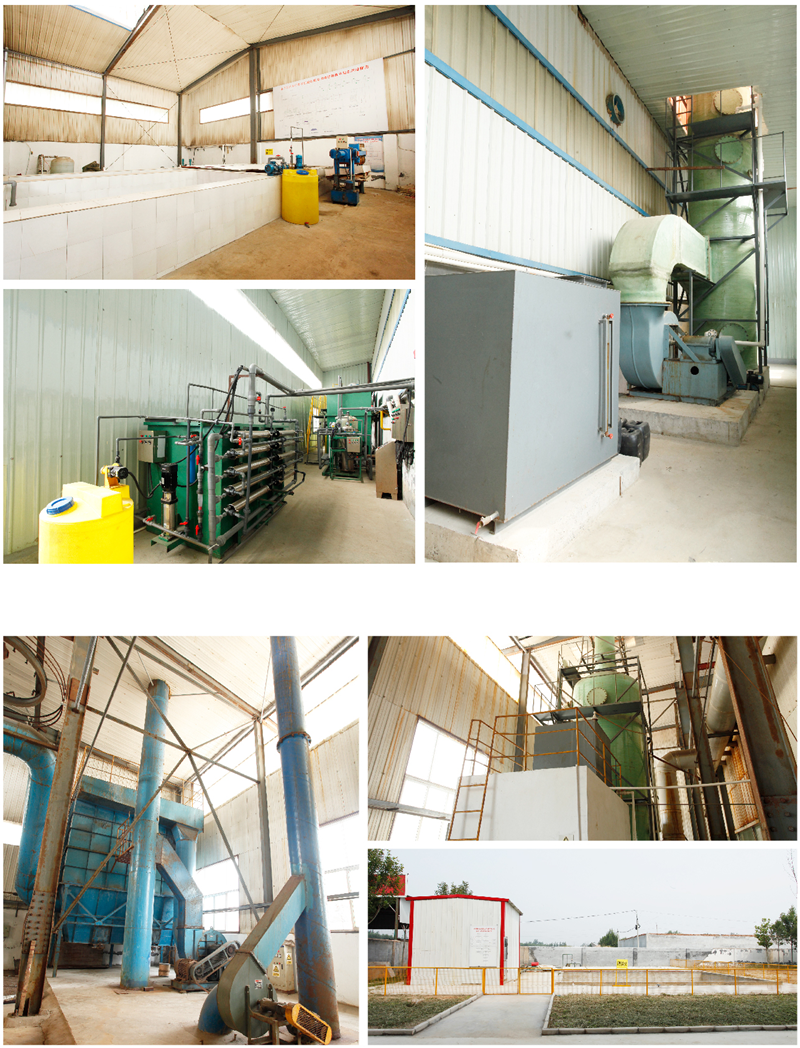
Environmental Protection Equipment
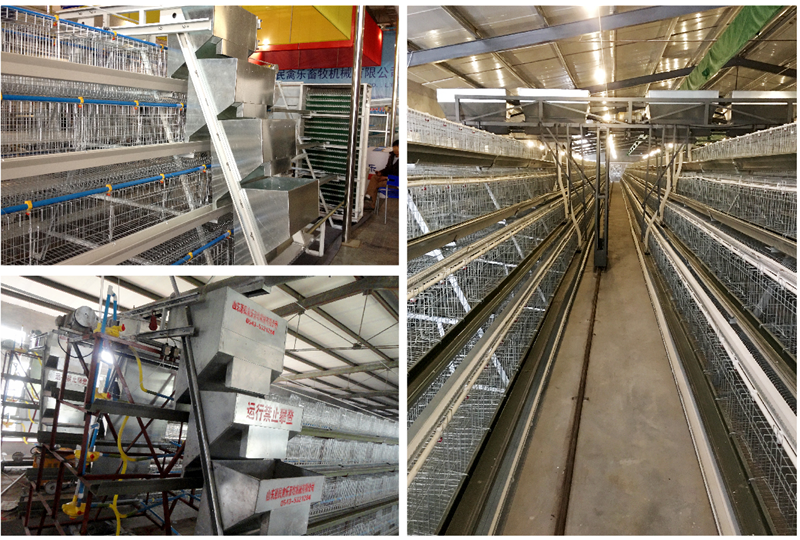
Chicken Farming Equipment Product Series
Egg-laying Hen Farming Equipment
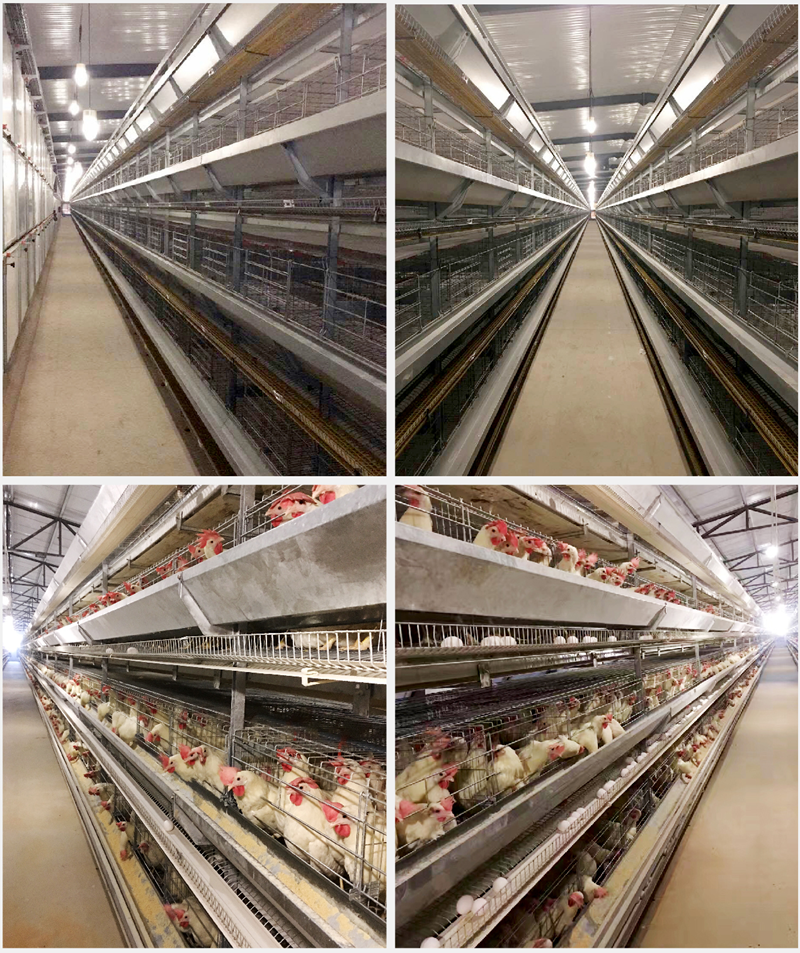
Stacked Brooding Cage Equipment

Stacked Broiler Cage Equipment
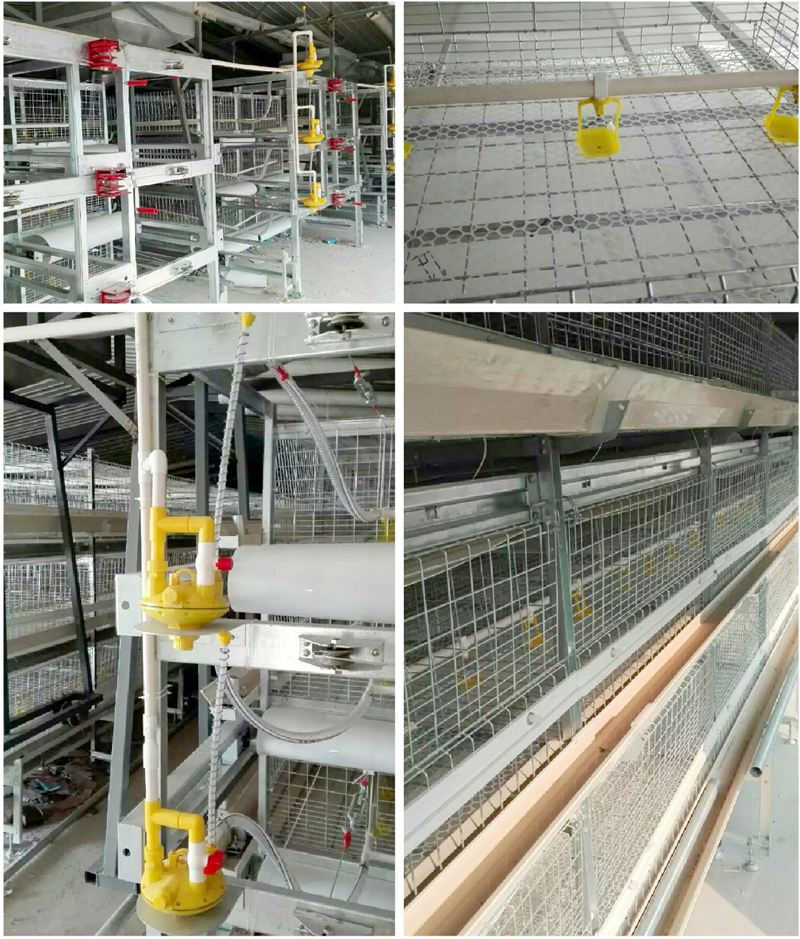
Stepped Layer Hen Cage Rearing Equipment
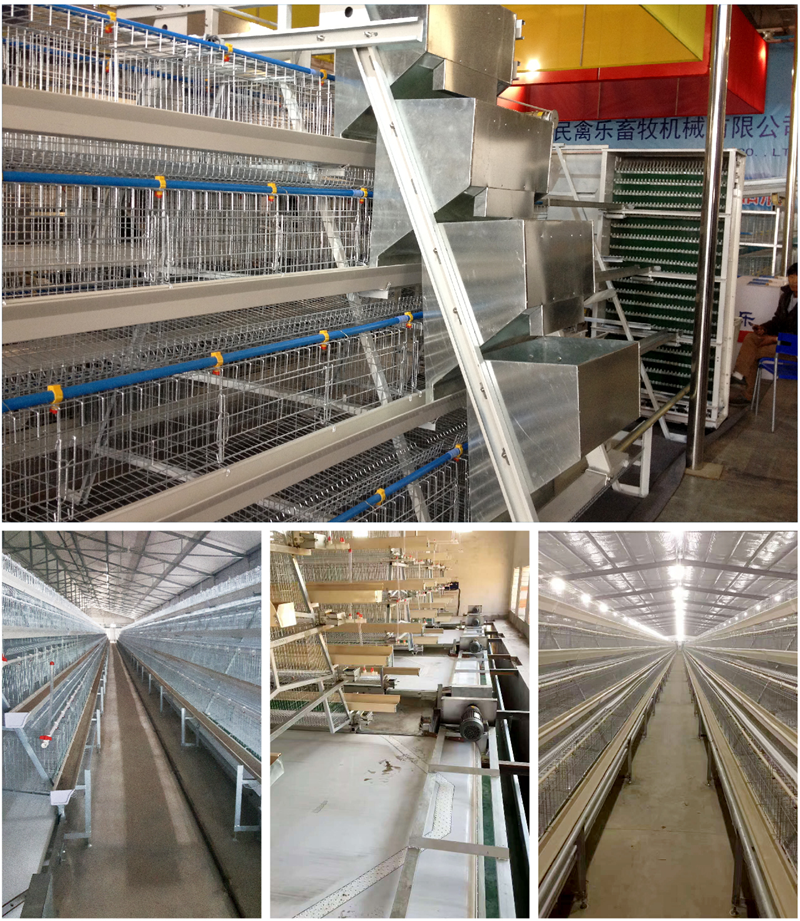
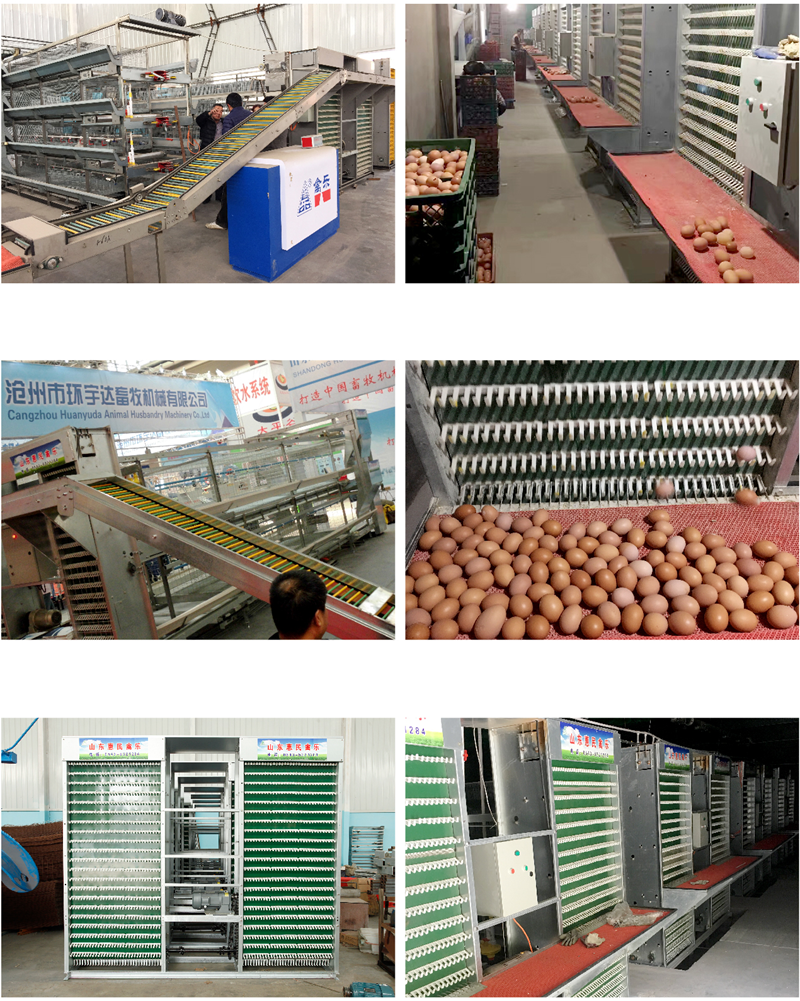
Automatic Egg Collection System
H-type Cage Feeding Machine
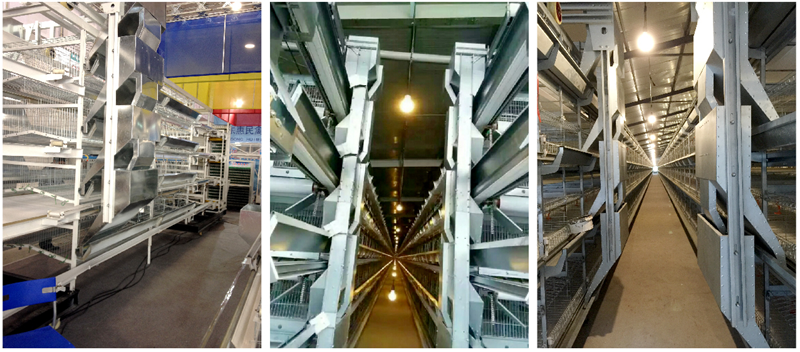
Stepped Cage Straddle Feeder
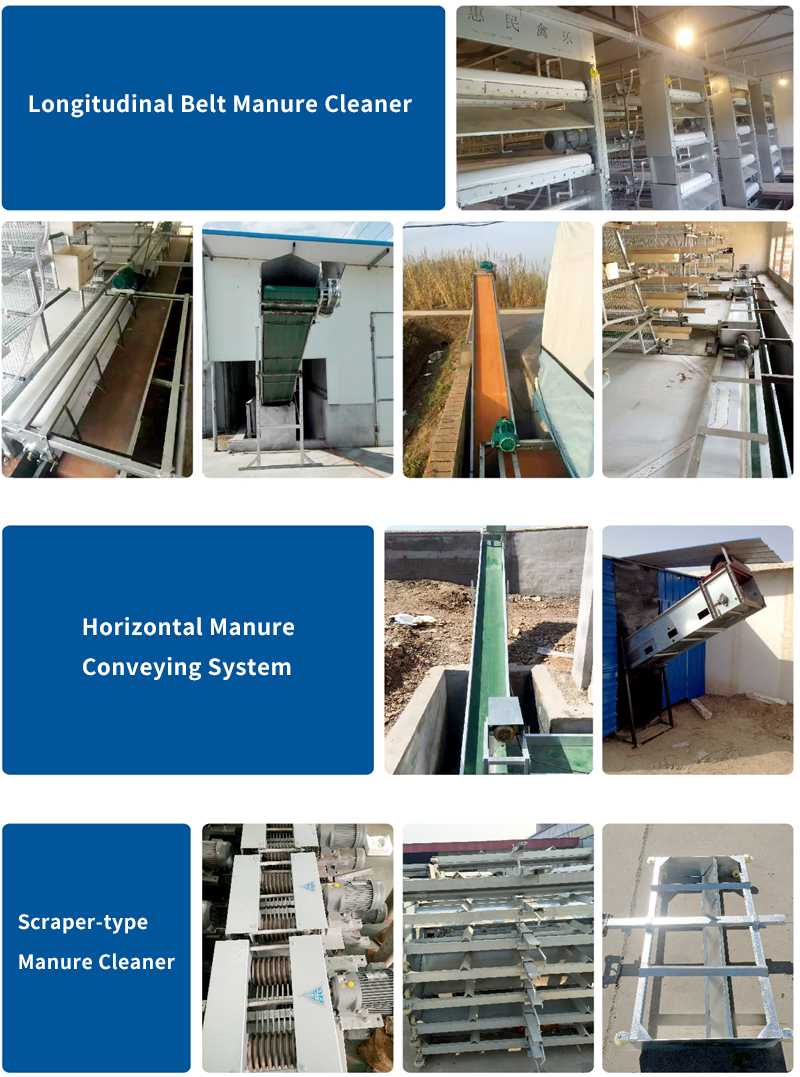
Manure Removal Machine
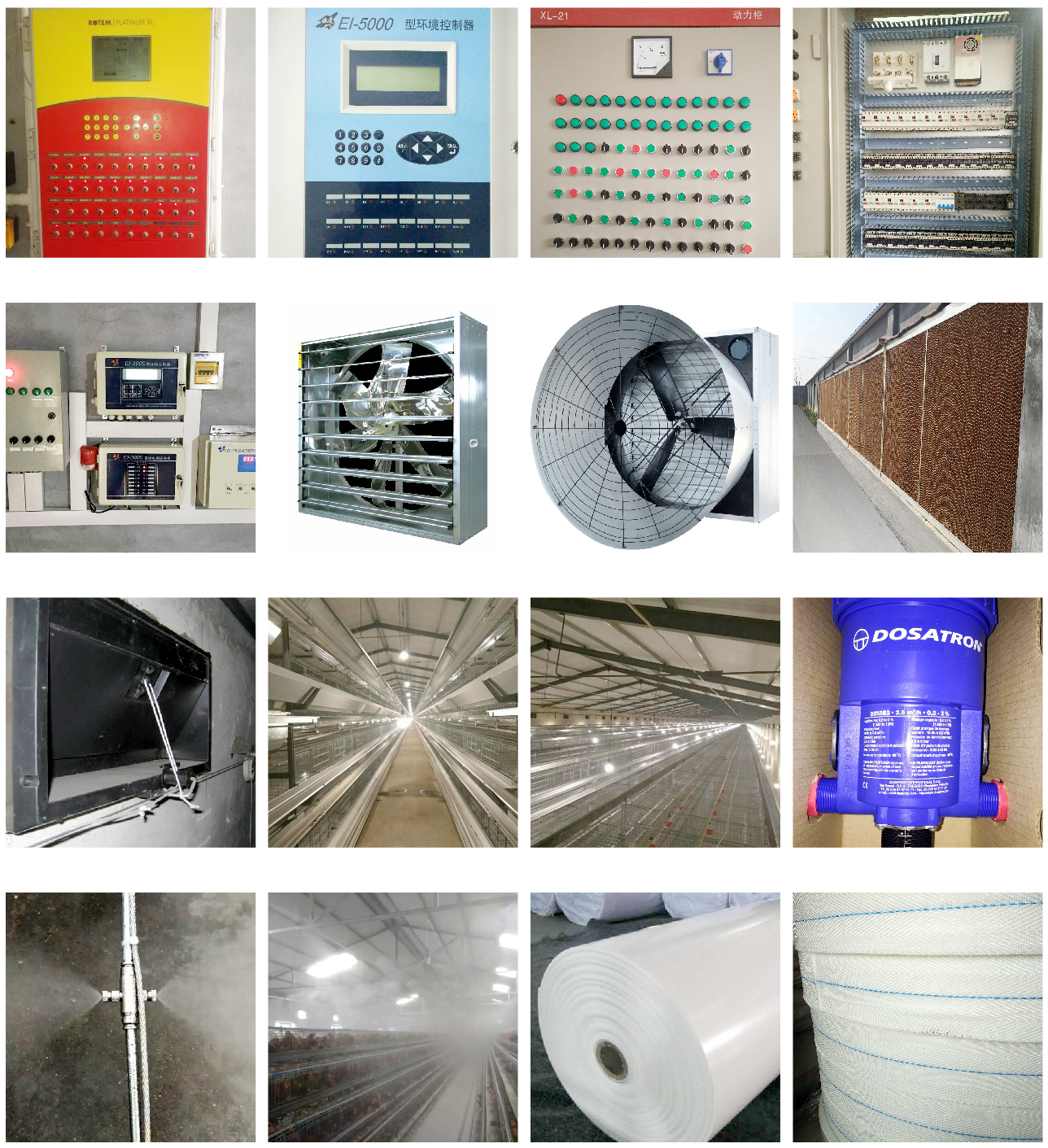
Fans, Heated Curtains, Environmental Control Systems, and Lighting Equipment
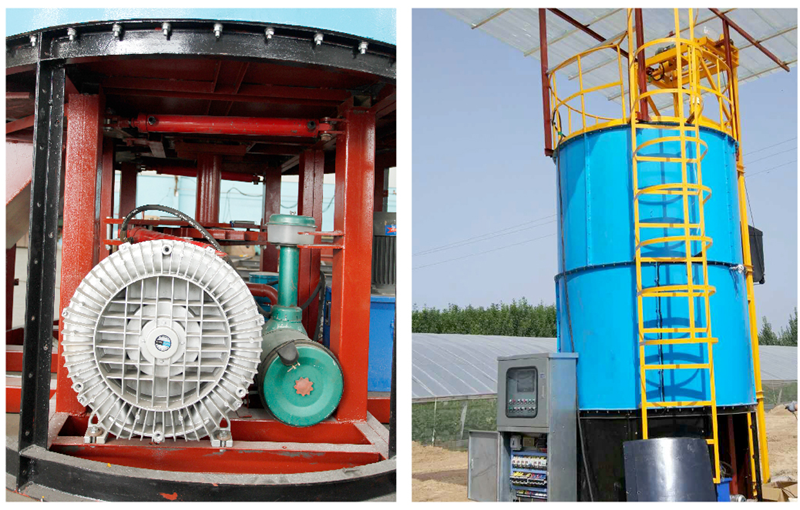
Complete Set of Equipment for Organic Fermentation Treatment of Manure
Бул веб-сайт биздин веб-сайтта эң жакшы тажрыйбаны алуу үчүн кукилерди колдонот.
 English
 Pусский
 Français
 العربية
 Indonesia
 қазақ
қазақ o'zbek
 тоҷикӣ
 Türkmenler
 Catalogue



 Whatsapp
 Телефон