

1. Introduction to Aviary Equipment
In the evolving landscape of poultry farming, aviary equipment plays a pivotal role in enabling efficient, humane, and productive cage-free egg production. Aviary equipment refers to the specialized hardware and systems installed within multi-tier poultry aviaries that provide hens with essential resources such as feeding, drinking, nesting, perching, and manure removal facilities.
As global demand shifts toward animal welfare-friendly and cage-free eggs, aviary systems equipped with advanced machinery have become the standard for commercial poultry producers. Properly designed and installed aviary equipment not only improves hen welfare by promoting natural behaviors but also enhances production efficiency and operational management.
This comprehensive guide details the essential types of aviary equipment, their technical parameters, functional features, advantages, and practical applications. Furthermore, it provides operational guidelines, troubleshooting tips, and answers to frequently asked questions—making it an indispensable resource for poultry farmers, equipment suppliers, and industry professionals.
2. Key Types of Aviary Equipment and Their Parameters
Aviary equipment can be categorized into several major components, each with specific technical characteristics and performance metrics. The following sections describe the core equipment types found in modern poultry aviaries.
2.1 Feeding Systems
Description
Automatic feeding systems in aviaries deliver precise amounts of feed along multiple tiers, ensuring uniform feed availability and minimizing wastage.
Technical Parameters
Type: Chain feeders, auger feeders, or pan feeders
Feed Hopper Capacity: 50 to 100 kg per feeder line
Feed Distribution Speed: 10 to 30 meters per minute
Material: Hot-dip galvanized steel or stainless steel feed troughs
Control: PLC-controlled feed delivery with adjustable schedules
2.2 Drinking Systems
Description
Nipple drinking systems with drip cups provide fresh water to hens while reducing spillage and contamination.
Technical Parameters
Drinker Type: Nipple drinkers with drip cups
Bird-to-Nipple Ratio: 8 to 12 hens per nipple
Water Pressure Range: 0.15 to 0.25 MPa
Pipe Material: PVC or stainless steel piping
Cleaning: Easily detachable for routine sanitation
2.3 Nesting Systems
Description
Nesting equipment includes roll-out nests designed for comfort and efficient egg collection, minimizing egg damage and soiling.
Technical Parameters
Nest Type: Automatic or manual roll-out nests
Egg Belt Speed: 3 to 12 meters per minute
Nest Pad Material: Polyethylene (PE) or rubber mats
Nest Dimensions: 40 cm width × 50 cm length × 30 cm height (typical)
Capacity: One nest per 4–5 hens
2.4 Perches and Platforms
Description
Perches and tiered platforms encourage natural roosting behaviors and vertical movement.
Technical Parameters
Material: Galvanized steel tubes or wooden perches coated with non-toxic paint
Diameter: 25 to 35 mm for perches
Spacing: 25 to 30 cm between perches
Platform Dimensions: Variable, usually 60–90 cm width
2.5 Manure Removal Systems
Description
Automated manure belts installed beneath tiers continuously remove droppings to maintain hygiene and reduce ammonia levels.
Technical Parameters
Belt Width: 60 to 90 cm
Material: PVC or rubber-coated belts
Speed: Adjustable, typically 0.3 to 1.0 m/min
Drive: Electric motor with gearbox
Cleaning Frequency: Multiple times per day or as per house conditions
2.6 Environmental Control Equipment
Description
Includes ventilation fans, heating systems, cooling pads, and lighting equipment integrated for optimal microclimate control.
Technical Parameters
Ventilation Fans: Axial or centrifugal, airflow rates 20,000 to 50,000 m³/h
Cooling Pads: Evaporative pads with water flow rate 2–5 liters/min
Heating Units: Gas or electric heaters, capacity 20,000 to 100,000 BTU/hr
Lighting: LED or fluorescent with adjustable intensity and photoperiod
3. Features of Modern Aviary Equipment
3.1 Automation and Precision Control
Modern aviary equipment integrates programmable logic controllers (PLC) and sensors to automate feeding, watering, egg collection, manure removal, and environmental control. This reduces manual labor and enhances consistency.
3.2 Durability and Corrosion Resistance
Aviary equipment is commonly constructed from hot-dip galvanized steel or stainless steel to withstand the humid, corrosive environment inside poultry houses, ensuring longevity.
3.3 Modular and Scalable Design
Equipment modules can be easily added or removed to match flock size, making aviaries adaptable to changing production demands.
3.4 Animal Welfare Compliance
Designed to promote natural behaviors—such as perching, nesting, and free movement—aviary equipment complies with international welfare standards.
3.5 Ease of Maintenance and Cleaning
Removable parts, smooth surfaces, and accessible designs allow for thorough cleaning, reducing disease risk.
3.6 Energy Efficiency
Advanced motors, LED lighting, and optimized ventilation systems minimize energy consumption without compromising performance.
4. Advantages of Using Aviary Equipment
4.1 Enhanced Production Efficiency
Automated feed and water delivery optimize resource utilization, resulting in improved feed conversion ratios and egg production.
4.2 Improved Hen Welfare
Equipped with comfortable nests, adequate perching, and environmental controls, aviary equipment reduces stress and promotes health.
4.3 Labor Savings
Automation significantly reduces the time and effort required for feeding, watering, egg collection, and cleaning.
4.4 Reduced Environmental Impact
Manure belts and ventilation equipment reduce ammonia emissions and maintain air quality, contributing to sustainable farming.
4.5 Flexibility and Customization
Equipment can be customized to suit different poultry house layouts, flock sizes, and management preferences.
4.6 Increased Egg Quality
Efficient nests and egg handling systems minimize egg breakage and contamination, increasing marketable egg yield.
5. Application Scenarios for Aviary Equipment
5.1 Large-Scale Commercial Poultry Farms
Automated aviary equipment is ideal for high-volume cage-free egg producers seeking efficiency and welfare compliance.
5.2 Cage-Free Transition Projects
Farms transitioning from battery cages to cage-free systems rely on aviary equipment to meet welfare standards.
5.3 Organic and Free-Range Farms
Aviary equipment supports organic certifications by providing enriched environments.
5.4 Research and Training Facilities
Universities and research centers use aviary equipment for behavioral studies and poultry science education.
5.5 Contract and Integrated Farming
Aviary systems are increasingly used in contract farming models to ensure uniform standards across multiple locations.
6. Usage Instructions and Best Practices
6.1 Installation Guidelines
Follow manufacturer specifications strictly.
Ensure proper alignment and leveling of feeding lines and manure belts.
Verify electrical connections and safety measures.
Test all equipment functions prior to flock introduction.
6.2 Daily Operational Practices
Monitor feed and water supply levels.
Inspect nest boxes and egg belts for jams or damage.
Check manure belt operation and clean as necessary.
Maintain optimal temperature, humidity, and ventilation.
6.3 Maintenance Schedule
Daily: Clean feed troughs and water lines; remove debris.
Weekly: Lubricate motors and gearboxes; check belt tensions.
Monthly: Inspect structural components for wear and corrosion; clean ventilation fans.
Annually: Deep clean all equipment; replace worn parts; perform electrical safety checks.
7. Common Problems and Troubleshooting
7.1 Feed Line Blockages or Jams
Cause: Moisture in feed, improper feed particle size, or mechanical failure.
Solution: Use dry, properly sized feed; inspect and clean lines regularly; replace worn chains.
7.2 Water Leakage or Low Pressure
Cause: Broken nipples, pipe damage, or pressure imbalance.
Solution: Replace damaged nipples; check and repair pipes; adjust water pressure.
7.3 Egg Belt Jams
Cause: Debris or excessive egg accumulation.
Solution: Regular cleaning; adjust belt speed; ensure adequate nest box availability.
7.4 Manure Belt Failures
Cause: Motor or belt wear; misalignment.
Solution: Lubricate regularly; inspect and replace belts; realign rollers.
7.5 Environmental Control Malfunctions
Cause: Sensor failure or electrical faults.
Solution: Test and replace sensors; inspect wiring; maintain backup systems.
8. Frequently Asked Questions (FAQ)
Q1: What materials are aviary equipment typically made from?
Primarily hot-dip galvanized steel and stainless steel for durability and corrosion resistance.
Q2: How often should manure belts be operated?
Ideally, manure belts should run 2–3 times daily depending on flock size and house conditions.
Q3: Can aviary equipment be customized?
Yes, modular designs allow customization for different house sizes and flock requirements.
Q4: How do I prevent feed wastage?
Regular calibration of feeders and proper feed particle size help reduce wastage.
Q5: What power supply is required?
Most equipment runs on standard 220V or 380V power, but specifications vary by manufacturer.
Q6: Is training required for farm staff?
Yes, staff should be trained in operation, maintenance, and troubleshooting for optimal performance.
Q7: How long does aviary equipment typically last?
With proper maintenance, equipment can last 15–25 years.
9. Conclusion
Aviary equipment is the backbone of modern cage-free poultry farming, enabling high welfare standards and operational efficiency. Through automation, durable construction, and modular design, aviary equipment supports sustainable egg production aligned with evolving market and regulatory demands. Proper selection, installation, operation, and maintenance of aviary equipment ensure productive flocks, high egg quality, and cost-effective farming operations.
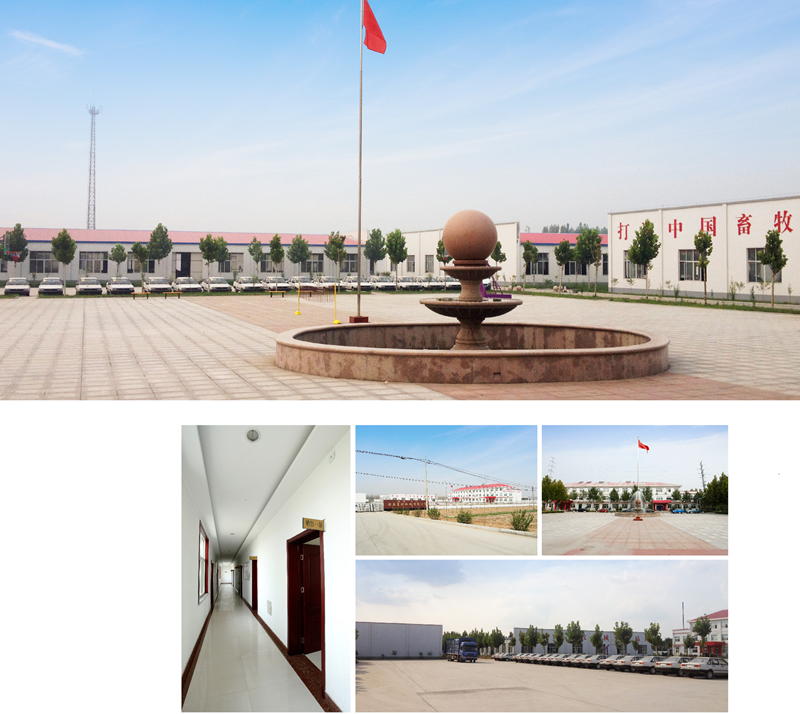
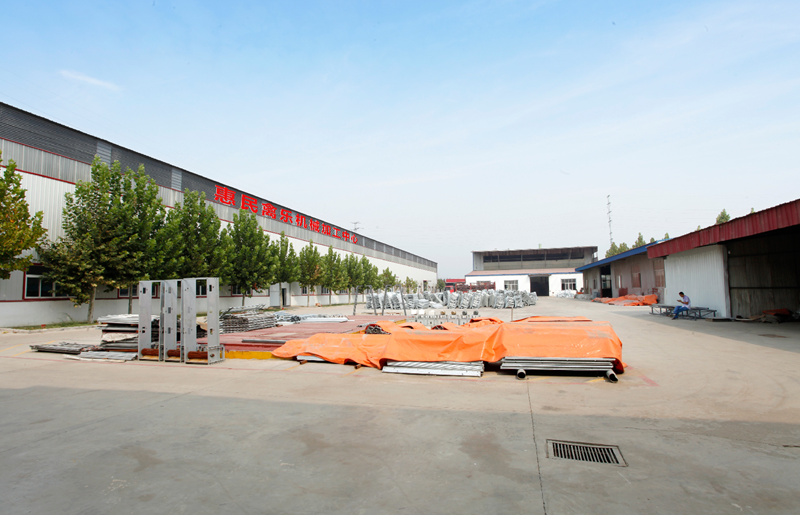
Shandong Huimin Qinle Livestock Machinery Co., Ltd. (formerly Shandong Huimin Qinle Livestock Machinery Factory) is a professional poultry equipment manufacturer with over 20 years of experience. We offer a comprehensive service package, from design (land and chicken coops), production (equipment and prefabricated steel coops), installation, commissioning, customer training, and after-sales service.
Located in Huimin County, Binzhou City, Shandong Province, China, the company has extensive experience in mechanical processing and manufacturing, as well as livestock machinery production and operation. With fixed assets of RMB 15 million, the company employs 160 people, including 30 R&D staff, and occupies a 40,000-square-meter factory. Equipped with over 110 pieces of advanced precision production equipment, including CNC machining centers and laser cutting machines, the company boasts a production capacity of RMB 50 million.
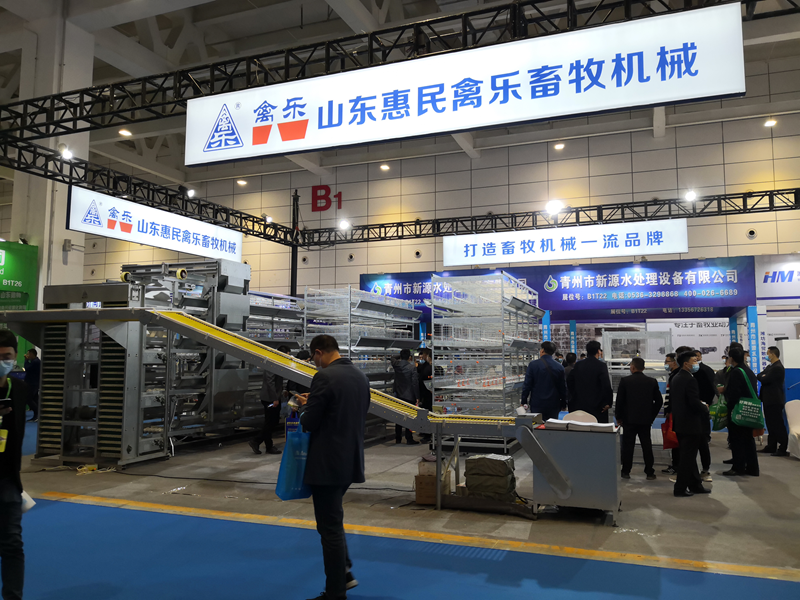
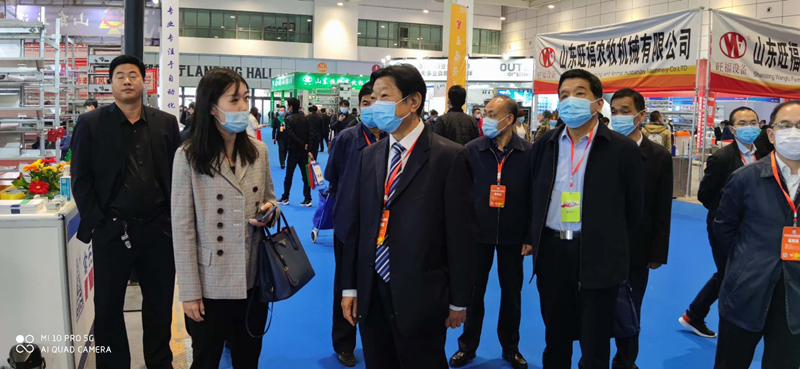
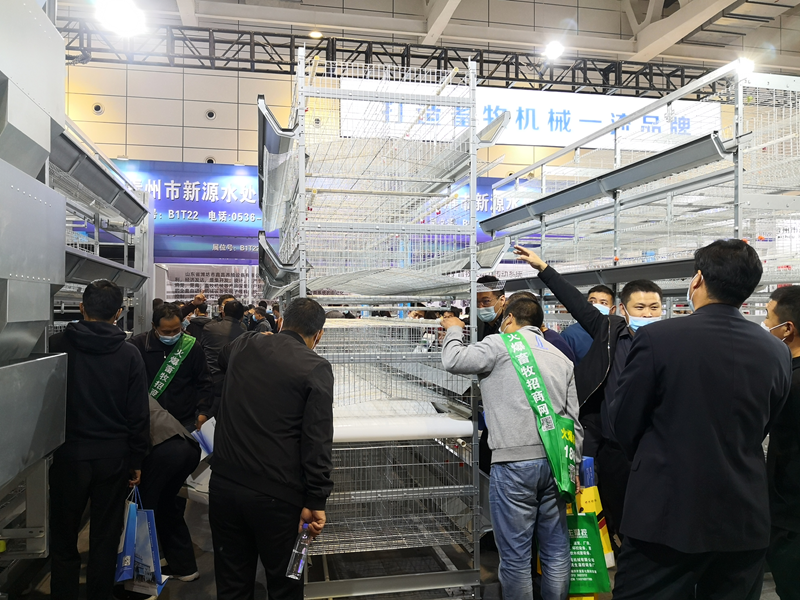
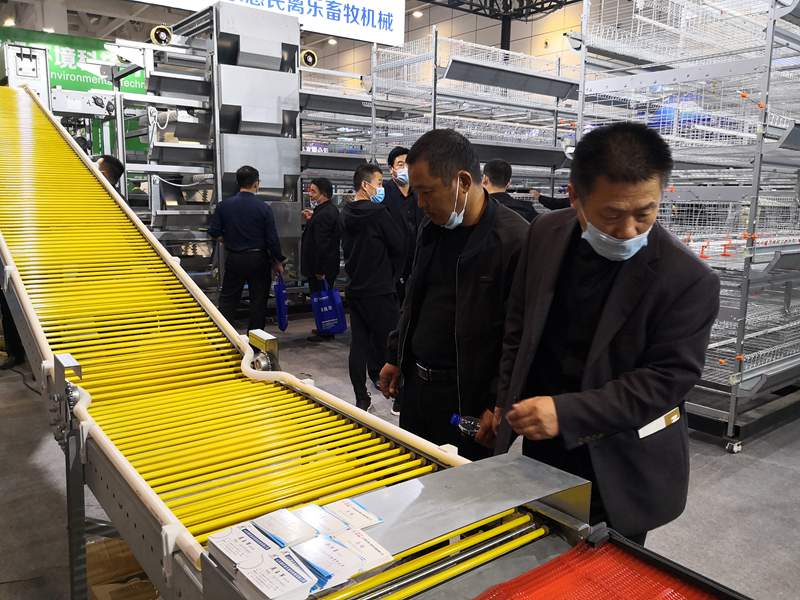
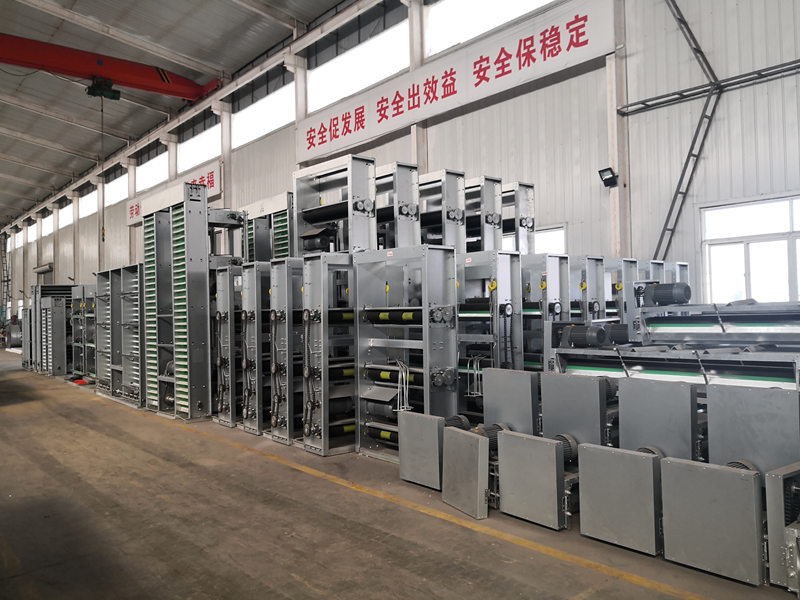
Chicken Farming Equipment Mesh Production Workshop

Machining Workshop
Turret-type CNC Punch Press, Laser Cutting and Other Machining Equipment
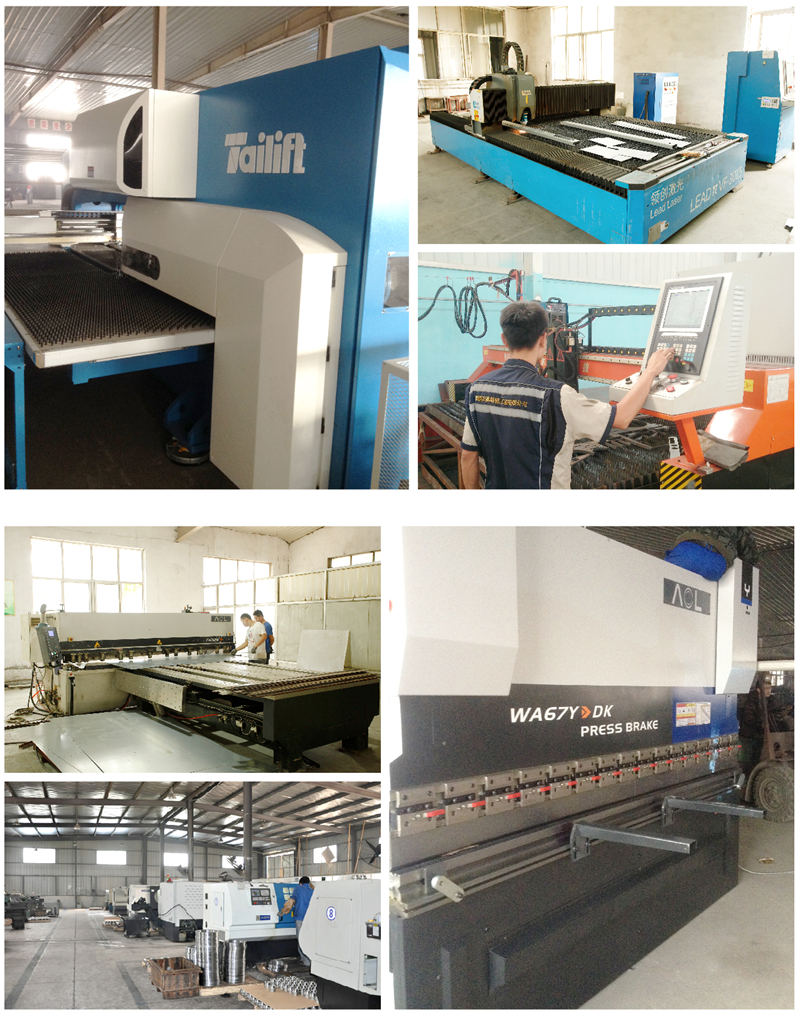
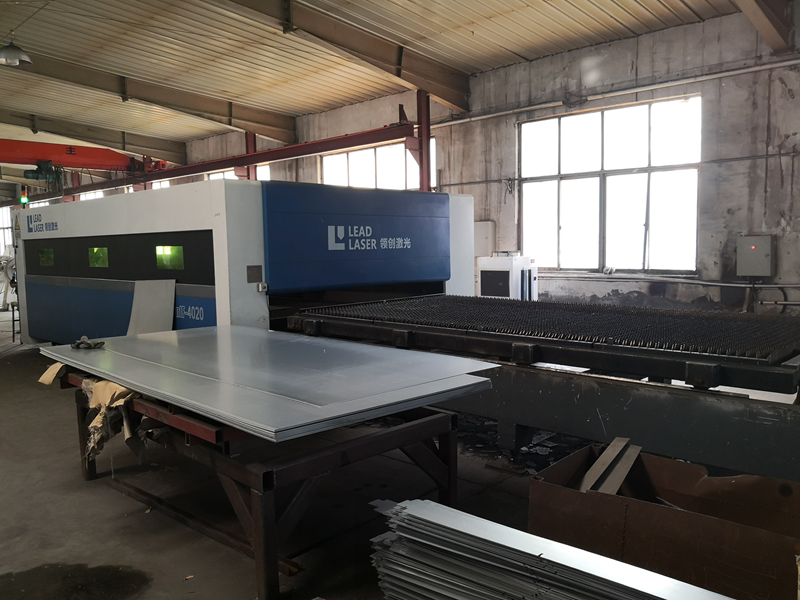

Fully Automated Roll Forming Production Line

Hot-dip Galvanizing Production Line

Electroplating Production Line
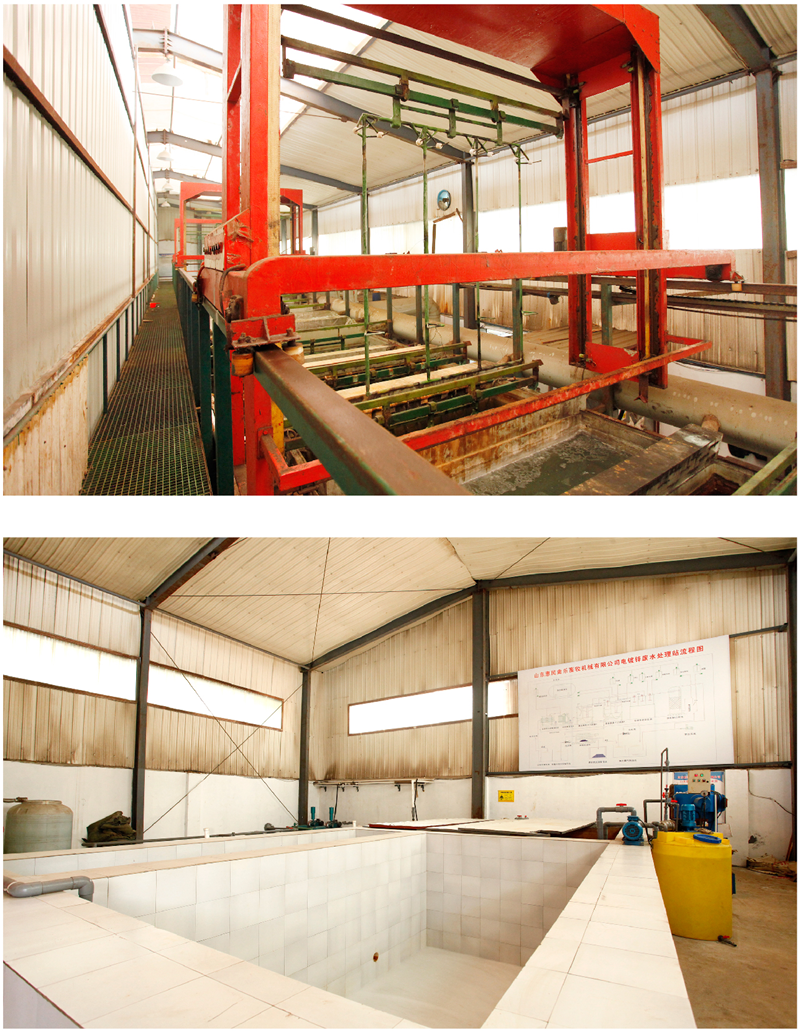
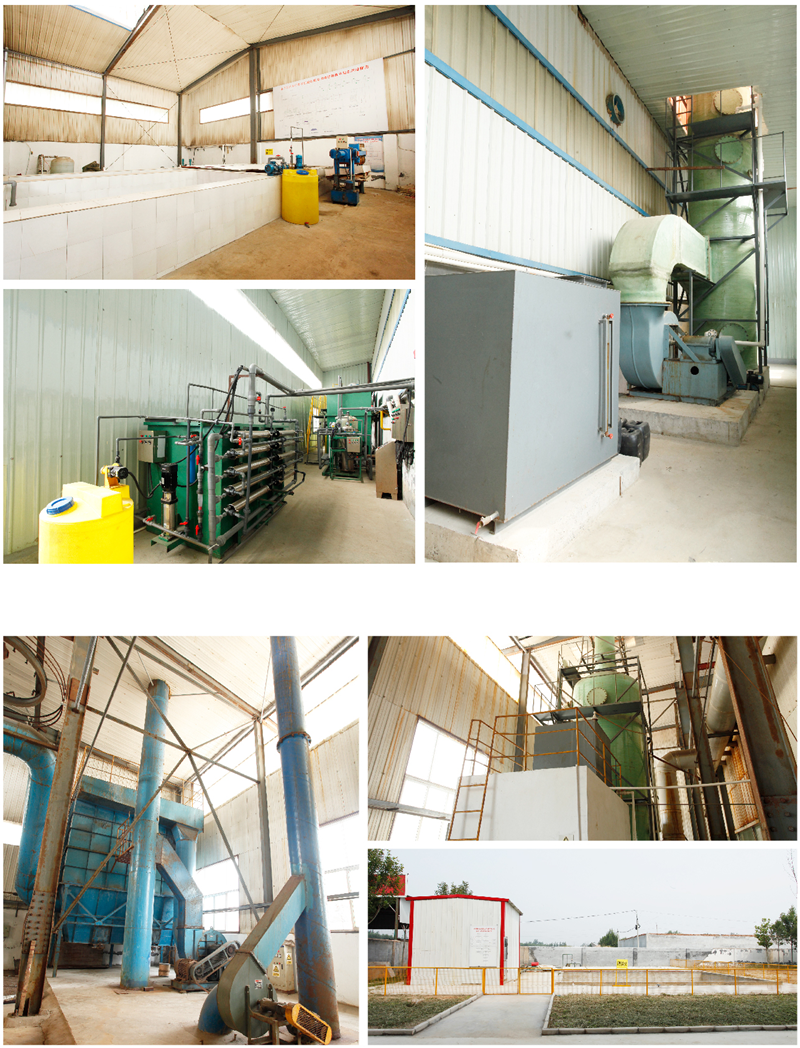
Environmental Protection Equipment
Chicken Farming Equipment Product Series
Egg-laying Hen Farming Equipment
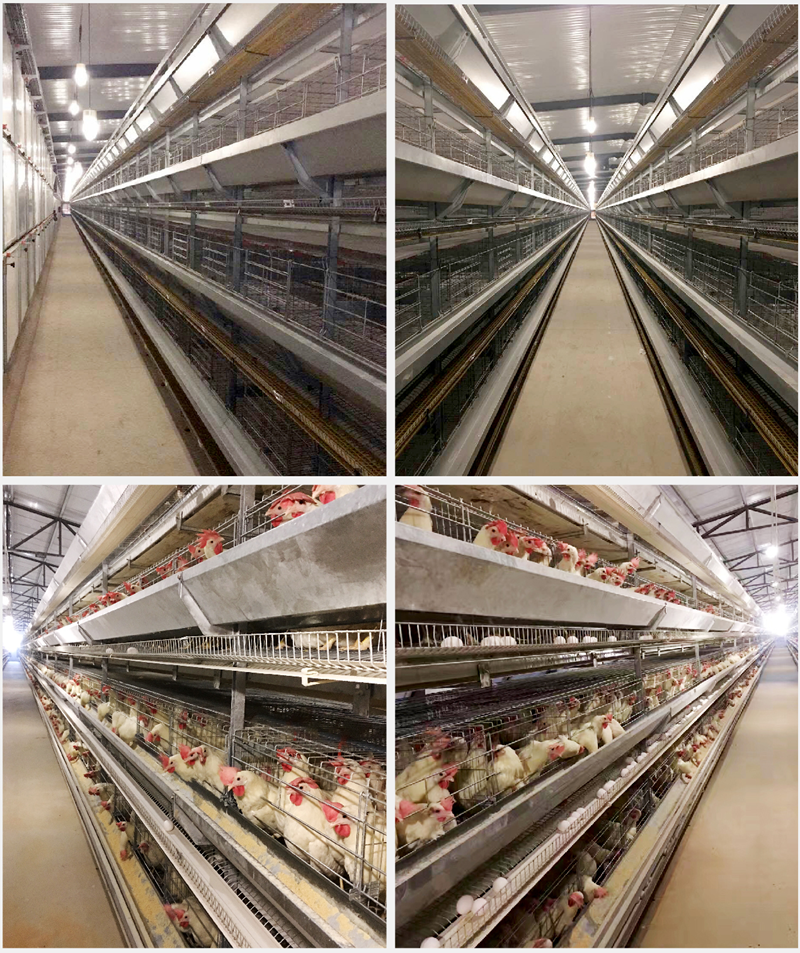
Stacked Brooding Cage Equipment

Stacked Broiler Cage Equipment
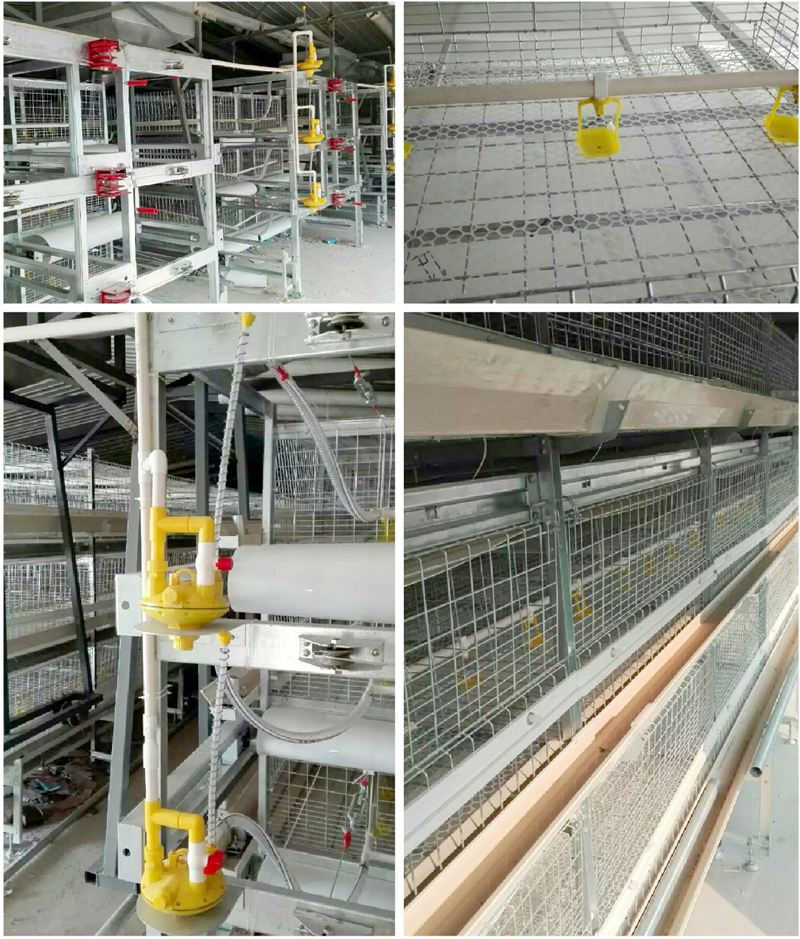
Stepped Layer Hen Cage Rearing Equipment
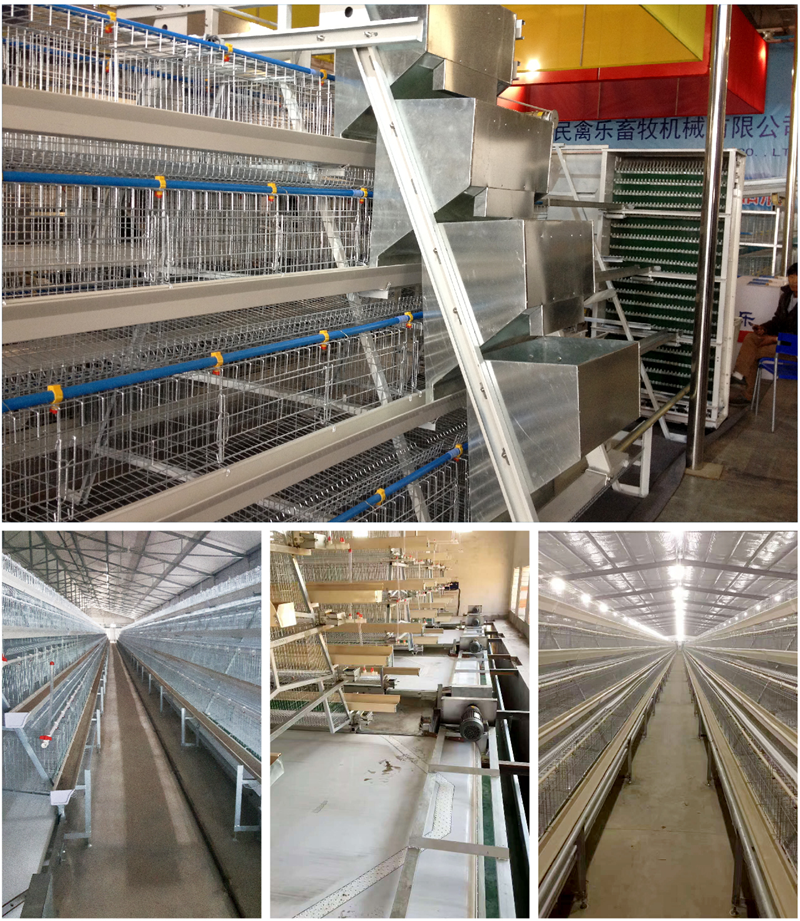
Automatic Egg Collection System
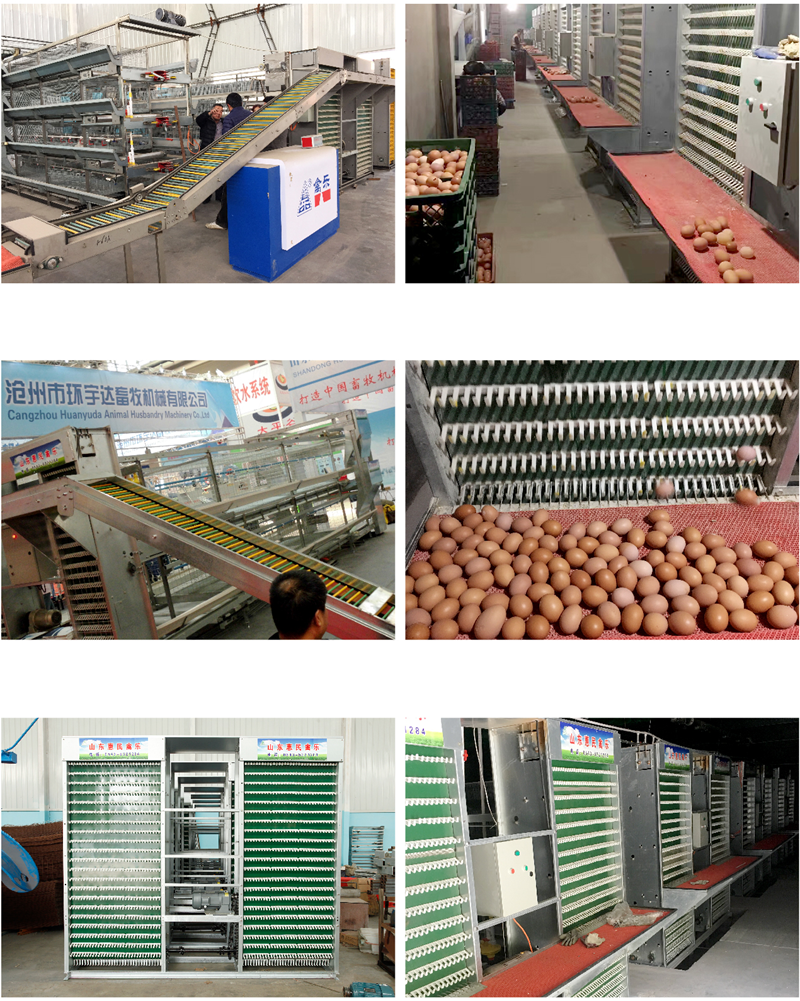
H-type Cage Feeding Machine
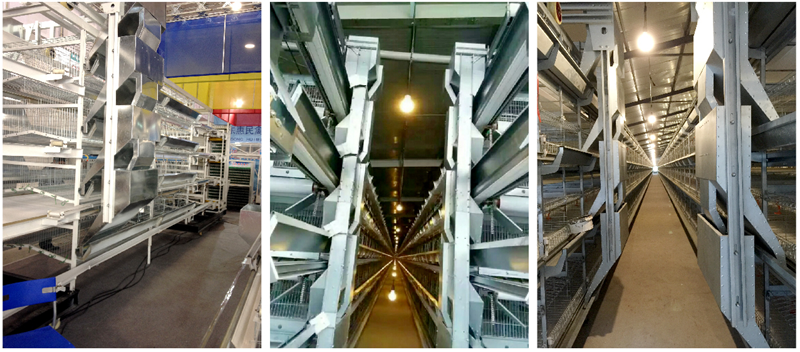
Stepped Cage Straddle Feeder
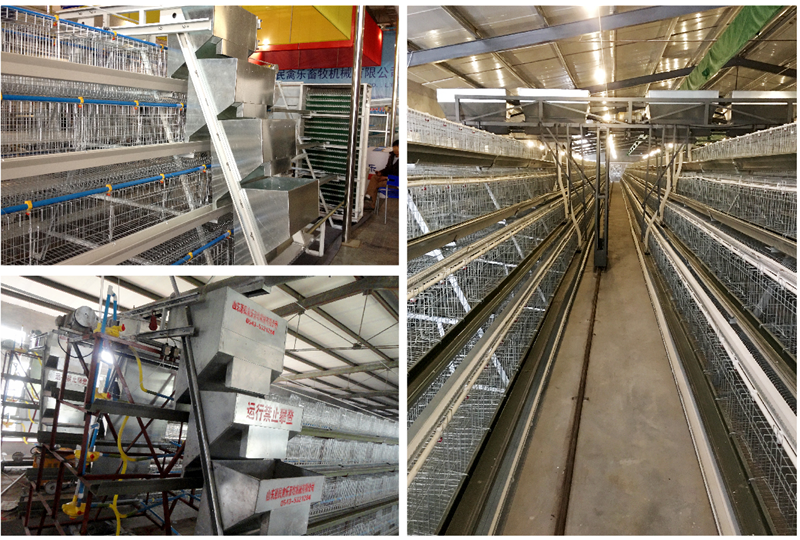
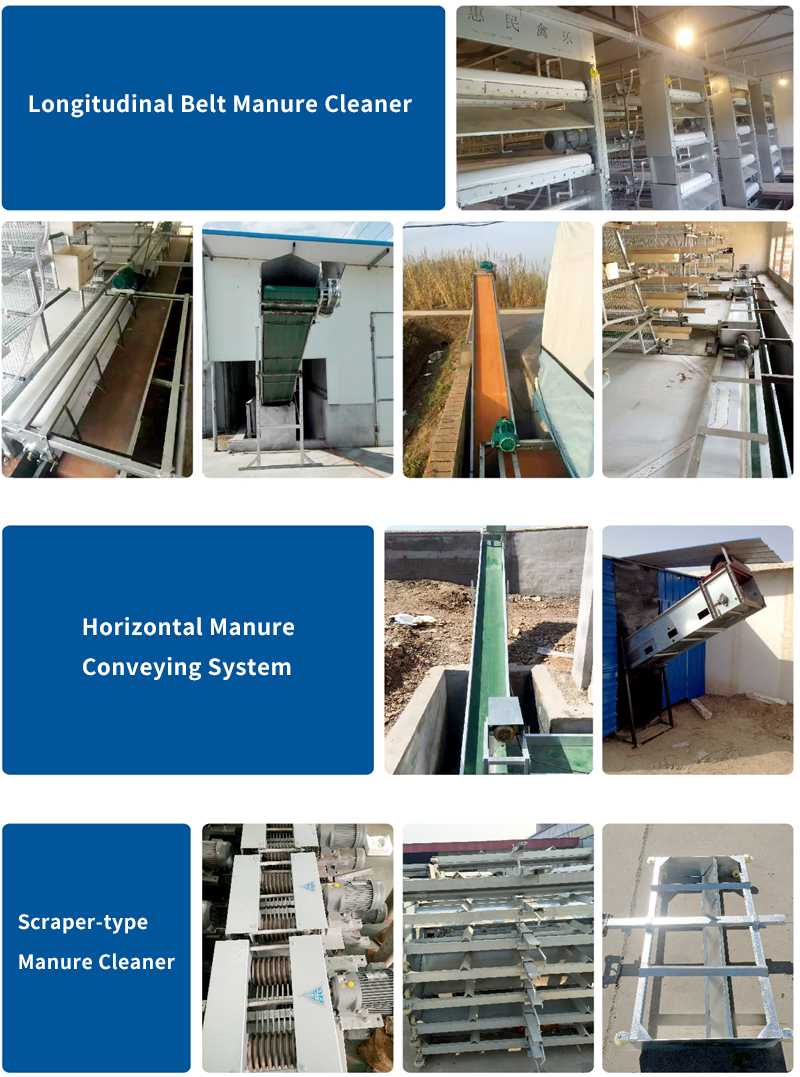
Manure Removal Machine
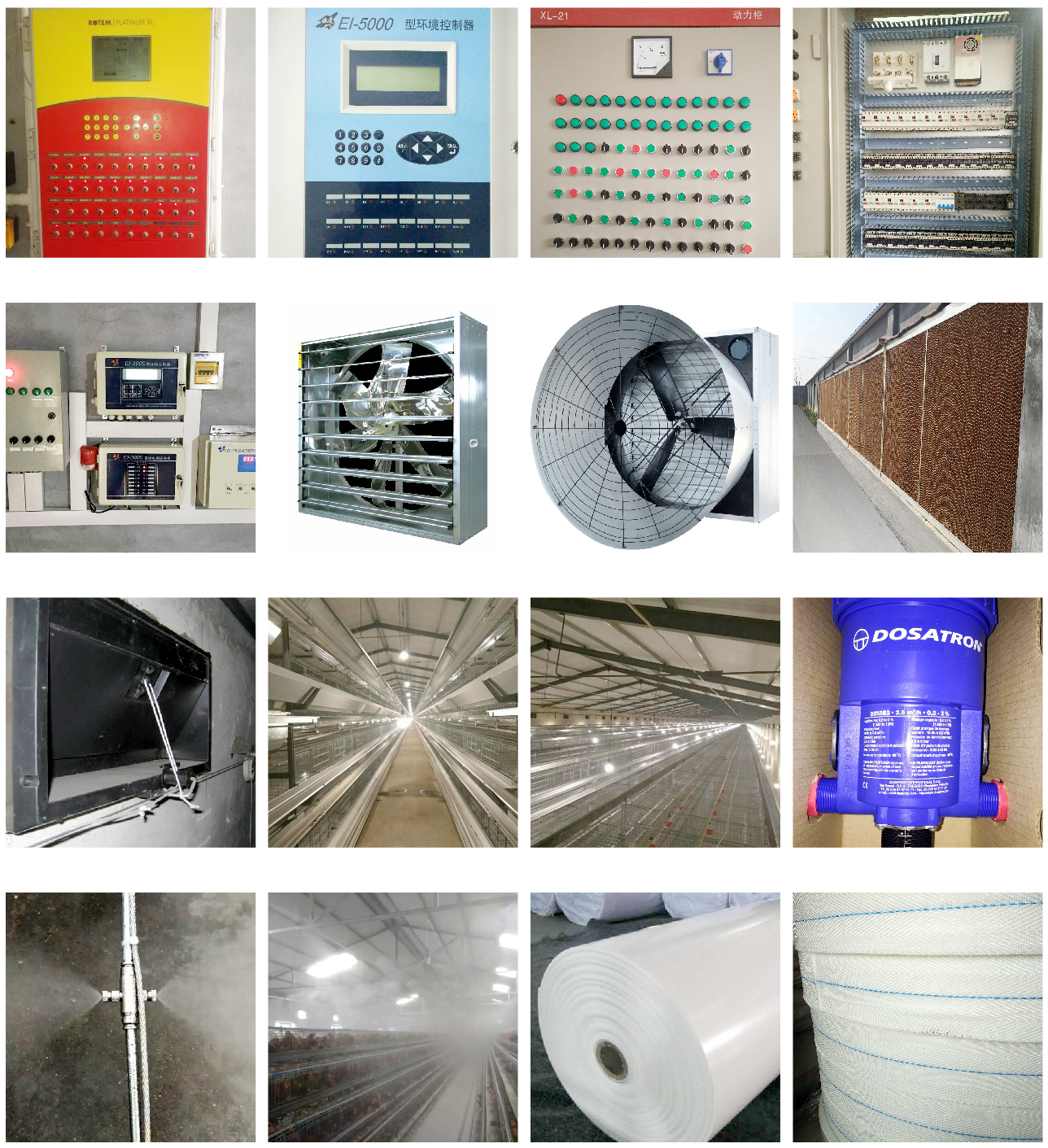
Fans, Heated Curtains, Environmental Control Systems, and Lighting Equipment
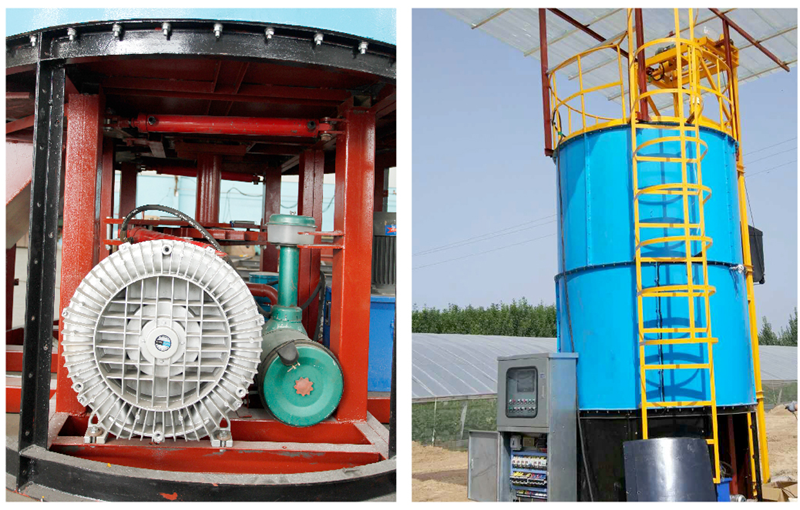
Complete Set of Equipment for Organic Fermentation Treatment of Manure
Бул веб-сайт биздин веб-сайтта эң жакшы тажрыйбаны алуу үчүн кукилерди колдонот.
 English
 Pусский
 Français
 العربية
 Indonesia
 қазақ
қазақ o'zbek
 тоҷикӣ
 Türkmenler
 Catalogue



 Whatsapp
 Телефон