

1. Introduction to Egg Production Aviary Systems
An Egg Production Aviary is an advanced Poultry Housing System designed to provide cage-free environments for laying hens. These multi-tiered systems optimize space and welfare, allowing hens to exhibit natural behaviors such as perching, nesting, dust bathing, and wing flapping. Unlike traditional battery cages, aviaries promote animal welfare while maintaining high production efficiency.
The demand for cage-free eggs has surged globally due to changing consumer preferences and regulatory mandates. Egg production aviaries offer a practical solution to meet these needs by combining welfare standards with commercial viability. They are widely adopted in large-scale commercial farms transitioning from conventional cages to cage-free or free-range systems.
This guide offers an in-depth overview of egg production aviaries, including technical parameters, structural features, benefits, application scenarios, usage guidelines, maintenance tips, troubleshooting, and frequently asked questions, helping poultry producers make informed decisions for sustainable and profitable egg production.
2. Technical Parameters of Egg Production Aviary Systems
Egg production aviaries come in various designs, but certain key parameters define their functionality and efficiency.
2.1 Structural Dimensions
System Height: Typically ranges from 2.2 to 3.0 meters depending on tiers
Number of Tiers: Usually 2 to 4 levels to maximize vertical space
Width of System: Between 1.6 and 2.2 meters
Aisle Width: Approximately 1.0 to 1.5 meters for operator access
Material: Hot-dip galvanized steel with zinc coating (275–450 g/m²) to prevent corrosion
2.2 Bird Capacity and Stocking Density
Recommended Stocking Density: 9 to 18 hens per square meter, adhering to welfare standards
Perch Space: Minimum 15 cm per bird
Nest Box Ratio: One nest box per 4–5 hens
2.3 Feeding System
Feeding Mechanism: Chain or auger feeders with automated feed distribution
Feed Hopper Capacity: 50 to 90 kg
Feeding Frequency: 4 to 8 times per day
Feed Troughs: Made of stainless or galvanized steel for hygiene and durability
2.4 Drinking System
Type of Drinkers: Nipple drinkers equipped with drip cups to minimize spillage
Water Pressure: Maintained between 0.15 to 0.25 MPa
Bird-to-Nipple Ratio: Typically 8 to 12 hens per nipple
Piping: PVC or stainless steel for longevity
2.5 Nesting System
Nest Type: Roll-out nests that automatically collect eggs
Egg Belt Speed: Adjustable between 3 to 12 meters per minute
Nest Pads: Polyethylene or rubber mats for comfort and egg protection
Nest Box Dimensions: Approximately 40 cm wide × 50 cm long × 30 cm high
2.6 Manure Removal System
Manure Belt Width: 60 to 90 cm
Material: PVC or rubber-coated belts
Belt Speed: Adjustable, typically 0.3 to 1.0 meters per minute
Motor: Electric motor with gearbox drive
2.7 Ventilation and Climate Control
Airflow Rate: Between 1.5 to 3.0 cubic meters per hour per bird
Ventilation Type: Tunnel or cross ventilation systems
Temperature Range: Optimal between 18°C and 24°C
Humidity: Ideally maintained between 50% and 70%
2.8 Lighting System
Light Intensity: 10 to 30 lux at bird level
Photoperiod: 14 to 16 hours per day
Light Color: Warm white (2700–3500 Kelvin)
2.9 Automation and Controls
Control Units: PLC or microcontroller-based systems
Sensors: Temperature, humidity, light, feed level, water pressure
Power Requirements: Usually 220V or 380V depending on system size
3. Key Features of Egg Production Aviaries
3.1 Multi-Tier Vertical Design
Egg production aviaries use vertical space efficiently by stacking tiers equipped with feeders, drinkers, nests, perches, and manure belts. This maximizes capacity without increasing building footprint.
3.2 Enhanced Bird Welfare
Hens can perform natural behaviors including:
Moving freely between tiers
Perching and roosting
Nesting comfortably
Dust bathing on the floor
These behaviors reduce stress and promote better health.
3.3 Automated Egg Collection
Roll-out nests deposit eggs gently onto conveyor belts that transport eggs to collection points. This minimizes egg breakage and contamination, reducing labor and increasing productivity.
3.4 Automated Feeding and Drinking Systems
Consistent, automated feed and water supply ensures optimal nutrition and hydration, supporting steady production and bird health.
3.5 Efficient Manure Management
Manure belts on each tier regularly remove droppings, maintaining hygiene, reducing ammonia buildup, and improving air quality.
3.6 Durable and Corrosion-Resistant Materials
Hot-dip galvanized steel and stainless steel ensure structural integrity and longevity in the humid and corrosive poultry environment.
3.7 Modular and Scalable Systems
Egg production aviaries can be expanded or customized modularly to accommodate varying flock sizes and farm configurations.
3.8 Integrated Environmental Controls
Ventilation, heating, cooling, and lighting systems are integrated to maintain optimal environmental conditions, supporting bird comfort and productivity.
4. Advantages of Egg Production Aviaries
4.1 Improved Animal Welfare and Health
Cage-free aviaries allow hens to express natural behaviors, reducing injuries and mortality associated with confinement.
4.2 Increased Egg Production and Quality
Stress reduction and improved living conditions contribute to higher laying rates and better egg shell quality.
4.3 Space Optimization and Cost Efficiency
Vertical tiers increase bird capacity per square meter, optimizing facility space and capital investment.
4.4 Reduced Labor Requirements
Automation in feeding, watering, egg collection, and manure removal decreases manual labor, cutting operational costs.
4.5 Environmental Benefits
Regular manure removal and controlled ventilation reduce ammonia emissions and improve air quality, complying with environmental standards.
4.6 Compliance with Regulatory and Market Demands
Egg production aviaries help producers meet cage-free and welfare certification requirements demanded by markets worldwide.
5. Application Scenarios for Egg Production Aviaries
5.1 Large-Scale Commercial Egg Producers
Widely adopted by commercial farms aiming to transition from battery cages to cage-free systems without sacrificing production efficiency.
5.2 Organic and Free-Range Egg Production
Compatible with organic certification standards, aviaries support enriched environments necessary for premium egg markets.
5.3 Small and Medium Scale Farms
Modular Aviary Systems are scalable, making them suitable for farms of varying sizes wanting to improve bird welfare.
5.4 Research and Education Facilities
Used in poultry science and animal welfare research as well as for training industry professionals.
5.5 Government and Industry Welfare Programs
Implemented in regions with cage bans or strong animal welfare legislation as part of national transition strategies.
6. Usage Instructions for Egg Production Aviaries
6.1 Preparation Before Introducing Birds
Clean and disinfect the aviary system thoroughly.
Ensure feeding, watering, ventilation, and lighting systems are fully operational.
Set ambient temperature to 23–26°C for pullet acclimation.
Pre-fill feed lines and test drinkers.
6.2 Training Pullets to Use the Aviary
Gradually expose pullets to the aviary environment.
Encourage movement between tiers using ramps or platforms.
Use lighting to guide pullets toward nests and perches.
6.3 Daily Management Practices
Monitor feed and water supply consistently.
Check egg belts for jams or damage.
Inspect manure belts and run them regularly.
Observe flock behavior and health closely.
6.4 Lighting Management
Maintain 14 to 16 hours of light per day with gradual changes to simulate dawn and dusk.
Avoid sudden light intensity changes to prevent bird stress and piling.
6.5 Egg Collection and Handling
Adjust egg belt speed according to flock size to avoid breakage.
Maintain cleanliness in egg collection and packaging areas.
7. Maintenance Guidelines
7.1 Weekly Tasks
Inspect and tighten loose bolts and fasteners.
Clean feeders, drinkers, and nest pads.
Check manure belt alignment and tension.
7.2 Monthly Tasks
Lubricate motor gearboxes and chains.
Clean ventilation fans and air inlets.
Replace worn perches or nest pads as needed.
7.3 Annual Tasks
Conduct a thorough cleaning and disinfection.
Inspect and repair any corrosion or structural damage.
Test and calibrate environmental sensors and automation systems.
8. Common Problems and Troubleshooting
8.1 High Rate of Floor Eggs
Causes: Insufficient nest availability, poor lighting, or inadequate bird training.
Solutions: Increase nest boxes, improve lighting near nests, train pullets thoroughly.
8.2 Feather Pecking and Cannibalism
Causes: Overcrowding, nutritional deficiencies, or lack of enrichment.
Solutions: Reduce stocking density, improve diet, add perches and enrichments.
8.3 Wet Litter or Manure Buildup
Causes: Leaking drinkers, poor ventilation, or malfunctioning manure belts.
Solutions: Repair leaks, enhance airflow, increase manure belt frequency.
8.4 Egg Breakage
Causes: Fast egg belt speed, damaged nest pads, or overcrowded nests.
Solutions: Adjust belt speed, replace nest pads, increase nest box numbers.
9. Frequently Asked Questions (FAQs)
Q1: What is the lifespan of an egg production aviary system?
Typically, 15 to 25 years with proper maintenance.
Q2: Can existing cage houses be converted into aviaries?
Yes, retrofitting is possible with some structural modifications.
Q3: How many hens can be housed in an aviary system?
Depending on size and tiers, aviaries can accommodate from 5,000 to over 60,000 hens.
Q4: Are aviaries suitable for hot climates?
Yes, with appropriate ventilation and cooling measures.
Q5: How often should manure belts operate?
Generally, 2 to 3 times per day depending on bird density.
Q6: Is automation necessary?
While not mandatory, automation improves efficiency, reduces labor, and enhances consistency.
10. Conclusion
Egg production aviaries represent the future of cage-free egg farming, balancing high welfare standards with operational efficiency. By enabling natural hen behaviors and optimizing space through multi-tier designs, aviaries improve productivity and egg quality. Combined with automation and robust environmental controls, they provide sustainable and profitable solutions that align with evolving market demands and regulatory requirements.
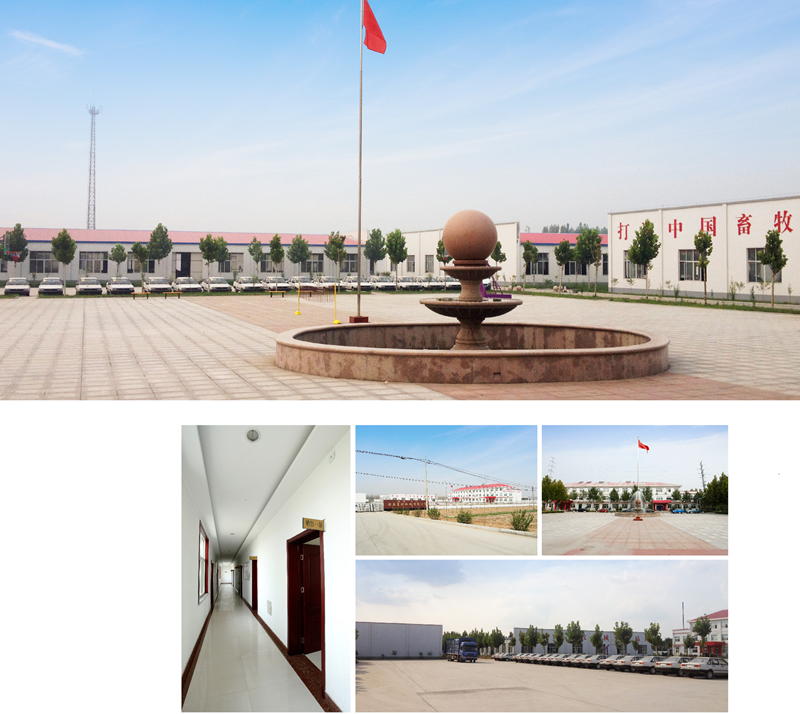
Shandong Huimin Qinle Livestock Machinery Co., Ltd. (formerly Shandong Huimin Qinle Livestock Machinery Factory) is a professional poultry equipment manufacturer with over 20 years of experience. We offer a comprehensive service package, from design (land and chicken coops), production (equipment and prefabricated steel coops), installation, commissioning, customer training, and after-sales service.
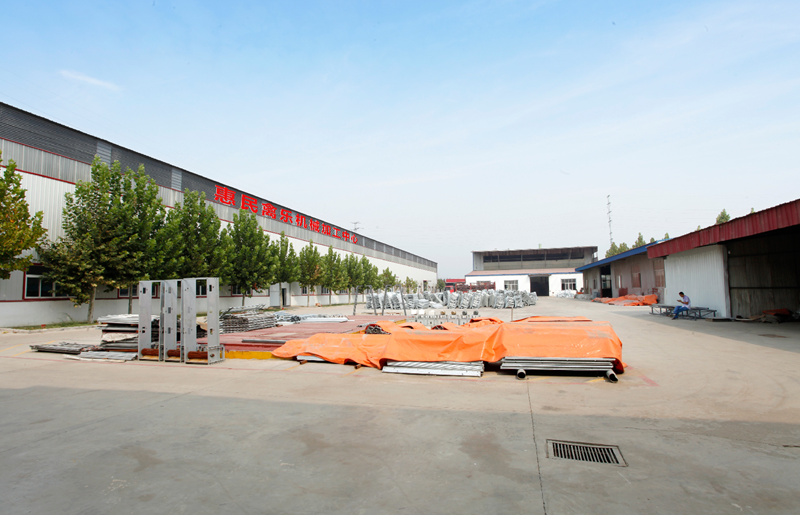
Located in Huimin County, Binzhou City, Shandong Province, China, the company has extensive experience in mechanical processing and manufacturing, as well as livestock machinery production and operation. With fixed assets of RMB 15 million, the company employs 160 people, including 30 R&D staff, and occupies a 40,000-square-meter factory. Equipped with over 110 pieces of advanced precision production equipment, including CNC machining centers and laser cutting machines, the company boasts a production capacity of RMB 50 million.
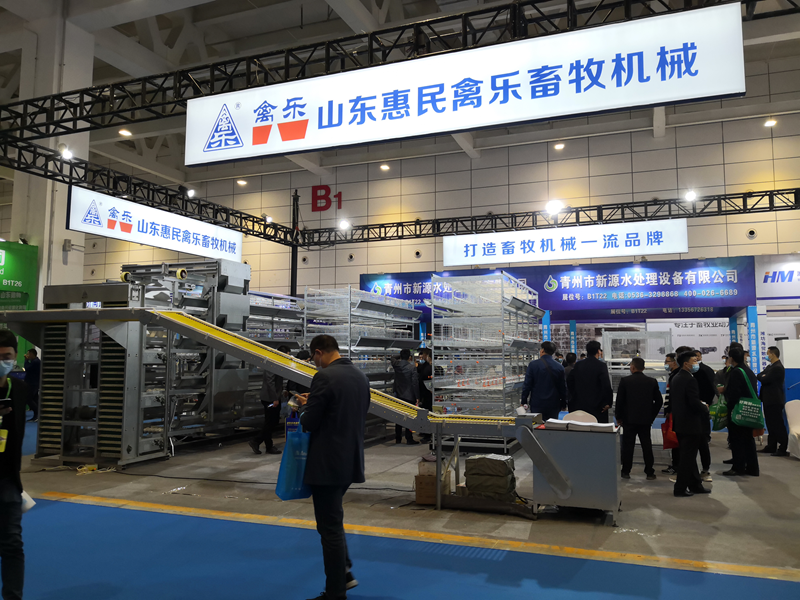
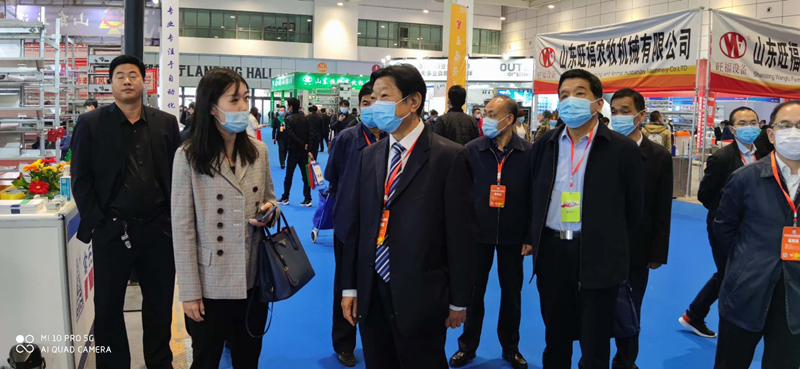
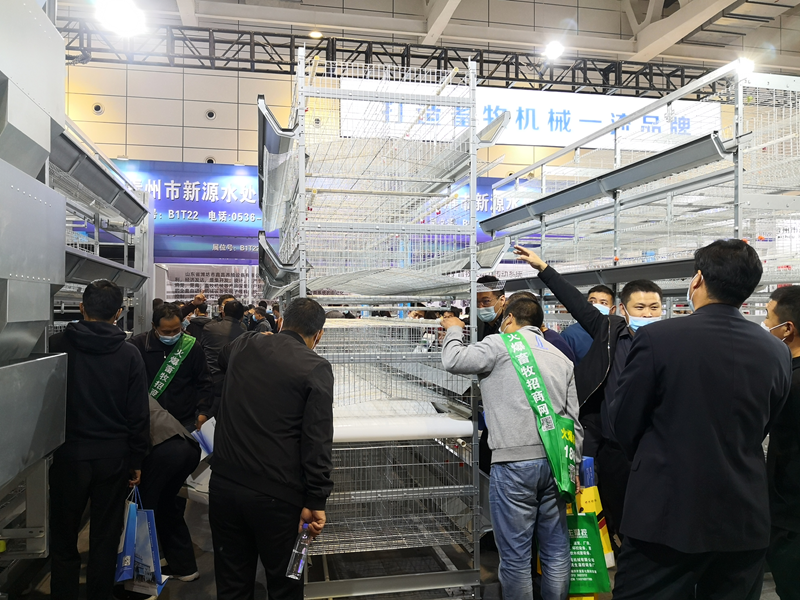
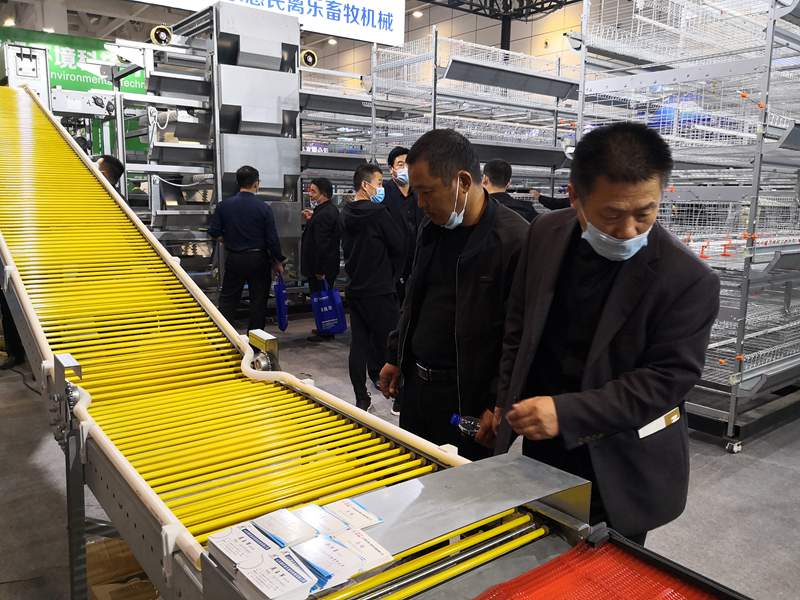
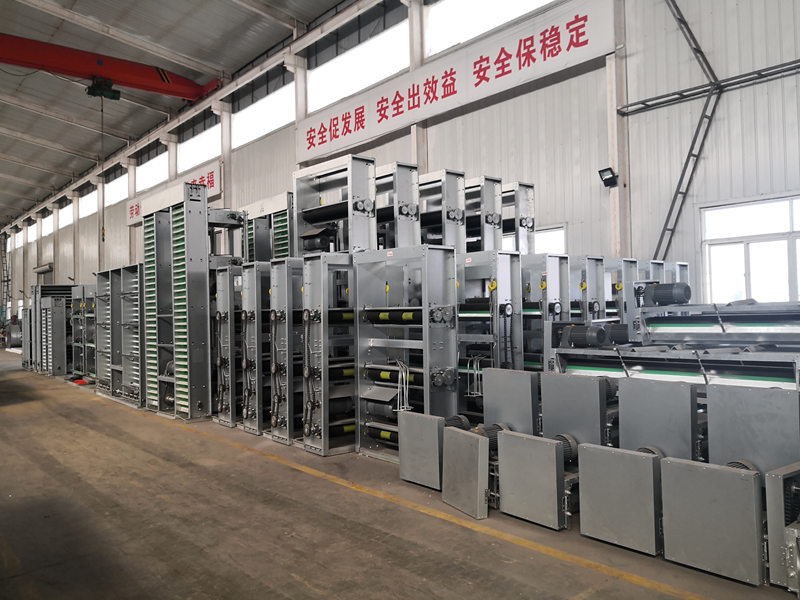
Chicken Farming Equipment Mesh Production Workshop

Machining Workshop
Turret-type CNC Punch Press, Laser Cutting and Other Machining Equipment
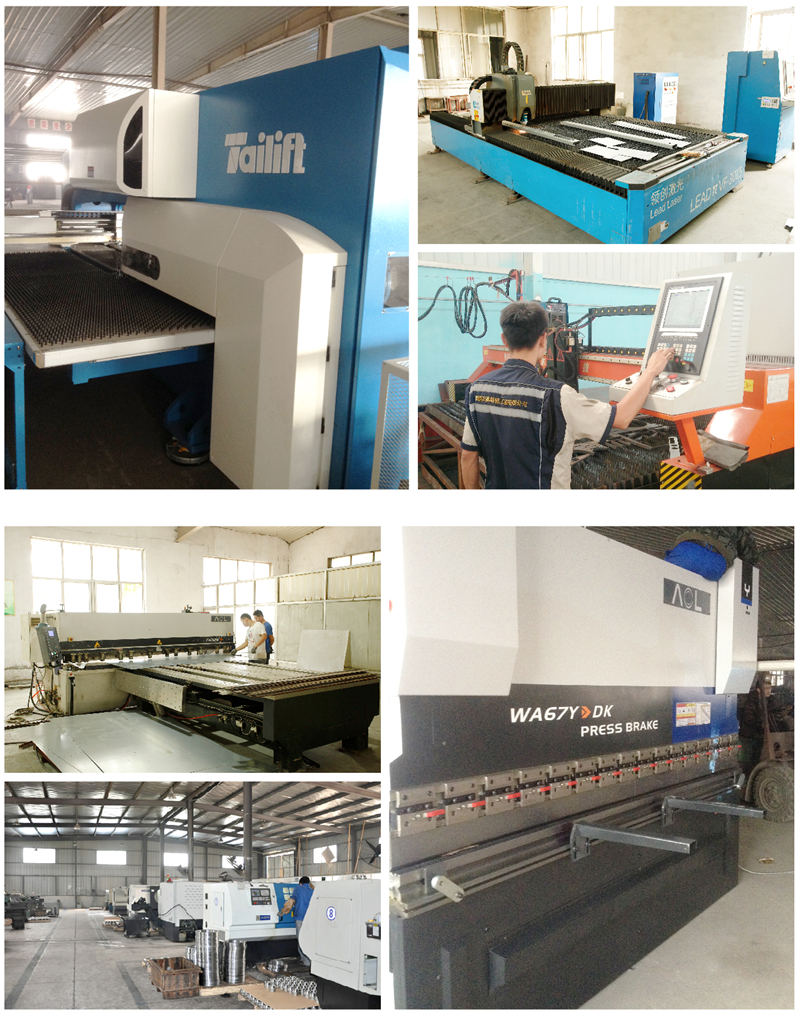
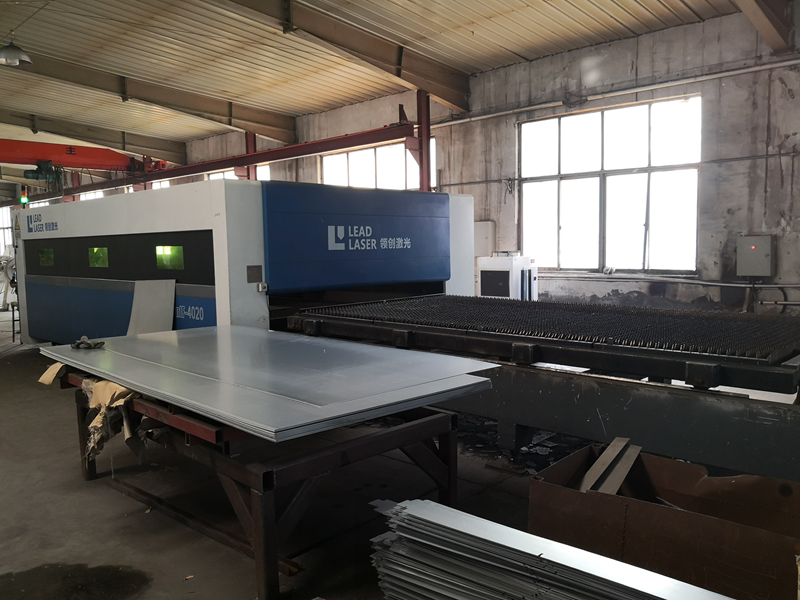

Fully Automated Roll Forming Production Line

Hot-dip Galvanizing Production Line

Electroplating Production Line
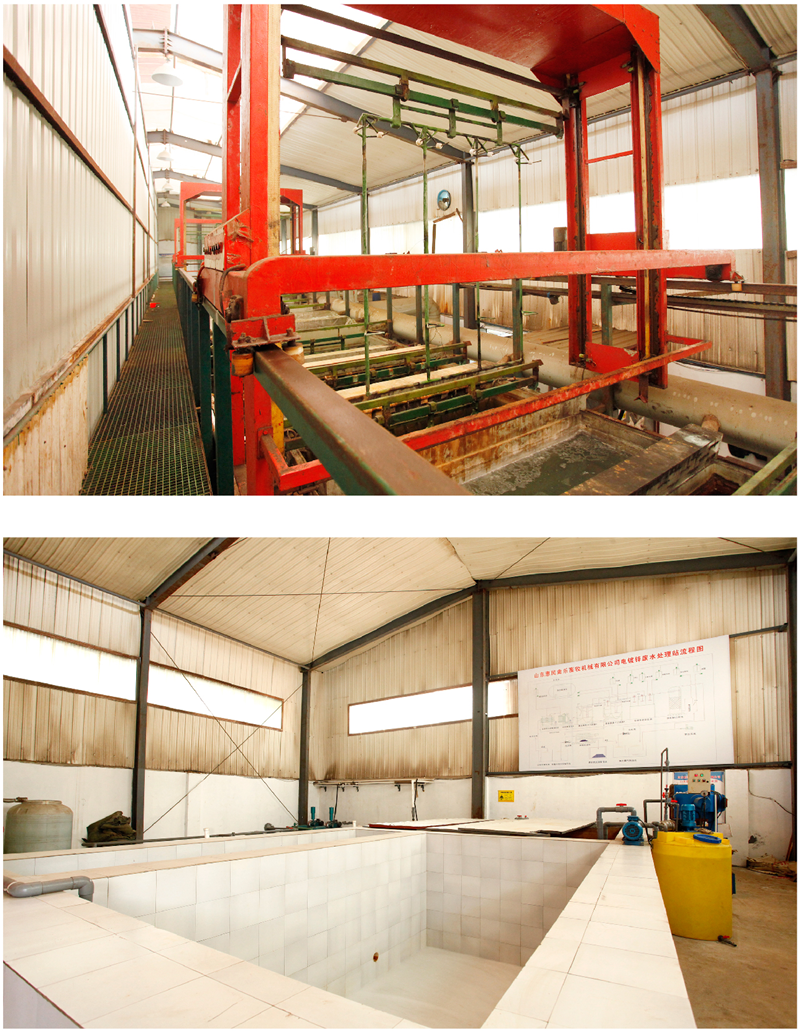
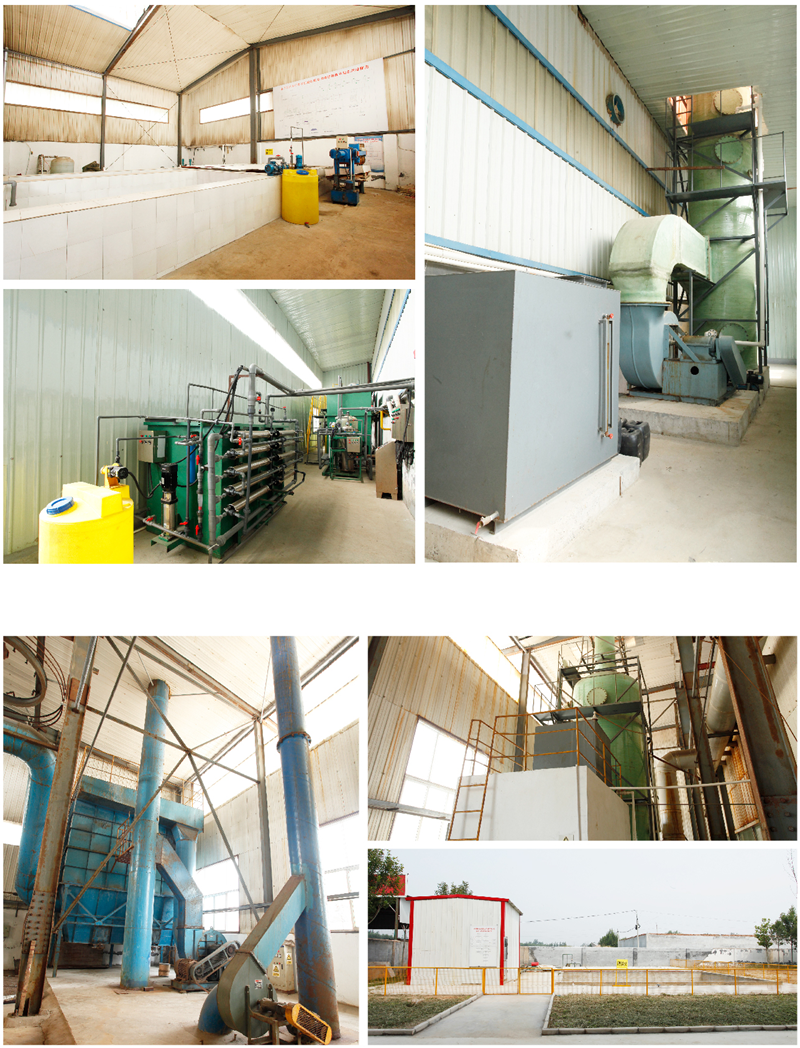
Environmental Protection Equipment
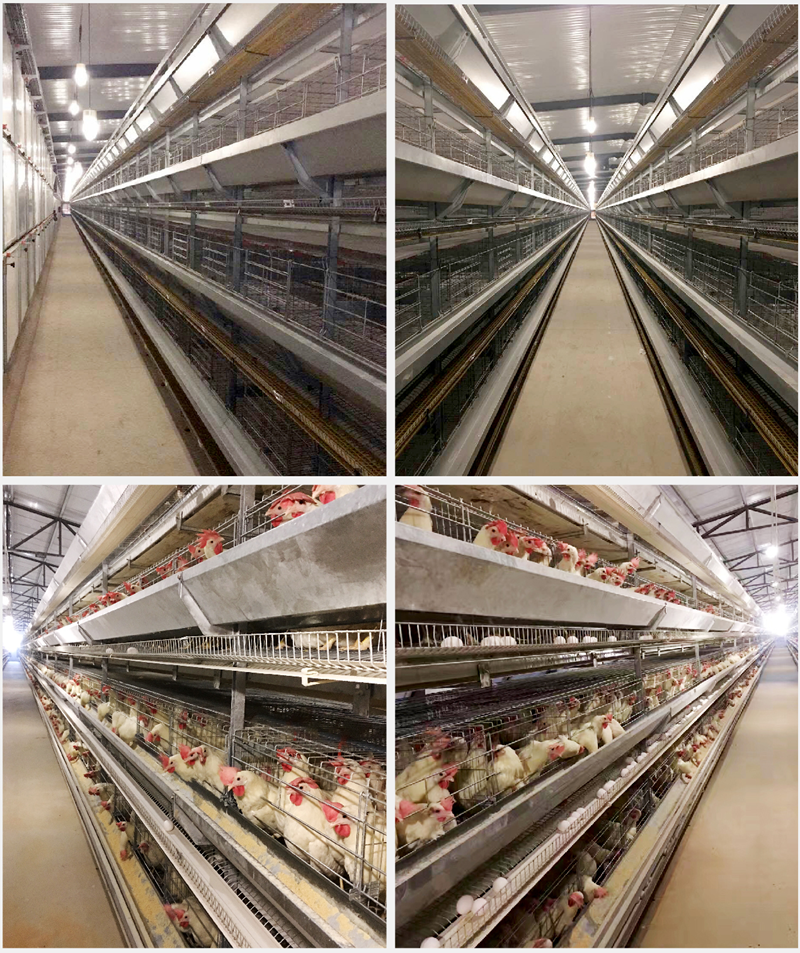
Chicken Farming Equipment Product Series
Egg-laying Hen Farming Equipment
Stacked Brooding Cage Equipment

Stacked Broiler Cage Equipment
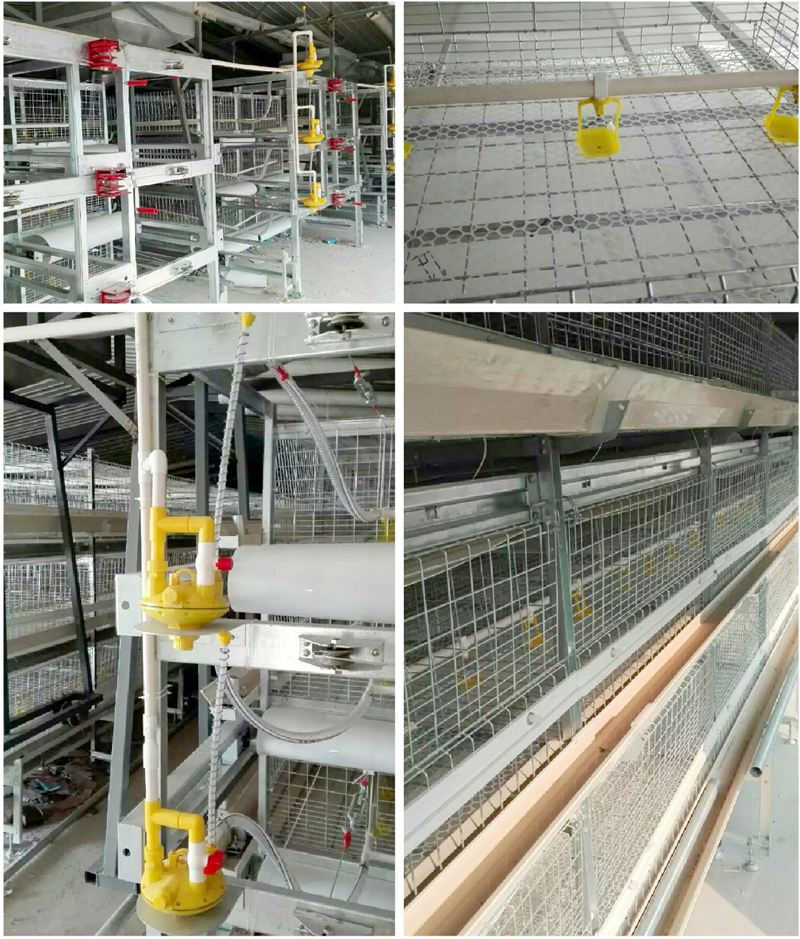
Stepped Layer Hen Cage Rearing Equipment
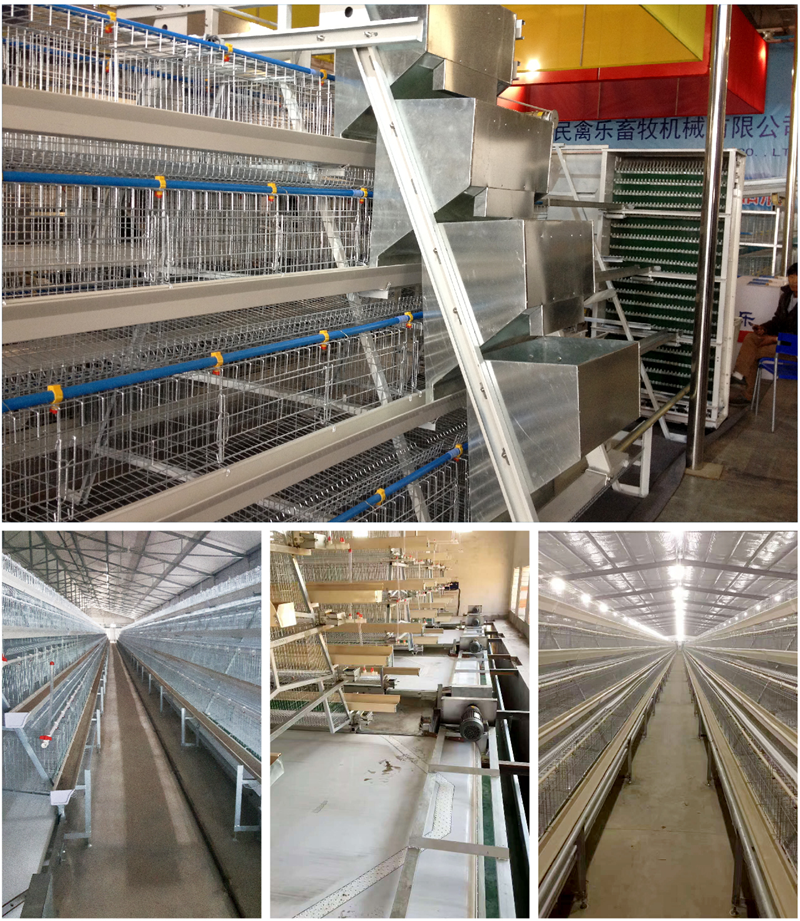
Automatic Egg Collection System
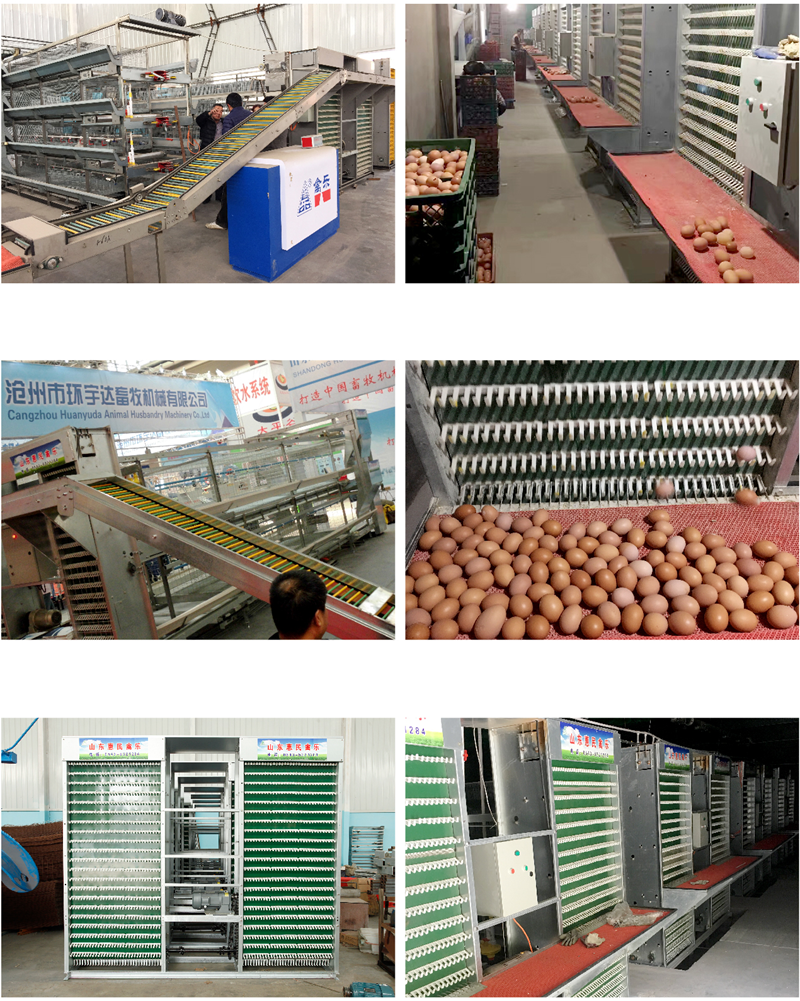
H-type Cage Feeding Machine
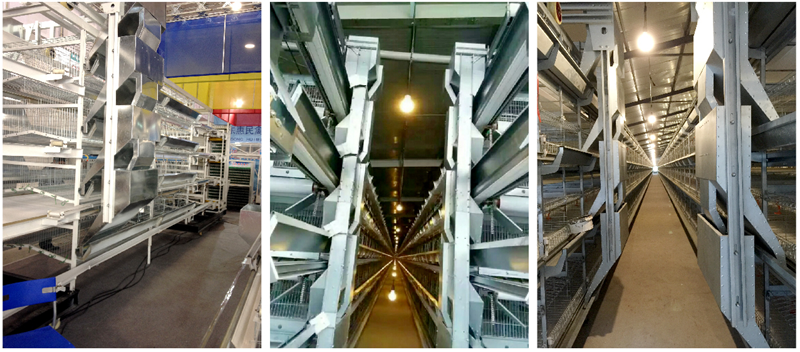
Stepped Cage Straddle Feeder
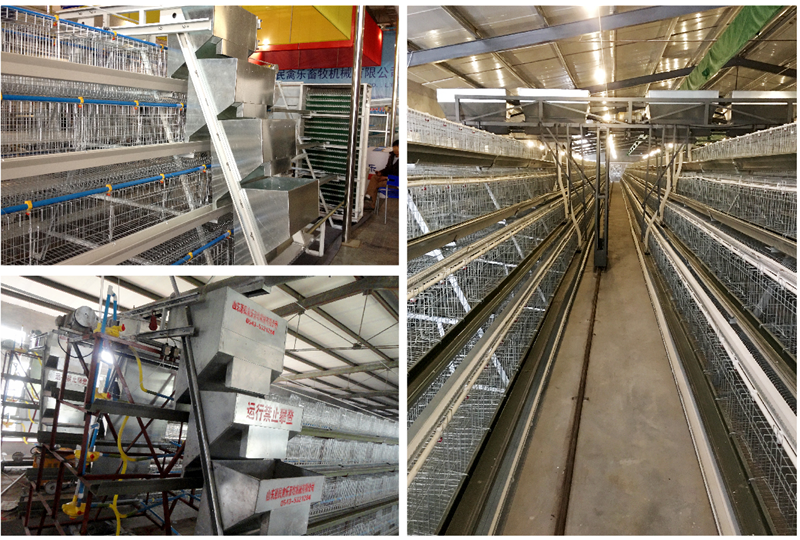
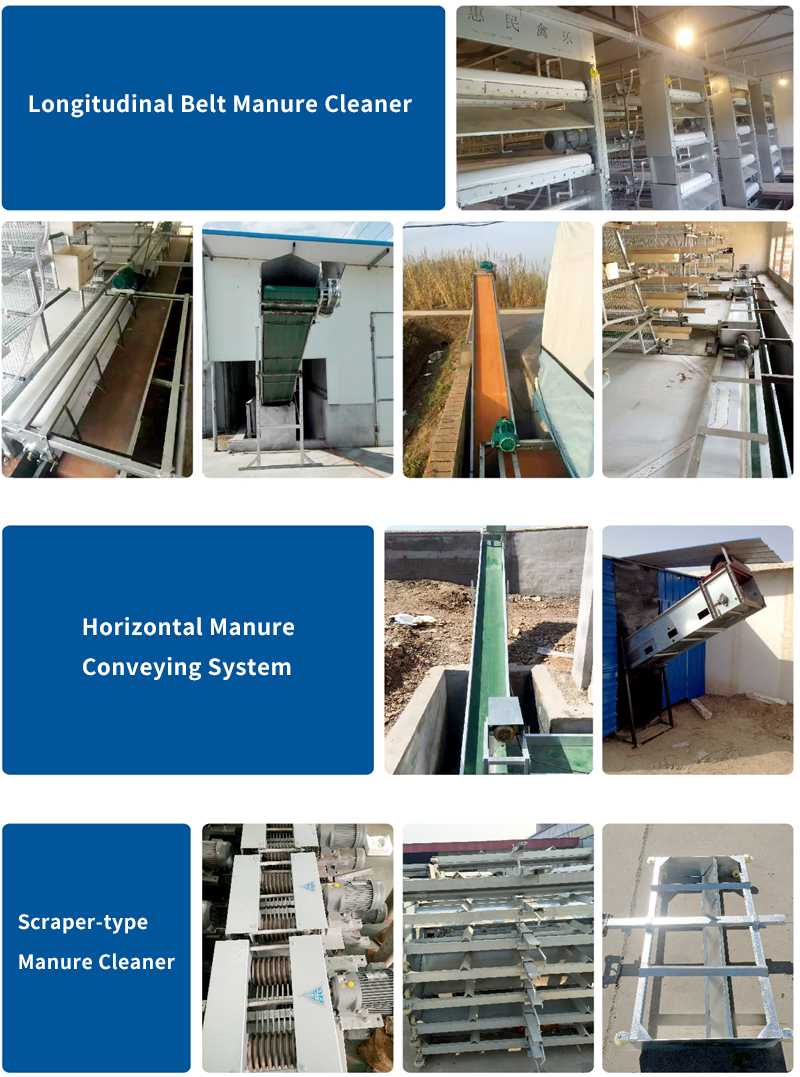
Manure Removal Machine
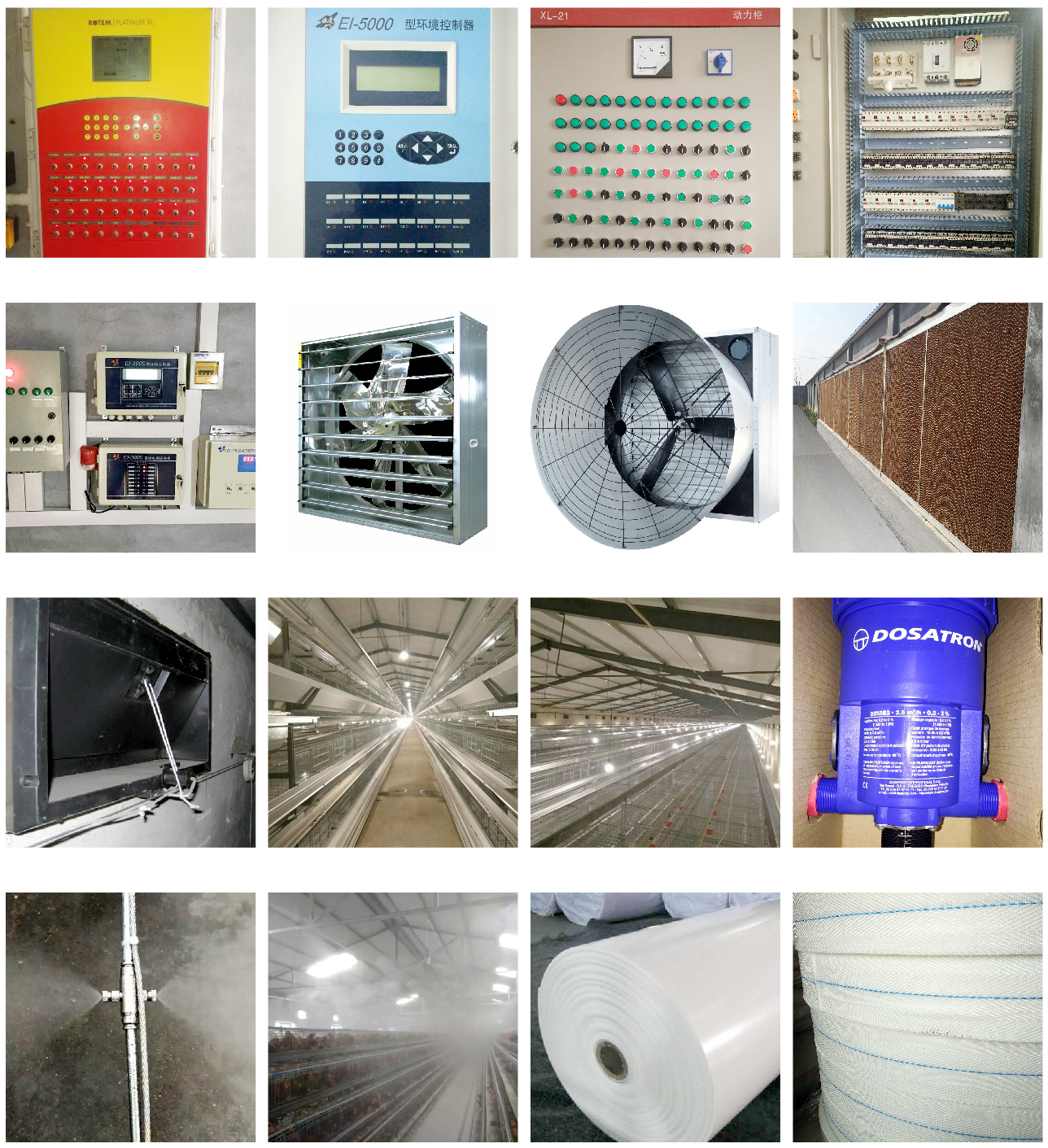
Fans, Heated Curtains, Environmental Control Systems, and Lighting Equipment
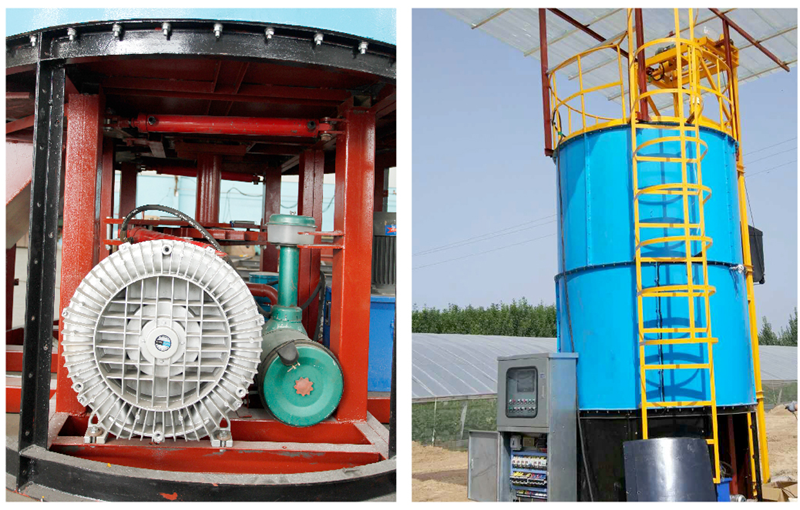
Complete Set of Equipment for Organic Fermentation Treatment of Manure
Бул веб-сайт биздин веб-сайтта эң жакшы тажрыйбаны алуу үчүн кукилерди колдонот.
 English
 Pусский
 Français
 العربية
 Indonesia
 қазақ
қазақ o'zbek
 тоҷикӣ
 Türkmenler
 Catalogue



 Whatsapp
 Телефон