

1. Introduction to Layer Housing Systems
A Layer Housing System refers to the specialized housing designed for egg-laying hens (layers) that provides shelter, feeding, watering, ventilation, nesting, and environmental control to optimize hen welfare and egg production. As the poultry industry shifts towards sustainable and animal welfare-friendly farming practices, layer housing systems have evolved to support cage-free, aviary, free-range, and enriched cage designs.
Efficient layer housing is crucial for maintaining flock health, maximizing egg yield, and ensuring operational efficiency. The system provides an environment that balances space utilization, natural hen behavior, and management convenience, meeting both regulatory standards and consumer demand for ethical egg production.
This guide will explore the various types of layer housing systems, their technical parameters, key features, advantages, applications, operational instructions, maintenance, troubleshooting, and frequently asked questions — all designed to provide detailed, valuable information that supports Google SEO and aids farmers, integrators, and industry stakeholders.
2. Types and Parameters of Layer Housing Systems
Layer housing systems come in multiple configurations, each with specific parameters tailored for different management styles and welfare standards.
2.1 Conventional Battery Cages
Description: Traditional cages housing 4–8 hens per unit with wire mesh flooring.
Dimensions: Typical cage size ~45 cm × 45 cm × 45 cm.
Stocking Density: Up to 600 cm² per hen.
Advantages: High stocking density, easy egg collection, and cleaning.
Limitations: Welfare concerns leading to regulatory bans in some regions.
2.2 Enriched (Furnished) Cages
Description: Cages enhanced with perches, nest boxes, and scratching areas.
Dimensions: Minimum 750 cm² per hen as per EU regulations.
Stocking Density: Lower than battery cages to allow natural behaviors.
Features: Perches, nest space, litter area, and feeding troughs.
Advantages: Improved welfare while maintaining space efficiency.
2.3 Aviary (Multi-Tier) Systems
Description: Multi-level housing with vertical tiers allowing free movement.
Dimensions: Height 2.5–3.0 meters, tier width 1.6–2.2 meters.
Stocking Density: 9 to 18 hens per m² depending on welfare standards.
Features: Perches, nest boxes, automated feeding/drinking, manure belts.
Advantages: Promotes natural behaviors, scalable, and automated.
2.4 Free-Range and Pasture-Based Systems
Description: Indoor shelter with access to outdoor runs.
Stocking Density: Indoor density ~9–12 hens per m²; outdoor density variable.
Features: Outdoor range with vegetation, shelter, and protection.
Advantages: Highest welfare standards, natural environment, organic compatible.
3. Technical Parameters of Layer Housing Systems
Stocking Density | 9–18 hens/m² (aviary and free-range lower density) |
Perch Space | Minimum 15 cm per bird |
Nest Box Space | One nest box per 4–5 hens |
Feeding Trough Width | 10–12 cm per hen |
Watering System | Nipple drinkers, 8–12 hens per nipple |
Lighting | 14–16 hours photoperiod, 10–30 lux light intensity |
Ventilation Rate | 1.5–3.0 m³ per hour per bird |
Temperature Range | 18°C to 24°C optimal |
Humidity | 50–70% relative humidity |
Flooring Material | Wire mesh for cages; plastic slats or littered floors for aviaries and free-range |
4. Key Features of Layer Housing Systems
4.1 Welfare-Oriented Design
Modern layer housing systems emphasize bird welfare by providing adequate space, perching, nesting, and environmental enrichment.
4.2 Efficient Space Utilization
Multi-Tier Aviary systems maximize vertical space, allowing higher capacity without expanding building footprint.
4.3 Automated Systems Integration
Advanced layer housing integrates automated feeding, watering, manure removal, ventilation, lighting, and egg collection systems.
4.4 Biosecurity and Hygiene
Housing design facilitates easy cleaning, disinfection, and disease control through manure belts, slatted floors, and controlled access.
4.5 Climate Control
Heating, cooling, and ventilation systems maintain optimal environmental conditions for layer comfort and productivity.
4.6 Modular and Scalable
Layer housing modules can be customized and scaled to farm size, allowing phased investment and expansion.
5. Advantages of Layer Housing Systems
5.1 Improved Egg Production
By providing optimal living conditions, layers produce more and higher-quality eggs with consistent shell strength and uniformity.
5.2 Enhanced Animal Welfare
Free movement, natural behaviors, and reduced stress lead to healthier flocks with lower mortality and fewer injuries.
5.3 Labor Efficiency
Automation in feeding, watering, manure removal, and egg collection reduces labor needs and operational costs.
5.4 Environmental Sustainability
Manure management systems reduce ammonia emissions and nutrient runoff, improving farm environmental footprint.
5.5 Compliance with Regulations and Market Demand
Layer housing systems help producers meet cage-free mandates and consumer demand for ethically produced eggs.
6. Application Scenarios of Layer Housing Systems
6.1 Commercial Egg Production Farms
Large-scale farms adopting aviary or enriched cages to meet cage-free standards.
6.2 Organic and Free-Range Farms
Systems providing access to outdoor runs and enriched indoor environments.
6.3 Contract Farming and Integrators
Standardized layer housing systems for uniform product quality and welfare across multiple farms.
6.4 Smallholder and Backyard Farming
Smaller scale aviary or enriched cage systems for local production.
6.5 Research and Education
Institutions studying poultry behavior, nutrition, welfare, and housing innovations.
7. Usage Instructions for Layer Housing Systems
7.1 Preparation and Installation
Ensure site selection with proper drainage and biosecurity measures.
Follow manufacturer guidelines for assembly and installation.
Pre-check electrical, water, and ventilation systems.
Clean and disinfect before flock introduction.
7.2 Flock Introduction and Training
Acclimate pullets to the housing system gradually.
Train birds to use perches, nest boxes, and feeders.
Use lighting to encourage movement and reduce stress.
7.3 Daily Management Practices
Monitor feed and water supply continuously.
Check egg collection systems for jams or damage.
Observe bird behavior and health.
Maintain ventilation and climate parameters.
7.4 Maintenance and Cleaning
Clean feed and water lines daily.
Run manure belts regularly to remove droppings.
Conduct routine inspections for structural integrity.
Lubricate moving parts as recommended.
8. Common Problems and Troubleshooting
8.1 Floor Eggs
Cause: Insufficient nest space or poor bird training.
Solution: Increase nest boxes and improve pullet introduction.
8.2 Feather Pecking and Cannibalism
Cause: Overcrowding, nutritional deficiencies.
Solution: Reduce stocking density, enrich environment, balance diet.
8.3 Manure Accumulation
Cause: Malfunctioning manure belts or poor ventilation.
Solution: Repair belts, improve airflow, increase cleaning frequency.
8.4 Poor Egg Quality
Cause: Stress, poor nutrition, or disease.
Solution: Improve environment, balanced feed, veterinary care.
9. Frequently Asked Questions (FAQs)
Q1: What is the ideal stocking density for layers?
Depends on system type; 9–18 hens/m² for aviaries; enriched cages require at least 750 cm² per hen.
Q2: How often should manure belts run?
At least twice daily to maintain cleanliness and air quality.
Q3: Can conventional cages be converted to aviaries?
Yes, with significant modifications, aviary systems can be retrofitted.
Q4: How to train pullets for aviary systems?
Introduce birds gradually, use ramps, lighting cues, and provide access to all tiers early.
Q5: What are the power requirements for automated systems?
Typically 220V or 380V three-phase power depending on equipment.
Q6: How long do layer housing systems last?
With maintenance, 15–25 years is common.
10. Conclusion
Layer housing systems are integral to modern poultry farming, balancing productivity, welfare, and sustainability. Whether adopting enriched cages, aviaries, or free-range designs, farmers can optimize egg production while meeting growing ethical and regulatory standards. Proper design, management, and maintenance of layer housing systems ensure healthy flocks, high-quality eggs, and operational efficiency.
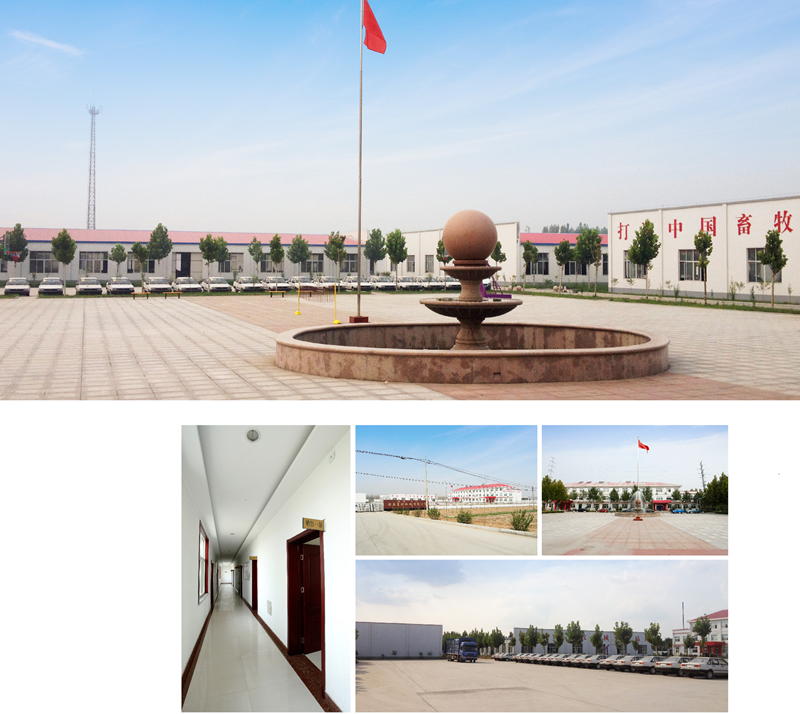
Shandong Huimin Qinle Livestock Machinery Co., Ltd. (formerly Shandong Huimin Qinle Livestock Machinery Factory) is a professional poultry equipment manufacturer with over 20 years of experience. We offer a comprehensive service package, from design (land and chicken coops), production (equipment and prefabricated steel coops), installation, commissioning, customer training, and after-sales service.
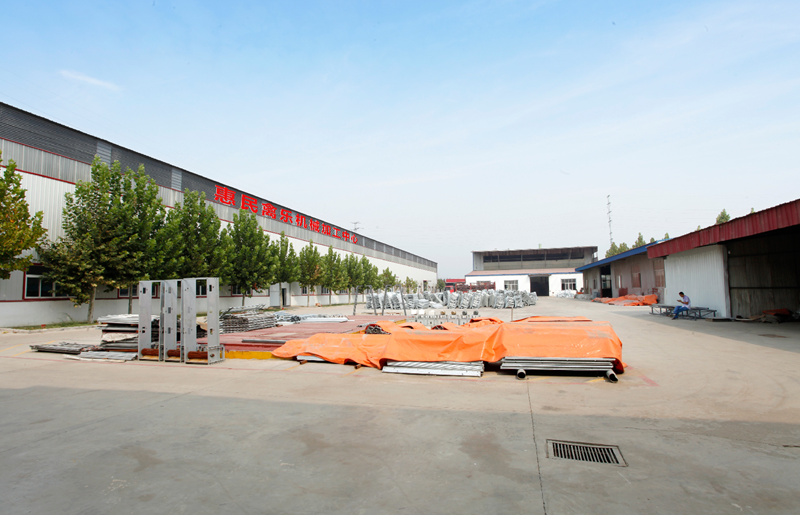
Located in Huimin County, Binzhou City, Shandong Province, China, the company has extensive experience in mechanical processing and manufacturing, as well as livestock machinery production and operation. With fixed assets of RMB 15 million, the company employs 160 people, including 30 R&D staff, and occupies a 40,000-square-meter factory. Equipped with over 110 pieces of advanced precision production equipment, including CNC machining centers and laser cutting machines, the company boasts a production capacity of RMB 50 million.
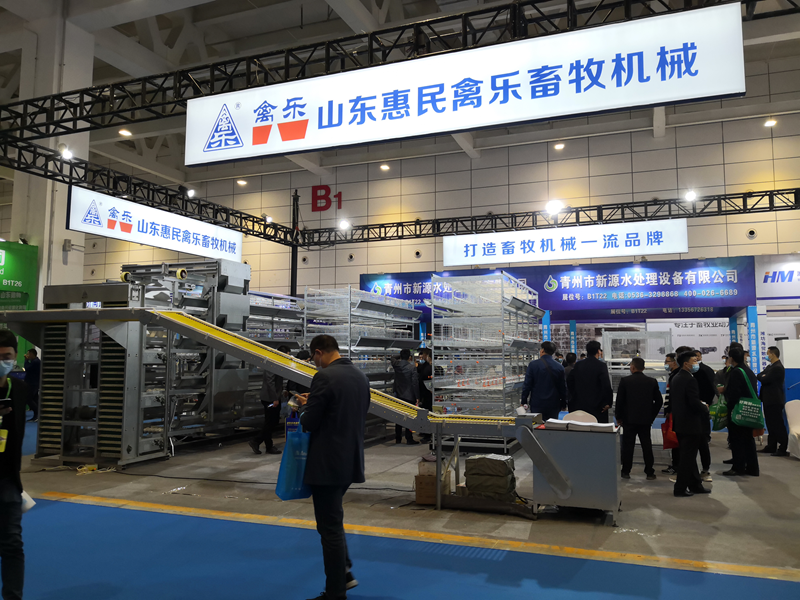
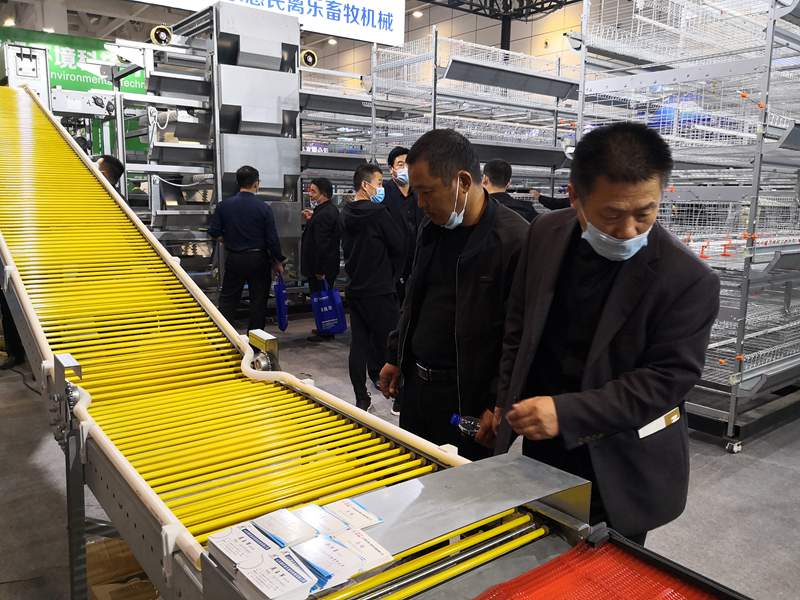
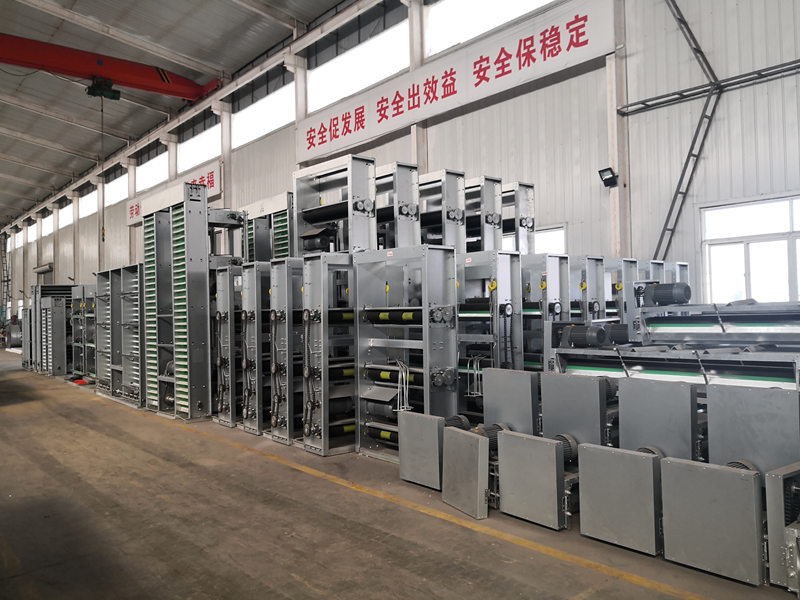
Chicken Farming Equipment Mesh Production Workshop

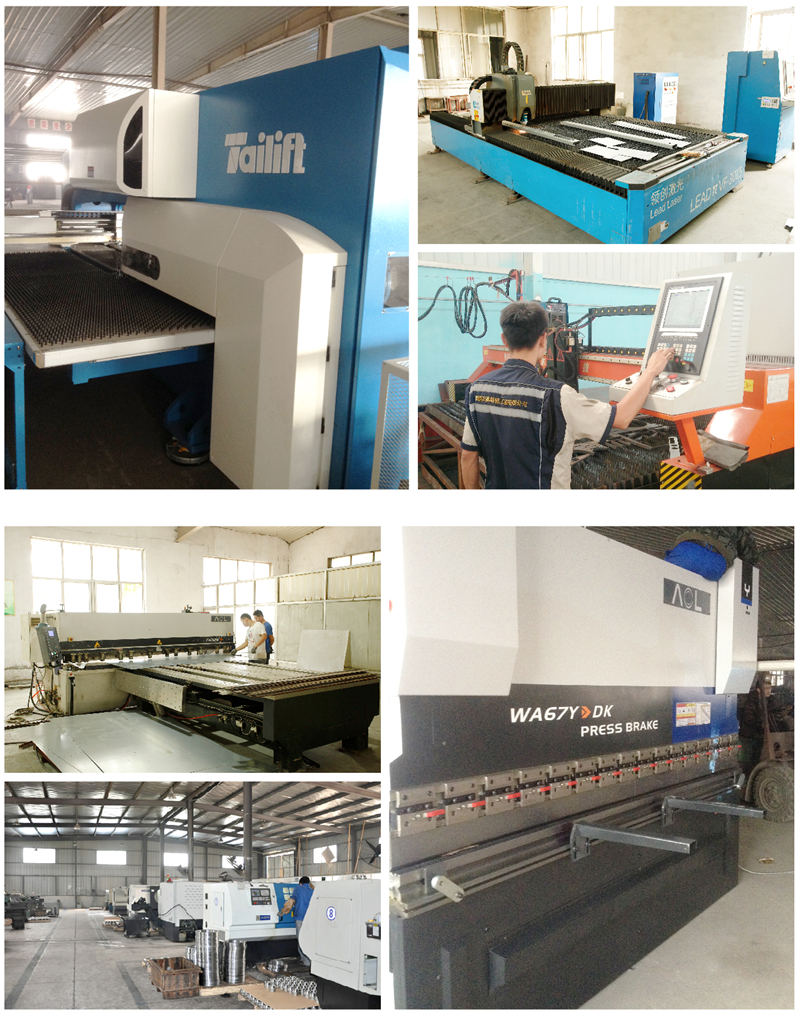
Machining Workshop
Turret-type CNC Punch Press, Laser Cutting and Other Machining Equipment
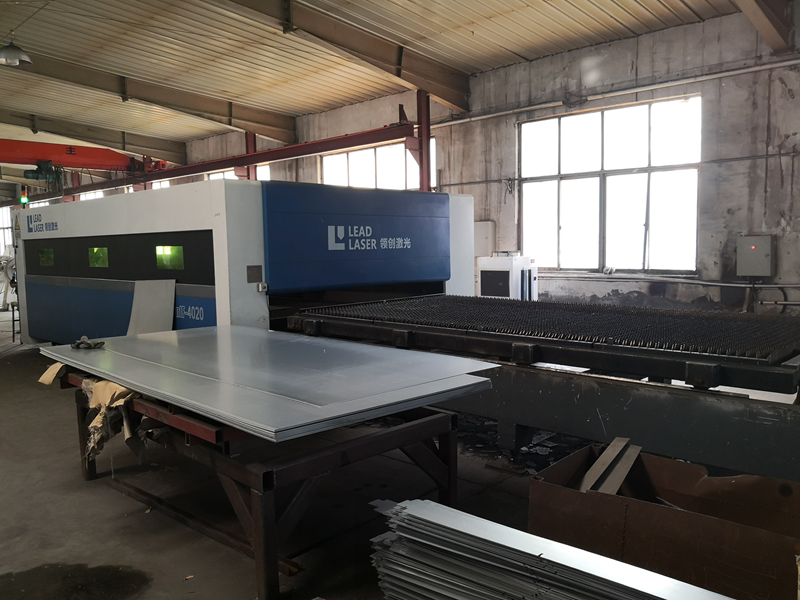

Fully Automated Roll Forming Production Line

Hot-dip Galvanizing Production Line

Electroplating Production Line
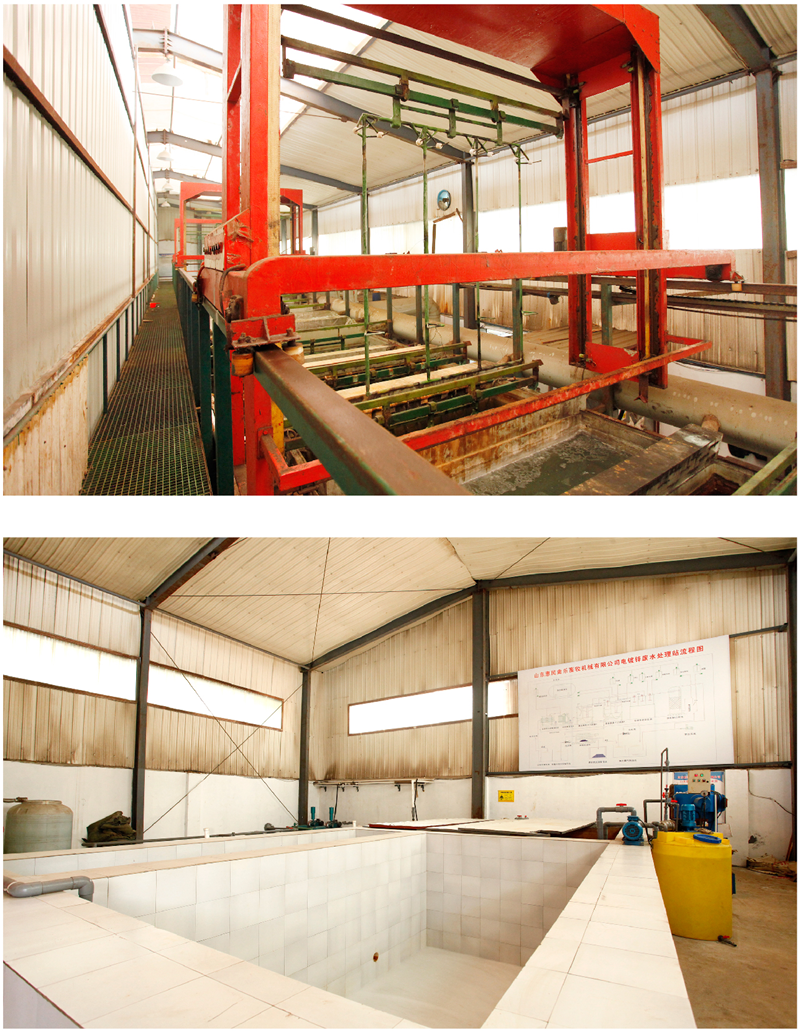
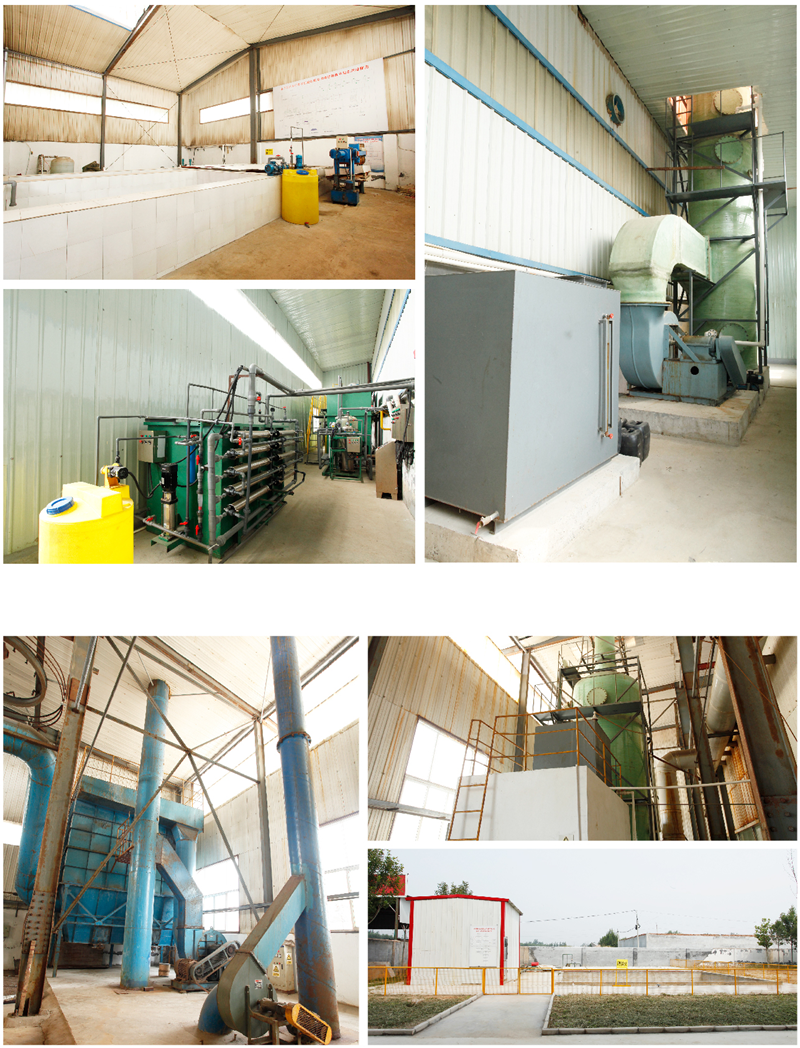
Environmental Protection Equipment
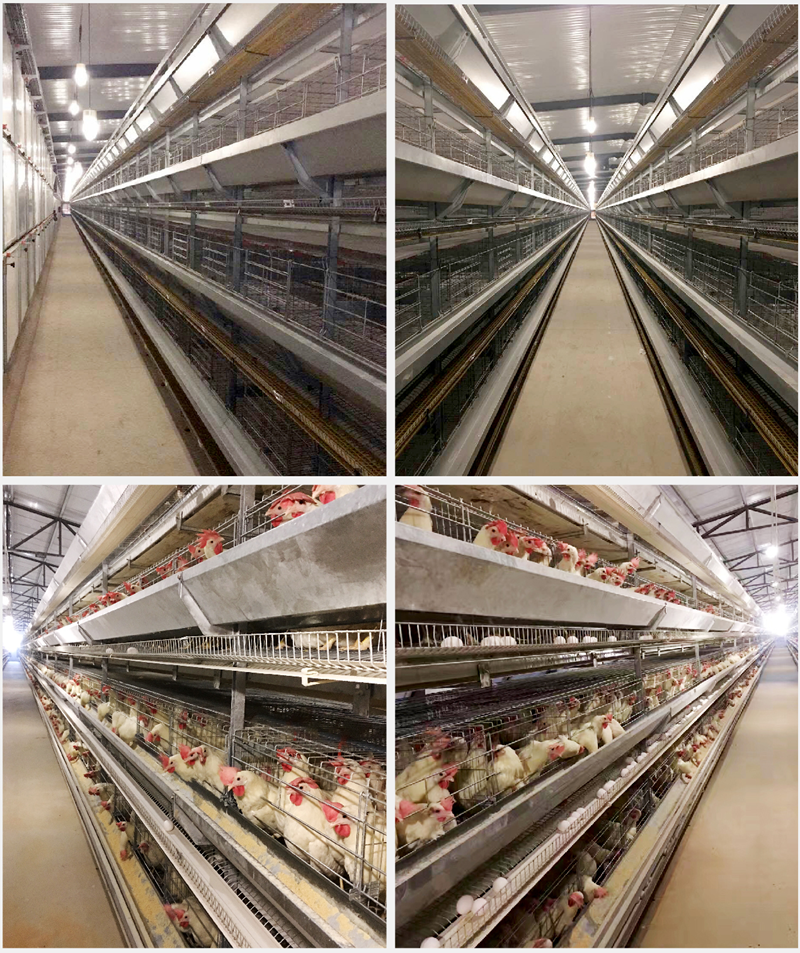
Chicken Farming Equipment Product Series
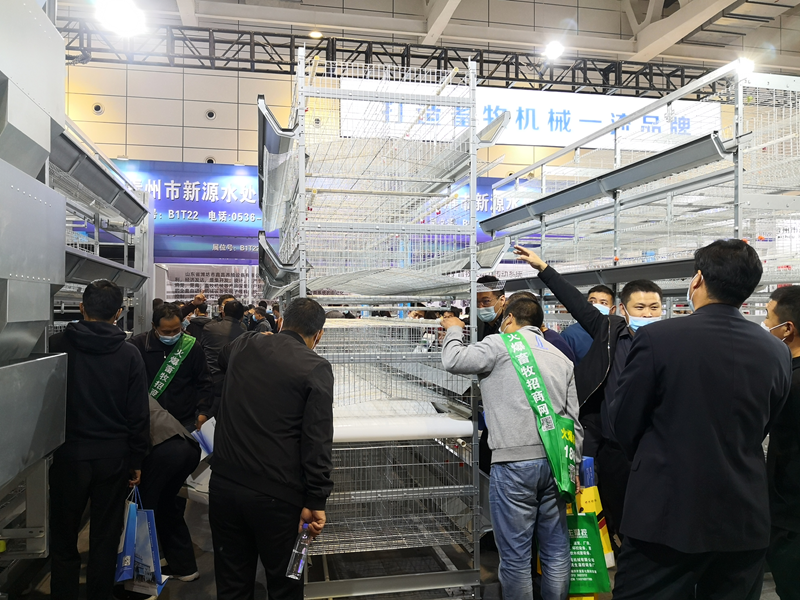
Egg-laying Hen Farming Equipment
Stacked Brooding Cage Equipment

Stacked Broiler Cage Equipment
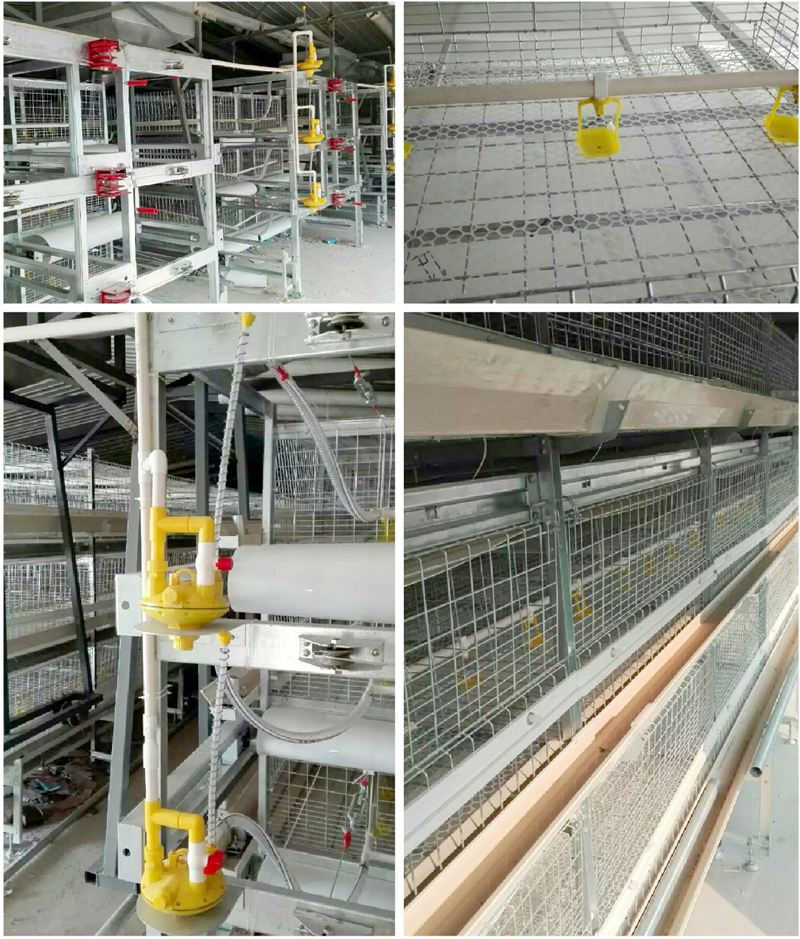
Stepped Layer Hen Cage Rearing Equipment
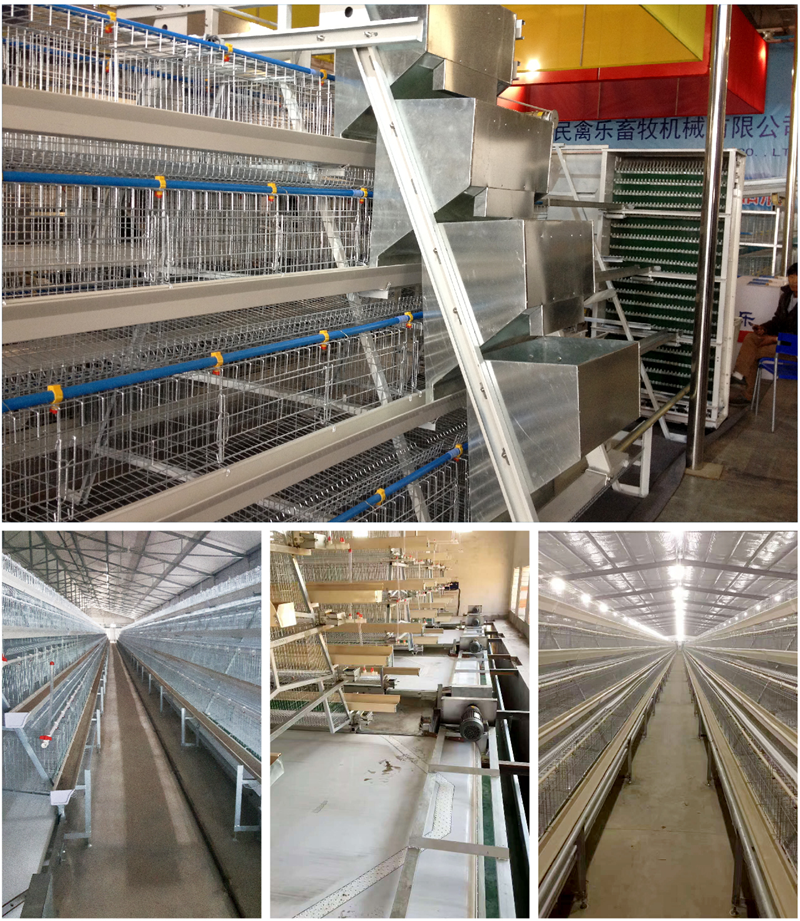
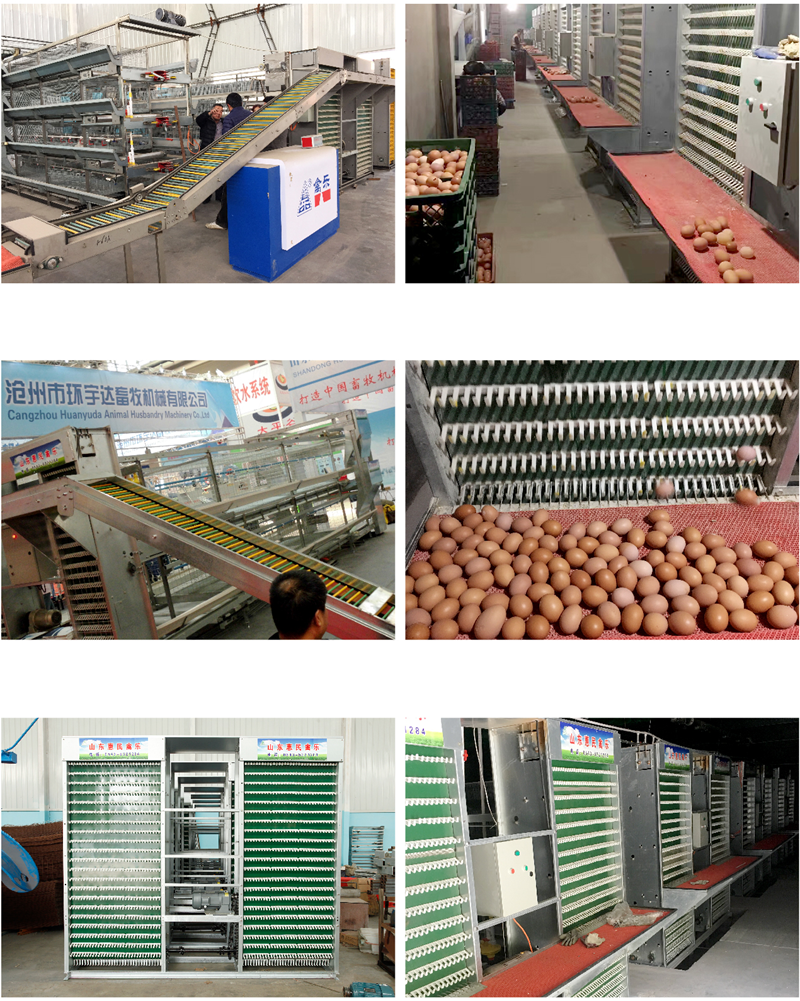
Automatic Egg Collection System
H-type Cage Feeding Machine
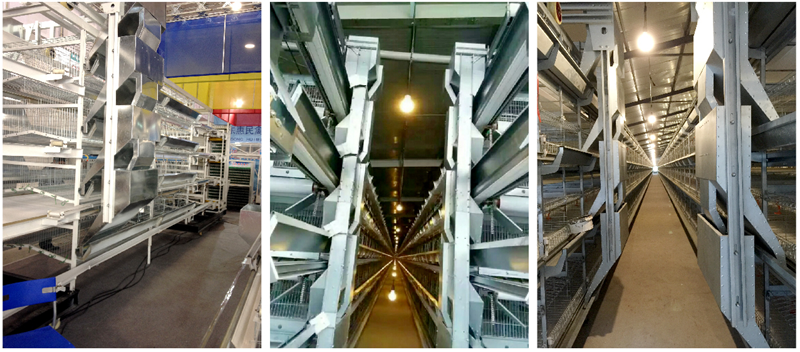
Stepped Cage Straddle Feeder
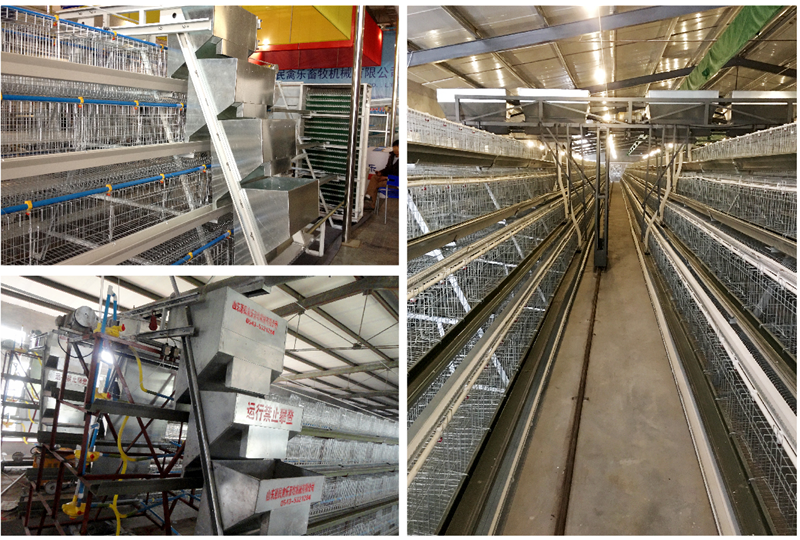
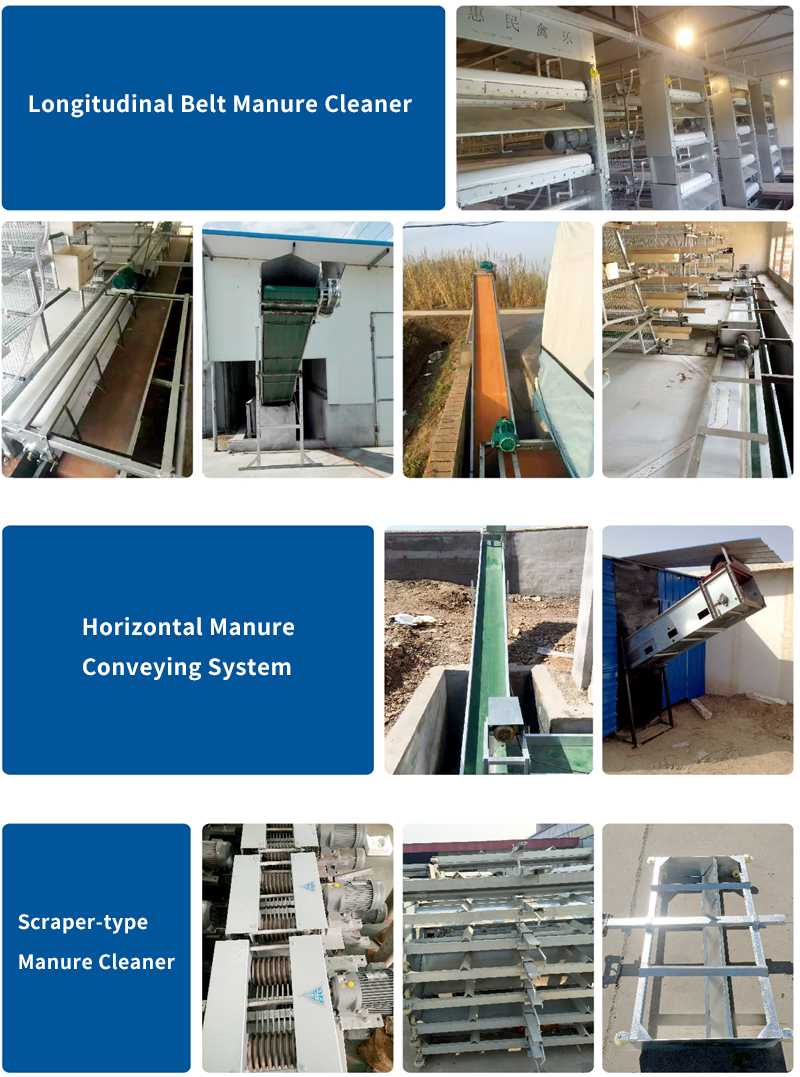
Manure Removal Machine
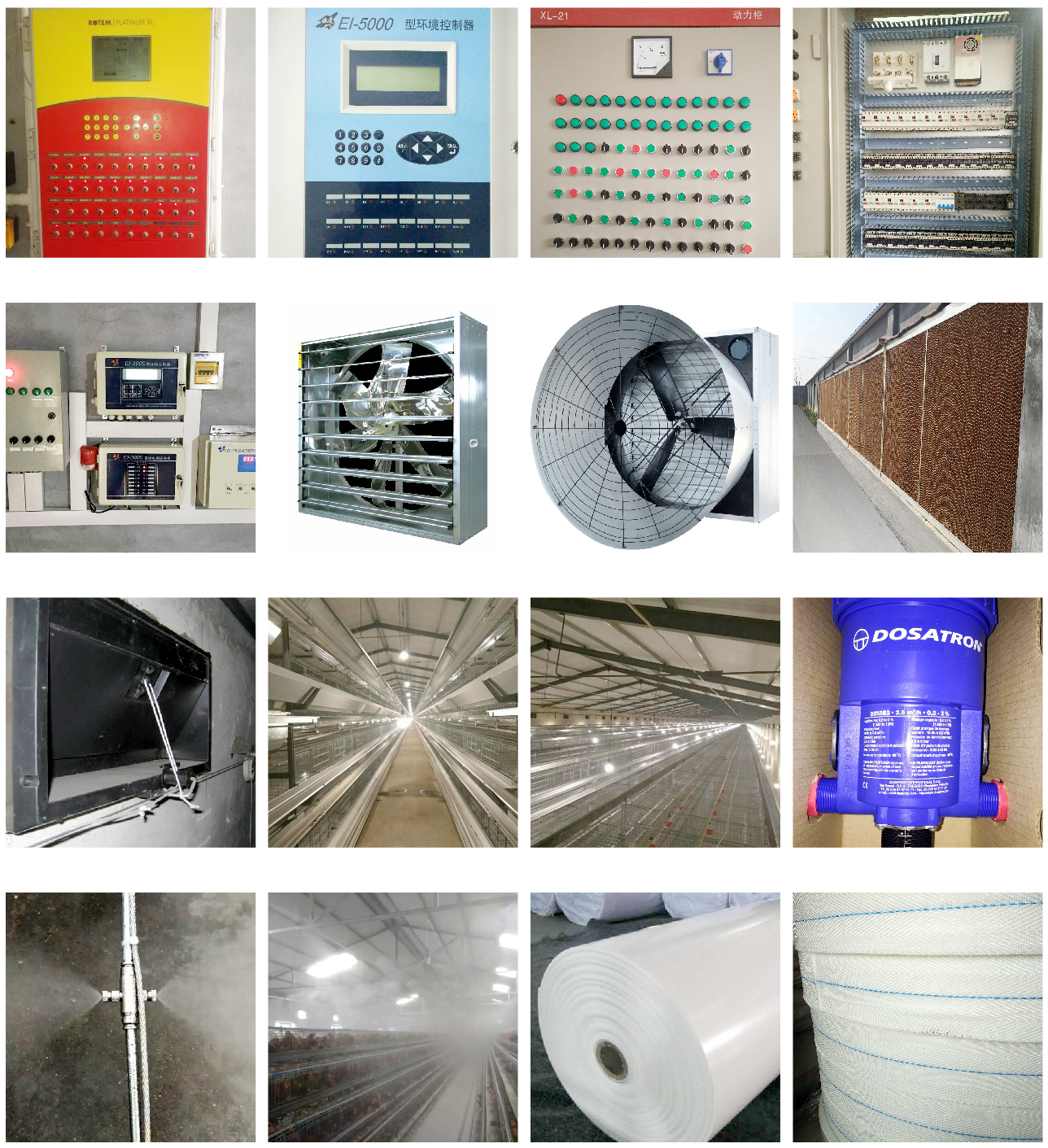
Fans, Heated Curtains, Environmental Control Systems, and Lighting Equipment
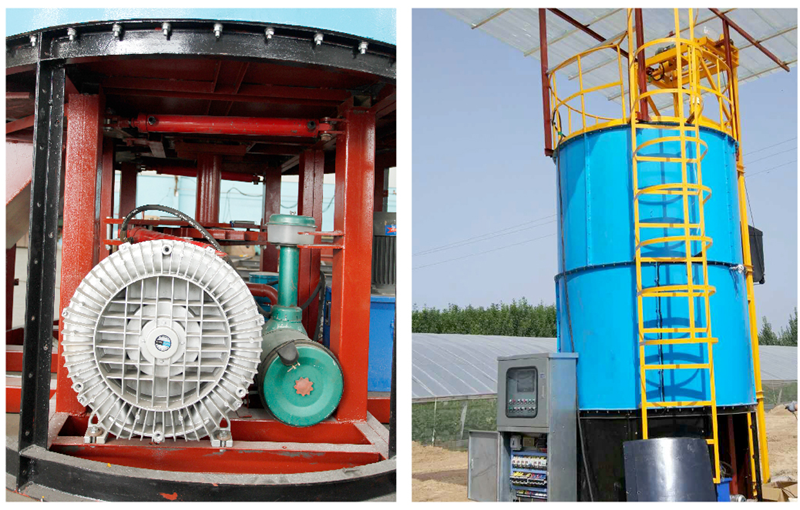
Complete Set of Equipment for Organic Fermentation Treatment of Manure
Бул веб-сайт биздин веб-сайтта эң жакшы тажрыйбаны алуу үчүн кукилерди колдонот.
 English
 Pусский
 Français
 العربية
 Indonesia
 қазақ
қазақ o'zbek
 тоҷикӣ
 Türkmenler
 Catalogue



 Whatsapp
 Телефон