

1. Introduction to Steel Aviary Structures
A Steel Aviary Structure is a robust framework designed to house poultry—especially laying hens—in cage-free or aviary systems using steel as the primary construction material. Steel aviary structures form the backbone of modern poultry farming setups, providing strength, durability, and flexibility for Multi-Tier Aviary systems.
With the global shift towards cage-free egg production and improved animal welfare, steel aviary structures have become essential. They offer an ideal combination of stability, corrosion resistance, and adaptability to various poultry housing designs. Whether for small farms or large commercial operations, steel aviary systems ensure optimal bird welfare and operational efficiency.
This guide covers the essential parameters, structural features, advantages, application scenarios, operational instructions, common issues, and frequently asked questions about steel aviary structures, helping producers understand their benefits and proper management.
2. Technical Parameters of Steel Aviary Structures
The design and parameters of steel aviary structures directly affect their durability, functionality, and bird comfort. Below are common technical specifications:
2.1 Material Specifications
Steel Type: Hot-dip galvanized steel, stainless steel (optional for corrosive environments)
Coating Thickness: Zinc coating of 275–450 g/m² for corrosion resistance
Steel Grade: Typically Q235 or Q345 structural steel
Wire Mesh: Galvanized welded wire mesh or stainless steel mesh with mesh sizes 25×25 mm to 50×50 mm
2.2 Structural Dimensions
Height: 2.2 to 3.0 meters, depending on tiers
Tier Width: 1.6 to 2.2 meters
Length: Modular lengths from 5 to 12 meters per unit
Column Spacing: 2 to 3 meters to balance support and bird space
2.3 Load Capacity
Static Load: Designed to withstand bird weight, equipment, and environmental loads (typically 250–500 kg/m²)
Dynamic Load: Supports movement of birds, feed, and egg collection systems
2.4 Environmental Resistance
Corrosion Protection: Hot-dip galvanization to prevent rust in humid poultry houses
Fire Resistance: Steel structures offer higher fire resistance compared to wood or plastic
Thermal Expansion: Designed to accommodate minor expansion/contraction without damage
2.5 Compatibility
Designed to support aviary components: feeders, drinkers, nests, manure belts, perches, and egg belts.
3. Key Features of Steel Aviary Structures
3.1 High Durability and Strength
Steel offers superior mechanical strength to endure heavy loads, vibrations, and operational wear and tear.
3.2 Corrosion Resistance
Galvanized coatings protect steel from rust, increasing lifespan even in moist, manure-rich poultry environments.
3.3 Modular and Flexible Design
Steel aviary frames are modular, allowing for scalable systems that can be customized to farm size and layout.
3.4 Precision Fabrication
Steel components are prefabricated with precision to ensure easy assembly and consistent quality.
3.5 Easy Maintenance
Steel surfaces are easy to clean and maintain, resisting pests like termites or rodents common with wooden structures.
3.6 Safety and Compliance
Steel frames meet agricultural building codes and animal welfare regulations more reliably than alternative materials.
4. Advantages of Steel Aviary Structures
4.1 Longevity and Reliability
Steel aviary structures typically last 15–25 years with proper maintenance, reducing the need for frequent replacements.
4.2 Reduced Structural Failures
High tensile strength minimizes risks of sagging, bending, or collapse under heavy bird activity or equipment use.
4.3 Enhanced Biosecurity
Steel’s non-porous surface resists bacterial and fungal buildup, facilitating better hygiene and disease control.
4.4 Cost-Effectiveness Over Time
Though initial costs may be higher than wood or plastic, durability and low maintenance make steel more economical long-term.
4.5 Environmental Sustainability
Steel is recyclable, and modern galvanization reduces environmental impact during production and operation.
5. Application Scenarios for Steel Aviary Structures
5.1 Large-Scale Commercial Aviary Farms
Ideal for multi-tier aviary systems housing tens of thousands of hens, providing structural support for automated systems.
5.2 Medium and Small-Scale Poultry Operations
Modular designs allow scalable investment and flexibility for growing operations or smaller farms.
5.3 Retrofitting and Upgrading Existing Facilities
Steel frames can replace or reinforce aging wooden or plastic structures for enhanced safety and durability.
5.4 Organic and Cage-Free Egg Production
Supports welfare-focused systems that require aviary setups allowing hens to roam vertically and horizontally.
5.5 Research and Pilot Farms
Used in experimental setups for housing systems testing due to their flexibility and ease of modification.
6. Usage Instructions for Steel Aviary Structures
6.1 Site Preparation
Select well-drained, level ground to prevent structural shifting.
Ensure compliance with local building codes and environmental standards.
6.2 Installation and Assembly
Use qualified technicians or manufacturer-certified teams.
Follow manufacturer assembly manuals carefully.
Verify structural integrity after assembly, including bolt tightness and alignment.
6.3 Integration with Aviary Equipment
Mount feeders, drinkers, nest boxes, perches, and manure belts onto steel frames securely.
Coordinate electrical and automation installations to prevent damage to steel structure.
6.4 Routine Inspection and Maintenance
Check for corrosion, especially at joints and contact points.
Reapply protective coatings if wear is observed.
Inspect welds and bolts regularly, tighten or repair as needed.
Clean with non-abrasive detergents and avoid harsh chemicals that damage coatings.
7. Common Problems and Troubleshooting
7.1 Corrosion and Rust Spots
Cause: Damage to galvanization or harsh cleaning chemicals.
Solution: Promptly repair damaged coatings, use protective paints, avoid abrasive cleaners.
7.2 Structural Deformation or Sagging
Cause: Overloading or improper assembly.
Solution: Verify load limits, re-tighten fasteners, reinforce weak points.
7.3 Bolt Loosening
Cause: Vibration from machinery or bird movement.
Solution: Use lock washers, regular bolt checks, and tighten during maintenance.
7.4 Mesh Damage or Bird Injury Risk
Cause: Wear and tear or aggressive bird behavior.
Solution: Replace damaged mesh sections promptly, use proper mesh gauge.
8. Frequently Asked Questions (FAQs)
Q1: How long does a steel aviary structure last?
With proper care, 15 to 25 years or more.
Q2: Is galvanized steel safe for poultry?
Yes, galvanized steel is widely used in poultry housing and considered safe when coatings are intact.
Q3: Can steel aviary structures be customized?
Yes, modular design allows customization in size, tiers, and integration with equipment.
Q4: How resistant is steel to corrosion in poultry houses?
Hot-dip galvanization provides excellent protection, but maintenance is key to prevent localized rust.
Q5: What is the typical cost difference compared to wood or plastic?
Initial investment is higher, but steel offers better longevity and lower maintenance costs.
Q6: How often should maintenance be done?
Inspections quarterly or semi-annually, with cleaning and touch-up as needed.
9. Conclusion
Steel aviary structures are fundamental to modern poultry housing, combining strength, durability, and adaptability. They support advanced aviary systems that meet the growing demands for cage-free and welfare-friendly egg production. Investing in steel structures ensures long-term operational efficiency, safety, and compliance with industry standards.
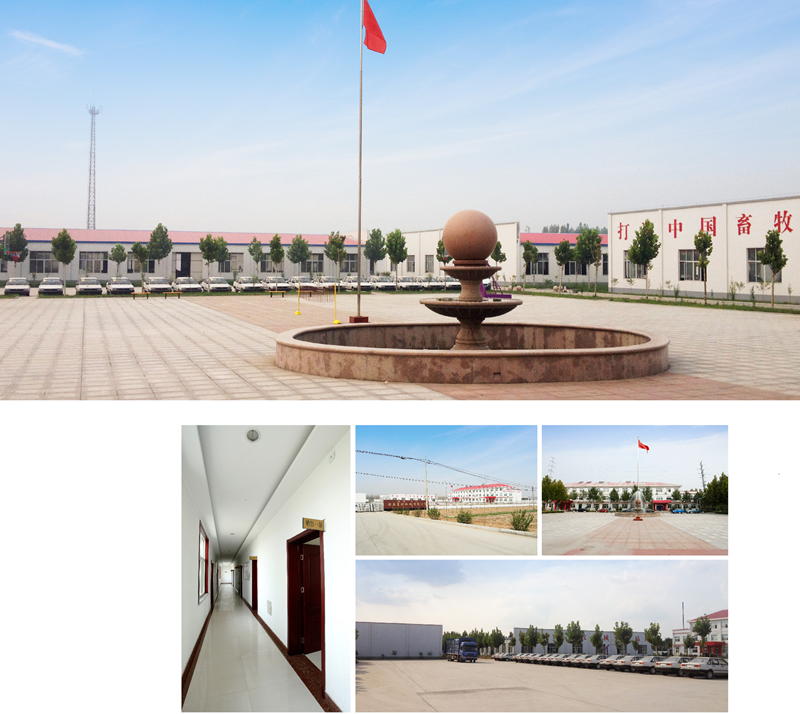
Shandong Huimin Qinle Livestock Machinery Co., Ltd. (formerly Shandong Huimin Qinle Livestock Machinery Factory) is a professional poultry equipment manufacturer with over 20 years of experience. We offer a comprehensive service package, from design (land and chicken coops), production (equipment and prefabricated steel coops), installation, commissioning, customer training, and after-sales service.
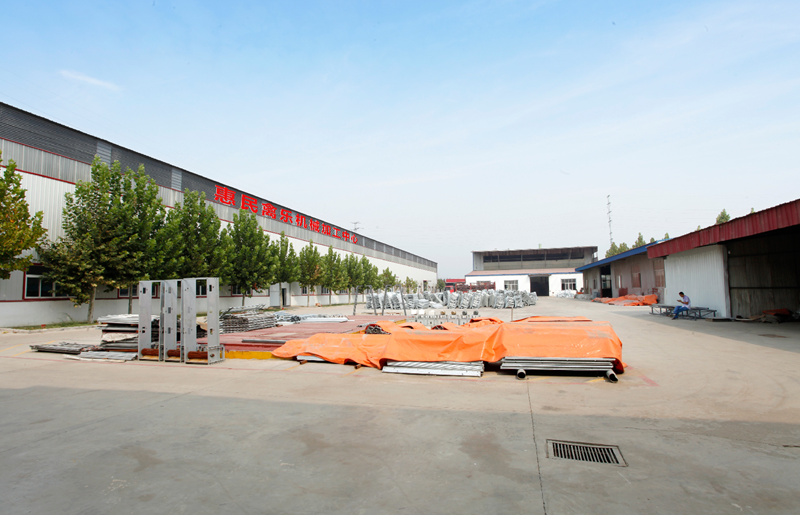
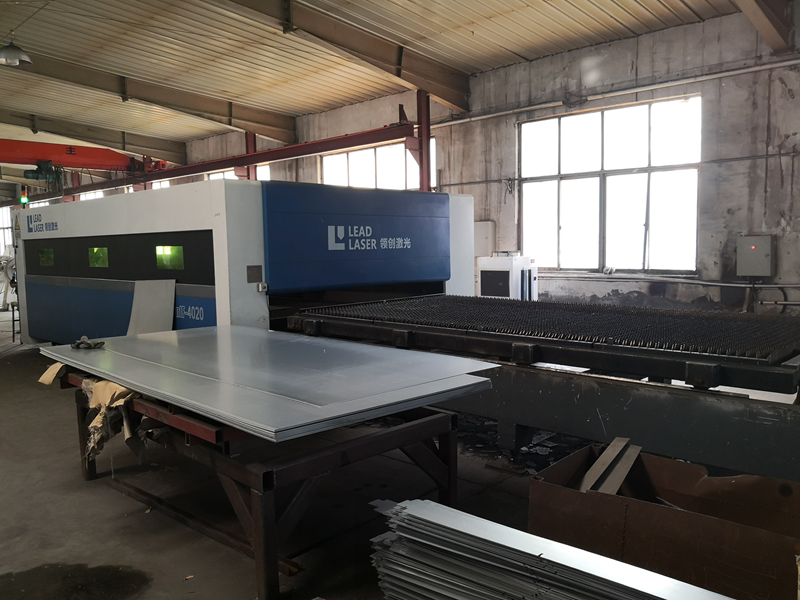
Located in Huimin County, Binzhou City, Shandong Province, China, the company has extensive experience in mechanical processing and manufacturing, as well as livestock machinery production and operation. With fixed assets of RMB 15 million, the company employs 160 people, including 30 R&D staff, and occupies a 40,000-square-meter factory. Equipped with over 110 pieces of advanced precision production equipment, including CNC machining centers and laser cutting machines, the company boasts a production capacity of RMB 50 million.
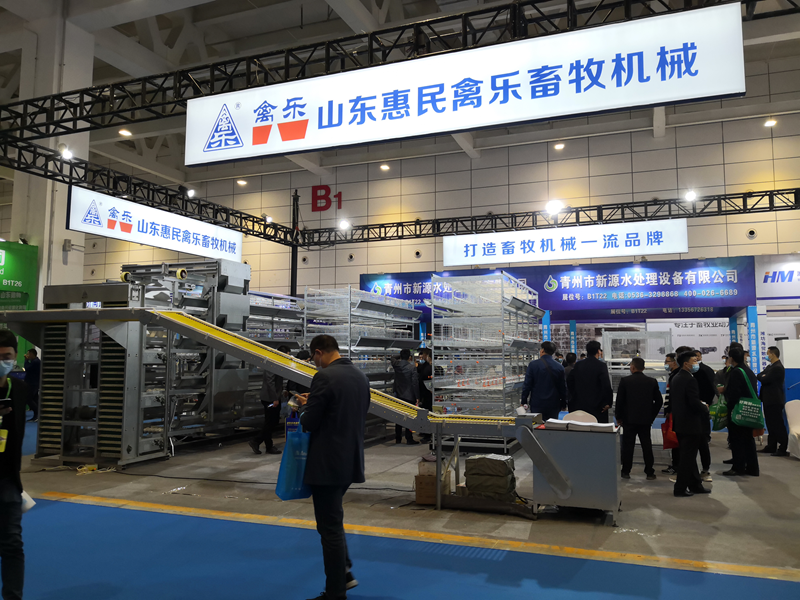
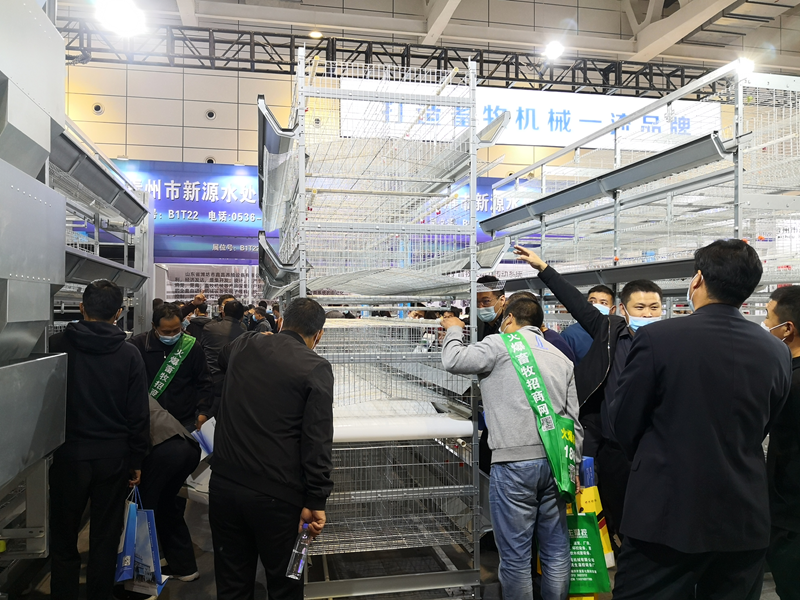
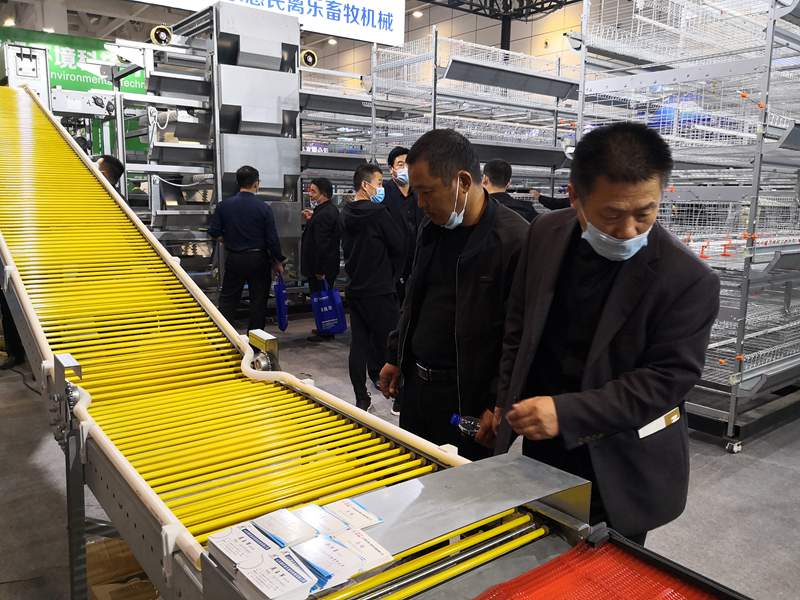
Chicken Farming Equipment Mesh Production Workshop

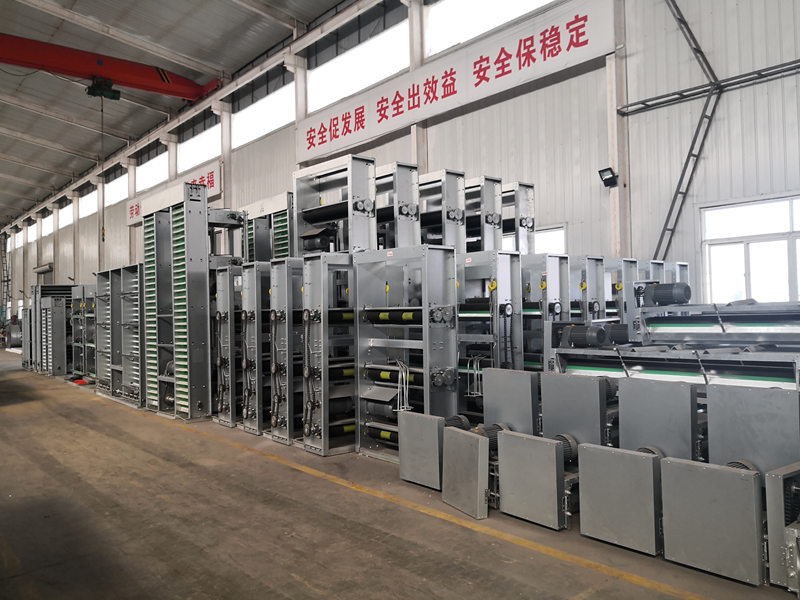
Machining Workshop
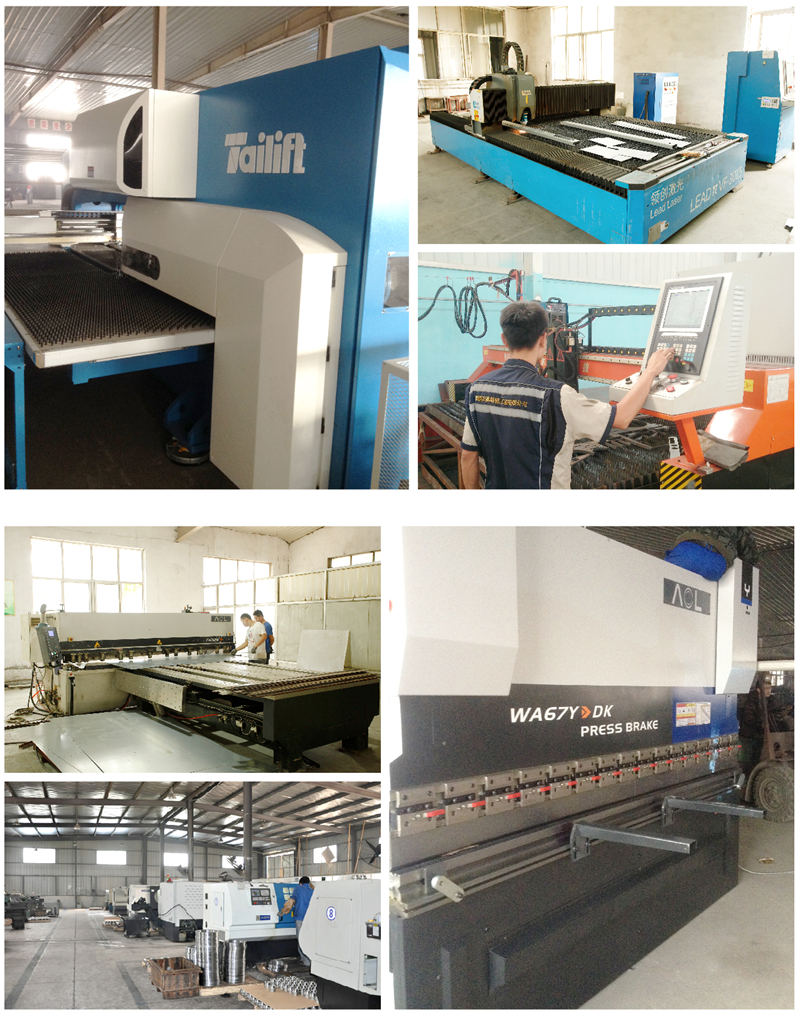
Turret-type CNC Punch Press, Laser Cutting and Other Machining Equipment

Fully Automated Roll Forming Production Line

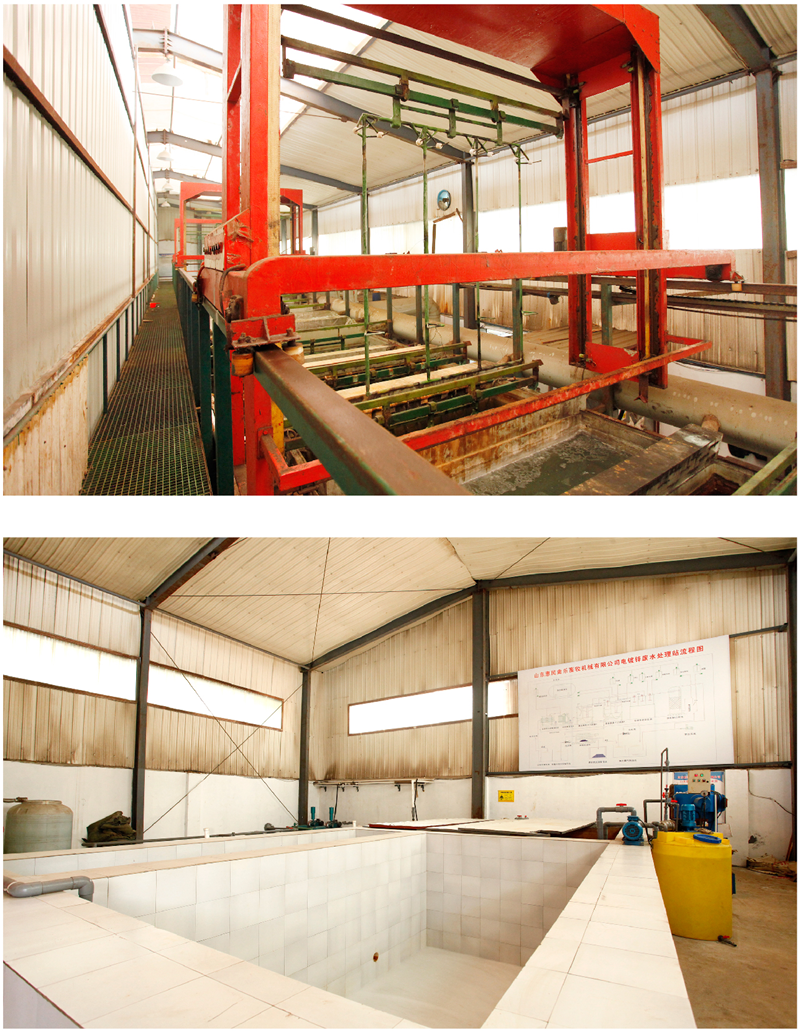
Hot-dip Galvanizing Production Line

Electroplating Production Line
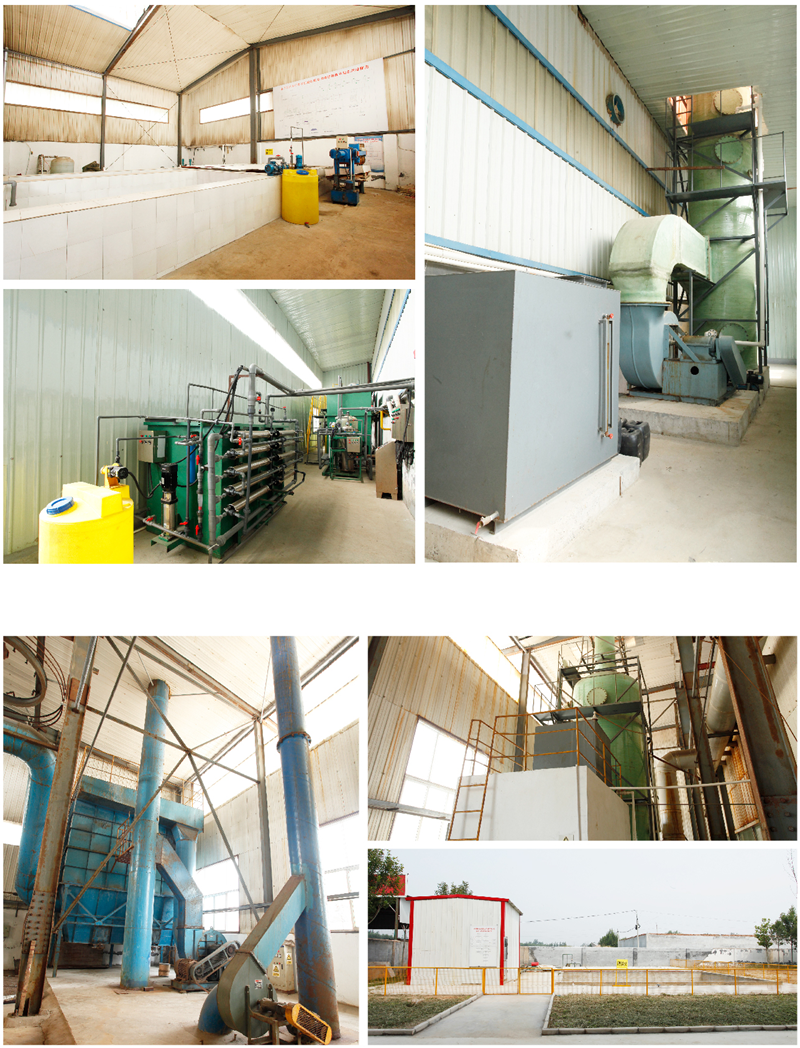
Environmental Protection Equipment
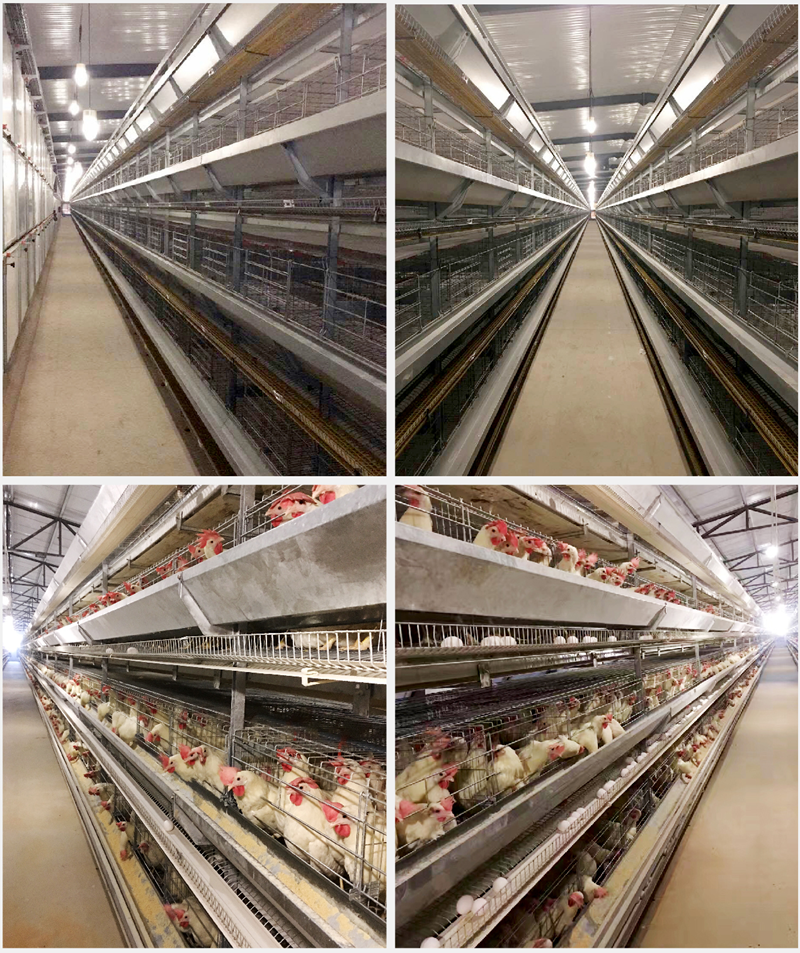
Chicken Farming Equipment Product Series
Egg-laying Hen Farming Equipment
Stacked Brooding Cage Equipment

Stacked Broiler Cage Equipment
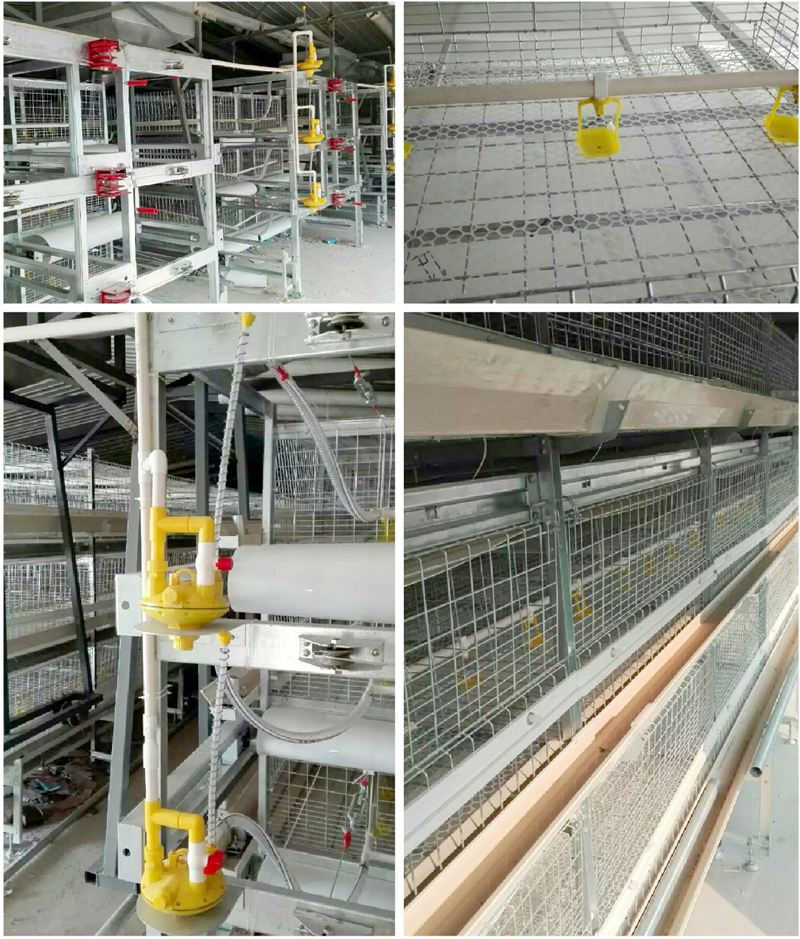
Stepped Layer Hen Cage Rearing Equipment
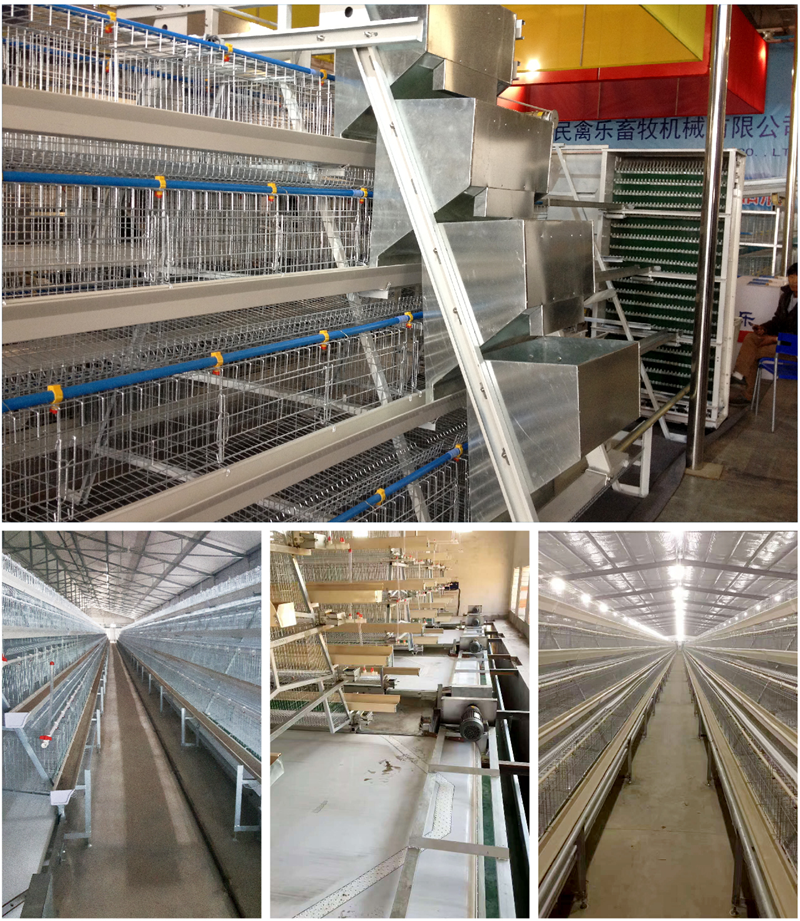
Automatic Egg Collection System
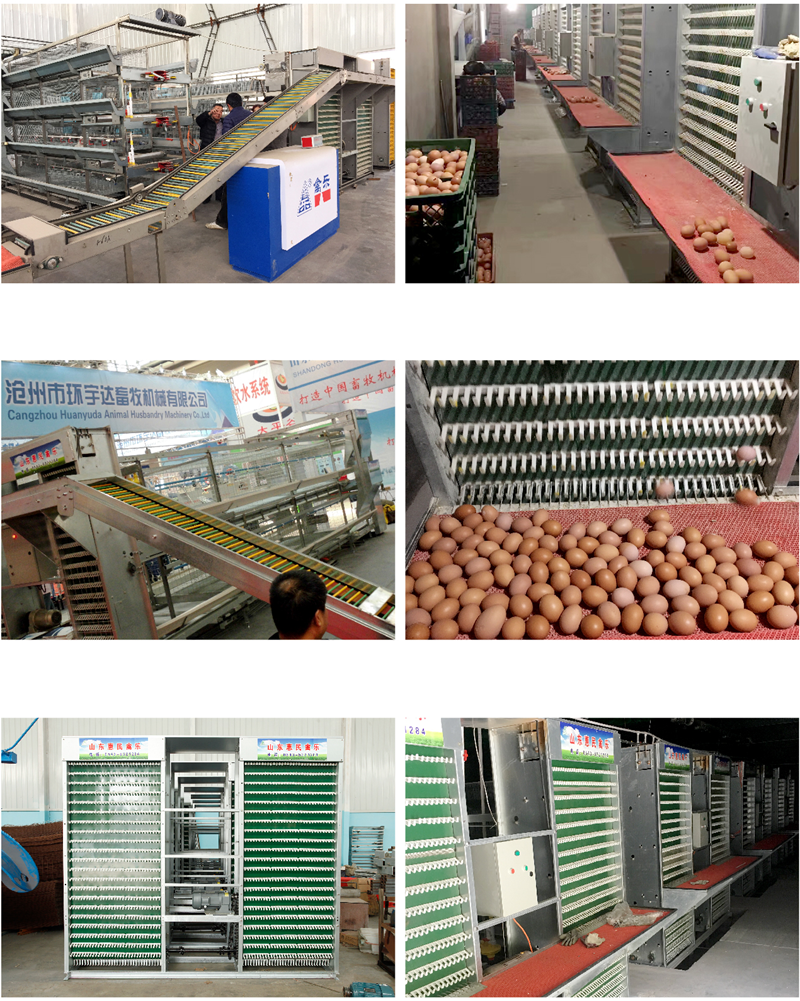
H-type Cage Feeding Machine
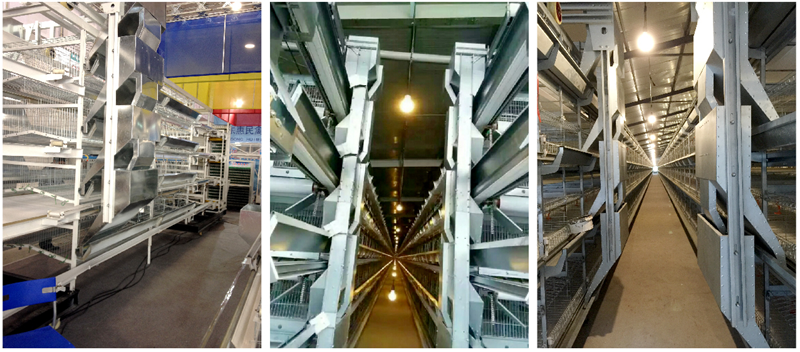
Stepped Cage Straddle Feeder
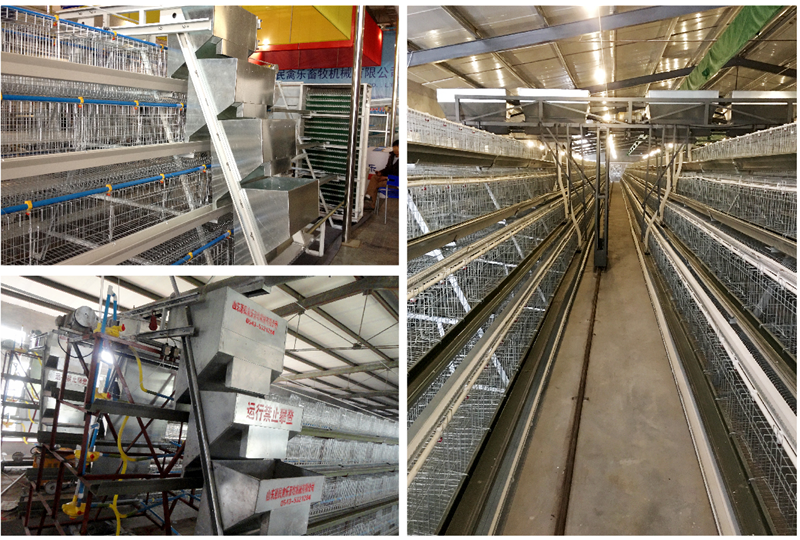
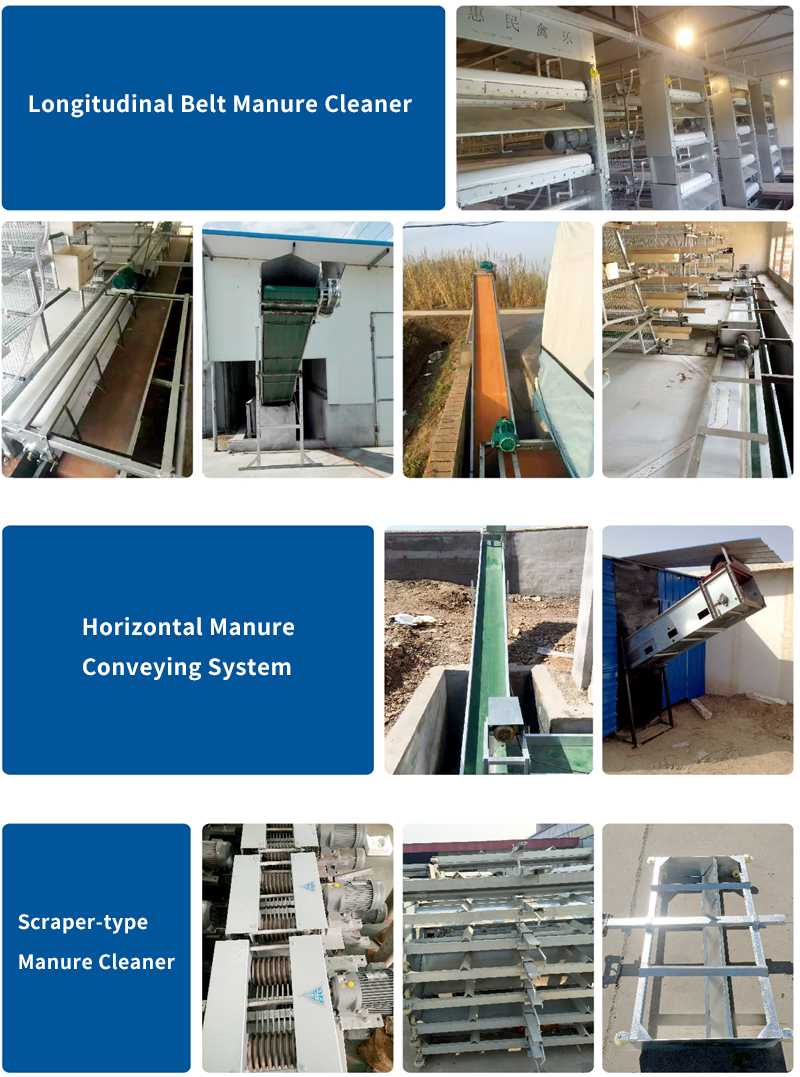
Manure Removal Machine
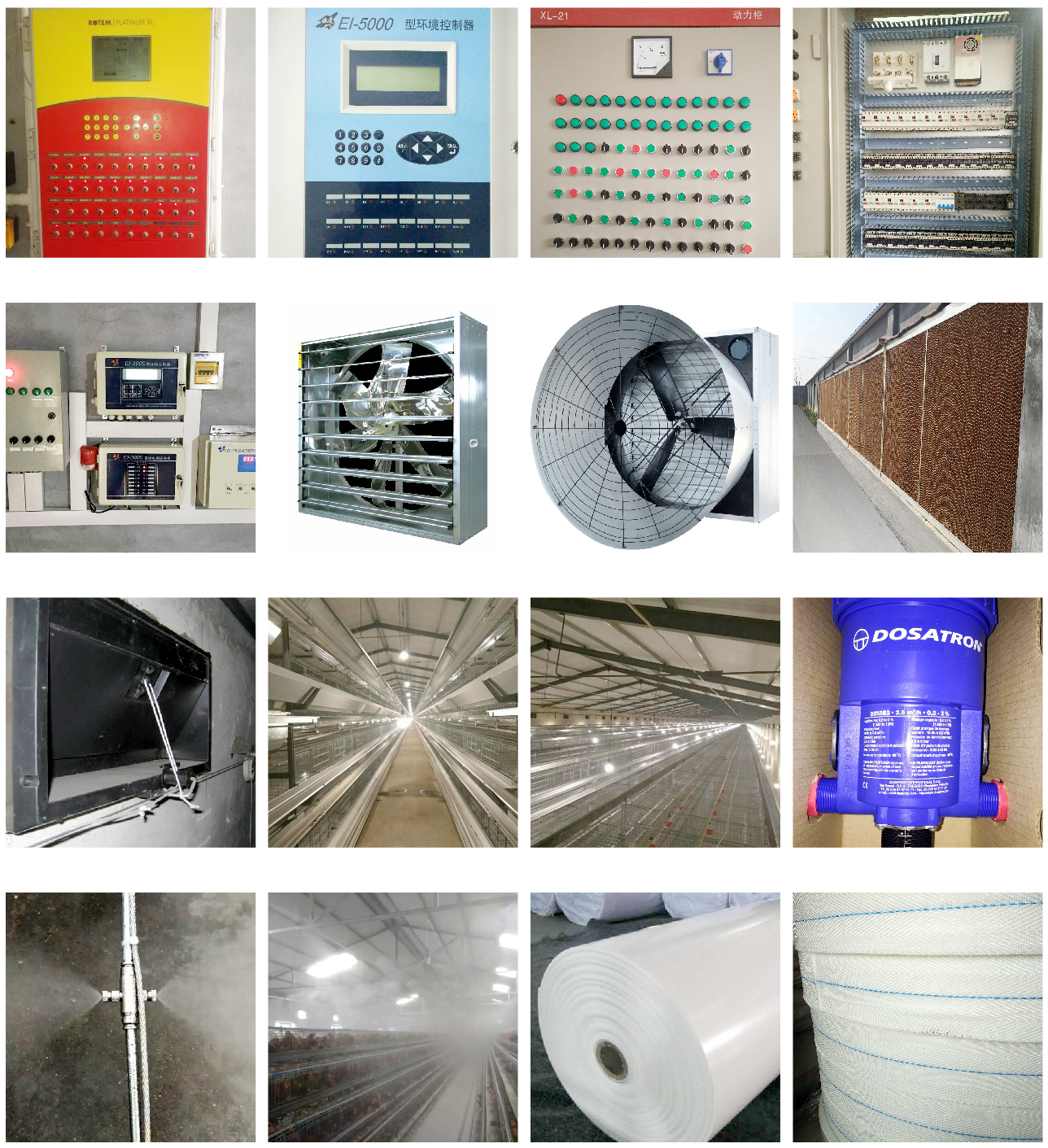
Fans, Heated Curtains, Environmental Control Systems, and Lighting Equipment
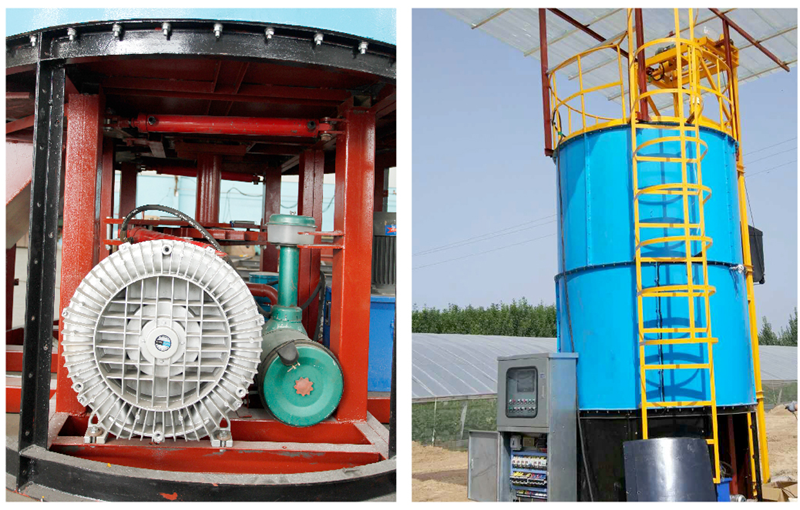
Complete Set of Equipment for Organic Fermentation Treatment of Manure
Бул веб-сайт биздин веб-сайтта эң жакшы тажрыйбаны алуу үчүн кукилерди колдонот.
 English
 Pусский
 Français
 العربية
 Indonesia
 қазақ
қазақ o'zbek
 тоҷикӣ
 Türkmenler
 Catalogue



 Whatsapp
 Телефон