

Introduction
A Poultry Farm Environmental System is a comprehensive solution designed to ensure optimal air quality, climate control, ventilation, waste management, and overall environmental stability in poultry farming operations. Modern poultry production requires precision to achieve high performance, consistent flock health, and efficient resource utilization. As farming scales increase and environmental regulations tighten globally, poultry operations rely heavily on automated environmental systems to maintain ideal conditions for broilers, layers, breeders, turkeys, ducks, and other poultry species.
The purpose of a poultry environmental system is to create a stable, comfortable, and controlled environment inside poultry houses. This system integrates ventilation, temperature control, humidity management, air purification, lighting, waste treatment, and biosecurity functions. By utilizing advanced sensors, intelligent controllers, and powerful mechanical components, it maintains conditions that support the birds’ physiological needs while optimizing productivity, reducing stress, and preventing disease outbreaks.
With the growing emphasis on sustainable agriculture, energy efficiency, and animal welfare, a well-designed environmental system has become an essential part of modern poultry farm operations. It not only enhances farm performance but ensures compliance with environmental standards and improves overall farm profitability.
Technical Parameters
Control System | PLC / Smart Controller / IoT |
Temperature Range | 0–50°C adjustable |
Humidity Control | 20%–90% RH |
Ventilation Modes | Tunnel / Cross / Sidewall / Mixed |
Max Airflow Capacity | 10,000–80,000 m³/h |
Cooling Method | Evaporative cooling pads / Fogging |
Heating System | Gas heater / Diesel heater / Heat exchanger |
Sensors Included | Temperature, Humidity, CO₂, NH₃, Light, Wind Speed |
Air Purification | Dust filtration, Ammonia reduction |
Lighting System | LED Dimmable Lighting 1–100% |
Power Supply | 220–380V / 50–60Hz |
Automation | Automatic + Manual Override |
Communication | RS485, Modbus, Cloud Monitoring |
Alarm System | SMS / App / Buzzer alerts |
Data Logging | Real-time + historical reporting |
Key Features
1. Complete Environmental Monitoring
The system uses advanced sensors to track temperature, humidity, CO₂ levels, ammonia concentration, airspeed, light intensity, and pressure differences, ensuring precise monitoring.
2. Intelligent Climate Control
Automated controllers adjust fans, cooling pads, heaters, and air inlets in real time to maintain a stable climate.
3. Efficient Ventilation System
Offers tunnel ventilation, sidewall ventilation, minimum ventilation, and mixed-flow systems designed to support each stage of poultry growth.
4. Air Purification and Ammonia Reduction
High-quality ventilation and filtration reduce dust, pathogens, and harmful gases, improving respiratory health.
5. Advanced Cooling Solutions
Evaporative cooling pads, fogging systems, and circulation fans ensure adequate cooling even in high-temperature regions.
6. Optimal Heating Management
High-efficiency heating systems maintain ideal brooding temperatures and reduce early-stage mortality.
7. Energy-Saving LED Lighting
Fully adjustable LED lights support biological rhythms, improve feed intake, and reduce energy consumption.
8. IoT and Cloud-Based Remote Monitoring
Farm managers can adjust settings, view real-time data, and receive alarms via smartphone or computer.
9. Waste and Manure Management Integration
Supports air extraction, odor reduction, manure drying, and airflow-based waste removal systems.
10. Robust Construction and Long Lifespan
Housing components are designed for high humidity, dust environments, and heavy-duty operations.
Advantages
1. Improved Flock Performance
Consistent environmental conditions promote faster growth, better feed conversion, and uniform flock development.
2. Reduced Mortality and Disease Risk
Cleaner air, balanced temperatures, and proper ventilation significantly reduce respiratory diseases and heat stress.
3. Energy Efficiency and Cost Savings
Automated controls reduce unnecessary fan use, heating costs, and lighting energy consumption.
4. Enhanced Farm Biosecurity
Controlled airflow and pressure differences prevent pathogens from entering poultry houses.
5. Better Air Quality
Minimizes ammonia buildup, dust particles, and CO₂ levels for a healthier living environment.
6. Compliance with Regulations
Supports government environmental protection requirements and animal welfare standards.
7. Lower Labor Requirements
Automation reduces manual monitoring and repetitive adjustments, improving operational efficiency.
8. Scalability and Customization
Systems can be tailored to farms with 5,000 to 200,000+ birds, and expand as farm capacity grows.
Application Scenarios
1. Broiler Chicken Farms
Maintains optimal growth conditions for rapid weight gain and uniformity.
2. Layer Farms
Improves egg production, shell quality, and hen health.
3. Breeder Farms
Ensures precise environmental conditions to support reproductive performance.
4. Turkey Farms
Manages high heat load and provides strong airflow required by larger birds.
5. Duck and Goose Farms
Provides temperature and humidity control suitable for waterfowl species.
6. Poultry Hatcheries
Regulates temperature and humidity for embryo development.
7. Multi-House Poultry Complexes
Centralized control enables management of several houses from one platform.
8. Farms in Extreme Climates
Essential for regions with extremely hot, cold, humid, or dry weather.
Usage Instructions
1. System Installation and Configuration
Install sensors at bird-level height.
Ensure proper electrical connections and protection.
Configure controller according to poultry type and age.
Test fans, heaters, cooling pads, and alarms.
2. Start-Up Procedure
Power on the main controller.
Enter poultry type: broiler, layer, breeder, turkey, etc.
Set target temperature and humidity.
Adjust ventilation according to bird density.
Set lighting program (timing and dimming).
3. Daily Operation
Monitor dashboard or mobile app.
Adjust ventilation and cooling based on weather conditions.
Check sensors for accuracy.
Observe bird behavior for signs of stress (panting, piling, low activity).
4. Growth Stage Adjustments
Increase ventilation gradually as birds grow.
Decrease heating as internal temperature rises.
Modify lighting based on growth or laying requirements.
5. Shutdown Procedure
Stop ventilation progressively.
Power off controllers.
Clean fans, filters, and cooling pads.
Maintenance Guidelines
Daily Maintenance
Inspect fans for dust buildup.
Check cooling pad water circulation.
Ensure heating elements operate normally.
Verify sensor accuracy.
Weekly Maintenance
Clean air inlets.
Rinse cooling pads.
Test alarm systems.
Synchronize fan operation.
Monthly Maintenance
Run calibration tests on CO₂ and NH₃ sensors.
Inspect belts, motors, and electrical connections.
Clean lighting fixtures and ducts.
Annual Maintenance
Replace worn fan belts.
Check structural integrity of ventilation tunnels.
Upgrade firmware and software.
Inspect insulation and building sealing.
Common Problems & Troubleshooting
1. Temperature Too High
Possible Cause: Insufficient ventilation or cooling.
Solution: Increase fan speed; clean cooling pads.
2. Temperature Too Low
Possible Cause: Heater malfunction or poor insulation.
Solution: Inspect heating system and fix leaks.
3. High Ammonia Levels
Possible Cause: Poor airflow or excessive manure.
Solution: Increase ventilation; clean manure more frequently.
4. Uneven Airflow
Possible Cause: Fans not balanced or some inlets blocked.
Solution: Clean and synchronize fans.
5. Sensor Malfunction
Possible Cause: Dust or moisture buildup.
Solution: Replace or clean sensors.
6. Cooling Pads Dripping Water
Cause: Excessive water supply.
Solution: Adjust pump pressure and water level.
FAQ (Frequently Asked Questions)
1. What is the main function of a Poultry Farm Environmental System?
It controls temperature, humidity, air quality, lighting, ventilation, and overall atmosphere inside poultry houses.
2. Can this system reduce farm energy costs?
Yes. Automated control can reduce energy usage by 20–40%.
3. Is the system suitable for all poultry types?
Yes. It works for broilers, layers, breeders, turkeys, ducks, and geese.
4. Can it be controlled remotely?
Most modern systems support smartphone and cloud monitoring.
5. How long is the service life?
Typically 8–15 years with proper maintenance.
6. What happens if the power fails?
Backup alarms and emergency ventilation are recommended.
7. Does this system help with disease control?
Yes. Proper airflow and air quality reduce respiratory diseases.
8. Can it integrate with feeding or manure systems?
Yes. It connects with feeding, watering, and waste management units.
9. Is professional installation required?
For large farms, professional installation is highly recommended.
Conclusion
A Poultry Farm Environmental System is a critical component of modern poultry farming, ensuring ideal living conditions, improving productivity, and supporting sustainable agricultural practices. With advanced climate control, ventilation, air purification, monitoring, and automation, the system enhances flock health, reduces operational costs, and helps farms meet strict environmental protection standards.
As poultry farming continues to industrialize, investing in a reliable environmental system is essential for long-term success, higher returns, and improved farm efficiency.
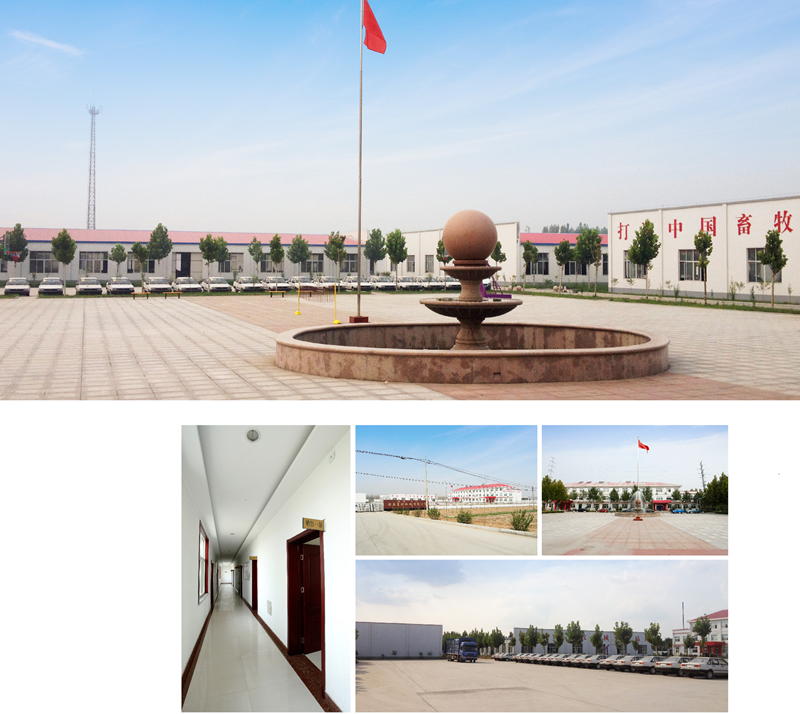
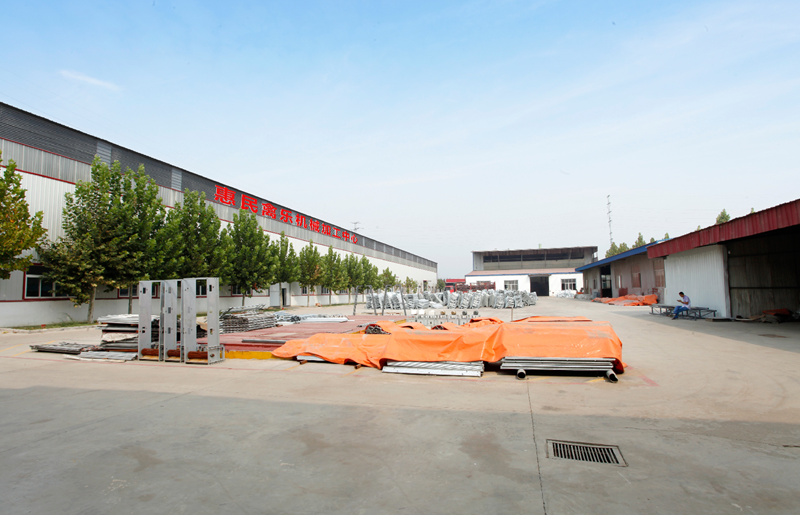
Shandong Huimin Qinle Livestock Machinery Co., Ltd. (formerly Shandong Huimin Qinle Livestock Machinery Factory) is a professional poultry equipment manufacturer with over 20 years of experience. We offer a comprehensive service package, from design (land and chicken coops), production (equipment and prefabricated steel coops), installation, commissioning, customer training, and after-sales service.
Located in Huimin County, Binzhou City, Shandong Province, China, the company has extensive experience in mechanical processing and manufacturing, as well as livestock machinery production and operation. With fixed assets of RMB 15 million, the company employs 160 people, including 30 R&D staff, and occupies a 40,000-square-meter factory. Equipped with over 110 pieces of advanced precision production equipment, including CNC machining centers and laser cutting machines, the company boasts a production capacity of RMB 50 million.
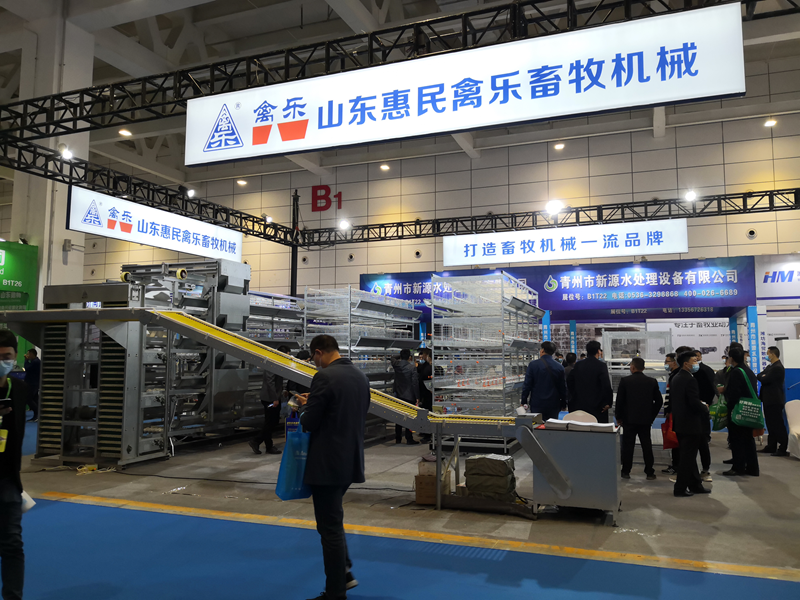
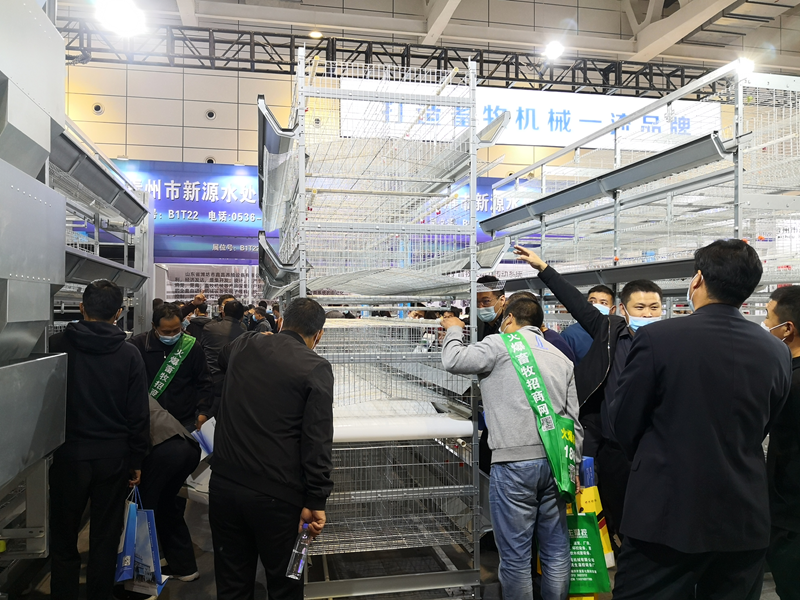
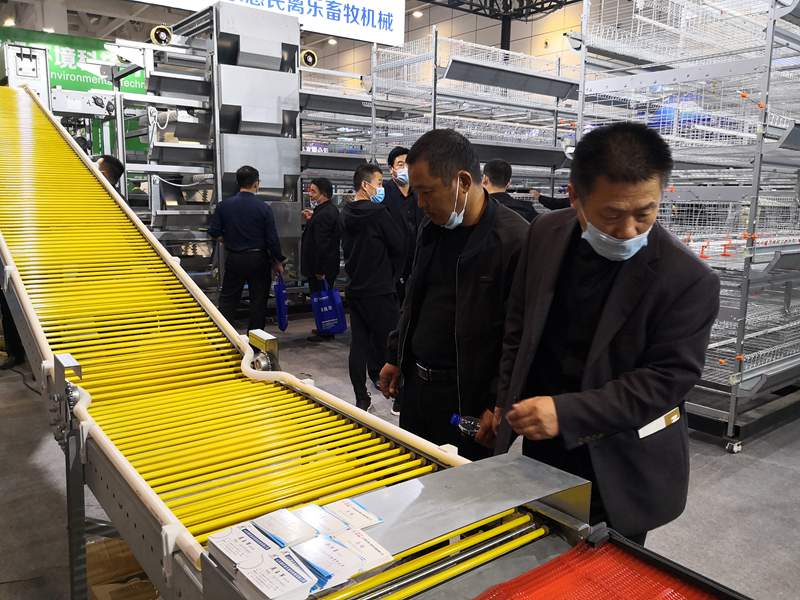
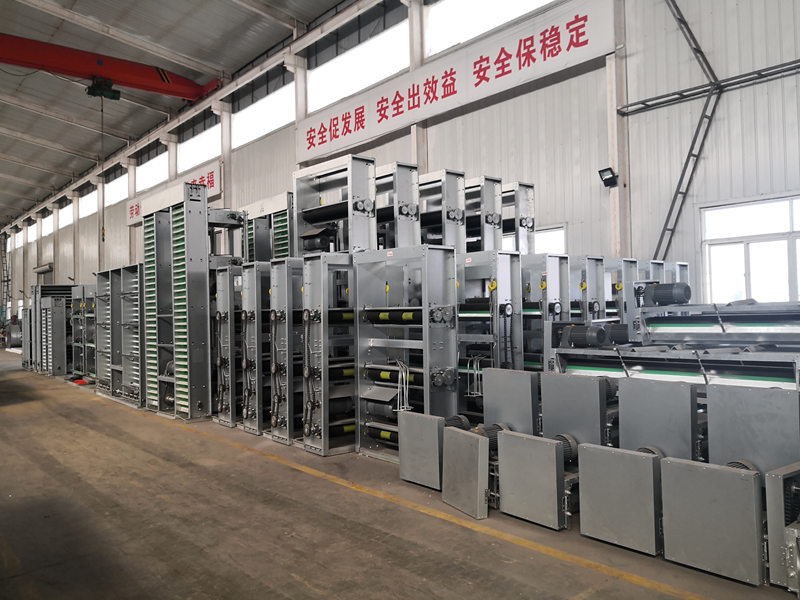
Chicken Farming Equipment Mesh Production Workshop

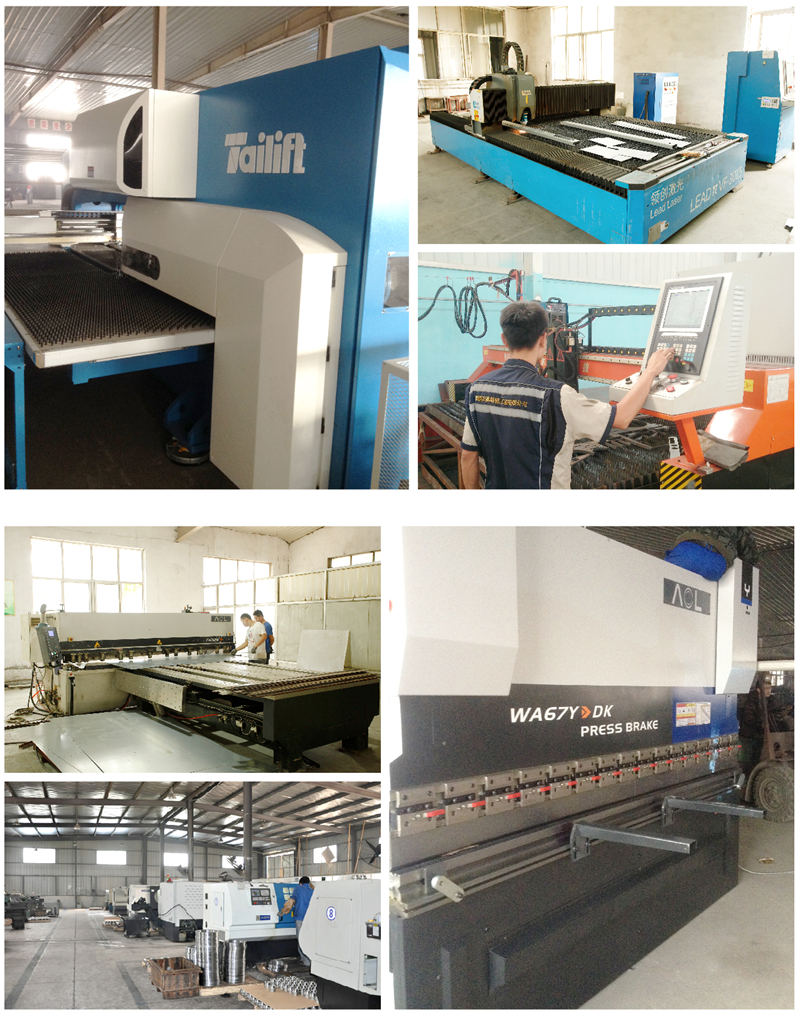
Machining Workshop
Turret-type CNC Punch Press, Laser Cutting and Other Machining Equipment
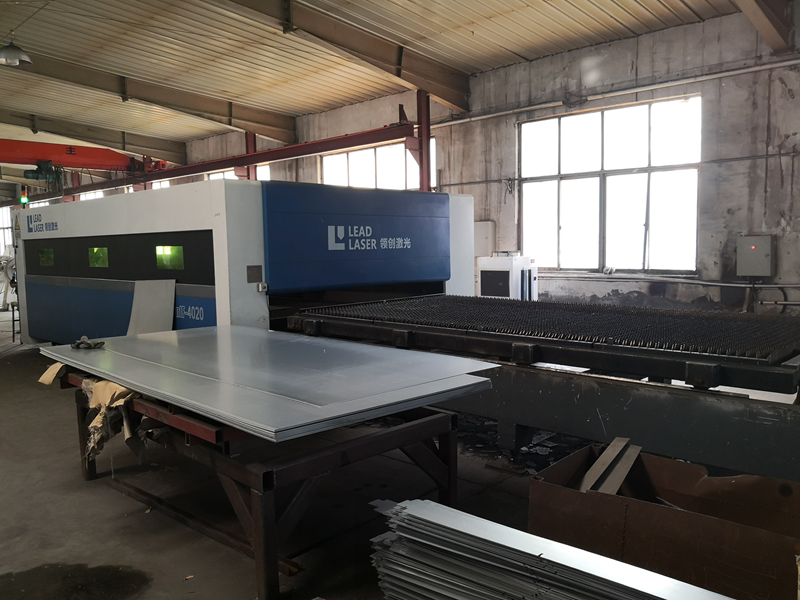

Fully Automated Roll Forming Production Line

Hot-dip Galvanizing Production Line

Electroplating Production Line
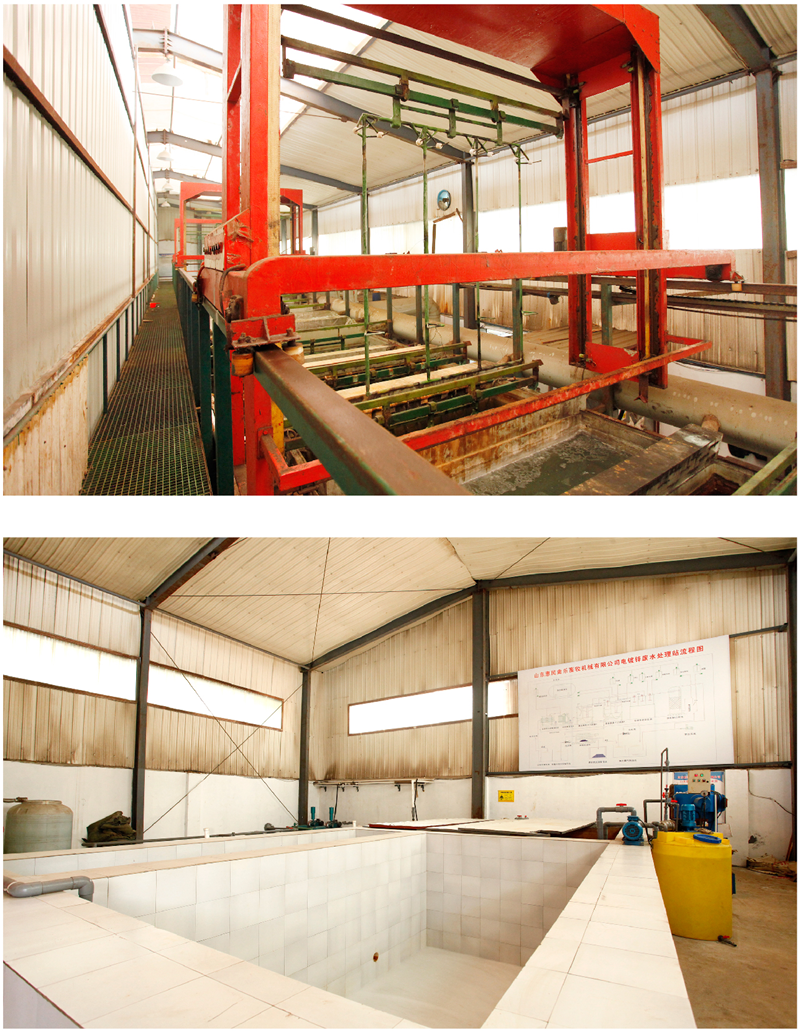
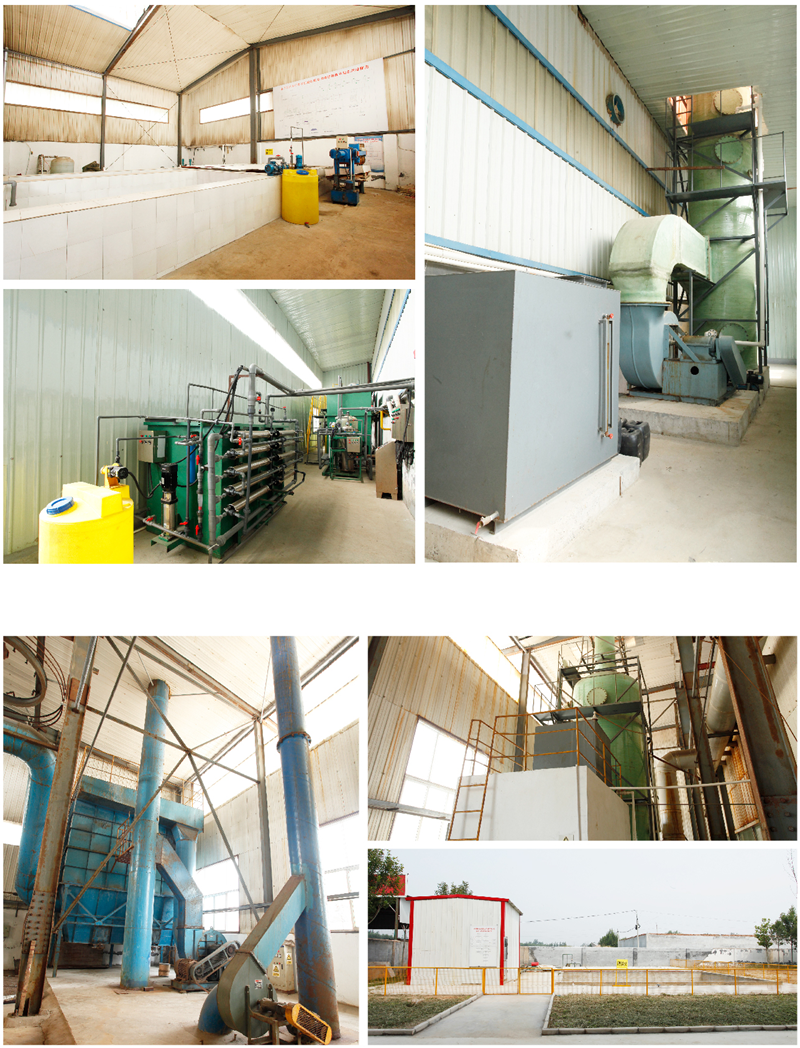
Environmental Protection Equipment
Chicken Farming Equipment Product Series
Egg-laying Hen Farming Equipment
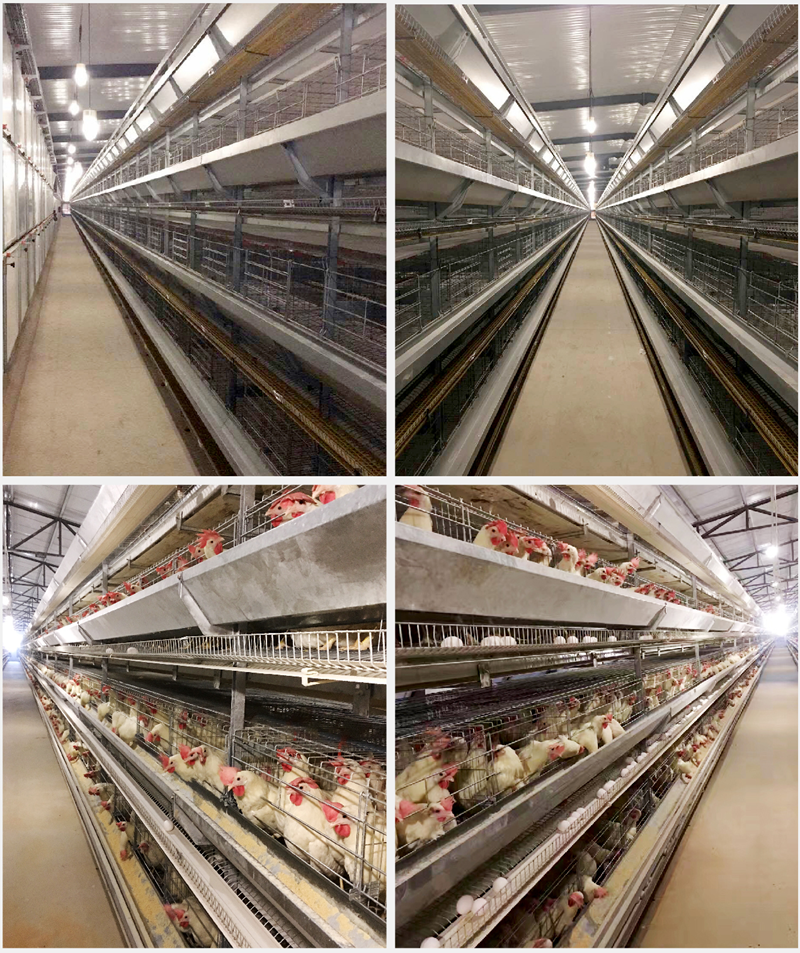
Stacked Brooding Cage Equipment

Stacked Broiler Cage Equipment
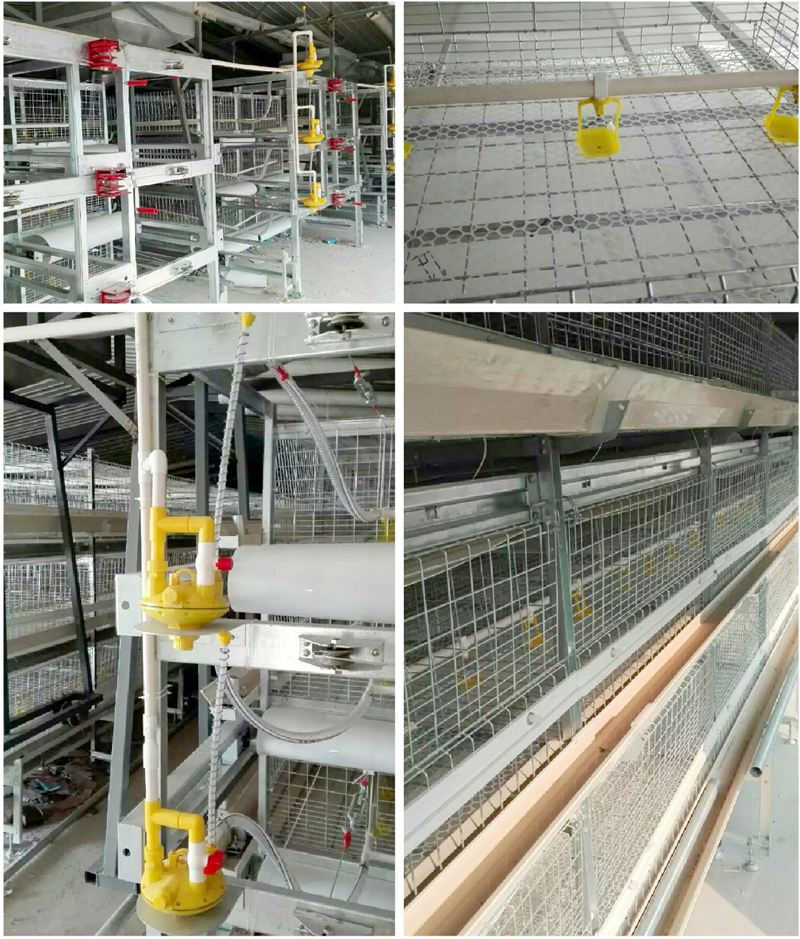
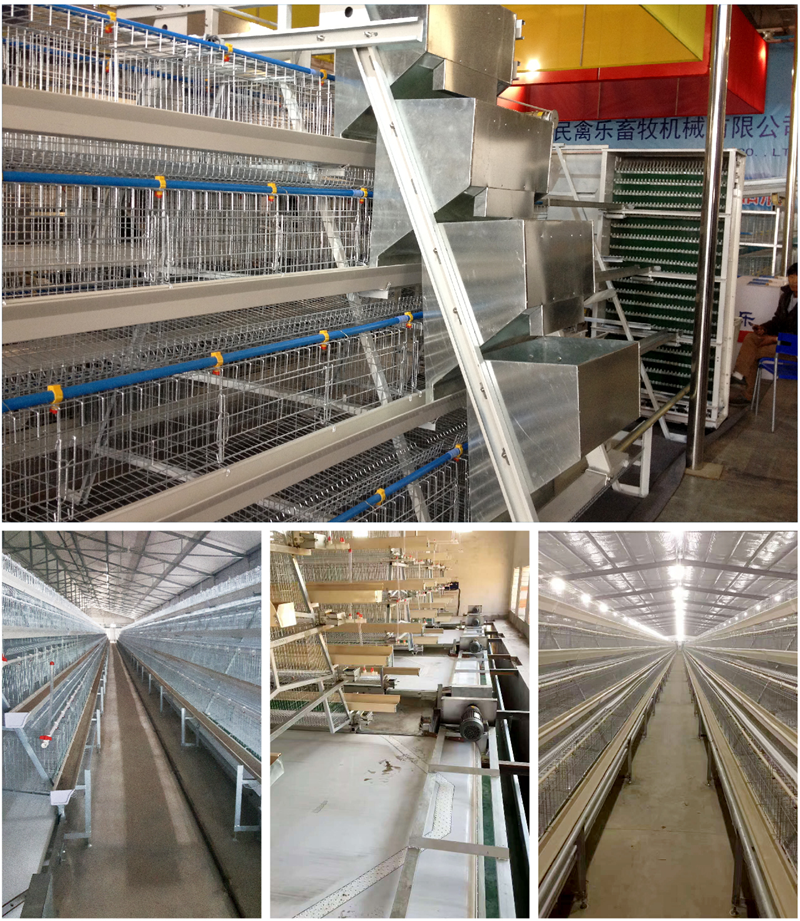
Stepped Layer Hen Cage Rearing Equipment
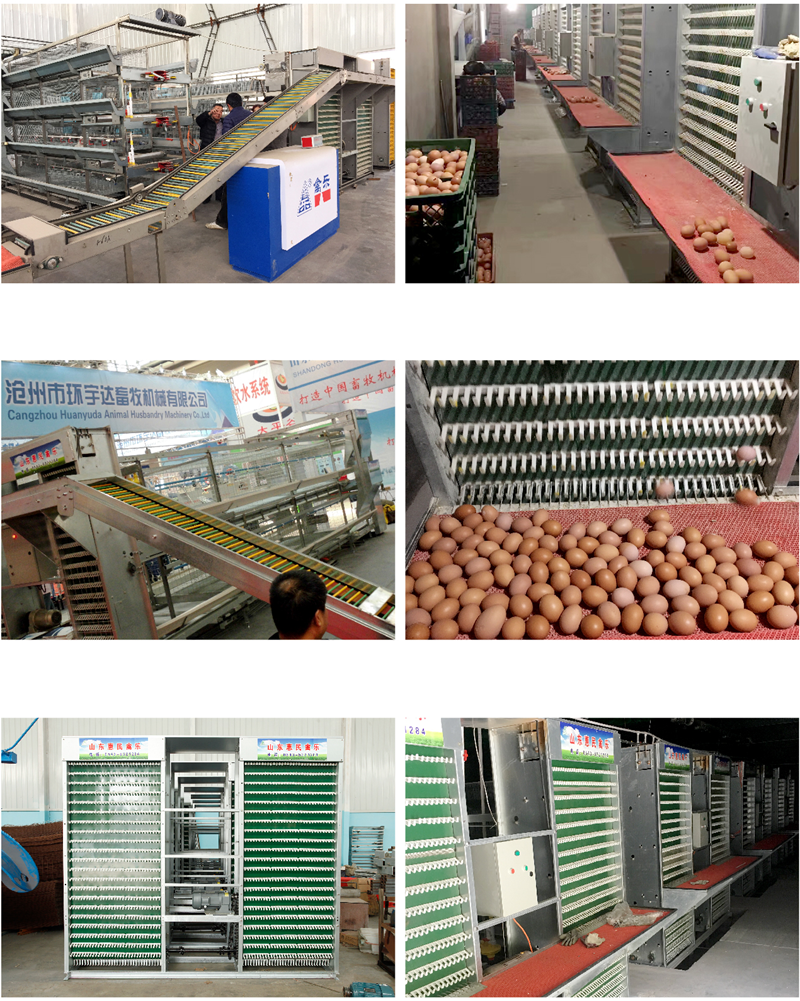
Automatic Egg Collection System
H-type Cage Feeding Machine
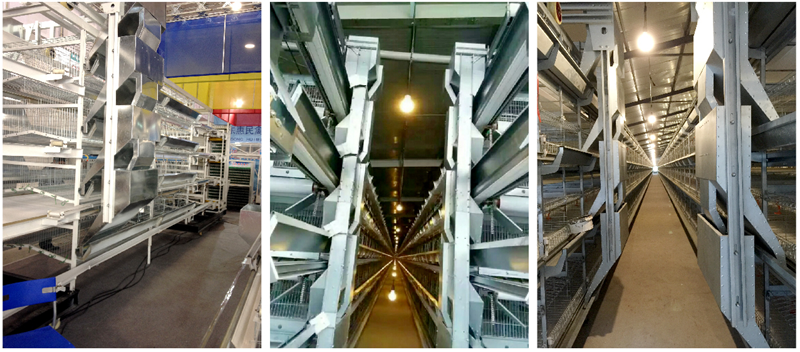
Stepped Cage Straddle Feeder
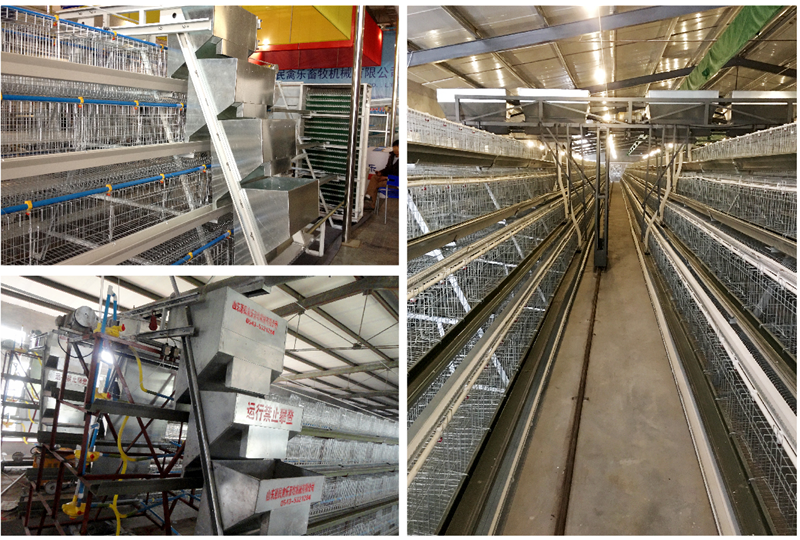
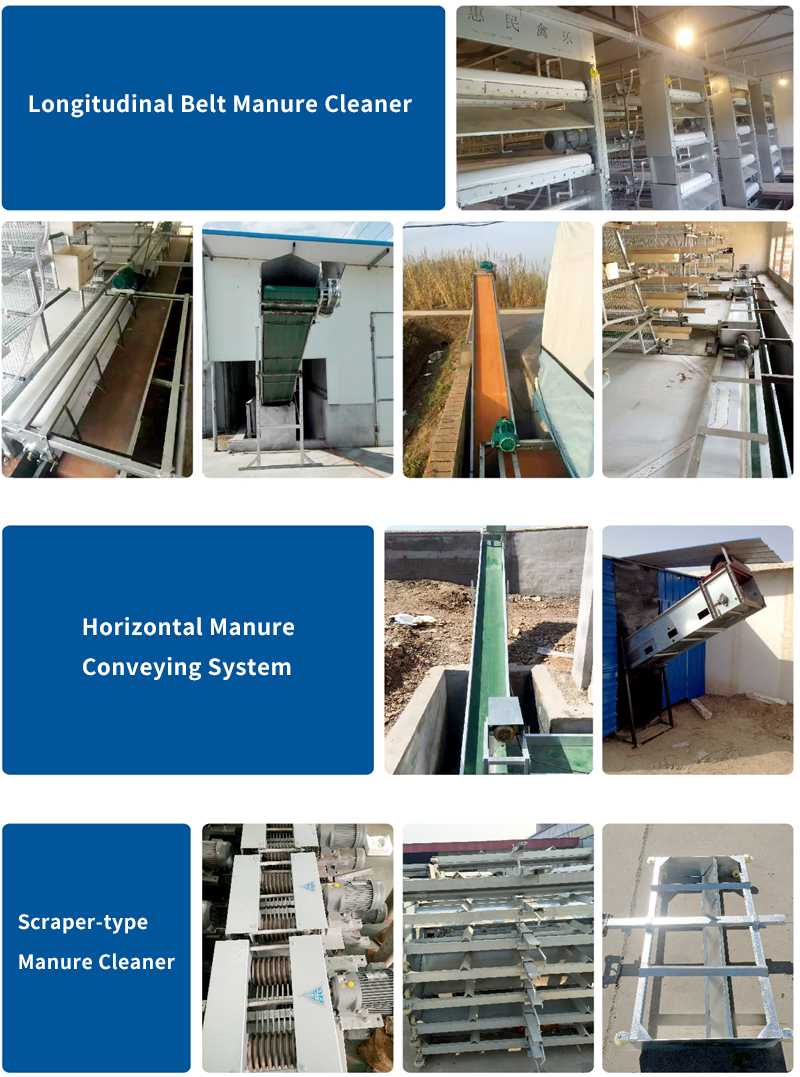
Manure Removal Machine
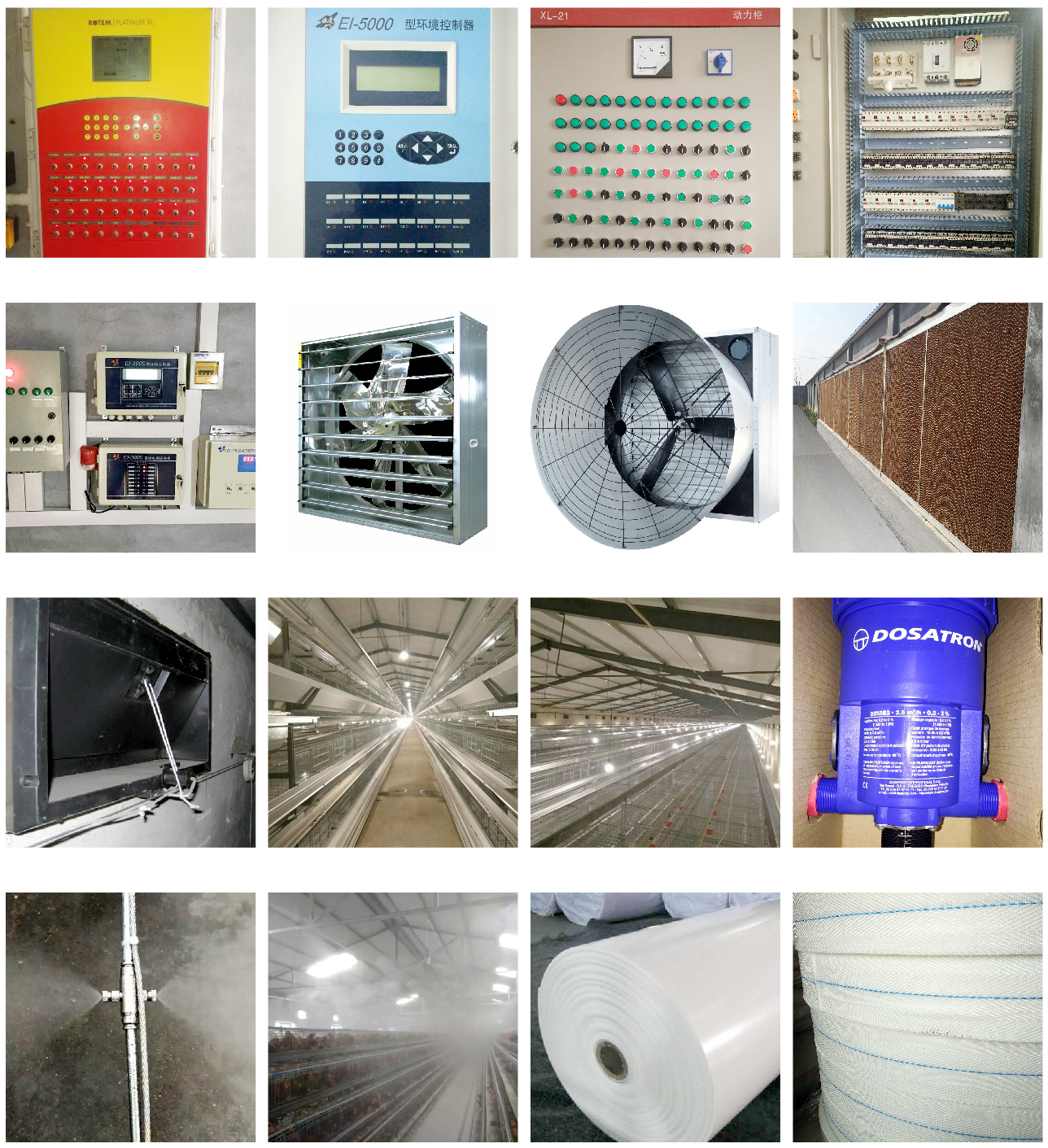
Fans, Heated Curtains, Environmental Control Systems, and Lighting Equipment
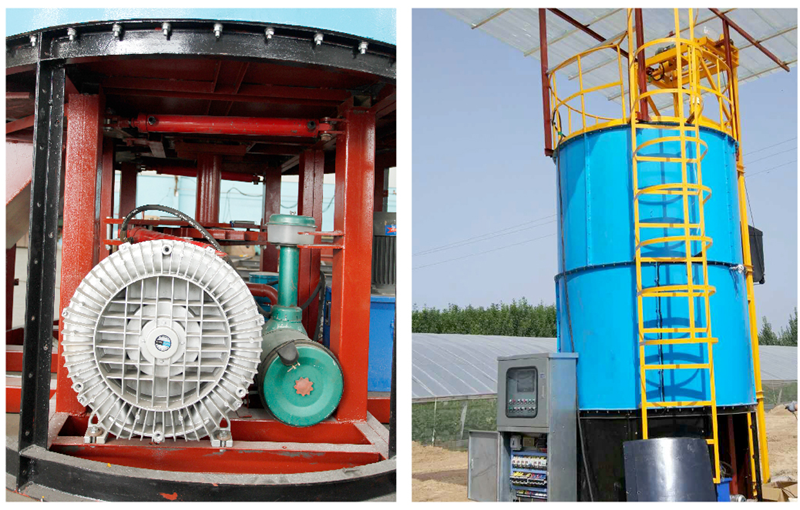
Complete Set of Equipment for Organic Fermentation Treatment of Manure
Бул веб-сайт биздин веб-сайтта эң жакшы тажрыйбаны алуу үчүн кукилерди колдонот.
 English
 Pусский
 Français
 العربية
 Indonesia
 қазақ
қазақ o'zbek
 тоҷикӣ
 Türkmenler
 Catalogue



 Whatsapp
 Телефон