

1. Introduction to Poultry Waste Processing System
A Poultry Waste Processing System is an advanced waste management solution designed for modern poultry farms to collect, separate, process, and convert poultry waste—such as manure, bedding materials, feathers, and wastewater—into reusable, eco-friendly resources. As poultry farming expands worldwide, waste output has dramatically increased. Without proper treatment, raw poultry waste can cause soil contamination, water pollution, harmful gas emissions, and disease outbreaks.
The demand for a reliable waste treatment solution has led to the development of automated and semi-automated poultry waste processing machines and integrated systems. These systems help poultry farmers transform waste into valuable by-products such as organic fertilizer, compost, and biogas, contributing to sustainability, environmental protection, and operational efficiency.
A well-engineered Poultry Waste Processing System ensures:
Odor reduction
Compliance with environmental regulations
Lower greenhouse gas emissions
Reduction of labor dependency
Improved farm hygiene
Enhanced productivity
Today, poultry farms of all sizes—from small family farms to large-scale commercial chicken, broiler, and layer operations—are adopting these systems to reduce agricultural pollution and increase profitability.
2. Technical Parameters of a Poultry Waste Processing System
Although parameters differ by model and manufacturer, the following specifications represent typical industry standards:
2.1 Mechanical Specifications
Processing Capacity: 1–20 tons/hour
Input Materials: poultry manure, bedding (sawdust/rice husks), feathers, wastewater sludge
Output Materials: dry manure, organic fertilizer, compost, separated solids and liquids
Moisture Reduction Rate: 30%–70% depending on model
Solid-Liquid Separation Efficiency: ≥ 85%
Power Supply: 380V/50Hz (customizable for different countries)
Motor Power: 4–22 kW
Machine Weight: 800–5,000 kg
Dimensions: varies by model (1.5m–6m length)
2.2 Structural Materials
Main Body Material: SS304/SS316 stainless steel
Screw Press Material: corrosion-resistant alloy
Filter Mesh Size: 0.3–1.0 mm (adjustable)
Anti-corrosion Coating: epoxy/polyurethane
2.3 Operational Specifications
Automatic Control: PLC or smart sensor-based
Input Hopper Capacity: 0.5–2 m³
Noise Level: < 65 dB
Energy Consumption: 2–6 kWh per ton of waste
Temperature Regulation (if composting system included): 50–70°C
2.4 Safety and Compliance
CE Certified
ISO 9001 Manufacturing Standard
Environmental Compliance: meets global poultry waste discharge standards
3. Key Features of Poultry Waste Processing System
3.1 High-Efficiency Solid-Liquid Separation
The core component is often a screw press separator, capable of rapidly removing moisture from poultry manure.
3.2 Automated Operation
Smart sensors and PLC control enable automated feeding, separating, drying, composting, and discharge.
3.3 Modular System Design
Modules can include:
Solid-liquid separator
Manure dryer
Compost turner
Wastewater treatment unit
Odor control system
Dust filtration unit
3.4 Reduced Labor Requirements
Most systems require only one operator to monitor and adjust settings.
3.5 Corrosion-Resistant Structure
Designed to withstand corrosive poultry waste, ammonia gases, and high humidity.
3.6 Odor and Emission Control
Built-in deodorization systems reduce ammonia, hydrogen sulfide, and dust particles.
3.7 Low Energy Consumption
Energy-efficient systems achieve high output with minimal electricity usage.
3.8 Compatibility with Various Poultry Houses
Suitable for:
Broiler farms
Layer chicken farms
Breeder farms
Duck and turkey farms
4. Advantages of a Poultry Waste Processing System
4.1 Environmental Protection
Reduces waste pollution, prevents surface water contamination, and supports sustainable poultry farming.
4.2 Increases Farm Profitability
Processed waste becomes valuable products:
Organic fertilizer
Pellets
Compost
Nutrient-rich soil conditioner
4.3 Compliance with Government Regulations
Meets strict environmental laws, reducing the risk of fines or farm shutdown.
4.4 Improved Farm Hygiene
Reduced flies, pathogens, and harmful gases improve animal welfare.
4.5 Odor Control
Creates a more comfortable environment for workers and surrounding communities.
4.6 Reduced Storage Needs
Processed manure takes up less space and is easier to transport.
4.7 Long-Term Cost Savings
Lower labor cost + reduced pollution risk + waste-to-profit conversion.
5. Application Scenarios
5.1 Large Commercial Poultry Farms
High-capacity systems handle significant waste output daily.
5.2 Broiler and Layer Chicken Farms
Automatically process feces from conveyor belts, deep litter systems, or cage waste.
5.3 Organic Fertilizer Factories
Use poultry manure as raw material to create organic fertilizer.
5.4 Small and Medium Poultry Farms
Compact systems designed for lower daily waste output.
5.5 Integrated Agricultural Parks
Combined systems treating poultry, cattle, and pig waste.
5.6 Eco-Friendly Farms
Supports carbon reduction and circular farming models.
6. Usage Instructions
6.1 Pre-Operation Inspection
Check machine connection points
Confirm power supply voltage
Remove foreign objects from the hopper
Ensure proper lubrication
6.2 Feeding the Machine
Feed fresh or semi-fermented poultry manure
Ensure mixture is not overly dry or overly wet
Keep continuous and stable input
6.3 System Operation
Start the machine through the control panel
Adjust screw speed and pressure based on material moisture
Monitor output dryness
6.4 Solid-Liquid Separation
Dry solids discharge from one end; liquids are routed to storage or treatment tanks.
6.5 Composting or Drying (Optional Modules)
Dryers or compost systems enhance further processing.
6.6 Shutdown Procedure
Stop feeding
Let machine run until empty
Turn off main power
7. Maintenance Requirements
7.1 Daily Maintenance
Clean filter screens
Check screw condition
Remove debris
7.2 Weekly Maintenance
Lubricate bearings
Inspect seals and belts
7.3 Monthly Maintenance
Check for corrosion
Inspect electrical components
7.4 Annual Maintenance
Replace worn parts
Perform full system diagnostic
8. Common Problems & Troubleshooting
Problem 1: Low Output Efficiency
Cause: Clogged screen, material too wet
Solution: Clean mesh; reduce input moisture
Problem 2: Machine Vibration
Cause: Unbalanced feeding
Solution: Feed steadily
Problem 3: Poor Separation
Cause: Wrong pressure setting
Solution: Reconfigure screw pressure
Problem 4: Bad Odor
Cause: Insufficient ventilation
Solution: Activate deodorization system
Problem 5: Overheating
Cause: Continuous long-hour operation
Solution: Allow cooling interval
9. Frequently Asked Questions (FAQ)
Q1: What is the main purpose of a Poultry Waste Processing System?
To convert poultry waste into reusable products like fertilizer while reducing pollution.
Q2: Can it handle large-scale chicken farm waste?
Yes, industrial models can process up to 20 tons/hour.
Q3: Is the system fully automated?
Most modern systems include PLC and smart controls.
Q4: What is the moisture level of processed output?
Typically reduced from 70–80% to 30–40%.
Q5: Can it connect to an existing poultry house?
Yes, systems can integrate with conveyor belts, manure scrapers, and ventilation systems.
Q6: Is maintenance complicated?
No, most tasks involve cleaning and lubrication.
Q7: What is the lifespan of the machine?
With proper maintenance: 8–15 years.
10. Conclusion
A Poultry Waste Processing System is an essential investment for modern poultry farms seeking sustainability, efficiency, and profitability. By transforming raw manure and waste into valuable organic resources, the system helps farmers reduce operational costs, meet environmental standards, and promote healthier living conditions for poultry and workers.
Whether for small farms or large-scale operations, these systems provide long-term benefits and support environmentally friendly agriculture.
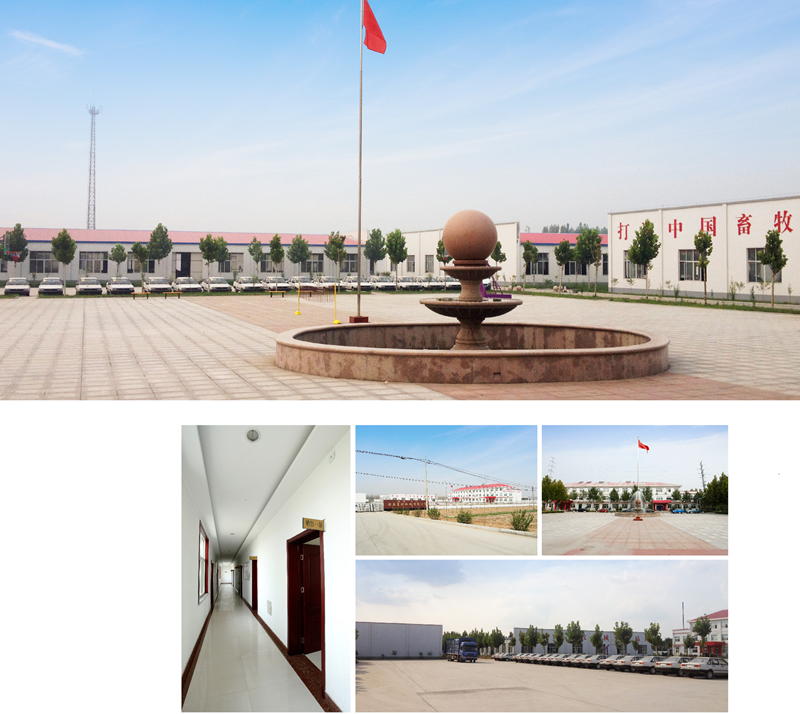
Shandong Huimin Qinle Livestock Machinery Co., Ltd. (formerly Shandong Huimin Qinle Livestock Machinery Factory) is a professional poultry equipment manufacturer with over 20 years of experience. We offer a comprehensive service package, from design (land and chicken coops), production (equipment and prefabricated steel coops), installation, commissioning, customer training, and after-sales service.
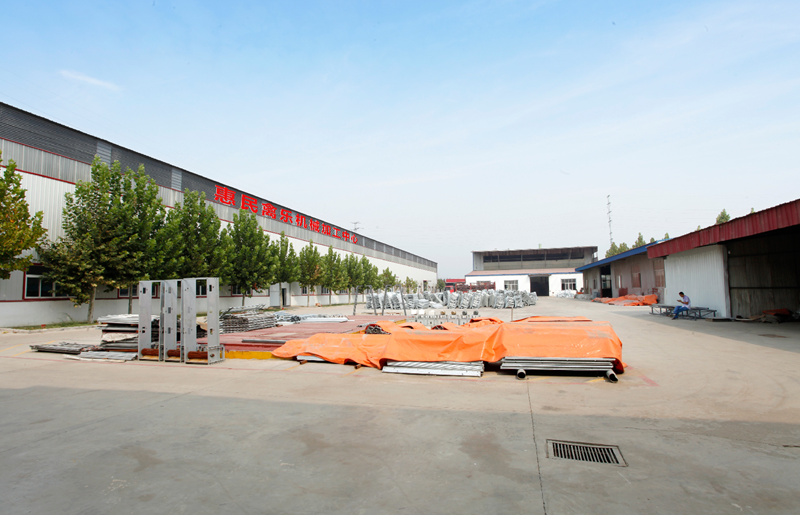
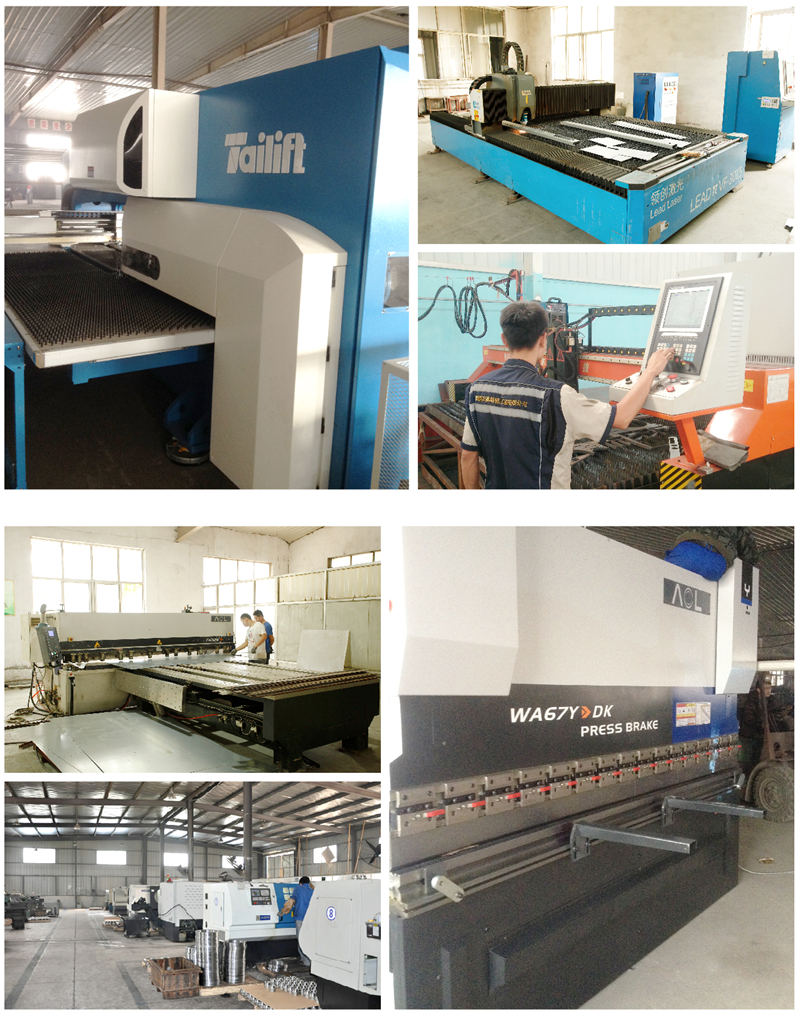
Located in Huimin County, Binzhou City, Shandong Province, China, the company has extensive experience in mechanical processing and manufacturing, as well as livestock machinery production and operation. With fixed assets of RMB 15 million, the company employs 160 people, including 30 R&D staff, and occupies a 40,000-square-meter factory. Equipped with over 110 pieces of advanced precision production equipment, including CNC machining centers and laser cutting machines, the company boasts a production capacity of RMB 50 million.
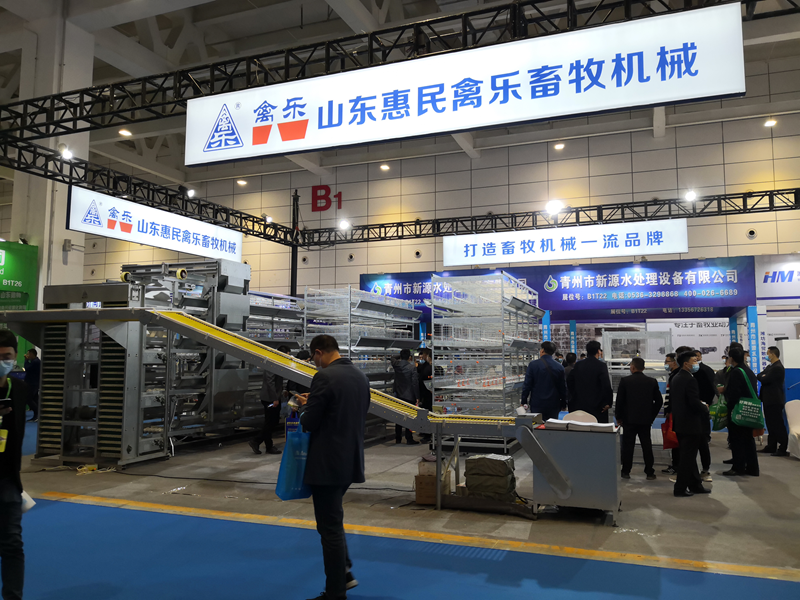
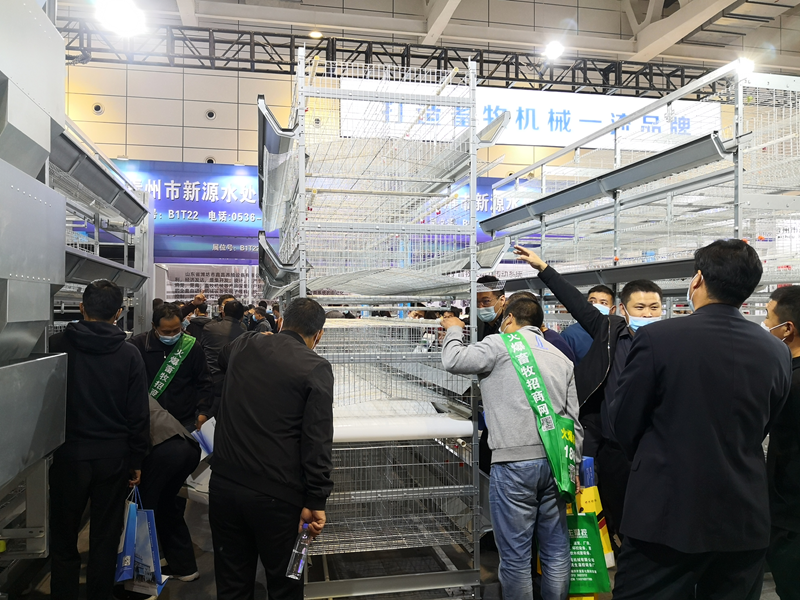
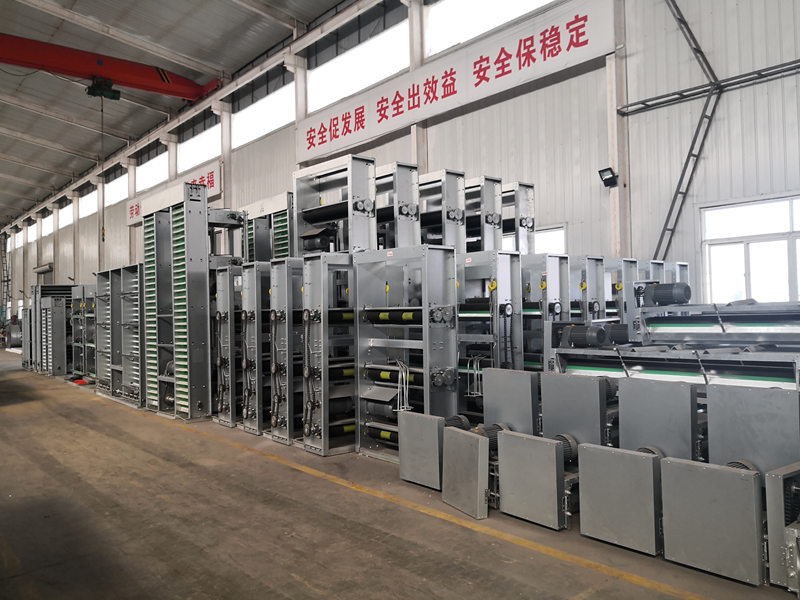
Chicken Farming Equipment Mesh Production Workshop

Machining Workshop
Turret-type CNC Punch Press, Laser Cutting and Other Machining Equipment
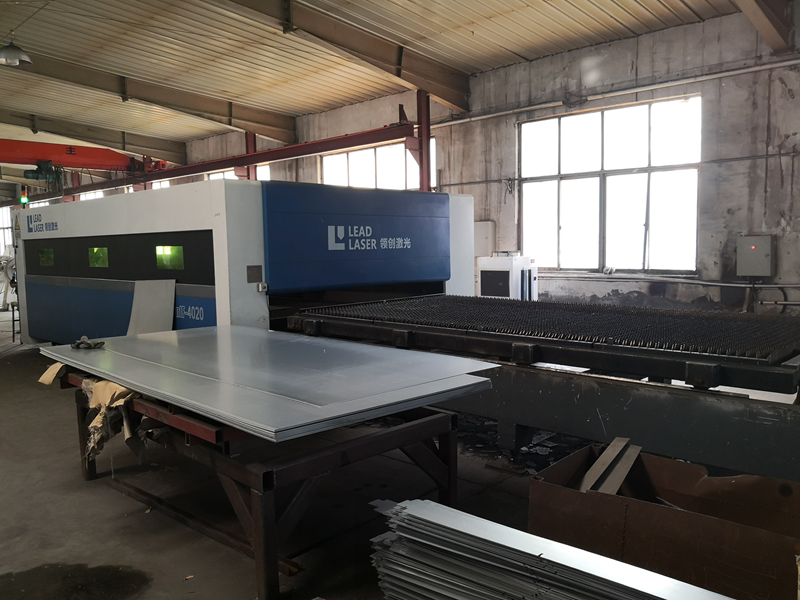

Fully Automated Roll Forming Production Line

Hot-dip Galvanizing Production Line

Electroplating Production Line
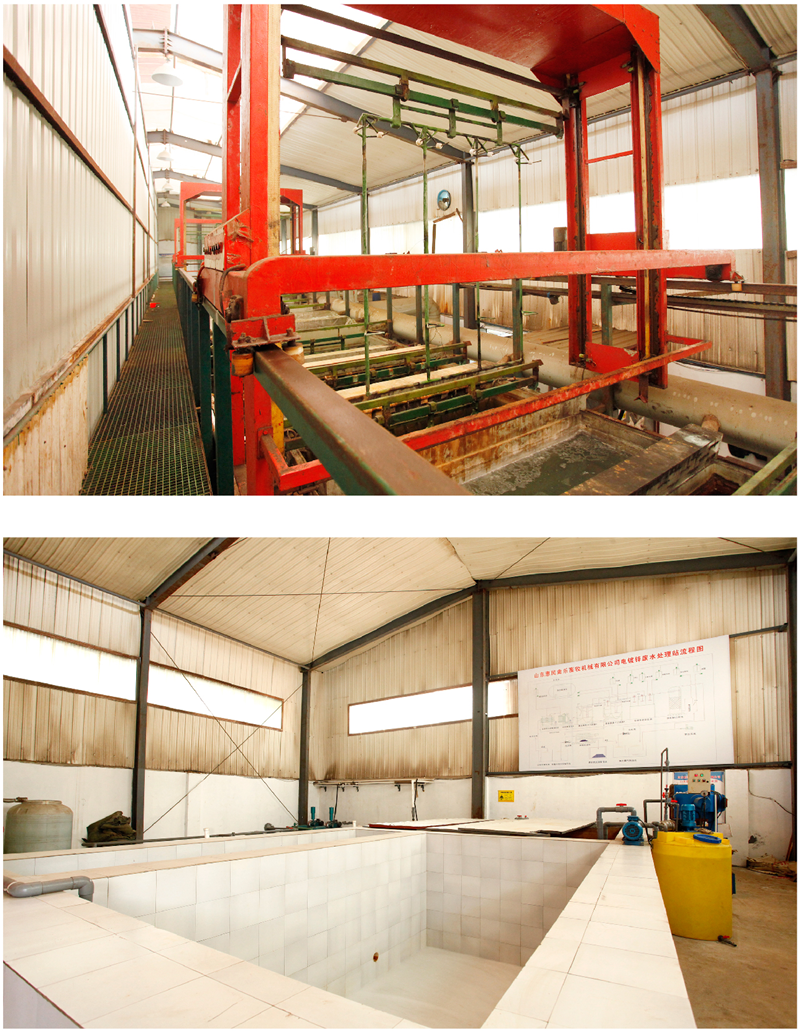
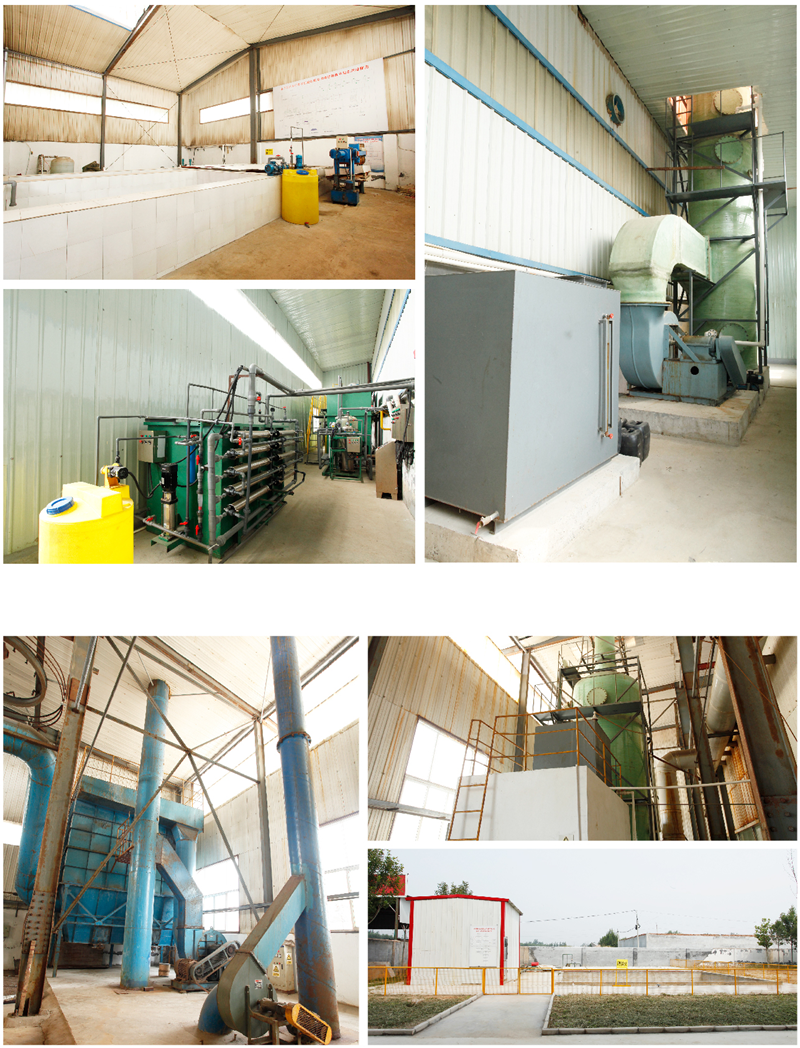
Environmental Protection Equipment
Chicken Farming Equipment Product Series
Egg-laying Hen Farming Equipment
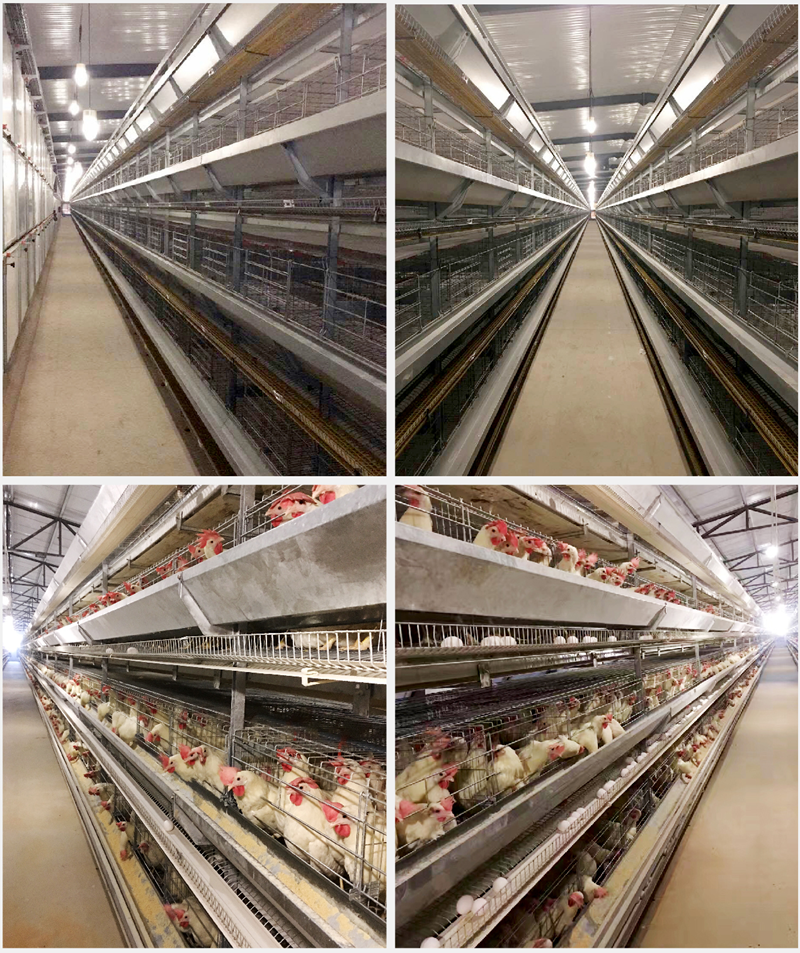
Stacked Brooding Cage Equipment

Stacked Broiler Cage Equipment
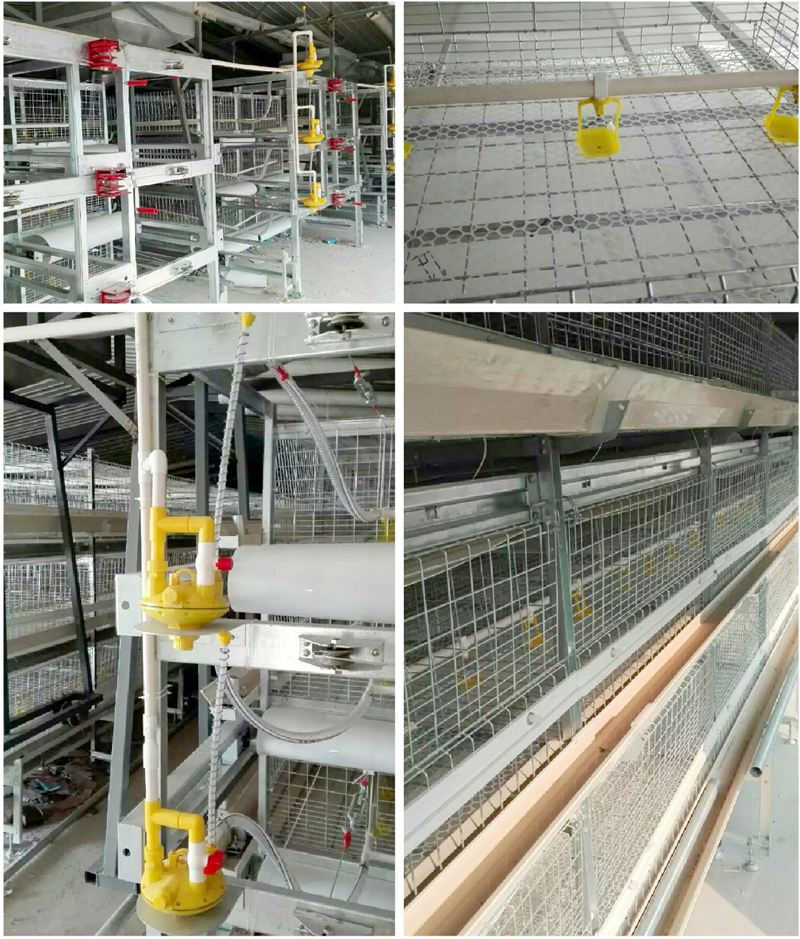
Stepped Layer Hen Cage Rearing Equipment
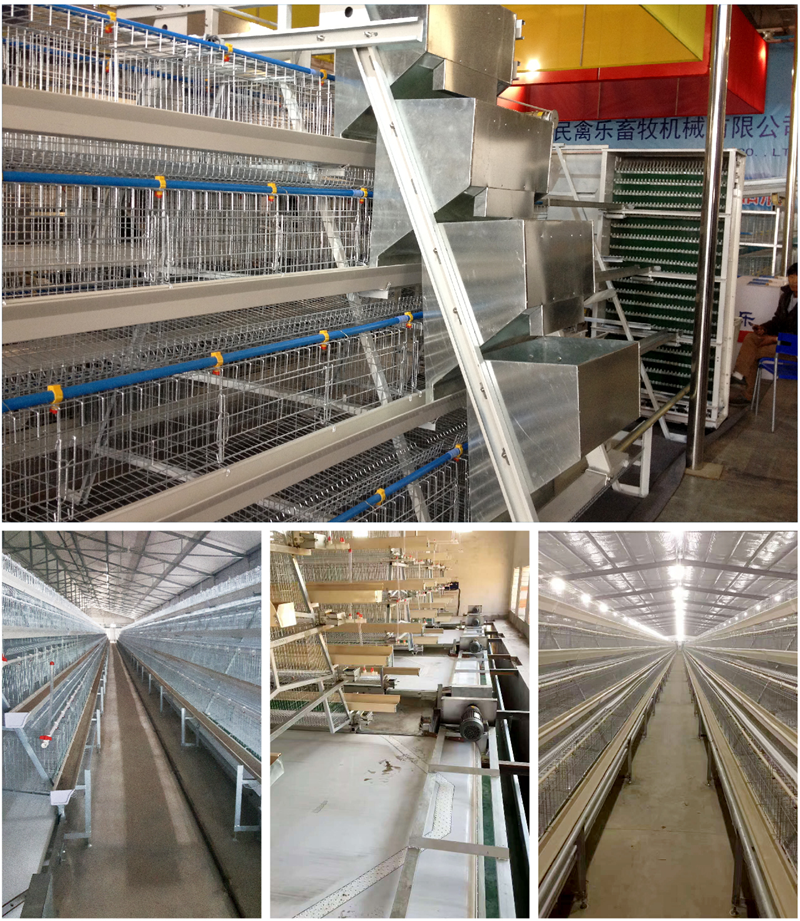
Automatic Egg Collection System
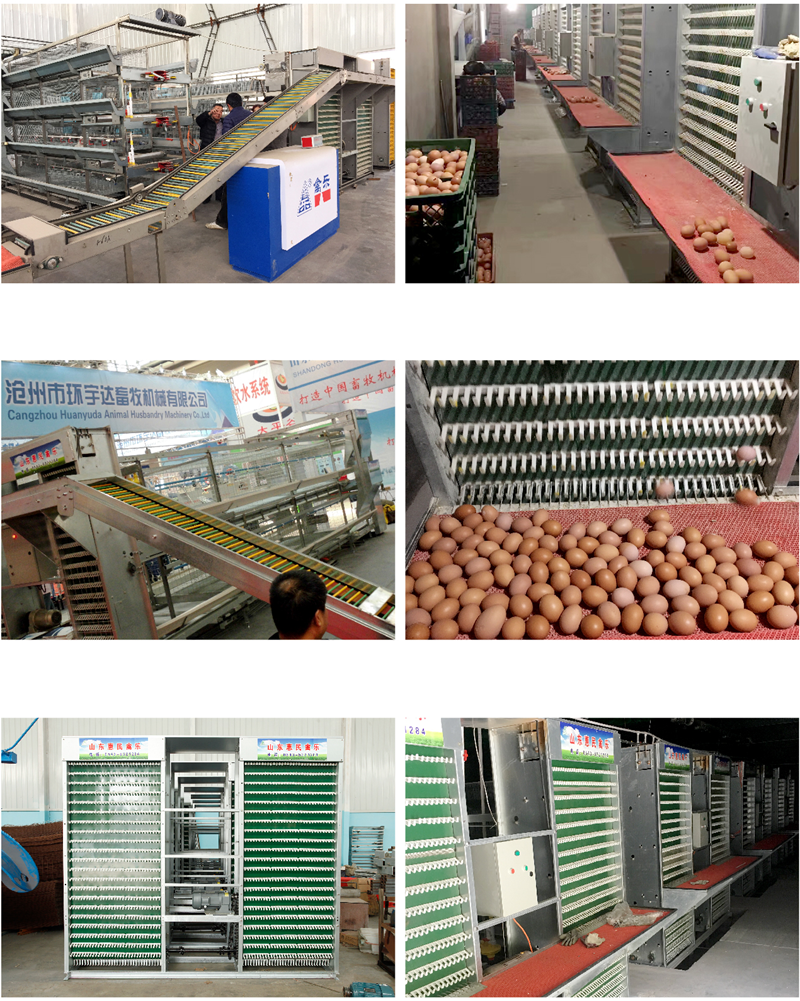
H-type Cage Feeding Machine
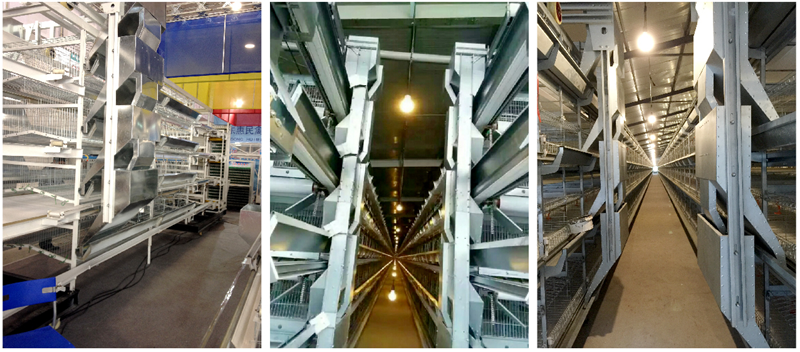
Stepped Cage Straddle Feeder
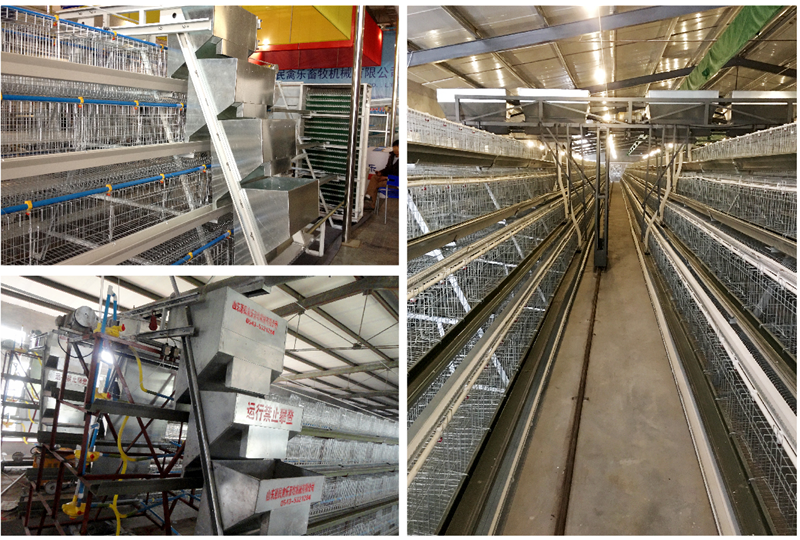
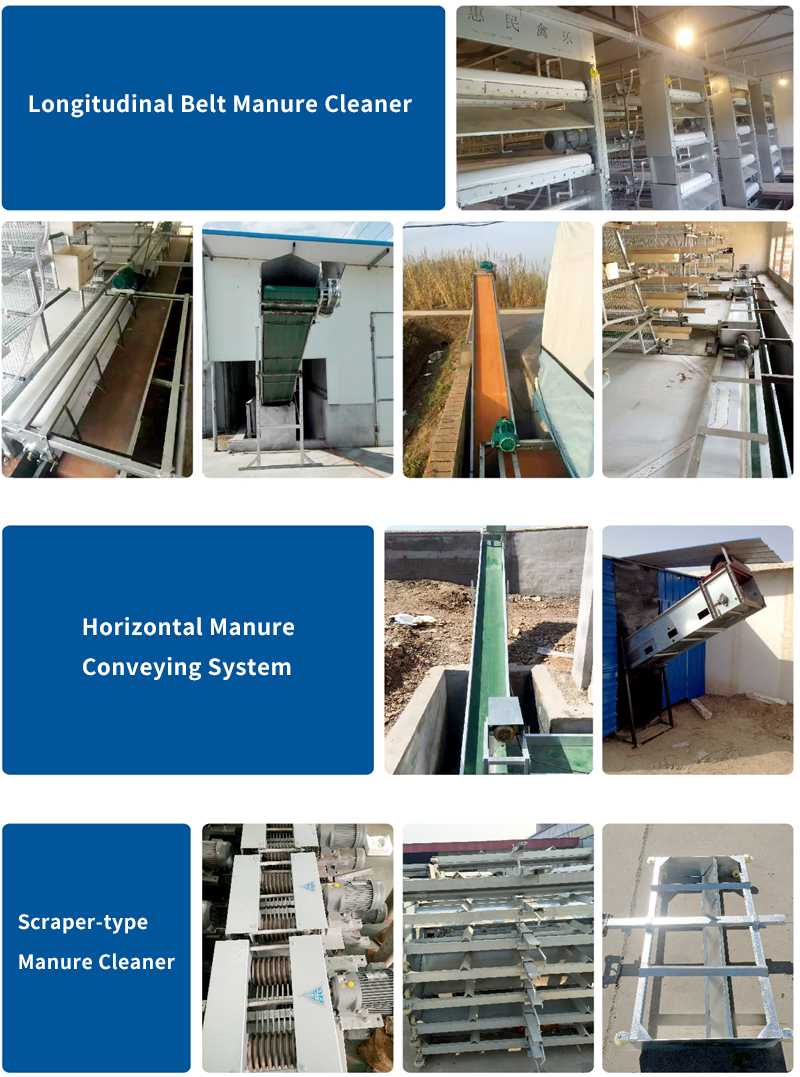
Manure Removal Machine
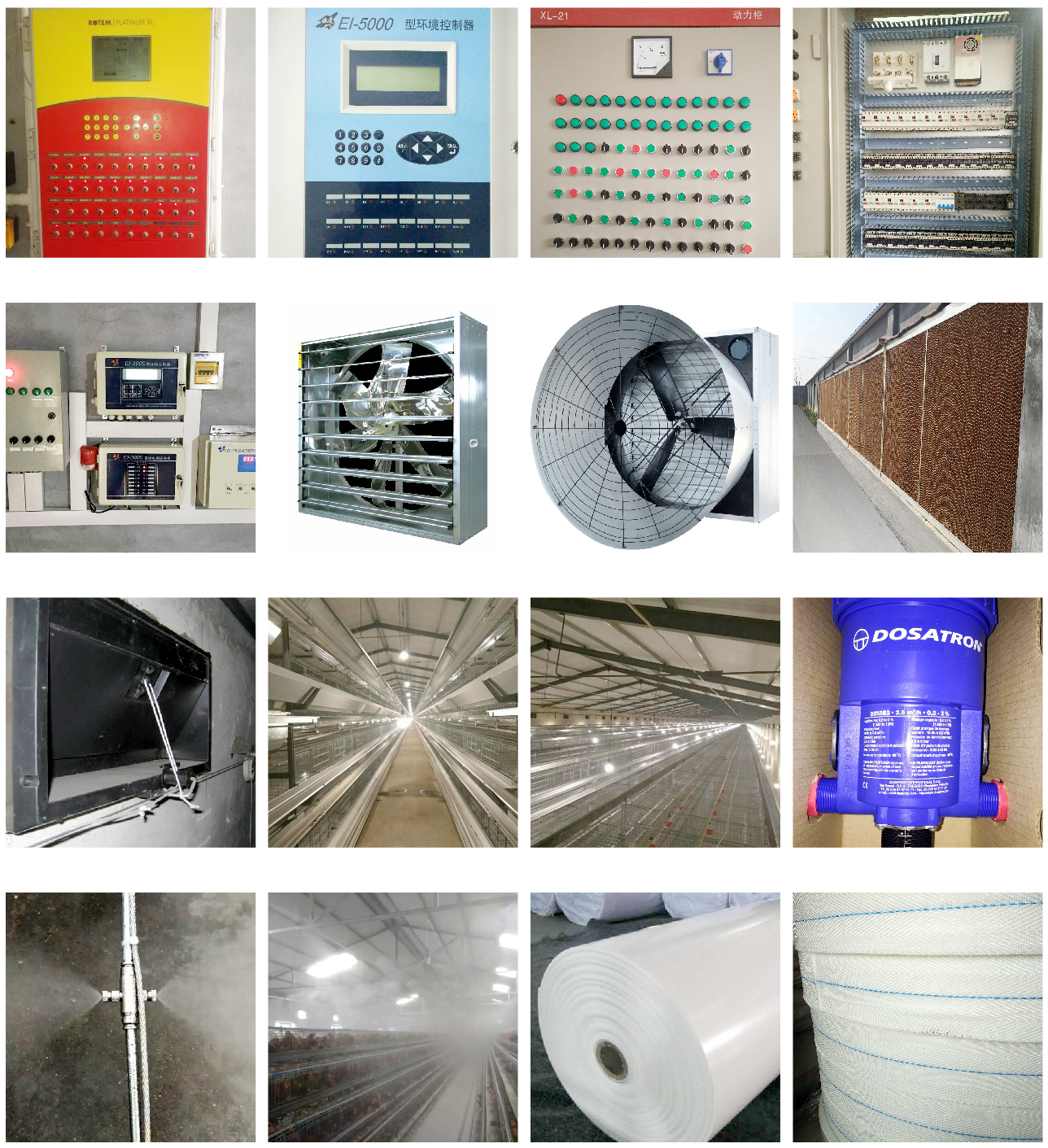
Fans, Heated Curtains, Environmental Control Systems, and Lighting Equipment
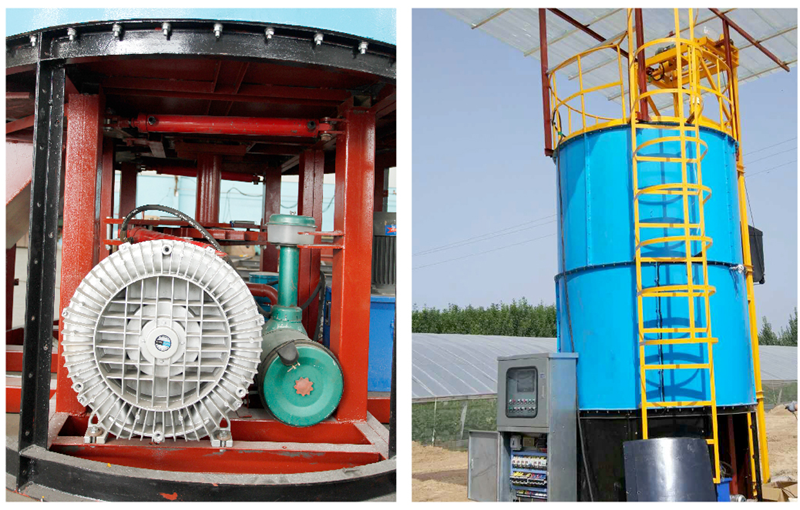
Complete Set of Equipment for Organic Fermentation Treatment of Manure
Бул веб-сайт биздин веб-сайтта эң жакшы тажрыйбаны алуу үчүн кукилерди колдонот.
 English
 Pусский
 Français
 العربية
 Indonesia
 қазақ
қазақ o'zbek
 тоҷикӣ
 Türkmenler
 Catalogue



 Whatsapp
 Телефон